Garden Blog - Top Tropicals

Date: 2 Mar 2026

Eugenia Cherries 🍒

By Tatiana Anderson, Horticulture Expert at Top Tropicals with Smokey & Sunshine help

Eugenia brasiliensis - Grumichama fruit on the branch

Growing Eugenia Cherries (Cherry of the Rio Grande & Grumichama)

Cherry of the Rio Grande and Grumichama are compact, adaptable tropical fruit trees well suited to Southern landscapes. While forgiving, they perform best when planted correctly from the beginning.

Site and Planting

  • Drainage is essential. Avoid low areas where water collects. Plant on a slight mound if soil is heavy or clay-like.
  • Choose full sun for best flowering and fruit production. Partial shade is tolerated.
  • A south or southeast exposure near a wall improves cold resilience and reduces wind stress.
  • Dig a hole twice as wide as the container, but no deeper than the root ball.
  • Set the tree level with surrounding soil. Do not bury the trunk.

Water and Feeding

  • Water regularly during the first few months while roots establish.
  • Once established, trees tolerate short dry periods but fruit best with moderate, consistent moisture.
  • Feed lightly and consistenly. SUNSHINE Boosters Robusta liquid fertilizer is safe to use with with every watering. During hot season you may add controlled release Green Magic every 6 months. It is essential to apply micro elements: Sunshine Superfood micro nutrients complex

Cold Tolerance

  • Protect young trees during hard freezes.
  • Established Cherry of the Rio Grande can tolerate brief drops into the low 20s.
  • Established Grumichama tolerates temperatures into the upper 20s.

Harvest and Production

  • Cherry of the Rio Grande fruits from late spring into summer. Pick when fully dark and slightly soft.
  • Grumichama ripens quickly, often within four weeks after flowering. Pick when glossy and deep purple-black.
  • Both trees often begin fruiting within 2–3 years and increase production steadily with maturity.

Growing in Containers

  • Use at least a 10–20 gallon pot for long-term growth.
  • Ensure multiple drainage holes.
  • Use a high-quality, well-draining container mix. Avoid heavy garden soil. Top Tropicals Abundance soil-less mix is specially formulated for pot growing
  • Place in full sun for best fruiting.
  • Water deeply, then allow the top layer to dry slightly before watering again.
  • Move containers to a protected area during hard freezes.
  • Prune lightly to maintain shape and airflow.

Common Mistakes

  • Planting in poorly drained soil.
  • Overwatering and keeping soil constantly saturated.
  • Over-fertilizing with excessive nitrogen.
  • Planting too deep and burying the trunk.
  • Expecting heavy crops immediately instead of allowing time for maturity.
  • Skipping cold protection for young plants.

Learn more: Tropical Cherries – Eugenias
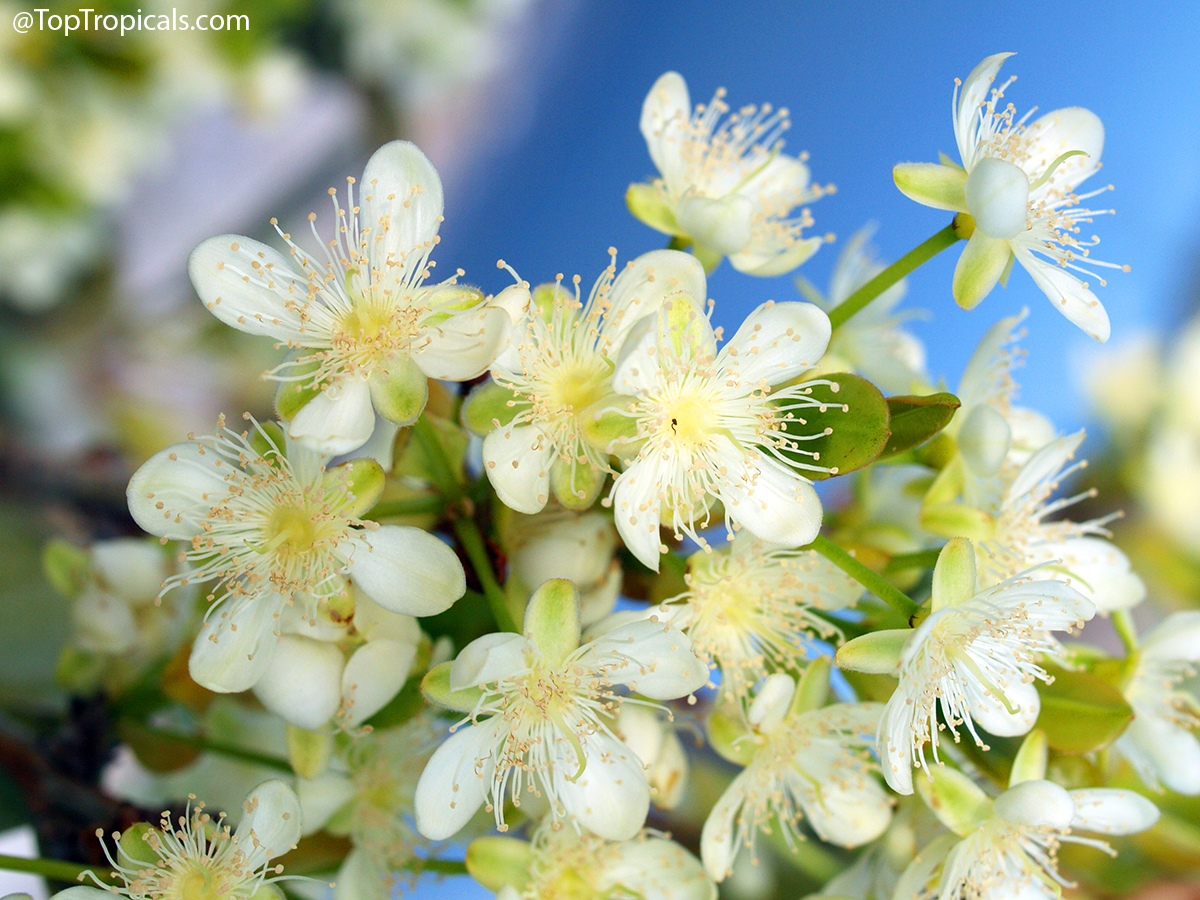
EGrumichama  flowers  (Eugenia  brasiliensis)  in  close-up  showing  white 
 petals  and  long 
 stamens

Eugenia brasiliensis - Grumichama flowers

❓Frequently Asked Questions: Eugenia cherries (FAQ)

  • Which one tastes better – Cherry of the Rio Grande or Grumichama?
    Cherry of the Rio Grande has a deeper, classic “sweet cherry” flavor with slight richness. Grumichama is softer, juicier, and often described as cherry with hints of grape and plum. Both are excellent fresh; Grumichama is especially popular for jam.
  • Which tree produces more fruit?
    Grumichama typically produces heavier crops once mature and can carry hundreds of fruits in a season. Cherry of the Rio Grande produces consistently but in slightly smaller volumes.
  • Do birds take all the fruit?
    Birds are attracted to both trees, especially Grumichama. Netting during peak ripening or harvesting promptly usually solves the issue.
  • Are these true "tropical" trees or subtropical?
    They are best described as subtropical tropicals. Unlike ultra-tender tropical fruits, Eugenia cherries tolerate occasional frost once established, making them more reliable in Southern landscapes.
  • Do they drop fruit messily?
    Fruit will fall if overripe, but the trees are compact and manageable. Regular harvesting prevents ground drop and keeps the area clean.
  • Can they be used for hedging or screening?
    Yes. Their dense evergreen foliage and upright growth make them suitable for edible hedges or privacy screens while still producing fruit.

Choosing between them is not about survival — both have proven resilient. It is about flavor preference, crop volume, and how you want to use the fruit in your kitchen and landscape.

Eugenia brasiliensis - Grumichama fruit close up

Eugenia aggregata (cv. Calycina), Cherry of the Rio Grande
🛒 Add Eugenia cherries to your garden

✍️ Top Ten Fruit Tree Winners of Florida 2026 Record Freeze

Date: 18 Apr 2026

The Secret to a Sharper Mind Might Be Growing in Your Backyard

Harvesting tropical fruits

Harvesting tropical fruits

The Secret to a Sharper Mind Might Be Growing in Your Backyard


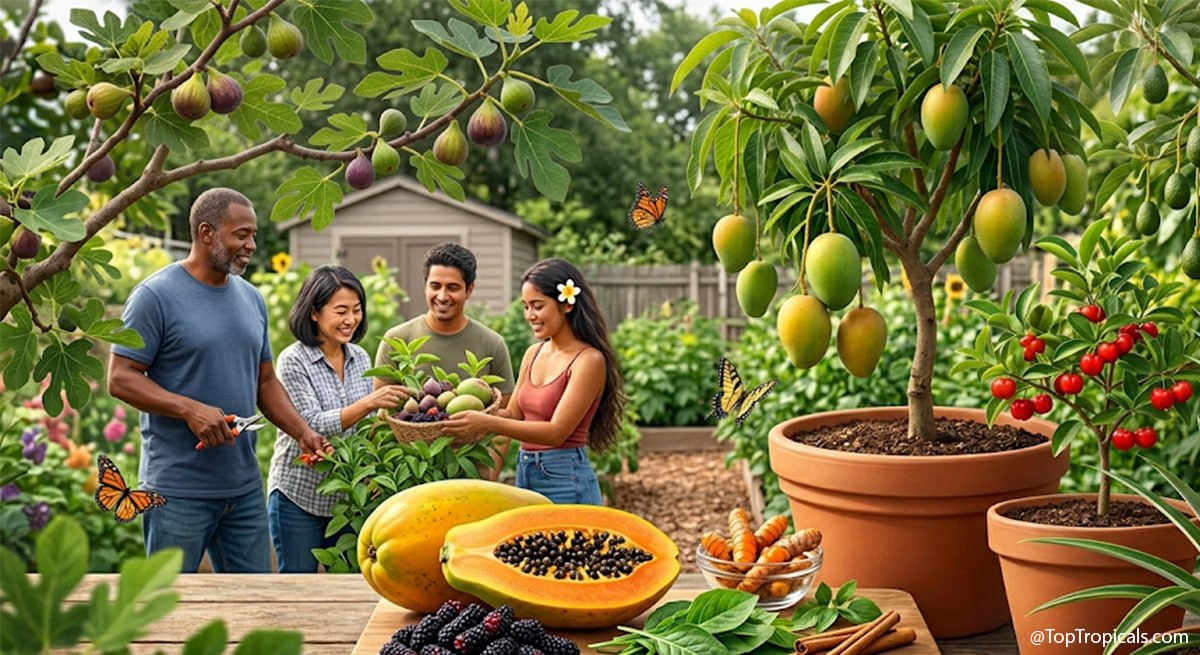
Your garden shed might hold a more powerful tool for brain health than your medicine cabinet. What if the best defense against cognitive decline isn’t found in a pill bottle - but right outside your door? While we often think of gardening as just a hobby, new research suggests that the combination of physical "zone-pushing" and harvesting your own nutrient-dense tropical fruit could be a literal life-saver for your brain.
  • 🍒 What the Research Actually Says


    A massive study recently published in the journal Neurology followed more than 92,000 people to see how diet impacts the mind. The findings were clear: the quality of the plant-based foods you eat plays a massive role in your risk of dementia. It isn't just about "eating your veggies" - it's about which ones you choose.
    (The full study: Plant-Based Dietary Patterns and Risk of Alzheimer Disease and Related Dementias in the Multiethnic Cohort Study)
  • 🍒 Why Growing Your Own Fruit Changes the Game


    If you grow your own fruit, you quietly solve two problems at once. It turns a "diet plan" into a natural part of your day.

    1. Effortless Nutrition
    When a ripe mango, a handful of mulberries, or a fresh guava is hanging within arm's reach, you eat it. It replaces processed, sugary snacks without any "willpower" required. You are naturally moving toward the high-quality, whole-food diet the research supports.

    2. Functional Fitness
    Gardening doesn't feel like a workout, but it is. Bending, pruning, carrying pots, and digging are all forms of functional movement. It’s steady, useful physical activity that supports your heart and brain while you’re focused on your plants.

    3. The "Outdoor" Effect
    Sunlight and fresh air are natural mood boosters. The mental focus required to manage tropical plants - especially when you’re protecting them from a surprise freeze - provides a level of mental engagement and stress relief that you just can't get from a treadmill.
  • 🍒 What to plant if you are just starting


    You don’t need a massive orchard to start investing in your brain health. One or two plants can shift your habits immediately.

    For Fast Results: Papaya and Mulberries produce fruit quickly and are incredibly easy to manage. Turmeric (curcuma), leafy greens (Longevity spinach, Katuk) and Cinnamon proved instant harvest.
    For Small Spaces: Dwarf Mango varieties and Cherries (Eugenias or Acerola), Pineapples thrive in containers and provide massive doses of antioxidants.
    For the "Zone Pusher": Figs and cold-hardy Avocados offer healthy fats and fiber that are essential for long-term health.
  • 🍒 Start Small, Start Now


    The research makes one thing clear: improving your food quality matters, and you can see results no matter your age. Planting a fruit tree changes what you eat, how you move, and how often you step outside.
    That’s more than just gardening - that’s a lifestyle shift your brain will thank you for.
  • 🍒 FAQ


    Does fruit really support brain health?
    Yes. Diets rich in whole, high-quality plant foods are linked to a lower risk of dementia, especially when they replace processed snacks and added sugars.

    Is gardening enough to count as exercise?
    Absolutely. Regular gardening provides steady, functional movement that improves circulation and supports overall physical health.

    Is it too late for me to start?
    No. The study showed that even participants who improved their diet quality in their 60s and 70s saw a measurable reduction in dementia risk.


🛒 Start your tropical fruit journey

Guava · Mango · Mulberry · Papaya · Pineapple · Avocado · Cherries · Figs

📚 Learn more:


#Food_Forest #Remedies #Discover

🟢 Join 👉 TopTropicals

Date: 23 Sep 2025

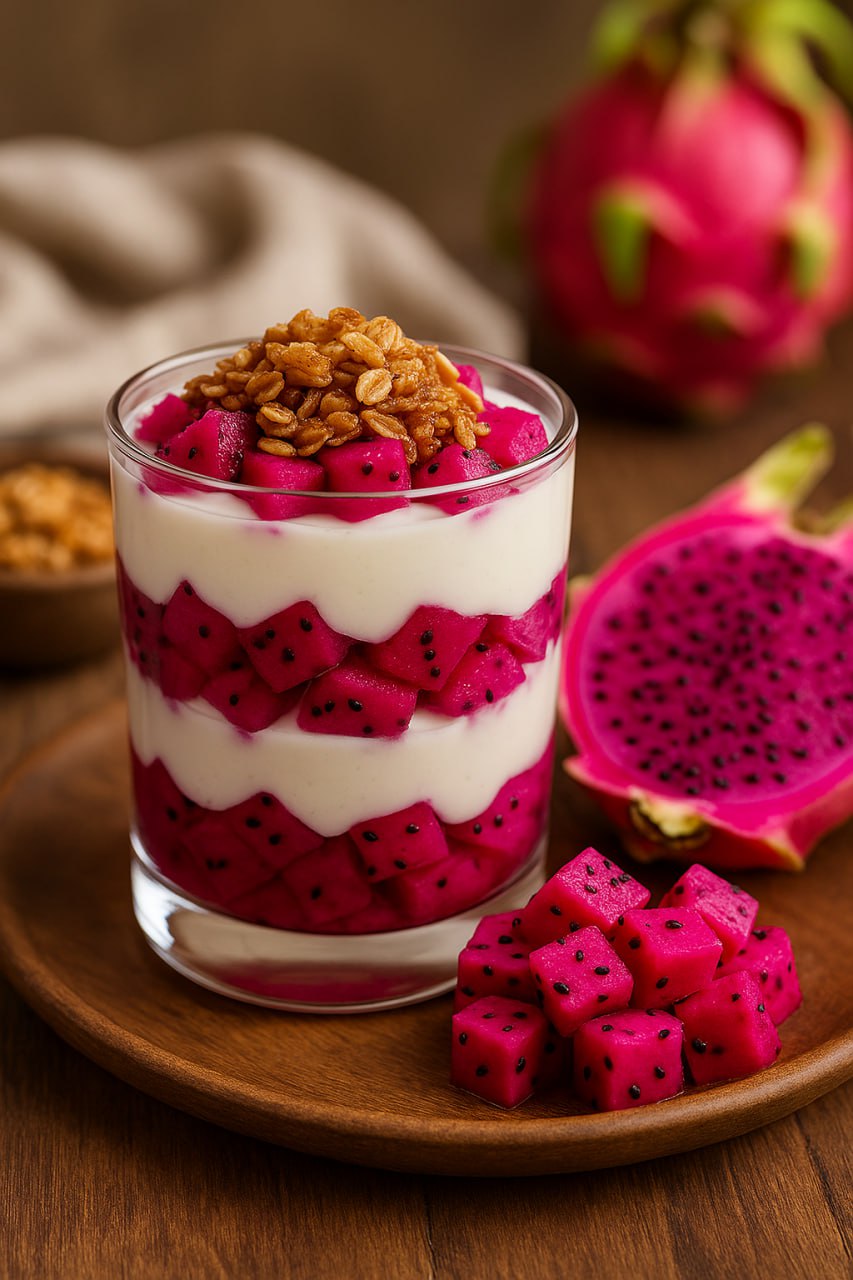
Dragon fruit coconut parfait: quick-n-fun exotic recipes

Dragon fruit coconut parfait

Dragon fruit coconut parfait

🍴 Dragon fruit coconut parfait: quick-n-fun exotic recipes

  • 🔵Layer Dragon Fruit cubes with coconut cream and toasted granola.
  • 🔵A tropical breakfast that looks neon and tastes fresh!

Dragon fruit coconut parfait recipe

Ingredients

  • 1 fresh Dragon Fruit, diced into cubes
  • 1 cup coconut cream
  • 1/2 cup toasted granola
  • Optional: honey or maple syrup for drizzle

Instructions

  1. Layer Dragon Fruit cubes in a glass or bowl.
  2. Add a layer of coconut cream, then sprinkle toasted granola.
  3. Repeat layers until glass is full, finishing with granola on top.
  4. Serve immediately for a refreshing tropical breakfast or snack.

🛒 Explore Dragon Fruit varieties

#Food_Forest #Recipes

🟢 Join 👉 TopTropicals

Date: 17 Nov 2023

Hedges with Benefits
Reference Chart

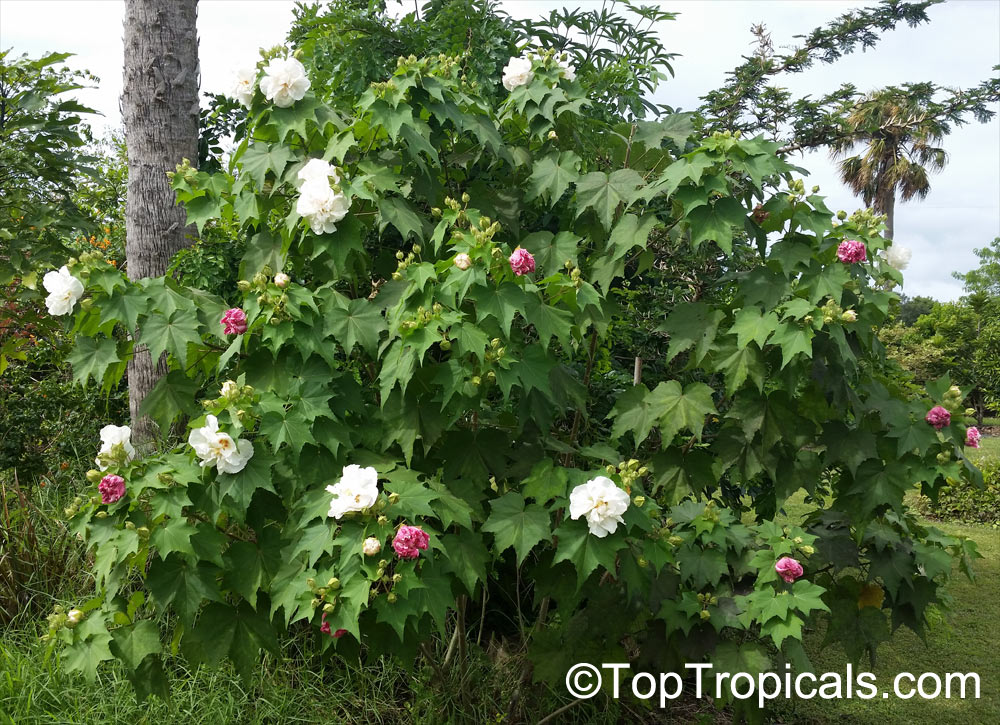
Hibiscus  mutabilis  flowering  hedge

Large and fast growing

Tithonia diversifolia - Sunflower tree
Acacia farnesiana - Sweet Mimosa
Calliandra surinamensis - Powderpuff
Aloysia virgata - Almond Bush
Dombeya x wallichii - Tropical Hydrangea
Cornutia grandifolia - African lilac
Gmelina philippensis - Parrots Beak
Hibiscus mutabilis Cotton Candy - Mallow Hibiscus
Senna alata - Empress Candle, Candelabra Plant

Medium or easy-trim

Acalypha hispida - Cat tail, Chenille plant
Bauhinia galpinii - Pride of De Kaap
Cestrum nocturnum - Night blooming jasmine
Dombeya seminole - Tropical Rose Hydrangea
Gardenia thunbergia - Forest gardenia
Hamelia patens - Fire Bush
Hibiscus variegated Snow Queen
Jasminum sambac Maid of Orleans
Ochna integerrima - Vietnamese Mickey Mouse, Hoa Mai
Odontonema callistachyum - Lavender Butterfly Bush
Odontonema cuspidatum - Firespike, Red
Rondeletia leucophylla - Panama Rose
Tecoma stans - Yellow Elder

Short or slow growing

Aglaia odorata - Chinese Perfume Plant
Allamanda schottii - Dwarf Allamanda Bush
Brunfelsia pauciflora Compacta - Dwarf Yesterday-Today-Tomorrow
Clerodendrum incisum - Musical Note
Calliandra schultzii - Dwarf calliandra
Gardenia vietnamensis - Vietnamese Gardenia
Leonotis leonurus - Lions Ears
Neea psychotrioides - Pigeon Plum, Hoja de Salat
Plumbago auriculata Imperial Blue

Garden Specimens

Combretum constrictum Thailand, Ball of Fire
Caesalpinia pulcherrima - Red Dwarf Poinciana, Bird of Paradise
Clerodendrum quadriloculare - Winter Starburst
Euphorbia leucocephala - Snows of Kilimanjaro, Pascuita
Gardenia nitida - Shooting Star Gardenia
Hibiscus schizopetalus - Coral Hibiscus
Jatropha integerrima compacta
Kopsia fruticosa - Pink Gardenia
Malvaviscus x penduliflorus Variegata - Summer Snow
Mussaenda philippica x flava - Calcutta Sunset (Marmelade)
Plumeria pudica - Bridal Bouquet

Semi-Shade to Shade

Clerodendrum bungei - Glory Bower
Clerodendrum paniculatum - Pagoda Flower
Eranthemum pulchellum - Blue Sage, Lead Flower
Clerodendrum speciosissimum - Java Glorybower Mary Jane
Justicia carnea - Pink Brazilian Plume, Jacobinia
Magnolia figo - Banana Magnolia
Megaskepasma erythrochlamys - Brazilian plume
Thunbergia erecta - Kings Mantle
Tibouchina lepidota - Ecuador Princess, Jules Dwarf

Edible Hedges

Eugenia uniflora - Black Surinam Cherry Lolita
Camellia sinensis - Tea Leaf
Hibiscus sabdariffa - Flor de Jamaica, Karkade Sorrel
Laurus nobilis - Bay Leaf
Manihot esculenta - Yuca Root
Nashia inaguensis - Moujean Tea, Bahamas Berry
Sauropus androgynus - Katuk, Tropical Asparagus
Sauropus Variegata - variegated Katuk

Date: 27 Jul 2023

Top varieties of pineapples

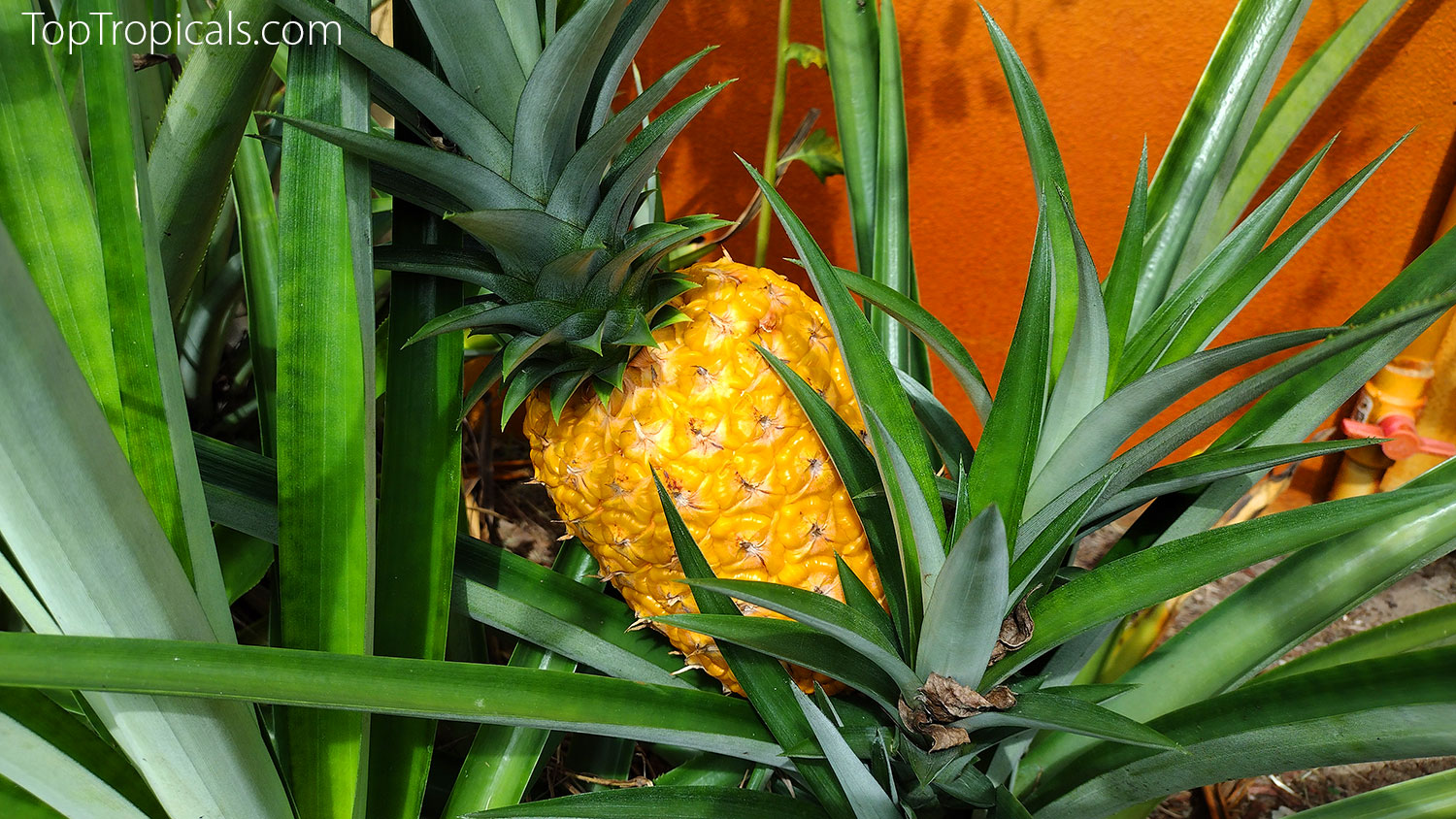
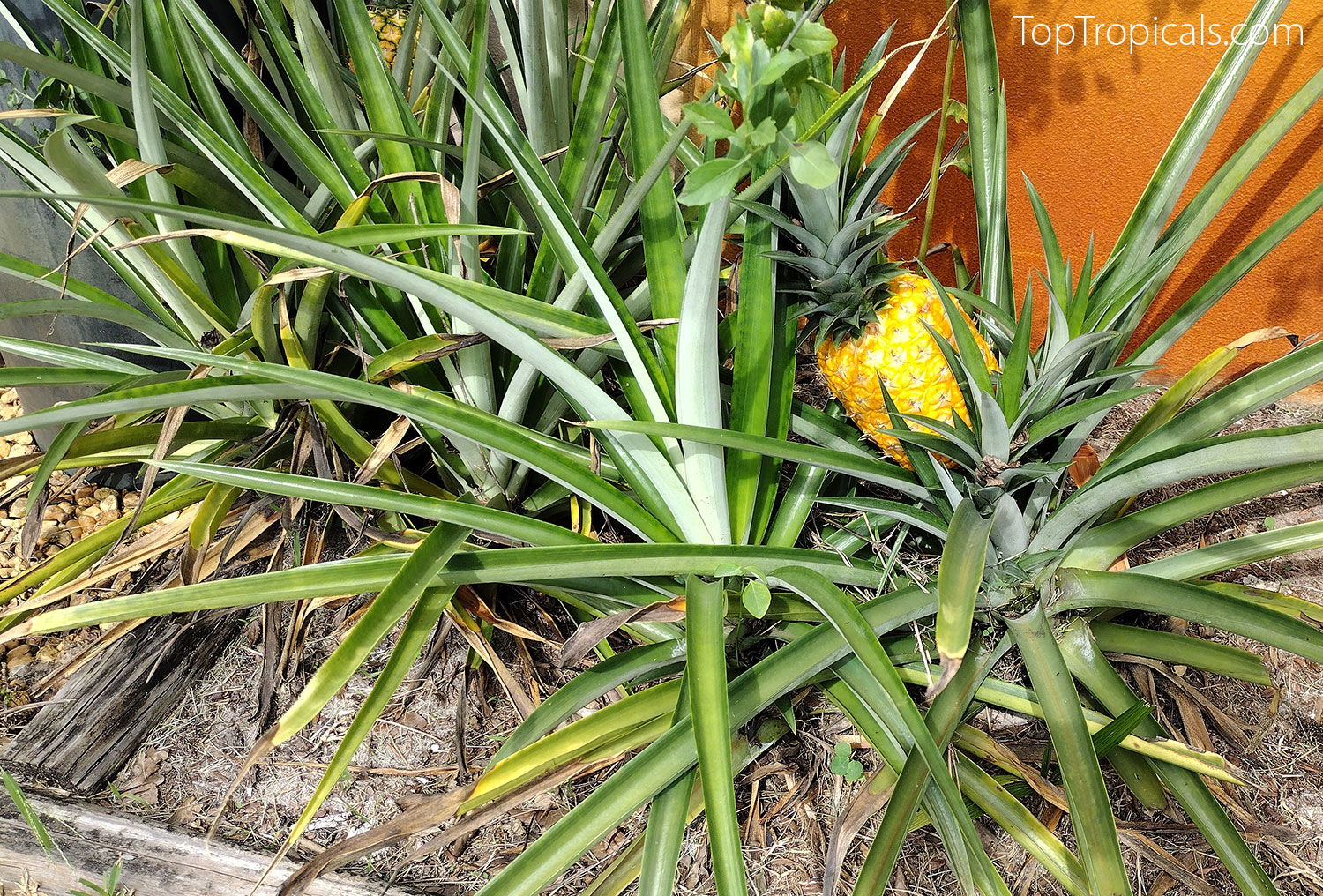
Pineapple

Q: I want to grow my own pineapples, which varieties do you recommend for the best production? Do I need any special organic fertilizer?

A: Growing your own pineapple is pure bliss. Watching the transformation from a small crown into a luscious fruit is immensely rewarding. Every tropical gardener should experience the joy of growing this tropical gem and relishing its sun-kissed sweetness straight from the garden. Pineapples are easy to grow and can fruit in containers too, so if you live in a colder climate, no problem! They will take very little space in your greenhouse or sunroom. Just remember to feed your pineapple plants with Sunshine Boosters so they will feed you the biggest and the sweetest fruit! Sunshine Boosters are natural, organic-amino-acid based plant nutrients that are perfect for any edibles.
There are several varieties of pineapples in commercial cultivation. Below are the most interesting cultivars. Discover the pineapple paradise!

Elite Gold: Bursting with tropical flavor and vibrant gold flesh, Elite Gold dazzles with its unique taste and ornamental beauty.

Florida Special: Perfectly balanced sweetness and acidity, this variety thrives in warmer climates, gifting you a taste of Florida's sunshine.

Sugar Loaf: Irresistibly sweet with a hint of citrus, Sugar Loaf's compact size makes it an ideal choice for container gardening.

White Jade (Spineless Sweet): Exceptionally sweet and without spines, White Jade pampers you with a delectable, thorn-free harvest.

Lava Burst (Burgundy Variegated Rainbow): This visually stunning ornamental pineapple variety boasts striking burgundy and green leaves, resembling a rainbow of colors. Its fruit edible but small; its exceptional beauty adds a touch of exotic elegance to any garden or indoor space. Lava Burst is a delightful conversation starter and a captivating addition to your plant collection, making it a favorite among pineapple enthusiasts for its aesthetic appeal.

Embrace the sense of accomplishment and the satisfaction of savoring homegrown, mouthwatering pineapples - nature's sweetest gift!

Read more about Pineapples: The most luscious Hospitality Fruit.

Pineapple