Garden Blog - Top Tropicals

Date: 10 Nov 2025

❄️ How to Prepare Your Tropical Garden for Winter
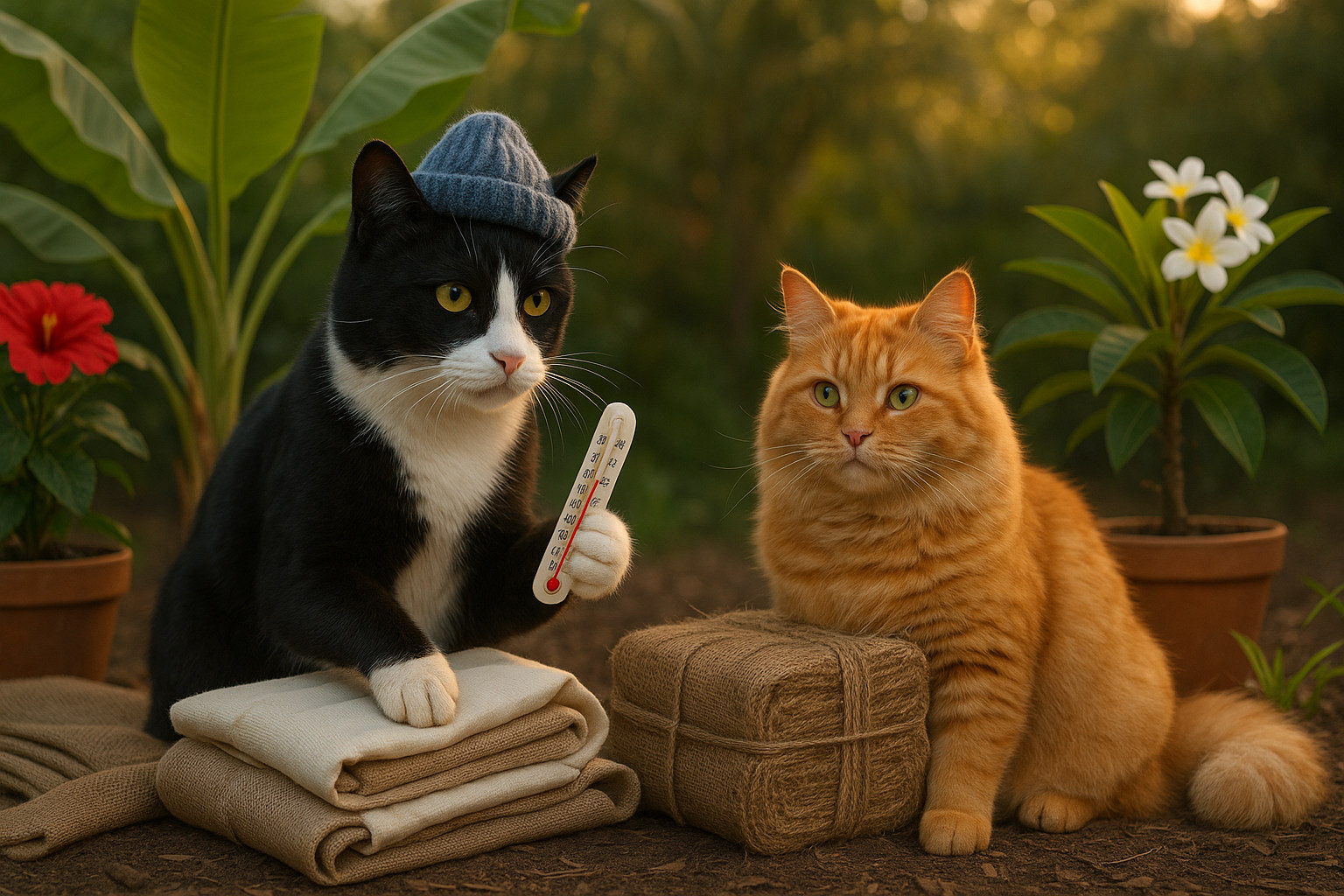
Two  cats  in  a  tropical  garden  at  sunset.  Smokey,  a  black-and-white 
 tuxedo  cat  wearing  a  wool  cap,  holds  a  thermometer  while  Sunshine,  a  fluffy 
 orange  tabby,  sits  beside  mulch  and  folded  frost  cloths  surrounded  by  banana
    and  hibiscus  plants.

Smokey and Sunshine Wrap Up the Garden with Frost Cloth Before the Chill.

Smokey: "Thermometer says 45. Time to wrap the bananas!"
Sunshine: "You wrap the bananas. I’ll guard the mulch… from this sunny spot."
Smokey: "Teamwork, Sunshine. Teamwork."

🌡️ Cold nights are coming - but your tropicals do not need to shiver!

Even in sunny Florida and other warm zones, one cold snap can undo months of growth. Preparation is everything. Tropical plants can handle a lot, but they dislike surprises. Let’s make sure your garden stays safe, strong, and happy all winter long.

Tips from Tatiana Anderson, Top Tropicals Plant Expert

👉 Group and Check Your Plants

You already know which plants are in pots and which are in the ground. What matters now is prioritizing by cold sensitivity. Identify the tender tropicals – papaya, banana, plumeria, adenium, heliconia – and decide which ones get covered first when temperatures drop. Keep frost cloths or old sheets near those areas, ready to grab fast. If your garden is large, label protection zones or mark plants that always need extra care. The goal is to have a plan, not a panic, when the cold alert hits.

Once you know your priorities, you can plan the rest of your protection strategy.

👉 Feed and Mulch

Stop using high-nitrogen fertilizers by late fall. They push soft new growth that freezes easily. Add compost around the base of your plants and top with 3 to 4 inches of mulch. Mulch acts like a blanket: it keeps warmth in, protects the roots, and keeps soil moisture steady. Just make sure the soil drains well; cold and soggy soil leads to root rot. In raised beds, check that water flows away easily.

After you feed and mulch, it is time to look at how your local zone changes the game.

👉 Zone-by-Zone Tips
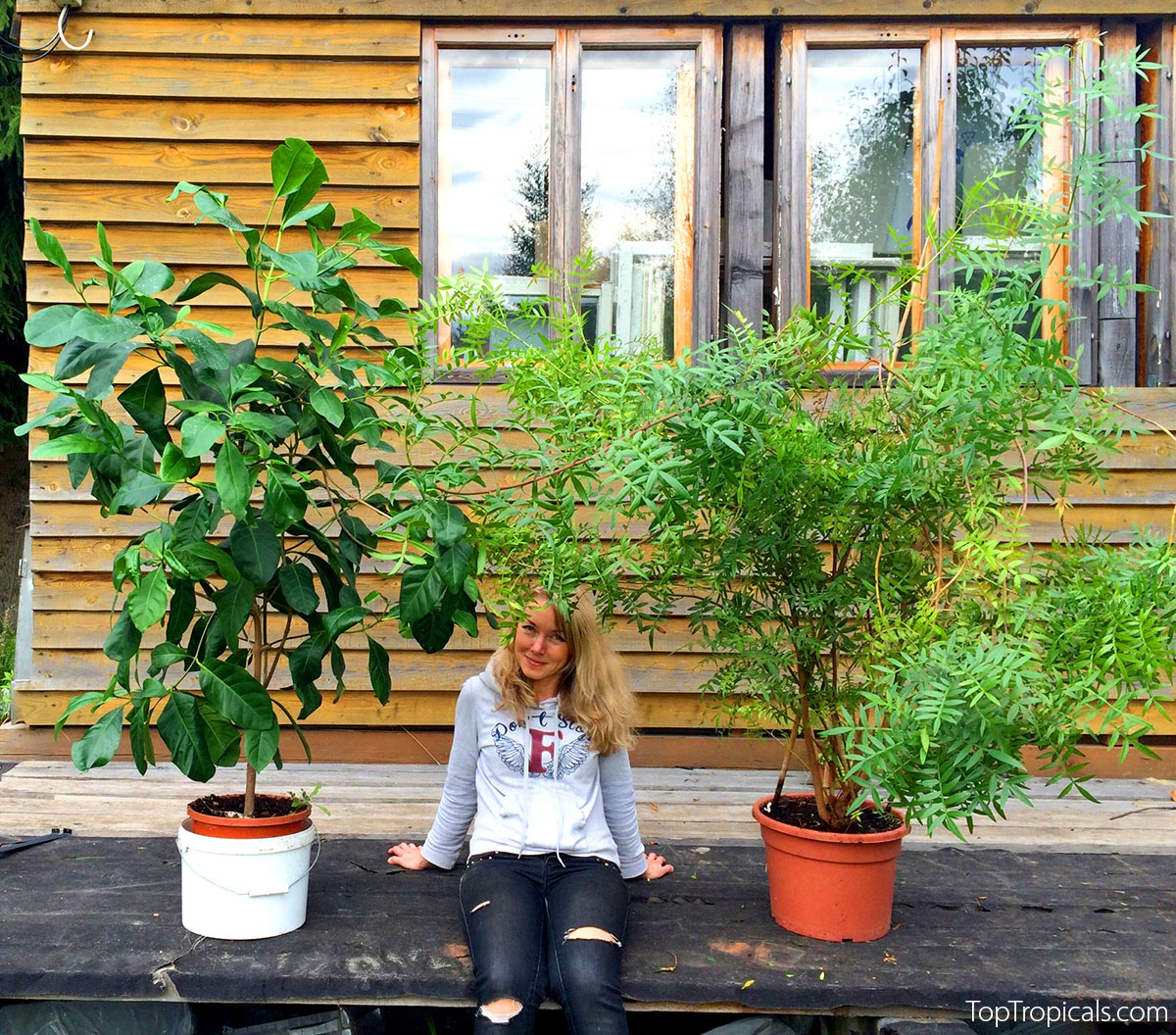
Woman  sitting  between  two  large  potted  tropical  plants  on  a  wooden  deck
    in  front  of  a  house,  preparing  to  move  them  indoors  for  the  winter.

Moving Tropical Plants Indoors for Winter Protection

  • Zone 10: You are lucky! This is mostly a maintenance season. Watch for root rot after heavy rain, trim lightly if needed, and protect tender young trees during surprise chills. Keep some frost cloth ready just in case.
  • Zone 9: This is the main action zone. Nights can dip into the 30s. Deep-water your trees once before cold nights to insulate the roots. Apply heavy mulch, and have frost protection ready to go. If you grow tropical fruit like mango or guava, consider wrapping young trunks in burlap or foam pipe insulation.
  • Zone 8: This is where tropical gardening becomes creative. Stick to cold-hardy tropicals such as loquat, guava, or cold-hardy avocado varieties. Use portable greenhouses, wrap trunks, and move smaller plants indoors or to a heated porch when frost threatens.

Now that the garden beds are set, let’s look at your pots and containers – your most mobile plants.

👉 Container and Patio Plants

Potted plants are the easiest to protect but also the quickest to freeze. Start reducing watering now so roots do not stay too wet in cooler weather. Before moving them, check for insects hiding under leaves or in the soil. Group your pots close to a wall for reflected heat and wind protection. If you plan to bring them indoors, do it gradually. Move them closer to the house for a few days before bringing them all the way inside to help them adjust to lower light and humidity.

When the chill starts, many gardeners rush to move everything inside at once – but a smooth transition works much better.

👉 Indoor Plants

When bringing plants inside, give them a good rinse to remove dust and bugs, and flush the soil to wash out salts from summer fertilizing. Keep them separate from your houseplants for a week to make sure no pests come along. Expect some leaf drop – it is normal as they adjust to lower light. Give them bright light near a window, and cut watering by about half until spring. Avoid misting too much; good airflow matters more than humidity during winter.

Many tropicals, like hibiscus, brugmansia, and crotons, may look tired for a while, but they will bounce back quickly once days get longer.

👉 Timing Is Everything

The key is to prepare before the first cold warning. Check your weather app regularly once nights start dropping into the 50s. Keep covers, mulch, and supplies ready so you are not running outside at midnight with a flashlight and a frozen hose. Have your frost cloths labeled by plant group and stored in an easy spot. A little organization now saves a lot of stress later.

Many tropicals, like hibiscus, brugmansia, and crotons, may look tired for a while, but they will bounce back quickly once days get longer.

Remember: the goal is to help your plants rest safely. Many gardeners prune or fertilize too late in the season – we will talk about why that can be risky next week."— says Tatiana Anderson, Top Tropicals Plant Expert

Coming next mail-list: The best gadgets for cold protection (lights, heaters, frost covers) and what NOT to do in winter.

📚 Learn more from Top Tropicals Blog:

Cold protection - winter action for your plant collection

What plants are good to order in Winter?

How to take care of house plants in Winter

How to protect tropical plants in Winter

How to take care of a mango tree in winter

How to protect Avocado from cold

Overwintering Adeniums outside of tropics
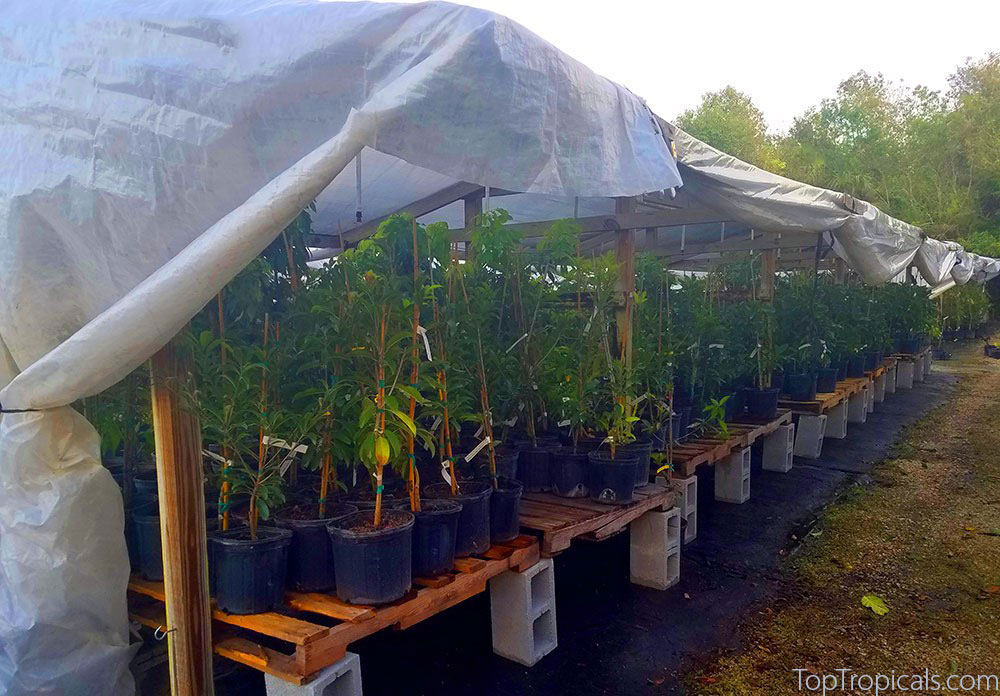
Rows  of  tropical  plants  in  black  pots  covered  with  frost  cloth  and 
 plastic  sheeting  for  winter  protection  at  Top  Tropicals  nursery.

Protecting Tropical Plants with Frost Covers at Top Tropicals Nursery
Date: 30 Apr 2026

The One Peach Tree Every Florida Gardener Should Know About: Tropic Beauty

Peach tree in full bloom

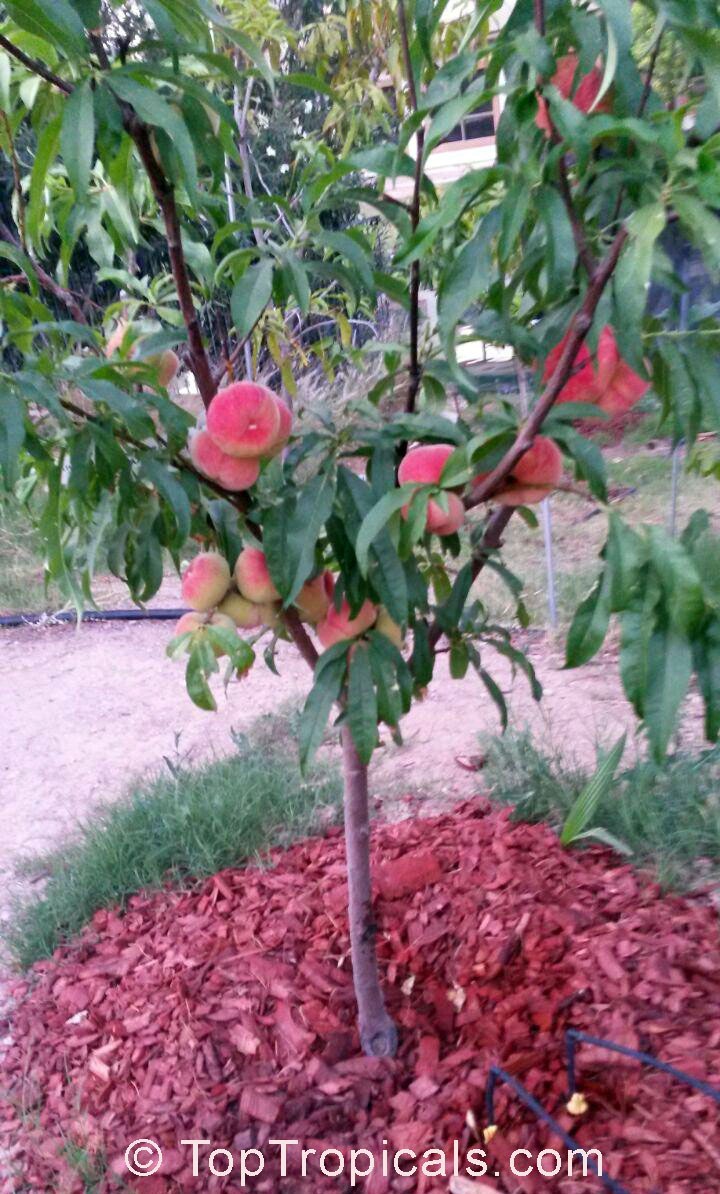
Tropic Beauty Peach tree

Tropic Beauty Peach tree

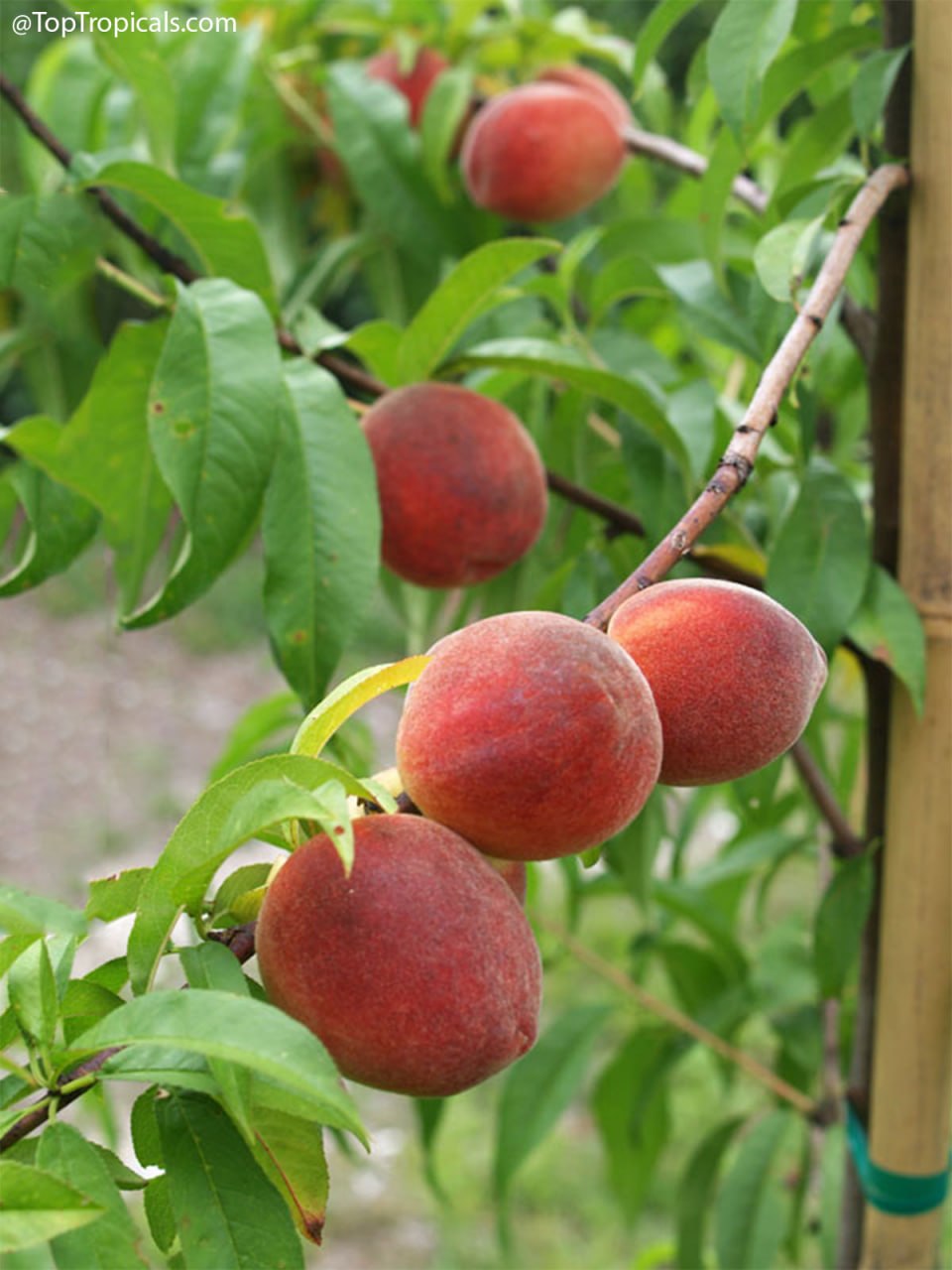
Tropic Beauty Peach fruit

Tropic Beauty Peach fruit

🍑 The One Peach Tree Every Florida Gardener Should Know About: Tropic Beauty


Most Florida gardeners assume peaches are off the table. Wrong climate, not enough cold, too much heat. Tropic Beauty exists specifically to prove that wrong - and it ripens in late April while the rest of the country is still waiting on summer.
  • 🍑 I Didn't Think You Could Grow Peaches Here


I'll be honest - when I first started growing fruit trees in Florida, I assumed peaches were just off the table. Too much heat, not enough cold winters, wrong climate entirely. Then someone at my local nursery pointed me toward Tropic Beauty, and that assumption went right out the window.

This variety has been around since 1989, developed jointly by the University of Florida and Texas A&M. That's over three decades of Florida gardeners growing it, eating it, and planting more of them. When a cultivar sticks around that long, it's just a good tree.
  • 🍑 Why Low Chill Actually Matters Here


    Most peaches need 700 to 1,000 chill hours - the number of hours below 45°F the tree needs during winter to break dormancy and set fruit. In central and south Florida, we're lucky to scrape together 150 to 300 hours in a mild year. That rules out most varieties before you even get started.

    Tropic Beauty only needs 150. It was built for exactly the winters we have here - cool but not cold, brief but not brutal. Most years, it gets what it needs without you thinking about it at all.
  • 🍑 What the Fruit Is Actually Like


    Medium-sized peaches, deep red blush covering about 70% of the skin over a bright yellow background. They look genuinely good on the tree - the kind of fruit that makes you grab your phone before you even pick one.

    Cut one open and you get soft, melting yellow flesh with classic sweet peach flavor, plus a little acidity to keep it interesting. The pit is semi-freestone, easy enough that you're not wrestling with it.

    If you've ever bitten into a grocery store peach and been let down - mealy texture, no real flavor - this is the opposite of that. Warm from the tree on a late April morning, it tastes like what peaches are supposed to taste like.
  • 🍑 April Harvest: Earlier Than You'd Think


    Ripening in late April, Tropic Beauty is one of the earliest peaches you can grow anywhere. Most of the country is still waiting on peach season while you're already making cobbler.

    The fruit also holds well on the tree - no need to pick everything at once. You can let them hang and harvest over a couple of weeks, which is a real convenience if you're planning to can and want to spread the work out.
  • 🍑 One Tree Is Enough (But Two Doesn't Hurt)


    Tropic Beauty is self-fertile, so it doesn't need a second tree to produce fruit. Plant one, get peaches. That matters if you're working with a smaller yard or just testing the waters.

    If you have space for two, yields do go up with cross-pollination - worth keeping in mind for a small home orchard.
  • 🍑 It Fits More Spaces Than You'd Expect


    The tree can grow 15 to 20 feet, but with regular pruning it's easy to keep around 10 feet. It also works well in containers, which makes it more accessible than most fruit trees.

    Plant it in full sun, well-drained soil. Peaches don't love wet feet, so if drainage is questionable in your yard, mounding the soil before planting is a smart move.
  • 🍑 Worth Planting?


    If you're in central or south Florida and you've been wanting to grow peaches but weren't sure it was realistic - Tropic Beauty is your answer. Proven over decades, adapted to the climate, and when it produces, it produces well.

    Some trees you plant and hope for the best. This one, you just wait for April.


🎥 Before the peaches, there's this. Tropic Beauty in full bloom - proof that a fruit tree can be just as beautiful as anything you'd plant purely for looks.

📚 Learn more:

🛒 Shop Low Chill Peaches

#Food_Forest #Discover TopTropicals

Plant Facts

Prunus persica, Amygdalus persica
Peach
USDA Zone: 9-11
Small tree 10-20 ftFull sunRegular waterWhite, off-white flowersPink flowersEdible plantDeciduous plantSubtropical plant. Mature plant cold hardy at least to 30s F for a short time

Date: 24 Sep 2023

Go Bananas!
10 good reasons to plant bananas in your garden

Cat  with  bananas  in  refrigerator

Adding banana plants to your subtropical garden or plant collection can enhance the aesthetics of your outdoor and indoor space, provide fresh and nutritious fruits, and offer a fun gardening experience with relatively low maintenance requirements. It's a delightful way to connect with nature and enjoy the benefits of homegrown produce.

1. Tropical Ambiance: Banana plants bring a touch of the tropics to your subtropical garden. Their large, lush leaves create a lush and exotic atmosphere that can transform your garden into a tropical paradise.

2. Homegrown Flavor: Growing your own banana trees allows you to enjoy the freshest, most flavorful bananas right from your garden. Homegrown bananas often have a superior taste compared to store-bought varieties.

3. Nutritional Benefits: Bananas are packed with essential vitamins, minerals, and dietary fiber. By cultivating your own banana trees, you gain access to a nutritious and healthy snack option right in your backyard.

4. Quick Results: Banana plants are known for their fast growth. In subtropical climates, they can produce fruit in as little as one to two years. This means you don't have to wait long to savor the fruits of your labor!

5. Low Maintenance: Banana trees are relatively low-maintenance once established. They require regular watering, but their hardy nature makes them a relatively easy addition to your garden. They are not messy in a landscape.

6. Versatility: Bananas offer versatility in your garden. You can choose from dessert bananas for snacking, cooking bananas like plantains for culinary experiments, or even ornamental banana varieties to enhance your garden's aesthetics. There are so many varieties to enjoy! You can't find this big selection in a grocery store.

7. Sustainable Living: Growing your own bananas reduces your reliance on store-bought produce, contributing to a more sustainable lifestyle. It also minimizes the carbon footprint associated with transporting fruits to market.

8. Educational Value: Cultivating banana plants can be an educational experience for both adults and children. It offers insights into tropical horticulture and can foster an appreciation for gardening and botany.

9. Landscaping Appeal: Beyond their fruit-bearing potential, banana plants add visual interest to your garden. Their unique form and striking leaves make them an excellent choice for landscaping and providing shade in your outdoor space.

10. Resilience: While bananas thrive in tropical conditions, many banana varieties are hardy enough to withstand cooler climates, making them a durable addition to your garden.

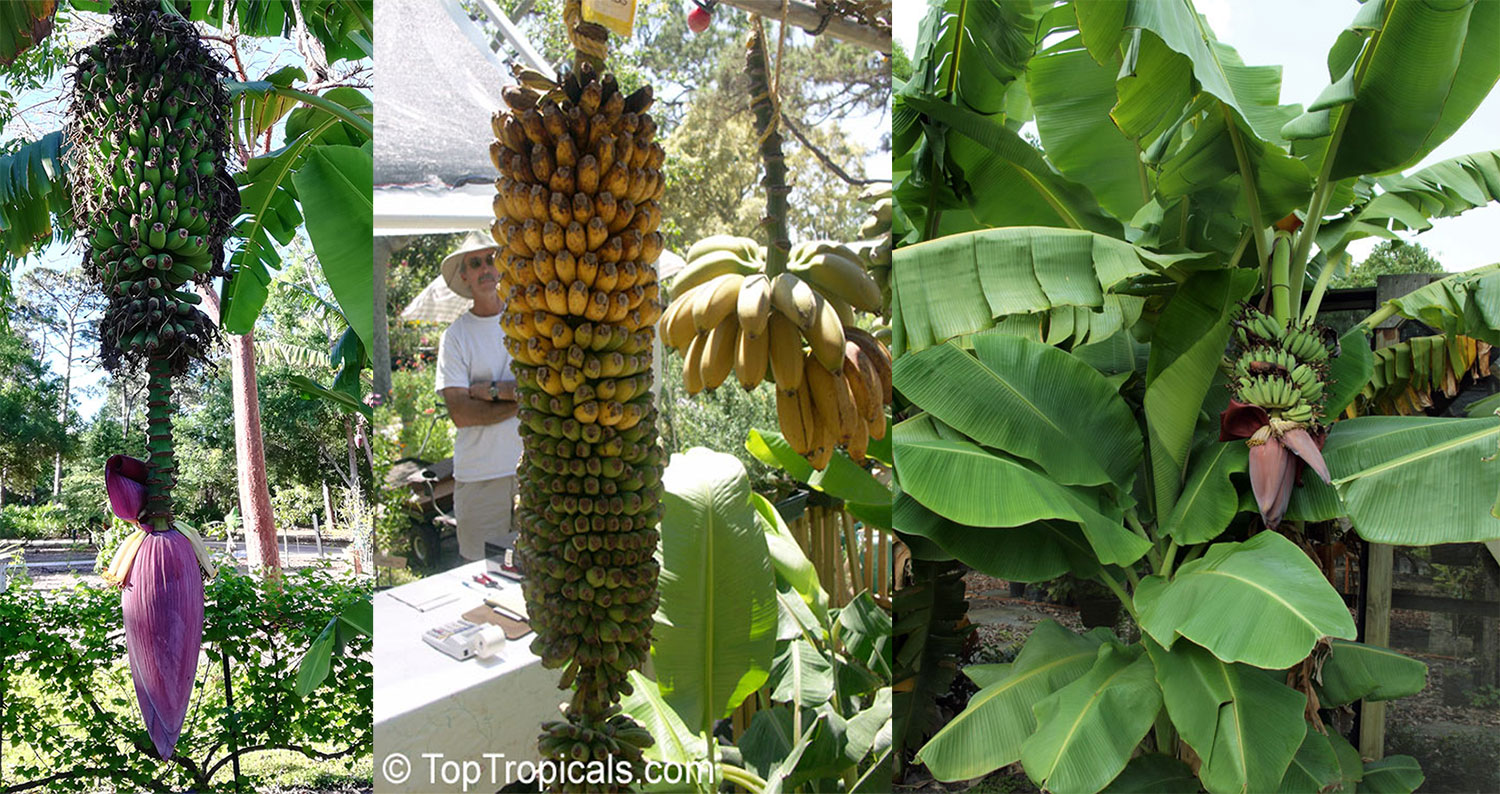
bananas  and  banana  trees

Date: 24 Jul 2023

Easy, stress-free plants
for Summer planting

Cat  with  Bananas

Q: With the rising temperatures, I'm concerned about shipping my plants safely. Can they withstand the heat during transit? Also, is it okay to plant them in the ground now, or should I wait for cooler Fall weather?

A: Your concern about shipping plants in hot weather is valid. For sensitive plants, we'll delay shipping until conditions are more favorable in your area. However, there are plenty of heat-tolerant tropical plants that handle shipping well with minimal stress. These plants adapt easily when planted during the hot summer months. Simply follow the included planting instructions, gradually acclimate them to full sun, and they should thrive.

Certain flowering tropical plants, such as Allamandas, Calliandras, Caesalpinias, Adeniums, and Clerodendrums, are excellent options for shipping and establishing during the summer. Flowering vines like Jasmines also adapt well. Consider using Sunshine Booster fertilizers to promote robust growth, they are safe to use right after planting.

Additionally, many fruit trees flourish in heat. Mangoes, Avocados, Pomegranates, Pineapples, Loquats, Eugenias - Tropical cherries, Bananas, Jackfruits, Dragon Fruit, and Olive trees are great choices for summer planting. Noni trees are hardy survivors and usually ship and grow well during the summer, in spite of their lush tropical leaves.

Feel free to check with us about the specific plant you plan to order for its suitability in summer shipping. We're here to take care of your green babies and address your year-round planting needs!

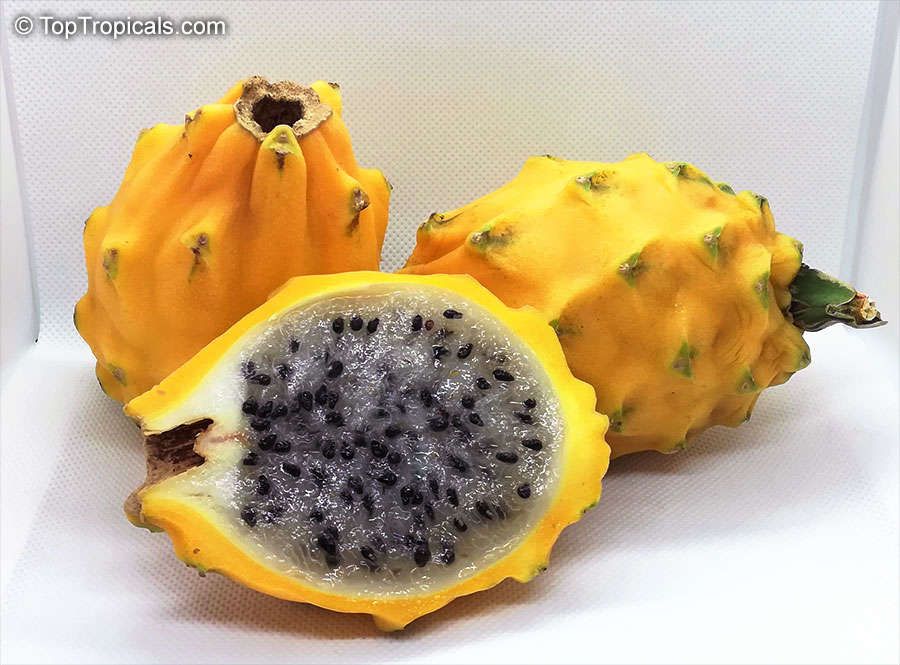
Pitaya  Yellow  Dragon  Fruit,  Selenicereus  megalanthus

Pitaya, Yellow Dragon Fruit, Selenicereus megalanthus

Cat  with  Bananas

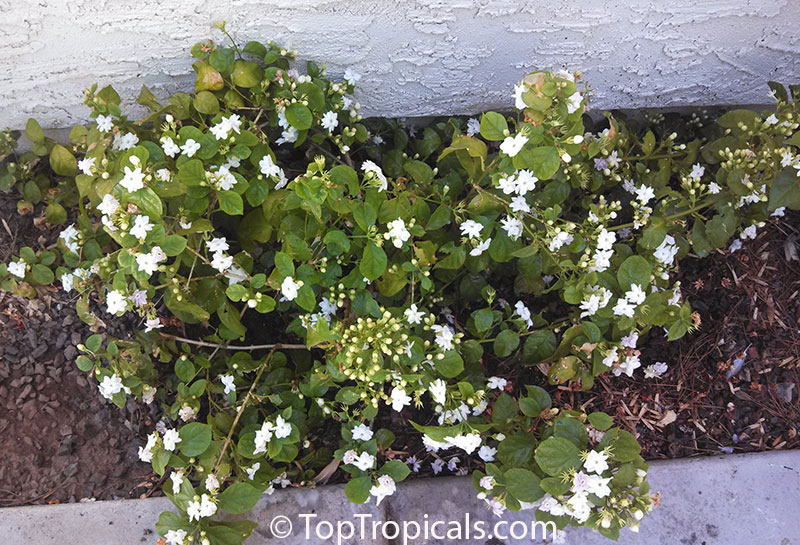
Jasminum sambac Maid of Orleans thrives and blooms in hot sun

Cat  with  Bananas

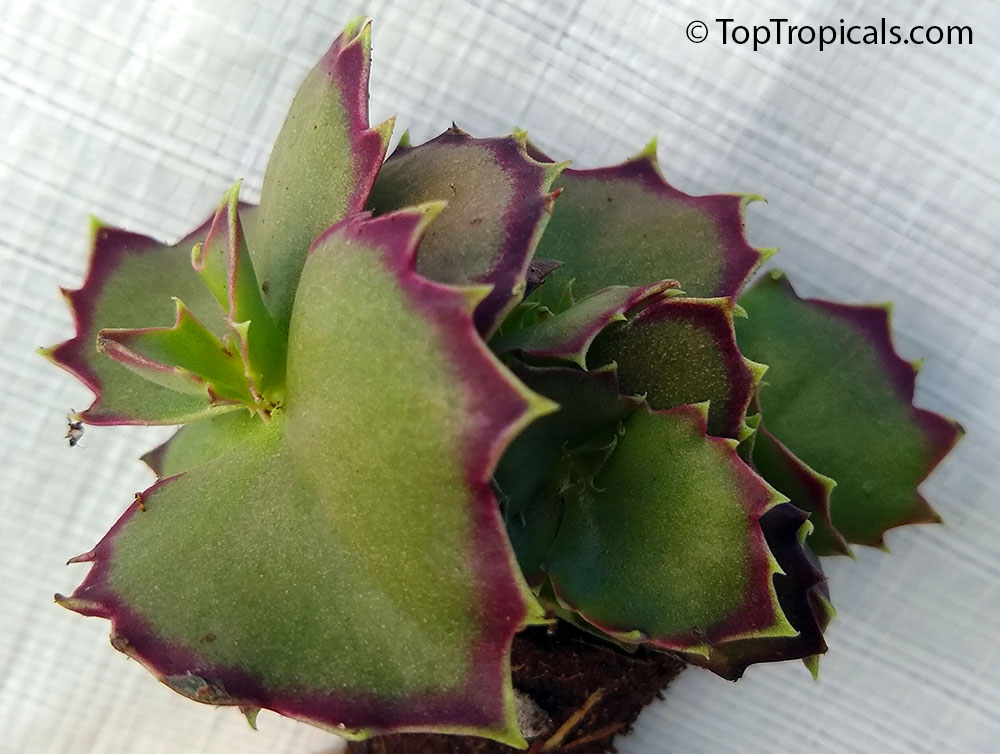
Kalanchoe synsepala Magnificent - Walking Cup Kalanchoe, spectacular plant, loves dry and hot conditions

Date: 24 Oct 2021

Bottlebrush to Little John
or the story of a Dwarf Plant

by Alex Butova, the Witch of Herbs and Cats

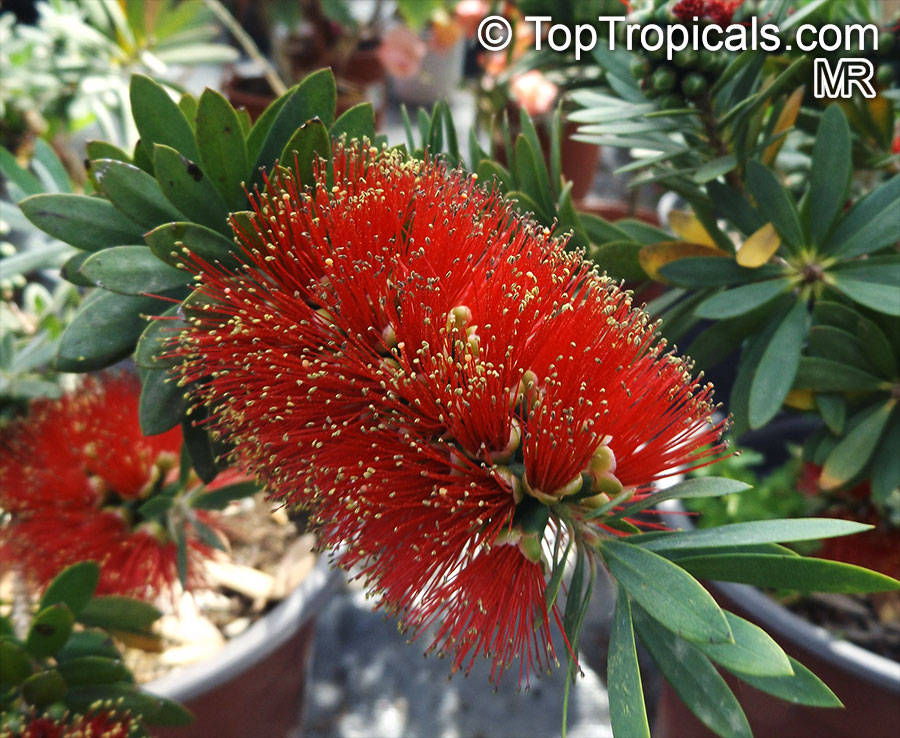
...Bottlebrush... Bottle washing brushes... Nowadays, it is hard to imagine a more outdated concept! For reuse, all glass containers have been cleaned industrially for many years. Young people have never even heard of, especially used, such a thing. Nevertheless, Bottlebrush not only lives, but is often used by many people. In today's world, Bottlebrushes are not brushes at all, but... beautiful ornamental plants!..
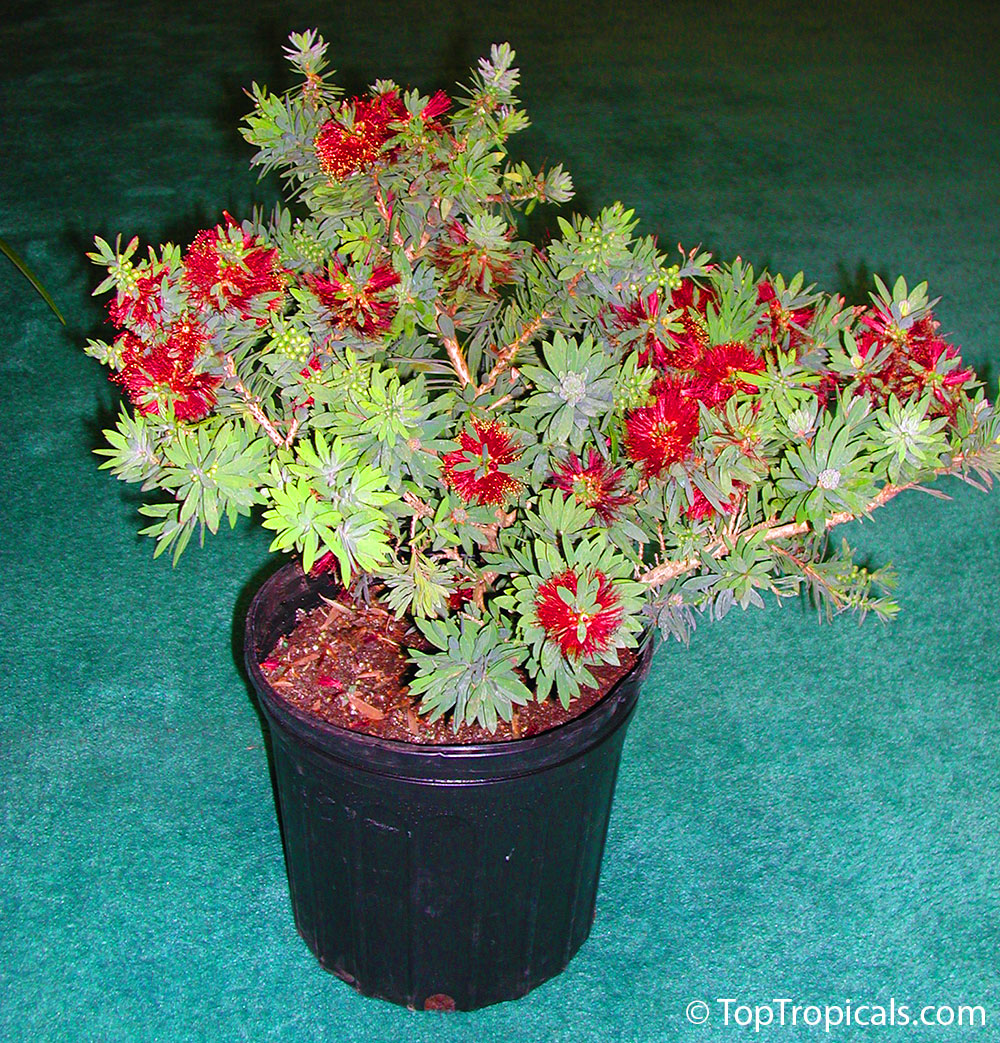
...This plant was originally selected as a chance seedling in the 1980s by Ken Dunstan of Alstonville, New South Wales and was also called Callistemon Alstonville Dwarf, Tom Thumb and, at last, Little John. They said that the choice of this name was the song "Little John, Bottle John" by the American singer and songwritter Terry Grosvenor on lyrics by Laura E. Richard. Little John was the 1986 Shrub of the Year in Australia and was originally introduced as a plant that only grew to 3ft tall...

CONTINUE READING >>