Garden Blog - Top Tropicals

Date: 21 Feb 2026

The best time to plant a fruit tree was 20 years ago - here is why you need to plant it now
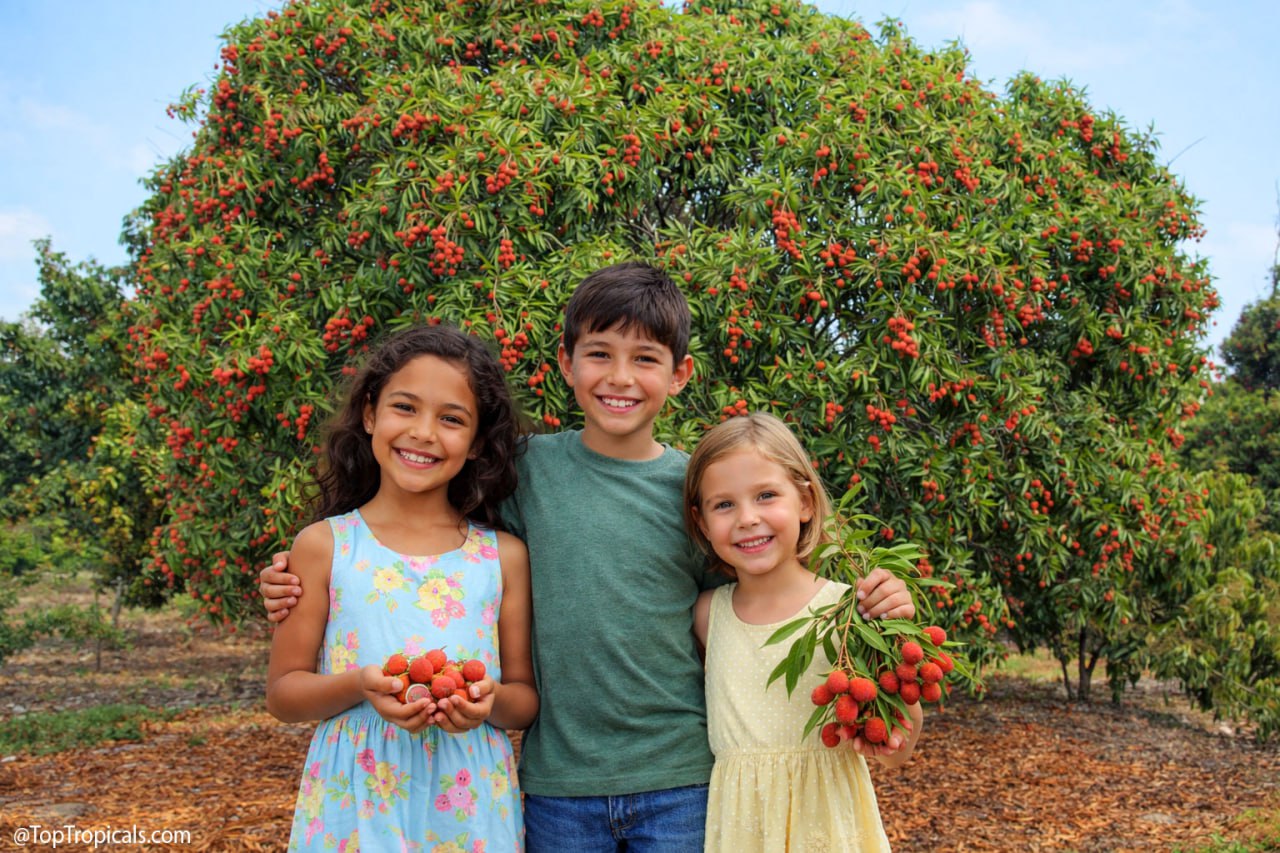
Litchi chinensis - Smiles under the Lychee tree

Litchi chinensis - Smiles under the Lychee tree

🍑 The best time to plant a fruit tree was 20 years ago - here is why you need to plant it now


They say the best time to plant a fruit tree was 20 years ago.
The second best time is today.

A fruit tree is not a seasonal purchase. It is not a decoration. It is a decision that stretches far beyond you.

When you plant a mango, an avocado, a loquat, a lychee tree - you are not just planting for this summer. You are planting for children who will climb that tree. For neighbors who will ask for a basket of fruit. For someone who may live in your house long after you are gone.

Mango Plant Facts

Botanical name: Mangifera indica
Also known as: Mango
USDA Zone: 9 - 11
Highligths Large tree taller than 20 ftSmall tree 10-20 ftFull sunWatering: Moderate. Water when top soil feels dryYellow, orange flowersPink flowersEdible plantSeaside, salt tolerant plant
Get personalized tips for your region

Avocado Plant Facts

Botanical name: Persea americana, Persea gratissima
Also known as: Avocado, Alligator Pear, Aguacate, Abacate
USDA Zone: 9 - 11
Highligths Large tree taller than 20 ftSmall tree 10-20 ftFull sunWatering: Regular. Let topsoil dry slightlyEdible plantSubtropical plant. Mature plant cold hardy at least to 30s F for a short time
Get personalized tips for your region


Fruit trees are quiet investments in the future.
Unlike annual crops that come and go, a tree deepens its roots every year. Many fruit trees - especially mangoes - can live for decades, even a century. They outlive trends, owners, renovations, even mortgages. They stand there, steady, producing.

Even if you sell the house, the tree remains.
The next family will walk into the yard and discover fruit hanging overhead. Imagine buying a home and realizing someone before you planted abundance!

That is a gift.

In many parts of the world, mango trees are called generational crops. One farmer plants them. His children harvest them. His grandchildren sell the fruit. A single decision continues to feed and support a family long after the planter is gone.
There is something deeply grounding about that.

We live in a fast world. Quick returns. Quick moves. Quick upgrades.
A fruit tree moves at a different pace. It asks for patience. It rewards consistency. It teaches you to think long term.

Planting a fruit tree says:
I believe in tomorrow.
I believe this land will matter.
I believe someone will stand here after me.

And even if you never taste the fullest harvest, someone will.
Passing fruit trees through generations is more than horticulture - it is legacy. It is continuity. It is resilience. It is saying that this space, this soil, this home will keep giving.

So plant it now.
Plant it for your children.
Plant it for the next homeowner.
Plant it for shade you may never sit under.
Plant it for fruit you may never pick.
Because one day, someone will walk into that yard, look up, and thank the person who thought ahead.
Let that person be you.

🛒 Explore fruit trees for your orchard

👉 Tropical Fruit favorites:


🥭 Mango
Avocado
🍒 Cherry
🍊 Loquat
🍈 Jackfruit
🍑 Peach tree
🍉 Guava
🍏 Sugar apple
🍇 Mulberry
🍐 Sapodilla

#Food_Forest #Discover

🟢 Join 👉 TopTropicals
Date: 26 May 2026

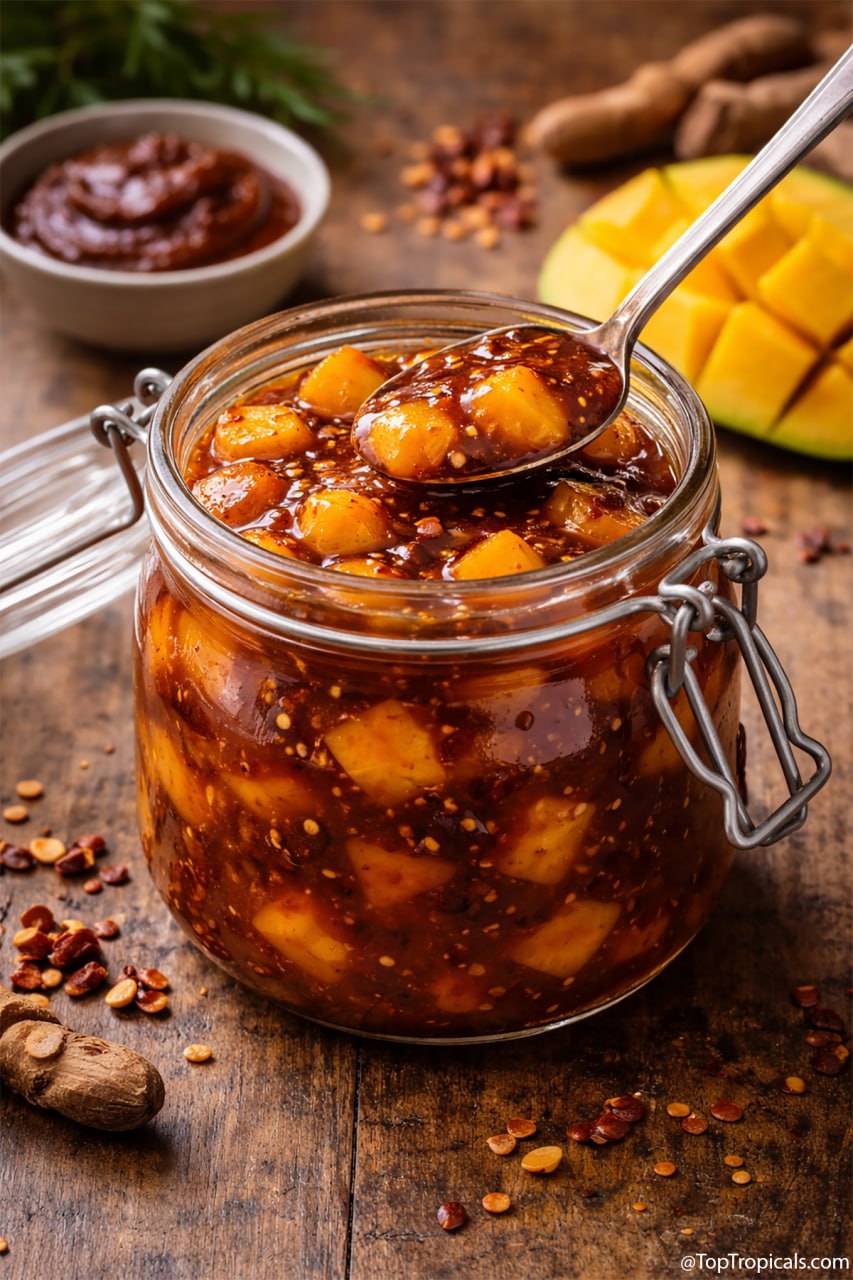
Tamarind mango chutney:

Tamarind mango chutney

Tamarind mango chutney

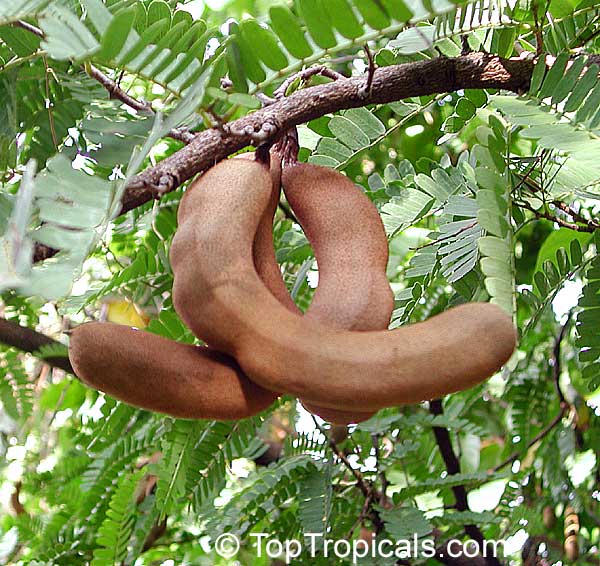
Tamarind

Tamarind

🍴 Tamarind mango chutney: quick-n-fun exotic recipes


🟡Simmer chopped mango with tamarind and sugar until thick.
🟡Add chili flakes and cook 5 more minutes.
🟡Sweet, spicy, and deeply tropical.

🌿 About the plant:


Tamarind pairs beautifully with tropical fruits. Its sour edge balances sweetness, especially mango, pineapple, or dates.

🏡 In the garden:


Tamarindus indica young trees need protection from frost. Mature trees tolerate dry seasons well and can live for decades, becoming a true landscape anchor.

🛒 Add Tamarind and Mango to your food forest

📚 Learn more:

Tamarind Plant Facts

Botanical name: Tamarindus indica
Also known as: Tamarind, Sampalok
USDA Zone: 9 - 11
Highligths Large tree taller than 20 ftFull sunWatering: Moderate. Water when top soil feels dryEdible plantSubtropical plant. Mature plant cold hardy at least to 30s F for a short timeFlood tolerant plantSeaside, salt tolerant plant
Get personalized tips for your region

Tamarindus indica in Plant Encyclopedia

#Food_Forest #Recipes

🟢 Join 👉 TopTropicals

Date: 24 Jun 2018

TopTropicals

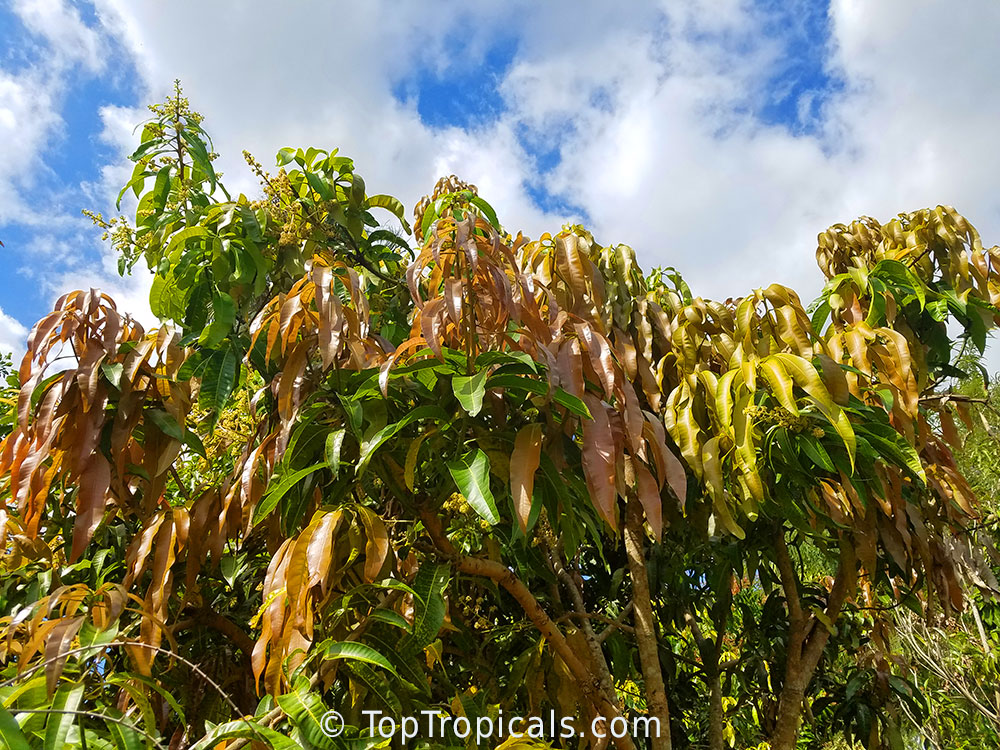
How to make a Mango tree bloom and fruit

Mango trees are especially beautiful during spring time when they flush out multi-color new leaves! But you want your mango be not only beautiful but fruitful as well. Here are some tips:

1) Fertilize Mango tree with a balanced slow release fertilizer starting March. Use 1 tsp of granulated fertilizer per 1 gal of soil, or a handful or two for an in-ground tree. You may add one application of foliar spray of a water-soluble bloom booster fertilizer (the one for Roses or Azaleas will work). This will give your tree a good macro-nutrient kick-start.

2) Spray entire tree with SUNSHINE-Superfood solution. This will provide all necessary micro-elements and keep the plant healthy and strong throughout the season. Repeat treatment once a month until harvest time.

3) For sweeter fruit, apply SUNSHINE-Honey solution several times:
- early spring before flowering
- at setting buds
- right at the beginning of setting fruit
- after harvesting, to provide the tree with all good micro-nutrients before resting season.

Date: 21 Jun 2022

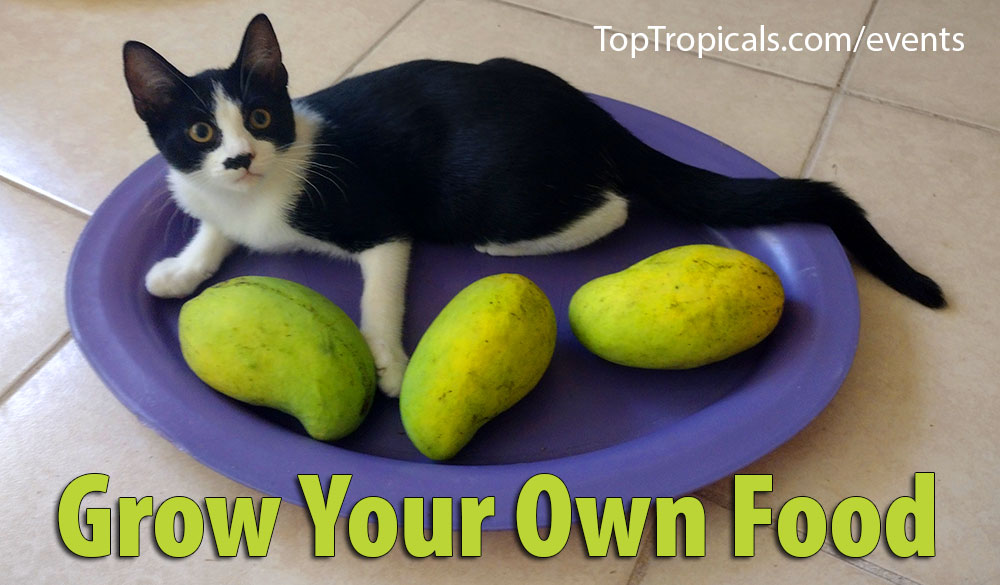
Grow Your Own Food...
Affordable for everyone!

Grow  your  own  food

Grow Food Not Lawns - this is the theme for our Garden party. But it's much more than that. It's a philosophy and a state of mind. One that more and more people are adopting as the world's food supply continues to dwindle and get more expensive...
Like all things plant and garden related, each of us can adopt this state of mind at whatever level we're capable of and comfortable with. Many of our customers just want to start small and see what it's all about. After all, the world of tropical plants can be more than just beautiful, it can be sustaining as well!

Growing your own food is more than just about price, it's also about quality, choices and availability. As you watch the choices, and quality of store bought food go down and prices continue to go up, maybe it's time to grow more of your own food?

Fun Facts

- A mature mango tree can produce 200 to 300 fruit per year
- A single avocado tree is capable of producing 500 avocados in one year
- A mature papaya plant can produce as many as 100 fruits per growing season
- One longevity spinach plant can provide you with a fresh supply of healthy spinach leaves all the time!

At Top Tropicals we offer a wide selection of fruit, including mango and avocado, and even spinach to get you started and to continue down the road on your own self sustaining journey. Even better, to help you with your food project, we have not only added to our varieties, but we have reduced prices on many items to make it even more affordable and enjoyable!

Who is cutting prices in today's world?! - We are, because...

...it's important that we do what we can to make it easier for our customers!

We have Avocados starting at only $49.95 and Mangos as low as $79.95, with dozens of varieties in stock! Use our discount coupons to save even more, and if you're local or in Fort Myers, stop by our Garden Center and save even more!

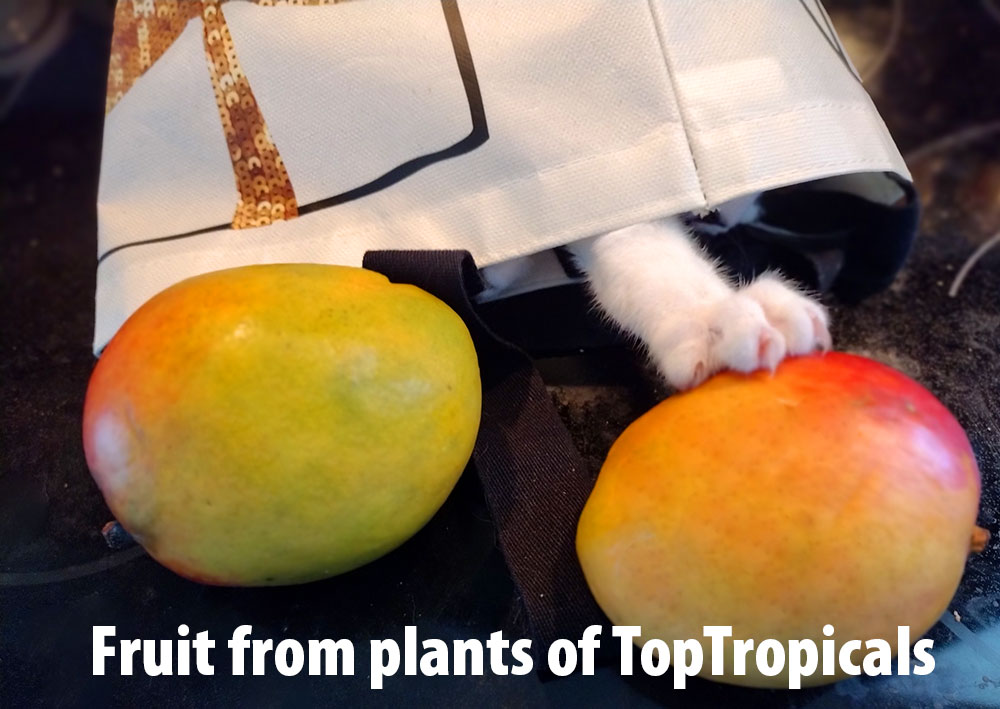
Mango  fruit

Date: 24 Jun 2018

TopTropicals

Avocado, Lychee and Mango setting fruit... give them some FOOD!

Q: Do I need to fertilize tropical fruit when they set fruit?

A: It is traditionally believed that mango and other tropical fruit shouldn't be fertilized during fruiting period. It is true to an extent: you don't want fruit to burst from fast excessive growing. Instead, try to feed fruit trees wisely, because they still need proper nutrition to produce flowers and fruit.
Our spring specials of Lychee, Avocado and Mango are full of buds and some already set tiny fruit (see examples on the photo). Here is the feeding plan for these plants once you receive your mail order:
1) Once received the plant, pot it into container size of the root ball and let establish for couple weeks. Use SUNSHINE-E to help the plant recover from shipping stress and establish root system.
2) Apply SUNSHINE-Honey right before flowering, and next time at setting fruit, to provide sweeter and bigger fruit, eliminate fruit cracks and help resist fungus and other fruit diseases.
3) Use balanced granulated fertilizer, 1 tsp per each gallon of soil. Apply once a month during Spring-Summer season. This gives the plant balanced macro-elements (NPK) necessary for overall plant health. Do not use on fruit trees fertilizers with high Nitrogen content.
4) Apply SUNSHINE SuperFood micro-element booster to keep fruit trees vigorous, develop strong root system and avoid deficiencies.
5) In case of signs of chlorosis (yellowing leaves with darker veins), give the tree SUNSHINE-GreenLeaf and watch the leaves turning green quickly.
After harvesting, don't forget to make another treatment of SUNSHINE-Honey as a preparation for the next year flowering and fruiting season.