Garden Blog - Top Tropicals

Date: 29 Aug 2019

How to establish a Mango Tree
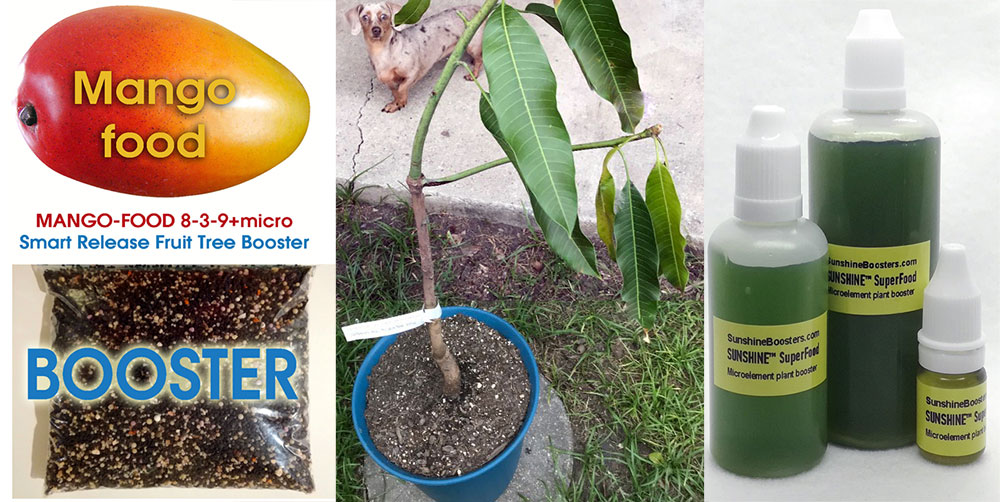
Q: I received my mango tree from you on Monday and it looked beautiful. I followed the instructions and kept it out of direct sun. I watered it a little each day when the potting mix was dry to the touch. But the leaves are turning yellow and brown then falling off. Should I have removed the tree from the soil it was packed in?

A: Leaf drop and dry/yellow leaves are normal symptoms of shipping stress. Your mango tree looks healthy overall. Considering you have high humidity now in Louisiana, the plant should recover soon under proper care. These are important tips:

- Keep the plant in bright shade, away from direct sun - at least for a week, then you may start moving it gradually to semi-shade, then to full sun within a few days.
- Do not over-water. If the top of the soil is still moist, do not water until it dries a little bit. Mango prefers to stay on a dry side. From this point, over-watering is more dangerous than under-watering. You may skip a watering if in doubt.
- If it rains every day, make sure to keep the pot under the roof to protect from excessive water.
- Do not remove original soil and do not disturb roots.
- You used the right container size and looks like you have a quality soil with good drainage. Keep the plant in this container at least for a few months. You may step it up only when you see a lot of active growth of branches and leaves - this means, the root system is developing fast too.
- do not fertilize until you see new growth. Then use Mango Food Smart release.
- to help the plant recover from stress, you may use SUNSHINE-E booster and micro-element foliar spray with SUNSHINE-Superfood.

Date: 14 May 2019

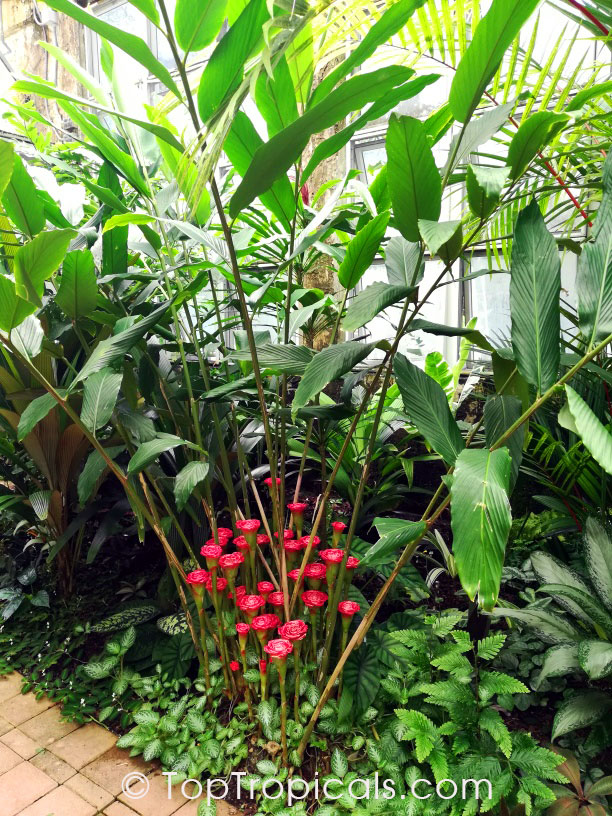
How to get gingers to bloom

TopTropicals.com

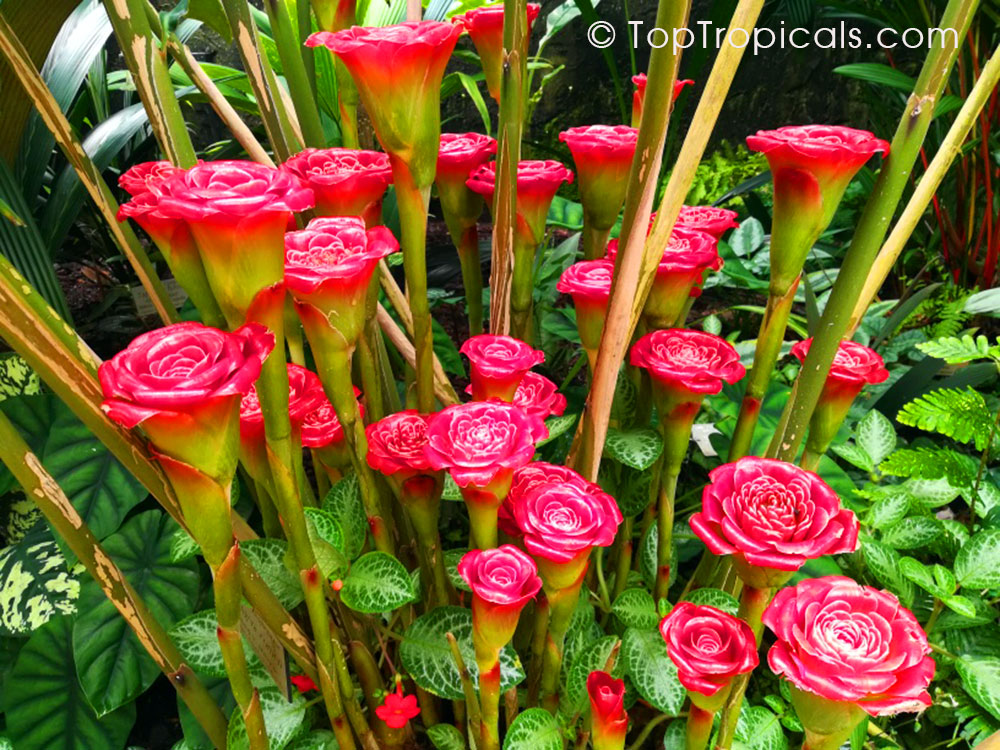
Q: I have several gingers in my yard, including Red Torch, Lobster Claw, and Red Bamboo Ginger, they grow beautifully but only produce large dark green leaves and no flowers. Is there anything I can do to make them bloom? Do they need any special fertilizer?

A: Gingers are easy to grow tropical plants with so many benefits, giving us unique spice, and showy flowers (including long-lasting cut flowers!) - where other plants fail, especially in deep shade. They are not fussy about soils and even water once established. To keep your gingers happy, follow these simple steps:

1. Bright light is essential for flowering, but planting gingers in semi-shade or filtered light will keep them stress-free from burning summer rays.
2. Water gingers regularly until they established and start producing new leaves and stems. Once they start clumping, you may reduce watering to a minimum 9once a week or so), or rely on your sprinkler system.
3. Once the plant is established, start using fertilizer to induce flowering and healthy growth.
- We recommend granulated "smart release" fertilizer for all tropical plants. For gingers, the best formula is Tropical Allure. It provides all macro- and microelements essential for the healthy growth of the plant.
- Apply balanced water-soluble plant food for Gingers, Heliconias and Bananas - Broad Leaf Plus - once a month.
- Additionally, you may also add to the menu flower booster Pink N Good Daly Plant Food - this fertilizer is used in very low concentration and can be used with every watering.
4. Remove old dry and yellowing leaves with sharp cutters to avoid pest problems and keep good air circulation around these clumping plants.
5. Keep soil covered with 1"mulch to protect from weeds and maintain the optimal amount of moisture for the rhizomes.

Check out our specialized fertilizers for different plants - for all your gardening needs!

TopTropicals.com

Date: 19 Apr 2024

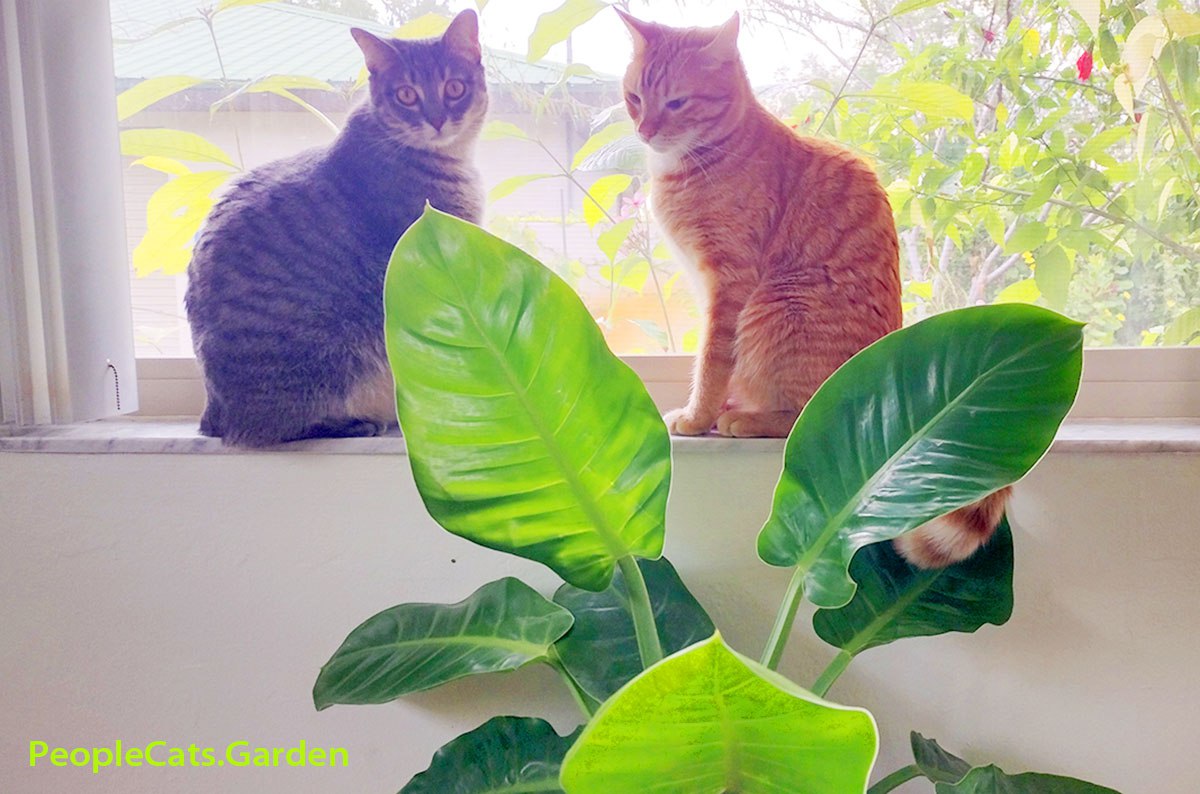
Someone is sitting in the shade today because someone planted a tree a long time ago

Someone is sitting in the shade today because someone planted a tree a long time ago
"Someone is sitting in the shade today because someone planted a tree a long time ago." - Warren Buffett

🌳 Plant your tree today!

📸 😺 👇 Share your cats in comments!

#Quotes #PeopleCats

TopTropicals.com
We Grow Happiness

Date: 1 Jul 2024

What happens when a gardener gets a Swiss Cheese?

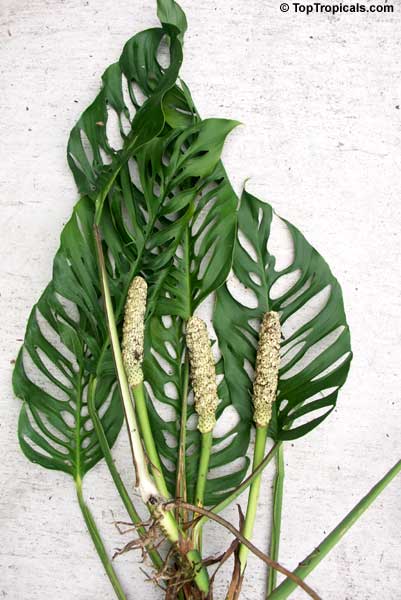
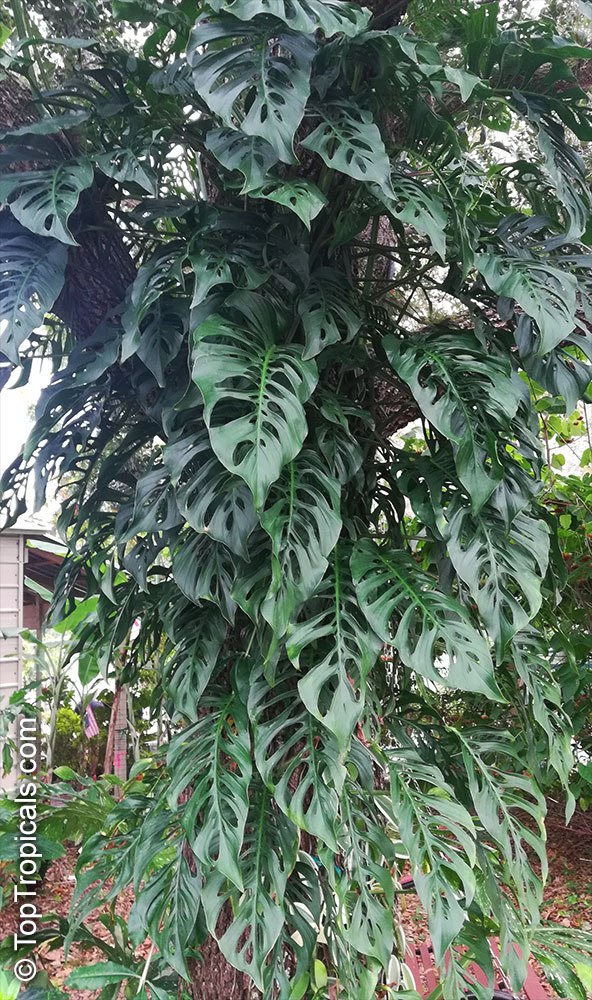
Monstera x adansonii - Baby Swiss Cheese Plant

Monstera x adansonii - Baby Swiss Cheese Plant

Monstera x adansonii - Baby Swiss Cheese Plant

Monstera x adansonii - Baby Swiss Cheese Plant

What happens when a gardener gets a Swiss Cheese? Swiss Cheese Plant!


🌿 Monstera x adansonii - Baby Swiss Cheese Plant - is an unusual form of Monstera with leaves that have many holes, much bigger than those in Swiss Cheese!

🌿 Makes an interesting indoor specimen, an eye stopper.

🌿 Shade lover, but can take some semi-shade too.

🌿 Can be grown outdoors in warmer climates and climbs trees or walls wherever you need a green wall.

🌿 Grows fast, very undemanding plant. Perfect when you need to fill space with greenery quickly.

🛒 Order Swiss Chees Plant

#Container_Garden #Shade_Garden

🏵 TopTropicals

Date: 24 Jul 2024

How to grow your own Pepper plants

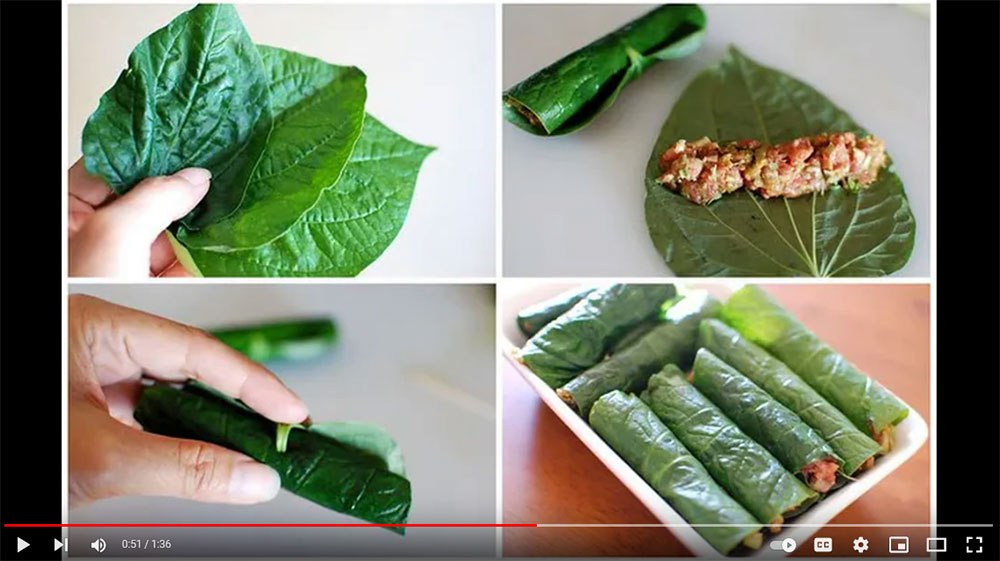
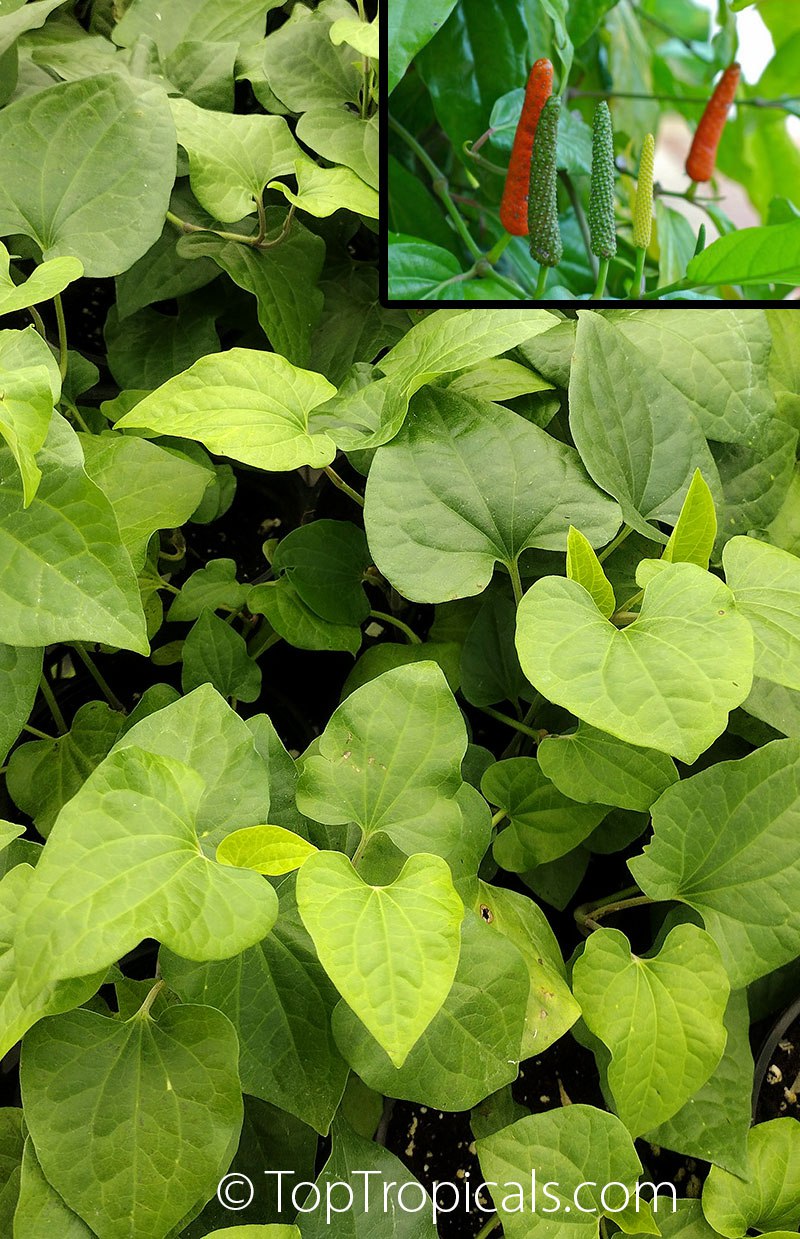
Piper sarmentosum - Vietnamese Pepper, Lalot leaves wraps

Piper sarmentosum - Vietnamese Pepper, Lalot leaves wraps

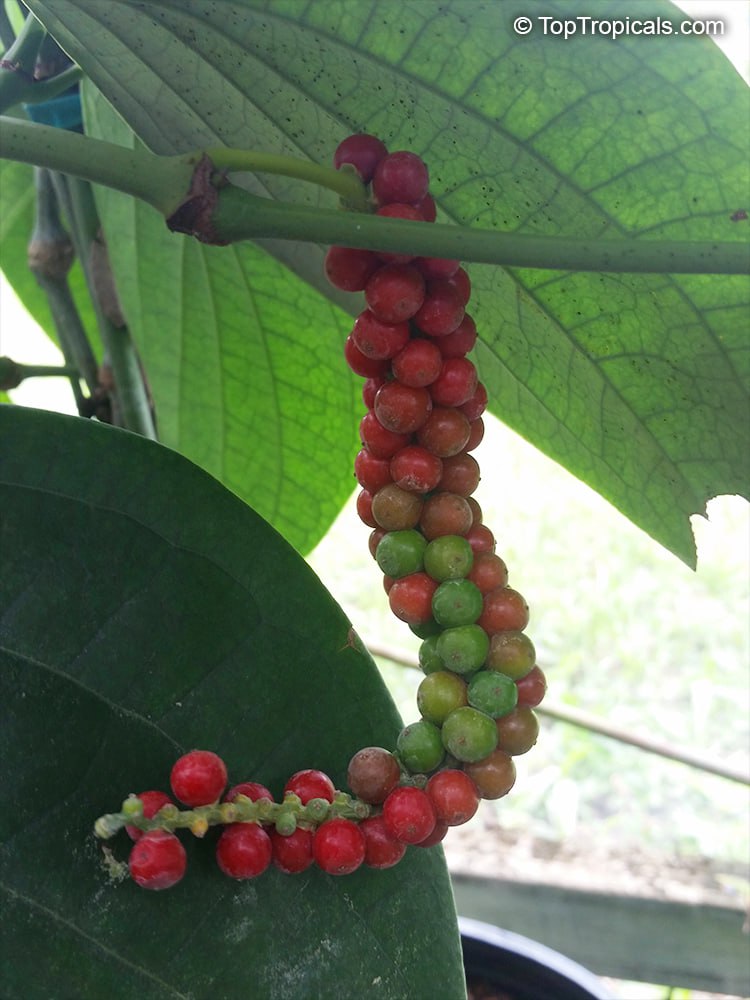
Piper nigrum - Black Pepper

Piper nigrum - Black Pepper

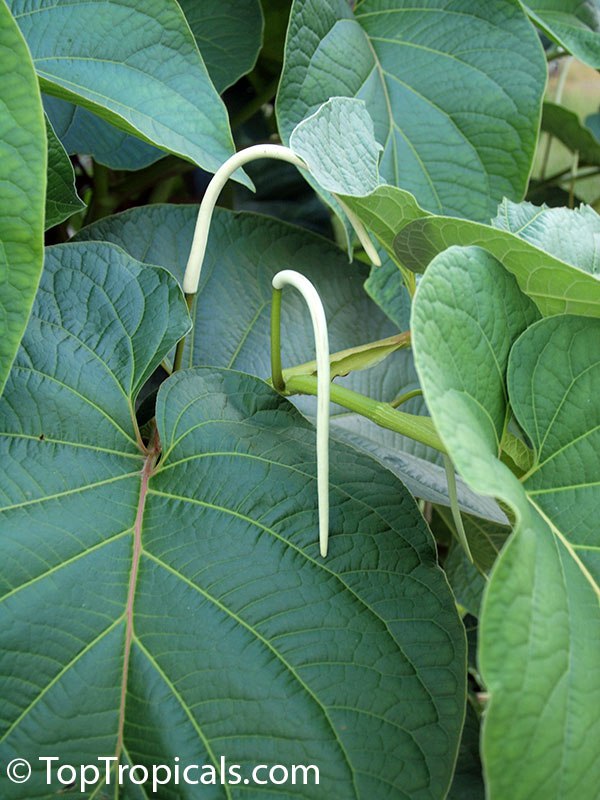
Piper auritum - Root Beer Plant, False Kava-Kava

Piper auritum - Root Beer Plant, False Kava-Kava

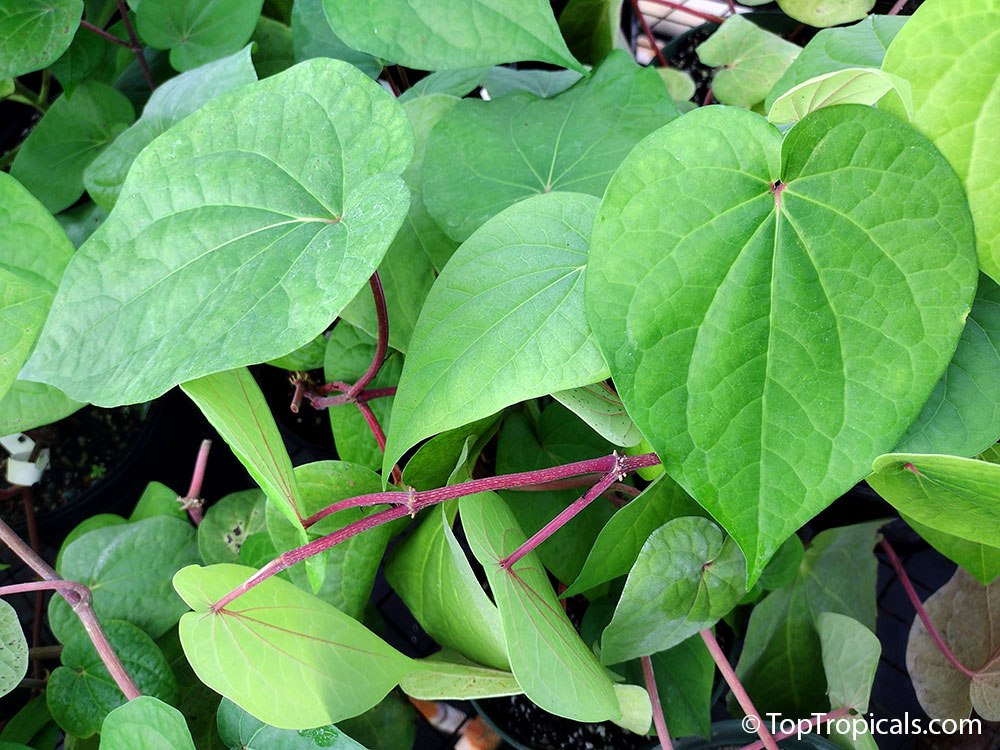
Piper betle - Betel leaf

Piper betle - Betel leaf

Piper longum - Indian Long Pepper, Pippali, Bengal Peppe

Piper longum - Indian Long Pepper, Pippali, Bengal Peppe

🔥 How to grow your own Pepper plants. Five most valuable 'Pipers'.

ℹ️ Leafy Pepper plants - Pipers - are a source of black pepper and many other "peppery" flavors. These plants come from the Piperaceae family and are used as a spice for their pungent, peppery flavor. Don't confuse them with with Capsicum peppers, such as bell and chili peppers.

🔻
Piper sarmentosum - Vietnamese Pepper, Lalot: it is eaten raw in salads or cooked with other greens or dishes, or wrap meats and cook in oven or on stove or grill. It is used medicinally in India and SE Asia. The root is also chewed with Betel Nut as a tonic and medicine. The leaves are used as food (food wraps) in Vietnam.

🔻 Piper nigrum - Black Pepper: While black and white pepper were already known in antiquity, but green pepper (and even more, red pepper) is a recent invention. Pungent and aromatic. The pungency is strongest in white pepper and weakest in green pepper, while black and green pepper are more aromatic than the white one. Moderate growing vine that can be grown on a trellis. Prefers shade to semi-shade.

🔻 Piper auritum
- Root Beer Plant, False Kava-Kava: close relative of Piper methysticum (Kava-Kava) and probably has some similar tonic effects. It is used for its spicy aromatic scent and flavor, liken to root beer, or to anise-clove. Huge leaves can grow over a foot long. The leaves are used for flavoring, as wrappings for meats and tamales.

🔻 Piper betle - Betel leaf: very popular Indian spice with medicinal properties. Chewed with Betel Nut as a tonic and medicine. Great for wrapping food (similar to grape leaves).

🔻 Piper longum - Indian Long Pepper, Pippali, Bengal Pepper: edible and medicinal plant used as spice and in traditional Chinese medicine. Fruit used as a spice and seasoning. It has sweeter and less pungent taste than Black pepper. Highly valued medicinal plant used to treat respiratory infections, stomachache, bronchitis, cough, and much more.

Learn more:
📚 Vietnamese Pepper - Lalot food wraps BBQ recipe
🎥

🛒 Shop pepper plants: Pipers

#Food_Forest #Recipes #Container_Garden #How_to


🔴 Join 👉 TopTropicals