Piper longum - Indian Long Pepper, Pippali, Bengal Peppe
🔥 How to grow your own Pepper plants. Five most valuable 'Pipers'. ℹ️ Leafy Pepper plants - Pipers - are a source of black pepper and many other "peppery" flavors. These plants come from the Piperaceae family and are used as a spice for their pungent, peppery flavor. Don't confuse them with with Capsicum peppers, such as bell and chili peppers.
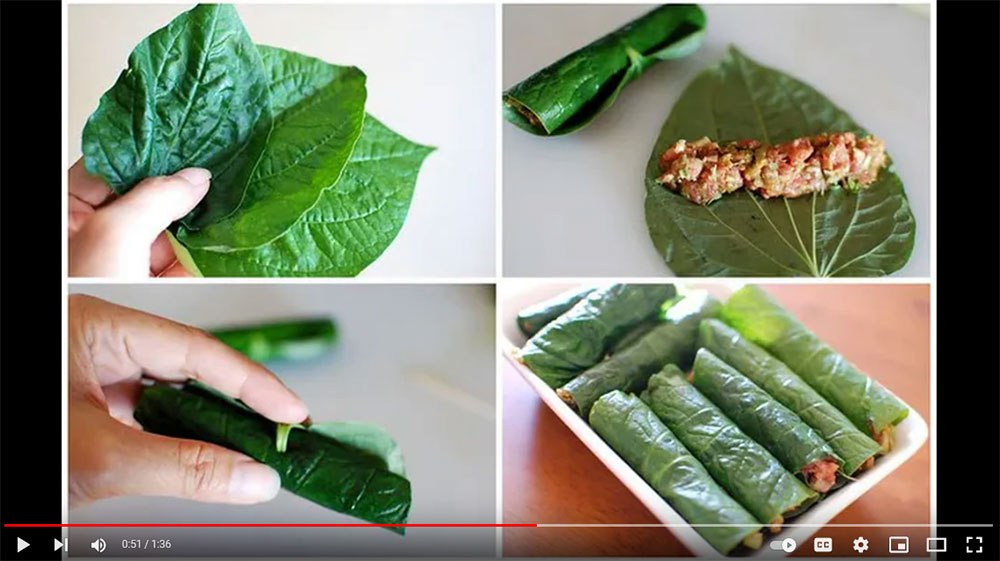
🔻Piper sarmentosum - Vietnamese Pepper, Lalot: it is eaten raw in salads or cooked with other greens or dishes, or wrap meats and cook in oven or on stove or grill. It is used medicinally in India and SE Asia. The root is also chewed with Betel Nut as a tonic and medicine. The leaves are used as food (food wraps) in Vietnam.
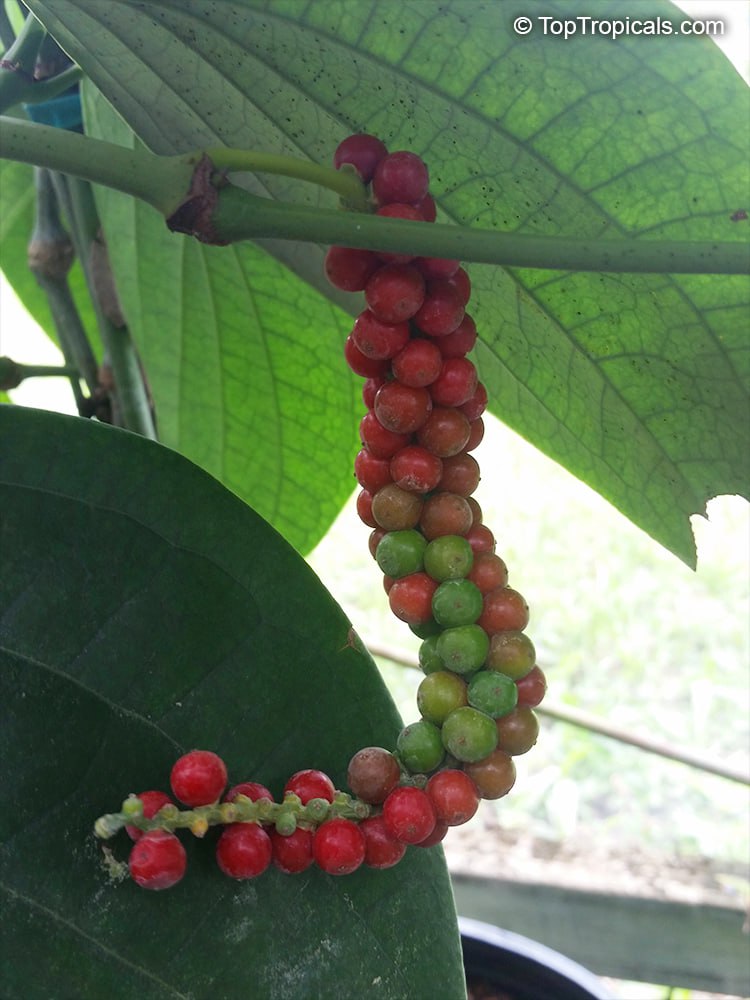
🔻Piper nigrum - Black Pepper: While black and white pepper were already known in antiquity, but green pepper (and even more, red pepper) is a recent invention. Pungent and aromatic. The pungency is strongest in white pepper and weakest in green pepper, while black and green pepper are more aromatic than the white one. Moderate growing vine that can be grown on a trellis. Prefers shade to semi-shade.
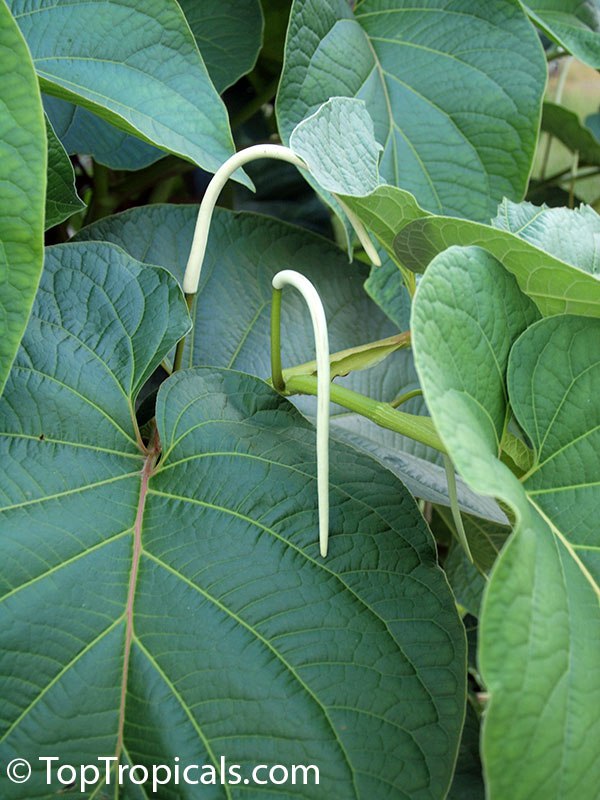
🔻 Piper auritum - Root Beer Plant, False Kava-Kava: close relative of Piper methysticum (Kava-Kava) and probably has some similar tonic effects. It is used for its spicy aromatic scent and flavor, liken to root beer, or to anise-clove. Huge leaves can grow over a foot long. The leaves are used for flavoring, as wrappings for meats and tamales.
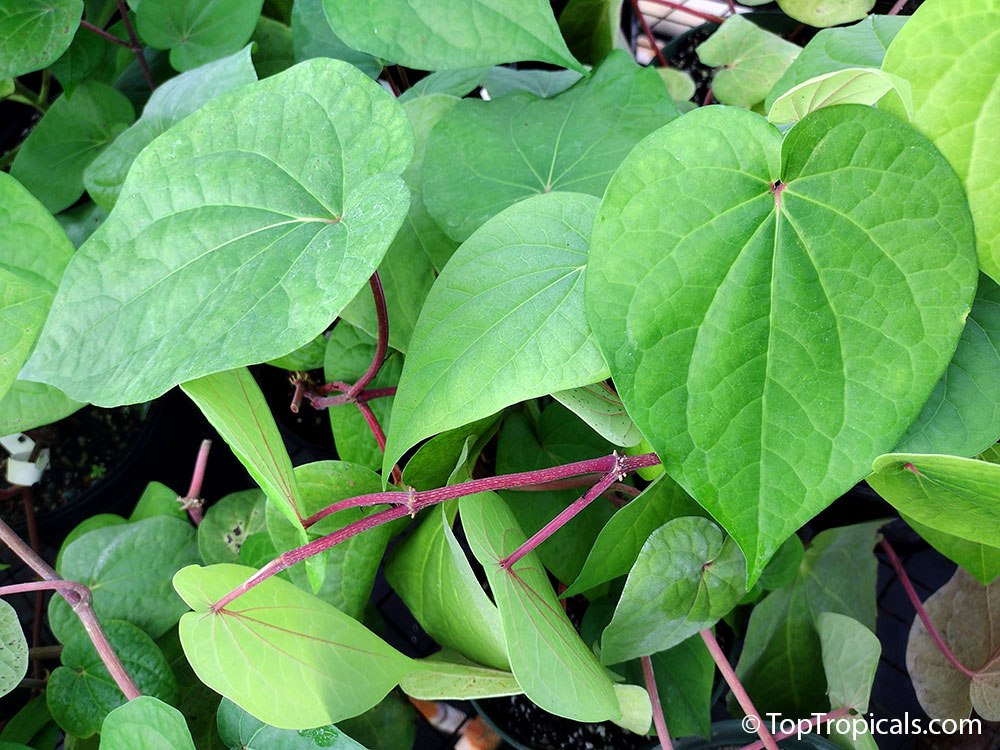
🔻 Piper betle - Betel leaf: very popular Indian spice with medicinal properties. Chewed with Betel Nut as a tonic and medicine. Great for wrapping food (similar to grape leaves).
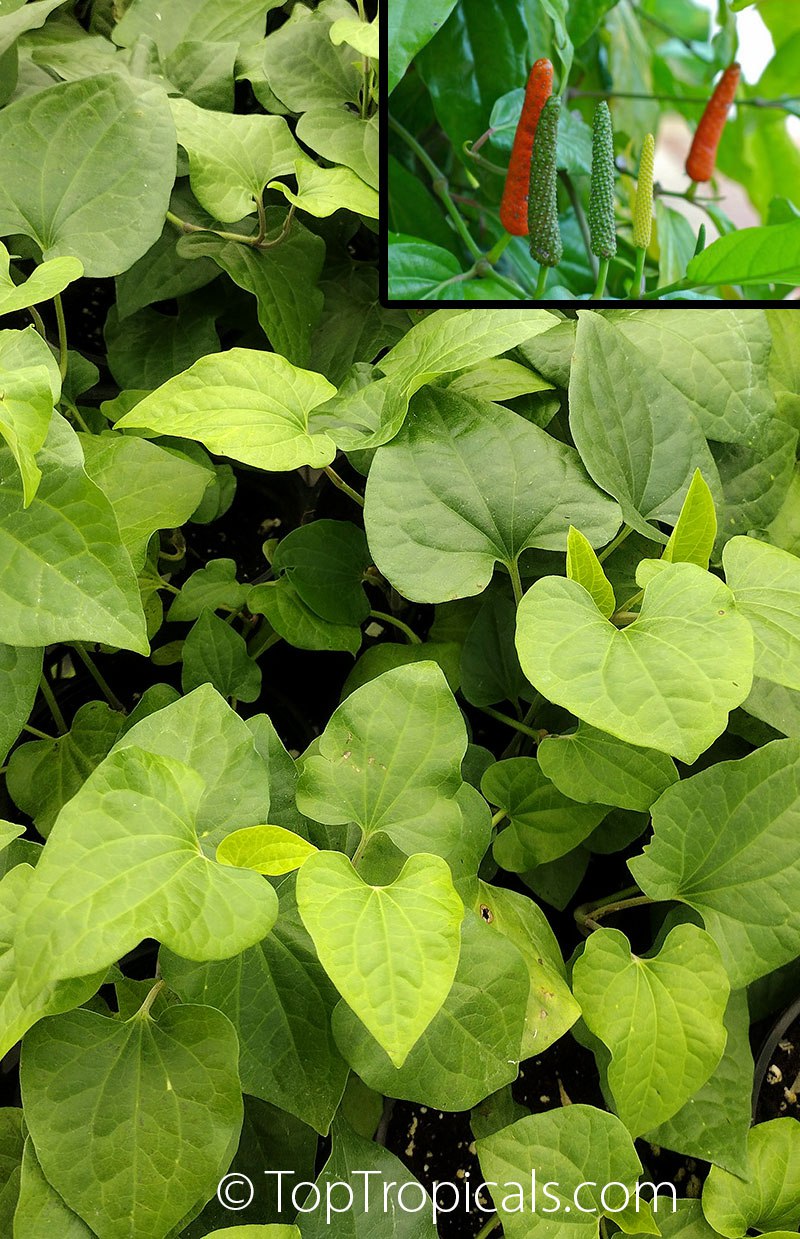
🔻Piper longum - Indian Long Pepper, Pippali, Bengal Pepper: edible and medicinal plant used as spice and in traditional Chinese medicine. Fruit used as a spice and seasoning. It has sweeter and less pungent taste than Black pepper. Highly valued medicinal plant used to treat respiratory infections, stomachache, bronchitis, cough, and much more.
What are 5 most useful edibles for tropical garden?
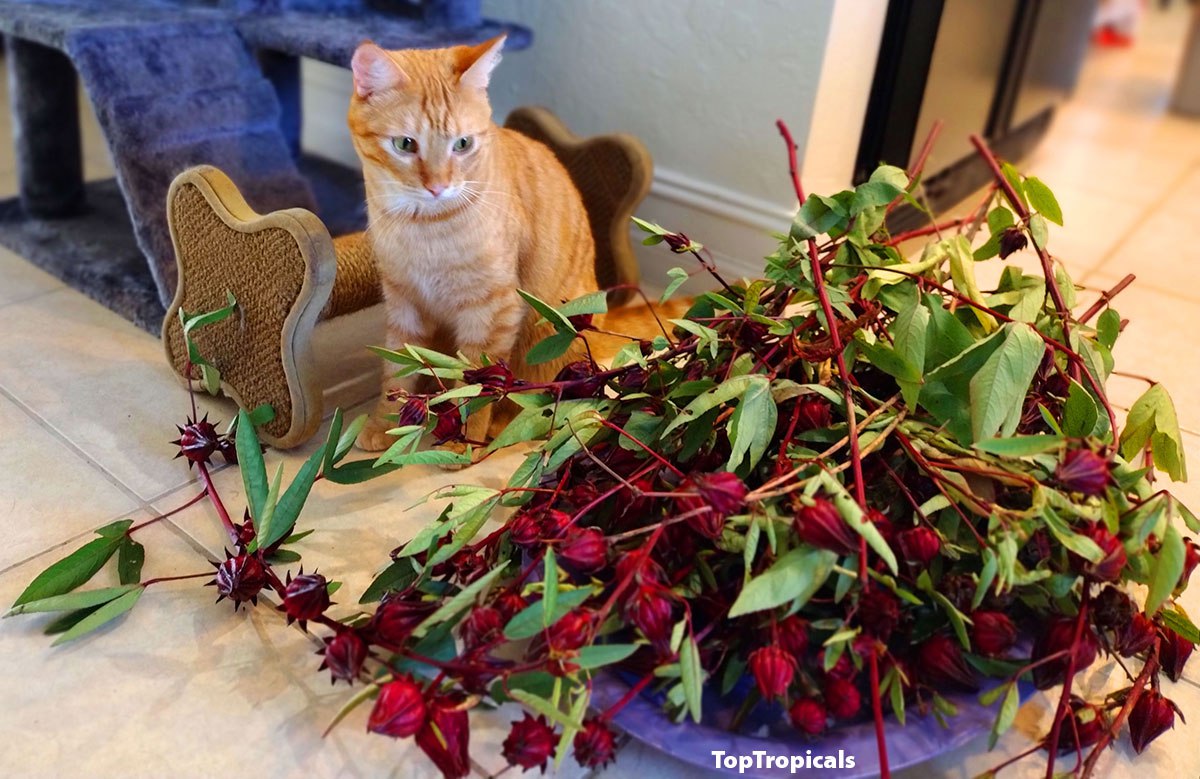
📍 1. Hibiscus sabdariffa - Flor de Jamaica, Karkade Sorrel - Flowers are used to make a tea "Agua de Flor de Jamaica". Medical studies show that it lowers blood pressure and has diuretic effects. The pleasant flavor is on the tart side similar to a cranberry juice. We make this cold tea every day - perfect for hot summer. Full sun ☀️
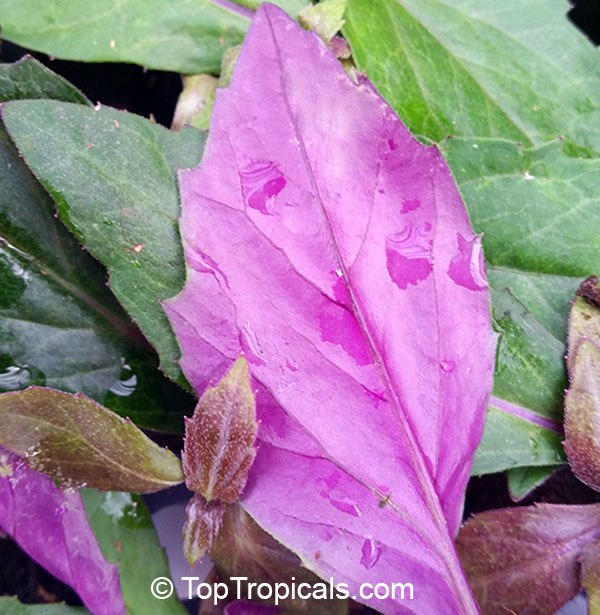
📍 2. Gynura procubens - Longevity Spinach, Cholesterol spinach - one of the Superfoods, and there are many claims that it lowers cholesterol. We use it in our cooking all the time and so far we are all alive! Full sun☀️
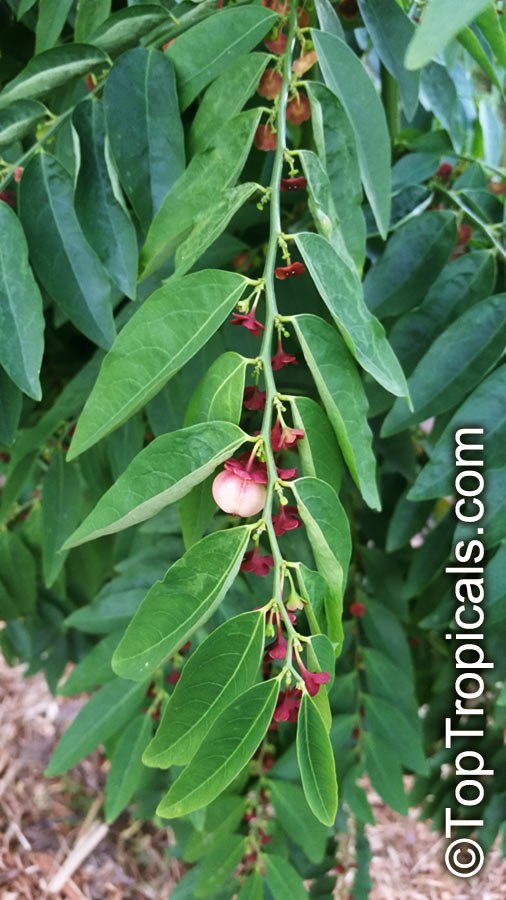
📍 3. Sauropus androgynus - Katuk, Tropical Asparagus. Delicious young shoots, one of the most popular leaf vegetables in Southeast Asia. In Vietnam, people cook it in stews and soups. It is among only a few flora containing vitamin K. Full sun or semi-shade☀️🌓
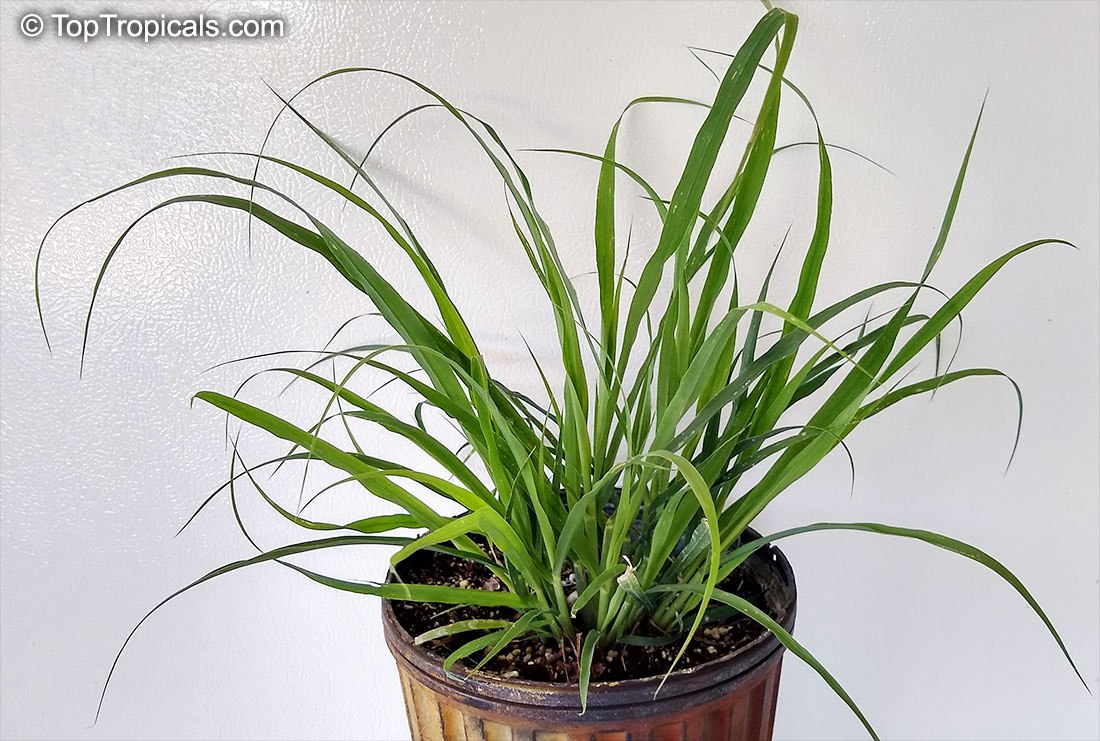
📍 4. Cymbopogon citratus - Lemon grass: Versatile performer in the kitchen where it can be used in teas, beverages, herbal medicines, Eastern inspired soups and other dishes. Full sun or semi-shade☀️🌓
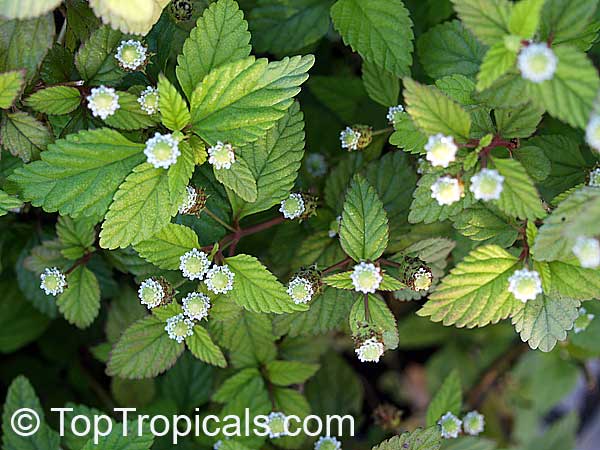
📍 5. Lippia dulcis - Aztec Sweet Herb, Sweetleaf: Mexican herb with incredibly sweet leaves that can be eaten from the plant like candy or tossed into fruit salads for an unusual addition. It has been used since the time of the Aztecs for coughs and colds. Tastes great, can be used by diabetic patients. We add this herb to Karkade or Mint tea as a sweetener. Shade or semi-shade ☁️ 🌓
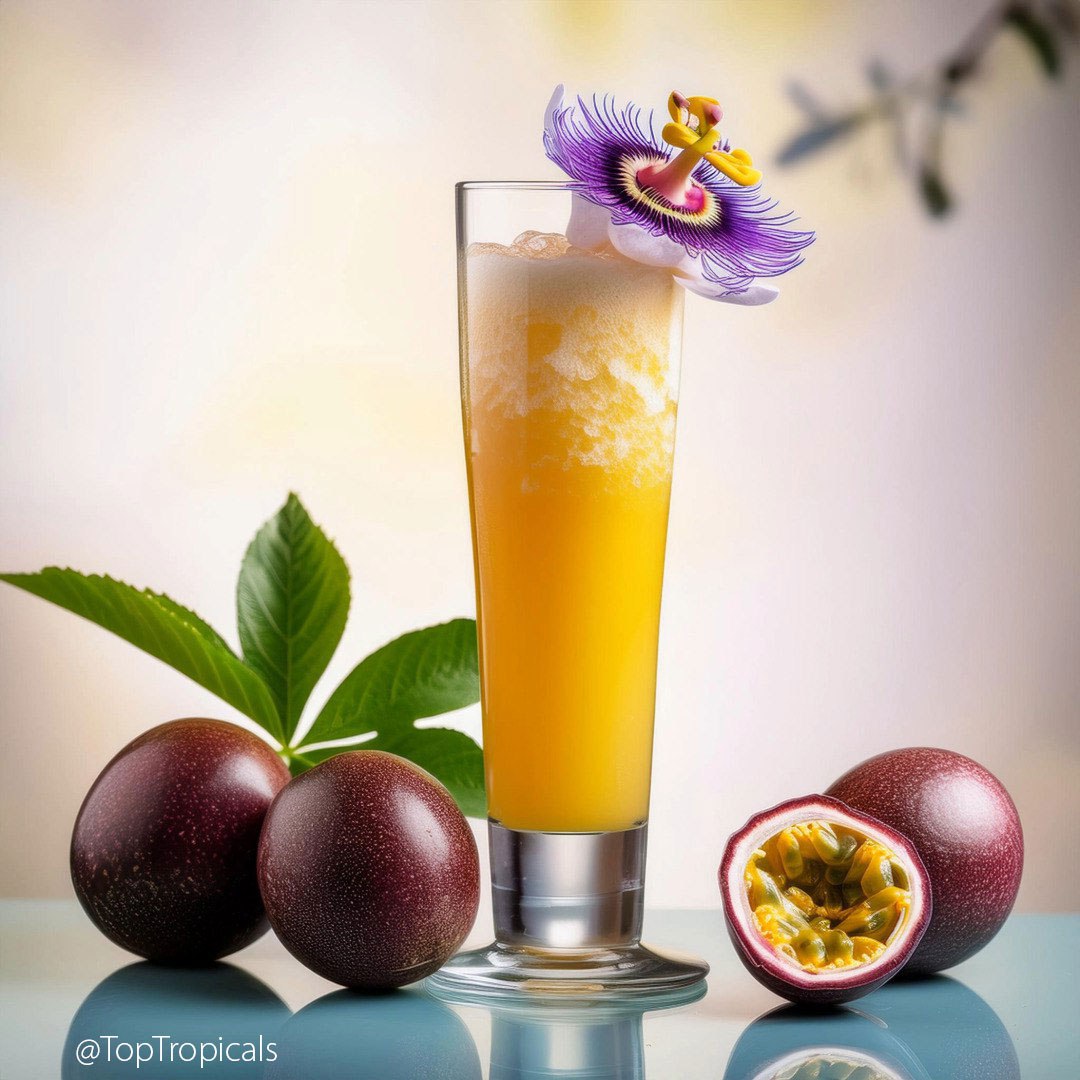
🍾 How to make exotic Passion Fruit Champagne Slush
Halve passion fruits crosswise and scoop out pulp with seeds into a bowl. Sprinkle sugar over the pulp. Let sit at room temperature for an hour. Stir in lime juice and boiling-hot water. Stir until sugar is dissolved. Pour through a fine sieve, pressing on solids, then discard the seeds. Freeze in ice cube tray. Once frozen, add 1 cube per champagne flute, then slowly add the champagne.
Makes 6 cocktails:
✔️ 10 passion fruits ✔️ 1/2 cup sugar ✔️ 1 tbsp lime juice ✔️ 1/4 cup boiling hot water ✔️ 1 chilled bottle of Champagne or sparkling wine