The most asked-about tree in the Sunshine State: Bauhinia
Purple Orchid tree - Bauhinia purpurea
🌸 The most asked-about tree in the Sunshine State: Bauhinia
🌸 If you visit Florida in winter, chances are you will notice a tree covered in orchid-like flowers and wonder what it is. That tree is often an orchid tree, most commonly Bauhinia purpurea. It is fast growing, wide spreading, and blooms from late winter through spring, sometimes with a second round in summer. The flowers range from magenta to lavender, are lightly fragrant, and stand out even from a distance. The leaves are just as distinctive - split into two halves like butterfly wings, which is why these trees are also called butterfly trees.
🌸 Orchid trees are easygoing and practical. They thrive in full sun, tolerate many soil types as long as drainage is good, and need little water once established. Growth is quick, often 2–3 feet per year, making them excellent shade trees for hot climates. The flowers attract bees, butterflies, and hummingbirds, and in some cultures the buds and blossoms are used in cooking, while the bark has a long history in folk remedies. Beautiful, useful, and low maintenance, orchid trees are a perfect fit for Southern landscapes.
Avocado Joey: the hidden world beyond green and black
Avocado Joey
Avocado Joey: the hidden world beyond green and black
Joey is a Texas selection prized for its exceptional cold tolerance and dependable production. The small dark-skinned fruit has rich, creamy flesh and excellent flavor despite its modest size. For gardeners pushing the limits of avocado growing, Joey is often one of the first varieties recommended. As a compact grower, it is an excellent choice for container culture.
· Botanical name: Persea americana 'Joey' · Origin: Guatemala · Cold hardiness: Among the most cold-hardy avocados; reported to tolerate temperatures around 15°F · USDA zones: 8b-11 · Flower type: B · Tree size: Approximately 20 ft x 20 ft in the ground · Growth habit: Upright, compact, with a well-branched canopy, suitable for container culture with minimal pruning · Foliage: Mexican-type foliage with a pleasant anise-like fragrance when crushed · Fruit size: 6-10 oz · Fruit shape: Pear-shaped · Fruit color: Purple-black when ripe · Skin: Thin and smooth · Flesh: Creamy, buttery, and high in oil · Flavor: Rich, nutty, and excellent for fresh eating · Season: September-October · Best use: Fresh eating, slicing, and premium guacamole · Special feature: Exceptional cold tolerance combined with rich, high-quality fruit · Why growers love it: Joey is one of the best choices for gardeners in colder climates who still want excellent avocado flavor. Its ability to withstand winter cold while producing rich, buttery fruit has made it a favorite among avocado enthusiasts across the South. 👉 More
💡 Avocado tip: Protect young trees from cold
A mature avocado may handle a light freeze, but young trees are far more vulnerable. During the first few winters, be ready with frost cloth, blankets, or temporary protection.
9 awesome accent plants and vines that love heat and dry conditions
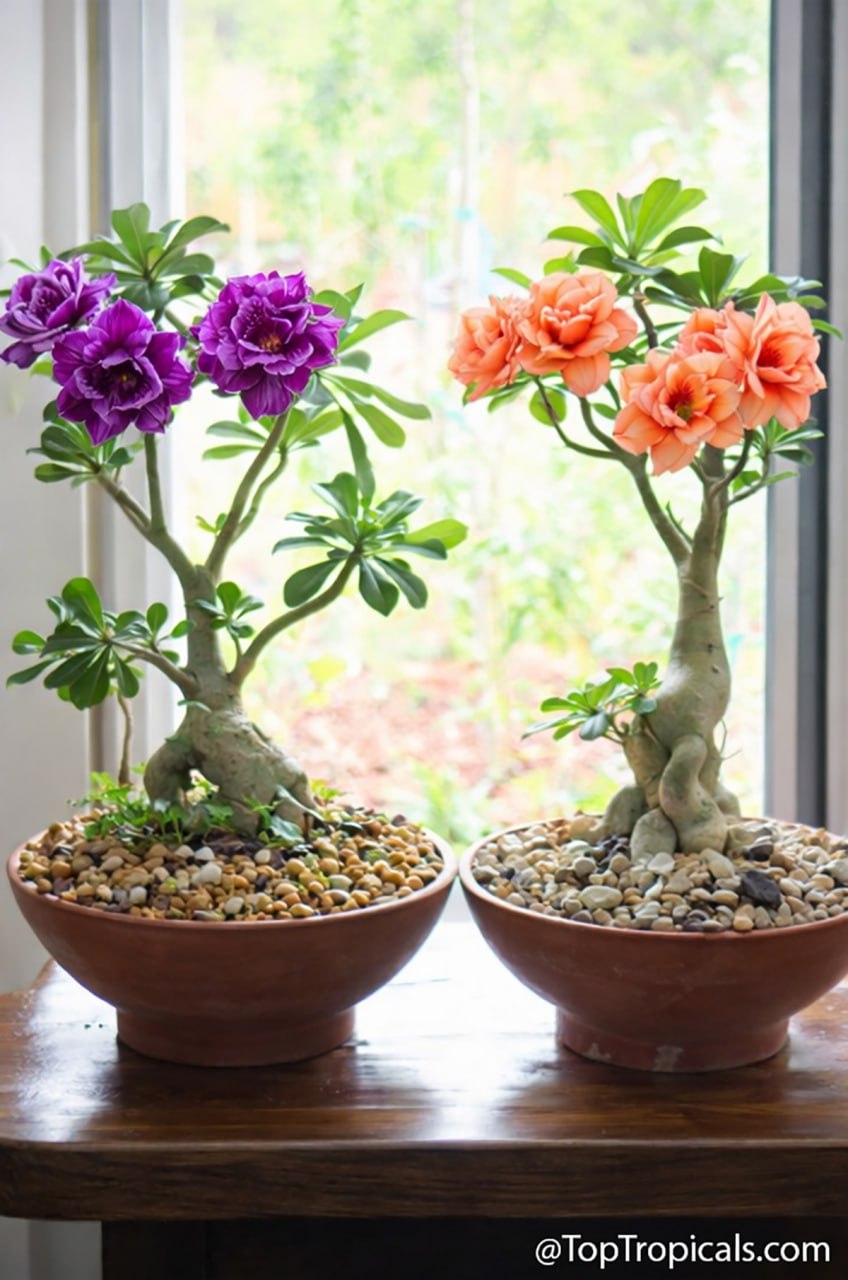
Adeniums in pots
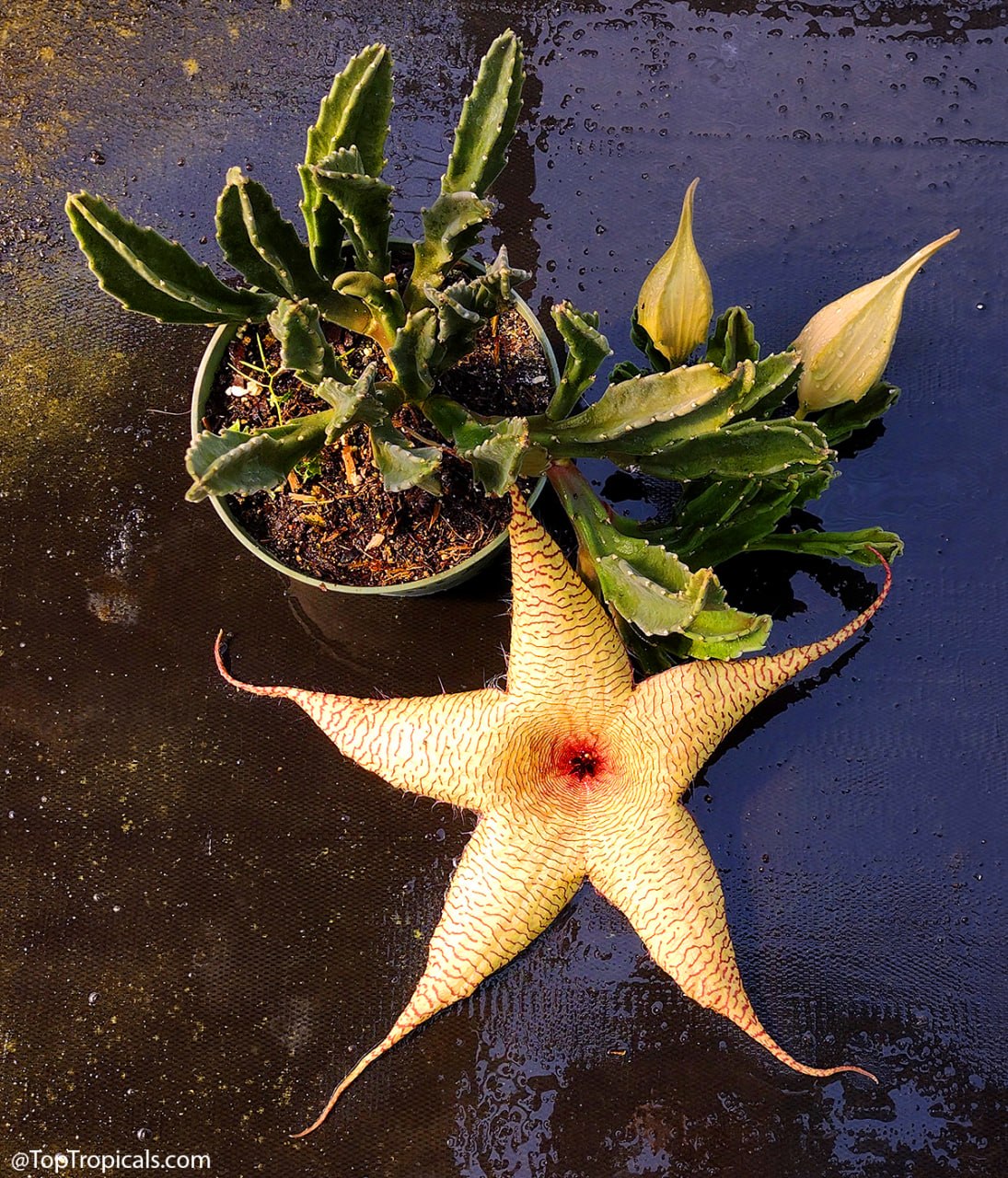
Stapelia gigantea - Starfish Flower
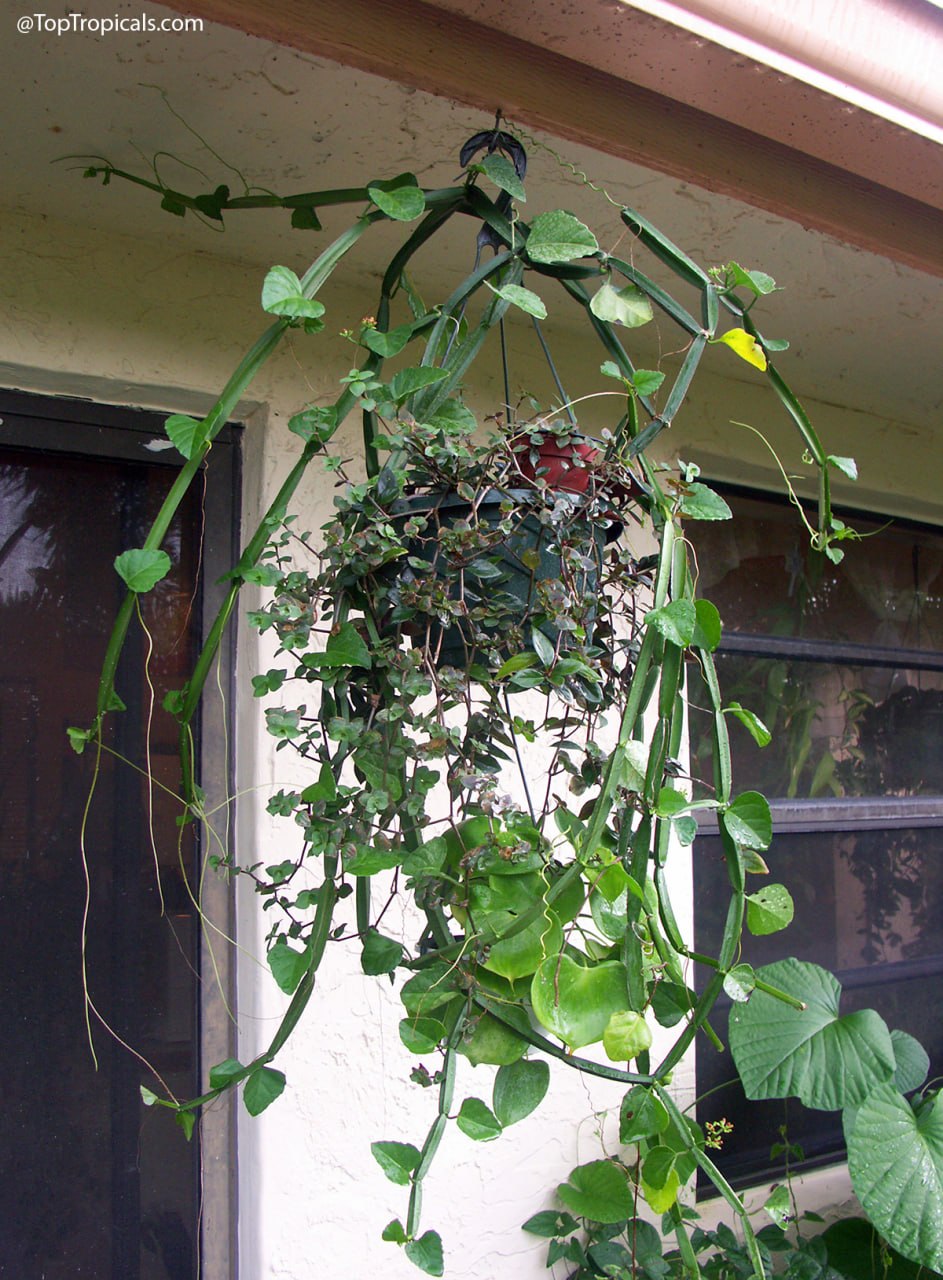
Cissus quadrangularis - Veld Grape Vine
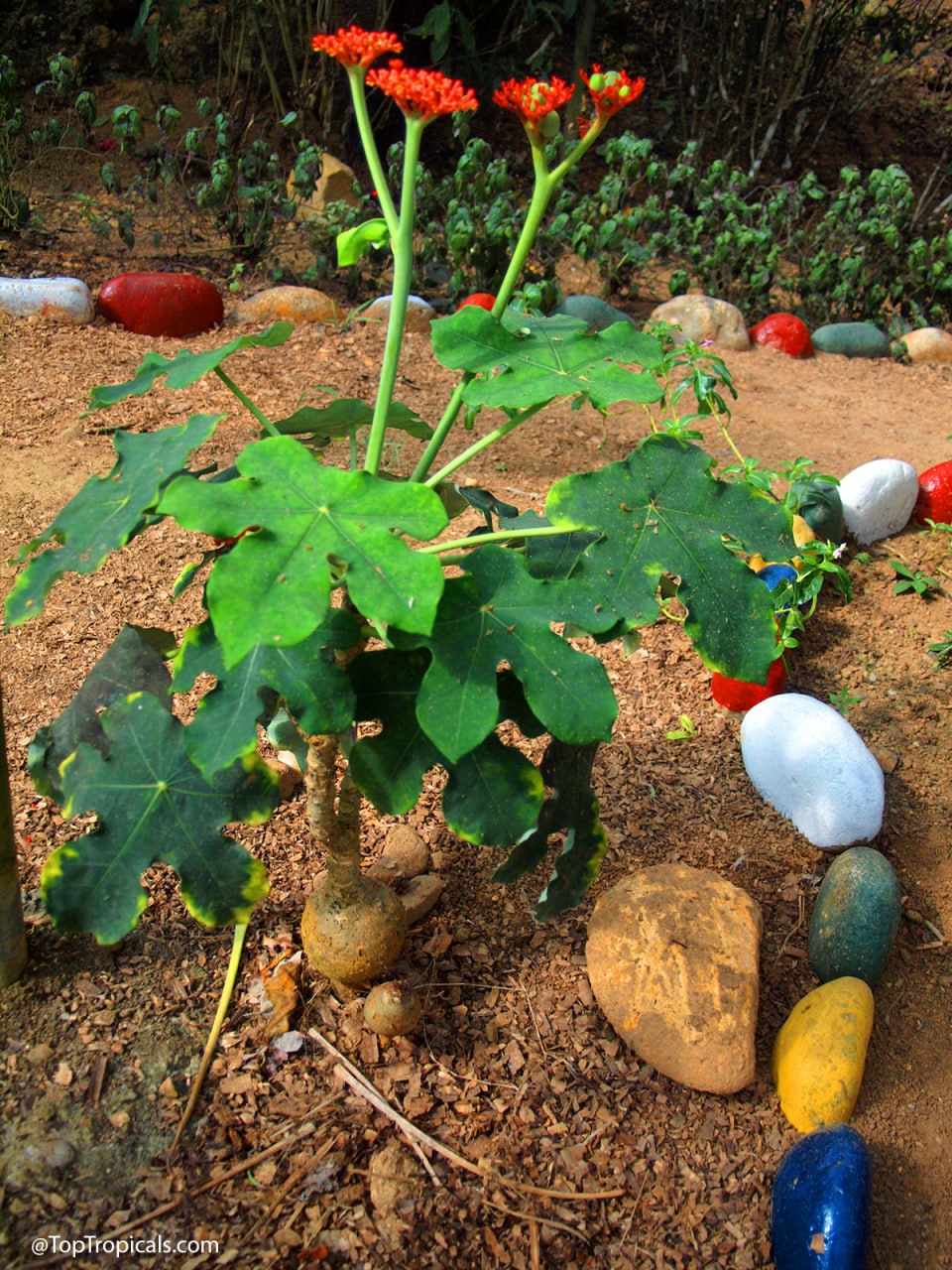
Jatropha podagrica - Gout Plant
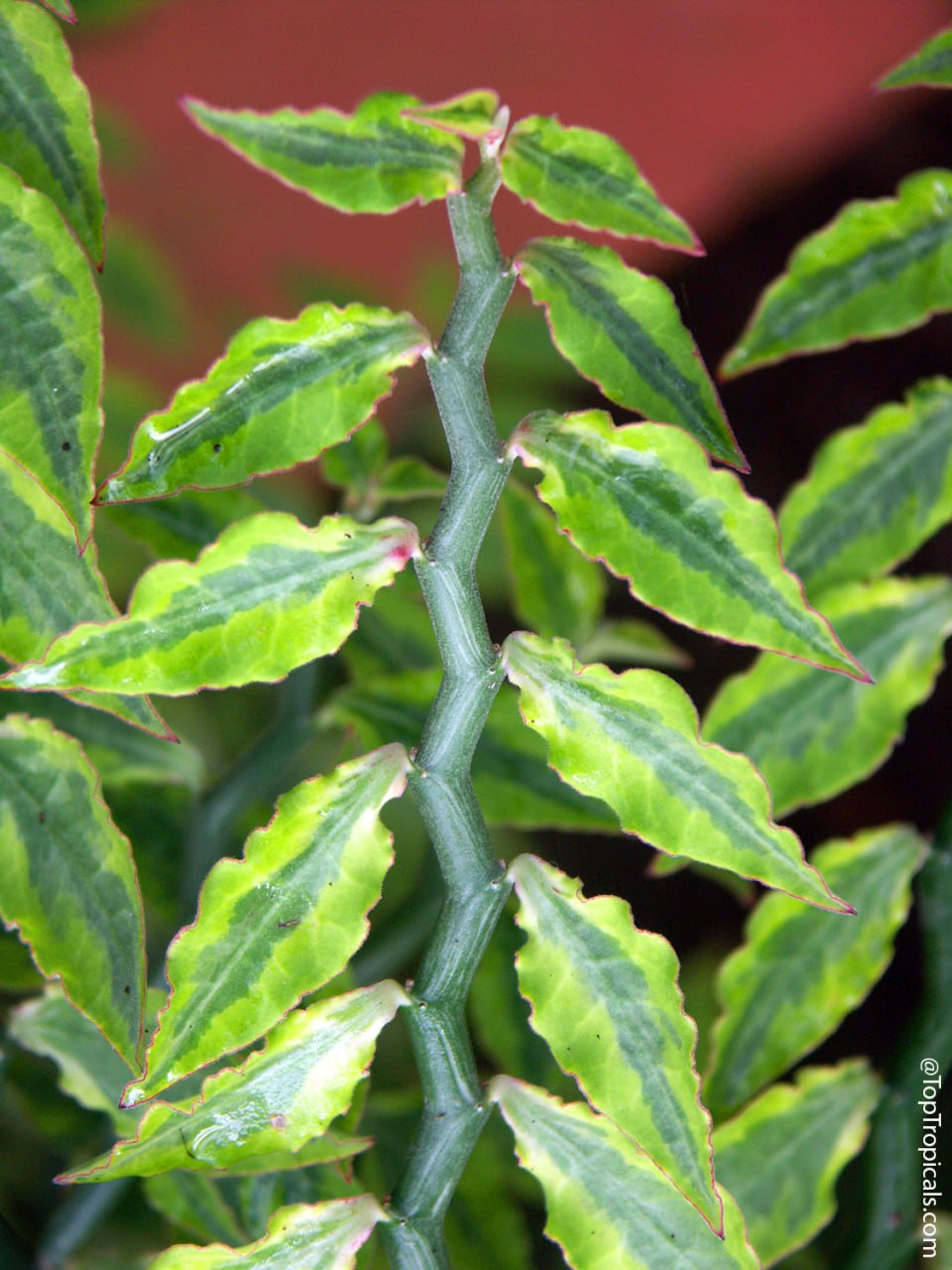
Pedilanthus tithymaloides - Devil's Backbone
☀️ 9 awesome accent plants and vines that love heat and dry conditions
The hardest spots aren’t for trees - they’re for everything else. The toughest areas are often smaller spaces - along walls, patios, containers, or rocky patches where soil dries out fast. This is where most plants fail quickly.
These picks don’t just survive - they stand out. They bring texture, color, and structure - without needing constant watering or perfect soil.
Why containers are the toughest of all in heat
Growing in pots in hot, dry conditions is a different game. The soil heats up fast, roots can literally overheat, and moisture disappears much quicker than in the ground. If you’re using containers, protect the root zone - group pots together, tuck them into partial shade, or shield the container itself from direct sun. Choosing drought-tolerant plants helps, but don’t assume they can go totally without water - even tough plants in pots can dry out quickly, so check regularly and don’t let them go bone dry.
🔥 9 best smaller plants and vines for hot, dry spots
☀️ 1. Adenium - Desert Rose 📸
Stores water in its caudex and thrives in heat - one of the best flowering plants for dry conditions.
Adenium Plant Facts
Botanical name: Adenium sp. Also known as: Adenium, Desert Rose, Impala Lily
Smokey: Winter roots make spring easy. Keep that plant straight.
Sunshine: I am keeping it straight by not touching it at all.
Smokey: That is exactly what I was afraid of.
November is the month when the garden finally stops yelling at you.
The heat backs off, the bugs calm down, and the weeds take a breath.
This is when we get to take control again.
And as gardeners, we know the truth:
Either you use your garden, or your garden will use you in
spring.
Let me walk you through this, gardener to gardener.
"November is when the garden finally listens.
Give it a little direction now, shape it, guide it, and prepare it for
spring.
It will reward you all year." - Tatiana Anderson, Top Tropicals Plant
Expert
🌴
When The Garden Uses
You
We have all lived this scene:
March weeds appear, and two days later it looks like a jungle.
One missed watering turns into five wilted plants and a full week of
recovery.
A skipped feeding shows up as yellow leaves and panic searching
online.
Bugs return fast, and suddenly you are washing leaves every other
day.
Random plant purchases fill your yard with chaos and mismatched care
needs.
When the garden takes control, spring feels like hard work, not
joy.
Overgrown Tropical Garden Showing How a Garden Can Use You
📊
When You Use Your Garden
November flips the script.
Plants slow down. Soil stays warm.
This is the safest month to experiment, move plants, fix mistakes, and
redesign.
What you do now pays off huge in March.
You map out sun zones and shade zones.
You mulch now so weeds do not explode later.
You move plants to better positions without heat stress.
You remove the high-drama plants before they start another season of
complaints.
You pick what you want for next year instead of letting impulse buys
rule you.
Spring becomes smooth instead of overwhelming.
And honestly? It feels good to walk outside in March and see order instead
of chaos.
In the photo: Every garden starts in small steps. Biquinho Pepper
(front) in the garden.
What Benefit
Do You Get Personally?
Less watering.
Fewer bugs.
Bigger fruit.
Better flowering.
Less money wasted.
Less time fixing problems you could have prevented now.
This is why experienced tropical gardeners adore November.
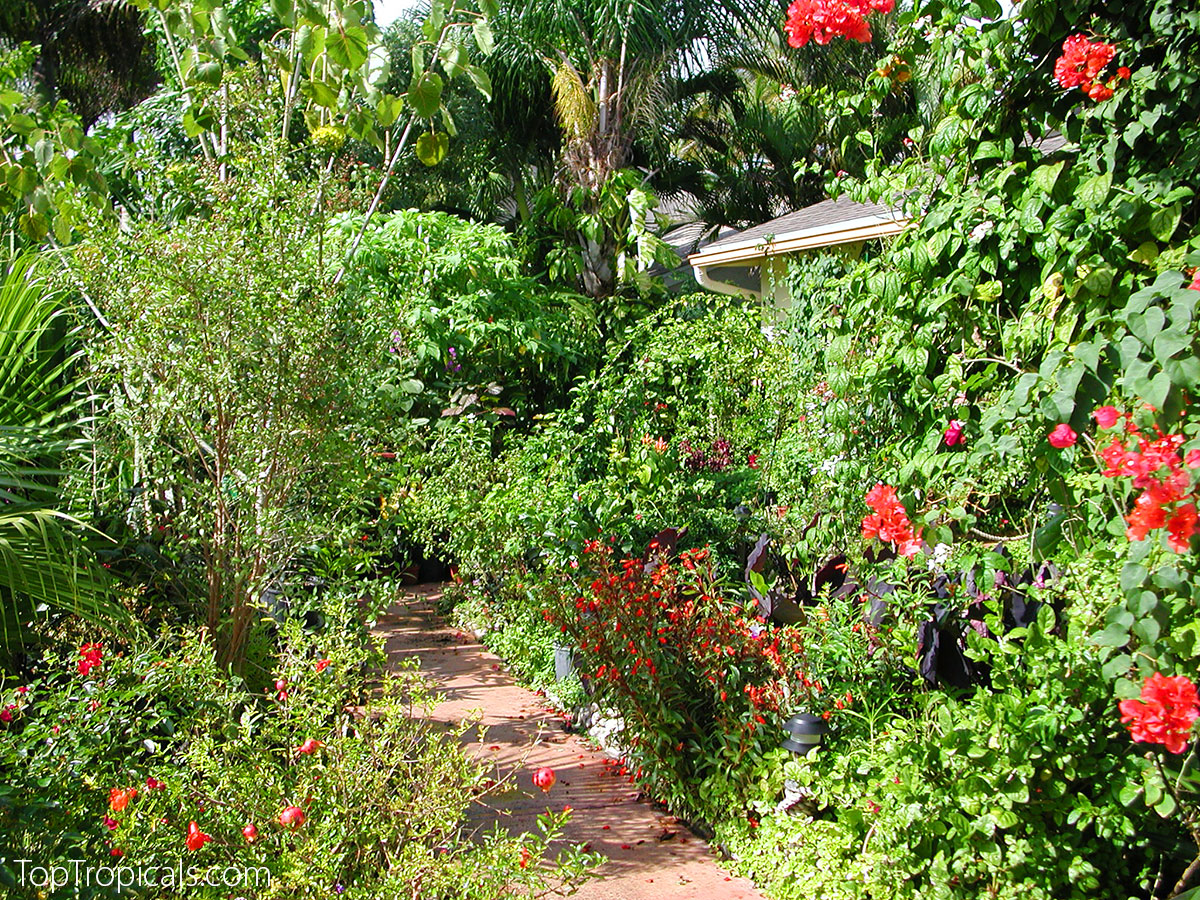
In the photo: Organized Tropical Garden. Firebush (lemon gold
variety) and Cordylines (Ti Leaf) make colorful spots in the garden.
🐭
Start With Something Small Today (5 Minutes)
Pick one:
Add mulch to the driest spot in your yard.
Cut one dead branch from any tree.
Move one pot to a better sun angle.
Pull three weeds from the worst area.
Water deeply once this week.
Small steps now save hours later.
⭐
One Short Story
Last year we planted a
Star Fruit in November.
By March, it was already covered in flowers, and have been harvesting fruit
non-stop since then!
That is what winter planning does: it gives plants a head start you can
actually see.
🐍
Plants That Will Use You If You Let Them
These are great plants, but only if you plan before planting them:
Papaya
- fits any yard, delicious fruit and natural digestive remedy
Pick even one of these and your garden starts giving back.
In the photo: Cattley Guava brings not only tasty fruit but also a
wonderful character with its amazing multi-color twisted trunk.
🌡️ November Advantage
You cannot ruin anything in November.
This is the safest, calmest month to shape your garden the way you want.
If you act now, spring becomes a victory lap.
If you wait, spring becomes a rescue mission.
In the photo: Adenium is a colorful accent in the
garden.
💐
Thanksgiving Tie-In
This is the season to reset, breathe, and be thankful for your outdoor
space.
A garden that works for you is one of the best gifts you can give yourself
going into the new year.
Start your November plan today.
Use your garden.
Do not let it use you.
In the photo: Megaskepasma, Iris, Colocasia, Crotons, Dracaena and Ti
Leaf bring instant tropical look to your garden.
Sunshine: You know, February 27 was International Polar Bear Day. I
just learned about it and got a brilliant marketing idea. Cherry of the Rio
Grande survived 25F. With wind. Real wind. That means we go north. Let them
taste this magic. I even have a donut recipe with the fruit. It’s a
bomb,
Smokey. We expand. Trust me. Finally you can afford that new watering
timer.
Smokey: Not so fast, genius. Twenty five degrees is not the North
Pole. And polar bears and penguins do not share zip codes.
Sunshine: You always pour cold water on my brilliance. Fine. Where
do we start?
Smokey: Well, first you go talk to Tatiana. She graduated from the
Geography Department. She can explain climate zones. Cherry of the Rio
Grande
can grow in North Florida, Texas, and similar climates. Let’s master
that before we conquer Arctic.
Sunshine: So… Phase One: Geography?
Smokey: Exactly.
Some stories are easier to tell with a little humor. Smokey and Sunshine
were never just mascots. They represent the two forces behind every decision
we make here: bold ideas and careful reality. One dreams big. The other
checks
the climate zone map. Together, they remind us that growing plants is part
science, part optimism, and always personal. If you have ever wondered why
they keep appearing in our newsletters, you can read their full story on the
Smokey and Sunshine page. They have been with us longer than most people
realize.
Freeze Testing of Grumichama and Cherry of Rio Grande
🍒❄️
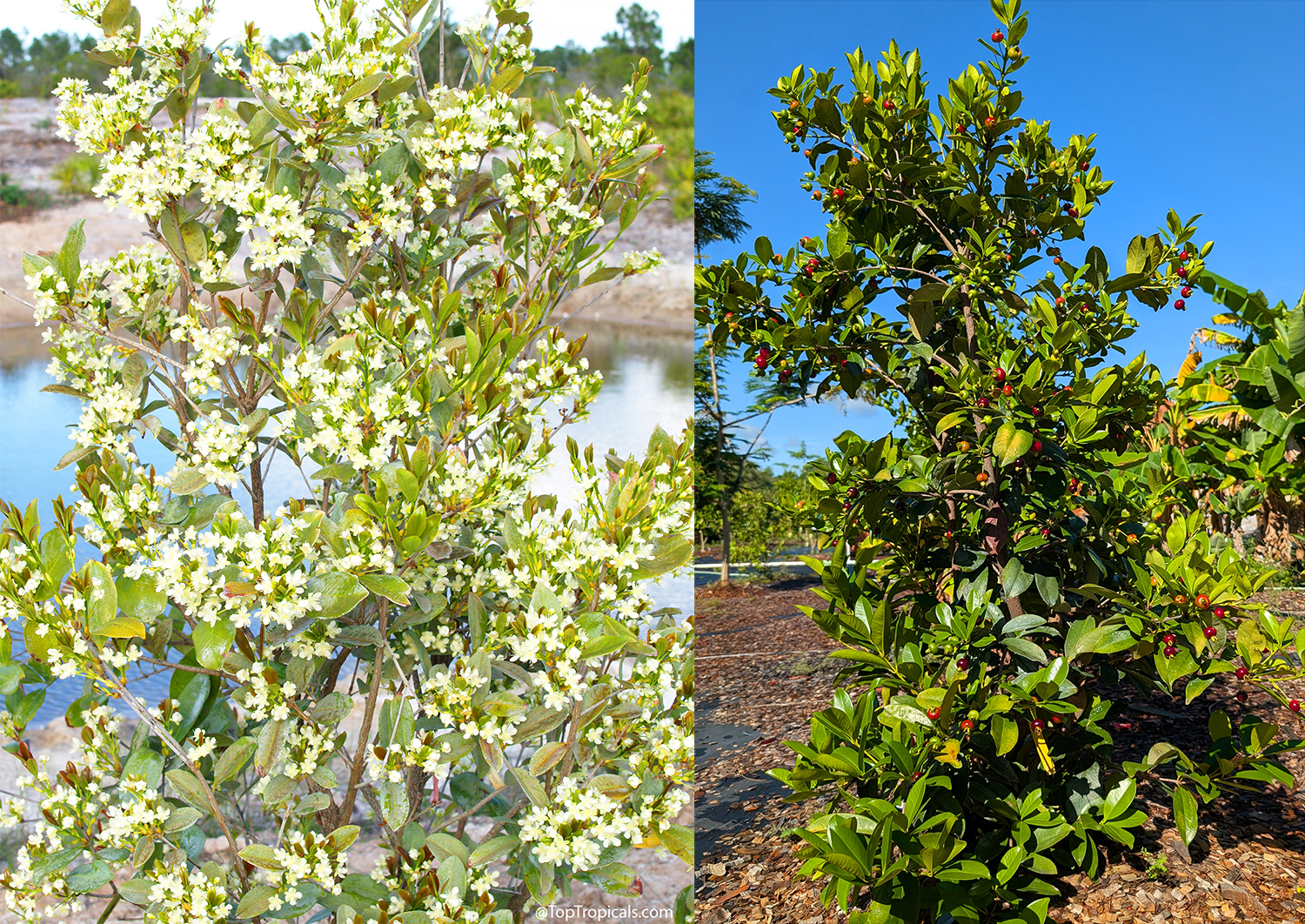
Eugenia brasiliensis - Grumichama tree flowering and fruiting
When temperatures dropped to 25F, with wind chill near 14F, winter made
it clear which tropical trees were truly resilient. Some plants burned back.
Tender growth collapsed. But our established Eugenia cherries stood
steady. Leaves held. Branches stayed flexible. The canopy remained intact.
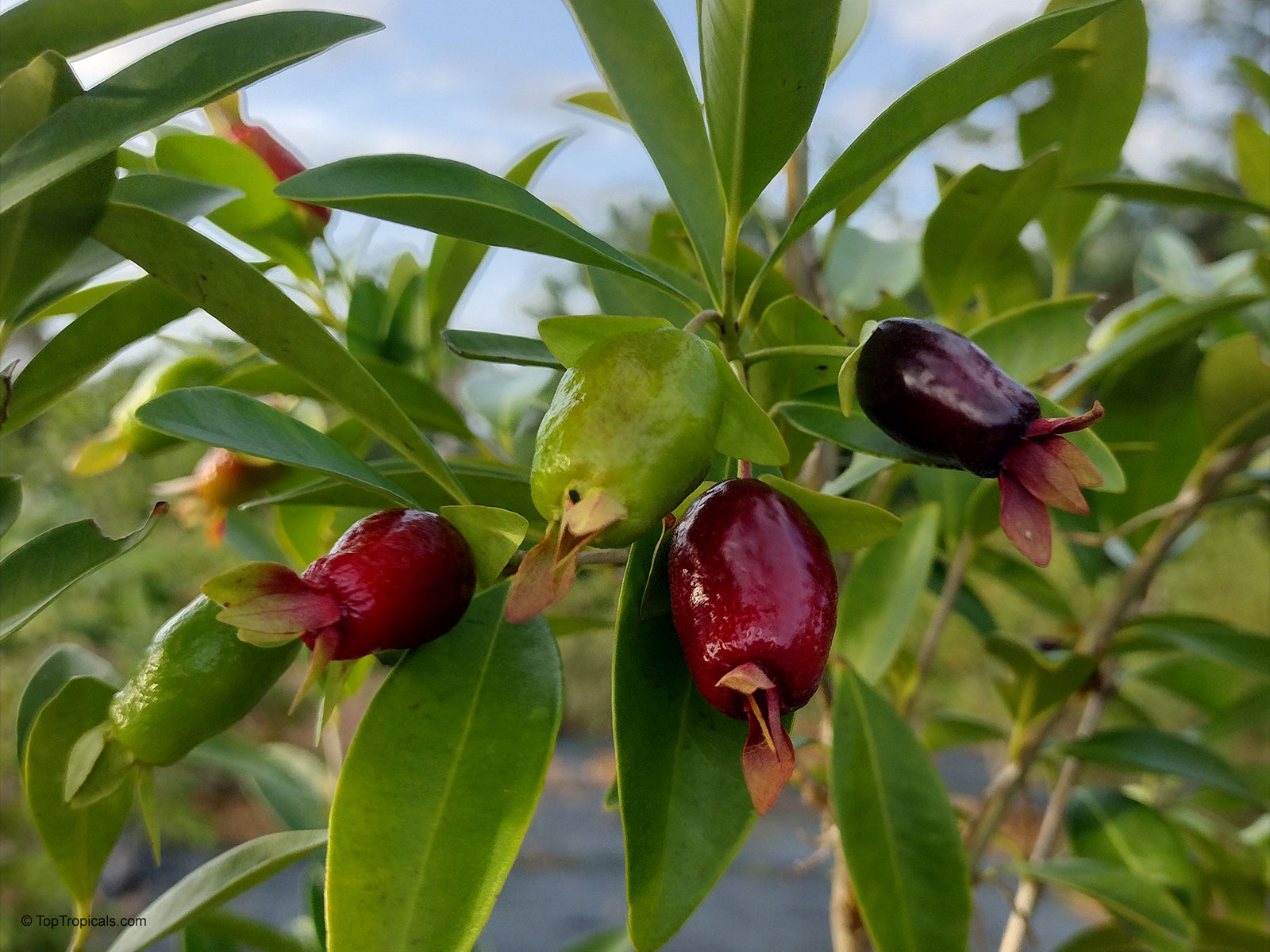
Cherry of the Rio Grande (Eugenia aggregata) and Grumichama (Eugenia brasiliensis) are among the most cold-hardy tropical
cherries for Southern gardens. Both are native to Brazil and thrive in USDA
Zones 9b–11, and even protected 9a sites.
Cherry of the Rio Grande Plant Facts
Botanical name: Eugenia involucrata, Eugenia aggregata Also known as: Cherry of the Rio Grande, Cere Jodo Rio Grande
USDA Zone: 9 - 11
Highligths
Grumichama Plant Facts
Botanical name: Eugenia brasiliensis, Eugenia dombeyi Also known as: Grumichama, Brazilian Cherry
USDA Zone: 9 - 11
Highligths
Cherry of the Rio Grande produces dark ruby fruit that ripens
almost black, with a rich, full cherry flavor. It flowers early in spring
and
can fruit well into summer. Mature trees can tolerate brief drops into the
low
20s once established. Trees typically grow 8 to 15 feet tall, remain
naturally compact, and often begin fruiting within 2 to 3 years.
Grumichama is an evergreen tree known for both beauty and
productivity. In spring, it covers itself in white starburst flowers that
attract
pollinators. Within about four weeks, glossy purple-black fruit develops.
Established trees tolerate temperatures into the upper 20s and grow well in
the
ground or in 5–10 gallon containers. Mature trees can produce hundreds
of
fruits per season.
Across the Eugenia group, strengths are consistent: early
bearing, compact growth, heat tolerance, light freeze endurance, and low
pest
pressure. They are adaptable to different soils, need modest water once
established, and perform in full sun or partial shade. Birds enjoy the
fruit, but there
is usually plenty to share.
Nutritionally, Eugenia cherries provide Vitamin C, fiber,
antioxidants, and notable Vitamin A that supports eye health. They offer
sweetness
with real dietary value.
In the kitchen, they are simple and rewarding. Cherry of the Rio Grande
makes an easy
compote. Simmer the fruit with a small amount of water until soft, mash
lightly, and spoon over pancakes or warm bread. Grumichama turns into a deep
red
jam with sugar and lime, or can be blended into a bright spoon drizzle over
vanilla ice cream.
Even when not fruiting, both trees remain attractive year-round with
glossy evergreen foliage and clean structure. They fit well into edible
landscapes, small yards, and container gardens.
Winter will return. The difference lies in planting fruit trees that can
handle heat, humidity, and the occasional cold snap. If you are building a
food forest for lasting harvests, cold-hardy tropical cherries like Cherry
of
the Rio Grande and Grumichama deserve a place in your garden.
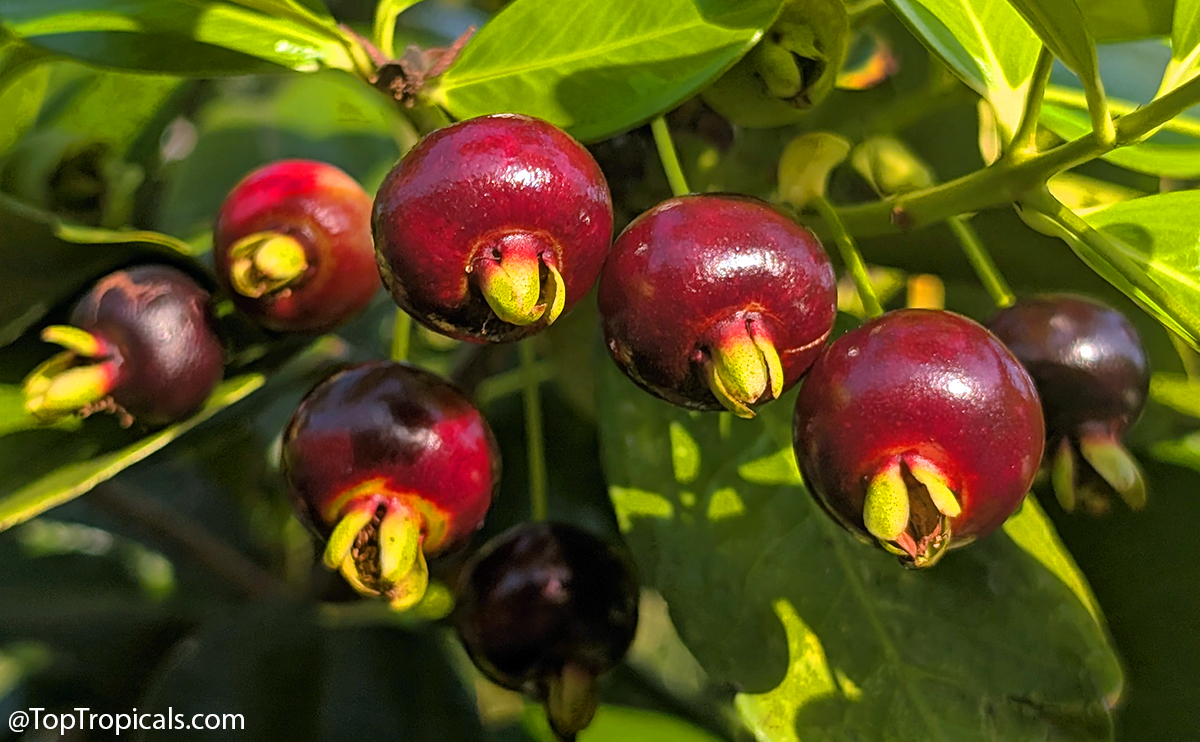
Ripe Grumichama (Eugenia brasiliensis) fruits developing on the
tree, turning deep red to nearly black when fully mature.
Eugenia aggregata (cv. Calycina), Cherry of the Rio Grande