Garden Blog - Top Tropicals

Date: 14 Oct 2025

Yes, you can grow a tropical fruit tree in a pot!
Yes, you can grow a tropical fruit tree in a pot! Yes, you can grow a tropical fruit tree in a pot!

🥭 Yes, you can grow a tropical fruit tree in a pot!


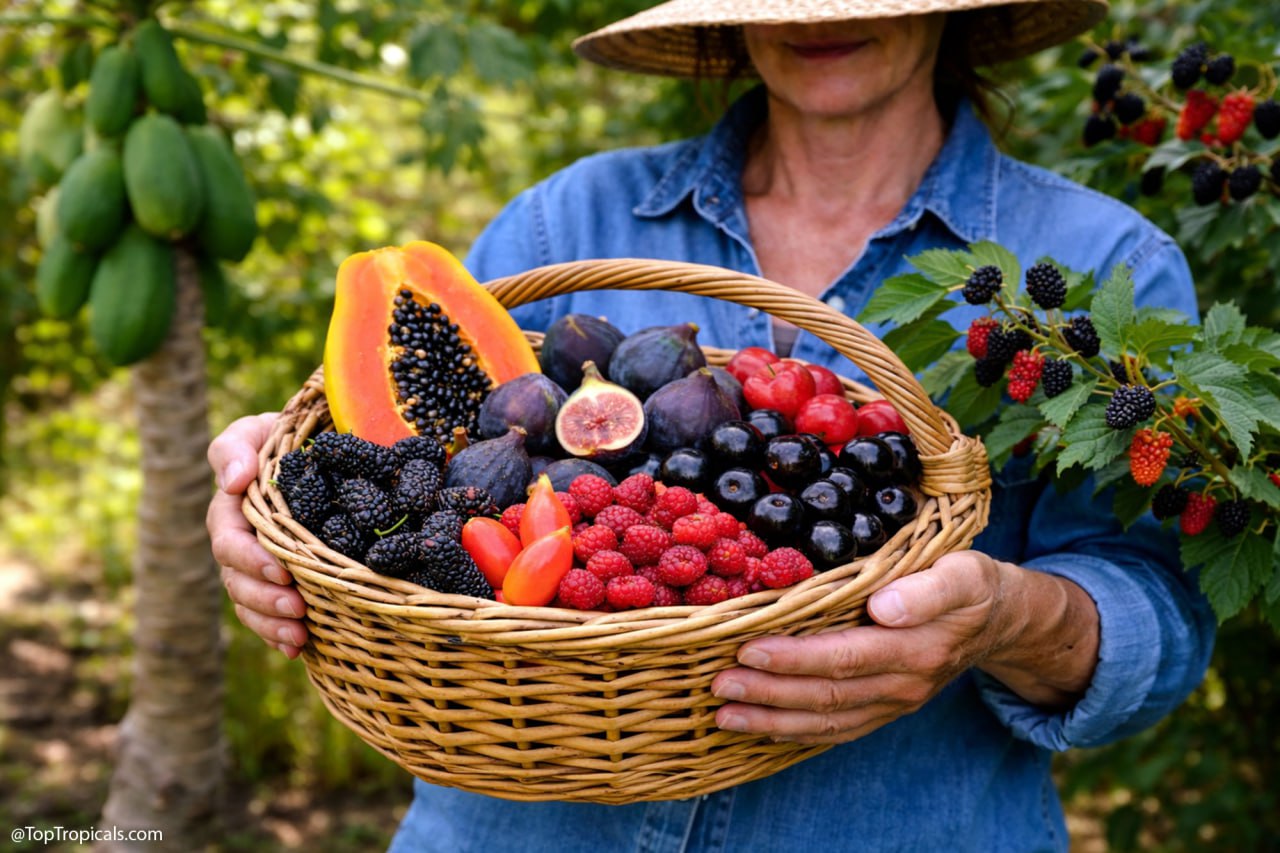
  • 🍒 If you dream of picking fresh tropical fruit - Mango, Avocado, exotiс Annona and more - but only have a patio, balcony, or small yard, you’re not out of luck. Many tropical fruit trees grow perfectly well in large containers. The key is choosing the right variety, pot, and care routine.

  • 🍒 Pick a compact tree type

Start with a dwarf or semi-dwarf variety. Regular tropical trees can grow huge, but container-sized cultivars stay under 8–10 feet and are much easier to manage. For example, Condo varieties of Mango like Pickering or Ice Cream stay small and still produce full-sized fruit. The same goes for Dwarf Avocados like Wurtz (also called Little Cado) and Sugar apples. Blackberry Jam fruit tree (Randia formosa) and Peanut Butter Fruit tree (Bunchosia argentea) are also excellent choices.

  • 🍒 Choose the right pot

Begin with a 5-gallon container and move up as the tree grows. A mature plant will be happy in a 20–25-gallon pot. Drainage is critical - roots will rot if the pot stays soggy. Use a sturdy plastic, ceramic, or wooden container with multiple holes in the bottom.

  • 🍒 Soil and watering

These trees all like loose, well-draining soil. Mix potting soil with perlite or pine bark for better aeration. Water deeply but not too often - let the top few inches dry before watering again. Overwatering is the quickest way to kill a potted tropical.

  • 🍒 Light and feeding

Full sun is a must - aim for at least 6 hours daily. Fertilize during the growing season with a balanced fruit tree or slow-release fertilizer like Green Magic or liquid Sunshine Boosters. Many tropicals appreciate an extra boost of micronutrients like iron and magnesium to keep their leaves green.

🍒 Cold protection and pruning


If you live where winters get chilly, move the pot indoors or into a greenhouse before frost. Prune lightly in spring to keep shape and airflow. Container trees can fruit heavily if given light, warmth, and consistent care.

At the end of the day, container culture lets you grow the tropics anywhere - from a city balcony to a backyard deck.

Next: The best tropical fruit trees for containers...

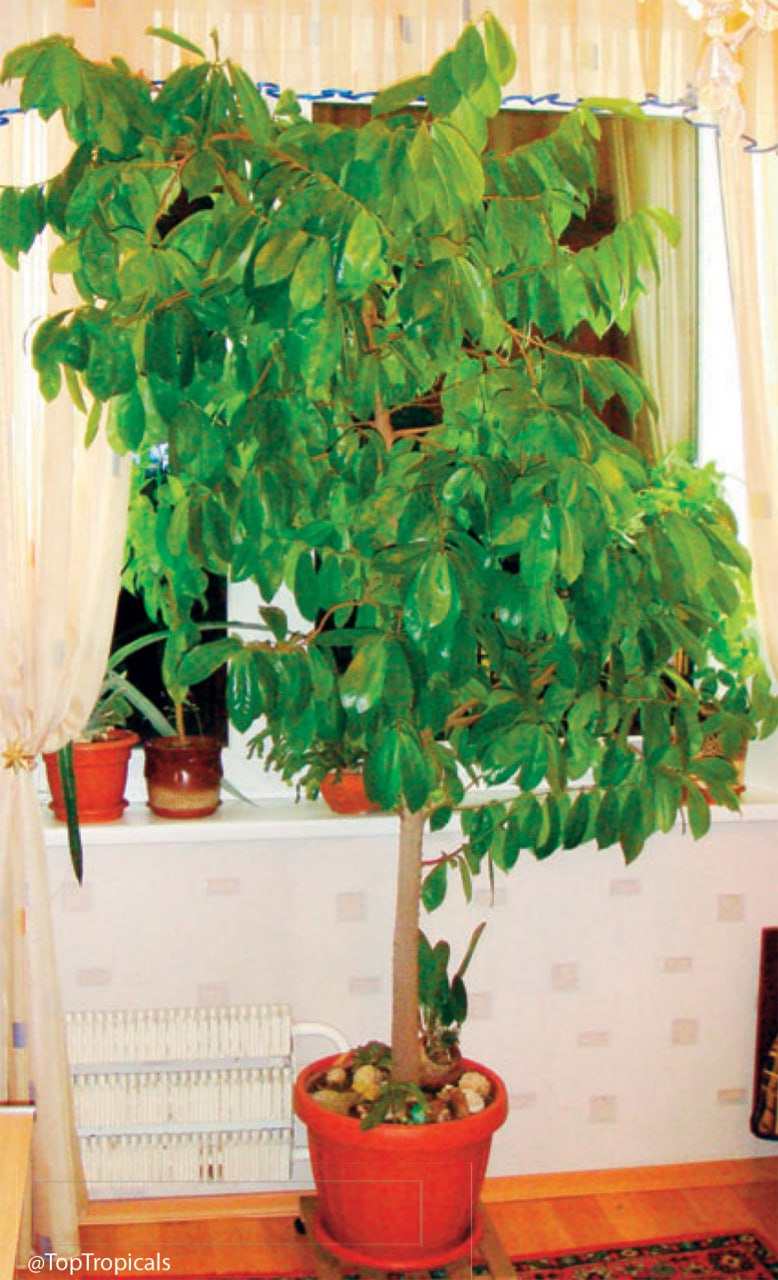
📸 Growing and fruiting Soursop in apartment (PDF download)

🛒 Explore tropical fruit trees

#Food_Forest #How_to #Discover

🟢 Join 👉 TopTropicals
Date: 27 Aug 2024

What trees will fruit quickly? Top 10 fast-fruiting trees

What trees will fruit quickly? Top 10 fast-fruiting trees

🥭 What trees will fruit quickly? Top 10 fast-fruiting trees


Q: I would like to plant several fruit trees... I am 85 years old and hope to see them fruiting soon. What fruit trees can you recommend that will fruit quickly?

A: Most grafted fruit trees, such as Mango, Avocado, and Peaches, will fruit quickly - often within the same year or the next. There are also many wonderful tropical fruits that will produce for you within a year or two, even without the need for grafting.

⚠️ In our next posts we will introduce to you the top 10 of most popular, most rewarding and easy to grow fast fruiting tropical trees...

📚 Discover 10 fast-fruiting trees in the following posts:
1. Annona - Sugar Apple, Custard Apple
2. Guava (Psidium sp.): Cattley and Tropical guava
3. Eugenias - Tropical Cherries
4. Barbados Cherry (Malpighia glabra)
5. Loquat (Eriobotrya japonica)
6. Papaya (Carica papaya)
7. Mulberry (Morus hybrids)
8. Carambola - Starfruit (Averrhoa carambola)
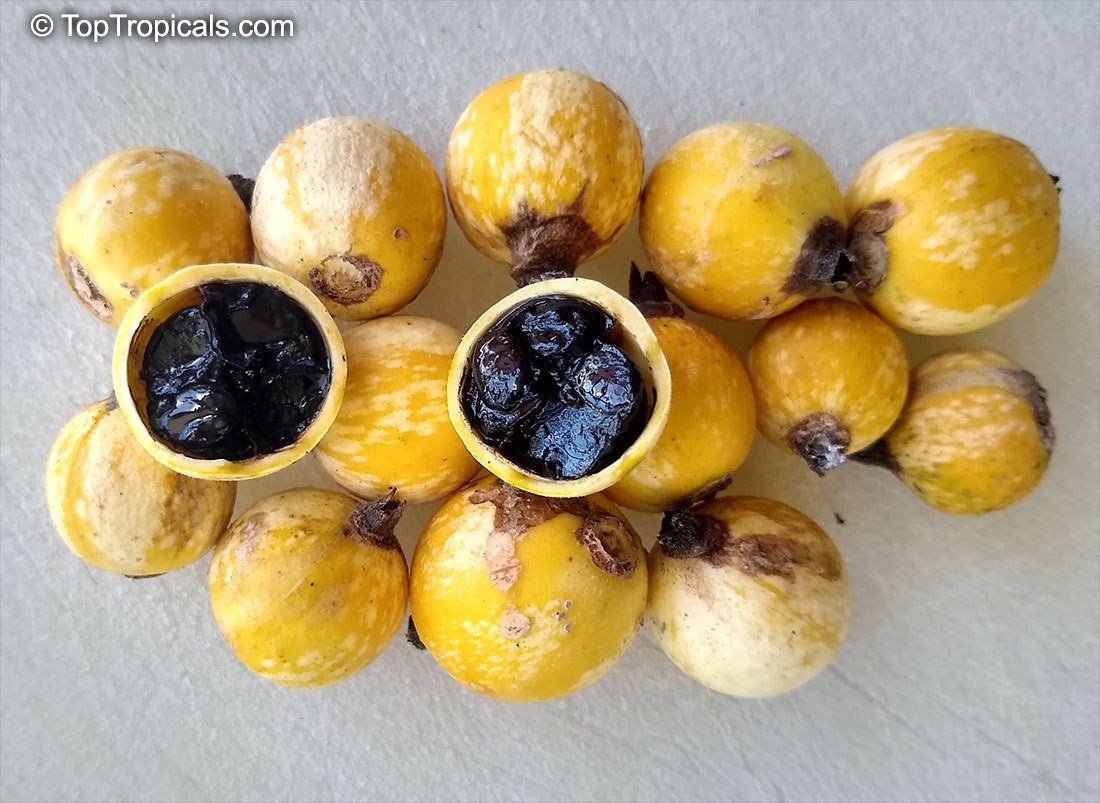
9. Blackberry Jam Fruit (Randia formosa)
10. Peanut Butter Tree (Bunchosia argentea)

Stay with us and make sure to subscribe! ⬇️

🛒 Shop fast fruiting tropical trees

#Food_Forest

🔴 Join 👉 TopTropicals

Date: 23 Nov 2025

🏡 To Use Your Garden Or Be Used By It

Two  cats  in  a  garden  planting  a  young  tree.  Smokey,  a  black-and-white 


tuxedo  cat,  holds  a  small  shovel  and  works  the  soil,  while  Sunshine,  a 


fluffy  orange  tabby,  sits  smiling  beside  a  bag  of  garden 


soil.

Smokey and Sunshine November Planting.

Smokey: Winter roots make spring easy. Keep that plant straight.
Sunshine: I am keeping it straight by not touching it at all.
Smokey: That is exactly what I was afraid of.

November is the month when the garden finally stops yelling at you. The heat backs off, the bugs calm down, and the weeds take a breath. This is when we get to take control again. And as gardeners, we know the truth: Either you use your garden, or your garden will use you in spring. Let me walk you through this, gardener to gardener.

"November is when the garden finally listens. Give it a little direction now, shape it, guide it, and prepare it for spring. It will reward you all year." - Tatiana Anderson, Top Tropicals Plant Expert

🌴 When The Garden Uses You

We have all lived this scene:

  • March weeds appear, and two days later it looks like a jungle.
  • One missed watering turns into five wilted plants and a full week of recovery.
  • A skipped feeding shows up as yellow leaves and panic searching online.
  • Bugs return fast, and suddenly you are washing leaves every other day.
  • Random plant purchases fill your yard with chaos and mismatched care needs.
  • When the garden takes control, spring feels like hard work, not joy.

An  overgrown  tropical  garden  with  dense  foliage  and  vines  spilling  over
 
 
  a  walkway,  showing  how  a  garden  can  take  over  when  not  maintained.

Overgrown Tropical Garden Showing How a Garden Can Use You

📊 When You Use Your Garden

November flips the script. Plants slow down. Soil stays warm. This is the safest month to experiment, move plants, fix mistakes, and redesign.

What you do now pays off huge in March.

  • You map out sun zones and shade zones.
  • You mulch now so weeds do not explode later.
  • You move plants to better positions without heat stress.
  • You remove the high-drama plants before they start another season of complaints.
  • You pick what you want for next year instead of letting impulse buys rule you.

Spring becomes smooth instead of overwhelming. And honestly? It feels good to walk outside in March and see order instead of chaos.

A  neat,  organized  tropical  garden  with  trimmed  plants,  open  pathways, 


and  balanced  landscaping,  showing  how  a  gardener  can  use  and  direct  the 


garden.

In the photo: Every garden starts in small steps. Biquinho Pepper (front) in the garden.

What Benefit Do You Get Personally?

  • Less watering.
  • Fewer bugs.
  • Bigger fruit.
  • Better flowering.
  • Less money wasted.
  • Less time fixing problems you could have prevented now.

This is why experienced tropical gardeners adore November.

Garden

In the photo: Organized Tropical Garden. Firebush (lemon gold variety) and Cordylines (Ti Leaf) make colorful spots in the garden.

🐭 Start With Something Small Today (5 Minutes)

Pick one:

  • Add mulch to the driest spot in your yard.
  • Cut one dead branch from any tree.
  • Move one pot to a better sun angle.
  • Pull three weeds from the worst area.
  • Water deeply once this week.

Small steps now save hours later.

⭐ One Short Story

Last year we planted a Star Fruit in November. By March, it was already covered in flowers, and have been harvesting fruit non-stop since then! That is what winter planning does: it gives plants a head start you can actually see.

Young  Carambola  Star  Fruit  tree  fruiting

🐍 Plants That Will Use You If You Let Them

These are great plants, but only if you plan before planting them:

  • Banana (thirsty)
  • Hibiscus (hungry)
  • Brugmansia (sensitive)
  • Passion vine (takes over anything it touches)

Place them wrong, and they become full-time jobs.

An  overgrown  passion  vine  covering  a  garden  swing,  showing  how  a 


fast-growing  plant  can  take  over  when  not  maintained.

In the photo: Passion Vine taking over the swing.

🐰 Plants That Work For You

These feel like free upgrades to the yard:

Pick even one of these and your garden starts giving back.

A  landscaped  garden  path  with  a  Cattley  Guava  tree  featuring  a  twisted 


multicolor  trunk,  surrounded  by  trimmed  tropical  plants  and  decorative 


garden 


elements.

In the photo: Cattley Guava brings not only tasty fruit but also a wonderful character with its amazing multi-color twisted trunk.

🌡️ November Advantage

You cannot ruin anything in November. This is the safest, calmest month to shape your garden the way you want. If you act now, spring becomes a victory lap. If you wait, spring becomes a rescue mission.

A  landscaped  tropical  garden  with  a  potted  Adenium  in  full  bloom,  red 


Cordylines  behind  it,  and  neat  mulched  beds  with  decorative  garden 


elements.

In the photo: Adenium is a colorful accent in the garden.

💐 Thanksgiving Tie-In

This is the season to reset, breathe, and be thankful for your outdoor space. A garden that works for you is one of the best gifts you can give yourself going into the new year.

Start your November plan today. Use your garden. Do not let it use you.

A  neatly  designed  tropical  garden  bed  featuring  Megaskepasma,  iris, 


Colocasia,  colorful  Crotons,  Dracaena,  and  Ti  Leaf  plants  arranged  in 


mulched 


landscaping.

In the photo: Megaskepasma, Iris, Colocasia, Crotons, Dracaena and Ti Leaf bring instant tropical look to your garden.

Shop Fruit trees

Shop Flowering shrubs

Date: 25 Sep 2016

Libra Zodiac lucky plants

Libra - 9/23-10/22. Libra is an AIR sign, and is ruled by the planet Venus. Because Venus is the planet of beauty and love, Libra's plants often have light, lovely flowers and gorgeous scents.
Libra has been related to the endocrine system, the kidneys, and the bladder. Venus (which also rules Taurus) is responsible for the harmony between the various body systems, as well as the abdomen, kidneys and urinary tract, and thyroid. Libra's plants help to bring balance to these areas of the body. Libra's romantic nature appreciates a spice that cultivates love and sensuality. Cardamom is a spice known for its gently warming nature, so add a sprinkle when you want to heat things up slowly.

Libra Zodiac lucky plants: Jasmine, Gardenia, Euclinia, Pua Keni Keni, Randia, Beaumontia, Faradaya, Butterfly Ginger, Kopsia, Hydrangea, Montanoa, Aglaia, Dwarf Ylang-Ylang, Desmos, Clematis, Almond Bush, Brunfelsia, Four oclock plant, Juniper, Moonflower, Carissa, White Chocolate Jasmine, Night blooming jasmine, Fiddlewood, Honeysuckle, Orchid, Clerodendrums, Millingtonia, Parijat, Fried Egg Tree, Oxyceros, Phaleria, Tuberose, Cubanola, Portlandia, Rothmannia, Allamanda, Nasturtium, Rose, Camellia, Ephedra, Fuchsia, Ylang-Ylang, Magnolia, Stemmadenia, White Plumeria, Appleblossom, Needle Flower Tree, Tree Jasmine, Guaiacum, Epiphyllum, Amazon Lily, India Hawthorn, Stephanotis, Talauma, Pakalana vine, Wrightia, White flowers, Cypress, Lucky Bamboo, Dracaena, Bakul, Apple, Pear, Fig, Raspberry, Olive, Pomegranate, Apricot, Peach, Plum, Loquat, Grape, Blackberry, Mango, Cherries, Chrysobalanus icaco, Berries, Neem tree, Asparagus, Spices, Mint, Catnip, Bergamot, Thyme, Cardamom.

For other signs information, see full Plant Horoscope.

15% OFF ON ALL FRAGRANT PLANTS! 3 day sale.

Date: 30 May 2019

Selecting the right jasmine

TopTropicals.com

Q: Would you please help me select the right jasmine? I want to find a jasmine that smells like lily of the valley or honeysuckle or roses, not the one that smells like gardenia. I'm in Missouri, zone 6, so I want a jasmine for my deck for the summer, so I want it to bloom this season.

A: There are 3 major types of tropical flower fragrances - Sweet, Fresh, and Fruity (including Lemony). Below are the most interesting fragrant tropical flowers, excluding Gardenias (which are sweet type). These are all same-year bloomers, so you can enjoy the fragrance this year assuming proper care and bloom booster feeding.

* - The fastest growers that can be treated as annuals. Others can be grown in a pot and brought inside for winter, and be enjoyed every year.

Sweet

* Aloysia virgata - Almond Bush
* Cestrum diurnum - White Chocolate Jasmine, Day Blooming Jasmine
* Cestrum nocturnum - Night blooming jasmine
* Heliotropium peruviana - Turnsole, Cherry Pie
Portlandia Cubanola domingensis - Cubanola (Warm white Chocolate)
Portlandia grandiflora - Glorious Flower of Cuba (Warm white Chocolate)

Fresh

Beaumontia grandiflora - Easter Lily Vine
* Brugmansia Jean Pasco - Yellow Angels Trumpet
* Brugmansia Variegated Orange Angel Trumpet
* Brunfelsia americana - Lady of the night
* Brunfelsia lactea - Lady of the night
* Brunfelsia nitida - Lady of the night
Crinum Queen Emma - Spider lily
* Eucharis grandiflora - Amazon Lily
* Hedychium coronarium - Butterfly Ginger
Hiptage benghalensis - Helicopter Flower
Hoya odorata - Fragrant Hoya
Ixora hybrid Sea Green
Ixora odorata - Fragrant Ixora
* Jasminum azoricum - River Jasmine
* Jasminum Molle - Indian Jui
Jasminum nitidum - Star Jasmine
* Jasminum officinale Flore Pleno - French Perfume Jasmine
* Jasminum polyanthum - Pink Winter Jasmine
* Jasminum sambac Belle of India
* Jasminum sambac Grand Duke
* Jasminum sambac Maid of Orleans
* Polianthes tuberosa - Tuberose
*Sclerochiton harveyanus - Blue Lips, Mazabuka (Lavender-violet-like)

Fruity

Aglaia odorata - Chinese Perfume Plant (Lemony)
Artabotrys siamensis - Climbing Ylang-Ylang (Lemony)
Cananga fruticosa - Dwarf Ylang-Ylang
Carissa grandiflora - Natal Plum
Cerbera x manghas hybrid - Enchanted Incense
* Jasminum dichotomum - Rose Bud Jasmine
* Lonicera japonica - Japanese Honeysuckle
Magnolia figo - Banana Magnolia (Banana-like)
Magnolia x Alba grafted (Bubble-gum-like)
* Mirabilis jalapa - Four oclock plant
Oxyceros horridus, Randia siamensis
* Quisqualis - Rangoon Creeper
* Radermachera Kunming - Dwarf Tree Jasmine
* Stephanotis floribunda - Bridal Bouquet
Strophanthus gratus - Climbing Oleander
Telosoma cordata - Pakalana vine (Lemony)

Fertilizers for profuse flowering:

Pink N Good Daily Plant Food - Flower Booster
Tropical Allure - Smart-Release Booster
SUNSHINE-Superfood micro-elements