Garden Blog - Top Tropicals

Date: 15 Dec 2025

9 tropical vegetables to grow indoors, or how to have garden-fresh produce all year
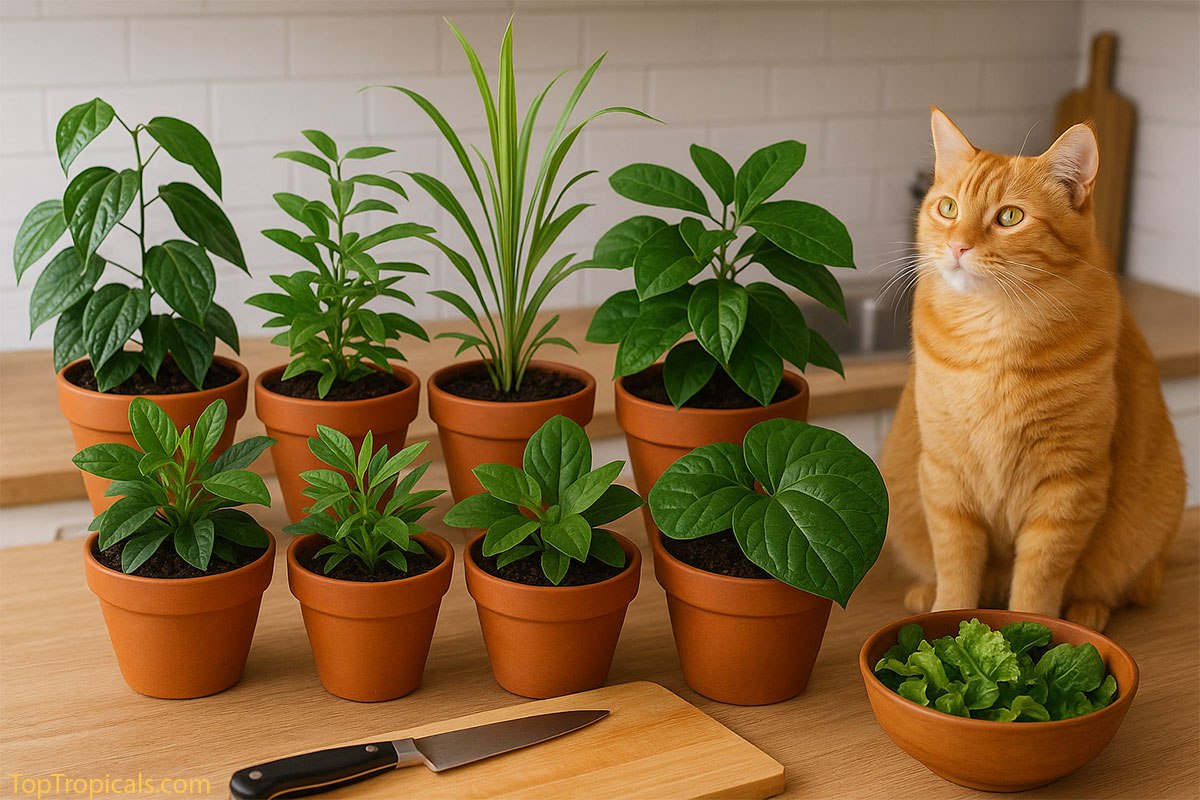
9 tropical vegetables to grow indoors

9 tropical vegetables to grow indoors

🌱 9 tropical vegetables to grow indoors, or how to have garden-fresh produce all year


Cold weather does not have to mean the end of homegrown food. According to Southern Living, vegetables like lettuce, carrots, and radishes can be grown indoors during winter. The downside is that most of these are annuals - you harvest once, then start over.

Tropical vegetables work differently. Many are perennial, long-living plants that grow well in containers and keep producing for years. Grow them indoors year-round, move them outside in summer for extra sun and growth, then bring them back indoors before cold weather. With enough light and regular care, these plants can provide fresh harvests in every season.
  • ✅ Tips for growing tropical vegetables indoors


  • 📍Place plants near a bright window or supplement with grow lights for steady growth
  • 📍Use containers with good drainage and quality potting mix
  • 📍Keep plants away from cold drafts and heating vents
  • 📍Rotate pots and prune regularly to encourage fresh, tender growth
  • 📍Feed regularly with natural Sunshine Boosters - they are formulated for edibles


✅ Tropical vegetables to grow indoors

  • 🌿 Gynura procubens - Longevity Spinach, Cholesterol spinach - a fast-growing leafy green often called a superfood. The tender leaves are used fresh or lightly cooked and can be harvested repeatedly. This plant stays compact, handles containers easily, and regrows quickly after cutting.
  • 🌿 Sauropus androgynus - Katuk, Tropical Asparagus. One of Southeast Asia’s most popular leafy vegetables. Katuk produces edible shoots and leaves that are cooked in soups and stews. It grows well indoors and rewards regular harvesting with constant new growth.
  • 🌿 Cymbopogon citratus - Lemon grass: a tough, productive plant that adapts well to container growing. The stalks and leaves are used for teas, soups, and flavoring. Indoors, it grows more slowly but stays productive, especially when moved outdoors in summer.
  • 🌿 Lippia dulcis - Aztec Sweet Herb, Sweetleaf: a low-growing herb with naturally sweet leaves. The foliage can be eaten fresh or used as a sugar substitute in teas and desserts. It stays compact, tolerates pruning, and performs well in pots indoors.
  • 🌿 Piper sarmentosum - Vietnamese Pepper, Lalot: grown for its aromatic, edible leaves rather than peppercorns. The leaves are eaten fresh, cooked, or used as food wraps. This plant stays manageable indoors with light pruning.
  • 🌿 Piper nigrum - Black Pepper: the true black pepper vine. Grows well indoors as a container vine with support. It prefers warm temperatures, steady moisture, and bright filtered light.
  • 🌿 Piper auritum - Root Beer Plant, False Kava-Kava: close relative of Piper methysticum (Kava-Kava) known for its large, fragrant leaves with a spicy, root beer-like aroma. The leaves are used for wrapping foods and flavoring dishes. Best grown indoors with room for its bold foliage.
  • 🌿 Piper betle - Betel leaf: a traditional edible and medicinal leaf used widely in Asia. The glossy leaves are harvested continuously and used fresh or as wraps. This vine grows well indoors with warmth, humidity, and a small trellis.
  • 🌿 Piper longum - Indian Long Pepper, Pippali, Bengal Pepper: A tropical pepper relative grown for its elongated spice fruits and edible leaves. Slower to fruit indoors but easy to maintain as a leafy spice plant in containers with bright light and regular feeding.

Tropical vegetables make indoor gardening more rewarding because they do not stop after one harvest. With containers, light, and basic care, these plants can become long-term food producers that move seamlessly between indoors and outdoors - keeping fresh flavors within reach all year.

🛒 Explore tropical edibles, herbs and spices

📚 Learn more:


🎥 Karkade Tea
Longevity Spinach


#Food_Forest #Remedies #Container_Garden #How_to #Discover

🟢 Join 👉 TopTropicals

Date: 26 Dec 2025

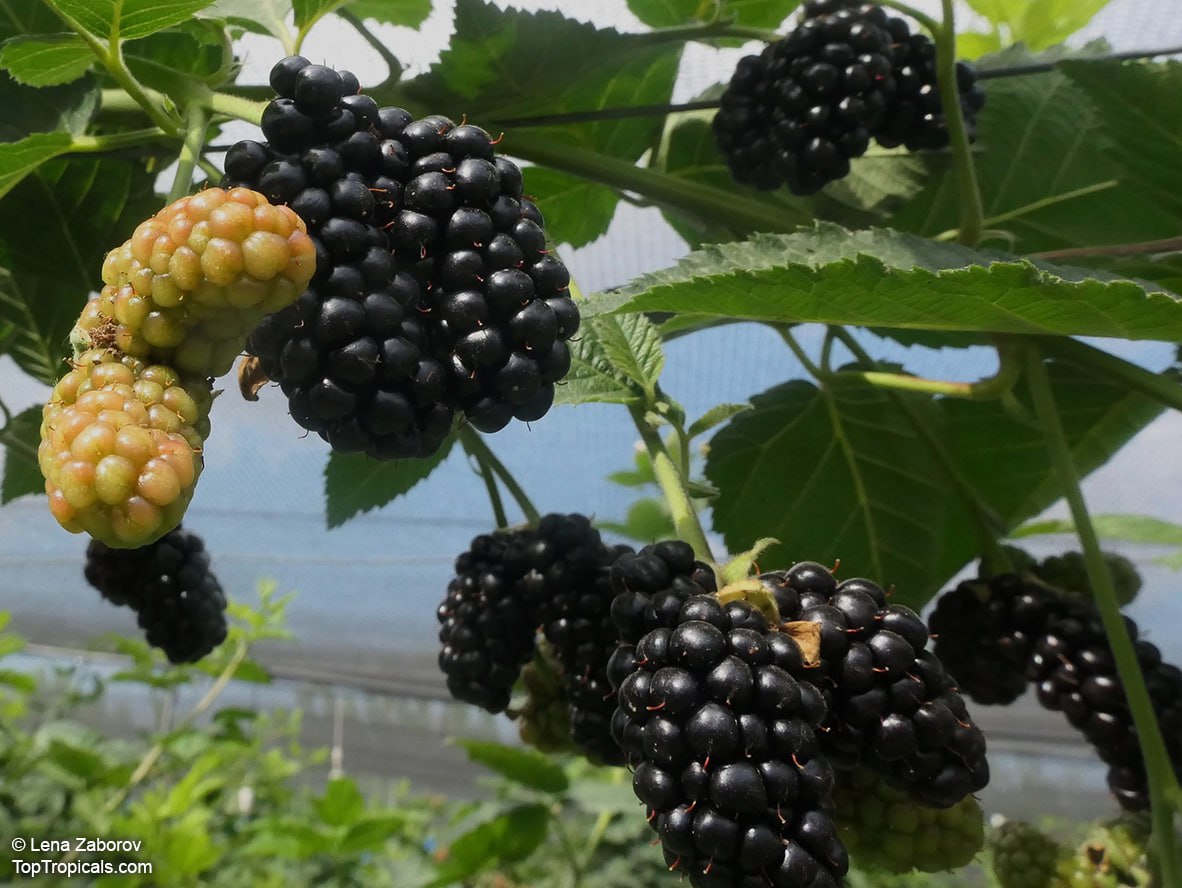
Blackberry warm smash: quick-n-fun exotic recipes

Blackberry warm smash

Blackberry warm smash

Blackberry fruit - Rubus hybrid

Blackberry fruit - Rubus hybrid

🍴 Blackberry Warm Smash Recipe

Ingredients

  • 1 cup fresh or frozen blackberries (Rubus sp.)
  • Optional: 1 tsp honey or sugar
  • Thick yogurt or toasted bread, for serving

Instructions

  1. Add blackberries to a small pan and warm over medium heat.
  2. Cook until berries soften and burst, about 3 to 5 minutes.
  3. Lightly mash with a spoon. Sweeten if desired.
  4. Spoon warm blackberry smash over yogurt or toast and serve immediately.

🛒 Grow your own Blackberries - hardy and productive plants

📚 Learn more:

Plant Facts

Rubus sp.
Brazos Blackberry, Black Raspberry
USDA Zone: 9-11
Large shrub 5-10 ft tallVine or creeper plantFull sunModerate waterThorny or spinyEdible plantDeciduous plantSubtropical plant. Mature plant cold hardy at least to 30s F for a short time

#Food_Forest #Recipes

🟢 Join 👉 TopTropicals

Date: 12 Dec 2025

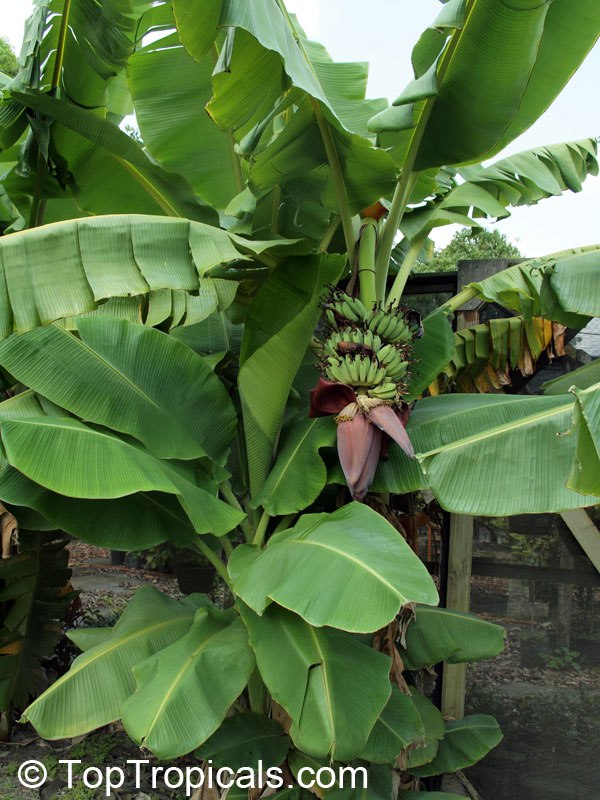
Banana skillet fritters: quick-n-fun exotic recipes

Banana skillet fritters

Banana skillet fritters

Banana skillet fritters

Banana skillet fritters

Banana tree with fruit

Banana tree with fruit

🍴 Banana Skillet Fritters

Ingredients

  • 1 ripe banana
  • 1 tablespoon flour
  • Oil for pan searing

Instructions

  1. Mash the ripe banana in a bowl until smooth.
  2. Stir in the flour to form a thick batter.
  3. Heat a lightly oiled skillet over medium heat.
  4. Drop small spoonfuls into the pan.
  5. Cook until golden and crisp outside, flipping once.

📚 Learn more:

Plant Facts

Musa sp.
Banana, Bananier Nain, Canbur, Curro, Plantain
USDA Zone: 9-11
Small tree 10-20 ftFull sunModerate waterEdible plantSubtropical plant. Mature plant cold hardy at least to 30s F for a short time

📱 Why every garden needs a banana tree

#Food_Forest #Recipes #Bananas

🟢 Join 👉 TopTropicals
Date: 4 Dec 2025

Soursop freezer whip: quick-n-fun exotic recipes

Soursop freezer whip

Soursop freezer whip

Guanabana, Soursop (Annona muricata)

Guanabana, Soursop (Annona muricata)

🍴 Soursop Freezer Whip

🔵Perfect for a hot day, this whip is instantly refreshing and cooling, like a little tropical breeze in a bowl.
🔵And on a cold winter day? It still tastes amazing - like a quick escape to the tropics!

Ingredients

  • 1 cup frozen soursop (guanabana) pulp
  • 2 to 3 tablespoons coconut milk

Instructions

  1. Place frozen soursop pulp into a blender.
  2. Add coconut milk and blend until smooth and thick.
  3. Transfer to a bowl and freeze for 15 minutes.
  4. Stir well to create a soft, slushy whip and serve immediately.

🛒 Grow your own delicious Guanabana Soursop

📚 Learn more:

Plant Facts

Annona muricata
Soursop, Guanabana, Graviola, Korosol, Corosol
USDA Zone: 9-11
Large tree taller than 20 ftSmall tree 10-20 ftFull sunModerate waterRegular waterEdible plant

#Food_Forest #Recipes

🟢 Join 👉 TopTropicals

Date: 28 Dec 2025

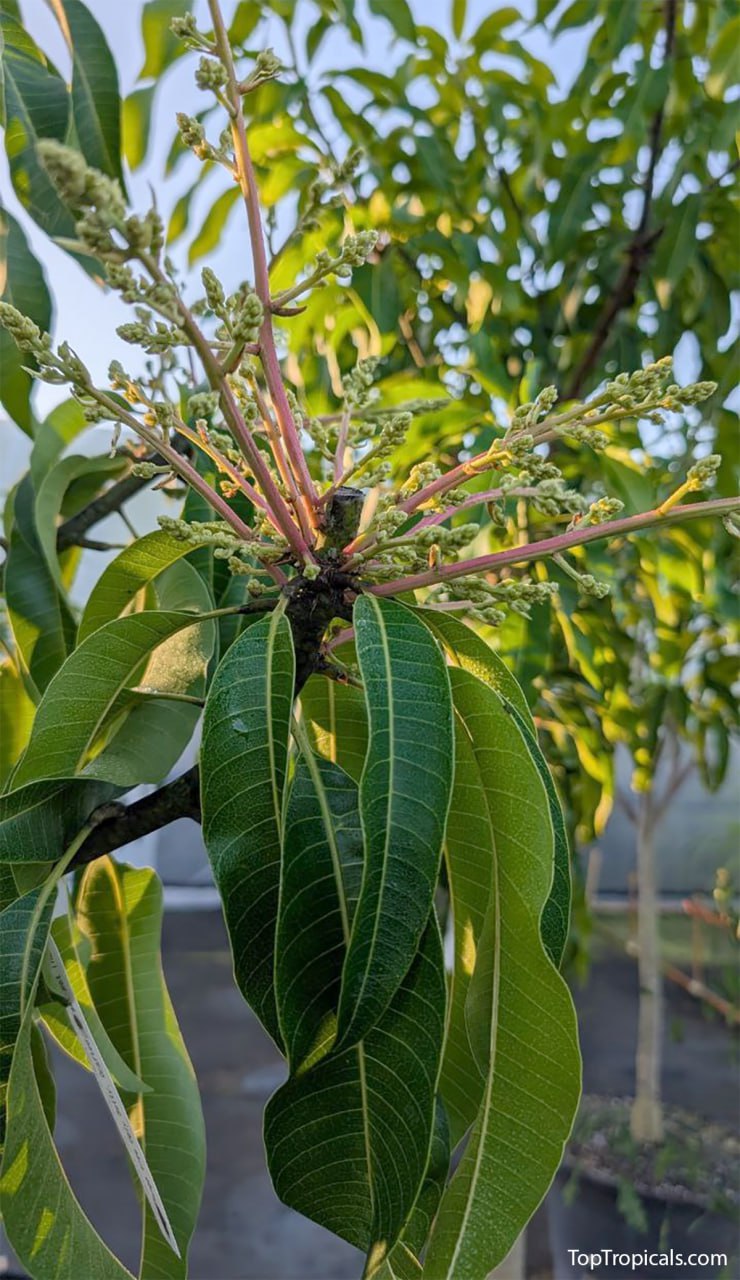
Mango tree tipping - Quick Field Guide: why it improves flowering and production

Mango tree tipping - Quick Field Guide

Mango tree tipping - Quick Field Guide

🥭 Mango tree tipping - Quick Field Guide: why it improves flowering and production


📊 Mango Tree Tipping - Quick Field Guide


It is mid-winter. While early mango varieties like Nam Doc Mai are already flowering, late varieties still have a month or two before they start. Trees such as Keitt, Honey Kiss, Kent, Venus, Beverly, Palmer, and Neelam bloom later in the season. In warm climates without expected cold snaps, this is still a good window for tipping before flowering begins. Tipping encourages more branching, more flower tips, and better fruit production. If cold weather is still possible, save this guide and tip after the risk of cold has passed - but always before the tree enters the flowering stage.
  • ✔️ What tipping is


    Tipping is the removal of the soft growing tip of a mango branch once it reaches about 20 inches long. This simple cut stops straight upward growth and forces the branch to split into multiple side shoots.
  • ✔️ When to tip


  • · Young, actively growing trees
  • · After a flush hardens slightly (not brand-new soft growth)
  • · Warm weather when the tree is growing strongly
  • · Best during the training years, not heavy fruiting years


✔️ How to tip (step-by-step)

  • · Let a branch grow to about 20 inches
  • · Using clean pruners, remove 1-2 inches from the tip
  • · Cut just above a node (leaf joint)
  • · Do not cut into thick woody growth - this is a light heading cut


✔️ What happens next

  • · 2-4 new branches usually form below the cut
  • · The tree becomes shorter, wider, and stronger
  • · More branch tips = more flowering points
  • · Better light penetration inside the canopy


✔️ Why it improves flowering and production

  • · Mango flowers form at branch tips
  • · More branches = more tips
  • · A well-shaped tree puts energy into fruiting, not height
  • · Easier harvesting and long-term structure


❌ Common mistakes to avoid

  • · Letting branches get too long before tipping
  • · Tipping weak or stressed trees
  • · Over-tipping all at once (stagger cuts)
  • · Doing it right before cold weather
  • · Doing it too close to flowering


✍️ Simple rule to remember


→ grow 20 inches → tip → repeat
This builds a compact, productive mango tree from the start.

🛒 Explore mango trees

📚 Learn more:


Tipping mango trees
📱 Why tipping mango trees makes them fruiting machines (DIY Garden Tip)

#Food_Forest #Mango #How_to

🟢 Join 👉 TopTropicals