· 1 large ripe mango, peeled and finely chopped · cup ricotta cheese or cottage cheese (use ricotta for a smoother texture or cottage cheese for a more textured filling) · 2 tablespoons sugar (adjust based on the sweetness of the mango) · 1 teaspoon vanilla extract · 1 package of wonton wrappers · Water, for sealing the wrappers · Powdered sugar, for dusting (optional) · Butter or oil, for frying
🥭 Instructions:
Prepare the Filling: In a mixing bowl, combine the chopped mango, ricotta or cottage cheese, sugar, and vanilla extract. Mix well until the ingredients are evenly distributed.
Assemble the Dumplings: · Lay out the wonton wrappers on a clean surface. Spoon about one tablespoon of the mango-cheese mixture into the center of each wrapper. · Dip your finger in water and run it along the edges of the wrapper to moisten them. This helps seal the dumplings. · Bring the edges of the wrapper together to form a triangle or purse, making sure to expel any air pockets as you seal the edges firmly.
Cook the Dumplings: · For Frying: Heat butter or oil in a frying pan over medium heat. Once hot, add the dumplings and fry until golden brown on both sides. Remove from the pan and place on paper towels to drain excess oil. · For Steaming: If you prefer a healthier option, you can steam the dumplings. Place them in a steamer basket over boiling water and steam for about 10-15 minutes or until the wrappers are translucent.
🥭 Serve:
Serve the dumplings warm. Dust with powdered sugar if desired for a sweet finish.
Optional Sauce: You can serve these dumplings with a simple dipping sauce made by mixing some honey with a splash of lime juice. This adds a zesty contrast to the sweet and creamy filling.
These mango and cheese dumplings are a creative twist on traditional dessert dumplings, bringing together flavors that are both refreshing and comforting. Enjoy your cooking!
Why Mallika Mango is stealing the spotlight in small gardens
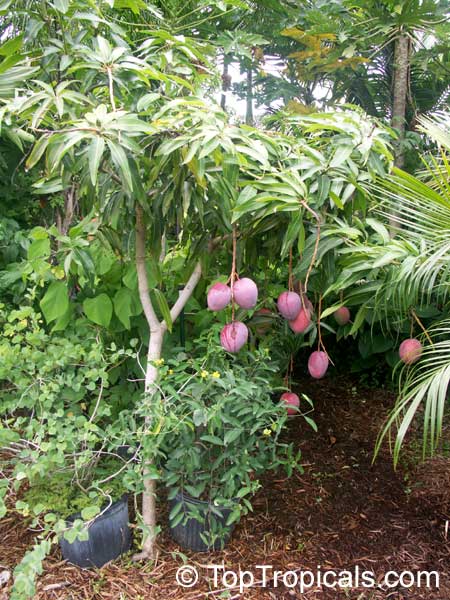
Mallika Mango tree with fruit
🌈 Why Mallika Mango is stealing the spotlight in small gardens
🥭 Mallika mango is a top-tier Indian dessert mango with rich flavor, zero fiber, and condo-friendly size. It is a semi-dwarf mango from India known for its deep orange, fiberless flesh and intense sweetness with citrus and melon notes. The fruit is harvested mature-green and ripens off the tree at room temperature, reaching peak flavor after 2 to 3 weeks. Small but highly productive, Mallika is ideal for containers and prized for its flavor, disease resistance, and reliability. Best eaten fresh, but also excellent for juice and dried mango slices.
Our special Veterans Day sale on tropical plants is a salute to those who served! Enjoy this discount code - a small token of gratitude for our heroes:
VETERANS23
Your savings with this code: 5% off orders $100+ 10% off orders $150+ 15% off orders $200+
Celebrate Veterans Day with the taste of the tropics! Indulge in our exclusive offer on Mango and Avocado trees, available now at unbeatable prices. With the discount code above, your qualified purchase of these trees can be as low as:
$64 for Mango trees
$61 for Avocado trees
Hurry up! Limited time quantities - while supply lasts!
Q: Do
the mango trees you sell already have fruit? Or how long
does it take to get fruit? Are they tricky to keep up? I
live locally and have been interested in getting a few!
A: Some
of our mangos in both 3 gal and 7 gal pots have fruit on
them. All our mango trees are grafted which means they are
ready to produce fruit. So if not the same year, you
should get fruit the next year.
Mangoes in general are easy to grow plants. They are not
picky about soil and water, however they need full sun for
fruiting. When you are lucky to live in tropical or
subtropical climate, your mango will thrive in a ground,
and within 2-3 years you will have a mature tree, and a
crop every year (those who have cold winters, still can
grow a mango tree in a pot, and move it indoors for colder
period). Visit our garden center for a tour of our Mango
Gardenthat is only 3 years old and is full of fruit!
Tasting table available :) We offer over 100 varieties,
and our experts can help you to make the right choice for
your garden. To start your own mango tree collection,
depending on space available, you may begin with the
following varieties: Nam Doc Mai - one of the most
popular and delicious Asian mango Carrie - very compact
grower, reliable producer with great taste Cogshall and Ice Cream - dwarf varieties
for small yards, excellent taste Alphonso - considered one of
the best tasting
Stop Sugar Crashes: 5 Tropical Fruit Hacks for Healthy Dessert
Exotic Tropical Fruits for Blood Sugar Management. Stop the sugar crash cycle. Learn how to manage glucose levels and insulin spikes using tropical fruits, healthy fats, and metabolic hacks for healthy dessert.
🍨 Stop Sugar Crashes: 5 Tropical Fruit Hacks for Healthy Dessert
The smarter way to handle sugar cravings - no restriction required
Tired of the post-cookie slump? Sugar cravings are a physiological response to blood glucose fluctuations, not a lack of willpower. Refined sugars trigger an insulin spike followed by a hypoglycemic crash, trapping you in a cycle of fatigue and hunger.
The secret to metabolic health is managing glycemic load. By choosing nutrient-dense tropical fruits, you satisfy your sweet tooth while maintaining stable energy homeostasis.
The solution is not to give up dessert. It is to change what dessert means. Here is how to use tropical horticulture to hack your biology and regulate insulin:
🍭 1. Choose fruit that comes with fiber
Whole tropical fruits deliver sweetness wrapped in fiber, water, and nutrients. That slows sugar absorption and keeps energy steady.
Try: · Mango, chilled and sliced
Mango Plant Facts
Botanical name: Mangifera indica Also known as: Mango
USDA Zone: 9 - 11
Highligths
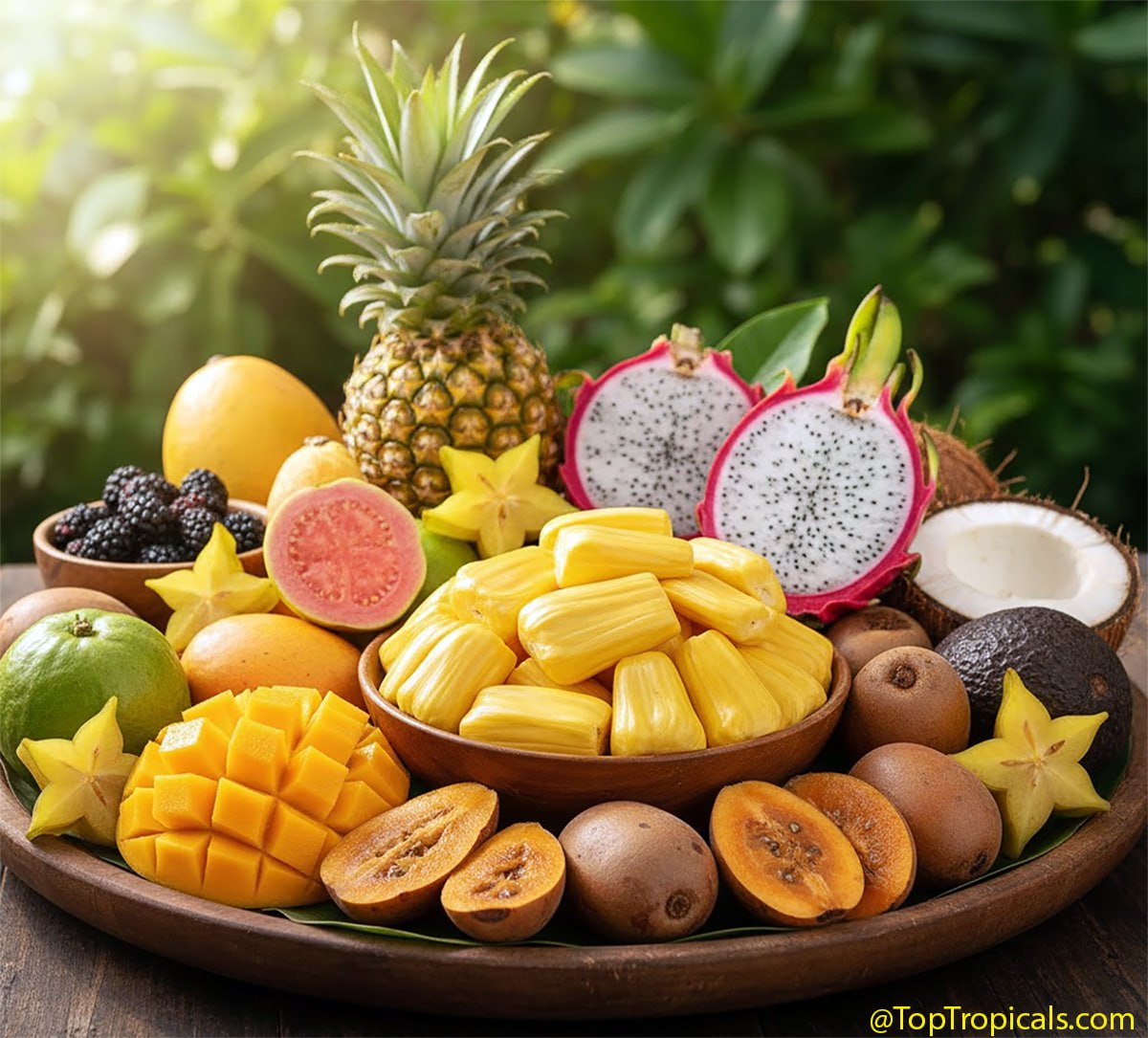
· Sapodilla - naturally caramel-sweet · Mulberries by the handful · Loquat halves straight from the fridge · Dragon Fruit for light, clean sweetness
Same pleasure. Less crash.
🍭 2. Pair sweet with fat to blunt the glucose spike
Healthy lipids are a biological hack for your metabolism. Fats slow gastric emptying, ensuring a steady glucose release rather than an inflammatory spike. Furthermore, lipids trigger cholecystokinin (CCK) - the hormone that signals satiety to the brain - effectively "turning off" cravings at the source. · Avocado blended into a chocolate-style mousse: The monounsaturated fats create a creamy texture while blunting the sugar response.
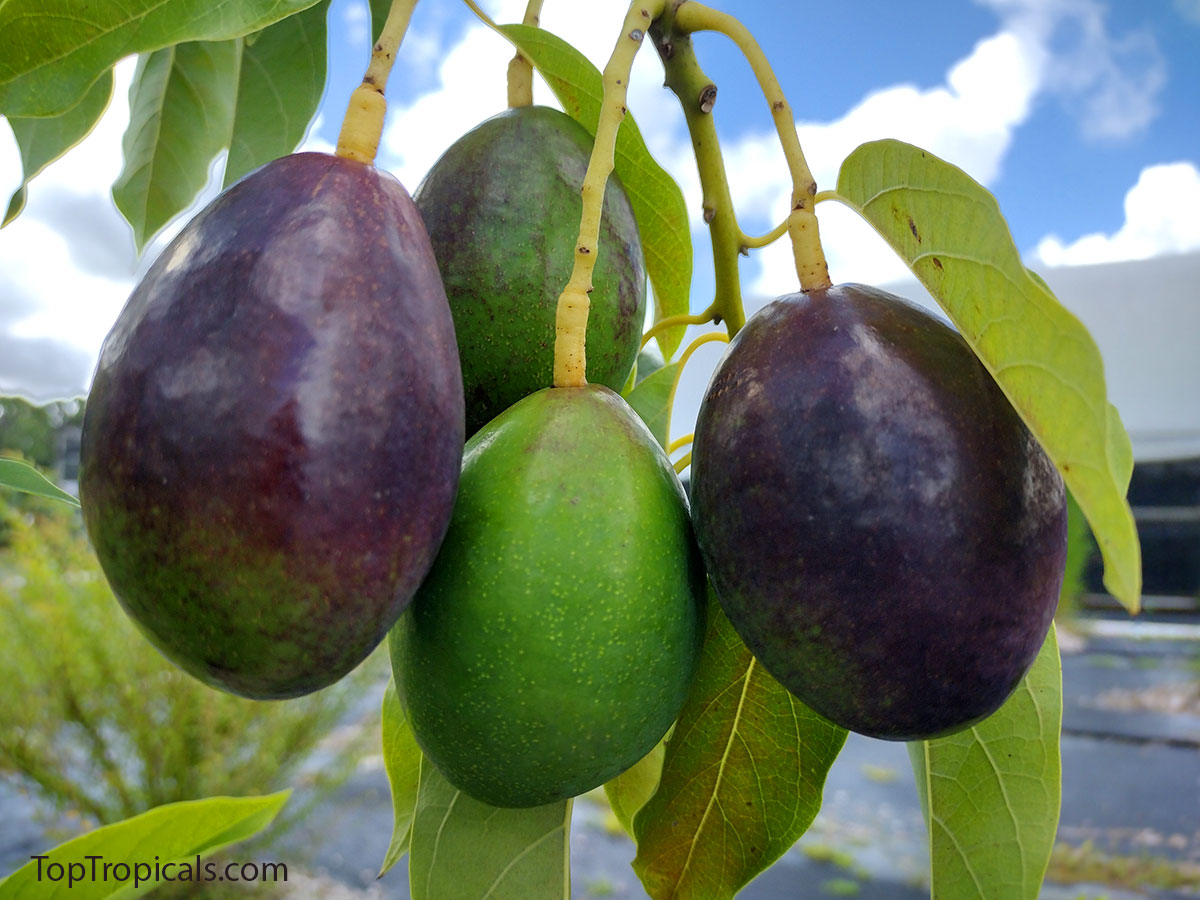
Avocado Plant Facts
Botanical name: Persea americana, Persea gratissima Also known as: Avocado, Alligator Pear, Aguacate, Abacate
USDA Zone: 9 - 11
Highligths
· Banana with nut butter: Combining fast-acting fruit sugars with dense protein and fats. · Pineapple with raw nuts: The bromelain in pineapple aids digestion, while the fats in nuts provide long-lasting satiety. · Mango mixed into full-fat yogurt: The combination of probiotics, protein, and lipids turns a simple fruit into a complete, low-glycemic snack.
When fruit is balanced with fat, cravings calm down instead of escalating.
🍭 3. Use naturally rich fruits in place of sugar
Some tropical fruits taste like dessert already. · Jackfruit has candy-like sweetness · Sapote is creamy and custard-like · Guava brings floral depth · Cherries add brightness · Mash Banana into baking instead of white sugar. · Blend Mango into yogurt instead of syrup. · Top oatmeal with Mulberry instead of brown sugar.
Dessert stays. The crash disappears.
🍭 4. Balance sweet with tart
Adding contrast reduces the urge to overeat sweetness. · Carambola adds crisp tang. · Pineapple brightens the palate. · Loquat gives gentle acidity.
Balanced flavors satisfy faster.
🍭 5. Start the day right
Skipping breakfast increases late-day sugar cravings.
A morning smoothie with Avocado, Banana, and Mango prevents the afternoon energy dip. Hydration also matters - thirst often disguises itself as a sweet craving.
🍭 In essence
Dessert is not the enemy. Refined sugar is.
When sweetness comes from nature's bounty, it nourishes instead of draining energy.
You do not need to quit dessert.
You just need to let nature handle it.
Consult with a healthcare professional before making significant dietary changes, especially if you have diabetes or metabolic conditions