Garden Blog - Top Tropicals

Date: 7 Aug 2025

Blackberry Jam Fruit - the sweetest surprise

A  tuxedo  cat  making  jam  from  Blackberry  Jam  Fruit  (Randia  formosa)  while  an  orange  cat  smiles  in  a  chair,  sipping  tea  beside  a  large  flowering  Randia  plant  in  a  cozy,  sunlit  room.

Tea and Jam with the PeopleCats – A Tropical Afternoon Beneath the Randia

Meet the cats behind the jam! The tuxedo cat is none other than Google-the-cat - our beloved elder and one of the original cat-fathers of Top Tropicals PeopleCats.garden. At 18 years old, he’s still sharp, curious, and very much in charge. The orange fluffball? He represents the universal image of cat joy - and we’ve got a few real-life orange sunshine residents just like him.

Why do you include cats in a plant newsletter?

Because they’re part of the garden. Our rescued PeopleCats live among the plants, nap under the mango trees, inspect new arrivals, and occasionally steal a sunspot meant for seedlings. They’re not mascots — they’re part of our team. Sharing their presence is like showing a part of the soul of our space.🐈

Are the cat images real or AI-generated?

All our cats are real! We take lots of pictures and videos. And a few images are AI-generated illustrations inspired by our real PeopleCats.garden residents. While not literal photographs, they are creative interpretations that capture the spirit of our tropical home and its furry citizens.🐾

Are the stories about the cats true?

Mostly! The jam-making, tea-drinking, and greenhouse meetings are creative interpretations - but inspired by real personalities. We use AI scenes to bring their spirit to life. Real cats. Real plants. Imagined adventures.🐱

Watch Top Tropicals videos about PeopleCats

Shop Blackberry Jam Plants

Date: 7 Apr 2025

Grow Your Own Exotic Dragon Fruit Garden - Part 1

Dragon Fruit - Pitaya

Dragon Fruit - Pitaya

Dragon Fruit - Pitaya

Dragon Fruit - Pitaya

Dragon Fruit - Pitaya

Dragon Fruit - Pitaya

Dragon Fruit - Pitaya

Dragon Fruit - Pitaya

Sunshine C-Cibus fertilizer for Dragon Fruit - Pitaya

Sunshine C-Cibus fertilizer for Dragon Fruit - Pitaya

🐲 Grow Your Own Exotic Dragon Fruit Garden - Part 1


🐉 WHY GROW YOUR OWN DRAGON FRUIT?


Dragon fruit isn't just a stunning addition to your garden - it's a nutritional powerhouse. Rich in fiber, vitamins, and antioxidants, this low-calorie fruit supports digestion, boosts immunity, and promotes overall wellness. While store-bought dragon fruit can be bland, homegrown varieties offer a spectrum of sweet, vibrant flavors you won't find on supermarket shelves.​
  • 🍓 Unparalleled Flavor: Experience the true taste of dragon fruit with homegrown varieties known for their sweetness and rich flavors - far superior to the often bland, commercially grown ones.​
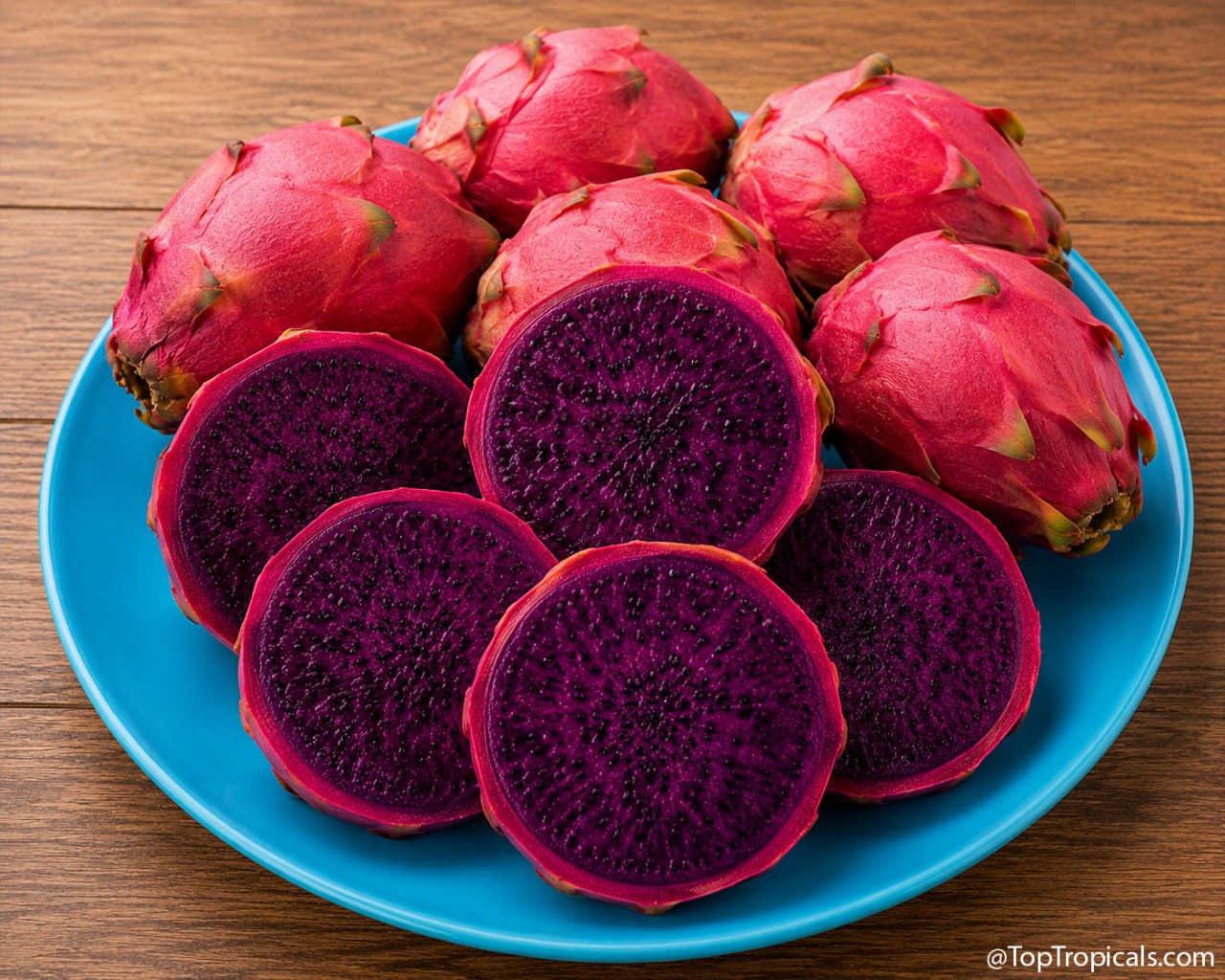
  • 🍓 Stunning Variety: Choose from a range of types featuring white, pink, red, or purple flesh, each with unique flavors and appearances.​
  • 🍓 Easy and Rewarding: Dragon fruit cacti are low-maintenance, thriving in containers or in the ground, with minimal water needs. They're perfect for both novice and experienced gardeners.​


HEALTH BENEFITS:

  • 🍓 Digestive Health: High fiber content aids digestion and promotes gut health.​
  • 🍓 Weight Management: Low in calories yet nutrient-dense, making it an excellent choice for a healthy diet. More health benefits in next post ⤵️


🌵 EASY GROWING TIPS:

  • 🍓 Adaptable: This cactus plant thrives in both sun and partial shade and enjoys humid rainy summers unlike most cacti.​
  • 🍓 Container-Friendly: Ideal for pots with a sturdy trellis, making it suitable for small spaces.​
  • 🍓 Low Maintenance: Drought-tolerant and forgiving, perfect for those who occasionally forget to water.​


‼️ Want more fruit? Enhance growth and fruit production with Sunshine Boosters C-Cibus fertilizer, ensuring a bountiful harvest of this exotic fruit.

Continued in next post ⤵️

🛒 Start your dragon fruit journey today and savor the unmatched flavors of homegrown, exotic fruits!

#Food_Forest #Discover #Dragon_Fruit

🔴 Join 👉 TopTropicals

Date: 25 Nov 2019

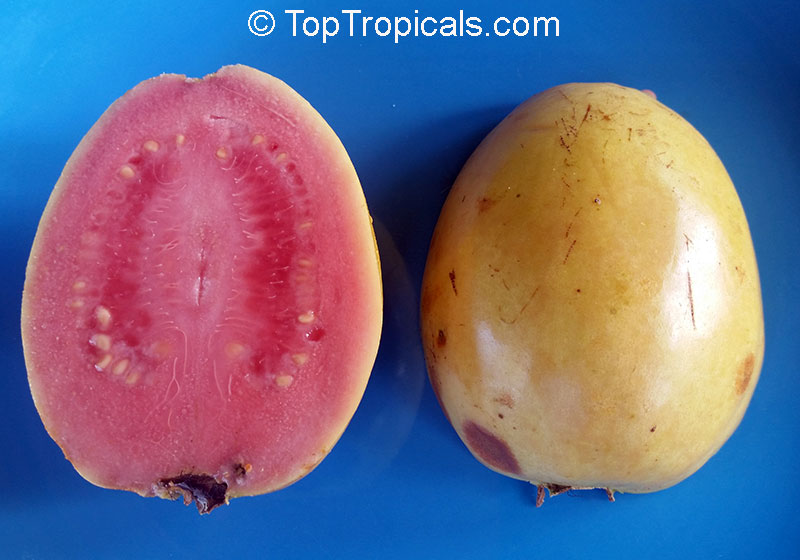
Flavor of Feijoa Superfood

by Onika Amell, tropical plant specialist

Q: What exactly is Feijoa - Pineapple Guava? Does the fruit really taste like pineapple? I am curious to know if it is easy to grow.

A: Feijoa is certainly one of the easiest fruit trees to grow as it does not require much care. It is an attractive, evergreen tree or large shrub with dark green, oval, leathery leaves. It has an abundance of uses in the garden and produces lovely edible flowers and fruit! The fruit is eaten fresh, added to smoothies or fruit salad and is also commonly used to make delicious jams and wicked chutneys. Feijoa fruit go a long way in flavor.
This plant is drought tolerant and will grow in almost any soil type. It loves full sun or partial shade and is wind resistant. A lot of gardeners like to grow it as a wind barrier for this reason. It can easily be shaped into a dense, informal hedge or screen that needs very little pruning. Because of this density, it provides excellent shelter for all kinds of wildlife. Butterflies, birds, and butterflies will all love you for growing Feijoa!
Space the plant five feet apart to create a wind barrier hedge. Heat does no not bother it at all and it will also withstand temperatures to 10 degrees F.
The plant gets its names from the delicious perfume it emits. Some folks seem the fruit taste like pineapple, with a slight minty undertone. Others feel the flavor reminds them of juicy fruit gum! The texture is described as smooth and slightly gritty - almost like a pear, but firmer.
If you prefer to grow this plant as a tree rather than a large shrub, simply remove the lower branches up to one-third of the tree's height over a period of time. The Pineapple Guava can grow up to 15 feet wide and tall. They also do really well as a container plant on patios where you can truly enjoy the lovely fragrance of the fruit. It prefers rich, organic, well-drained soil and will need light fertilization every other month in most soils.

We recommend:

Fruit Festival Plant Food - Super Crop Booster
Mango-Food - Smart Release Fruit Tree Booster
SUNSHINE-Honey - Sugar booster
SUNSHINE C-Cibus - Crop Nutrition Booster

Pretty, pink, edible flowers will wow you from May to June, followed in late summer or fall by the delicious and fragrant fruit. An interesting thing about this fruit is that you don't pick it. It falls to the ground when it is ripe. Or simply place something under your tree, like a tarp, and shake the tree. The ripe fruit will fall off. You can store the fruit in your refrigerator for up to a week. And remember! The fruit of the Feijoa is not only a very rich source of soluble dietary fiber, but also an excellent source of Vitamin C, and very rich in antioxidants. They are also low in calories. Each fruit only holds 55 calories.

Date: 2 Jan 2026

Why white-flesh Dragon fruits deserve more attention?

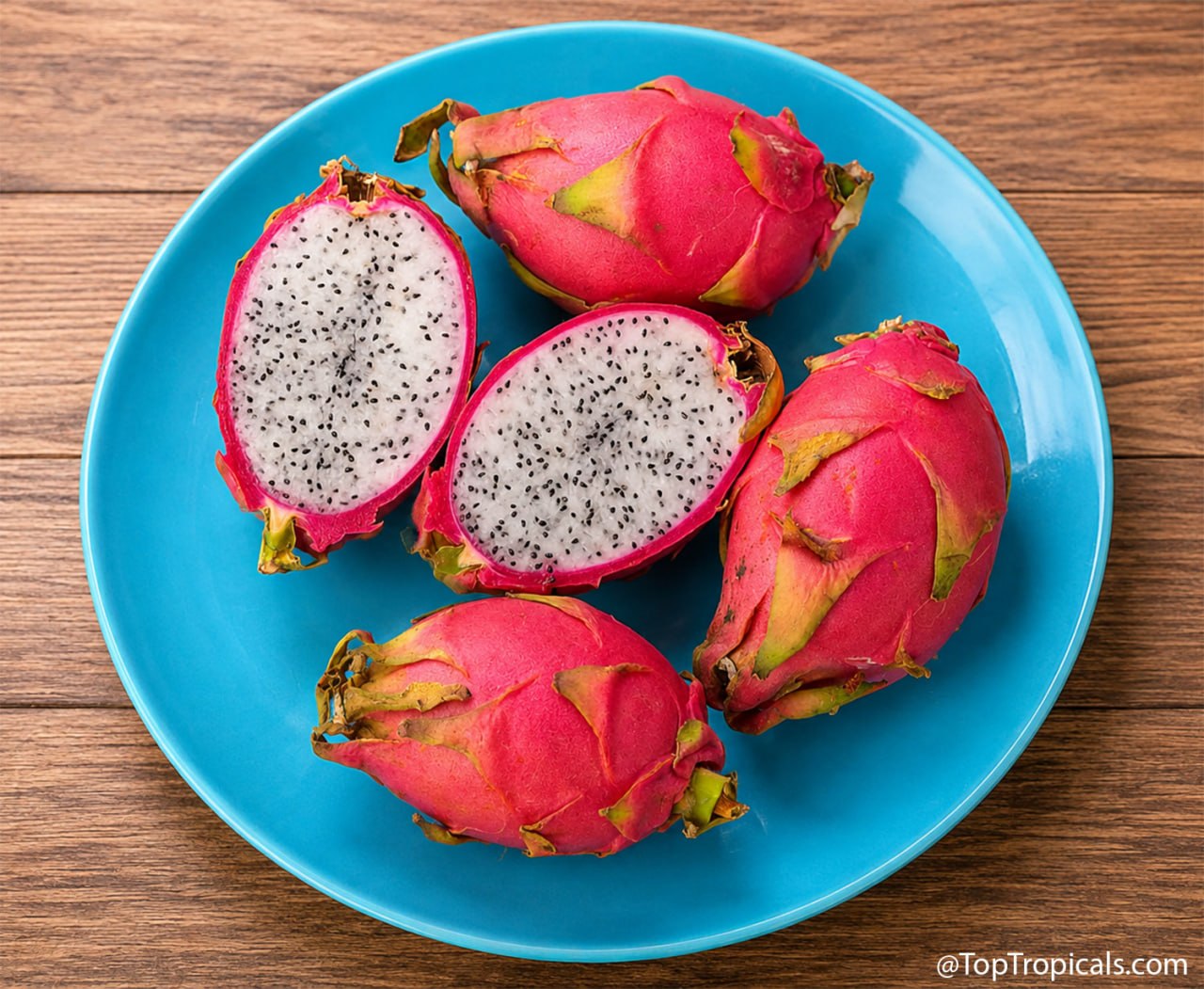
White Dragon fruit varieties (Hylocereus undatus)

🏆 Why white-flesh Dragon fruits deserve more attention?

  • ✔️ Fast growers, heavy producers.


    White-fleshed Dragon fruits are often overlooked, but they are the real workhorses of the Pitaya world. These varieties tend to be more vigorous, faster growing, and less demanding than red-fleshed types. They establish quickly, handle a wider range of conditions, and are usually heavier producers.
  • ✔️ Juicy, light, and refreshing.


    Flavor-wise, white-flesh types are milder and juicier, with higher water content and lower sugar. That makes them refreshing, hydrating, and a good choice for people watching sugar intake. Because they set fruit more reliably and produce larger crops, white-fleshed dragon fruits are often the best option for beginners and for anyone who wants dependable harvests without fuss.
  • ✔️ The sweetest of them all.


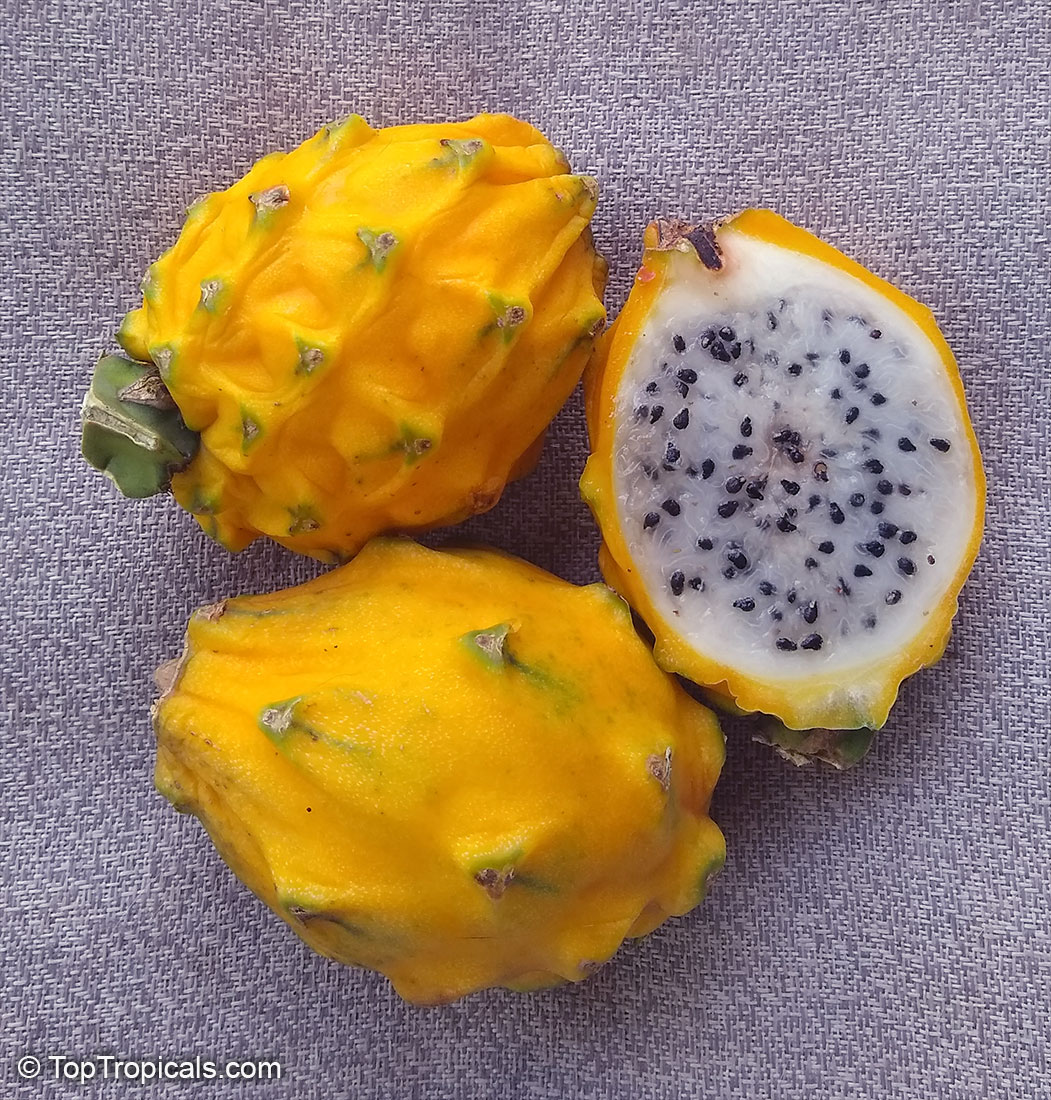
    Yellow-skinned dragon fruit with white flesh takes things one step further. While the plant itself is a bit slower and more selective, the fruit is the sweetest and most flavorful of all dragon fruits, often described as honeyed or tropical with pineapple notes.


✍️ The best white-fleshed Dragon fruit varieties:

  • 🔴 ⚪️ Red skin, white flesh (Hylocereus undatus): the most common and productive group. These plants are vigorous, fast-growing, and known for large fruit size. Flavor is mildly sweet and very refreshing, often compared to kiwi or pear. Excellent choice for heavy production and easy care.
  • Varieties: David Bowie, Delight, Hana, Lake Atitlan, Seoul Kitchen, Vietnamese Jaina, Hana

  • 🟡⚪️ Yellow skin, white flesh (Hylocereus, or Selenicereus megalanthus) - Smaller fruit but unmatched sweetness. Crisp, juicy flesh with honey, pineapple, or tropical notes. Less productive than red-skin whites, but prized for flavor above all else.
  • Varieties: Amarilla (Kirin), Colimbiana, Godlen Dragon, Palora, Thai Gold (Hawaiian)

    Quick Takeaway:


⚪️ White-flesh reds = most vigorous, most productive, easiest to grow
🟡 Yellow with white flesh = sweetest and most flavorful
🔴 Red-flesh types = richer flavor but usually slower and less productive

🛒 Explore and collect Dragon Fruit varieties

📚 Learn more:


  • 📱 How to grow Dragon Fruit
  • 📱
  • 📱

#Food_Forest #Dragon_Fruit #Discover

🟢 Join 👉 TopTropicals
Date: 9 Mar 2026

Dont Wait Years: 8 Fruit Plants You Can Harvest the Same Season
Don't wait years for fruit! Harvest papayas, berries, figs, and more in the very same season you plant them with these fast-growing varieties.

Don't wait years for fruit! Harvest papayas, berries, figs, and more in the very same season you plant them with these fast-growing varieties.

Don't Wait Years: 8 Fruit Plants You Can Harvest the Same Season 🍒

Growing fruit at home usually requires years of patience. Most gardeners view fruit trees as a long-term investment that may not pay off for a decade.
But you don't have to wait.
Certain tropical and subtropical plants are "fast-track" growers. In warm climates like Florida, choosing the right varieties means you can see flowers and fruit within months of planting - often in the very same season.
If you want a backyard harvest without the wait, here are the fastest-producing fruits you can plant today.
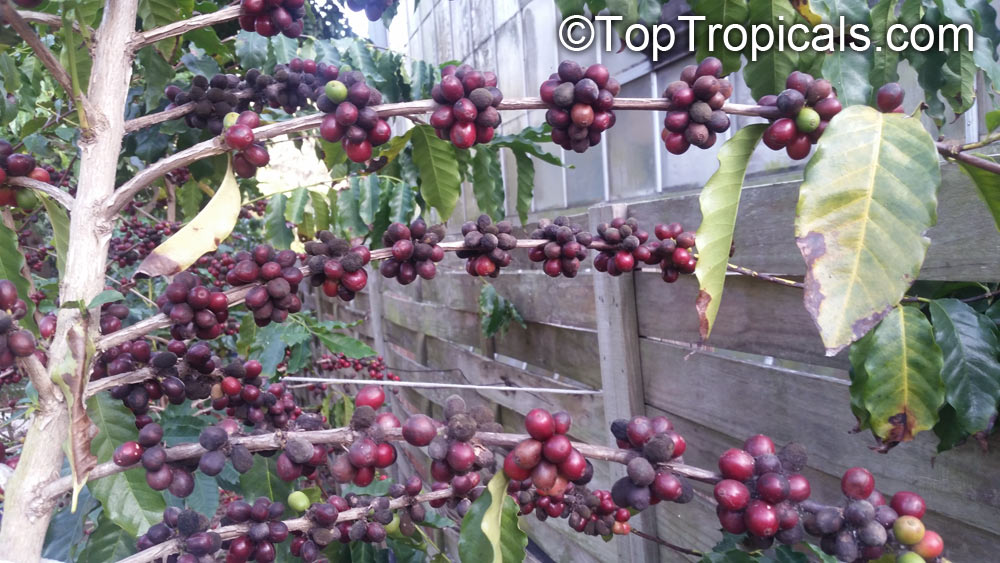
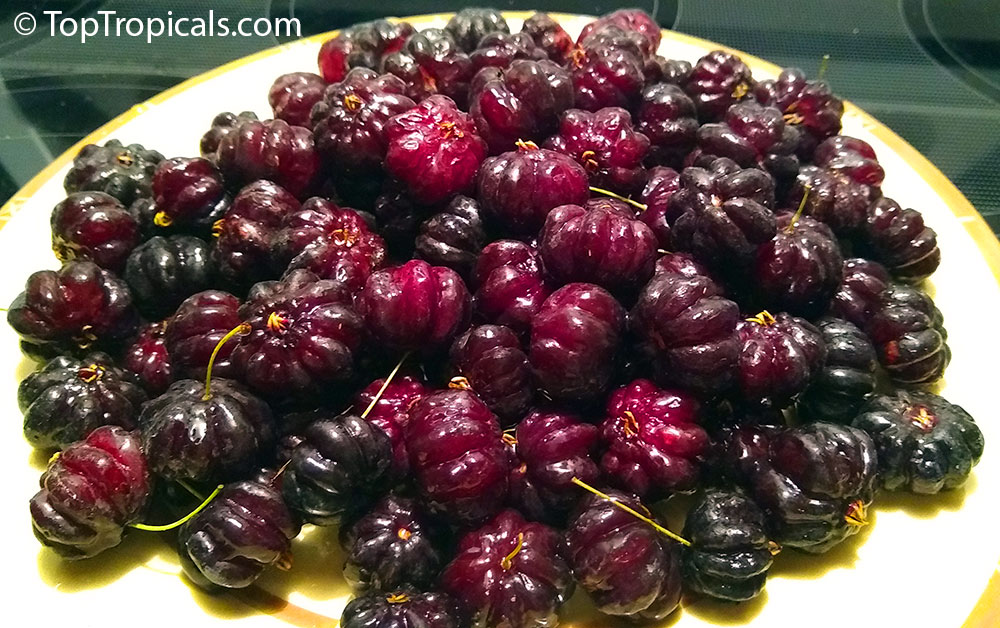
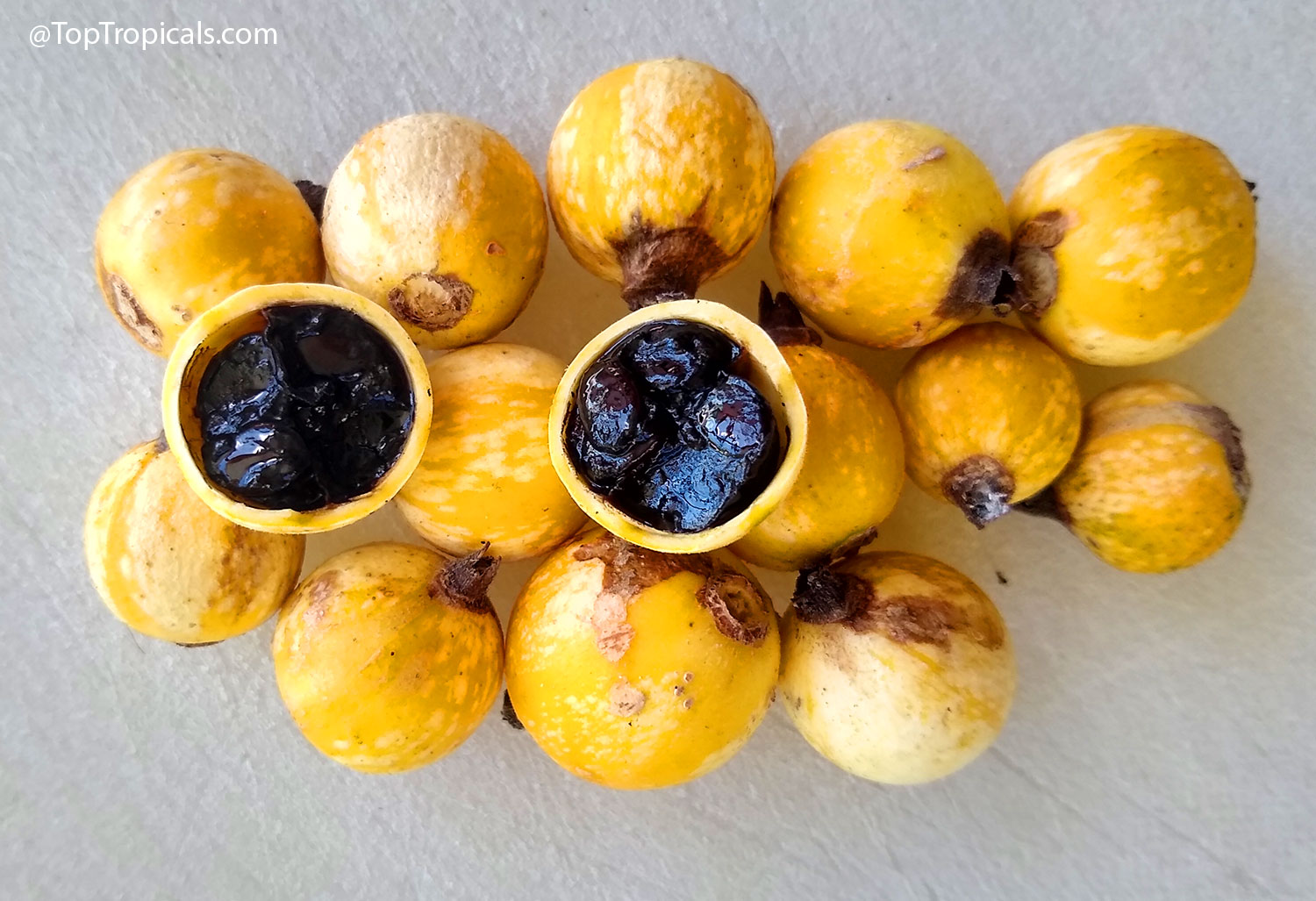
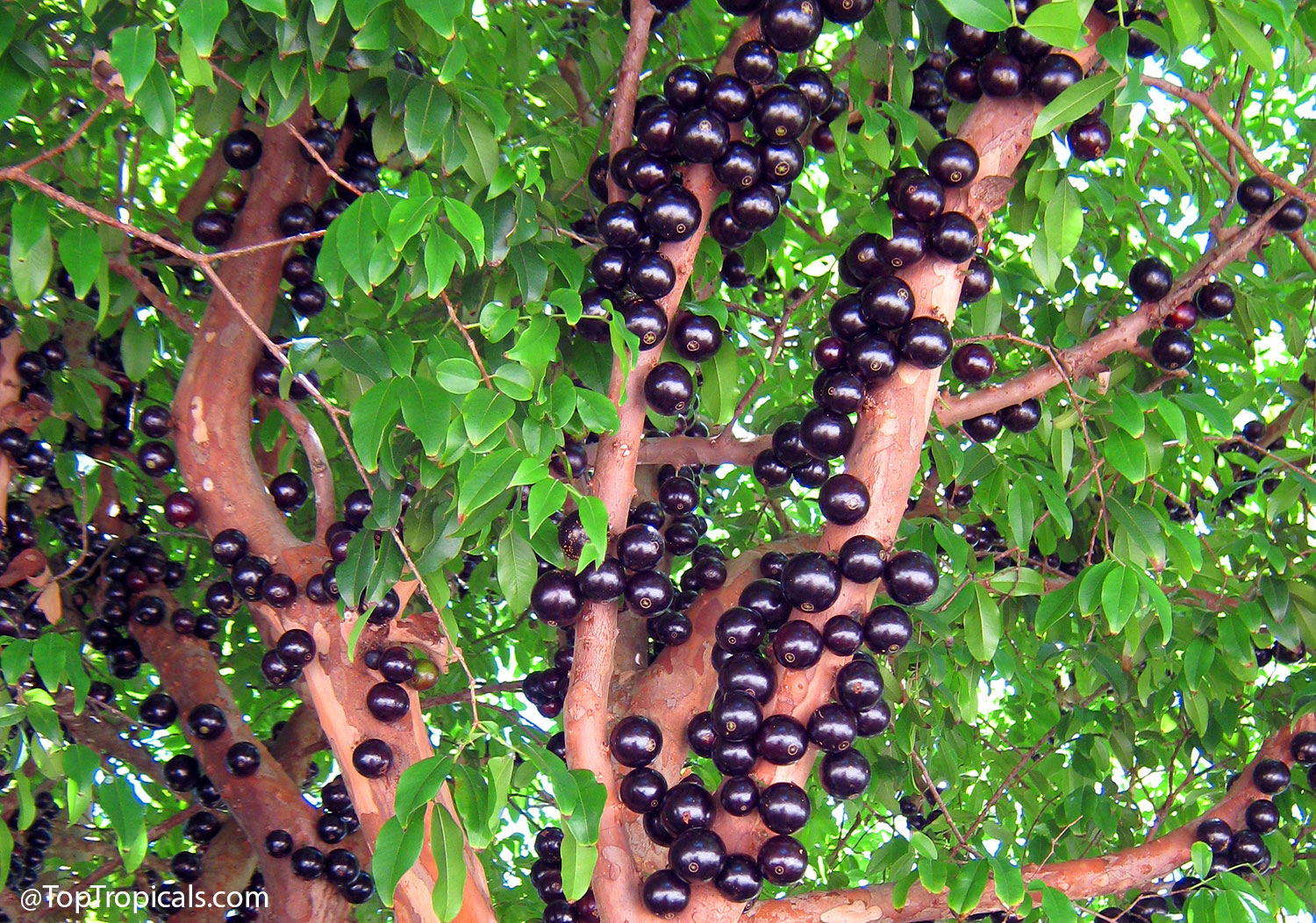
  • 🍓 1. Blackberry Jam Fruit (Randia formosa)


    A compact shrub perfect for containers. It produces star-shaped flowers and dark purple fruit that tastes exactly like blackberry preserves. Established plants often fruit in their first season.
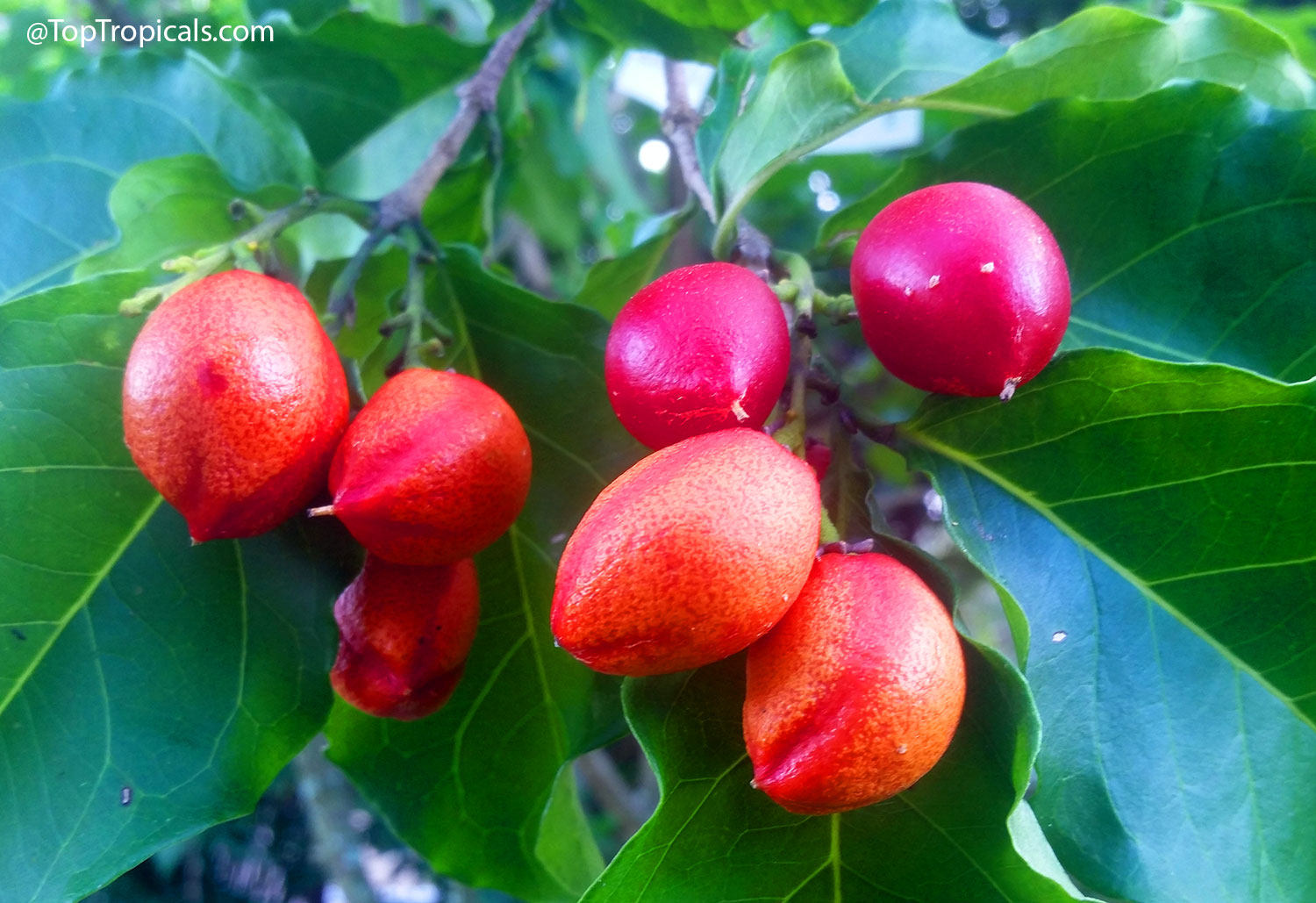
  • 🍓 2. Peanut Butter Fruit (Bunchosia)


    This fast-growing large shrub produces orange pulp with the uncanny flavor and texture of peanut butter. Expect flowers and bright red berries within months of planting in warm conditions.
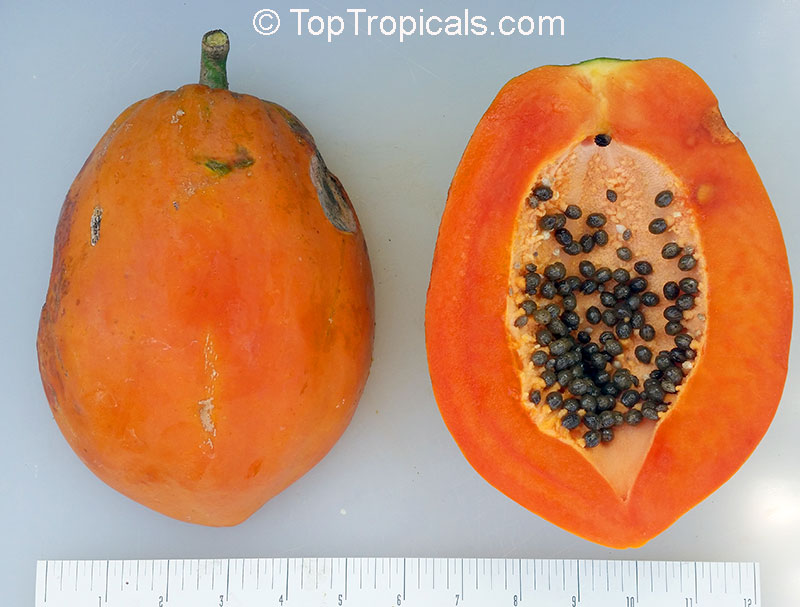
  • 🍓 3. Papaya (Carica papaya)


    The"giant herb"of the fruit world. Papayas are legendary for their speed, often flowering just months after planting and providing sweet, vitamin-rich fruit within the same year.
  • 🍓 4. Grumichama Cherry (Eugenia brasiliensis)


    A stunning Brazilian evergreen. Grafted plants can fruit the same season they are planted, offering glossy, dark cherries with a sweet, mild finish.
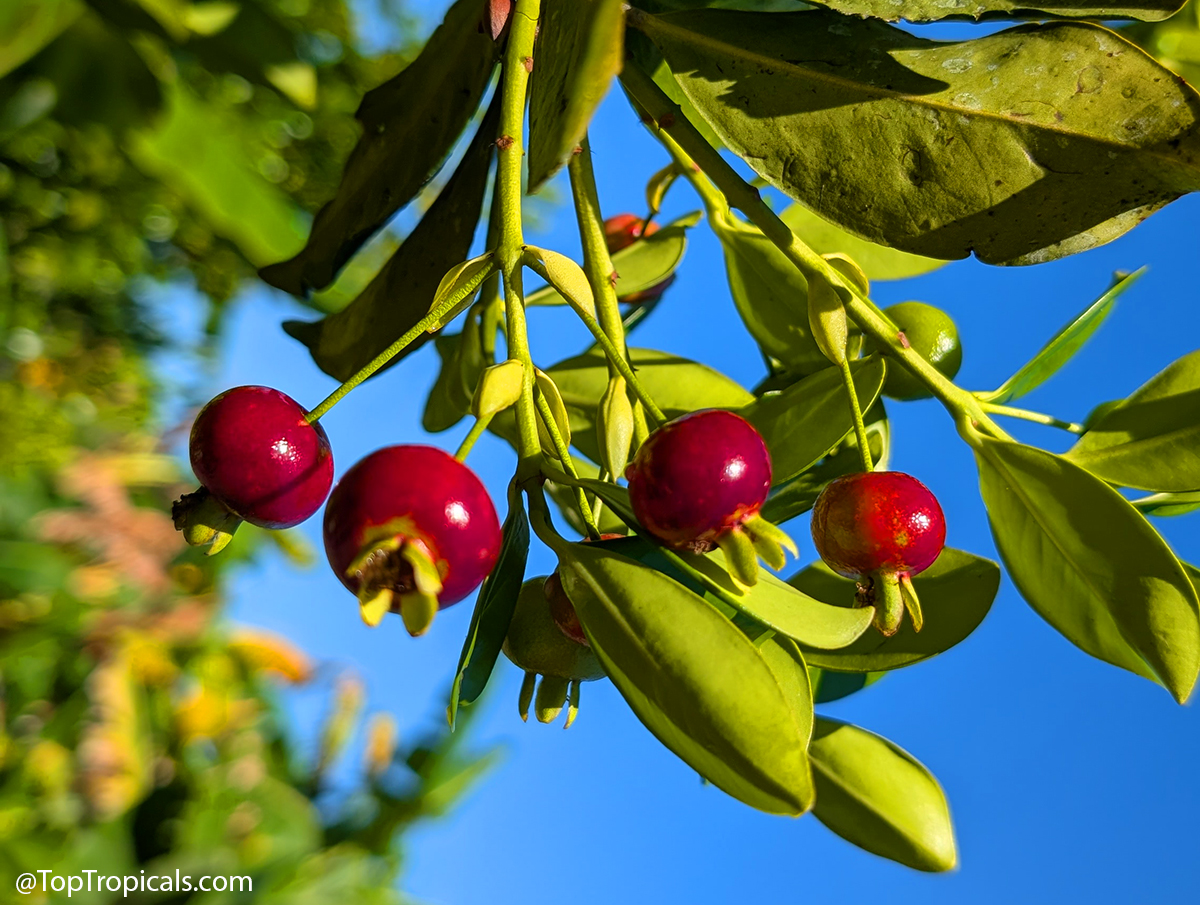
  • 🍓 5. Black Surinam Cherry (Eugenia uniflora var. Lolita)


    The 'Lolita' cultivar is a game-changer. It grows quickly as an edible hedge and produces nearly black, resin-free fruit that is significantly sweeter than the common red varieties.
  • 🍓 6. Mysore Raspberry and Tropical Blackberries (Rubus sp.)


    Unlike traditional berries that require chill hours, these Rubus species thrive in the heat. Their vigorous canes grow rapidly, often fruiting the same season they hit the soil.
  • 🍓 7. Everbearing Mulberry (Morus sp.)


    Mulberries are incredibly generous. Everbearing varieties produce sweet berries over an extended window and often begin fruiting the very first year they are planted.
  • 🍓 8. Fig Trees (Ficus carica)


    Figs are the champions of container gardening. They are highly drought-tolerant and famous for setting honey-sweet fruit even at a very young age—often just months after being established.


🏡 Where to plant them?


Blackberry Jam Fruit: Best for small patios; tastes like gourmet preserves.
Peanut Butter Fruit: A kid-favorite that grows as a manageable large shrub.
Papaya: The fastest grower on this list; behaves more like a herb than a tree.
Grumichama Cherry: The perfect ornamental edible with a sweet, mild finish.
Lolita Surinam Cherry: A sweeter, darker improvement on the classic hedge.
Mysore Raspberry: A heat-tolerant powerhouse for southern berry lovers.
Everbearing Mulberry: The most prolific producer; fruits almost year-round.
Fig Trees: The drought-tolerant king of container gardening.
  • 👉 Tips for Faster Results


  • •  Start Large: Buy"nursery-established"plants rather than seeds.
  • •  Feed the Need: Use high-quality organic fertilizer to support rapid growth.
  • •  Sun is Fuel: Most of these varieties require at least 6-8 hours of direct sunlight to trigger flowering.


🛒 Plant these fruits now - some can produce within months

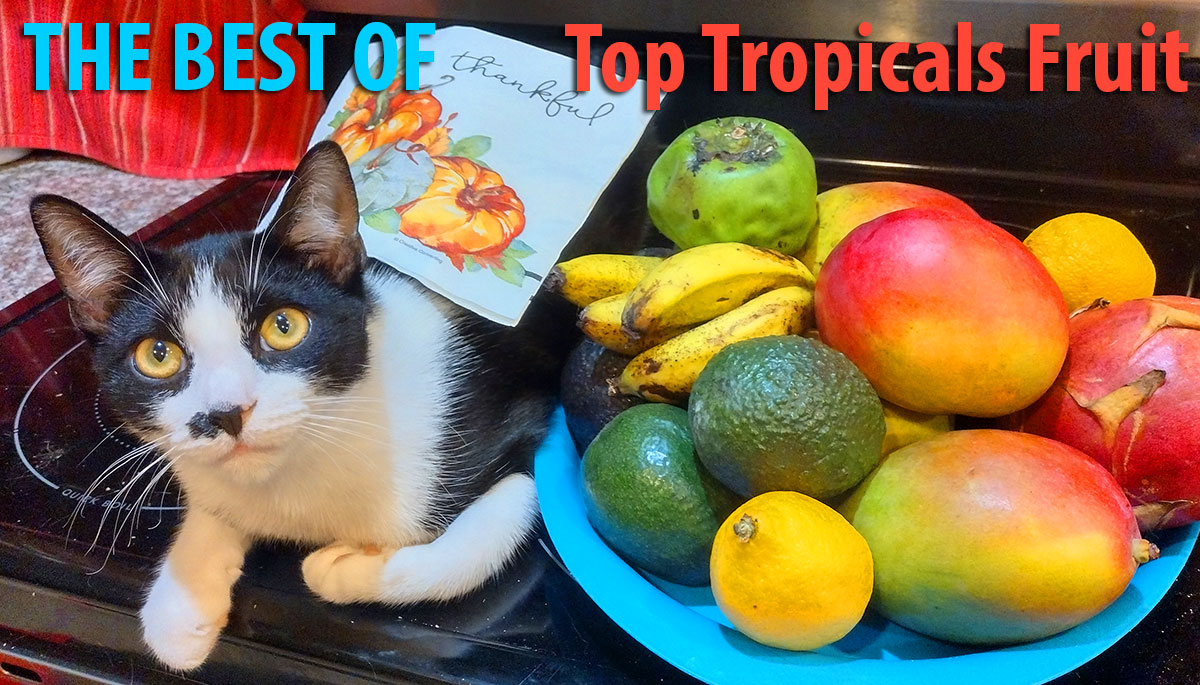
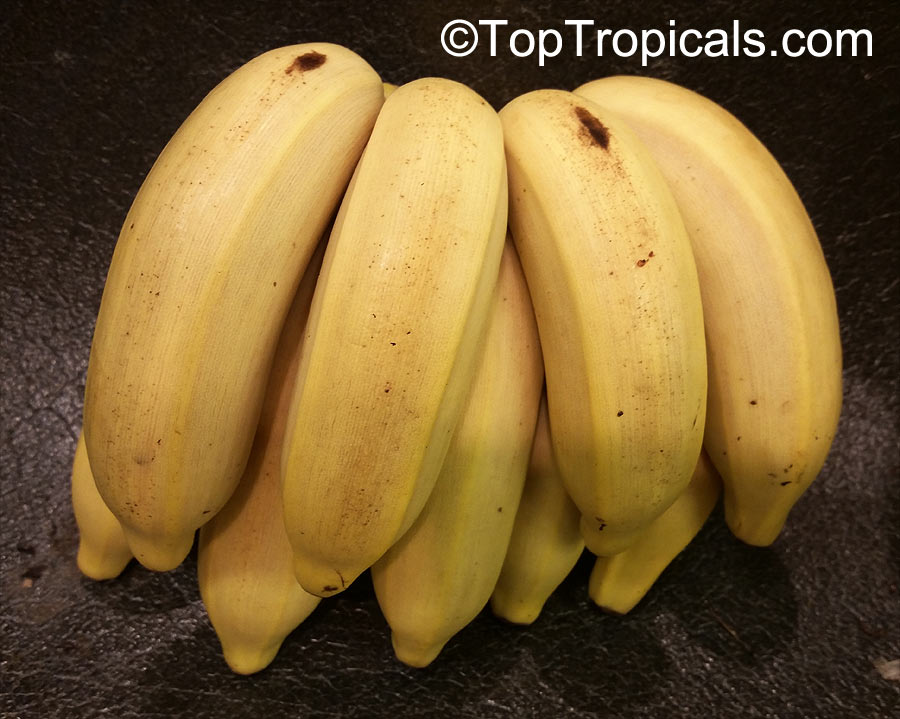
📷 Freshly picked tropical fruit bounty: don't wait years for fruit! Harvest papayas, berries, figs, and more in the very same season you plant them with these fast-growing varieties.

#Food_forest #How_to #Discover

🟢 Join 👉 TopTropicals