Garden Blog - Top Tropicals

Date: 2 Apr 2026

Stop Fixing Your Soil: 15 Bulletproof Fruit Trees for Tough Ground

Loquat (Eriobotrya japonica) fruiting

Loquat (Eriobotrya japonica) fruiting

Stop Fixing Your Soil: 15 "Bulletproof" Fruit Trees for Tough Ground 💩

Not everyone starts with a lush, loamy paradise. In many parts of Florida and the South, "soil" is just a polite word for sand, limestone rock, or depleted clay.
The biggest mistake new gardeners make? Spending hundreds of dollars on soil amendments before they ever put a tree in the ground.
The secret the pros know: You don't need to change your land to fit your plants; you need to choose plants that love your land. Some of the most delicious fruits actually thrive on neglect - and a few even produce better fruit when the soil is "poor."


🌳 The "Big 5" Toughest Fruit Trees


If your yard is a dry, sandy lot or a rocky outcrop, start with these. They are the ultimate "survivors."

Jujube, Chinese Date (Ziziphus jujuba): Arguably the toughest fruit tree on earth. It laughs at drought, poor soil, and neglect. The fruit is crisp like an apple when fresh and sweet like a date when dried.

Loquat (Eriobotrya japonica): A Southern staple. It’s evergreen, beautiful, and produces honey-sweet fruit in early spring when nothing else is ripe.

Mulberry (Morus alba): If you can’t grow a Mulberry, you might be gardening on the moon. It grows in sand, clay, or sidewalk cracks with equal enthusiasm.

Fig (Ficus carica): Figs actually prefer not to be pampered. In overly rich soil, they grow lots of leaves but little fruit. Give them well-drained, mediocre soil and they’ll thrive.

Pomegranate (Punica granatum): These trees are "stress-lovers." Rocky, alkaline soil is no problem, and a bit of soil stress often results in a higher sugar content in the fruit.

Pomegranate Plant Facts

Botanical name: Punica granatum
Also known as: Pomegranate, Granada, Grenade, Pomegranate, Granada, Anar, Granaatappel, Pomo Granato, Romeira, Melo Grano
USDA Zone: 8 - 11
Highligths Large shrub 5-10 ft tallSmall tree 10-20 ftFull sunWatering: Moderate. Water when top soil feels dryRed, crimson, vinous flowersThorny or spinyEdible plantDeciduous plantEthnomedical plant.
Plants marked as ethnomedical and/or described as medicinal, are not offered as medicine but rather as ornamentals or plant collectibles.
Ethnomedical statements / products have not been evaluated by the FDA and are not intended to diagnose, treat, cure, or prevent any disease. We urge all customers to consult a physician before using any supplements, herbals or medicines advertised here or elsewhere.Subtropical plant. Mature plant cold hardy at least to 30s F for a short timeSeaside, salt tolerant plant
Get personalized tips for your region


🌳 Tropical Flavors That Don't Need "Perfect" Dirt


You don’t need a rainforest to grow tropical treats. These species are surprisingly resilient once they get their roots established.

🌟 The Sand-Lovers:

Mango (Mangifera indica): While young trees need a little babying, a mature Mango is incredibly drought-tolerant and handles Florida’s sandy "sugar sand" like a champ.

Mango Plant Facts

Botanical name: Mangifera indica
Also known as: Mango
USDA Zone: 9 - 11
Highligths Large tree taller than 20 ftSmall tree 10-20 ftFull sunWatering: Moderate. Water when top soil feels dryYellow, orange flowersPink flowersEdible plantSeaside, salt tolerant plant
Get personalized tips for your region


Sapodilla (Manilkara sapota): A rugged, wind-resistant tree that produces fruit tasting like brown sugar and pear. It is a top-tier choice for coastal or sandy areas.

Tamarind (Tamarindus indica): It’s slow-growing but patient. Once it’s in, it’s there for a century, regardless of soil quality.

🌟 The Low-Maintenance Stars


Longan (Euphoria longana): If you’ve struggled with finicky Lychee trees, try Longan. It’s more cold-hardy and much less picky about its soil.

Citrus: While they need regular feeding (fertilizer), Citrus trees are naturally adapted to the sandy ridges of the South.

🌟 The "Quick-Win" Berry & Shrub Layer


If you want fruit this year, don’t wait for a tree to mature. Add these hardy producers to your edges. And here is why it works:

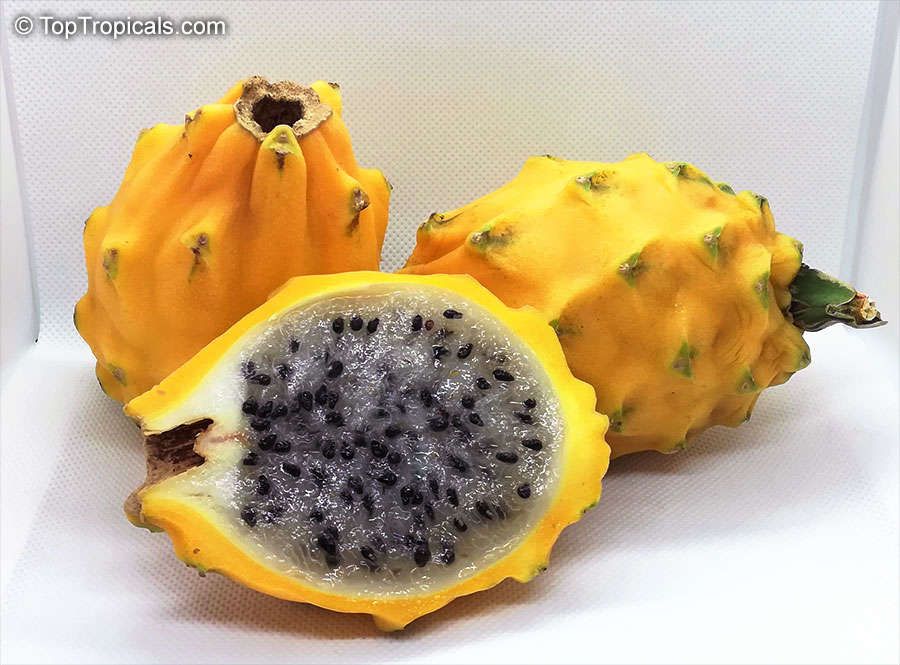
Dragon Fruit (Hylocereus undatus). It’s a cactus! It literally prefers poor, fast-draining soil over rich potting mixes.

Barbados Cherry (Malpighia glabra). A vitamin C powerhouse that handles low-nutrient soil with ease.

Grumichama (Eugenia brasiliensis). Slower grower, but steady and tolerant once established.

Surinam Cherry (Eugenia uniflora). Virtually indestructible. Often used as a hedge because it grows so vigorously in poor soil.

Pineapple Guava (Feijoa sellowiana). A beautiful silver-leafed shrub that is salt-tolerant and drought-resistant.

Pineapple Plant Facts

Botanical name: Ananas comosus
Also known as: Pineapple, Pina
USDA Zone: 9 - 11
Highligths Small plant 2-5 ftSemi-shadeFull sunWatering: Moderate. Water when top soil feels dryOrnamental foliageThorny or spinyEdible plantSubtropical plant. Mature plant cold hardy at least to 30s F for a short time
Get personalized tips for your region


🌳 The Strategy: "Plant First, Improve Later"


In the South, the "dig a $100 hole for a $10 tree" rule doesn't always apply. Trying to completely re-engineer your soil often leads to drainage issues (the "bathtub effect").

Try this instead:
1. Select a species naturally adapted to your pH and texture.
2. Plant it at the correct height (never too deep!).
3. Mulch heavily with wood chips. This improves the soil from the top down over time, mimicking a natural forest floor.

🛒 Shop Fruit Trees and Mango

📚 Learn more:


· Loquat, Sapodilla, Mulberry, Eugenia, Tamarind - in Plant Encyclopedia
· 10 best fruit trees to grow in Florida and Southern landscapes

#Food_Forest #How_to #Discover

🟢 Join 👉 TopTropicals

Date: 23 Sep 2020

Fast-fruiting trees?

Photo above: Annona reticulata - Red Custard Apple

Q: More of a question than a review, but a review regarding your catalog, it would be easier for us buyers, if we could search for plants that produce fruit in 2 years or less, I don't have the patience to wait longer than that for fruit. I'm trying to buy for a fairly good sized garden but want some fast growers and fruit produced in 2 yrs. Can you help me out?

A: Fruiting time depends on many factors (established size, growing conditions, fertilizing, and even specific variety), this is why we can not just put a simple icon "will fruit within 2 years".
However, most grafted and air-layered fruit trees, including all Mango, Avocado, Loquat, Sapote, Sapodilla, Lychee/Longan, Peaches and Nectarines - will fruit right away. If you see in our store "grafted" or "air-layered" in plant description - these trees will fruit soon. Some of them already flowering and fruiting.
Some non-grafted trees or seedlings like Annona, Artocarpus (Jackfruit), Eugenia, Guava, Banana, Dragon fruit, Mulberry, Blackberry/Raspberry - will fruit within 3-4 years from seed or even sooner (Banana, Mulberry, Dragon fruit, Blackberry-Raspberry - within a year). Usually it says in description that this plant can produce fruit soon.
Bigger size plants are more established and have more energy to produce, so try to get larger size plants if your budget permits, and especially if you can pick up bigger plants rather than shipping them - obviously, shipping has size limitations.
In addition, all spice trees like Bay Leaf, Bay Rum, Allspice and many more - they will produce spice for you right away, so you don't need to wait at all!
If you have questions about fruiting time on any specific plant you put your eye on, don't hesitate to ask!

Photo above: Pimenta dioica - Allspice

Date: 2 Apr 2025

TROPICAL FRUIT HEALTH BENEFITS GUIDE, Part 2:

TROPICAL FRUIT

TROPICAL FRUIT

🍑 What fruit and edibles can help with health issues and VITAMIN deficiencies

...Continued from previous post ⤴️

7. 💅 Beauty Enhancer

(Vitamin B7 - Biotin):

Banana, Avocado, Aloe Vera, Clitoria (Butterfly Pea), Patchouli.

8.Blood Builder
(Vitamin B9 - Folate):

Avocado, Guava, Papaya, Moringa, Chaya (Maya Spinach Tree), Mulberry.

9. Immunity Booster
(Vitamin C - Ascorbic Acid):
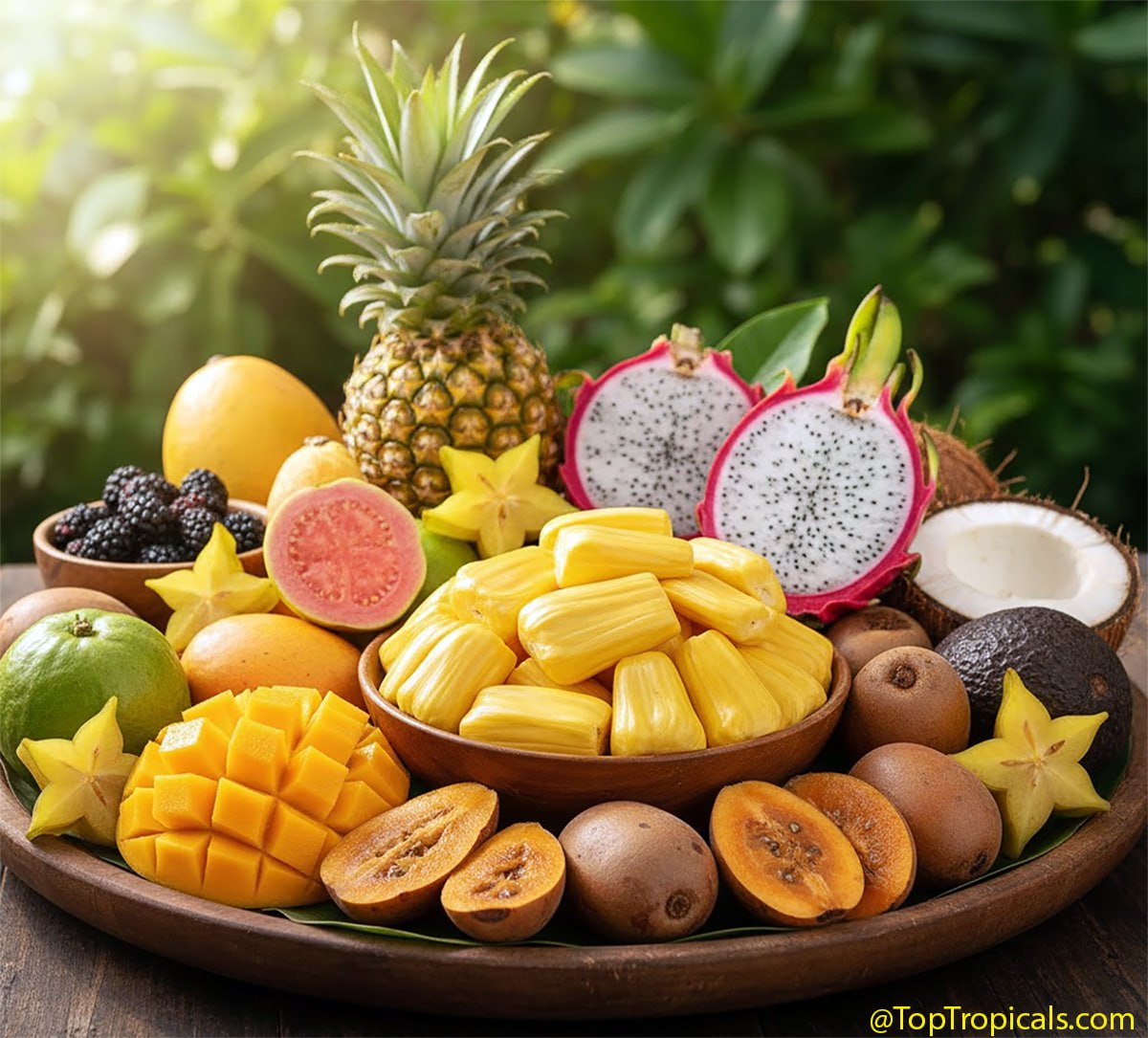
Guava, Pineapple, Carambola, Mango, Dragon Fruit, Loquat, Longevity Spinach (Gynura), Moringa, Allspice, Camphor Tree, Bay Leaf, Yerba Mate, Cherry, Peach, Passion fruit, Mulberry, Eugenia, Cinnamon, Piper sarmentosum (Vietnamese Pepper), Wiriwiri and Biquinho Pepper.

10. Skin Shield
(Vitamin E - Tocopherol):

Avocado, Sapote, Dragon Fruit, Moringa, Patchouli, Aloe, Annatto, Camphor Tree.

11. ❣️Clot Controller
(Vitamin K - Phylloquinol):

Moringa, Sauropus (Katuk), Chaya.

12. 🍲 Digestive Aid
(Enzymes):

Pineapple, Papaya, Ginger, Turmeric, Mango, Lemongrass, Cinnamon, Black Pepper, Bay Leaf, Betel Leaf, Peach, Eugenia, Jackfruit, Lippia dulcis, Allspice, Lippia alba (Poleo), Wiri wiri and Biquinho Pepper, Passion fruit.

📚 Learn more in our next posts about specific benefits of each fruit or plant...

🛒 Explore tropical fruit trees with benefits

#Food_Forest #Discover #Remedies #Bananas

🔴 Join 👉 TopTropicals

Date: 2 Apr 2025

TROPICAL FRUIT HEALTH BENEFITS GUIDE, Part 1:

🍑 What fruit and edibles can help with health issues and VITAMIN deficiencies


We've got a handy little cheat sheet to help you choose the right foods when you're low on vitamins or dealing with health issues.
Save it and give your body a tune-up!


12 powerful vitamins and their food sources


1. 👁️ Eye Sight Protector
(Vitamin A - Retinol):
Mango, Loquat, Papaya, Carambola, Moringa, Annato, Annona, Cherries, Peach, Blueberry.

2. ⚡ Energy Booster
(Vitamin B1 - Thiamine):

Jackfruit, Pineapple, Banana, Pigeon Pea (Cajanus cajan), Camellia sinensis (Tea plant), Coffee, Yerba Mate, Wiriwiri and Biquinho Pepper

3. 💧 Cell Repairer
(Vitamin B2 - Riboflavin):
Dragon Fruit, Sapote, Avocado, Moringa

4. ❤️ Heart Helper
(Vitamin B3 - Niacin):

Guava, Jackfruit, Sapodilla, Pigeon Pea (Cajanus cajan), Passion fruit, Hibiscus sabdariffa, Yerba Mate, Cacao, Annona, Mulberry, Cinnamon, Camellia sinensis (Tea Plant), Curry Leaf

5. Stress Fighter
(Vitamin B5 - Pantothenic Acid):

Avocado, Mango, Dragon Fruit, Camellia sinensis (Tea plant), Clitoria (Butterfly Pea), Lippia alba (Poleo)

6. 😊 Mood Balancer
(Vitamin B6 - Pyridoxine):
Banana, Jackfruit, Sapote, Passion fruit, Banisteriopsis caapi (Ayahuasca), Cacao

Continued in next post...⤵️

🛒 Explore tropical fruit trees with benefits

#Food_Forest #Discover #Remedies

🔴 Join 👉 TopTropicals

Date: 14 Apr 2025

See the Difference: Grow Plants That Protect Your Vision

See the Difference: Grow Plants That Protect Your Vision

👁 See the Difference: Grow Plants That Protect Your Vision


Your eyes work hard every day - give them the nutrition they deserve!
These tropical fruits and plants are rich in Vitamin A and beta-carotene, known to support clear vision, retinal health, and even help prevent age-related eye decline. Grow them in your garden and harvest real, living eye care.


👁 Top 12 Eye-Supporting Fruit and Plants (Vitamin A - Retinol)

🟡 Mango - Packed with beta-carotene, which your body converts into Vitamin A to support sharp, healthy vision.

🟡 Loquat - Naturally rich in Vitamin A, known for supporting retina and eye tissue health.

🟡 Papaya - A tasty source of beta-carotene, great for protecting your eyes and immune system.

🟡 Carambola (Starfruit) - Offers a dose of Vitamin A, beneficial for maintaining clear eyesight.

🟡 Moringa - A leafy powerhouse loaded with beta-carotene that helps support visual health.

🟡 Annatto - High in carotenoids, especially bixin, which may support eye health and clarity.

🟡 Annona - Contains antioxidants, including beta-carotene, to help nourish your eyes.

🟡 Eugenia Cherry (Cherry of the Rio Grande, Brazilian Cherry, Surinam Cherry, Pitomba) – A sweet fruit rich in Vitamin A, promoting overall eye wellness.

🟡 Peach - Supports both skin and eye health with its naturally high Vitamin A content.

🟡 Peanut Butter Fruit - Contains beta-carotene, a powerful nutrient for eye and vision support.

🟡 Canistel (Eggfruit) - Extremely high in beta-carotene, offering deep support for vision and skin.

🟡 Dragon Fruit - Offers beta-carotene and antioxidants that may protect your retinas and night vision.

📚 Learn more about health benefits of tropical plants:


TROPICAL FRUIT HEALTH BENEFITS GUIDE - Part 1 and Part 2

🛒 Shop Vision-Boosting Plants - buy tropical fruit trees for your eye health

#Food_Forest #Discover #Remedies

🔴 Join 👉 TopTropicals