🏵 Orchids have a mystique that seems to set them apart from most other flowers... they are elegant and almost unreal in their perfection... But not every gardener has luck growing traditional orchids.
🏵 Terrestrial orchids (a.k.a. ground orchids) grow in regular garden soil instead of in the air on tree branches
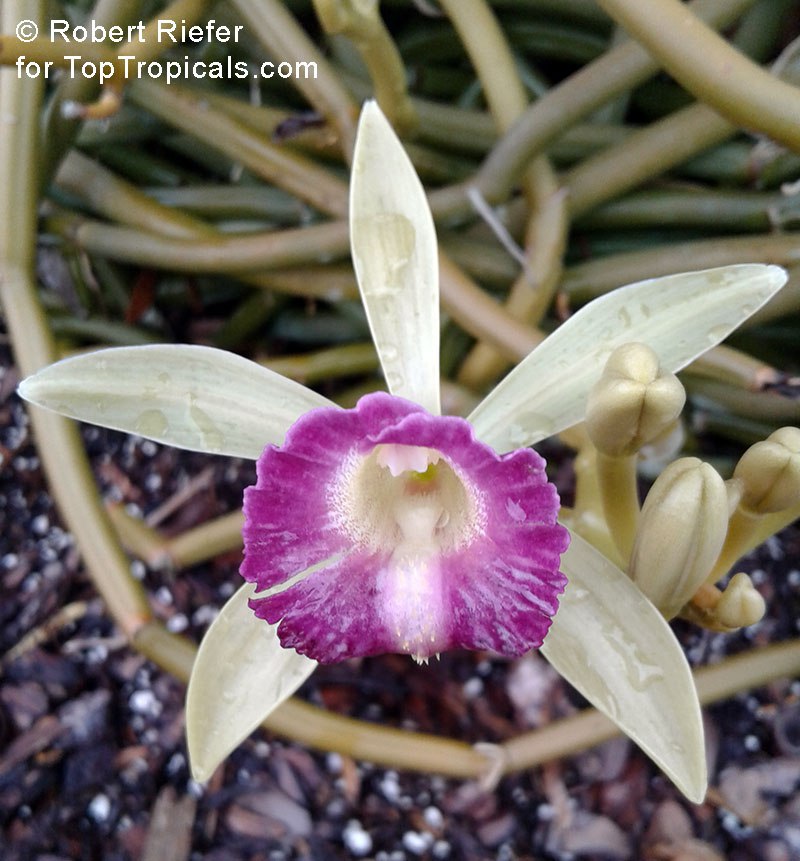
🏵 Ground orchids come in many colors and shapes.
🏵 Ground orchids will be happy to bloom in sun or shade and are very easy to grow!
What are the best small fruit trees that will produce right away?
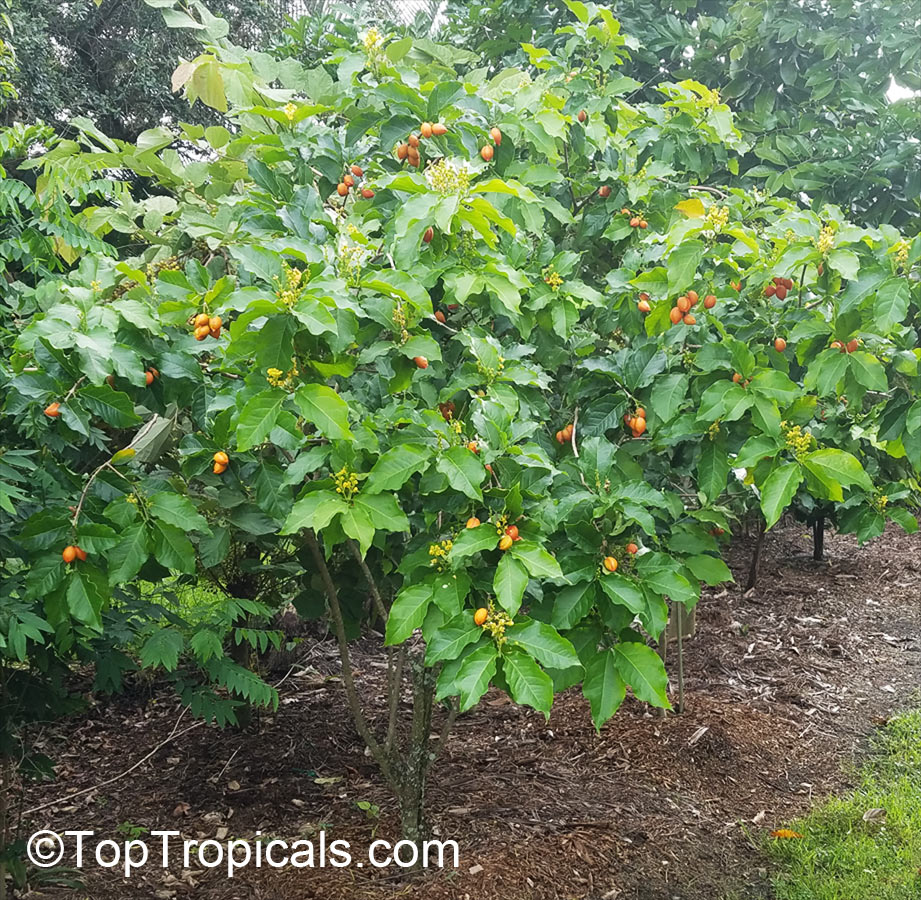
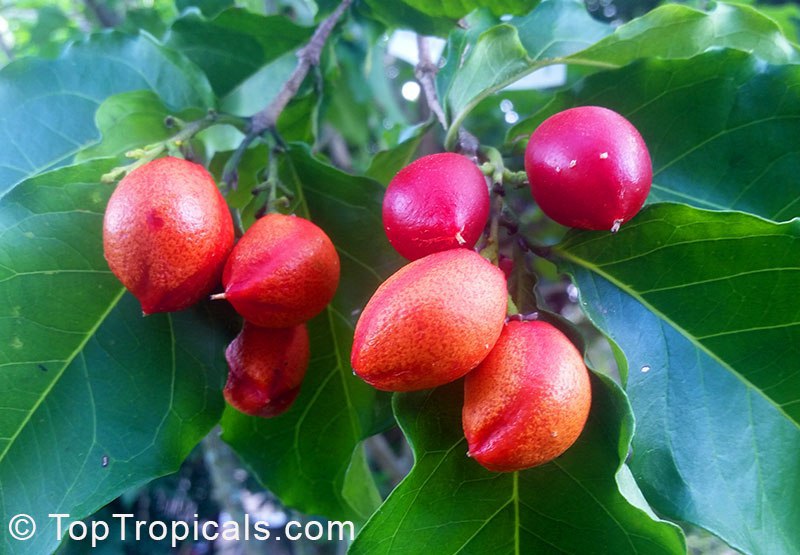
Bunchosia argentea - Peanut Butter Tree
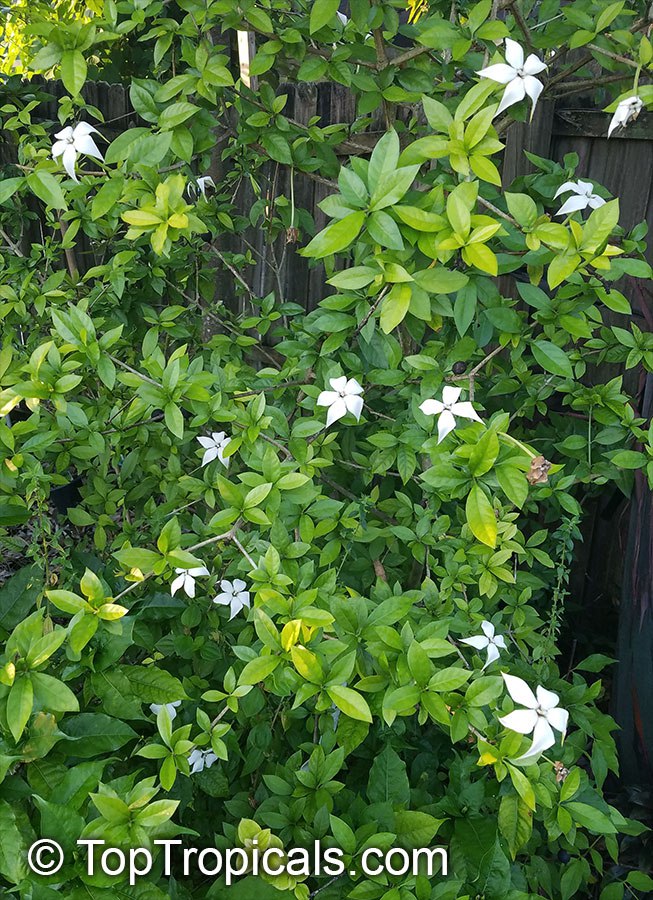
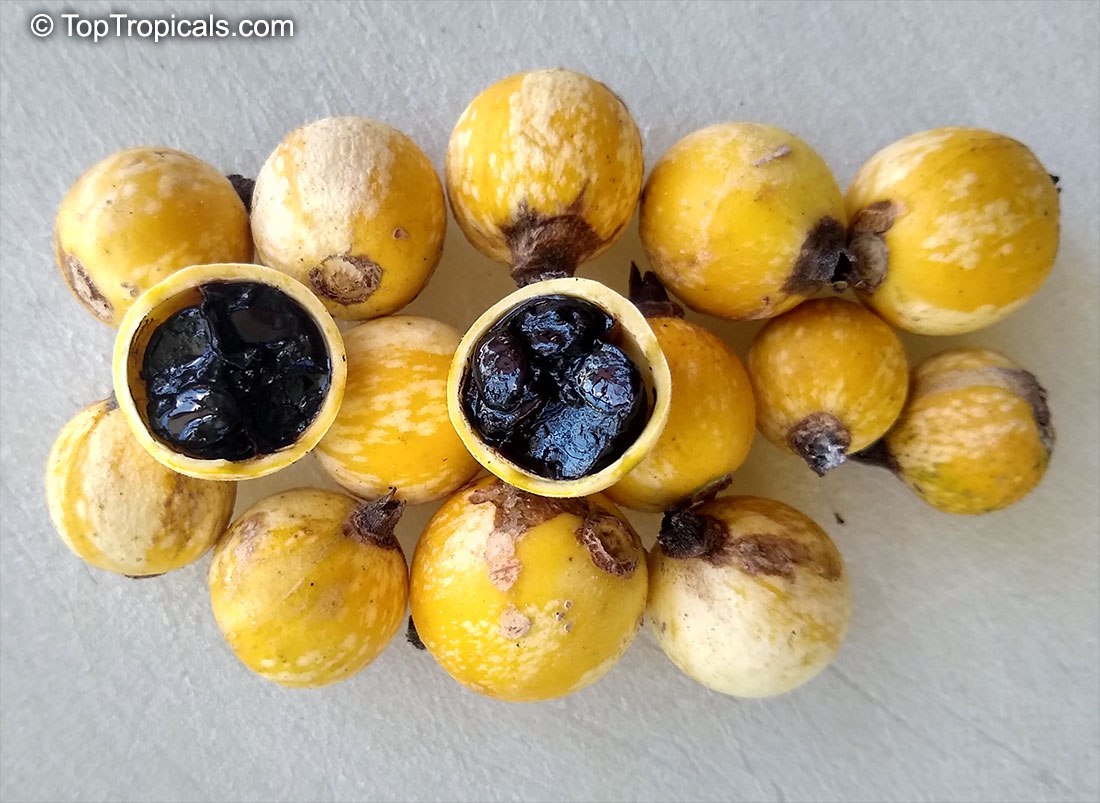
Randia formosa - Blackberry Jam Fruit, Jasmin de Rosa
❔ What are the best small fruit trees that will produce right away? Peanut Butter Tree and Blackberry Jam Tree!
⬆️ These two little trees are absolute winners and will produce fruit for your right away, whether you grow them in container or in your small garden:
Bunchosia argentea - Peanut Butter Tree, earns its name from its fleshy fruits that boast a delightful peanut butter flavor.
Randia formosa - Blackberry Jam Fruit, Jasmin de Rosa - a curious small evergreen tree that combines features of a fragrant flower and delicious dessert fruit which tastes like fresh Blackberry jam. Fragrant white flowers are similar to Gardenia.
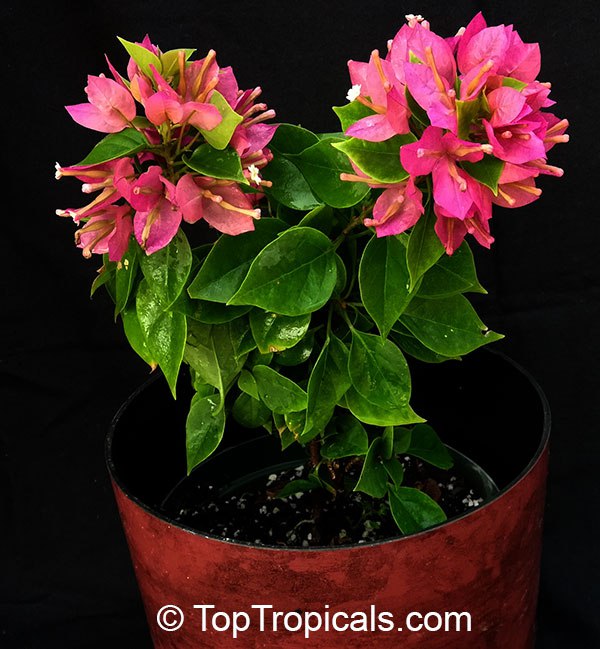
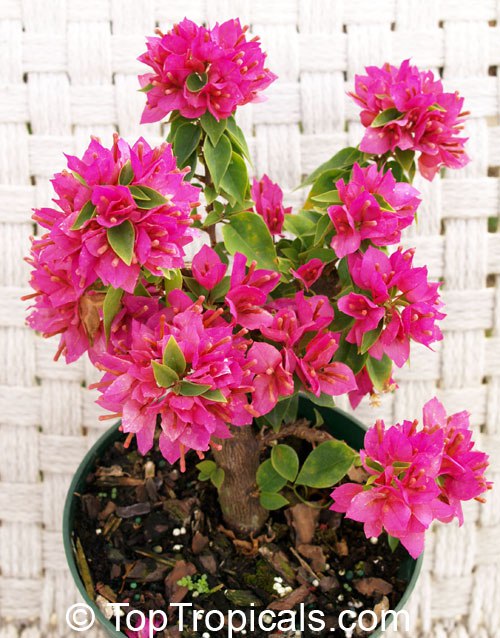
🌸 Choose a Variety: Select a dwarf variety or one with smaller leaves and flowers for easier training. The best dwarfs are "Pixie" and "Sunvillea" varieties.
🌸 Potting: Use a small, shallow bonsai pot with good drainage. A bonsai soil mix is ideal as it provides proper aeration and drainage.
🌸 Pruning and Training: Regularly prune to maintain shape and encourage new growth. Use wire to train branches, but be careful not to damage the plant. Prune after flowering to shape and maintain size.
🌸 Watering and Feeding: Water thoroughly when the soil is dry but avoid waterlogging. Use a liquid fertilizer such as Sunshine Megaflor for profuse flowering.
🌸 Light: Place in a sunny location, as bougainvilleas require plenty of light to thrive and bloom.
🔥 How to grow your own Pepper plants. Five most valuable 'Pipers'. ℹ️ Leafy Pepper plants - Pipers - are a source of black pepper and many other "peppery" flavors. These plants come from the Piperaceae family and are used as a spice for their pungent, peppery flavor. Don't confuse them with with Capsicum peppers, such as bell and chili peppers.
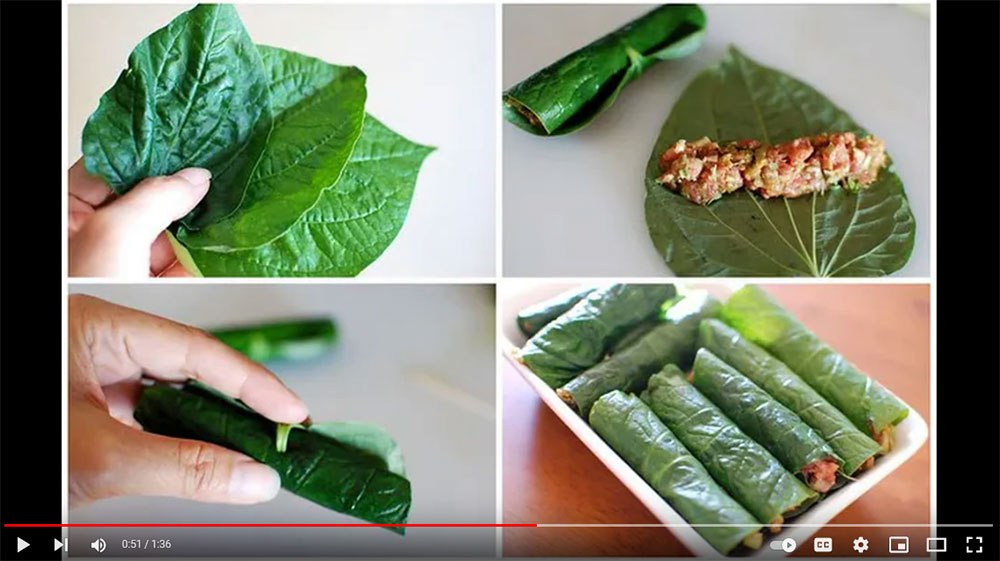
Piper sarmentosum - Vietnamese Pepper, Lalot: it is eaten raw in salads or cooked with other greens or dishes, or wrap meats and cook in oven or on stove or grill. It is used medicinally in India and SE Asia. The root is also chewed with Betel Nut as a tonic and medicine. The leaves are used as food (food wraps) in Vietnam.
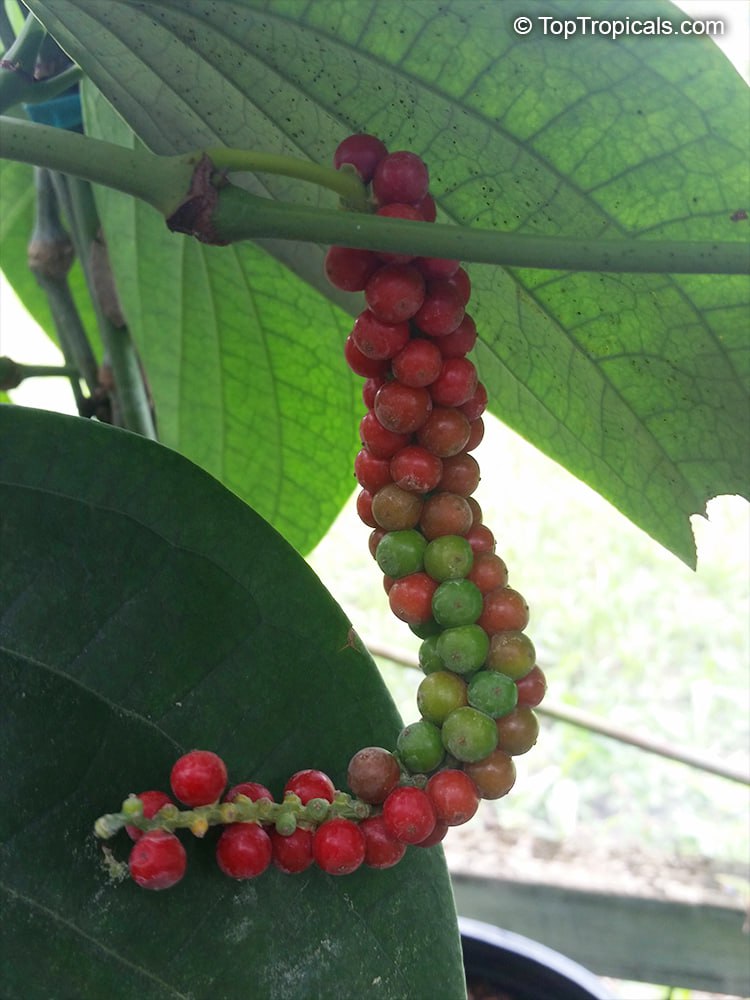
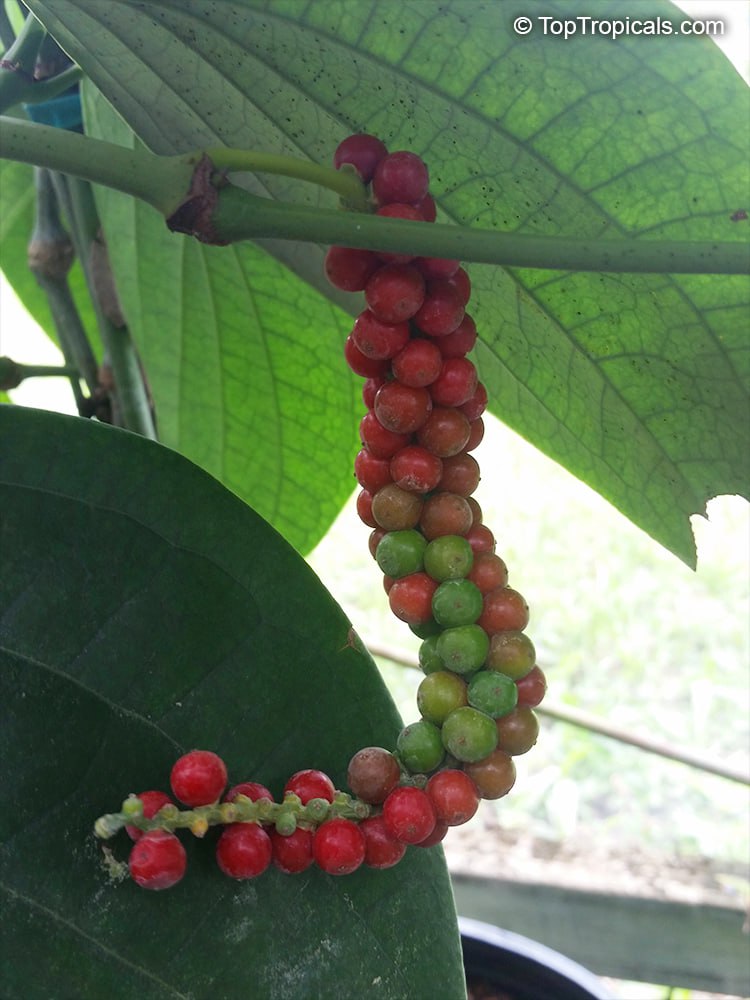
🔻Piper nigrum - Black Pepper: While black and white pepper were already known in antiquity, but green pepper (and even more, red pepper) is a recent invention. Pungent and aromatic. The pungency is strongest in white pepper and weakest in green pepper, while black and green pepper are more aromatic than the white one. Moderate growing vine that can be grown on a trellis. Prefers shade to semi-shade.
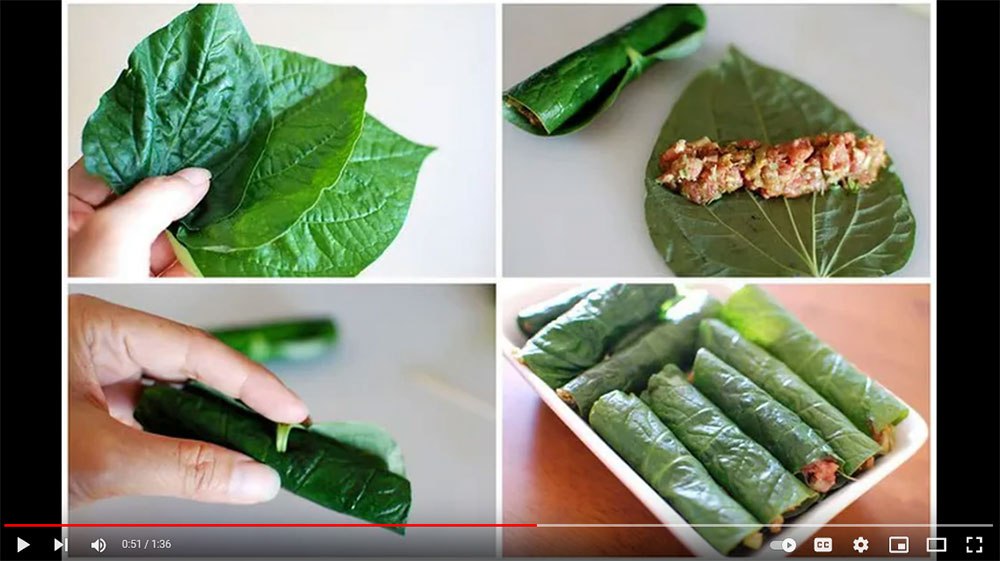
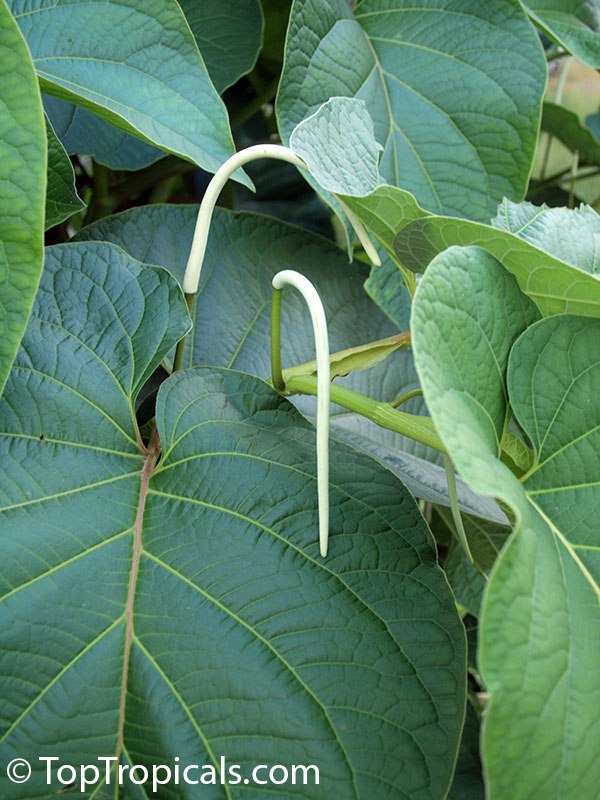
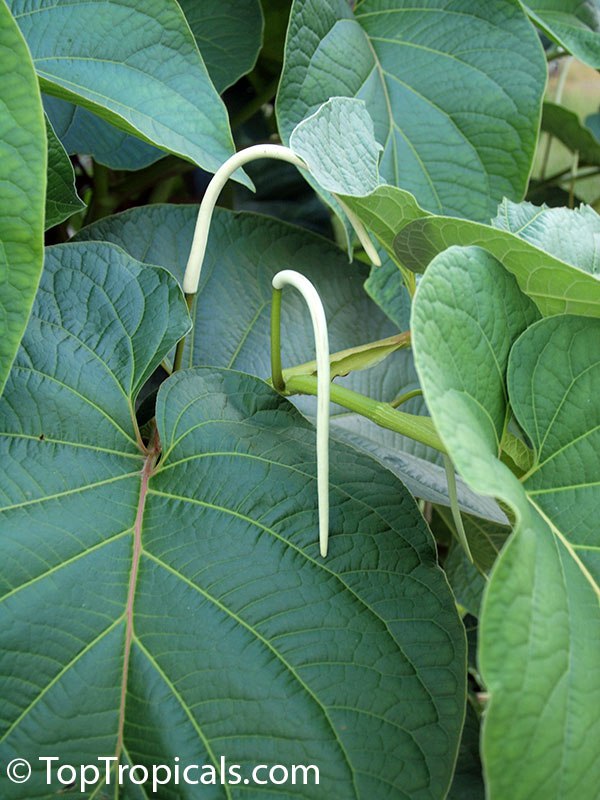
🔻 Piper auritum - Root Beer Plant, False Kava-Kava: close relative of Piper methysticum (Kava-Kava) and probably has some similar tonic effects. It is used for its spicy aromatic scent and flavor, liken to root beer, or to anise-clove. Huge leaves can grow over a foot long. The leaves are used for flavoring, as wrappings for meats and tamales.
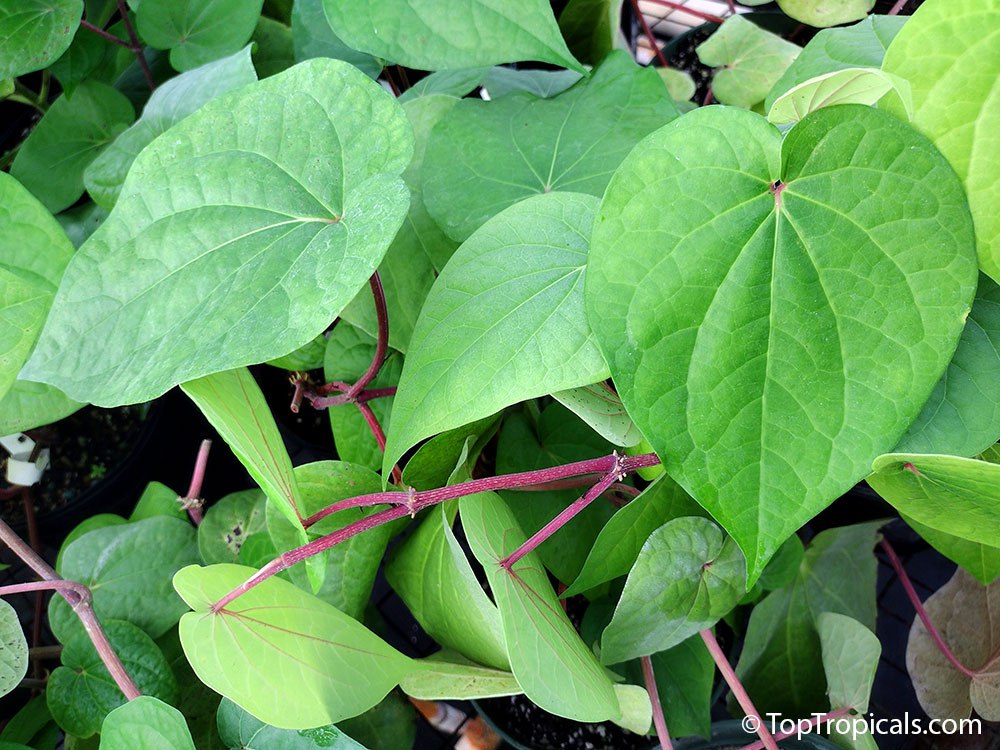
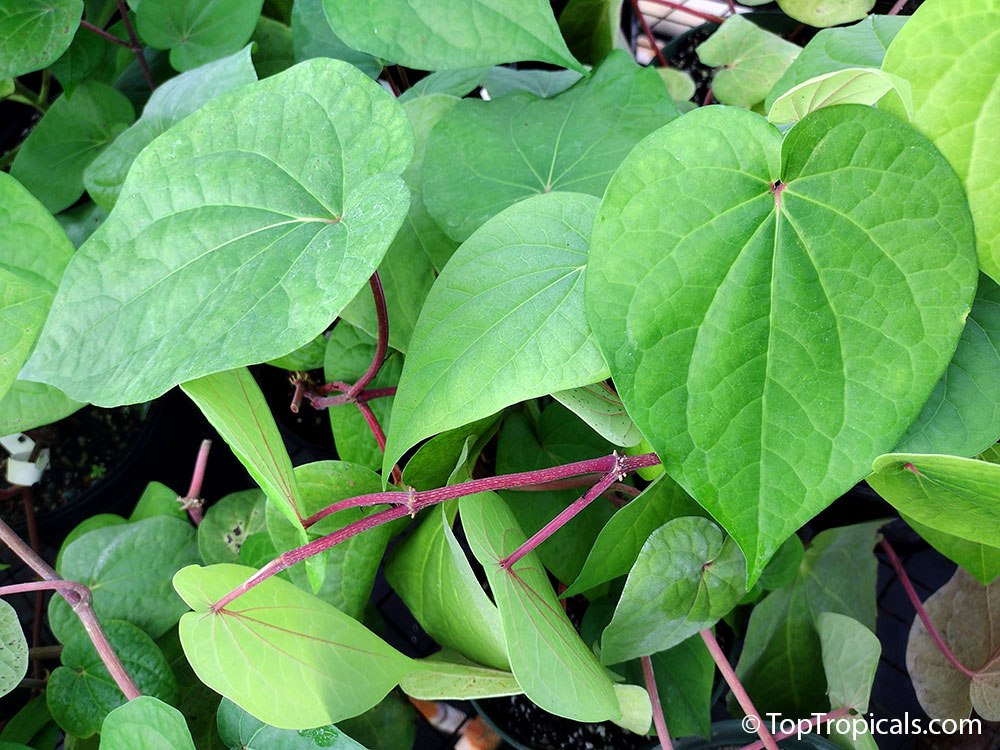
🔻 Piper betle - Betel leaf: very popular Indian spice with medicinal properties. Chewed with Betel Nut as a tonic and medicine. Great for wrapping food (similar to grape leaves).
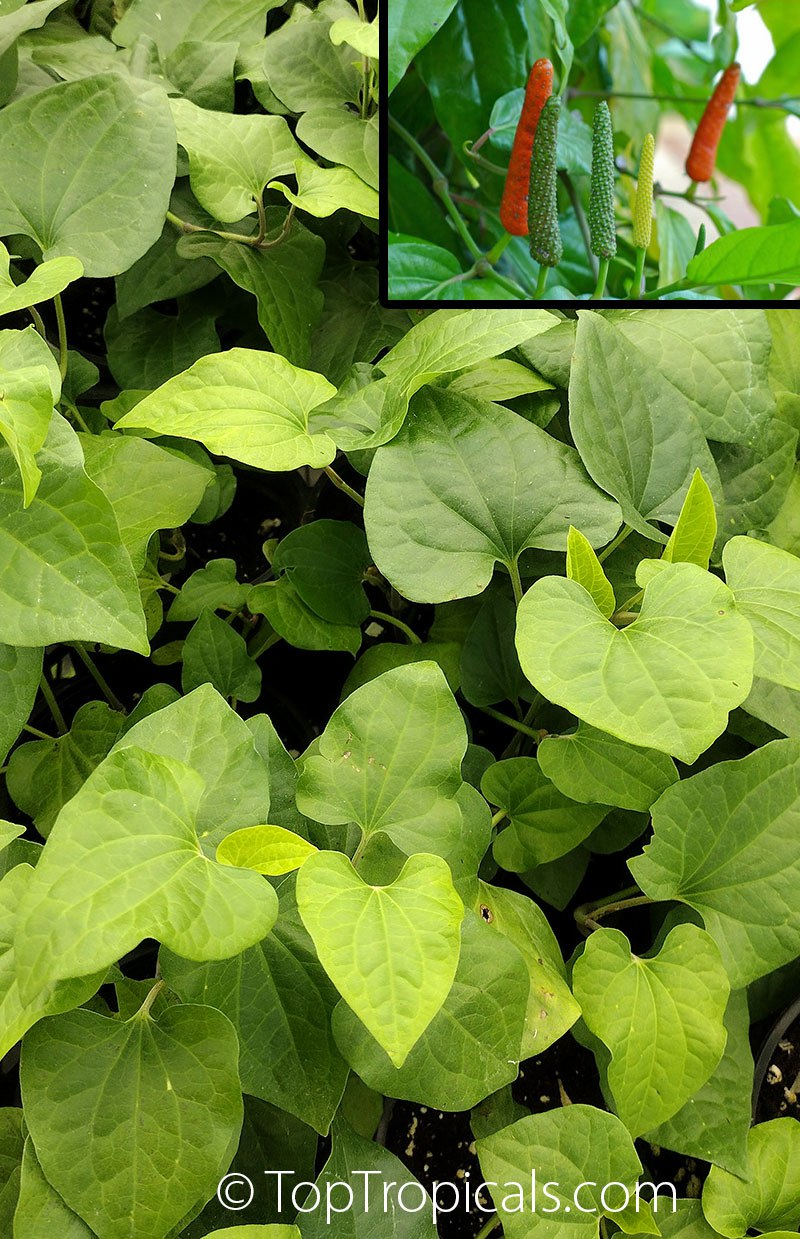
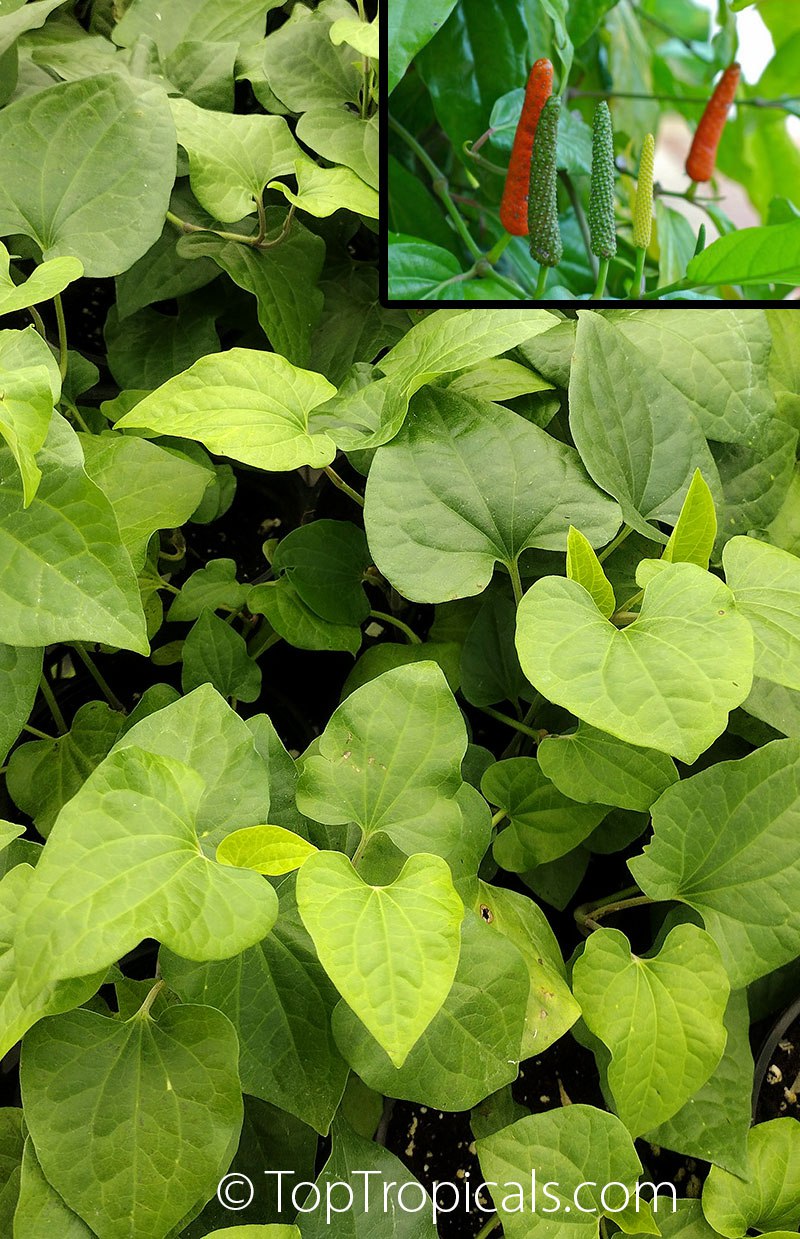
🔻Piper longum - Indian Long Pepper, Pippali, Bengal Pepper: edible and medicinal plant used as spice and in traditional Chinese medicine. Fruit used as a spice and seasoning. It has sweeter and less pungent taste than Black pepper. Highly valued medicinal plant used to treat respiratory infections, stomachache, bronchitis, cough, and much more.
🔥 How to grow your own Pepper plants. Five most valuable 'Pipers'. ℹ️ Leafy Pepper plants - Pipers - are a source of black pepper and many other "peppery" flavors. These plants come from the Piperaceae family and are used as a spice for their pungent, peppery flavor. Don't confuse them with with Capsicum peppers, such as bell and chili peppers.
Piper sarmentosum - Vietnamese Pepper, Lalot: it is eaten raw in salads or cooked with other greens or dishes, or wrap meats and cook in oven or on stove or grill. It is used medicinally in India and SE Asia. The root is also chewed with Betel Nut as a tonic and medicine. The leaves are used as food (food wraps) in Vietnam.
🔻Piper nigrum - Black Pepper: While black and white pepper were already known in antiquity, but green pepper (and even more, red pepper) is a recent invention. Pungent and aromatic. The pungency is strongest in white pepper and weakest in green pepper, while black and green pepper are more aromatic than the white one. Moderate growing vine that can be grown on a trellis. Prefers shade to semi-shade.
🔻 Piper auritum - Root Beer Plant, False Kava-Kava: close relative of Piper methysticum (Kava-Kava) and probably has some similar tonic effects. It is used for its spicy aromatic scent and flavor, liken to root beer, or to anise-clove. Huge leaves can grow over a foot long. The leaves are used for flavoring, as wrappings for meats and tamales.
🔻 Piper betle - Betel leaf: very popular Indian spice with medicinal properties. Chewed with Betel Nut as a tonic and medicine. Great for wrapping food (similar to grape leaves).
🔻Piper longum - Indian Long Pepper, Pippali, Bengal Pepper: edible and medicinal plant used as spice and in traditional Chinese medicine. Fruit used as a spice and seasoning. It has sweeter and less pungent taste than Black pepper. Highly valued medicinal plant used to treat respiratory infections, stomachache, bronchitis, cough, and much more.
Piper longum - Indian Long Pepper, Pippali, Bengal Peppe
🔥 How to grow your own Pepper plants. Five most valuable 'Pipers'. ℹ️ Leafy Pepper plants - Pipers - are a source of black pepper and many other "peppery" flavors. These plants come from the Piperaceae family and are used as a spice for their pungent, peppery flavor. Don't confuse them with with Capsicum peppers, such as bell and chili peppers.
Piper sarmentosum - Vietnamese Pepper, Lalot: it is eaten raw in salads or cooked with other greens or dishes, or wrap meats and cook in oven or on stove or grill. It is used medicinally in India and SE Asia. The root is also chewed with Betel Nut as a tonic and medicine. The leaves are used as food (food wraps) in Vietnam.
🔻Piper nigrum - Black Pepper: While black and white pepper were already known in antiquity, but green pepper (and even more, red pepper) is a recent invention. Pungent and aromatic. The pungency is strongest in white pepper and weakest in green pepper, while black and green pepper are more aromatic than the white one. Moderate growing vine that can be grown on a trellis. Prefers shade to semi-shade.
🔻 Piper auritum - Root Beer Plant, False Kava-Kava: close relative of Piper methysticum (Kava-Kava) and probably has some similar tonic effects. It is used for its spicy aromatic scent and flavor, liken to root beer, or to anise-clove. Huge leaves can grow over a foot long. The leaves are used for flavoring, as wrappings for meats and tamales.
🔻 Piper betle - Betel leaf: very popular Indian spice with medicinal properties. Chewed with Betel Nut as a tonic and medicine. Great for wrapping food (similar to grape leaves).
🔻Piper longum - Indian Long Pepper, Pippali, Bengal Pepper: edible and medicinal plant used as spice and in traditional Chinese medicine. Fruit used as a spice and seasoning. It has sweeter and less pungent taste than Black pepper. Highly valued medicinal plant used to treat respiratory infections, stomachache, bronchitis, cough, and much more.
Where does Vanilla come from? How to grow your own Vanilla Beans.
❣️ Vanilla spice comes from Vanilla Orchid!
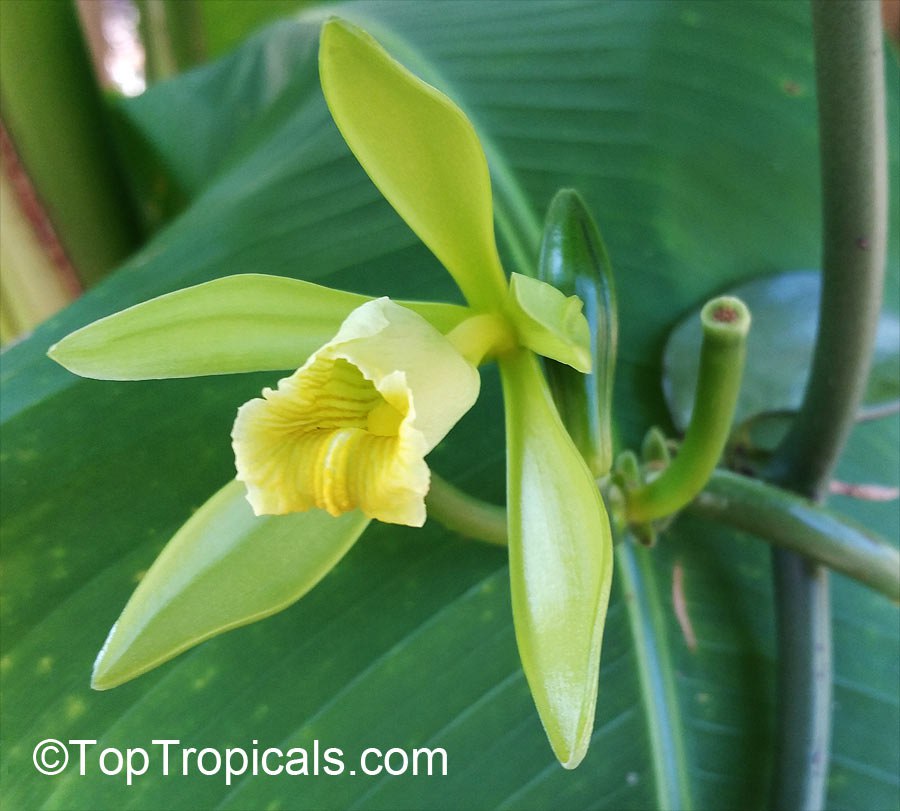
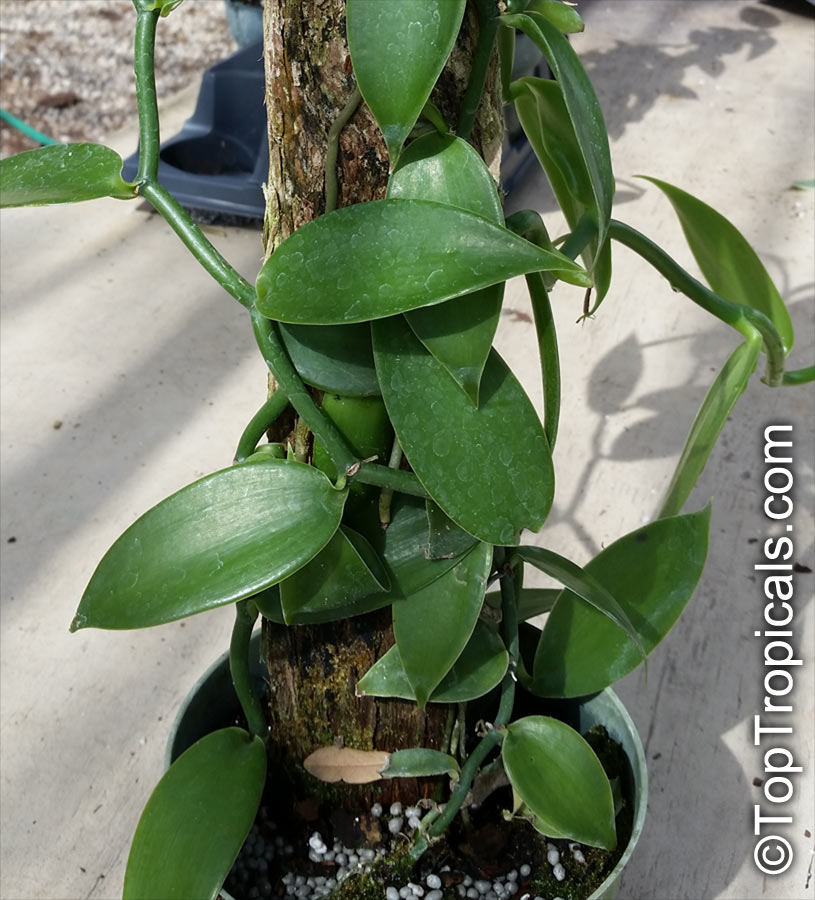
❣️ Vanilla planifolia is a leafy climbing orchid from hot, wet tropical America. It is grown for its pods which, when dried, become the commercial vanilla.
❣️ The flowers are
.
❣️ The Aztec Indians in Mexico used Vanilla Pods to flavor their chocolate drink 'Xoco-latl'. Vanilla was believed to be a tonic for the brain.
❣️ Vanilla Pods are picked green when they have no scent. The lengthy curing process, which develops fragrant aroma, is one reason for its high cost.
❣️ Vanilla orchid needs a flat, solid, porous support for climbing and in order to flower and produce seed pods. It can be grown over a log or a board (make sure the support wood is not chemically treated), or climb over a tree.
❣️ If really happy, Vanilla orchid can exceed 100 feet in length in just a few years. The plants flower only when mature, which takes a few years. It only flowers when it gets strongly attached to a support with its aerial roots.
❣️Vanilla orchid can be grown indoors as a house plant. Culture is similar to traditional orchids, however, it will need a support or trellis. Just keep in mind that for Vanilla Bean production, Vanilla Orchid must attach to a porous surface (like a wood log).