Garden Blog - Top Tropicals

Date: 20 Jan 2026

7 steps for a care-free Spanish Tamarind - the easiest rare fruit to grow
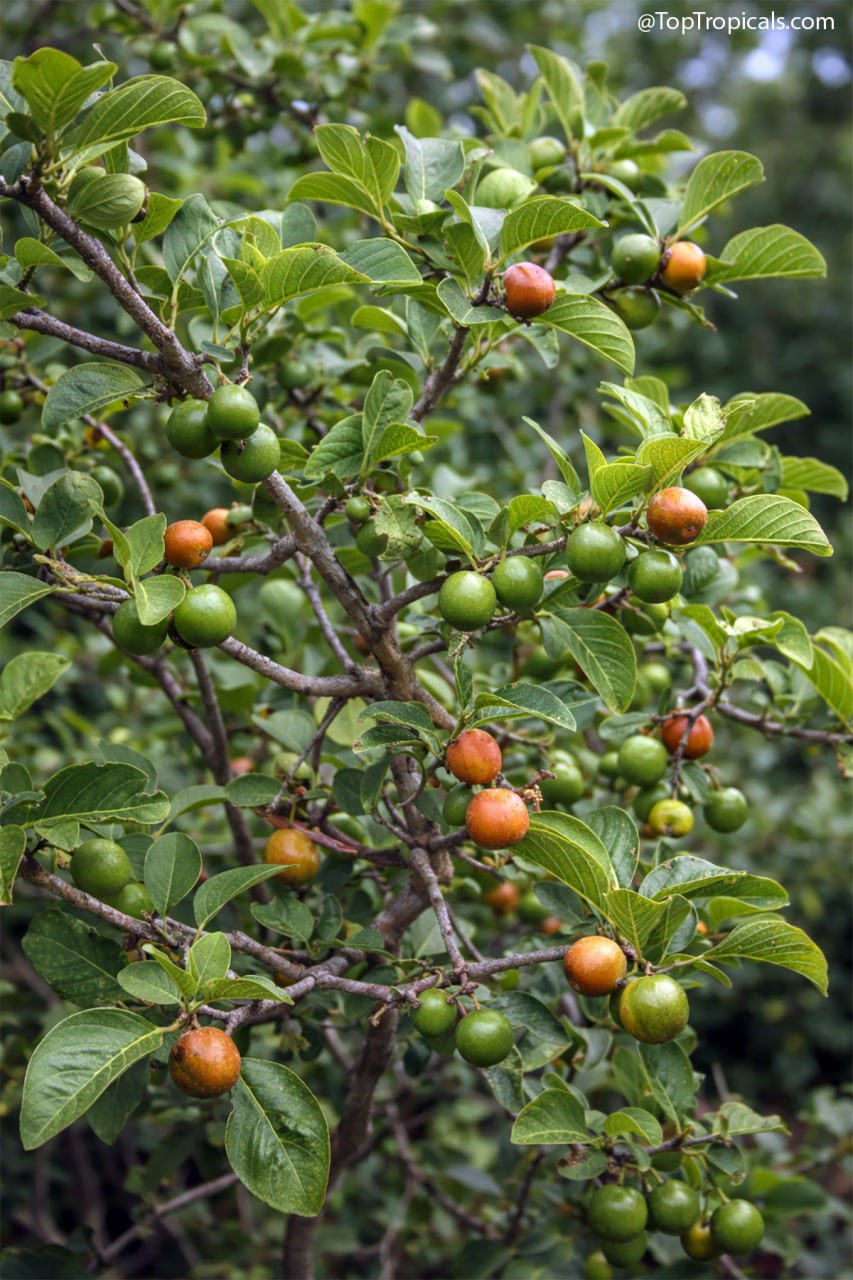
Vangueria infausta (Spanish Tamarind, Wild Medlar)

Vangueria infausta (Spanish Tamarind, Wild Medlar)

🍊 7 steps for a care-free Spanish Tamarind - the easiest rare fruit to grow


Yes, it can handle light frost - Vangueria infausta (Spanish Tamarind, Wild Medlar) - we just discovered it can handle cold snaps! After a few cold nights in January, our young tree planted just a few months ago, still looks happy and strong!
If you are looking for a tough little fruit tree that thrives on neglect but gives you something truly special in return - try this rare, compact fruit tree. Spanish Tamarind is native to southern Africa, it is drought-tolerant, pest-resistant, and surprisingly cold-hardy once established - making it a great choice even for gardeners in borderline zones.

Here’s how to grow this resilient gem:

🌞 Sun and soil


Spanish Tamarind loves full sun, but will tolerate light shade. It isn’t picky about soil as long as it drains well - sandy, rocky, or loamy, it will grow just fine. No special amendments needed.

💧 Watering


Once established, it's very drought tolerant, but young trees need regular watering to develop a deep root system. In containers, water when the top inch of soil is dry. In the ground, water deeply but infrequently.

❄️ Cold tolerance


Now for the surprise: while it’s considered a tropical fruit, Wild Medlar can handle brief dips into the mid-30s F without damage, especially when mature and dormant. In Sebring, FL, we’ve seen this tree shrug off light frosts with no protection!
And what makes this even more impressive? The tree has beautiful, lush velvet leaves - soft to the touch and tropical in appearance - yet surprisingly hardy for such large, tender-looking foliage.
  • · Young plants should be protected the first couple winters
  • · Grow in containers if you’re in USDA zone 8 or lower
  • · A little mulch around the base helps stabilize soil temps in winter


Growing in pots


This tree is very compact and does well in containers. Use a large, well-drained pot and a loose soil mix. Keep it outside in spring through fall, then bring it indoors before a hard frost. It grows slowly and stays compact for years, making it a great fit for patios or balconies.

🍊 When to expect fruit


With enough sun and time, your tree can start fruiting in 2-3 years. Mature trees can bear 20-40 small round fruits per season, ripening to a golden-brown with a tangy-sweet flavor. The fruiting season may vary depending on your local climate, but typically occurs in late summer to fall.

🛠 Maintenance? Almost none.

  • · No special pruning needed (except to shape)
  • · No major pests or diseases reported
  • · Tough and low-maintenance in the landscape


🏆 Final thought: grow it for the surprise


Spanish Tamarind - Wild Medlar - is a tree that rewards patience. It's unusual, beautiful in its own scruffy way, and packs a punch with cold tolerance, drought resistance, and tasty fruit. Spanish Tamarind belongs in every experimental garden or food forest - especially if you love growing things no one else in the neighborhood has.

🛒 Add rare Spanish Tamarind to your rare fruit collection

📚 Learn more:

Plant Facts

Vangueria infausta
Wild Medlar, Spanish Tamarind
USDA Zone: 9-11
Small tree 10-20 ftFull sunModerate waterEdible plantDeciduous plantEthnomedical plant.
Plants marked as ethnomedical and/or described as medicinal, are not offered as medicine but rather as ornamentals or plant collectibles.
Ethnomedical statements / products have not been evaluated by the FDA and are not intended to diagnose, treat, cure, or prevent any disease. We urge all customers to consult a physician before using any supplements, herbals or medicines advertised here or elsewhere.Subtropical plant. Mature plant cold hardy at least to 30s F for a short time
  • Vangueria infausta - Spanish Tamarind in Plant Encyclopedia
  • The wild fruit with a secret: health benefits of rare Spanish Tamarind - the exotic fruit you've never heard of

  • #Food_Forest #Remedies #Discover

    🟢 Join 👉 TopTropicals
    Date: 17 Jan 2026

    Ti plant leaf color meaning

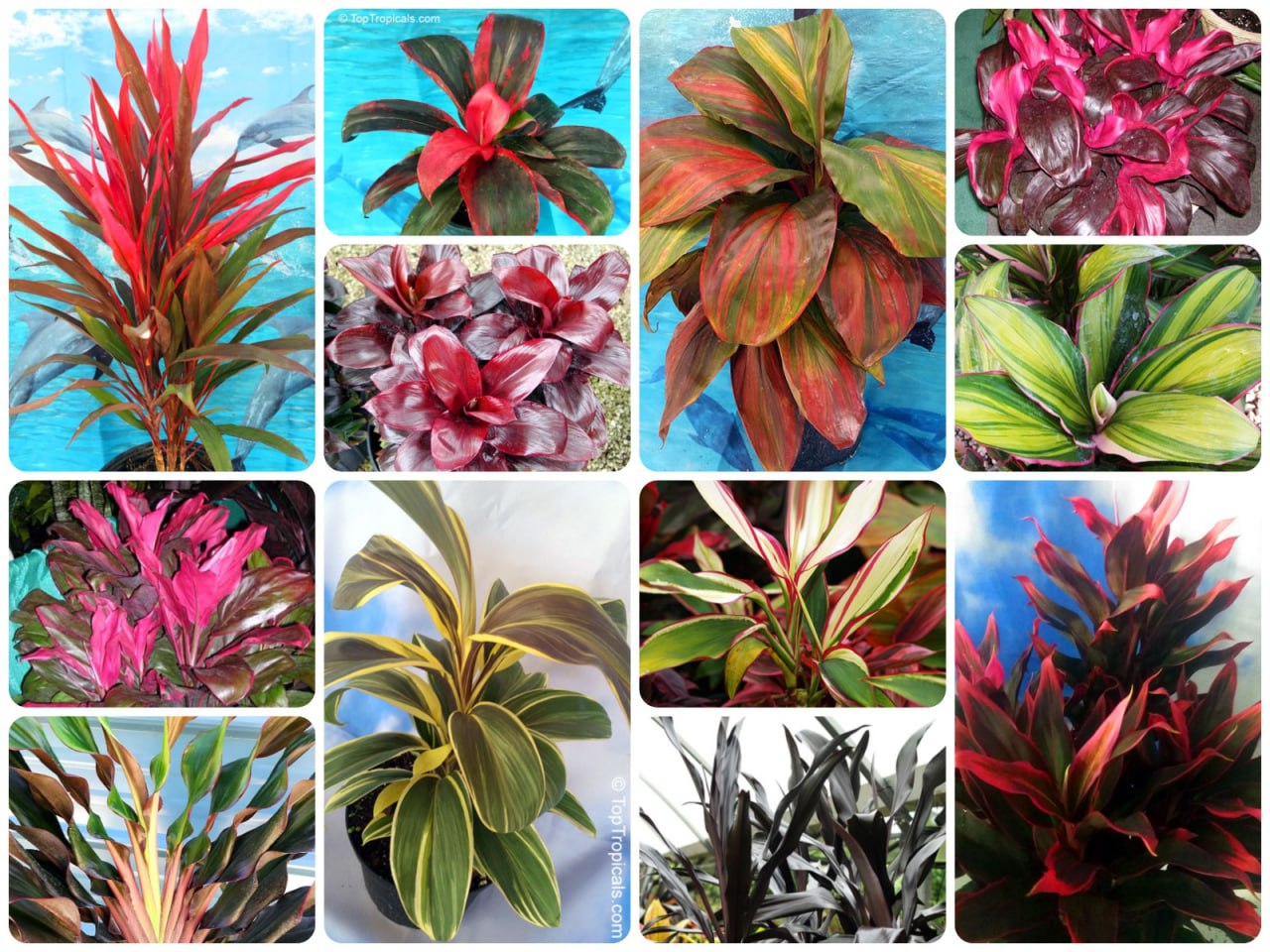
    Hawaiian Ti plant (Cordyline fruticosa)

    Hawaiian Ti plant (Cordyline fruticosa)

    🌈 Ti plant leaf color meaning


    The Hawaiian Ti plant (Cordyline fruticosa) is more than just a colorful tropical accent. Across Polynesian, Hawaiian, and Southeast Asian cultures, the color of ti plant leaves has long been associated with different meanings, moods, and uses - both symbolic and practical.
    • 🌈 Green leaves
    • Green ti plants are linked to peace, balance, and steady growth. Traditionally, they were planted around homes for protection and good fortune. In the garden, green varieties are usually the toughest and most shade-tolerant.
    • 🌈 Red and deep burgundy leaves
    • Red ti plants are associated with strength, power, and protection. In Hawaiian tradition, red ti leaves were believed to ward off negative energy and were often used in ceremonies. Garden-wise, deeper reds usually mean more sun exposure and stronger pigmentation.
    • 🌈 Pink, magenta, and multicolor leaves
    • These colorful ti plants symbolize joy, celebration, and creativity. They are often used as ornamental focal points and in festive plantings. Variegated and pink types tend to prefer brighter light to keep their colors sharp.
    • 🌈 Purple and dark-toned leaves
    • Purple ti plants are linked to mystery, spirituality, and transformation. Their dramatic color comes from high anthocyanin levels and usually intensifies in bright light with good nutrition.
    • 🌈 Yellow or light variegation
    • Yellow tones often represent optimism and new beginnings. Plants with lighter variegation may grow a bit slower and need protection from harsh sun, but they add a softer contrast in tropical landscapes.
    • 🌈 One practical note
    Leaf color is influenced not just by variety, but also by light, temperature, and nutrition. Fading color usually means too little light or depleted soil, while rich, bold tones signal a happy plant.

    Ti plant colors tell a story - part cultural tradition, part plant health, and part personal style in your garden.

    🛒 Ti plants rainbow: collect them all

    📚 Learn more:

    Plant Facts

    Cordyline fruticosa, Cordyline terminalis
    Hawaiian Ti Leaf
    USDA Zone: 9-11
    Large shrub 5-10 ft tallSmall plant 2-5 ftSemi-shadeShadeFull sunRegular waterOrnamental foliageUnusual colorPink flowersSubtropical plant. Mature plant cold hardy at least to 30s F for a short time
  • Cordyline fruticosa in Plant Encyclopedia
  • Ti plant: bold color, easy care
  • Color that lasts year-round

  • #Container_Garden #Hedges_with_benefits #Shade_Garden #Discover #Horoscope

    🟢 Join 👉 TopTropicals

    Date: 12 Jan 2026

    Watch how to squeeze natural shampoo from the Ginger!

    Shampoo Ginger, Zingiber zerumbet, Pine Cone Ginger

    💄 Watch how to squeeze natural shampoo from the Ginger!

    • 🎆 Shampoo ginger uses and fragrance


      Shampoo Ginger, also known as Zingiber zerumbet or Pine Cone Ginger, is one of those plants that sounds too good to be true - but isn’t. This tropical ginger has been used for centuries not just as an ornamental plant, but as a practical, fragrant, everyday resource.
    • 🎆 Natural shampoo from a flower cone


      The most famous use of shampoo ginger comes from its bright red, pine cone-shaped flower bracts. When the cones mature, they fill with a milky, slippery liquid. Simply squeezing the cone releases this natural cleanser, traditionally used as shampoo in Asia and Hawaii. It gently cleans hair, leaves it soft, and adds a light, fresh scent. Even today, extracts of shampoo ginger are still used in commercial shampoos and hair products.
    • 🎆 Fragrance throughout the entire plant


      Shampoo ginger isn’t just useful - it smells amazing. The leaves, stems, and cones all carry a warm, spicy fragrance typical of true gingers. The scent is fresh and clean, with earthy and slightly citrusy notes. Because of this, the plant has also been used in traditional body rinses, hair treatments, and natural perfumes.
    • 🎆 More than hair care


      Beyond shampoo, the cones are popular as long-lasting cut flowers, often used in tropical floral arrangements. The plant itself grows into a lush, leafy clump that adds strong tropical character to gardens, especially in warm, humid climates.
    • 🎆 A plant with a traveling history


      Shampoo ginger is also known as a “canoe plant.” Ancient Polynesian voyagers intentionally carried it across the Pacific as they settled new islands. Its usefulness, fragrance, and beauty made it valuable enough to earn a place on long ocean journeys.

      Shampoo ginger is a rare mix of beauty, history, fragrance, and function - a plant that proves some of the most interesting garden plants are also the most practical.


    🛒 Get your own natural shampoo from Pine Cone Ginger

    📚 Learn more:

    Plant Facts

    Zingiber zerumbet
    Pine Cone Ginger, Shampoo Ginger
    USDA Zone: 9-11
    Small plant 2-5 ftSemi-shadeShadeRegular waterRed, crimson, vinous flowersOrnamental foliage
  • 🔴Zingiber zerumbet in Plant Encyclopedia
  • 🔴Do you have Shampoo Ginger in your garden?
  • 🔴Free natural shampoo: squeeze it and see what comes out!
  • 🔴What Ginger makes a natural shampoo
  • 🔴5 most spectacular Ginger species

  • #Shade_Garden #Container_Garden #Remedies #Discover #Food_Forest

    🟢 Join 👉 TopTropicals

    Date: 11 Jan 2026

    How to lose weight naturally with tropical fruit and plants

    Fat orange cat on treadmill with tropical fruit that help lose weight naturally

    Fat orange cat on treadmill with tropical fruit that help lose weight naturally

    🍑 How to lose weight naturally with tropical fruit and plants


    🏃‍♀️ Losing weight isn’t about starving yourself - it’s about supporting your body with the right nutrients and keeping things balanced. Plants can help by boosting your metabolism, keeping you full longer, improving digestion, and regulating blood sugar. When you build a food forest with the right plants, you’re investing in long-term health that tastes good and feels good.

    🏆 15 TOP TROPICAL plants and fruits that naturally help with weight management:

    • 💚 Papaya – Contains enzymes like papain that aid digestion, and it’s high in water and fiber—great for feeling full.
    • 💚 Mango – Supports fat metabolism and reduces inflammation. Its fiber helps regulate appetite and digestion.
    • 💚 Avocado – Full of healthy fats and fiber, avocado helps you feel satisfied longer and supports steady energy levels.
    • 💚 Banana – Rich in resistant starch (especially when underripe), bananas help support gut health and fat metabolism.
    • 💚 Jackfruit – High in fiber and low in fat, this fruit keeps blood sugar steady and supports slow, sustained energy.
    • 💚 Yerba Mate – A natural tea with gentle stimulant properties that may help reduce appetite and increase fat burn.
    • 💚 Moringa – Known as a superfood, moringa helps regulate blood sugar and boosts metabolism with powerful nutrients.
    • 💚 Galangal (Thai Ginger) – Supports digestion and contains compounds that may help increase fat burning, like regular ginger.
    • 💚 Cinnamon – Can improve insulin sensitivity and help with sugar cravings, making it easier to stay on track.
    • 💚 Insulin Ginger (Costus igneus) – Traditionally used to manage blood sugar, it also supports digestion and energy. Chewing the spiraled leaves or brewing them as tea is a natural way to get more from your garden.
    • 💚 Dragon Fruit – Extremely high in fiber, dragon fruit supports healthy digestion and helps regulate metabolism, which can aid weight loss.
    • 💚 Pomegranate – Used for centuries in Ayurvedic medicine to improve metabolism. Its antioxidant-rich juice supports fat burning and digestion.
    • 💚 Tea Leaf Tree (Camellia sinensis) – The source of green, black, and white tea. These teas are linked to metabolism boost, heart health, and appetite regulation.
    • 💚 Noni – A powerhouse fruit traditionally used for inflammation, immune health, blood sugar balance, and metabolism support. It may also help reduce fat accumulation and boost overall vitality.
    • 💚 Canistel (Eggfruit, Pouteria campechiana) is a naturally sweet, nutrient-dense fruit that helps curb sugar cravings while keeping you full longer. Its rich fiber content and slow-digesting carbs make it a great choice for supporting weight management without reaching for processed snacks.


    ❗️When you grow these plants in your home garden or food forest, you're not just planting food - you’re planting tools for better health.
    And bonus: gardening itself keeps you active and stress-free, which is another win for your waistline.


    🛒 Explore tropical fruit and edibles

    📚 Learn more about natural weight loss with plants:


    #Food_Forest #Remedies #Discover

    🟢 Join 👉 TopTropicals

    Date: 9 Jan 2026

    Mango Tree for Zone 5: top 15 Condo Mango for growing in cold areas

    Mango Tree for Zone 5

    🥭 Mango Tree for Zone 5: top 15 Condo Mango for growing in cold areas

    • 🥭 Can you grow a mango tree in Zone 5? Short answer - yes! The trick is - containers!
    • Mango trees are tropical plants but they do great in pots when you choose the right varieties.
    • 🥭 Compact types stay short, respond well to pruning, and produce in containers.
    • You can grow them on a patio, balcony, even move them indoors in your condo for winter. That is why they are called condo mangoes!
      During warm months, they live outside.
      When cold weather hits, they come inside.
    • 🥭 With good light, proper watering, fertilizing, and some patience, these trees can reward you with real mangoes. Not a farm harvest, but enough to enjoy and share.


    🏆 Most popular Condo Mango varieties:


    Baptiste
    Carrie
    Cogshall
    Diamond
    Fairchild
    Ice Cream
    Julie
    Keitt
    Lancetilla
    Lemon Meringue
    Mallika
    Nam Doc Mai
    Okrung
    Pickering
    Venus

    🛒 Discover Condo Mango

    📚 Learn more:
    #Food_Forest #How_to #Discover #Mango

    🟢 Join 👉 TopTropicals

    Date: 9 Jan 2026

    Moringa leaves made simple - daily benefits and 6 easy recipes

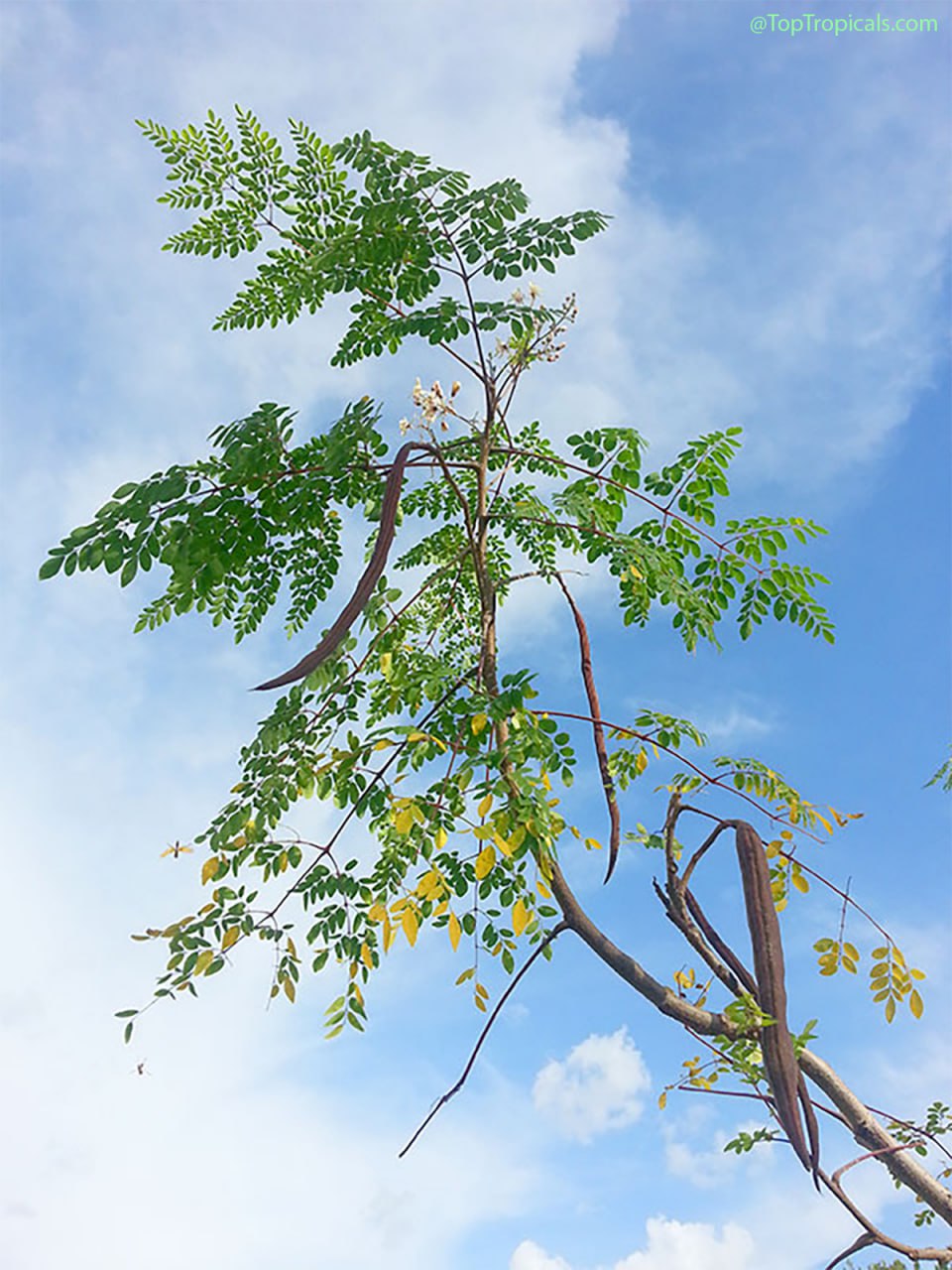
    Moringa oleifera leaves and flowers

    Moringa oleifera leaves and flowers

    Moringa oleifera leaves on a branch

    Moringa oleifera leaves on a branch

    🌳 Moringa leaves made simple - daily benefits and 6 easy recipes


    Moringa tree is called the Tree of Life for a reason. Moringa leaves, often called miracle greens, are packed with vitamins A, C, and E, calcium, iron, potassium, and plant protein. Regular use supports immunity, digestion, skin health, energy levels, and overall vitality. Traditionally, moringa has also been used to support blood sugar balance, heart health, and inflammation control thanks to its rich supply of antioxidants and bioactive compounds like flavonoids and polyphenols.

    ❤️ Key benefits of eating moringa leaves daily:

    • 🌿 Supports blood sugar balance


      Moringa may improve insulin sensitivity and help stabilize blood sugar, reducing sudden energy crashes. Regular intake has been linked to better glycemic control and reduced inflammation.
    • 🌿 Improves digestion


      High fiber supports gut health, while natural detoxifying compounds help liver function. Moringa may also promote healthy gut bacteria and improve digestion regularity.
    • 🌿 Fights inflammation


      Moringa leaves contain compounds that help reduce inflammatory markers in the body, supporting joint, heart, and overall cellular health.


    6 easy moringa recipes to try

    • 🌿 Moringa laddoo


      Roast whole wheat flour in ghee, add fresh moringa leaves, jaggery, nuts, sesame seeds, and cardamom. Shape into laddoos and store airtight.
    • 🌿 Moringa smoothie


      Blend fresh moringa leaves, banana, curd, honey, and water. Top with soaked chia seeds and drink fresh.
    • 🌿 Moringa dal


      Cook toor dal with turmeric. Saute moringa leaves, onion, tomato, garlic, and chilies in ghee, mix into dal, and finish with cumin and asafoetida tempering.
    • 🌿 Moringa paratha


      Knead wheat flour with moringa leaves, onion, spices, and salt. Roll and cook on a hot tawa with oil or ghee.
    • 🌿 Moringa chutney


      Grind moringa leaves with coconut, green chilies, ginger, lemon juice, and salt. Serve fresh.
    • 🌿 Moringa tea


      Simmer fresh or dried moringa leaves in water for a few minutes, strain, and enjoy warm with honey or lemon if desired.


    🛒 Grow your own Tree of Life - Moringa

    📚 Learn more:

    Plant Facts

    Moringa oleifera, Moringa pterygosperma
    Horseradish tree, Ben Oil Tree, Coatli, Drumstick tree, Bridal veil, Miracle Tree
    USDA Zone: 9-11
    Plant used for bonsaiLarge tree taller than 20 ftSmall tree 10-20 ftFull sunModerate waterWhite, off-white flowersEdible plantPlant attracts butterflies, hummingbirdsDeciduous plantEthnomedical plant.
Plants marked as ethnomedical and/or described as medicinal, are not offered as medicine but rather as ornamentals or plant collectibles.
Ethnomedical statements / products have not been evaluated by the FDA and are not intended to diagnose, treat, cure, or prevent any disease. We urge all customers to consult a physician before using any supplements, herbals or medicines advertised here or elsewhere.Fragrant plantSubtropical plant. Mature plant cold hardy at least to 30s F for a short time
  • · Moringa oleifera in Plant Encyclopedia
  • · Moringa omelet recipe
  • · Moringa vs spinach: which one wins for nutrition?
  • · What edible plants and herbs can reduce your blood pressure
  • · Top 12 Eye-Supporting Fruit and Plants for Vitamin A - Retinol
  • · Memory & Cognitive Support (Brain Boosters) Edible Plants and Herbs
  • · How to grow drumsticks on a tree
  • · What is the most useful tree in the world?
  • · How to grow a happy Moringa Tree

  • #Food_Forest #Remedies #Discover #Trees #Recipes

    🟢 Join 👉 TopTropicals

    Date: 2 Jan 2026

    Why white-flesh Dragon fruits deserve more attention?

    White Dragon fruit varieties (Hylocereus undatus)

    🏆 Why white-flesh Dragon fruits deserve more attention?

    • ✔️ Fast growers, heavy producers.


      White-fleshed Dragon fruits are often overlooked, but they are the real workhorses of the Pitaya world. These varieties tend to be more vigorous, faster growing, and less demanding than red-fleshed types. They establish quickly, handle a wider range of conditions, and are usually heavier producers.
    • ✔️ Juicy, light, and refreshing.


      Flavor-wise, white-flesh types are milder and juicier, with higher water content and lower sugar. That makes them refreshing, hydrating, and a good choice for people watching sugar intake. Because they set fruit more reliably and produce larger crops, white-fleshed dragon fruits are often the best option for beginners and for anyone who wants dependable harvests without fuss.
    • ✔️ The sweetest of them all.


      Yellow-skinned dragon fruit with white flesh takes things one step further. While the plant itself is a bit slower and more selective, the fruit is the sweetest and most flavorful of all dragon fruits, often described as honeyed or tropical with pineapple notes.


    ✍️ The best white-fleshed Dragon fruit varieties:

    • 🔴 ⚪️ Red skin, white flesh (Hylocereus undatus): the most common and productive group. These plants are vigorous, fast-growing, and known for large fruit size. Flavor is mildly sweet and very refreshing, often compared to kiwi or pear. Excellent choice for heavy production and easy care.
    • Varieties: David Bowie, Delight, Hana, Lake Atitlan, Seoul Kitchen, Vietnamese Jaina, Hana

    • 🟡⚪️ Yellow skin, white flesh (Hylocereus, or Selenicereus megalanthus) - Smaller fruit but unmatched sweetness. Crisp, juicy flesh with honey, pineapple, or tropical notes. Less productive than red-skin whites, but prized for flavor above all else.
    • Varieties: Amarilla (Kirin), Colimbiana, Godlen Dragon, Palora, Thai Gold (Hawaiian)

      Quick Takeaway:


    ⚪️ White-flesh reds = most vigorous, most productive, easiest to grow
    🟡 Yellow with white flesh = sweetest and most flavorful
    🔴 Red-flesh types = richer flavor but usually slower and less productive

    🛒 Explore and collect Dragon Fruit varieties

    📚 Learn more:

    Plant Facts

    Hylocereus sp.
    Pitaya, Pitahaya, Dragon Fruit, Strawberry Pear
    USDA Zone: 9-11
    Large shrub 5-10 ft tallVine or creeper plantSemi-shadeFull sunModerate waterWhite, off-white flowersThorny or spinyEdible plantSubtropical plant. Mature plant cold hardy at least to 30s F for a short timeSeaside, salt tolerant plant
  • · More about Dragon fruit plant from Plant Encyclopedia
  • · A Quick Guide to Dragon fruit varieties: Red, White, Yellow, Purple and more...
  • · What is the best Dragon fruit with red flesh?
  • · Planting your own Dragon Fruit plantation
  • · Do-It-Yourself Support Structure for Dragon Fruit
  • · Why you need to grow your own dragon fruit
  • · Do red, white and yellow Dragon fruit taste differently?
    • 📱 How to grow Dragon Fruit
    • 📱
    • 📱

    #Food_Forest #Dragon_Fruit #Discover

    🟢 Join 👉 TopTropicals
  • Date: 19 Dec 2025

    Eight best winter blooming trees

    💐 Eight best winter blooming trees


    🛒 Explore Winter bloomers

    #Trees #Discover

    🟢 Join 👉 TopTropicals

    Date: 19 Dec 2025

    Ten best shrubs for winter colors

    💐 Ten best shrubs for winter colors


    🛒 Explore Winter bloomers

    #Hedges_with_benefits #Discover

    🟢 Join 👉 TopTropicals

    Date: 19 Dec 2025

    13 festive shrubs with bright flowers that bring color to your Winter Garden when everything else is dormant

    13 festive shrubs for Winter Garden

    13 festive shrubs for Winter Garden

    💐 13 festive shrubs with bright flowers that bring color to your Winter Garden when everything else is dormant


    Southern Living points to colorful berries as winter garden standbys. Tropical plants take it a step further, filling the cool season with real flowers, not just fruit. From vivid reds to electric blues, these plants prove winter does not have to be dull.
    • 🌈 1. Gloxinia sylvatica - Bolivian Sunset


      This plant waits for cool weather, then suddenly lights up the shade with fire-red blooms. Flowers appear almost overnight and continue through fall and winter. It rests in summer, returns in fall, spreads gently, and makes an easy, festive ground cover that is perfect for sharing.

    👉 Learn more
    • 🌈 2. Pereskia aculeata - Barbados gooseberry


      An unusual vine that surprises in cool weather with delicate, star-shaped blooms followed by tasty fruit. It flowers steadily from fall through winter, adding light, airy color to fences and trellises when most vines are quiet.

    👉 Learn more
    • 🌈 3. Mansoa alliacea - garlic vine


      Best known for its garlicky scent, this vine really shines in winter. Cooler temperatures bring clusters of lavender-purple flowers that brighten fences and trellises with very little effort.

    👉 Learn more
    • 🌈 4. Dombeya wallichii - tropical hydrangea


      Large pink pompom blooms hang from bare branches in winter, creating a true holiday look. Lightly fragrant and impossible to miss, it brings hydrangea-style drama to the cool season.

    👉 Learn more
    • 🌈 5. Brunfelsia pauciflora Compacta - dwarf yesterday-today-tomorrow


      Compact and cheerful, this shrub opens purple flowers that fade to lavender and white. The color shift makes it look like several plants blooming at once, perfect for pots or small garden spaces.

    👉 Learn more
    • 🌈 6. Clerodendrums


      Long, cascading sprays of white flowers of Clerodendrum minahassae - fountain clerodendrum - spill from the plant during the cooler months. It brightens shaded areas and adds movement when the garden slows down. Most clerodendrums bloom through Winter!

    👉 Learn more
    • 🌈 7. Tibouchina multiflora - glory bush


      Soft, fuzzy purple blooms cover this shrub in winter, backed by velvety leaves that look good year-round. It adds strong color and texture during the cool season.

    👉 Learn more
    • 🌈 8. Holmskioldia sanguinea - Chinese hat


      Bright red, orange or yellow, hat-shaped bracts surround small flowers and hold their color through the cool months. The shape alone makes this shrub a standout in winter.

    👉 Learn more
    • 🌈 9. Barleria cristata - Philippine violet


      This tough shrub blooms heavily in winter with rich purple flowers. It delivers dependable color when many plants take a break. There is a golden variety too!

    👉 Learn more
    • 🌈 10. Eranthemum pulchellum - blue sage, lead flower


      Few plants offer true blue in winter. Electric-blue flower spikes appear in cool weather, adding rare color with minimal care.

    👉 Learn more
    • 🌈 11. Petrea volubilis - queen's wreath


      In winter, this woody vine erupts into cascading sprays of lavender star-shaped flowers. It creates a wisteria-like effect right when the garden needs it most.

    👉 Learn more
    • 🌈 12. Tabebuia varieties - dwarf golden and dwarf pink


      These trees save their show for winter, blooming on bare branches. Golden forms glow yellow, while pink varieties cover themselves in soft trumpet-shaped flowers.

    👉 Learn more

    🌈 13. Bauhinia trees - pink butterfly and Hong Kong orchid trees


    Butterfly-shaped blooms open on leafless branches, giving bauhinias their signature winter elegance. The Hong Kong orchid tree stands out with especially large, vivid flowers.

    🛒 Explore Winter bloomers

    📚 Learn more:


    #Hedges_with_benefits #Discover

    🟢 Join 👉 TopTropicals