Garden Blog - Top Tropicals

Date: 13 Apr 2025

Why do the Chinese drink tea?

Why do the Chinese drink tea?

🌱 Why do the Chinese drink tea?


  • 🍃 It actually has to do with the Chinese theory of the five elements - wood, metal, fire, water, and earth:

木 金 火 水 土

  • 🍃 Tea comes from a plant - Camellia sinensis - the Tea Leaf Tree - that is used to make all true teas: green, black, white, and oolong. The Tea Tree contains the element of wood (木) 🌳

  • 🍃 When it's roasted in a cast-iron pan, it gains the element of metal (金)

  • 🍃 Then it's dried over fire, adding the element of fire (火) 🔥

  • 🍃 When it's brewed with boiling water, the element of water enters (水) 💦

  • 🍃 Finally, tea is poured into a clay vessel, symbolizing the element of earth (土) 🍯

  • 🍃 In this way, all five elements - wood, metal, fire, water, and earth - come together in a single cup.

  • 🍃 The plant grows slowly and can thrive in containers or frost-free gardens with sun to semi-shade.


🛒 Grow your own tea

📚 Learn more from previous posts:


Tea facts
How to grow your own tea?
Where does the tea come from?
Instructions how to make tea from tea leaves (PDF)

#Food_Forest #Remedies #Fun_facts

🔴 Join 👉 TopTropicals
Date: 11 Apr 2025

What is better than Apricot? Tropical Apricot!

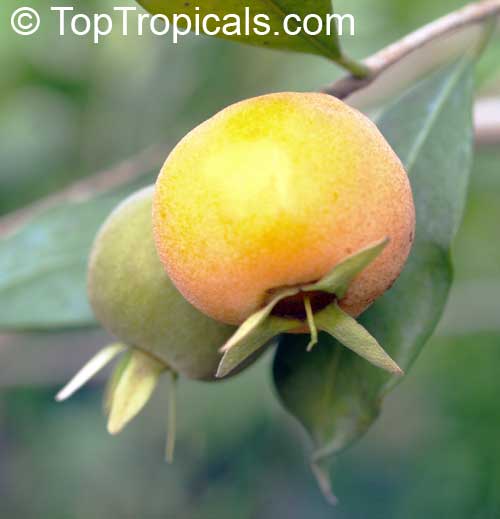
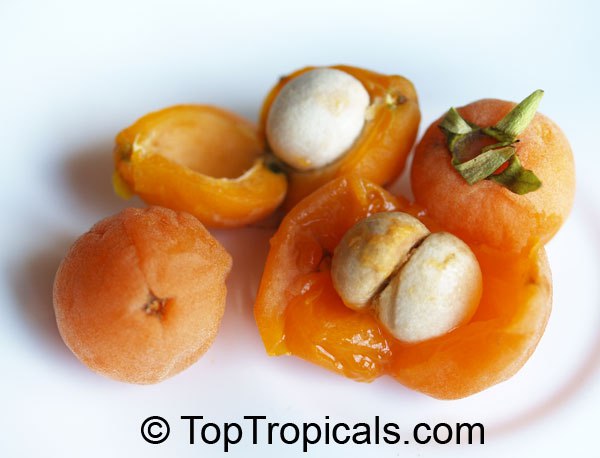
Pitomba, Eugenia luschnathiana - The Tropical Apricot Tree fruit

Pitomba, Eugenia luschnathiana - The Tropical Apricot Tree fruit

Pitomba, Eugenia luschnathiana - The Tropical Apricot Tree fruit

Pitomba, Eugenia luschnathiana - The Tropical Apricot Tree fruit

🍑 What is better than Apricot? Tropical Apricot!

  • 🍑 Looking for a small, ornamental fruit tree with big flavor? Pitomba (Eugenia luschnathiana) - The Tropical Apricot Tree - is a Brazilian gem that's as beautiful as it is delicious.
  • 🍑 This slow-growing evergreen reaches 15-20 feet, with glossy dark green leaves and a striking light brown trunk. In spring, it bursts into white and yellow flowers, followed by apricot-colored fruits ripening from May to July.
  • 🍑 The fruit is juicy, aromatic, with a flavor and texture similar to apricots. Rich in vitamin C, minerals, and dietary fiber, Pitomba is perfect eaten fresh or turned into jams, jellies, and juices.
  • 🍑 Pitomba grows best in full sun, likes acidic soil, and appreciates regular water and feeding. Whether in the ground or in a pot, it’s a stunning and fruitful addition to your edible landscape.
  • 🍑 Why grow Pitomba?


🟡Unique tropical fruit with apricot-like flavor
  • 🟡Beautiful, compact tree for small yards or containers
  • 🟡Fruits in 2–3 years from seed
  • 🟡Cold-hardy to the upper 20s (°F) once mature. Grows in USDA zones 9–11 or indoors with winter protection
  • 🟡Traditional medicinal uses in Brazil for colds and digestive health


🛒 Buy Pitomba to add a small fruit tree with big flavor to your yard

#Food_Forest #Fun_Facts #Discover

🔴 Join 👉 TopTropicals

Date: 10 Apr 2025

Plant Smarter: Grow Your Own Brain Boosters - Part 2

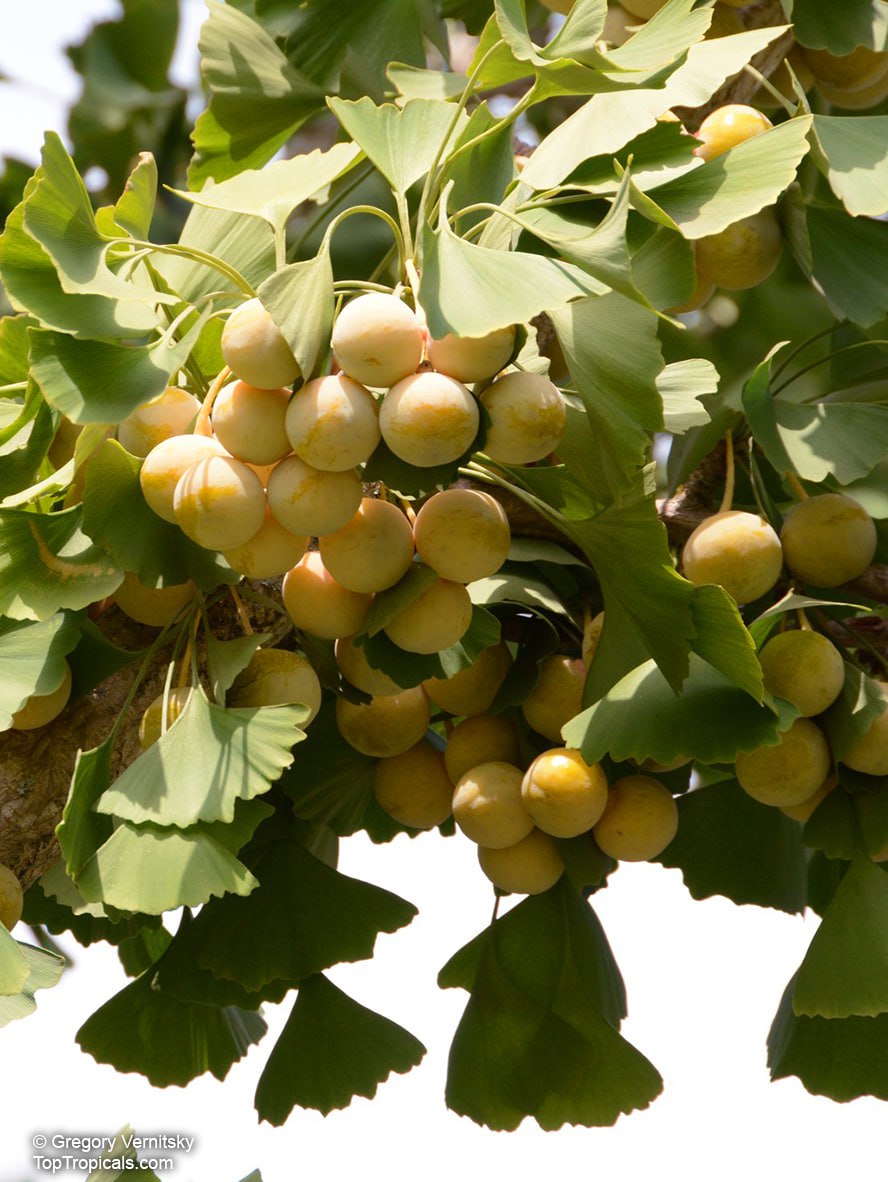
Ginkgo Biloba

Ginkgo Biloba

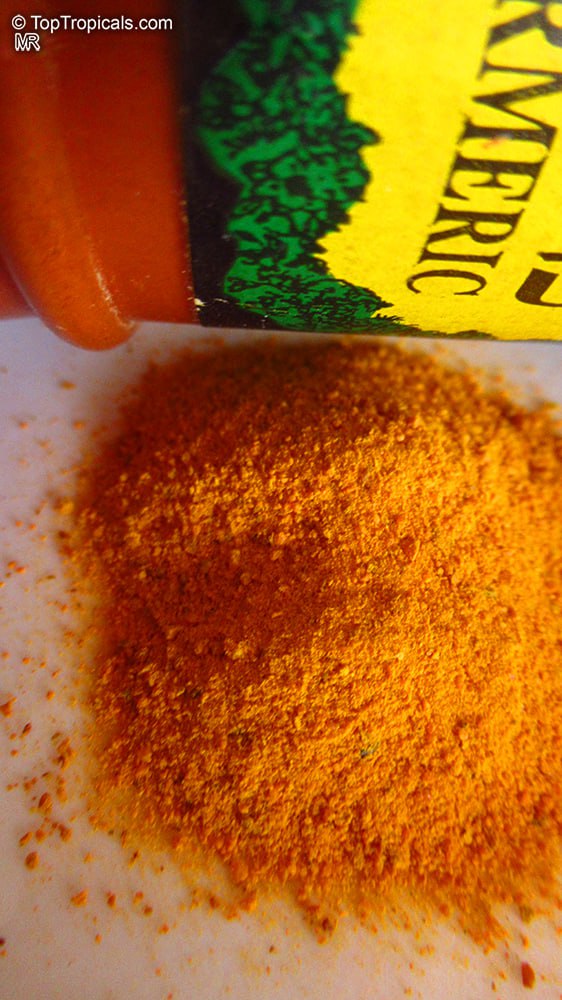
Turmeric (Curcuma)

Turmeric (Curcuma)

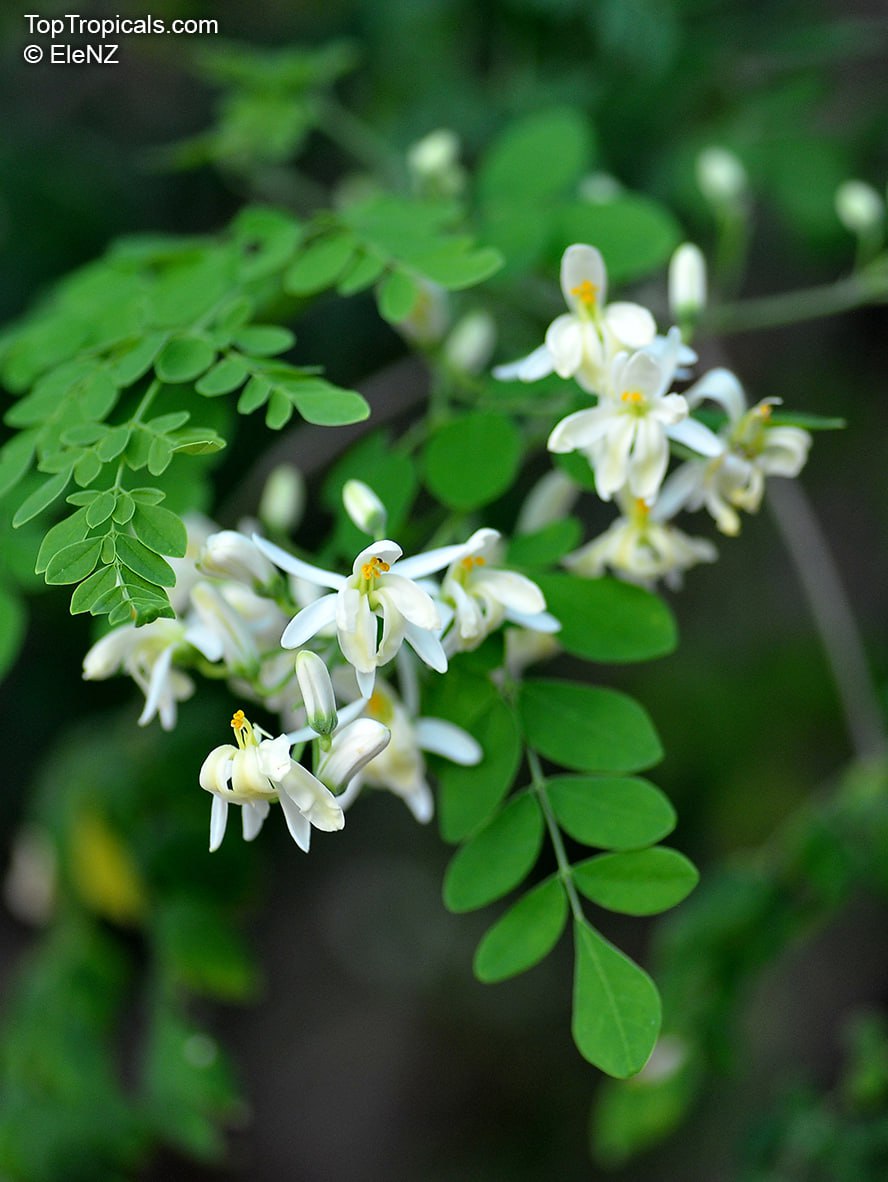
Moringa

Moringa

Piper betle (Betel Leaf)

Piper betle (Betel Leaf)

Piper sarmentosum (Vietnamese Pepper Leaf)

Piper sarmentosum (Vietnamese Pepper Leaf)

Coconut tree with fruit

Coconut tree with fruit

Longevity Spinach

Longevity Spinach

Katuk

Katuk

Plant Smarter: Grow Your Own Brain Boosters - Part 2


Memory & Cognitive Support (Brain Boosters)


Edible Plants and Herbs:

Continued from previous post ⤴️
  • 🟡 Ginkgo Biloba - Improves blood flow to the brain, supports memory and concentration.
  • 🟡 Turmeric (Curcuma) - Contains curcumin, a powerful anti-inflammatory compound shown to protect neurons and boost memory.
  • 🟡 Moringa - Loaded with antioxidants, may protect brain cells and support cognitive function.
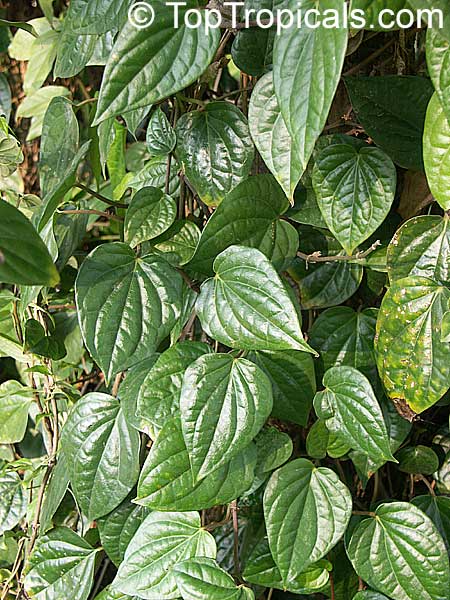
  • 🟡 Piper betle (Betel Leaf) - Traditionally used as a mild stimulant. Contains compounds that may improve alertness and support mental clarity.
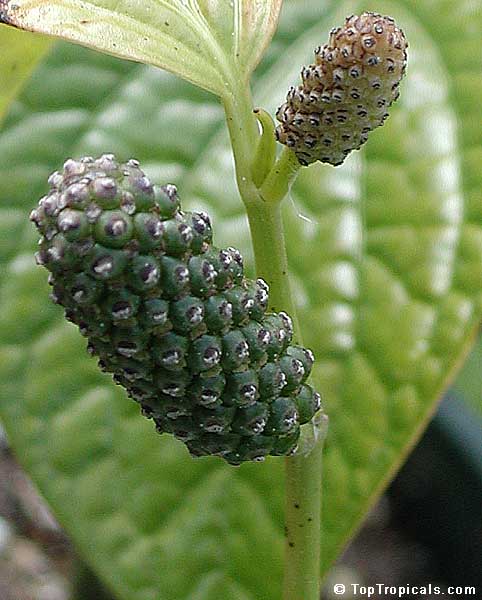
  • 🟡 Piper sarmentosum (Vietnamese Pepper Leaf) - Used in traditional medicine for anti-inflammatory and neuroprotective effects.
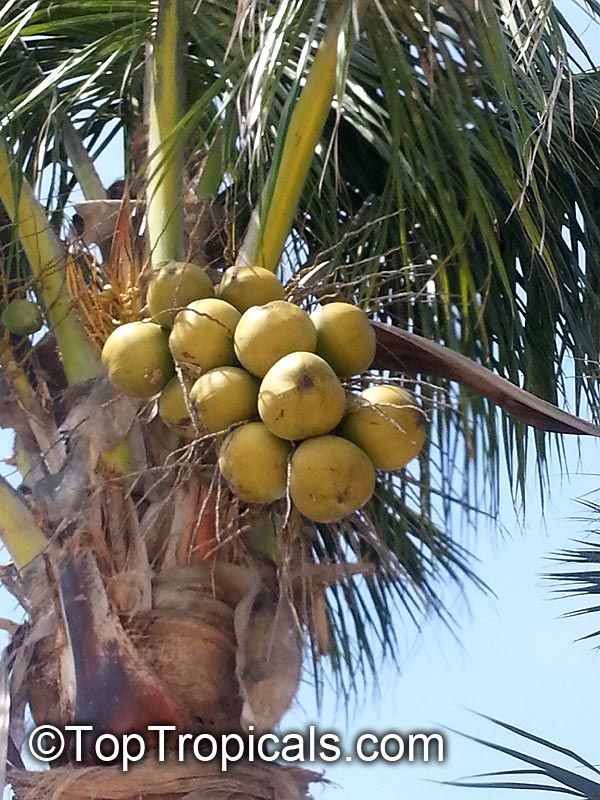
  • 🟡 Coconut Oil - Contains MCTs, which may fuel brain cells directly, especially beneficial in age-related cognitive decline.
  • 🟡 Cinnamon - is inked to improved memory and brain function. The tree's powerful scent comes from cinnamaldehyde, a natural compound with medicinal properties.
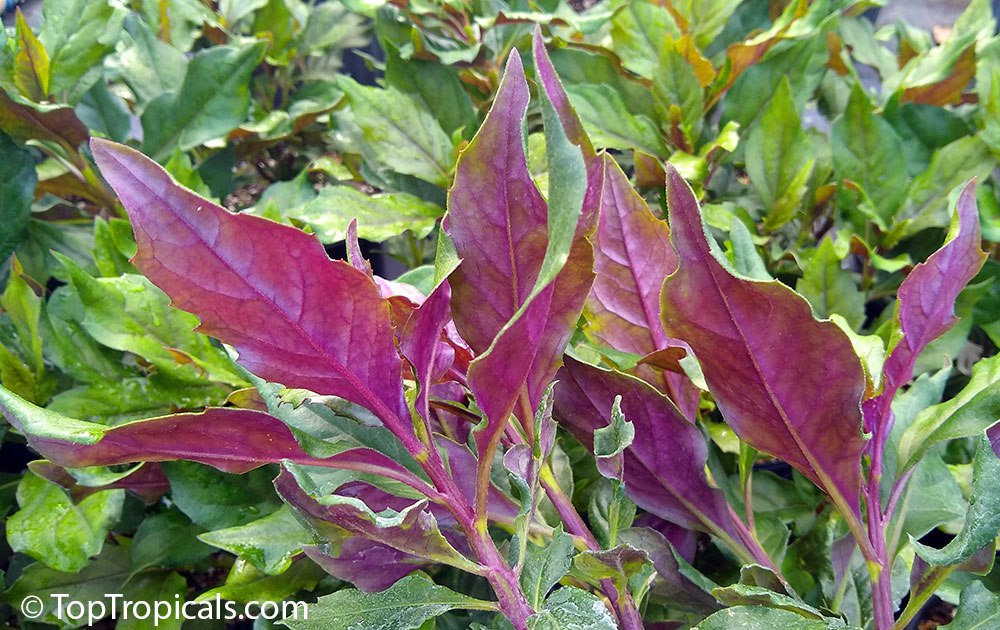
  • 🟡 Green Leafy Vegetables (like Longevity Spinach and Katuk) - High in folate, vitamin K, and lutein, all linked to better memory and reduced cognitive aging.


🛒 Give your brain what it craves, shop tropical brain boosters: Fruit Trees & Herbal Plants

#Food_Forest #Remedies #Discover

🔴 Join 👉 TopTropicals

Date: 10 Apr 2025

Plant Smarter: Grow Your Own Brain Boosters - Part 1

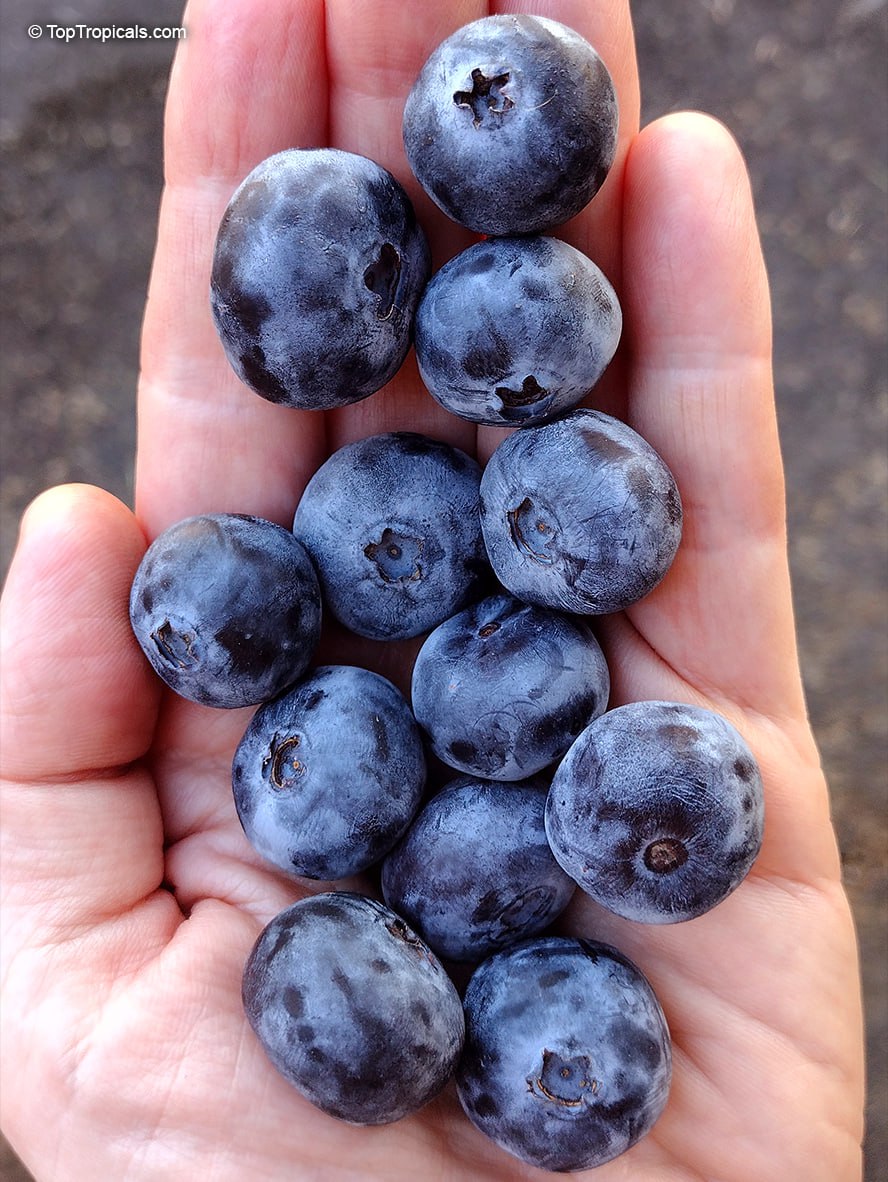
Blueberries

Blueberries

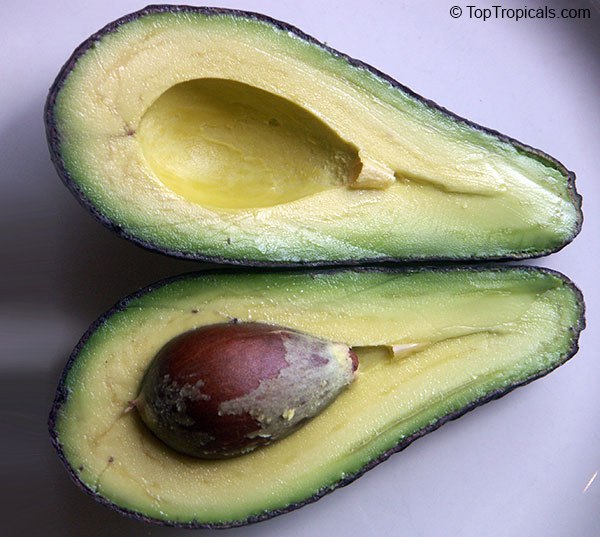
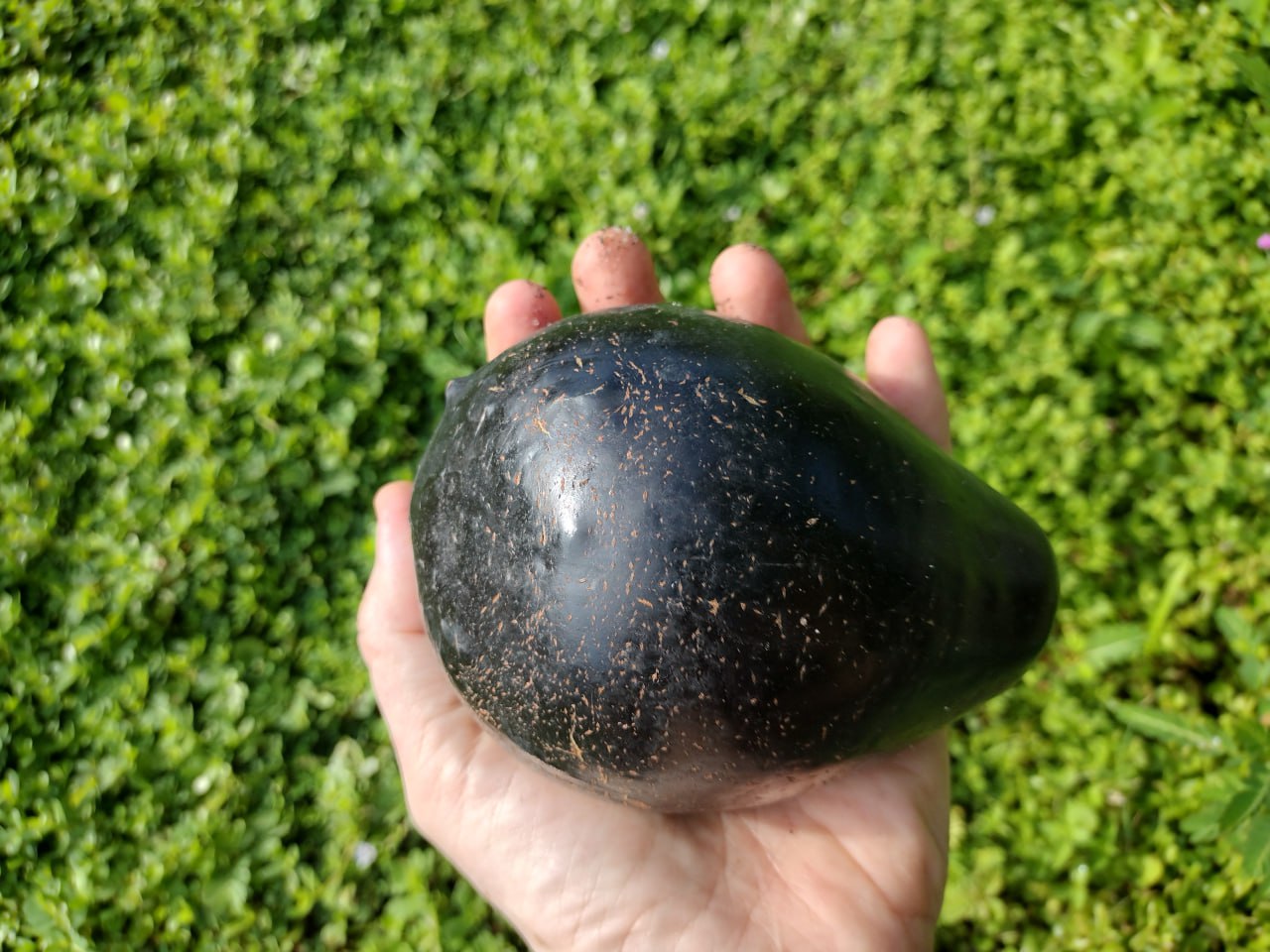
Avocado

Avocado

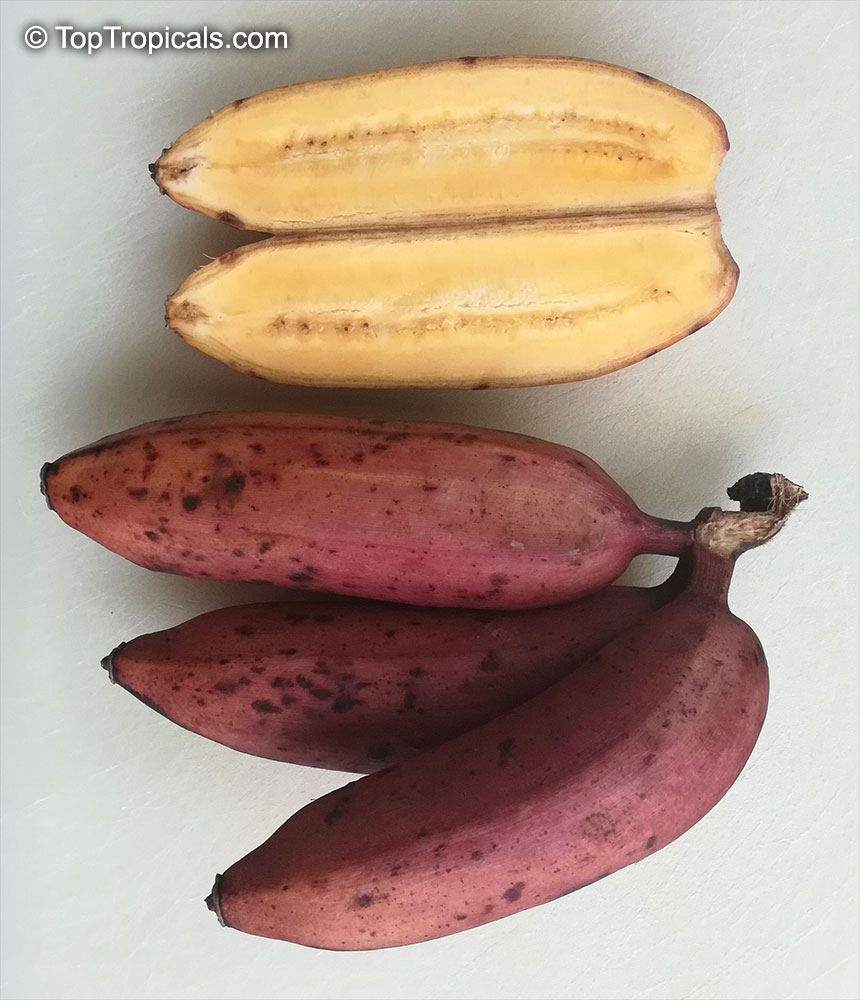
Red Banana

Red Banana

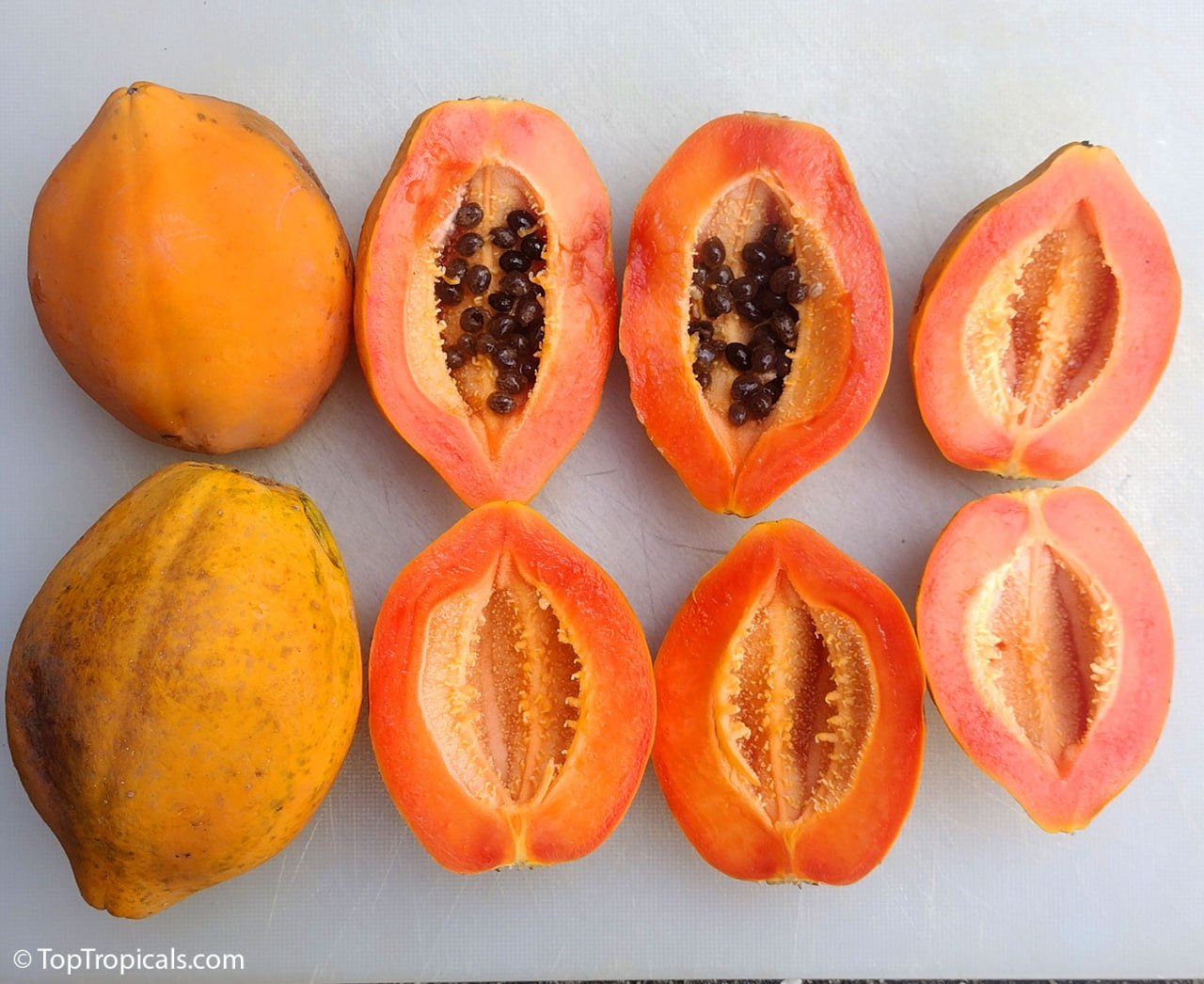
Papaya

Papaya

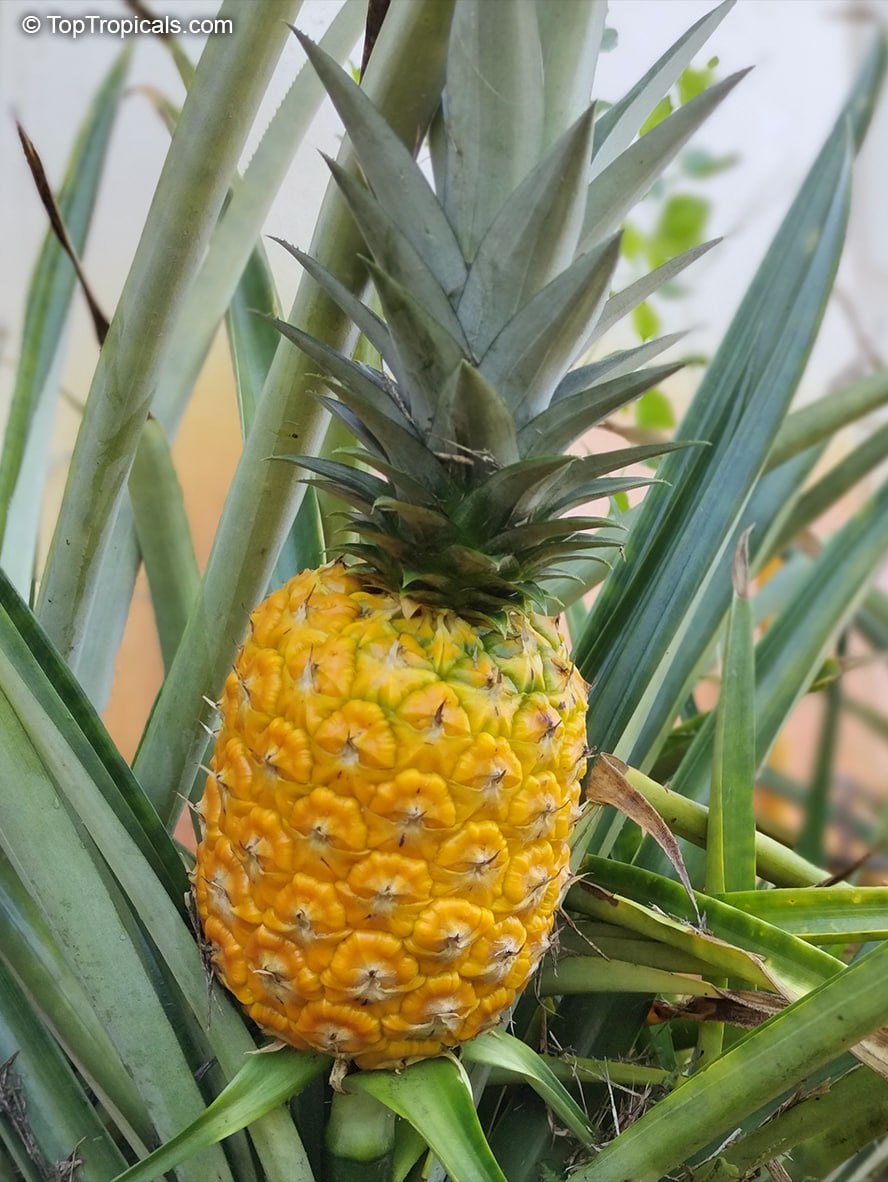
Pineapple

Pineapple

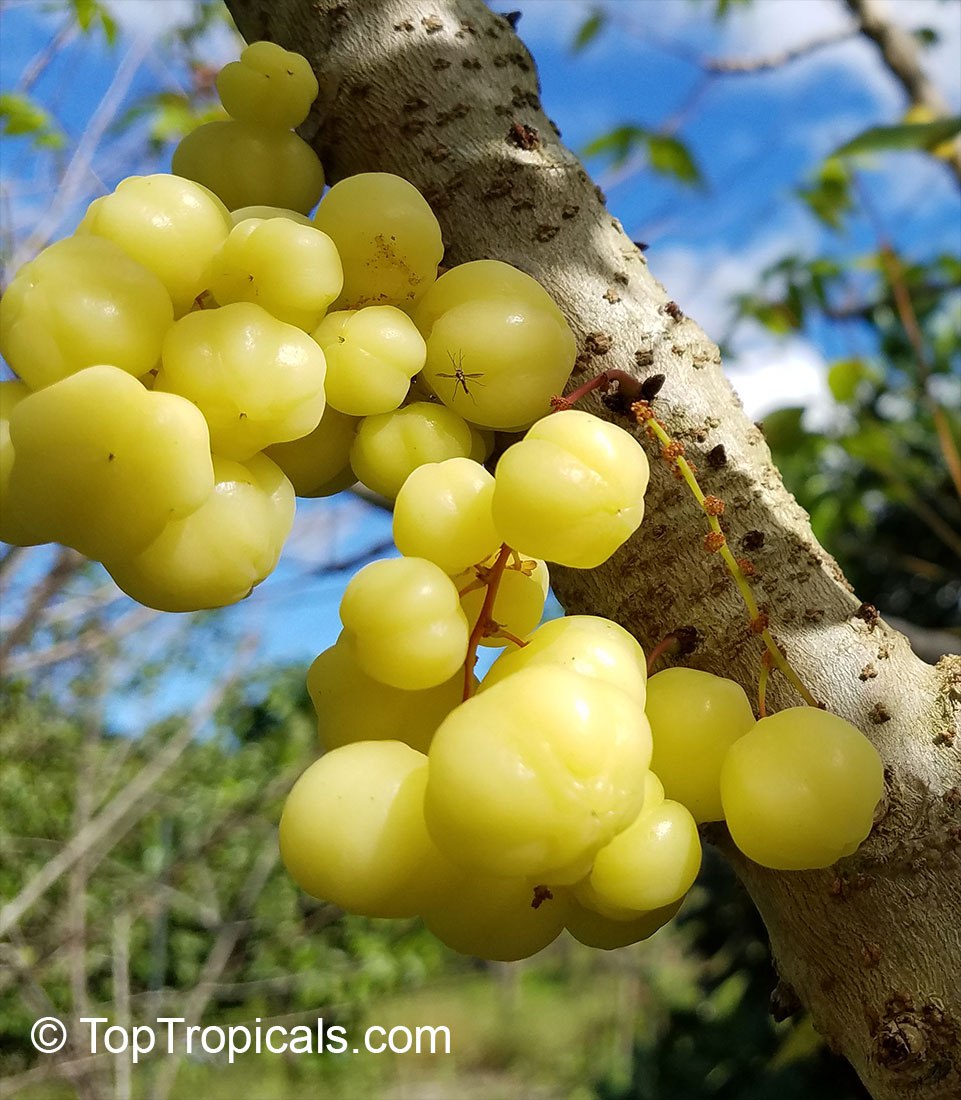
Amlak (Indian Gooseberry)

Amlak (Indian Gooseberry)

Plant Smarter: Grow Your Own Brain Boosters - Part 1


Want to stay sharp, focused, and energized - naturally?
Don't just eat smart - plant smart. These tropical fruits and herbs aren't just delicious - they're packed with memory-boosting, focus-enhancing, and brain-protecting compounds. When you grow them in your own garden, you're building a personal pharmacy of mental clarity and cognitive power. No pills. No plastic bottles. Just real plants with real benefits, right outside your door.


Memory & Cognitive Support (Brain Boosters)


Tropical Fruits:
  • 🟡 Blueberries – Rich in flavonoids and antioxidants; support memory and cognitive performance (Note: not tropical, but widely grouped due to powerful brain benefits).
  • 🟡 Avocado – High in monounsaturated fats, supports healthy blood flow to the brain.
  • 🟡 Banana – Contains vitamin B6 and potassium, essential for neurotransmitter function.
  • 🟡 Papaya – High in antioxidants and vitamin C, may protect brain cells from oxidative stress.
  • 🟡 Pineapple – Contains bromelain and vitamin C, which may reduce inflammation and support brain health.
  • 🟡 Amla (Indian Gooseberry) – One of the richest natural sources of vitamin C. Used in Ayurvedic medicine to enhance memory, focus, and longevity. Acts as a neuroprotective, anti-inflammatory, and adaptogen.

Edible Plants and Herbs: continued in next post ⤵️

🛒 Give your brain what it craves, shop tropical brain boosters: Fruit Trees & Herbal Plants

#Food_Forest #Remedies #Bananas #Discover

🔴 Join 👉 TopTropicals

Date: 9 Apr 2025

Can I Grow Avocado Outside the Tropics?

Mexican Avocado

Mexican Avocado

Can I Grow Avocado Outside the Tropics?


👍 Yes - with the right variety and care.
While avocados love tropical and subtropical climates, certain cold hardy Avocados types - especially Mexican varieties - can survive outside the tropics, even in USDA Zone 8b (like San Antonio, TX). Once established, some can handle short freezes down to 15F, even as low as 10F in dry climates.

Key Factors for Cold Hardiness:
  • 🔤 Plant Size: Young trees are tender. Protect with mulch, blankets, and even Christmas lights during freezes. Mature trees are tougher.
  • 🔤 Wind Protection: Wind chills do more damage than cold air alone. Plant near a south-facing wall or sheltered spot.
  • 🔤 Tree Health: Healthy trees handle cold better. Fertilize regularly during the growing season.
  • 🔤 Water & Humidity: Water less in winter. Avoid soggy soil - good drainage is a must. Trees in dry winter climates tolerate more cold than those in humid areas.


✏️ Tip: Always check the hardiness rating for your avocado variety. Protection matters most during the first 1-2 winters.

📚 More about Avocado:


Posts about #Avocado
Avocado Variety Guide


🛒 Shop cold hardy Avocados and grow your own guacamole

#Food_Forest #Discover #Avocado

🔴 Join 👉 TopTropicals