Garden Blog - Top Tropicals

Date: 25 May 2026

Why Gardeners Are Secretly Obsessed With This Rare Brazilian Giant Walking Iris

Iris Regina - Neomarica caerulea

🔤 Why Gardeners Are Secretly Obsessed With This Rare Brazilian Giant Walking Iris


Meet Iris Regina - Neomarica caerulea: the rare, salt-tolerant Brazilian walking iris that blooms in under a year and thrives in shady, sandy soil where other tropicals fail.

One look at Iris Regina - and it's easy to see why tropical plant collectors quietly become obsessed with it. It pairs elegant, hand-painted blue-violet flowers with arching, sword-like leaves that instantly give your garden a lush, structural look.
But the real magic of this unusual Brazilian species isn't just its beauty - it's the fact that it thrives exactly where other tropicals fail.

The Plant That Thrives on Neglect (and Salt Air)


Originally discovered growing near the ocean in Brazil, Iris Regina naturally adapted to conditions that would frustrate most gardeners. Thriving in sandy soil, deep shade, and coastal salt spray, this plant is remarkably easygoing. While most flowering tropicals demand rich soil and perfect drainage, Iris Regina handles difficult planting zones with absolute grace.

👉 Quick Care Tip: While it loves moist, well-drained soil, overfeeding is a mistake. Too much fertilizer will give you massive leaves but fewer flowers!

Blooms in Less Than a Year


One of the most surprising traits of Iris Regina is how quickly it matures. Many rare ornamental plants test a gardener's patience for years before ever showing a bud. Fresh seedlings of this species, however, can reach blooming size in less than a year - an absolute rarity for a tropical perennial with such exotic flowers.

The blooms look like a cross between a rare orchid and a delicate iris. While individual flowers are short-lived, mature clumps continuously push out new blooms throughout the warm season, especially when kept evenly moist.

Light and Cold Tolerance: What You Need to Know


· Light: For the best foliage color and maximum blooming power, give it morning sun and afternoon shade. It can handle more sun, but only if you keep up with watering.
· Cold Hardiness: Iris Regina is comfortable down to about 30F. In warmer parts of Florida (Zones 9b-11), it performs beautifully outdoors year-round.
· Cold Climates: If you live in a freeze-prone zone, it makes an exceptional container plant. Just wheel it to safety when a freeze threatens.
Propagation: It's incredibly easy to divide, or you can grow it reliably fast from fresh seed.

25 Years of History: The Top Tropicals Connection


For us at Top Tropicals, Iris Regina isn't just another botanical listing - it carries a piece of our history. This specific variety was introduced by the legendary tropical plant collector Sid Gardino, who named it after his wife, Regina.

Sid and Regina have been longtime friends of Top Tropicals for over a quarter of a century. In fact, some of the very first plants in our nursery’s collection came from them more than 25 years ago. Plants like Iris Regina represent the early, passionate era of Florida plant collecting - treasures shared between friends long before rare plants became viral internet trends.

Today, Iris Regina still feels like a hidden gem compared to flashy orchids or massive aroids. But if you are looking for something elegant, salt-tolerant, and surprisingly easy to grow, this Brazilian walking iris might just become your favorite plant in the garden.

🛒 Get Iris Regina for a low-maintenance, always-blooming showstopper

📚 Learn more:

Walking Iris Plant Facts

Botanical name: Neomarica caerulea
Also known as: Walking Iris, Twelve apostles, Apostle Plant, Iris Regina
USDA Zone: 8 - 11
Highligths Small plant 2-5 ftSemi-shadeShadeFull sunWatering: Regular. Let topsoil dry slightlyBlue, lavender, purple flowersSubtropical plant. Mature plant cold hardy at least to 30s F for a short timeFlood tolerant plantSeaside, salt tolerant plant
Get personalized tips for your region

· Neomarica caerulea - Iris Regina in Plant Encyclopedia
· What flower is perfect for coastal gardens
· What is the best plant for a carefree flower border

#Container_Garden #Shade_Garden #How_to #Discover


🟢 Join 👉 TopTropicals
Date: 24 May 2026

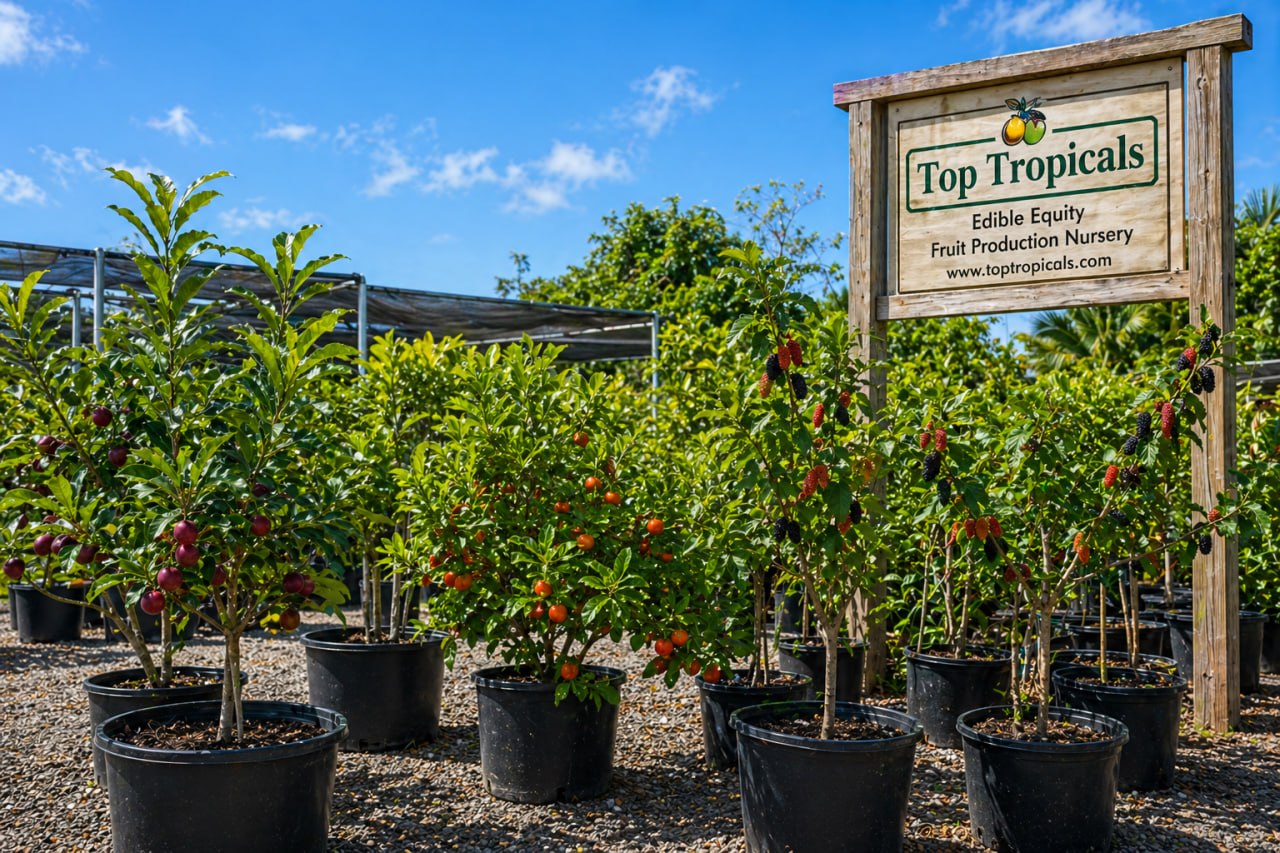
Fruit Tree Hacks: 5 High-Yield Fruit Trees You Can Buy for Under $50

High-Yield Fruit Trees You Can Buy for Under $50

High-Yield Fruit Trees You Can Buy for Under $50

💲 Fruit Tree Hacks: 5 High-Yield Fruit Trees You Can Buy for Under $50


Starting a home orchard doesn’t have to cost a fortune. While high-end grafted Mangoes or Avocados can easily set you back $100 or more, there is a "secret category" of fruit plants that are affordable, fast-growing, and perfect for beginners. If you have a $40-50 budget and a small sunny spot, these five options provide the best "bang for your buck" in terms of growth speed and flavor.

1. Dragon Fruit: The Vertical Speedster


Dragon Fruit is the ultimate budget win. Because it grows from cuttings easily, nursery prices stay low.
The Payoff: It grows incredibly fast. In a single season, a small pot can turn into a massive climbing cactus.
Space Saver: It grows vertically on a post or trellis, making it perfect for side-yards or balconies.
👉 More...

2. Peanut Butter Fruit (Bunchosia)

This is the ultimate conversation starter for your garden.
The Flavor: The fruit has a dense, sticky texture that tastes exactly like sweet peanut butter.
Why it’s a Bargain: It stays naturally compact (shrub-sized) and often begins fruiting in its second or third year - much faster than traditional fruit trees.
👉 More...

3. Blackberry Jam Fruit (Randia formosa)

If you love gardening in containers, this is your best friend.
The Experience: You don't pick a bucket of these; you enjoy them as a garden snack. The pulp inside is black and gooey, tasting remarkably like high-quality preserves.
The Price Point: Because it is technically a woody shrub, you can often find "ready-to-fruit" sizes for very reasonable prices compared to large-canopy trees.
👉 More...

4. The "Eugenia" Group (Surinam, Grumichama, Rio Grande)

Professional landscapers love this family of plants because they double as "Edible Hedges."
Surinam Cherry: Extremely tough. It handles poor soil and neglect while producing star-shaped, ribbed fruits.
Grumichama: Often called the "Brazilian Cherry," it produces a fruit that looks and tastes strikingly like a true Bing cherry but grows in warm climates where cherries usually fail.
Cherry of the Rio Grande: A beautiful, upright grower with attractive peeling bark. It produces dark purple, teardrop-shaped fruits that are among the best tasting of all the tropical cherries. The tree is the most cold hardy of all eugenias.
👉 More...

5. Mulberries

While not on every list, a Mulberry is a budget powerhouse. They are often sold in small 3-gallon pots for $30-40 and will literally start popping out berries the same week you plant them.
👉 More...

👉 Pro Tip: How to Save Even More


To keep your costs down, look for these plants in 3-gallon containers.
Why? 3-gallon plants are the "sweet spot" for value. They are large enough to be established and hardy, but they haven't reached the premium price point of 7 or 15-gallon "instant landscape" trees.

🛒 Shop Budget-Friendly Fruit Trees

📚 Learn more:

Murta Plant Facts

Botanical name: Blepharocalyx salicifolius, Eugenia salicifolia
Also known as: Murta
USDA Zone: 9 - 10
Highligths Small tree 10-20 ftSemi-shadeFull sunWatering: Regular. Let topsoil dry slightlyWhite, off-white flowers
Get personalized tips for your region

· Eugenia cherries in Plant Encyclopedia
· 3 Best Trees for a "Fast-Fruit" Garden
· 10 best fruit trees to grow in Florida and Southern landscapes
· Top 10 fast-fruiting trees
· 5 fast-growing fruit trees and shrubs for quick, low-effort harvests (Top Tropicals experts for Martha Stuart)

#Food_Forest #How_to #Discover

🟢 Join 👉 TopTropicals

Date: 22 May 2026

Why orchids are way easier to grow than you think: 7 tips for the beginner

orchids are way easier to grow than you think

🌸 Why orchids are way easier to grow than you think: 7 tips for the beginner

Many beginners avoid orchids. Because they look exotic, it’s easy to assume they belong in a high-tech greenhouse. But the truth is surprisingly simple: most orchids die from too much love, not too little. The popular Phalaenopsis (Moth Orchid) is actually lower-maintenance than many common houseplants - once you understand how its roots work.

🌸 1. The #1 Mistake Beginners Make


Orchids are not regular potted plants. In nature, most are epiphytes, meaning they grow attached to tree bark where roots get constant airflow and dry quickly after rain. When well-meaning beginners plant them in dense soil or keep them constantly wet, the roots suffocate and rot. Ironically, orchids thrive on a little bit of neglect.

⚠️The Grocery Store Trap: Many orchids bought at supermarkets are packed tightly into decorative pots filled with dense moss. While they look beautiful, the roots are often already suffocating. This is why a seemingly healthy orchid can suddenly decline a few weeks after you bring it home.

👉 Pro tip: Aerial roots growing wildly outside the pot are a sign of a happy, healthy orchid - don't cut them off!


🌸 2. Decode Your Orchid’s Roots (The Ultimate Watering Trick)


Forget strict watering schedules. Instead, let the orchid tell you when it’s thirsty by looking at the color of its roots:

🟢❌ Bright Green Roots: The plant is still perfectly moist. Do not water.
⚪️✅ Silvery-Gray Roots: The plant is dry and ready for a drink.

When it's time to water, drench the mix thoroughly, let it drain completely out of the bottom, and don't water again until the roots turn silver.
And please, skip the ice cube trick. Orchids are tropical plants; freezing ice shocks their roots and causes long-term damage.

🌸 3. No Greenhouse? No Problem.


You don't need a tropical conservatory. Most orchids thrive in standard indoor conditions with bright, indirect light.
An east-facing windowsill is usually the sweet spot. Too much direct afternoon sun will scorch the leaves, while deep shade will prevent the plant from ever reblooming.

🌸 4. Don't Panic When the Flowers Fall


After a spectacular bloom cycle, an orchid’s flowers will drop, leaving behind a bare green spike. This does not mean your plant is dying.
Orchids naturally enter a resting period that can last for several weeks or months. They are simply conserving energy to build new leaves and roots before their next big show.

🌸 5. Master the Art of Gentle Feeding


Another common misstep is over-fertilizing. Orchids prefer a "weakly, weekly" approach rather than heavy doses of nutrients all at once.
Using a gentle, specialized formula like SUNSHINE Orchidasm works incredibly well for orchids and other delicate epiphytes. Because it focuses on steady, healthy growth rather than forcing rapid development, it provides the exact kind of mild, consistent nourishment orchids need to produce longer-lasting blooms. It is safe to use with every watering.

🌸 6. Think Beyond the Tree Bark


When we picture orchids, we usually think of the kinds that grow in airy bark. However, the orchid family is massive and includes terrestrial (ground) orchids.
Ground orchids grow directly in soil and can even be planted outdoors in warmer climates. If you are still nervous about managing the unique root systems of traditional orchids, ground orchids are a fantastic, beginner-friendly gateway into the hobby.

🌸 7. The Orchid Addiction is Real


The funniest thing about orchids is the shift in mindset. The moment a beginner successfully triggers a rebloom on their first plant, the fear completely vanishes.
And before you know it, that one single windowsill orchid quietly turns into five.

🛒
Explore Ground Orchids, Vanilla orchids, and enjoy Sunshine Orchidasm

📚 Learn more: 

Ground Orchid Plant Facts

Botanical name: Spathoglottis kimballiana
Also known as: Ground Orchid, Garden Orchid
USDA Zone: 9 - 10
Highligths Groundcover and low-growing 2ft plantSemi-shadeFull sunWatering: Regular. Let topsoil dry slightlyYellow, orange flowersBlue, lavender, purple flowersPink flowersPlant attracts butterflies, hummingbirds
Get personalized tips for your region

· Orchids in Plant Encyclopedia
· How to grow everblooming orchids like in the store?
· Orchids for Dummies
· Sunshine Orchidasm

#Fertilizers #How_to #Container_garden #Discover #Shade_Garden

🟢 Join 👉 TopTropicals

Date: 18 May 2026

Want Massive Mulberry Harvests? Do These 5 Things Before May Ends

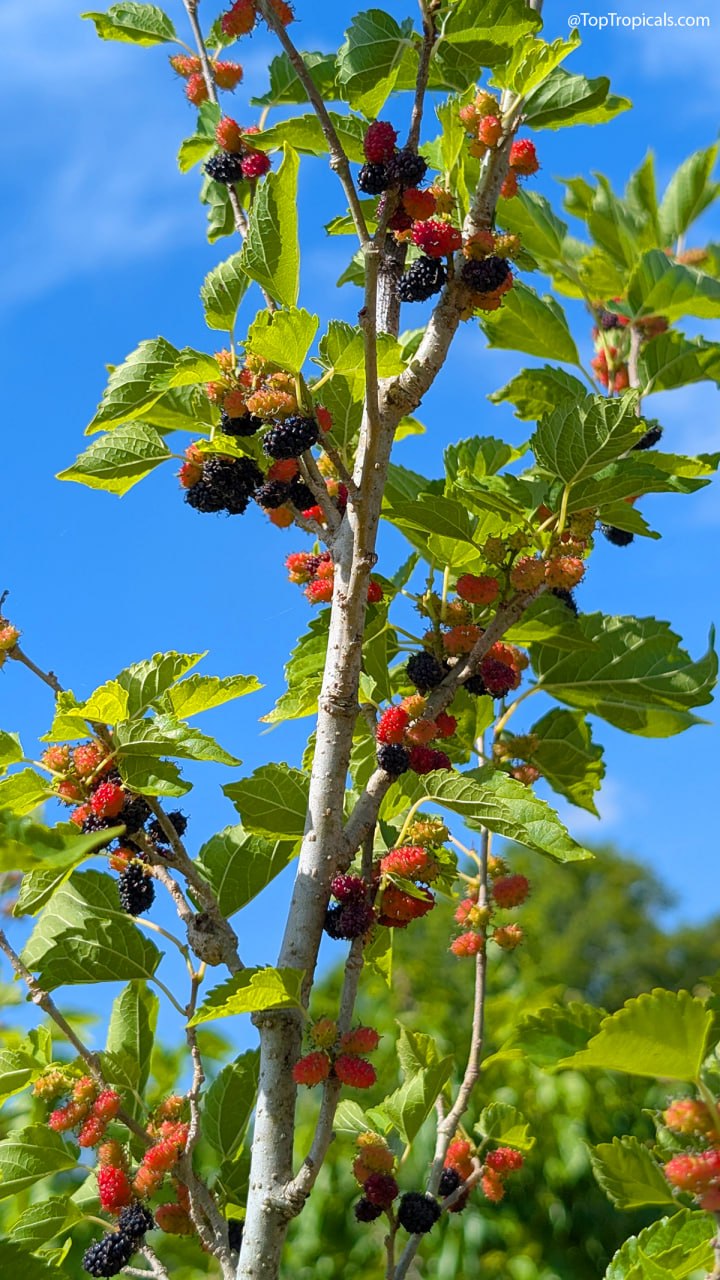
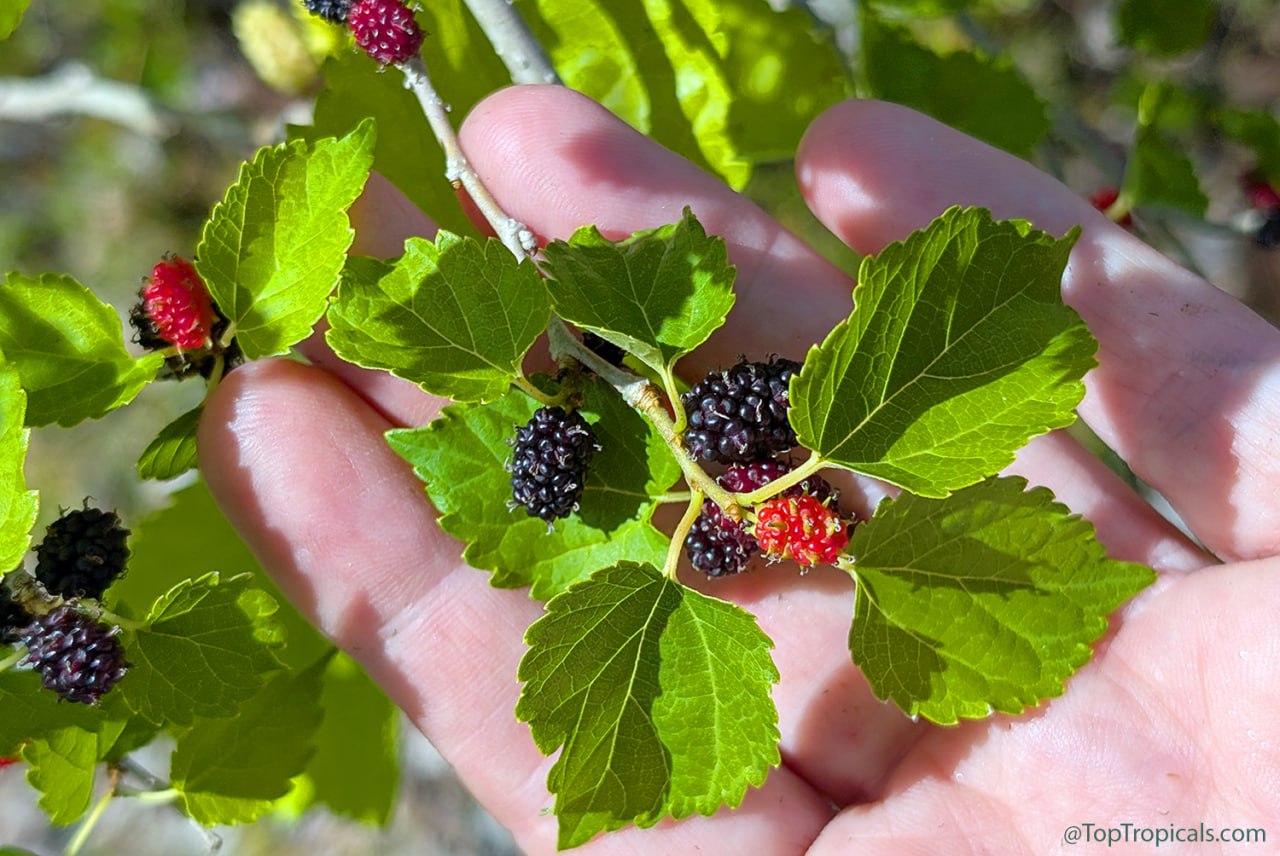
Mulberry Dwarf Everbearing, on a tree

Mulberry Dwarf Everbearing, on a tree

Mulberry Dwarf Everbearing

Mulberry Dwarf Everbearing

🍇 Want Massive Mulberry Harvests? Do These 5 Things Before May Ends


Don’t let your mulberry tree fool you. While they are incredibly low-maintenance, what you do in May dictates your summer harvest. Avoid these common mistakes for a bumper crop of juicy berries.

Mulberry trees are famously bulletproof, handling intense heat and pumping out massive crops with little care. But May is the month that decides it all. Right now, they are pouring energy into fruit development. A few simple mistakes this month can quietly sabotage your harvest.

Fortunately, maximizing your crop is easy if you follow these five simple rules:

1. The Deep Soak Rule


While established mulberries tolerate drought, moisture stress causes them to drop young berries early. Drop the sprinkler—frequent, shallow watering only wets the surface. Instead, give the tree a slow, deep soak that penetrates the root zone. Check the soil two inches down; if it’s dry, water thoroughly.

2. Lock it in with Mulch


Late spring heat evaporates soil moisture fast. Apply a 2-to-4-inch layer of pine bark or compost to keep roots cool and suppress weeds. Crucial rule: Leave a 4-inch gap around the base of the trunk. Piling mulch against the bark traps moisture and invites devastating fungal rot.

3. Don't Over-Fertilize


Mulberries are naturally vigorous. If you feed them this month, use a balanced, slow-release organic plant food. Avoid high-nitrogen fertilizers. Excess nitrogen triggers a massive explosion of green leaves, causing the tree to completely forget to grow fruit.

4. Put the Pruning Shears Away


Heavy spring pruning clips off active fruiting wood and decimates your harvest. Mulberries are also notorious "bleeders" - cutting now causes them to lose significant sap, stressing the tree during fruit set. Only remove dead or damaged wood. Save major shaping for winter dormancy.

5. Exploit the Softwood Cuttings Window


Want more trees? May is prime time for softwood cuttings. Cut a few 6-inch flexible green stems, strip the lower leaves, dip in rooting hormone, and tuck into moist potting mix in partial shade. They root incredibly fast!

Mulberry Plant Facts

Botanical name: Morus sp.
Also known as: Mulberry
USDA Zone: 8 - 11
Highligths Large tree taller than 20 ftSmall tree 10-20 ftFull sunWatering: Regular. Let topsoil dry slightlyEdible plant
Get personalized tips for your region

🛒
Choose from Mulberry varieties

📚 Learn more:


Mulberry (Morus hybrids) in Plant Encyclopedia
Mulberry yogurt swirl: Quick-n-Fun exotic recipes
Why gardeners say this is the best Mulberry ever
What are the best Mulberry varieties

#Food_Forest #Discover #How_to

🟢 Join 👉 TopTropicals

Date: 17 May 2026

9 awesome accent plants and vines that love heat and dry conditions

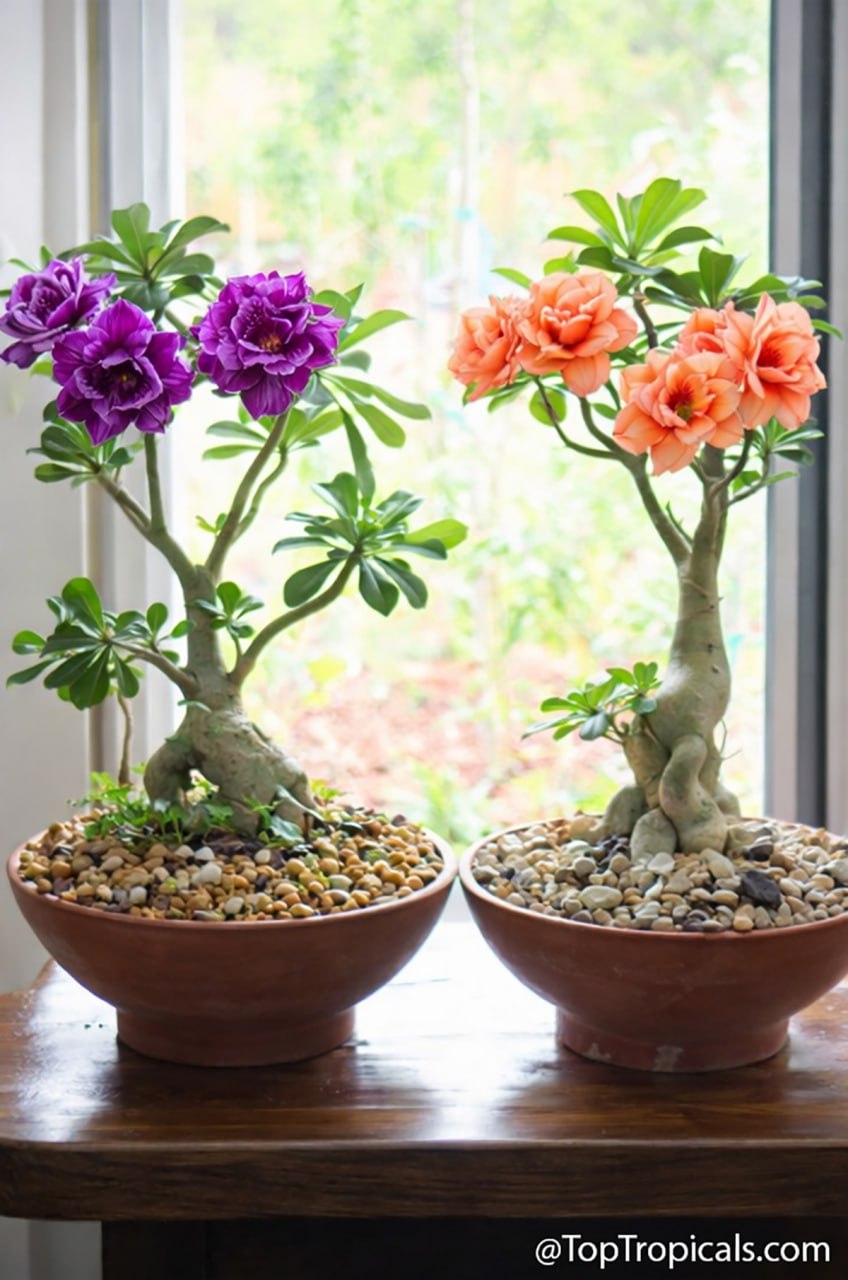
Adeniums in pots

Adeniums in pots

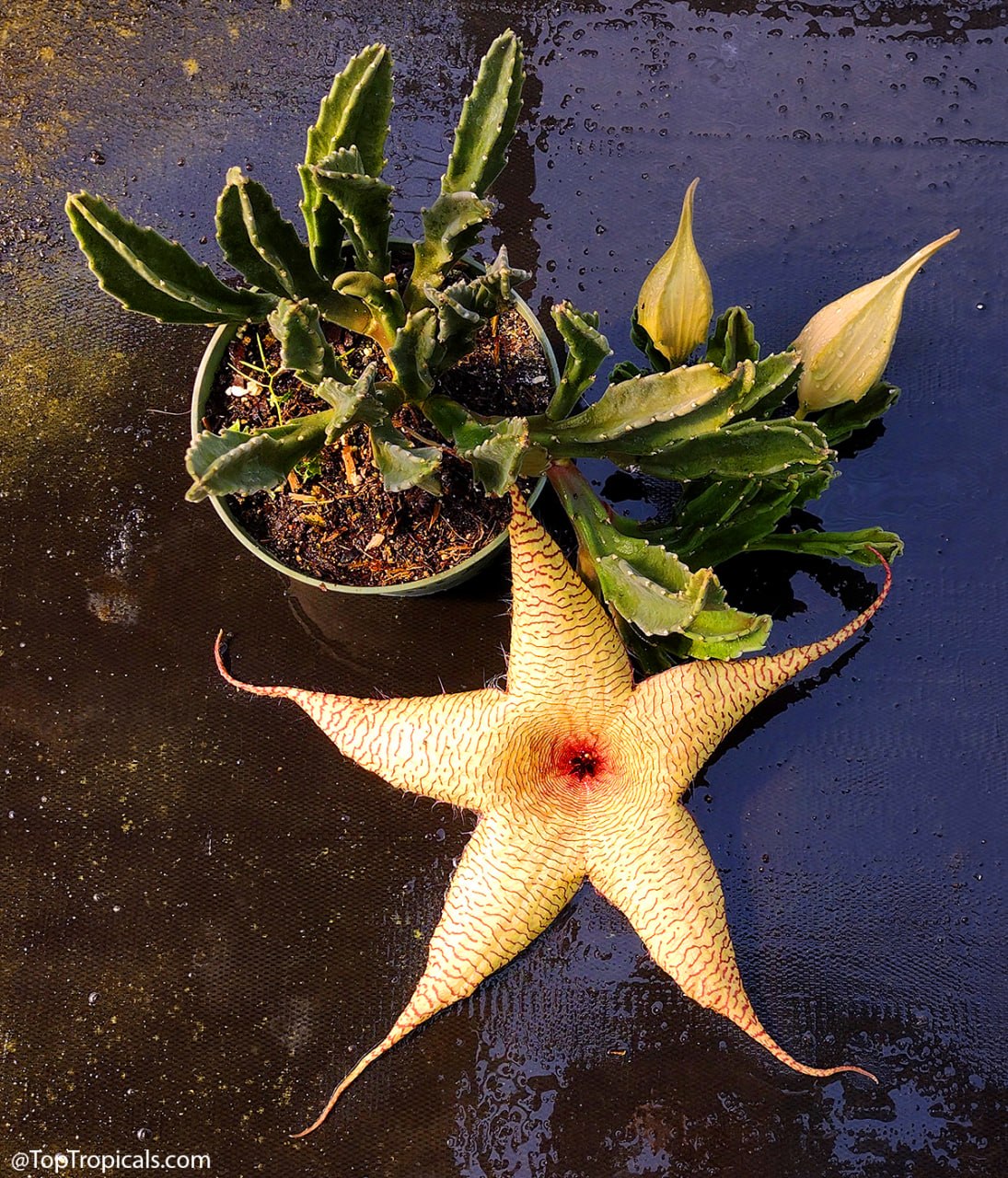
Stapelia gigantea - Starfish Flower

Stapelia gigantea - Starfish Flower

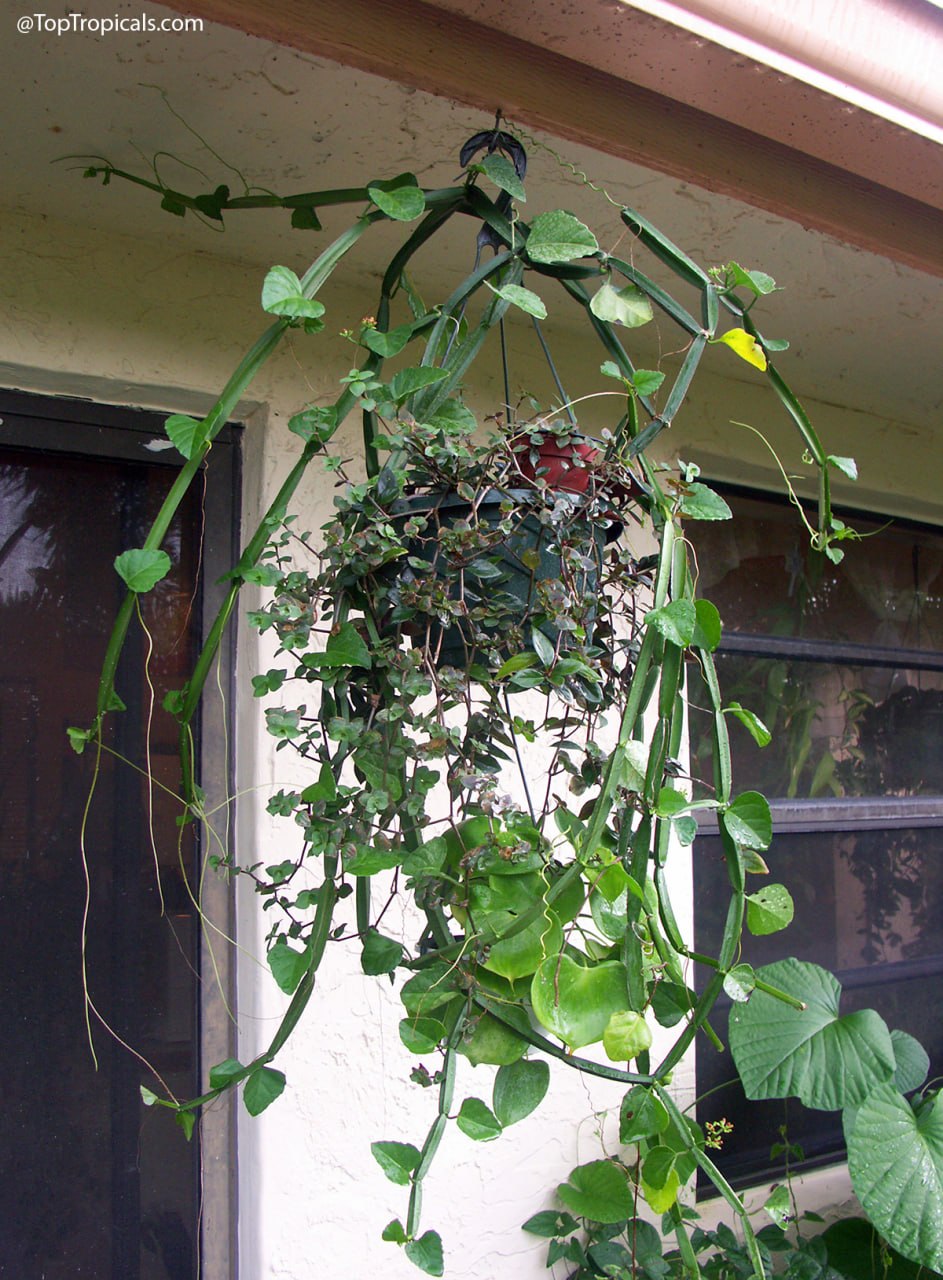
Cissus quadrangularis - Veld Grape Vine

Cissus quadrangularis - Veld Grape Vine

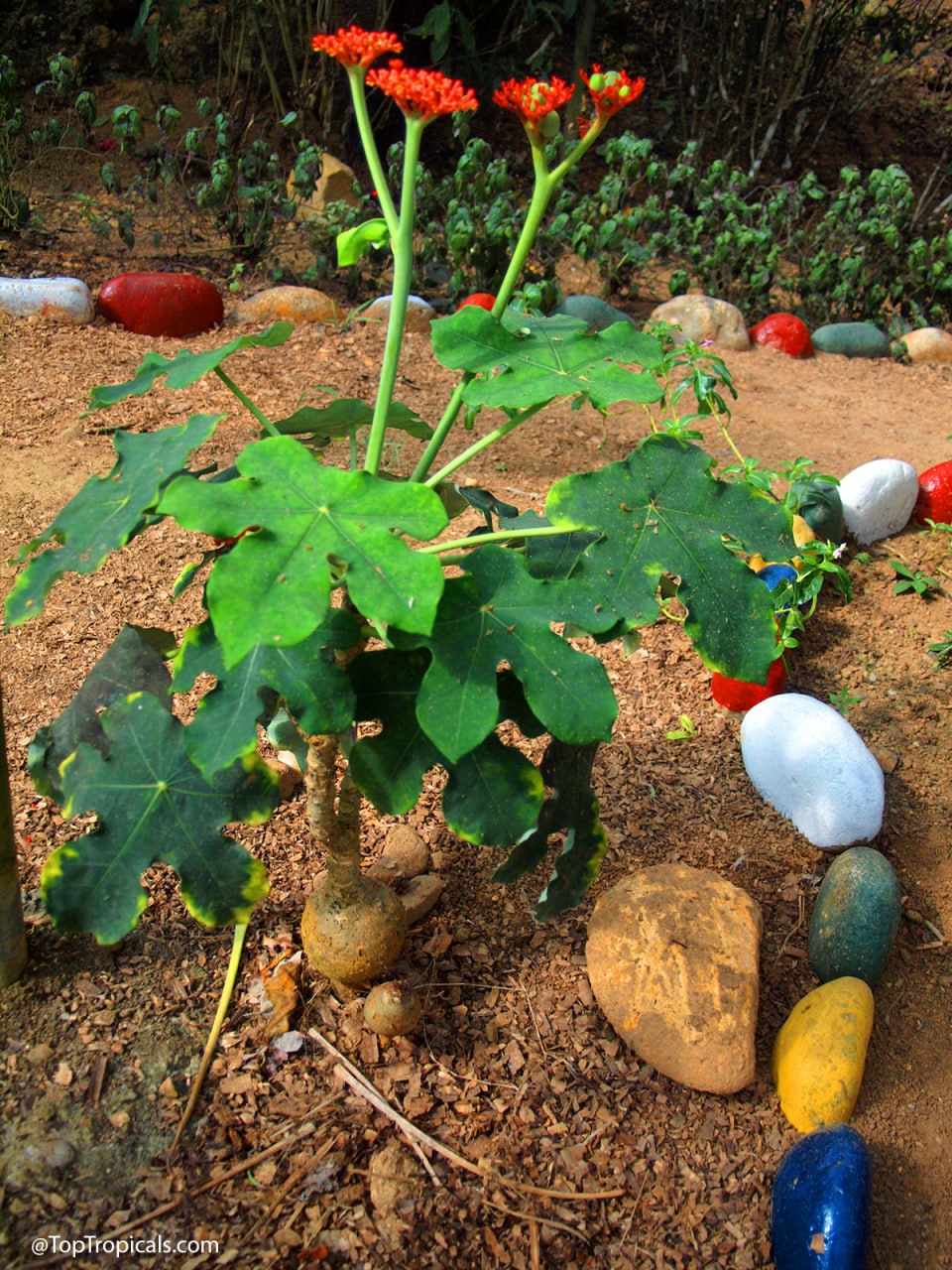
Jatropha podagrica - Gout Plant

Jatropha podagrica - Gout Plant

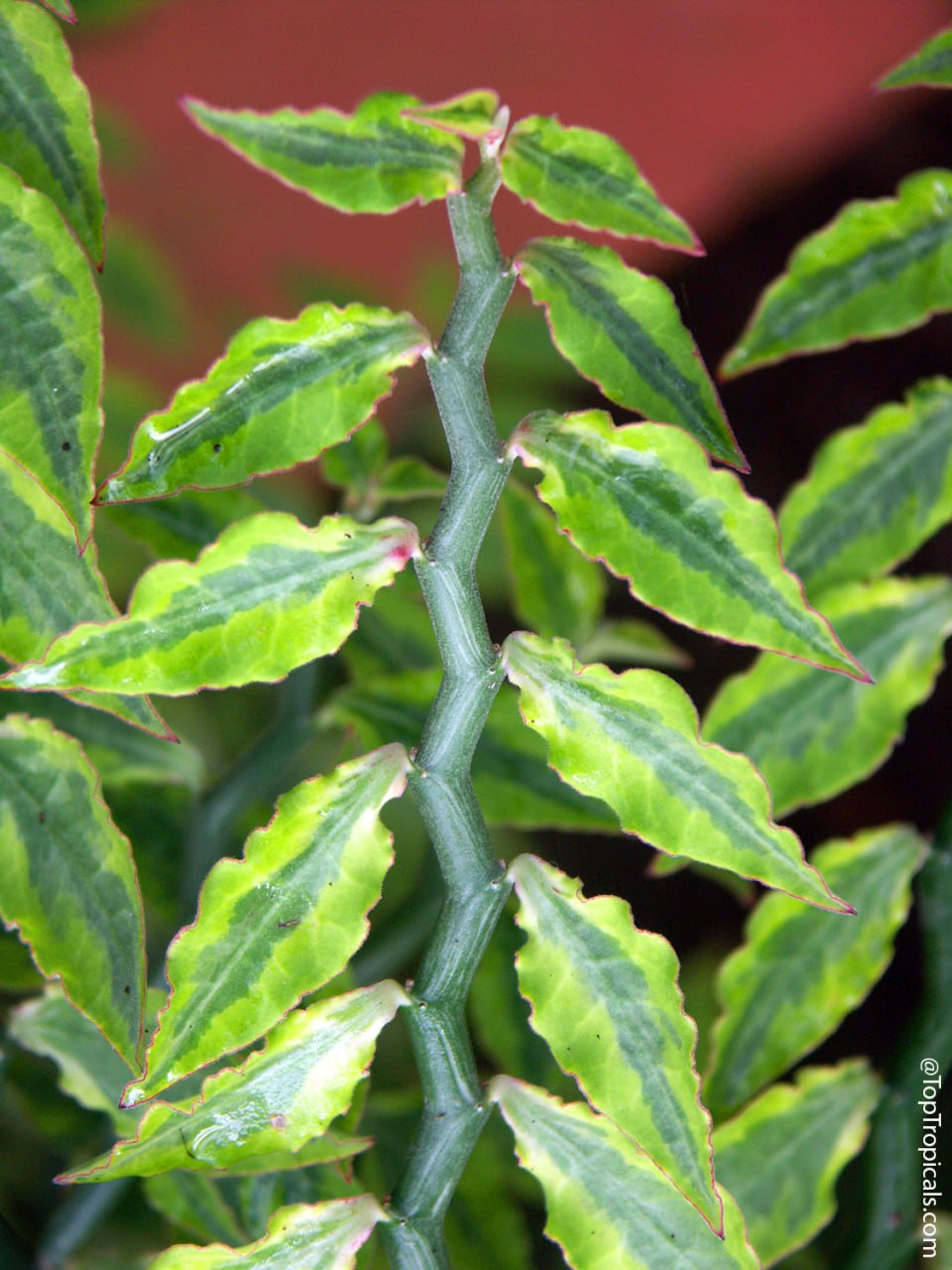
Pedilanthus tithymaloides - Devil's Backbone

Pedilanthus tithymaloides - Devil's Backbone

☀️ 9 awesome accent plants and vines that love heat and dry conditions


The hardest spots aren’t for trees - they’re for everything else. The toughest areas are often smaller spaces - along walls, patios, containers, or rocky patches where soil dries out fast. This is where most plants fail quickly.
These picks don’t just survive - they stand out. They bring texture, color, and structure - without needing constant watering or perfect soil.


Why containers are the toughest of all in heat


Growing in pots in hot, dry conditions is a different game. The soil heats up fast, roots can literally overheat, and moisture disappears much quicker than in the ground. If you’re using containers, protect the root zone - group pots together, tuck them into partial shade, or shield the container itself from direct sun. Choosing drought-tolerant plants helps, but don’t assume they can go totally without water - even tough plants in pots can dry out quickly, so check regularly and don’t let them go bone dry.

🔥 9 best smaller plants and vines for hot, dry spots


☀️ 1. Adenium - Desert Rose 📸
Stores water in its caudex and thrives in heat - one of the best flowering plants for dry conditions.

Adenium Plant Facts

Botanical name: Adenium sp.
Also known as: Adenium, Desert Rose, Impala Lily
USDA Zone: 9 - 10
Highligths Plant with caudexLarge shrub 5-10 ft tallSmall tree 10-20 ftFull sunWater Requirement: Low. Allow soil to dry out between wateringsWatering: Moderate. Water when top soil feels dryYellow, orange flowersRed, crimson, vinous flowersUnusual colorBlue, lavender, purple flowersWhite, off-white flowersPink flowersToxic or Poisonous
Get personalized tips for your region
More details

☀️ 2. Stapelia gigantea - Starfish Flower 📸
Unusual and tough - thrives in dry soil and produces massive, eye-catching blooms.

Zulu Giant Plant Facts

Botanical name: Stapelia gigantea
Also known as: Zulu Giant, Carrion Plant, Starfish Flower
USDA Zone: 9 - 10
Highligths Small plant 2-5 ftFull sunWatering: Moderate. Water when top soil feels dryUnusual colorPlant attracts butterflies, hummingbirds
Get personalized tips for your region
More details

☀️ 3. Cissus quadrangularis - Veld Grape Vine 📸
A succulent vine that handles heat and drought while adding a unique structural look.

Veld grape Plant Facts

Botanical name: Cissus quadrangularis, Vitis quadrangularis
Also known as: Veld grape
USDA Zone: 9 - 11
Highligths Groundcover and low-growing 2ft plantVine or creeper plantSemi-shadeFull sunWatering: Moderate. Water when top soil feels dryOrnamental foliageEthnomedical plant.
Plants marked as ethnomedical and/or described as medicinal, are not offered as medicine but rather as ornamentals or plant collectibles.
Ethnomedical statements / products have not been evaluated by the FDA and are not intended to diagnose, treat, cure, or prevent any disease. We urge all customers to consult a physician before using any supplements, herbals or medicines advertised here or elsewhere.Subtropical plant. Mature plant cold hardy at least to 30s F for a short time
Get personalized tips for your region
More details

☀️ 4. Jatropha podagrica - Gout Plant 📸
Thick stems store water, making it surprisingly drought tolerant with a bold tropical look.

Gout Plant Facts

Botanical name: Jatropha podagrica
Also known as: Gout Plant, Gout Stick, Buddha Belly, Guatemala Rhubarb, Tartogo
USDA Zone: 9 - 11
Highligths Plant with caudexPlant used for bonsaiSmall plant 2-5 ftSemi-shadeShadeFull sunWatering: Moderate. Water when top soil feels dryYellow, orange flowersRed, crimson, vinous flowersOrnamental foliageToxic or PoisonousPlant attracts butterflies, hummingbirdsSubtropical plant. Mature plant cold hardy at least to 30s F for a short timeSeaside, salt tolerant plant
Get personalized tips for your region
More details

☀️ 5. Pedilanthus tithymaloides - Devil's Backbone 📸
Extremely forgiving - thrives on neglect, heat, and dry soil.

Devil's backbone Plant Facts

Botanical name: Euphorbia tithymaloides, Pedilanthus tithymaloides
Also known as: Devil's backbone, Zigzag plant, Jacob's ladder
USDA Zone: 9 - 11
Highligths Large shrub 5-10 ft tallSmall plant 2-5 ftSemi-shadeFull sunWatering: Moderate. Water when top soil feels dryOrnamental foliagePink flowersIrritating plantSubtropical plant. Mature plant cold hardy at least to 30s F for a short time
Get personalized tips for your region
More details

☀️ 6. Agave species - Tequila Agave, Century Plant


Classic drought plants - architectural, extremely tough, and almost maintenance-free.

Century plant Facts

Botanical name: Agave americana
Also known as: Century plant
USDA Zone: 8 - 11
Highligths Large shrub 5-10 ft tallFull sunWater Requirement: Low. Allow soil to dry out between wateringsWatering: Moderate. Water when top soil feels dryThorny or spinySubtropical plant. Mature plant cold hardy at least to 30s F for a short time
Get personalized tips for your region
More details

☀️ 7. Crocosmia species - Coppertips / Falling Stars


Handles heat well once established and adds bright seasonal color with minimal care.

Coppertips Plant Facts

Botanical name: Crocosmia sp.
Also known as: Coppertips, Falling Stars, Montbretia
USDA Zone: 8 - 11
Highligths Small plant 2-5 ftSemi-shadeFull sunWatering: Moderate. Water when top soil feels dryWatering: Regular. Let topsoil dry slightlyYellow, orange flowersRed, crimson, vinous flowersPlant attracts butterflies, hummingbirdsSubtropical plant. Mature plant cold hardy at least to 30s F for a short time
Get personalized tips for your region
More details

☀️ 8. Ipomoea platensis - Caudiciform Morning Glory


A rare vine with a swollen base - built to handle dry cycles and intense sun.

Plata Ipomoea Plant Facts

Botanical name: Ipomoea platensis, Ipomoea platense, Ipomoea lineariloba
Also known as: Plata Ipomoea, Caudiciform Morning Glory
USDA Zone: 9 - 11
Highligths Plant with caudexVine or creeper plantSemi-shadeWatering: Moderate. Water when top soil feels dryWatering: Regular. Let topsoil dry slightlyPink flowersSubtropical plant. Mature plant cold hardy at least to 30s F for a short time
Get personalized tips for your region
More details

☀️ 9. Plectranthus hadiensis tomentosus - Camphor Basil


Soft, aromatic foliage that tolerates dry conditions better than most leafy plants.

Camphor Plant Facts

Botanical name: Plectranthus tomentosus, Plectranthus hadiensis var. tomentosus
Also known as: Camphor Plant, Camphor Basil, Vicks Plant, Succulent Coleus
USDA Zone: 9 - 10
Highligths Groundcover and low-growing 2ft plantSmall plant 2-5 ftSemi-shadeFull sunWater Requirement: Low. Allow soil to dry out between wateringsWatering: Moderate. Water when top soil feels dryOrnamental foliageBlue, lavender, purple flowersPlant attracts butterflies, hummingbirdsSpice or herb plantEthnomedical plant.
Plants marked as ethnomedical and/or described as medicinal, are not offered as medicine but rather as ornamentals or plant collectibles.
Ethnomedical statements / products have not been evaluated by the FDA and are not intended to diagnose, treat, cure, or prevent any disease. We urge all customers to consult a physician before using any supplements, herbals or medicines advertised here or elsewhere.Fragrant plant
Get personalized tips for your region
More details

🛒 Shop drought tolerant plants - for hot and dry spots

📚
Learn more:
Jatropha podagrica - in Plant Encyclopedia
7 tough shrubs that handle heat and dry soil
9 tough trees for hot, dry spots that actually thrive
9 best tropical shrubs that bloom all summer long or year around
The bizarre bloom you cant stop staring at
Coral-blooming bonsai with a bottle-shaped trunk - perfect container plant
Caudiciform Morning Glory
Grows in neglect: tough plant for tough spots

#Discover #Hedges_with_benefits #How_to

🟢 Join 👉 TopTropicals