Garden Blog - Top Tropicals

Date: 15 Dec 2025

9 tropical vegetables to grow indoors, or how to have garden-fresh produce all year
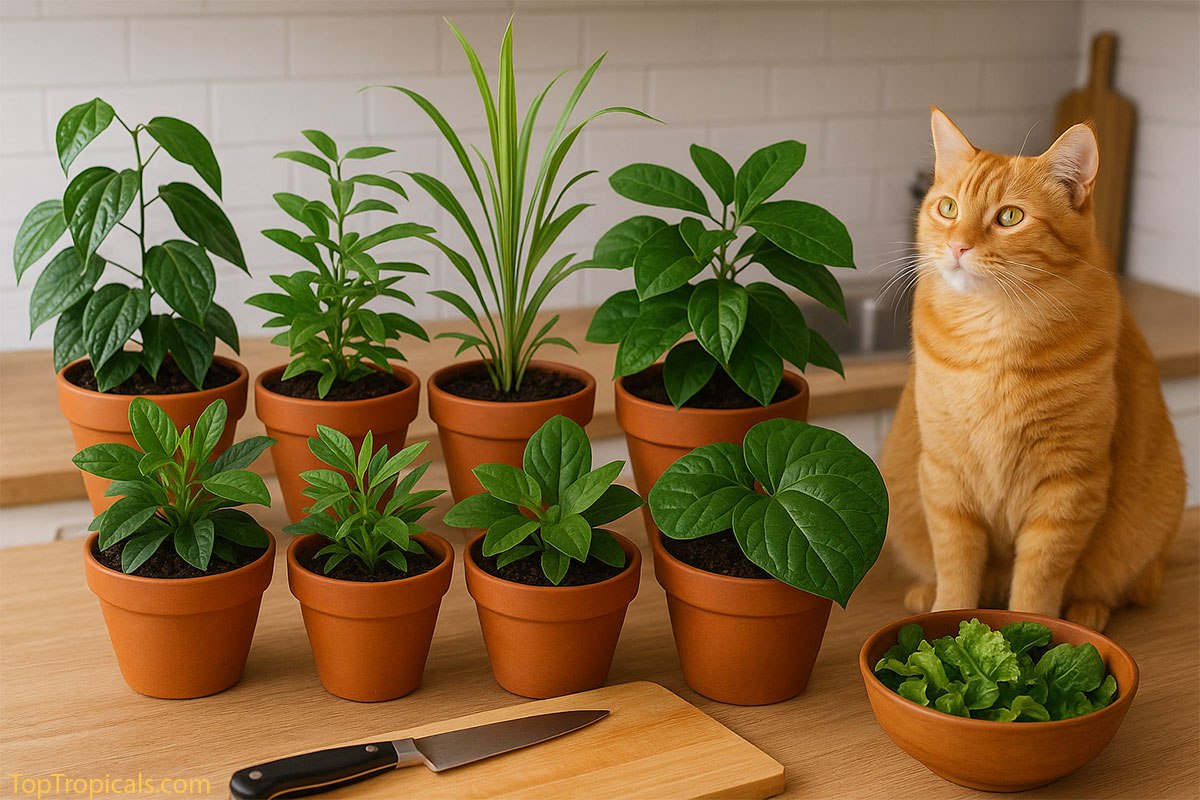
9 tropical vegetables to grow indoors

9 tropical vegetables to grow indoors

🌱 9 tropical vegetables to grow indoors, or how to have garden-fresh produce all year

Cold weather does not have to mean the end of homegrown food. According to Southern Living, vegetables like lettuce, carrots, and radishes can be grown indoors during winter. The downside is that most of these are annuals - you harvest once, then start over.

Tropical vegetables work differently. Many are perennial, long-living plants that grow well in containers and keep producing for years. Grow them indoors year-round, move them outside in summer for extra sun and growth, then bring them back indoors before cold weather. With enough light and regular care, these plants can provide fresh harvests in every season.
  • Tips for growing tropical vegetables indoors

  • 📍Place plants near a bright window or supplement with grow lights for steady growth
  • 📍Use containers with good drainage and quality potting mix
  • 📍Keep plants away from cold drafts and heating vents
  • 📍Rotate pots and prune regularly to encourage fresh, tender growth
  • 📍Feed regularly with natural Sunshine Boosters - they are formulated for edibles


Tropical vegetables to grow indoors
  • 🌿 Gynura procubens - Longevity Spinach, Cholesterol spinach - a fast-growing leafy green often called a superfood. The tender leaves are used fresh or lightly cooked and can be harvested repeatedly. This plant stays compact, handles containers easily, and regrows quickly after cutting.
  • 🌿 Sauropus androgynus - Katuk, Tropical Asparagus. One of Southeast Asia’s most popular leafy vegetables. Katuk produces edible shoots and leaves that are cooked in soups and stews. It grows well indoors and rewards regular harvesting with constant new growth.
  • 🌿 Cymbopogon citratus - Lemon grass: a tough, productive plant that adapts well to container growing. The stalks and leaves are used for teas, soups, and flavoring. Indoors, it grows more slowly but stays productive, especially when moved outdoors in summer.
  • 🌿 Lippia dulcis - Aztec Sweet Herb, Sweetleaf: a low-growing herb with naturally sweet leaves. The foliage can be eaten fresh or used as a sugar substitute in teas and desserts. It stays compact, tolerates pruning, and performs well in pots indoors.
  • 🌿 Piper sarmentosum - Vietnamese Pepper, Lalot: grown for its aromatic, edible leaves rather than peppercorns. The leaves are eaten fresh, cooked, or used as food wraps. This plant stays manageable indoors with light pruning.
  • 🌿 Piper nigrum - Black Pepper: the true black pepper vine. Grows well indoors as a container vine with support. It prefers warm temperatures, steady moisture, and bright filtered light.
  • 🌿 Piper auritum - Root Beer Plant, False Kava-Kava: close relative of Piper methysticum (Kava-Kava) known for its large, fragrant leaves with a spicy, root beer-like aroma. The leaves are used for wrapping foods and flavoring dishes. Best grown indoors with room for its bold foliage.
  • 🌿 Piper betle - Betel leaf: a traditional edible and medicinal leaf used widely in Asia. The glossy leaves are harvested continuously and used fresh or as wraps. This vine grows well indoors with warmth, humidity, and a small trellis.
  • 🌿 Piper longum - Indian Long Pepper, Pippali, Bengal Pepper: A tropical pepper relative grown for its elongated spice fruits and edible leaves. Slower to fruit indoors but easy to maintain as a leafy spice plant in containers with bright light and regular feeding.


Tropical vegetables make indoor gardening more rewarding because they do not stop after one harvest. With containers, light, and basic care, these plants can become long-term food producers that move seamlessly between indoors and outdoors - keeping fresh flavors within reach all year.

🛒 Explore tropical edibles, herbs and spices

📚 Learn more:

🎥 Karkade Tea
Longevity Spinach


#Food_Forest #Remedies #Container_Garden #How_to #Discover

🟢 Join 👉 TopTropicals
Date: 5 Dec 2025

What Avocado is better - Mexican or Guatemalan?

What Avocado is better - Mexican or Guatemalan? What Avocado is better - Mexican or Guatemalan? What Avocado is better - Mexican or Guatemalan?
🌎 What Avocado is better - Mexican or Guatemalan?

Avocados come from three main regions, and each group has its own special look, taste, and growing habits. The three types are Mexican, Guatemalan, and West Indian. Many of today’s popular varieties are hybrids, mixing traits from these types.

  • Mexican type:

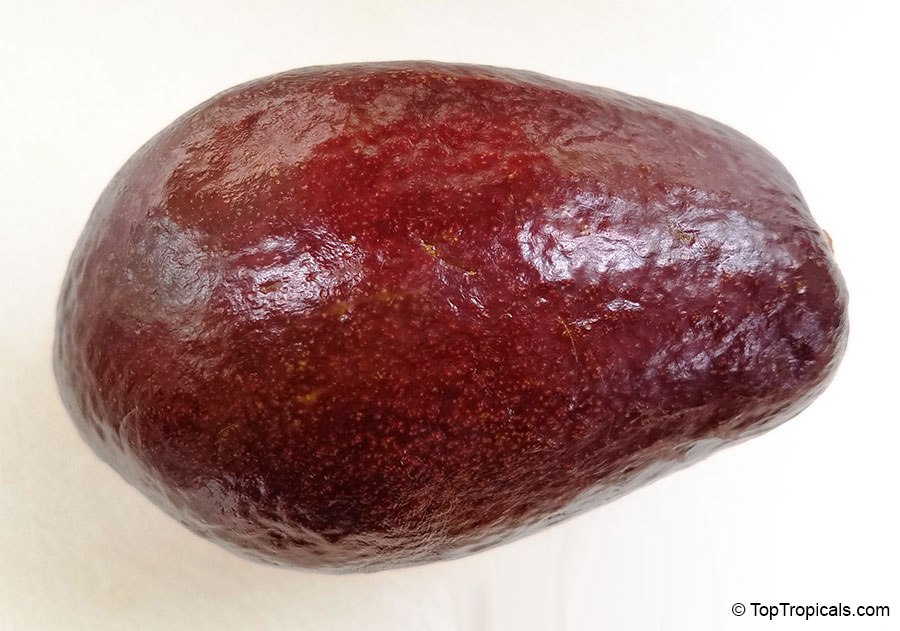
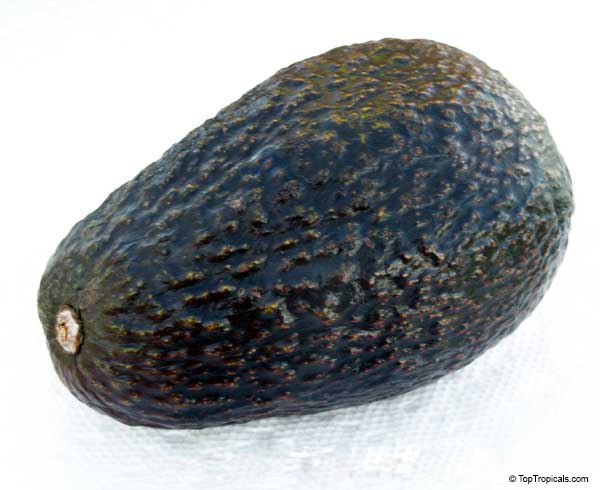
  • These avocados are small, with thin skin and rich flavor. The skin often turns dark green or black when ripe. The flesh is very buttery, with high oil content (up to 30%), and the leaves smell like anise. Mexican types are also the most cold-hardy, so they do well in cooler areas.
    Popular Mexican avocado varieties: Anise, Bacon, Brazos Belle (Wilma), Brogdon (Brogden), Fantastic, Florida Hass (Haas), Lila (Opal), Mexicola, Mexicola Grande, Ulala (Oh La La, Super Hass).
    Hybrids Mexican x Guatemalan: Winter Mexican, Buck, Wurtz (True Dwarf), Maria Black, Fuerte, Hall, Ettinger, Thomson Red.

  • Guatemalan type:

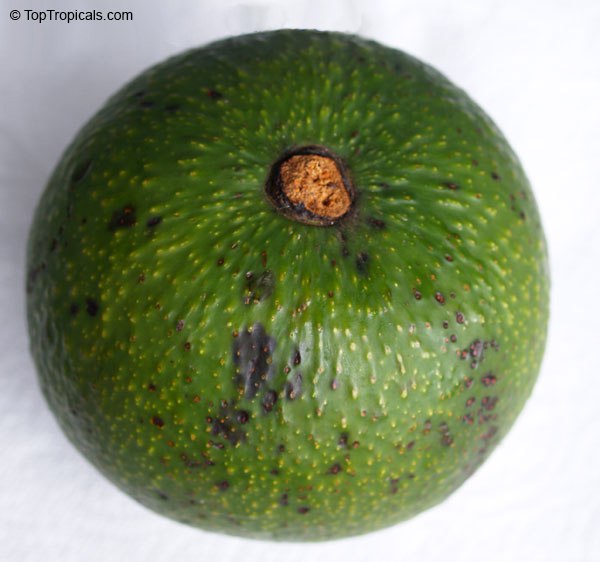
  • These are medium to large avocados with thicker, sometimes bumpy skin. They have a creamy texture and rich flavor with plenty of healthy fats. The fruit is usually pear-shaped and ripens in winter or spring. Guatemalan types are commonly grown in both Florida and California.
    Popular Guatemalan avocado varieties: Black Prince, Booth 8, Joey, Nishikawa, Reed, Tonnage, Yamagata
    Hybrids Mexican x Guatemalan: Winter Mexican, Buck, Wurtz (True Dwarf), Maria Black, Fuerte, Hall, Ettinger, Thomson Red
    Hybrids of West Iundian and Guatemalan: Beta, Catalina, Choquette, Day, Hardee Red, Kampong (Sushi), Loretta, Lula, Marcus Pumpkin, Miguel, Monroe, Oro Negro.

  • West Indian type:

These avocados are the biggest, with smooth, shiny green skin and a lighter, more watery taste. They have less oil but lots of pulp, perfect for salads and guacamole. The fruit can weigh up to 2 pounds! They grow best in tropical climates like Florida, the Caribbean, and the Bahamas, but not in California.
West Indian avocado varieties: Bernecker, Donnie (Doni), Hialeah Red, Pollock, Poncho (Pancho), Red Russell, Russell, Simmonds, Waldin.
Florida originated varieties: Catalina, Hardee Red.
Hybrids of West Iundian and Guatemalan: Beta, Catalina, Choquette, Day, Hardee Red, Kampong (Sushi), Loretta, Lula, Marcus Pumpkin, Miguel, Monroe, Oro Negro.

✍️ In short:
  • ✦ Mexican - small, rich, cold-hardy
  • ✦ Guatemalan - medium, creamy, thick skin
  • ✦ West Indian - large, smooth, tropical


✔️ Check out
Avocado Variety Guide interactive chart. Sort them by flower type A or B, tree habit, fruit shape and quality, cold hardiness, origin, season and more!

🛒 Explore Avocado varieties

📖 Our Book: Avocado Variety Guide, Snack or Guacamole?

📚Learn more:

#Food_Forest #Avocado #How_to

🟢 Join 👉 TopTropicals

Date: 3 Dec 2025

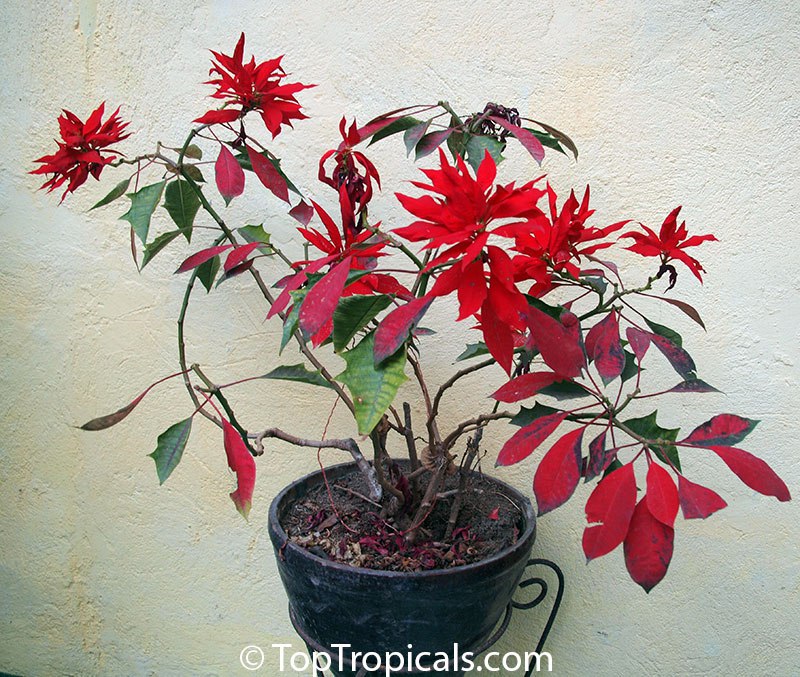
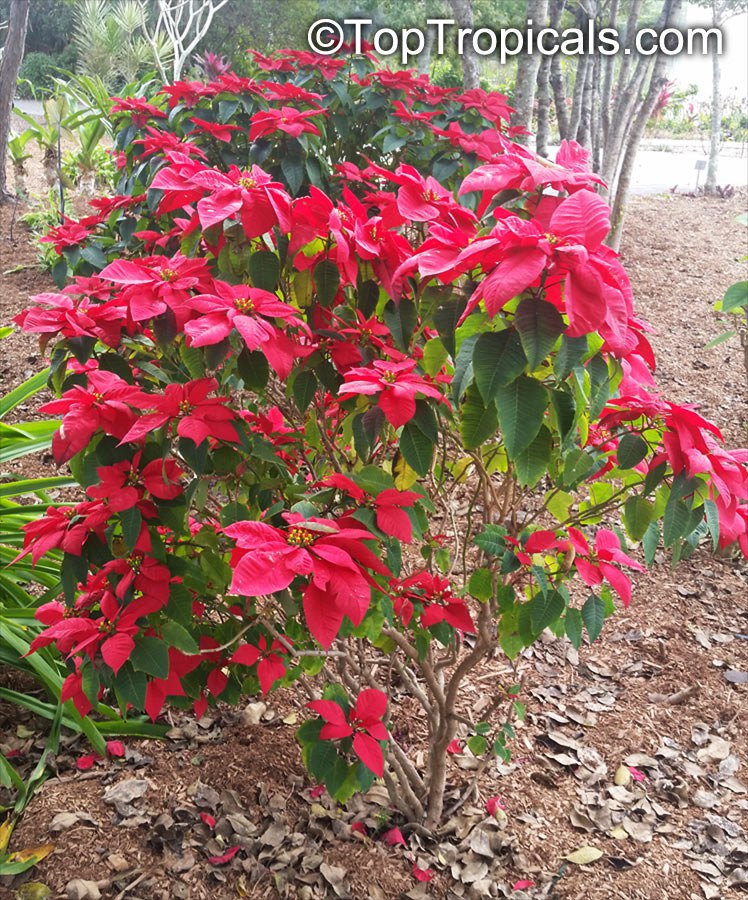
Can Poinsettia grow for years? 5 most common mistakes with new container plants

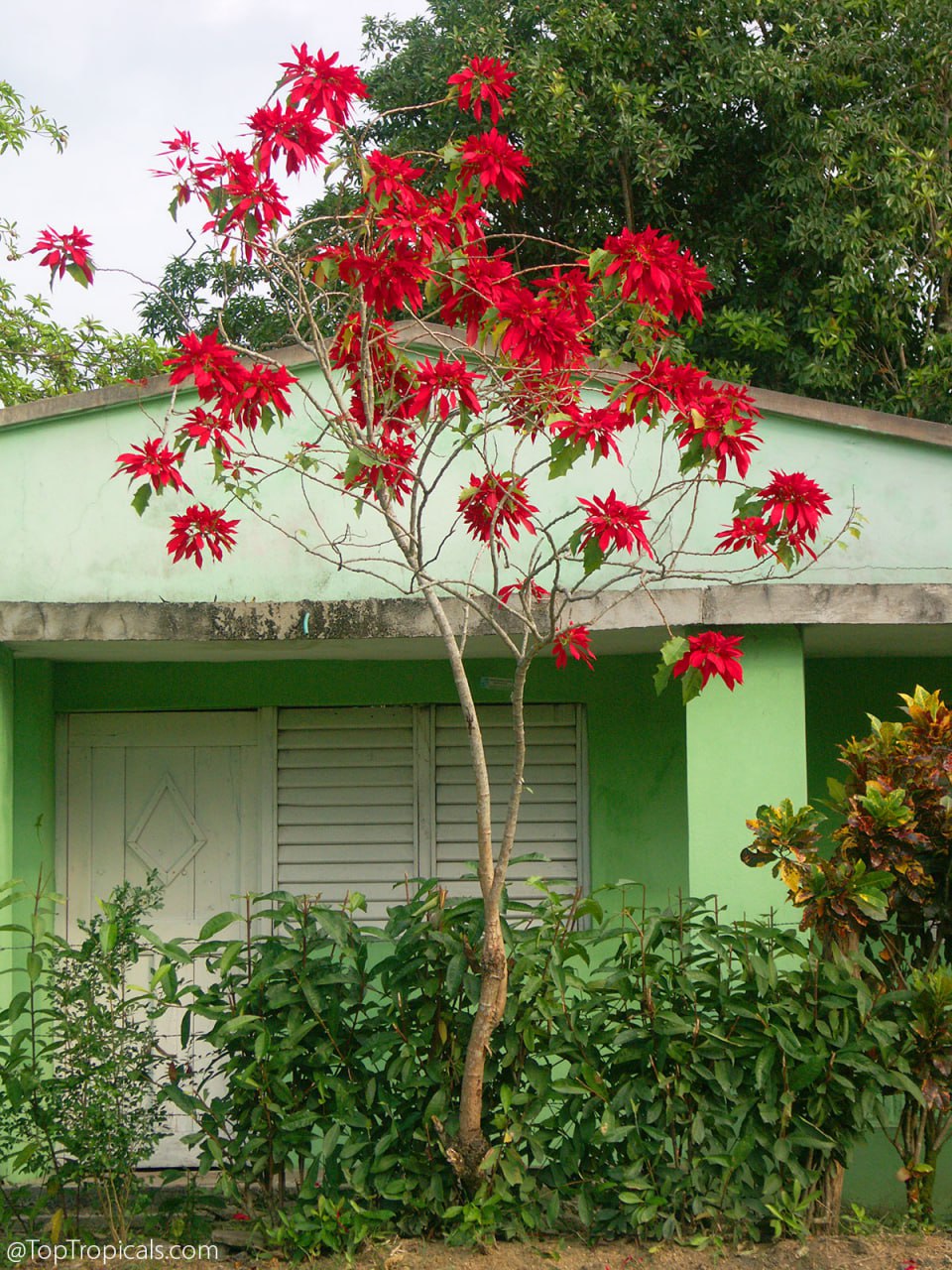
Poinsettia - Euphorbia pulcherrima tree

Poinsettia - Euphorbia pulcherrima tree

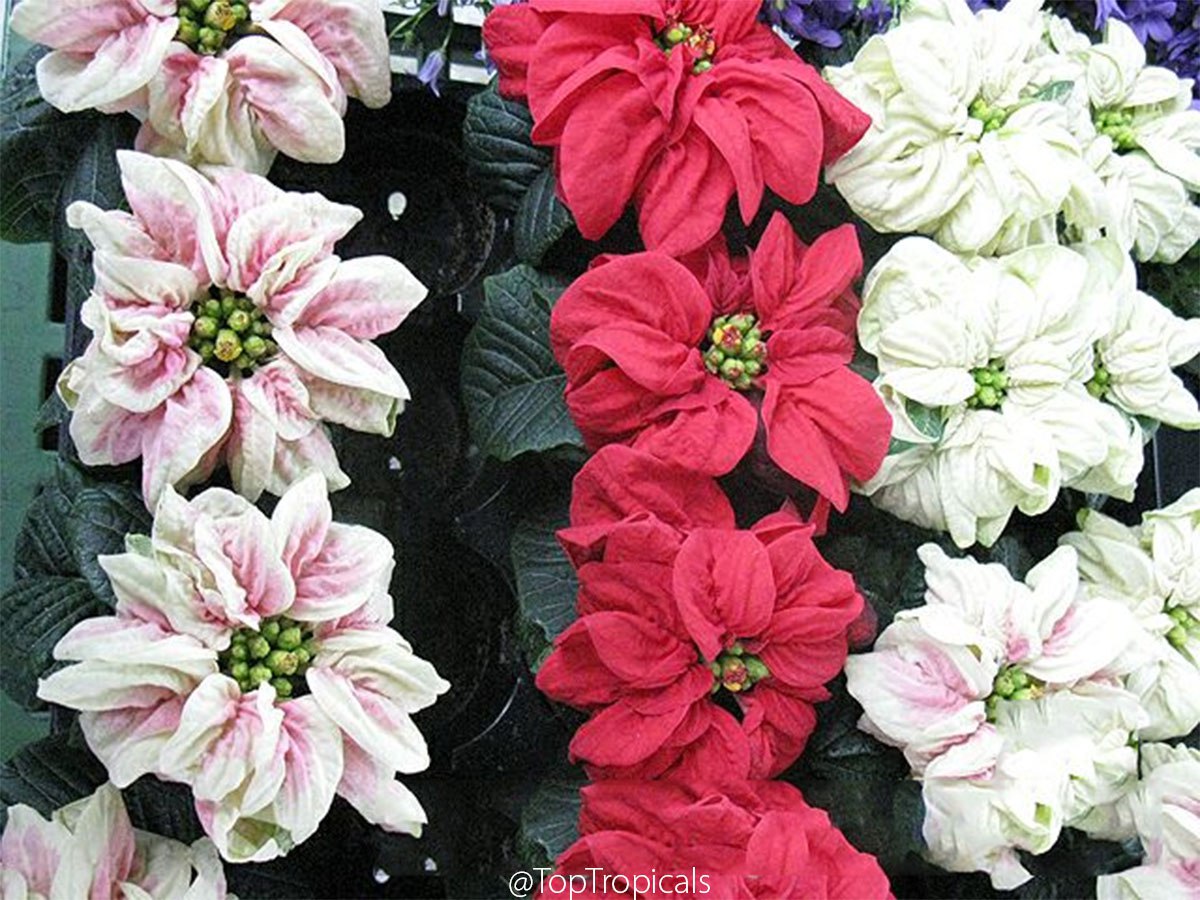
Poinsettia - Euphorbia pulcherrima colorful leaves

Poinsettia - Euphorbia pulcherrima colorful leaves

Poinsettia - Euphorbia pulcherrima in a pot

Poinsettia - Euphorbia pulcherrima in a pot

Poinsettia - Euphorbia pulcherrima bush

Poinsettia - Euphorbia pulcherrima bush

Can Poinsettia grow for years? 5 most common mistakes with new container plants.

You buy a beautiful plant from a big garden center, or maybe you received one as a holiday gift. It looks perfect - lush, bushy, colorful, spotless. But a few weeks later… what happened? It is dropping leaves, getting leggy, or simply dying. Think about poinsettias after Christmas - most end up in the trash like annuals. But poinsettias are actually perennial shrubs that live for many years in their native environment!

So what went wrong? Here are simple ways to avoid these disappointments and keep your new plants as happy as they were in the greenhouse - and even help them grow bigger and nicer for a long time.
  • Do not put a plant directly into hot, bright sun.

  • Most nursery plants are grown in filtered light under shade cloth, and sudden full sun can burn the leaves.

Move sun-loving plants gradually into full sun.
  • Do not rely on the original container.

  • Holiday and gift plants often come in decorative pots that have issues:
    - no drainage holes
    - glazed or heavy plastic that traps moisture and causes root rot
    - dry, porous terra cotta that loses moisture too fast
    - cone-shaped pots that hold water and create waterlogging
    - pots that are simply too big or too small for the root system

Use simple black nursery pots with straight sides.
They:
- hold moisture at the right level
- are made of safe professional-grade plastic
- make it easy to remove the root ball when stepping up
For a fancy display, place the black pot inside a decorative planter. It will also act as a saucer to collect excess water - no stress, no mess.
  • Do not skip checking the soil. Even plants from professional growers can hide surprises:

  • - the plant may be buried too deep. Large nurseries sometimes add extra soil on top to make the pot look full, but burying the stem can kill the plant in days.
    - soil type on top may be wrong. They may pack peat moss or sphagnum on top to keep stems tight for display.
    - the entire soil media might be temporary. Many orchids in stores, for example, sit in glazed pots stuffed with soggy sphagnum - not how orchids should grow.

Take the plant out of the pot and inspect the roots and soil.
Remove excess peat or sphagnum. Use a quality, well-drained mix like Abundance and repot into a container that matches the root size or is just slightly larger.
  • Do not forget fertilizer.

  • Your plant came from a professional nursery where it likely received constant feeding through a liquid injection system - almost like being on life support. Once removed, it can decline within weeks.

Put your plant on a regular fertilizer schedule.
When repotting, mix in Green Magic controlled-release fertilizer and refresh it every 6 months. Simple and easy! You can also apply liquid Sunshine Boosters - safe to use with each watering.

Do not ignore individual plant needs.
Take a moment to ask what the plant prefers and what to avoid, when buying from a nursery where you can talk to a grower, like Top Tropicals. The grower knows exactly how it was grown and what it likes. Getting a plant is like adopting a baby - knowing its habits makes all the difference!

🛒 Select plants for containers

#How_to #Container_Garden

🟢 Join 👉 TopTropicals

Date: 28 Nov 2025

What is the best Red Dragon fruit and what does it taste like?

Red Dragon Fruit - Halley's Comet

🔴 What is the best Red Dragon fruit and what does it taste like?
  • 🍉 Red dragon fruit might look similar on the outside, but the flavors are all over the place once you start trying different varieties. Halley's Comet is one of the reds that actually tastes rich - sweet, juicy, and full of that deep berry-like flavor people hope for in dragon fruit. It ripens fast, so you have to catch it at the right moment or it turns soft overnight.
  • 🍉 Red-fleshed types are also loaded with antioxidants, which is why the juice stains everything it touches. If you like bold flavor, check out other good reds below. These are some of the top varieties growers recommend for sweeter, stronger taste:

  • 🔴🔴 Red skin, red flesh(Hylocereus costaricensis) - Sweeter, juicier, and more intense in flavor. The deep red juice can stain, but it’s loaded with antioxidants.

  • Varieties: American Beauty, Bloody Mary, Eureka Red, Costa Rican Sunset, Mac Edwin, Halley's Comet, Makisupa, Mega Red, Physical Graffiti, Sweet Red
  • 🔴🟣 Red flesh, purple/magenta flesh(Hylocereus x costaricensis) - Hybrids, usually between red and white varieties.

Varieties: Cosmic Charlie, Edgar's Baby, Natural Mystic, Physical Graffiti, Purple Haze, Tricia, Voodoo Child, Zamorano

🛒 Bring a red dragon to your garden


📚 Learn more:
📱 How to grow Dragon Fruit
📱

#Food_Forest #How_to #Dragon_Fruit

🟢 Join 👉 TopTropicals

Date: 23 Nov 2025

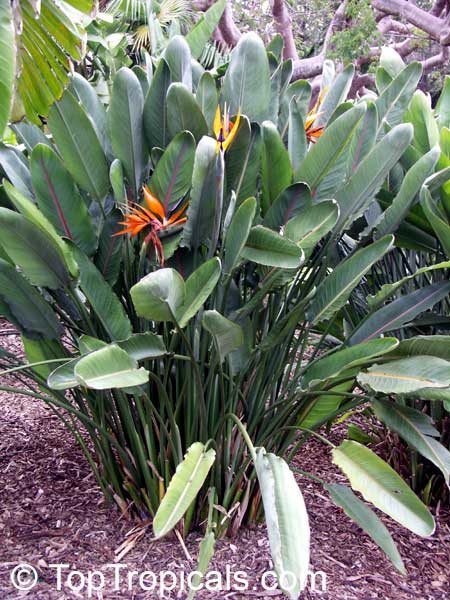
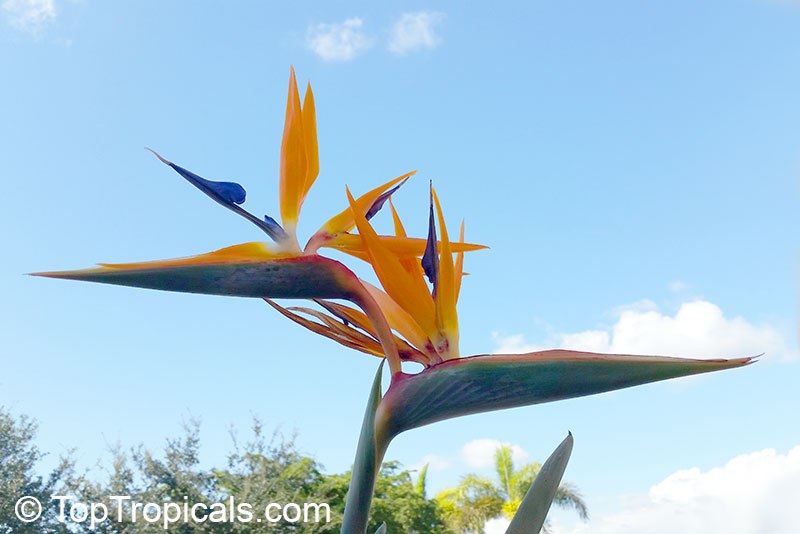
How to overwinter the tropical Bird of Paradise

Strelitzia reginae - the Bird of Paradise, bug plant

Strelitzia reginae - the Bird of Paradise, bug plant

Strelitzia reginae - the Bird of Paradise, flower

Strelitzia reginae - the Bird of Paradise, flower

❄️ How to overwinter the tropical Bird of Paradise
  • Strelitzia reginae - the Bird of Paradise is a resilient tropical that can adapt to indoor conditions through winter if given bright light, moderate warmth, and careful watering. With a few preventive steps and timely protection, plants will stay healthy and reward you with vigorous new growth and blooms when warmth returns.
  • When should you move plants indoors?

  • Move Bird of Paradise indoors before nighttime temperatures consistently drop below 55F. Extended exposure to cooler air can slow growth and stress the plant. In central and south Florida, this often means late fall; in cooler zones, aim for early to mid-October. Once temperatures fall below 50F, leaf damage and root stress can occur.
  • What is the right location for a Bird of Paradise in winter, and why?

  • Place the plant in the brightest spot available - ideally near a south- or west-facing window. Strelitzia reginae is light-hungry even during dormancy. Low light leads to leaf yellowing, weak petioles, and slowed recovery in spring. If natural light is limited, supplement with a full-spectrum grow light set 12-18 inches above the foliage for 12-14 hours daily. Maintain room temperatures between 65F and 75F.
  • Do you need to do anything before moving them indoors?

  • Inspect the plant for pests such as mealybugs, scale, and spider mites, which often hide in leaf bases. Rinse the leaves and petioles thoroughly and check the soil surface for insects or snails. Prune off any damaged or aging leaves. If the plant has spent the summer in heavy rain, allow the soil to dry slightly before bringing it indoors to avoid fungus gnats or root issues.
  • Do plants need watering or feeding during winter?

  • Reduce watering. Indoors, the Bird of Paradise grows slowly in lower light, and excess moisture can cause root rot. Let the top 1-2 inches of soil dry before watering again. Avoid fertilizing during winter rest; resume feeding in spring when new growth appears. If the air indoors is very dry, increase humidity with a pebble tray or humidifier rather than overwatering.
  • Can you overwinter Birds of Paradise outdoors?

  • In frost-free areas of Florida (USDA zones 10-11), they can remain outdoors year-round. In zone 9, occasional cold snaps require protection. Mature clumps tolerate brief dips to about 30°F, but foliage burns easily at low temperatures.
  • What tips do you have for protecting plants outdoors?

When frost threatens, water the soil thoroughly a day before - moist soil retains heat better than dry. Cover the plant overnight with frost cloth or breathable fabric, not plastic, to trap ground warmth. For large clumps, wrap the base with mulch or straw to protect rhizomes. After cold events, remove damaged leaves but wait until spring to cut deeply, as live tissue below may still recover.

📚 Learn more:
How to grow Bird of Paradise

🛒 Plant Bird of Paradise

#How_to #Container_Garden

🟢 Join 👉 TopTropicals