Garden Blog - Top Tropicals

Date: 5 Jun 2026

The Heart-Shaped Houseplant People Keep Giving as a Living Love Note
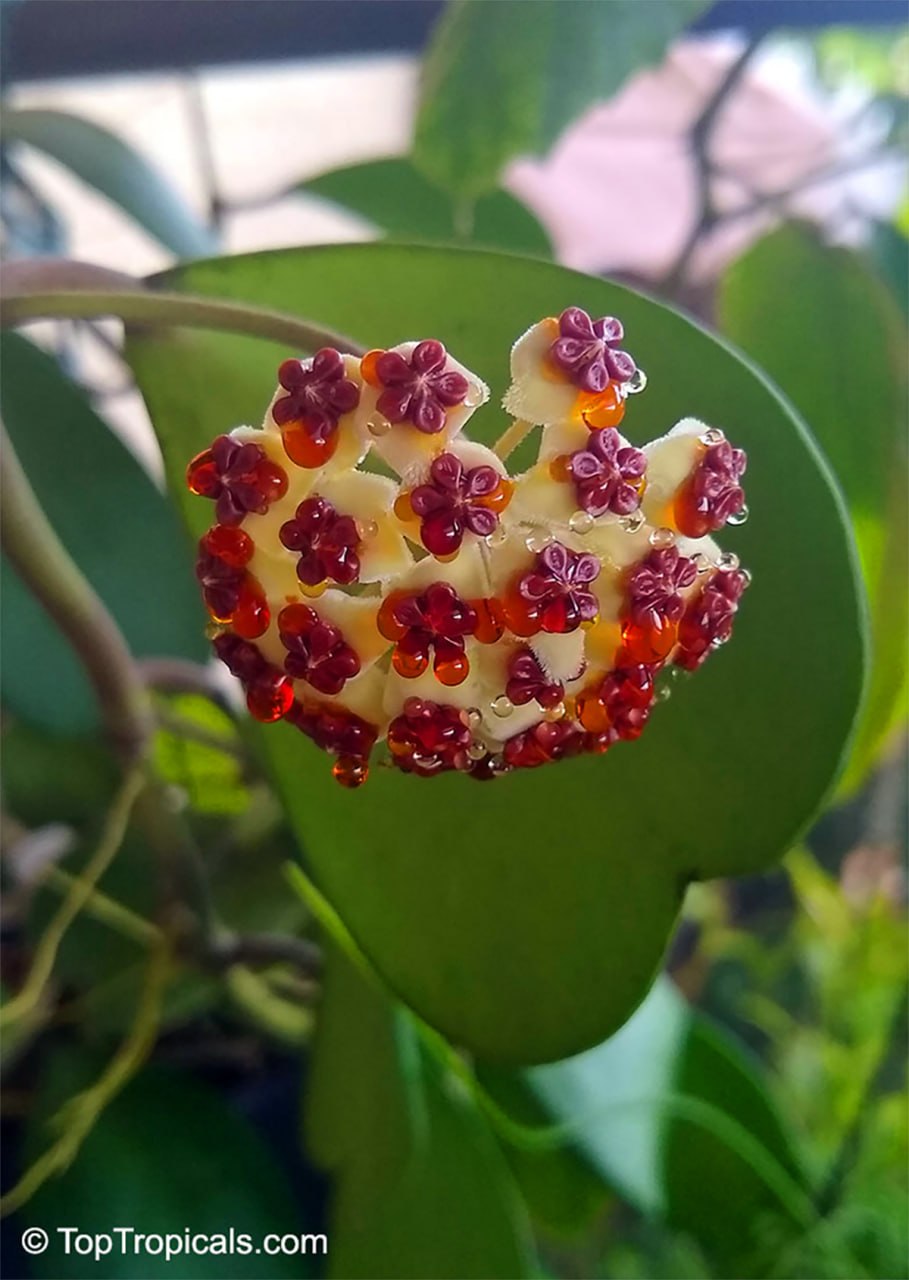
Hoya kerrii - Sweetheart Plant or Valentine Hoya flowers

Hoya kerrii - Sweetheart Plant or Valentine Hoya flowers

Hoya kerrii - Sweetheart Plant or Valentine Hoya

💞 The Heart-Shaped Houseplant People Keep Giving as a Living Love Note


Most houseplants are just greenery, but Hoya kerrii is different. One look at its perfectly heart-shaped leaves and you immediately understand why it’s called the Sweetheart Plant or Valentine Hoya. It looks almost unreal - thick green hearts climbing along twisting vines, as if designed specifically for a Love Gift. But unlike flowers that fade in a week, this gift keeps growing, quietly reminding someone every day that they are loved. For plant collectors, it has become one of the most charming and recognizable indoor plants in the world.

💖 Three Stunning Varieties to Obsess Over


The famous heart shape is only part of the story. Mature plants grow long, twining stems covered in succulent-like leaves that look like little green valentines hanging in every direction. It comes in three beautiful forms:

🟢 Classic Jade Green: Deep green foliage and the fastest grower of the family.
🟡 Sunshine Variegated: Bright, creamy-yellow margins that light up a room.
⚪️ Moonlight Variegated: Softer, silvery-cream internal patterns for an elegant look.

Many people first discover Hoya kerrii as a single rooted leaf sold in a tiny pot. While those cute novelty hearts make popular gifts, mature trailing plants are far more impressive.
👉 Pro-Tip: If you want cascading vines, buy a plant with a visible stem and multiple leaves. Those single novelty leaves look adorable on a desk, but without a piece of stem tissue, they never grow any larger.

💖 Surprisingly Low-Maintenance


One reason the Sweetheart Hoya exploded in popularity is simple: it is extremely forgiving and tolerates neglect better than too much attention. Because the thick leaves store water like a succulent, it easily survives weeks between waterings.

It adapts beautifully to standard home or office life:

💧Water: Low to moderate. Let the soil dry out completely between waterings.
☀️Light: Bright, indirect light is best, though it tolerates lower-light spots.
📊Environment: Thrives in average household humidity and indoor temperatures.

The single biggest mistake you can make is overwatering. When in doubt, leave it dry.

💖 The Fragrant, Wax Flowers


Many owners don't even realize Hoya kerrii blooms until it suddenly produces clusters of strange, waxy flowers that look almost artificial.

The blooms form in rounded, umbrella-like clusters of tiny, double-layered stars - a pale outer star topped with a rich, reddish center crown. Like most Hoyas (affectionately called "wax plants"), the blooms are remarkably long-lasting and release a sweet, rich fragrance, especially in the evening.

💖 A Plant That Tells a Story


There is something deeply thoughtful about giving a living, heart-shaped plant. Cut flowers are a temporary gesture, but a Sweetheart Hoya becomes a permanent fixture on a windowsill, a kitchen corner, or an office desk.

That is why this quirky tropical vine remains a favorite for birthdays, anniversaries, and "thinking of you" surprises. Some plants simply decorate a room; a Sweetheart Hoya quietly tells a story every time you walk past it.

🛒 Collect Sweetheart Hoyas

📚 Learn more:

Wax Hearts Plant Facts

Botanical name: Hoya kerrii
Also known as: Wax Hearts, Sweetheart Hoya, Valentine Hoya, Heart leaf
USDA Zone: 9 - 11
Highligths Groundcover and low-growing 2ft plantSemi-shadeShadeFull sunWatering: Moderate. Water when top soil feels dryOrnamental foliageWhite, off-white flowersPlant attracts butterflies, hummingbirdsFragrant plant
Get personalized tips for your region

Hoya kerrii, Sweetheart Hoya in Plant Encyclopedia
What is the best gift plant that actually lasts?
The best gift for Valentines Day
Valentines day Gift Plant Ideas
Valentine’s plants from around the world that symbolize love, connection, and appreciation
Eight favorite plants of romance, affection, and emotional connection

#Shade_Garden #Container_Garden #Discover

🟢 Join 👉 TopTropicals
Date: 28 May 2026

The white-fleshed, low-acid pineapple disrupting tropical gardens

Sugar Loaf Pineapple, Kona Sugarloaf Ananas

Sugar Loaf Pineapple, Kona Sugarloaf Ananas

🍍 The white-fleshed, low-acid pineapple disrupting tropical gardens


Most people think all pineapples taste roughly the same - sweet, tangy, yellow, and a little acidic. Then they try a Sugar Loaf pineapple and suddenly understand why rare fruit collectors are obsessed with this variety.
Sugar Loaf - also known as Kona Sugarloaf - completely changes expectations of what a pineapple can taste like. If regular pineapples leave your mouth burning after a few bites, this variety may change your mind about growing tropical fruit at home.

🍍 Why Kona Sugarloaf is completely different from store-bought pineapples


Originally associated with West Africa and later popularized in Hawaii, Sugar Loaf stands out for several unusual characteristics:

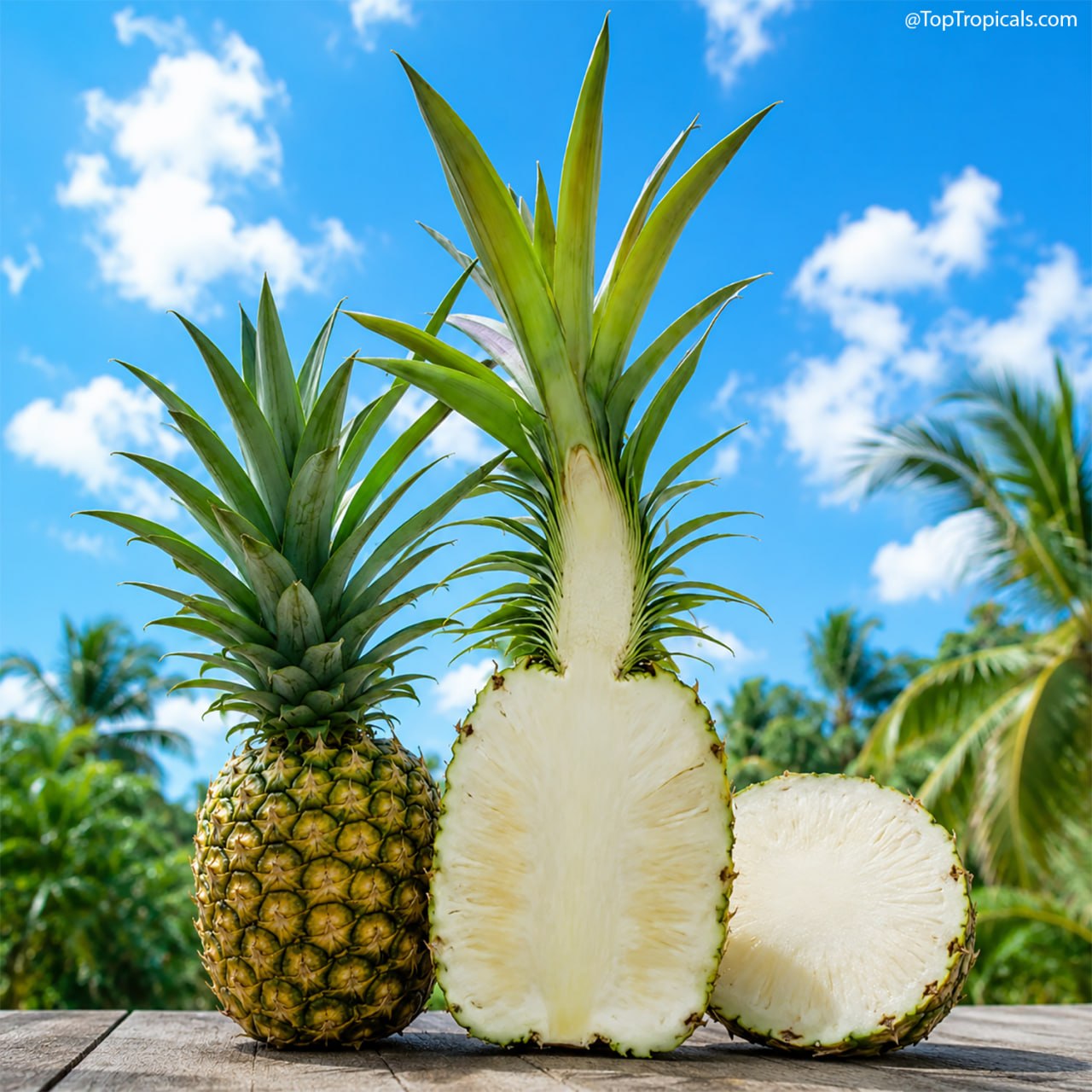
Creamy white flesh - Instead of the typical golden-yellow interior, Sugar Loaf produces soft, juicy, creamy-white fruit.
Very low acidity - The flavor is smooth, mild, and intensely sweet, with many growers describing notes of vanilla, honey, and coconut.
An edible core - Unlike regular pineapples with tough woody centers, the core of Sugar Loaf is tender and fully edible.
The green deception - One of the strangest things about this pineapple is that it often stays dark green even when fully ripe. Many first-time growers wait too long expecting it to turn gold.

Standard Pineapple:
Golden Skin ✦ Yellow Flesh ✦ High Acid ✦ Woody Core
Sugar Loaf Pineapple:
Green Skin ✦ White Flesh ✦ Low Acid ✦ Edible Core

🍍 A heavyweight performer in the garden


The fruit itself has a unique shape - taller, slimmer, and noticeably heavier for its size than standard pineapples. Under ideal tropical conditions, a single Sugar Loaf fruit can approach 10 pounds.

Beyond the fruit, gardeners love the plant for its ornamental appeal. It produces a dramatic pointed crown and arching tropical foliage, making it attractive even before fruit appears.

🍍 Kona Sugar Loaf at a glance

Pineapple Plant Facts

Botanical name: Ananas comosus
Also known as: Pineapple, Pina
USDA Zone: 9 - 11
Highligths Small plant 2-5 ftSemi-shadeFull sunWatering: Moderate. Water when top soil feels dryOrnamental foliageThorny or spinyEdible plantSubtropical plant. Mature plant cold hardy at least to 30s F for a short time
Get personalized tips for your region


Plant Type: Compact, self-fruitful bromeliad
Fruit Size: Up to 10 lbs under ideal conditions
Skin Color at Ripeness: Deep green
Flesh Color: Creamy white
Cold Tolerance: Tropical; protect from frost

🍍 Container-friendly for northern growers


You do not need a Hawaiian orchard to grow this collector favorite. Because Sugar Loaf grows as a compact bromeliad, it adapts well to patios, containers, and small gardens.

In tropical climates, it can be planted directly in the ground. In colder regions, gardeners often grow it in large pots outdoors during warm weather and move it indoors near a bright window for winter.

👉 Grower's Tip: Pineapples and bromeliads respond especially well to regular feeding during warm weather. SUNSHINE Ananas - Pineapple and Bromeliad Booster was designed specifically for bromeliads and fruiting pineapples to support vigorous growth and sweeter fruit production.

For tropical fruit enthusiasts, Sugar Loaf has quietly become one of those varieties that makes ordinary grocery-store pineapples feel surprisingly boring afterward.

🛒 Try the pineapple with the edible core and more pineapple varieties

📚 Learn more:


Ananas varieties (Pineapples) in Plant Encyclopedia
What are the best varieties of Pineapples?
What is the best pineapple to grow at home
How we ate all pineapples from that ugly corner
The most luscious Hospitality Fruit: Pineapple
Three must-have fruit for every tropical garden
Rare Pineapple that looks like a sunset and thrives on neglect
🎥 King of Fruits that makes you healthy and happy

#Food_Forest #Container_Garden #Discover

🟢 Join 👉 TopTropicals

Date: 16 Jun 2026

This Hibiscus is called President for a reason

This Hibiscus is called President for a reason

🌺 This Hibiscus is called President for a reason


By Tatiana Anderson, Top Tropicals plant expert

Almost 30 years ago, I arrived in Hawaii from a very non-tropical part of the world. Everything seemed exotic - fragrant plumerias, colorful bougainvilleas, palms swaying in the trade winds. But one plant captured my attention more than any other: Hibiscus President Red.

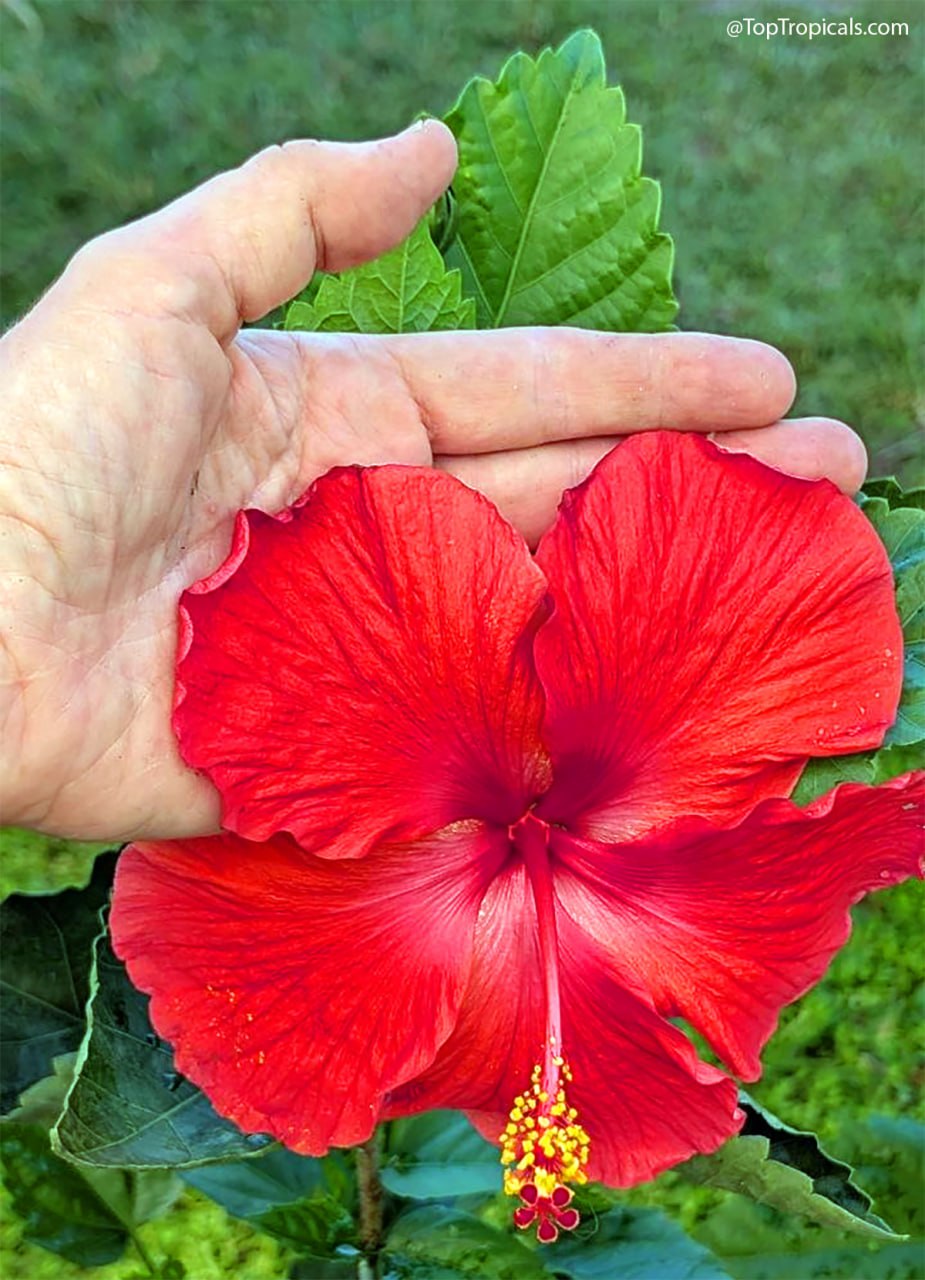
The flowers were enormous - literally the size of a hand. Bold, brilliant red. Impossible to ignore. It made such an impression that it became the very first tropical plant I ever bought from a nursery on Oahu.

Fast forward nearly three decades, and President Red surprised me again.

During Florida's historic February 2026 freeze, temperatures at our farm dropped to 25F for two nights, followed by nearly two weeks of unusually cold weather with temperatures lingering in the 40s. Many tropical hibiscus varieties were killed back to the ground. Some eventually returned from the roots, but looked rough for months.

President Red? It didn't blink an eye. No dieback. No visible damage. As soon as spring sunshine returned, it was growing and flowering as if nothing had happened.

I wouldn't call any tropical hibiscus "cold hardy," but President Red is clearly tougher than most. If you garden in a subtropical area where winter surprises occasionally happen, this variety has earned my respect.

And those giant, hand-sized red flowers are just as spectacular today as they were when I first saw them in Hawaii all those years ago.
👉 More...


Exciting Tropical Hibiscus varieties:
☄️ Hibiscus President Red - Giant Red Tropical Hibiscus
☄️ Hibiscus Apricot Brandy - Double Rose of Sharon
☄️ Hibiscus Double Red - Double Rose of Sharon
☄️ Hibiscus El Capitolio Tequila Sunrise
☄️ Hibiscus El Capitolio Bloody Mary
☄️ Hibiscus schizopetalus, Coral Hibiscus

🛒 Explore Hibiscus species and varieties

📚 Learn more:

Hibiscus Plant Facts

Botanical name: Hibiscus rosa-sinensis
Also known as: Hibiscus, Chinese Rose, Japanese Rose, Tropical Hibiscus, Shoe Flower
USDA Zone: 9 - 11
Highligths Large shrub 5-10 ft tallSemi-shadeFull sunKeep soil moistYellow, orange flowersRed, crimson, vinous flowersBlue, lavender, purple flowersWhite, off-white flowersPink flowersPlant attracts butterflies, hummingbirdsSeaside, salt tolerant plant
Get personalized tips for your region

· Hibiscus in Plant Encyclopedia
· Many faces of hibiscus
· Much more than fancy flowers: discover the many faces of hibiscus
· Tequila Sunrise Hibiscus breaks the rules
· Hibiscus El Capitolio Bloody Mary
· How to get rid of pests on Hibiscus?
· Skeleton Hibiscus with "crazy petals" - flower will blow your mind
· How to make your Hibiscus plants thrive and bloom
· How hibiscus plant acts like a chameleon
· Why this Hibiscus is changing color?
· You need this Cotton Candy
· The Tips of Hibiscus Flowers

#Hedges_with_benefits

🟢 Join 👉 TopTropicals