Ananas - Plant Encyclopedia Results
| Number of plants found: 13 | Next | 
|
Go to page: | 1 | 2 |
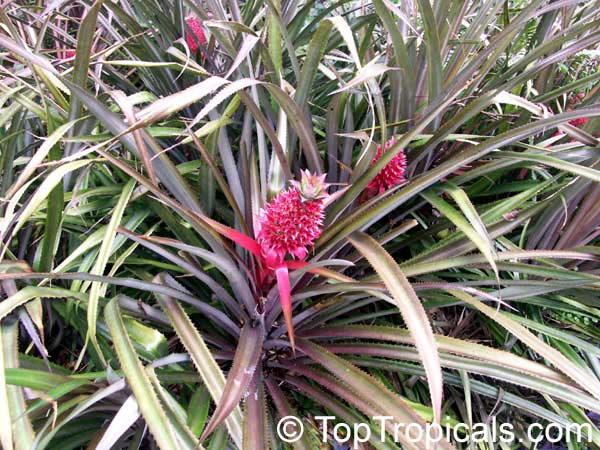
Botanical name: Ananas bracteatus
Common name: Red Pineapple
Family: Bromeliaceae
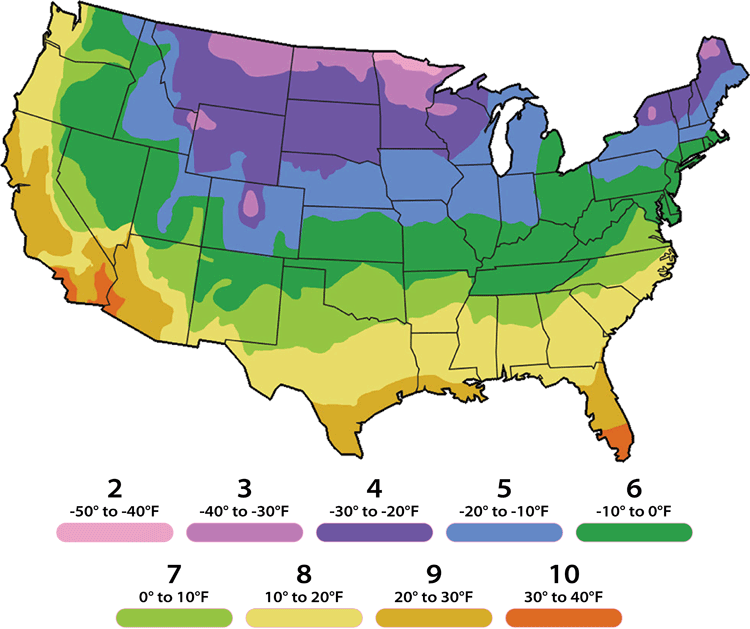
USDA Zone: 10-11
Cold tolerance: 30°F


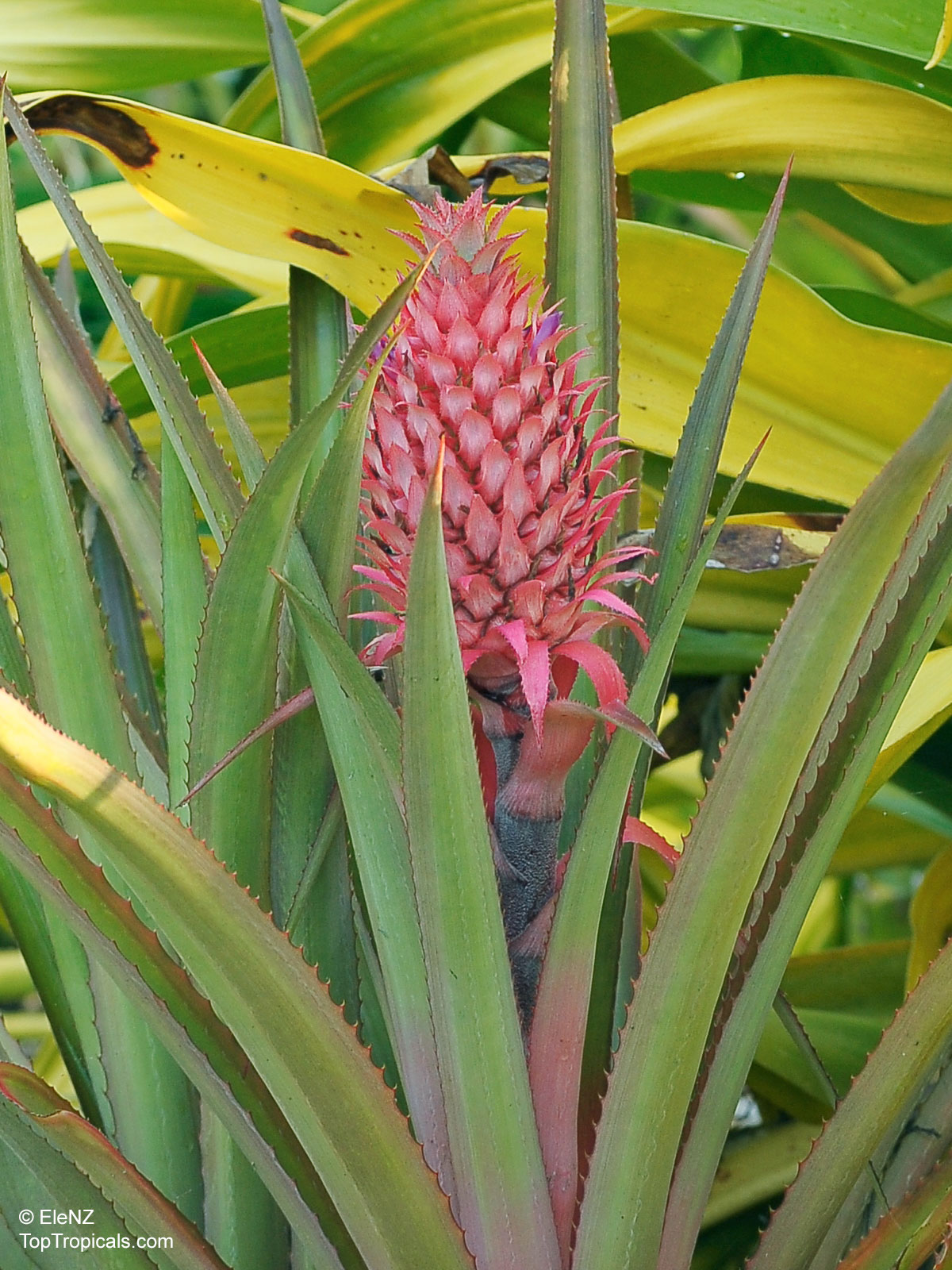
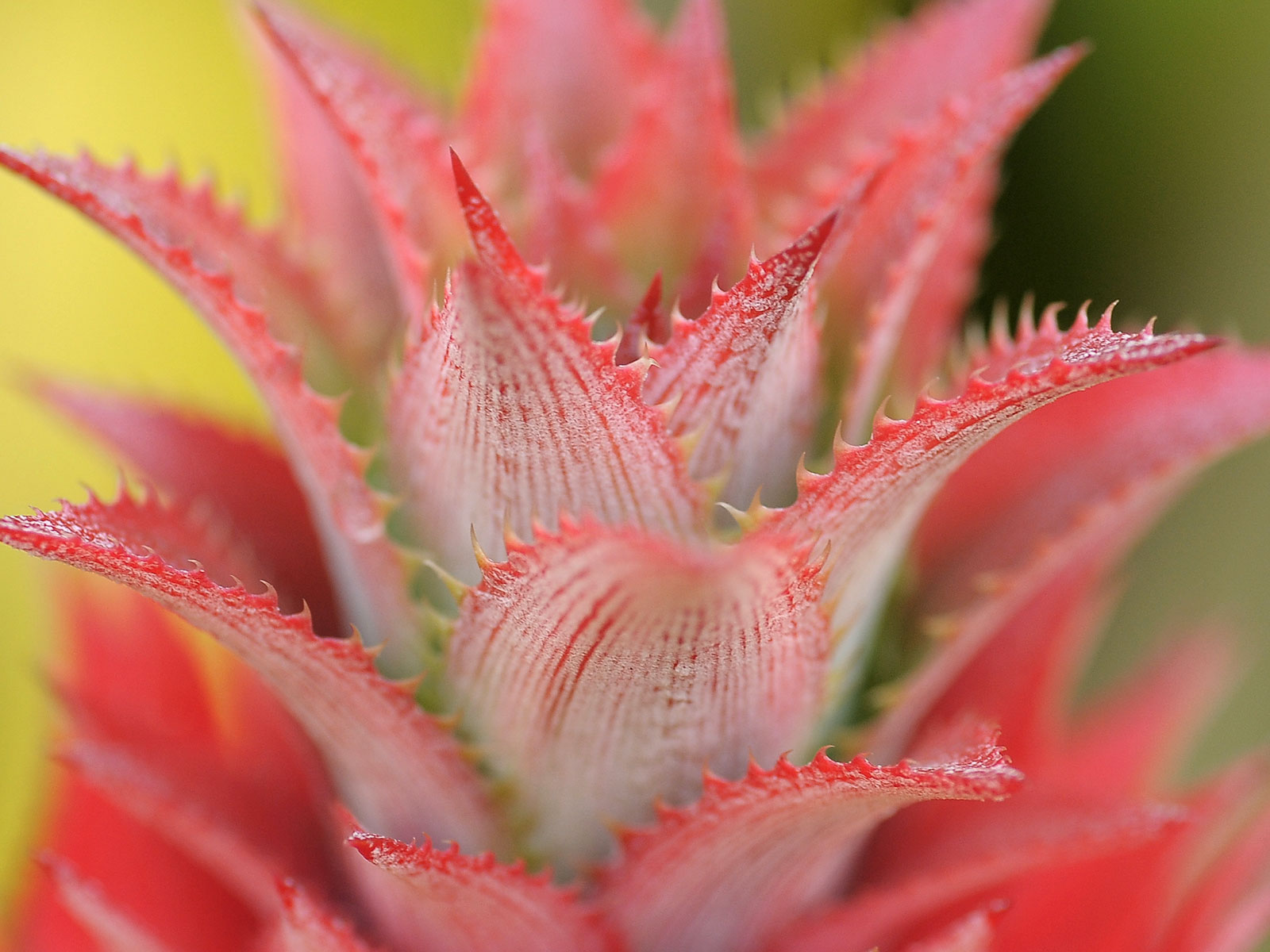
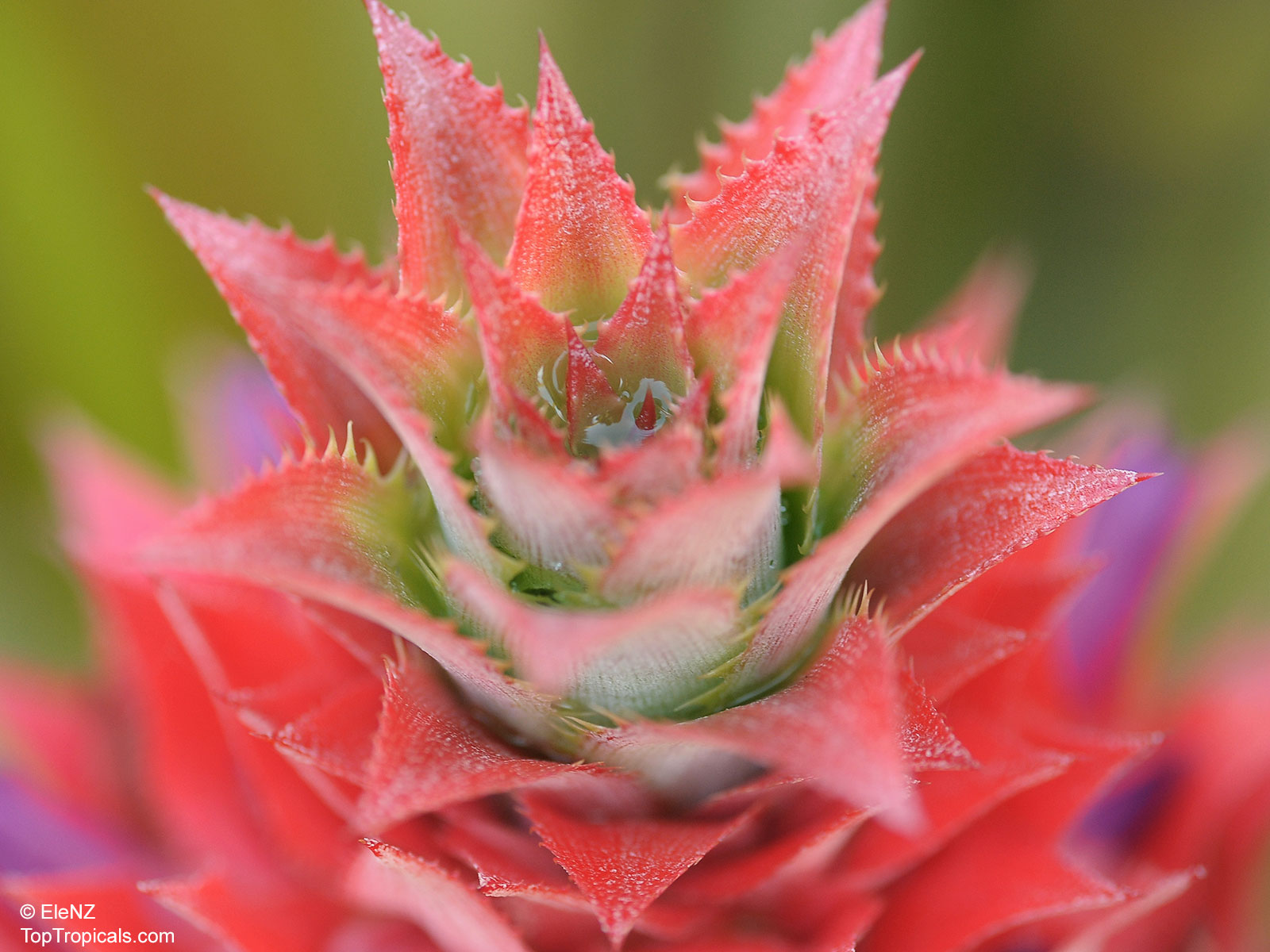
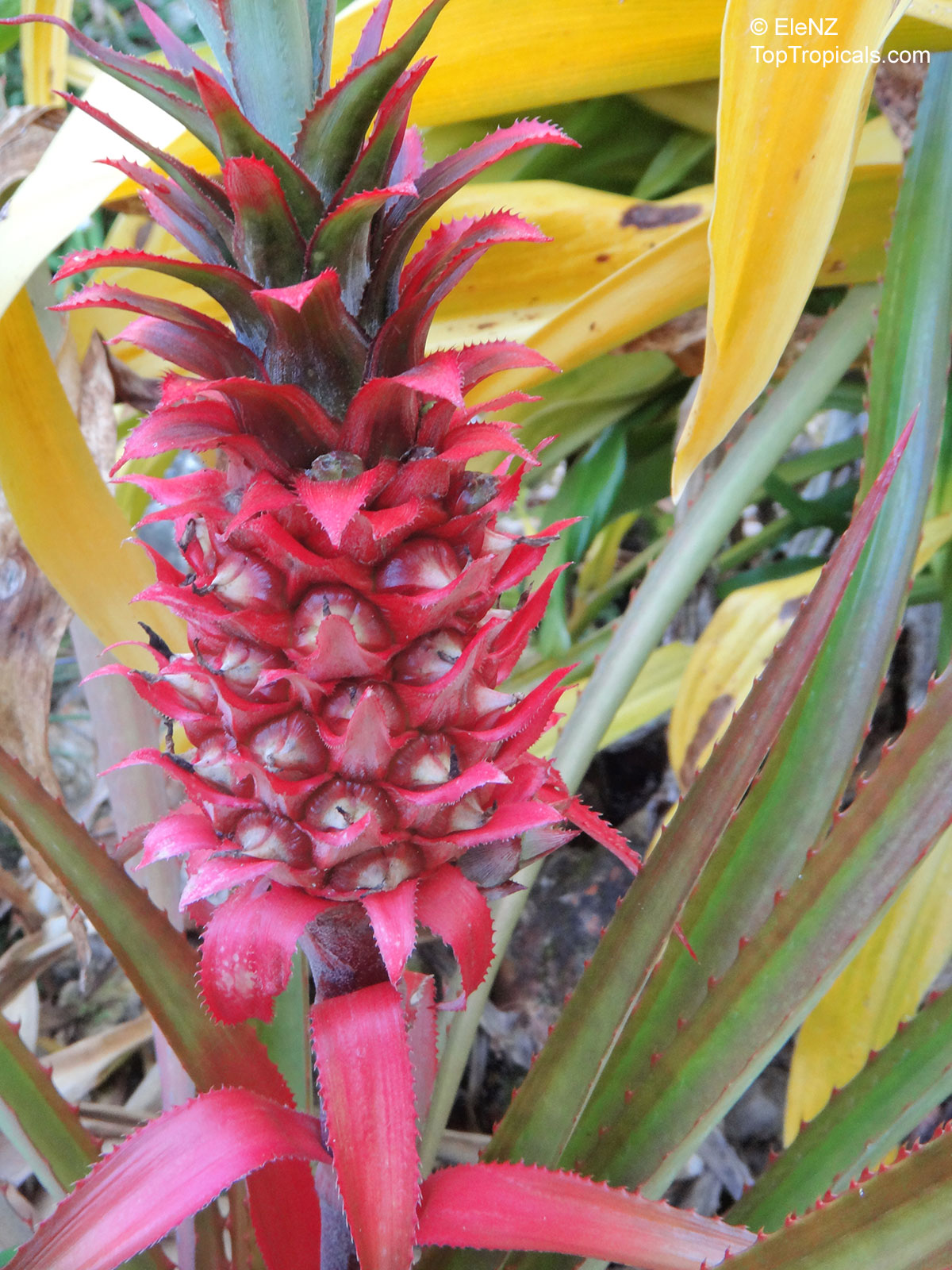
Ananas bracteatus is a striking ornamental bromeliad native to South America, grown for its vivid red bracts and colorful foliage. The plant forms a dense rosette of stiff, arching leaves that are often edged with small spines. In the variegated cultivar A. bracteatus 'Tricolor', the foliage displays green, white, and pink tones, especially bright in strong light. The inflorescence emerges on a short central stalk, surrounded by scarlet-red bracts that contrast sharply with the developing fruit. While the fruit is edible, it is typically grown for visual appeal rather than consumption.
Grow Ananas bracteatus in full sun to partial shade, in well-draining soil with regular watering during the warm season. In tropical climates, it can be planted directly in the landscape; in cooler regions, it adapts well to container culture and can be overwintered indoors. The plant benefits from high humidity and warmth to maintain its bright coloration. Propagation is done through crowns, slips, or basal pups. Hardy in USDA Zones 10-11.
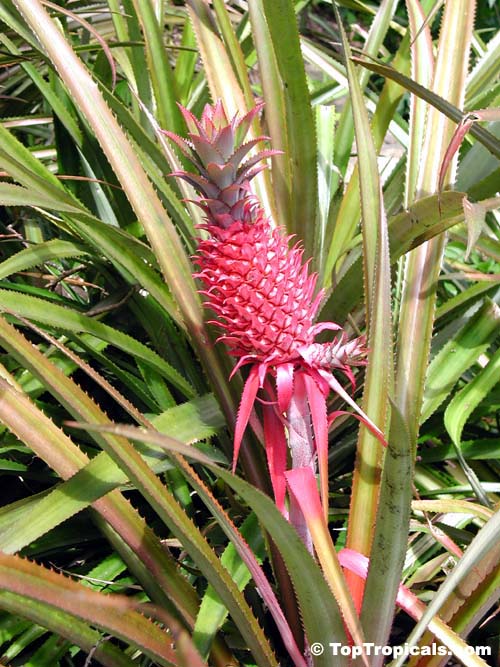
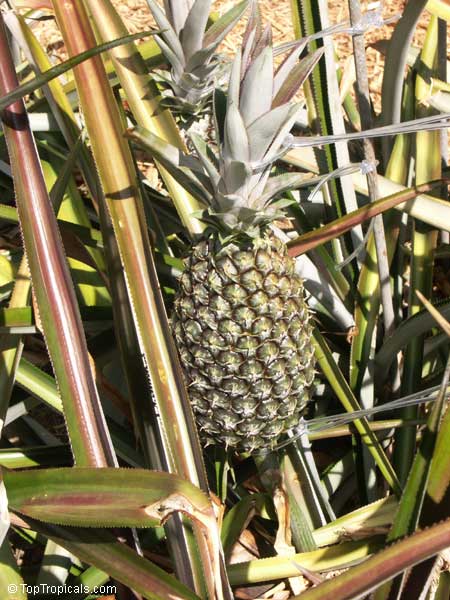
Botanical name: Ananas comosus
Common names: Pineapple, Pina
Family: Bromeliaceae
Subfamily: Bromelioideae
Origin: Brazil and Paraguay
USDA Zone: 9-11
Cold tolerance: 35°F


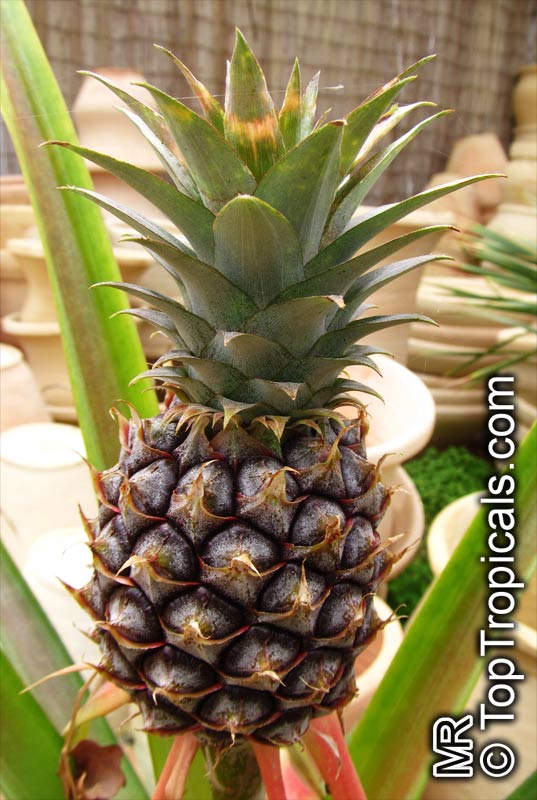
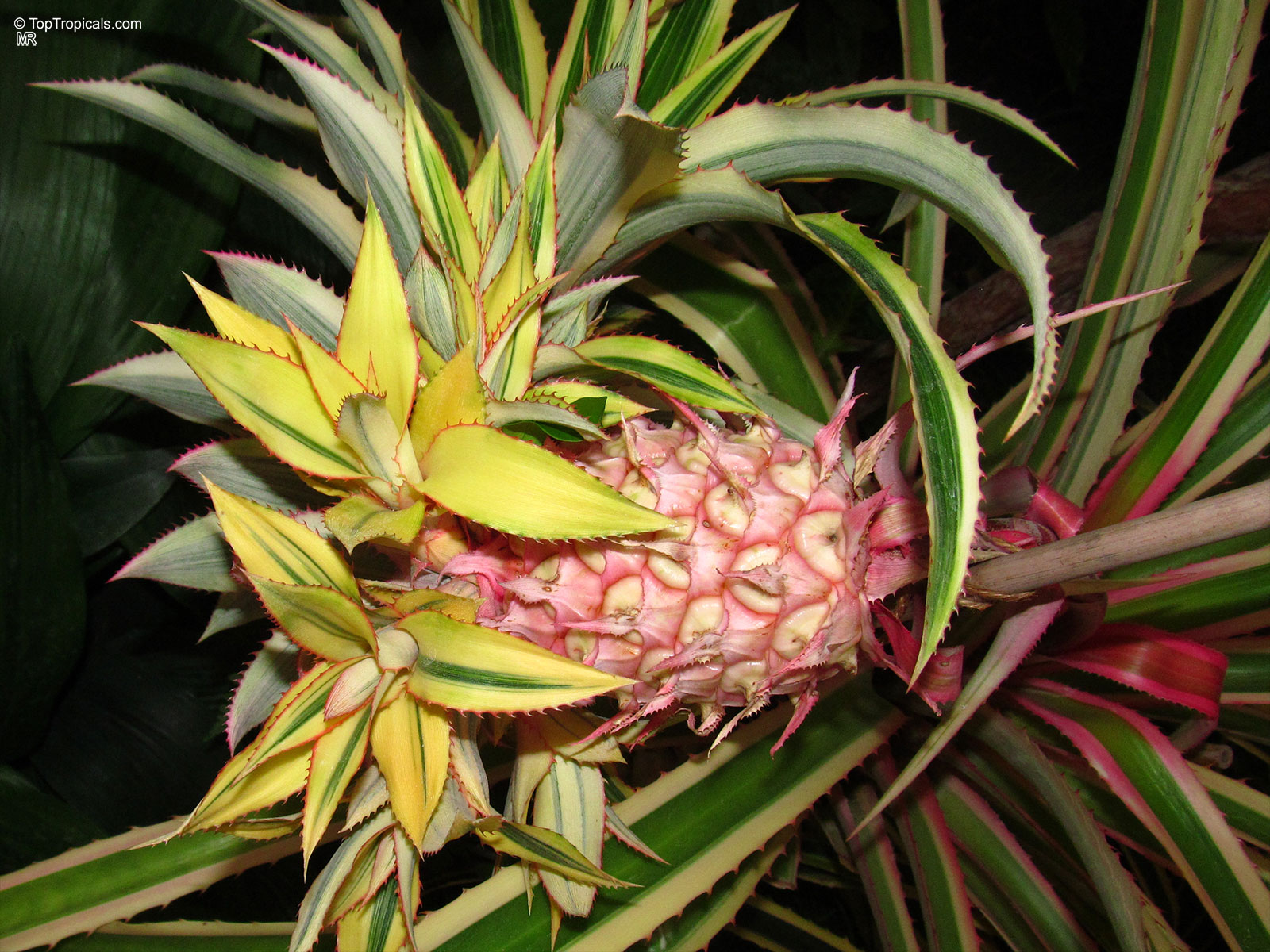
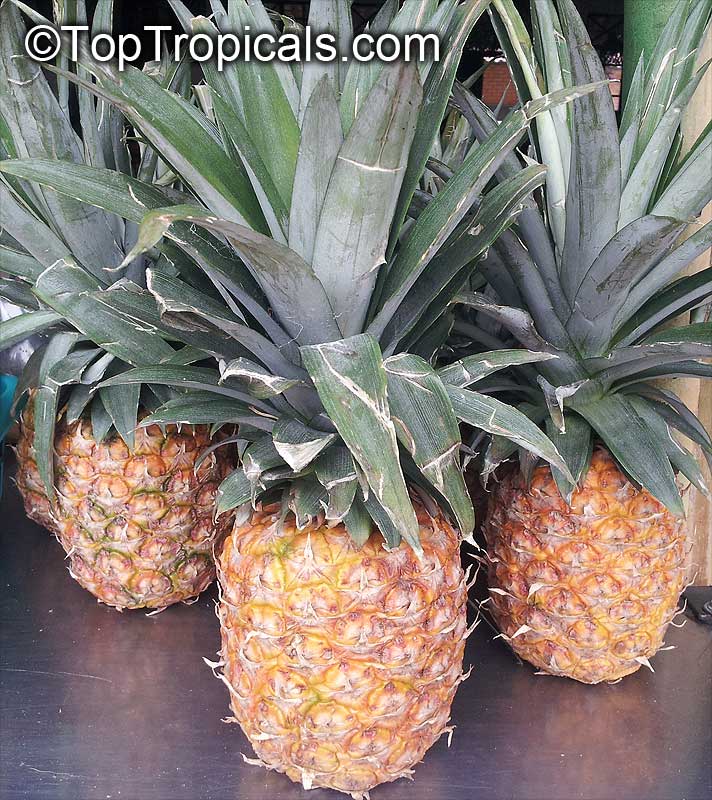
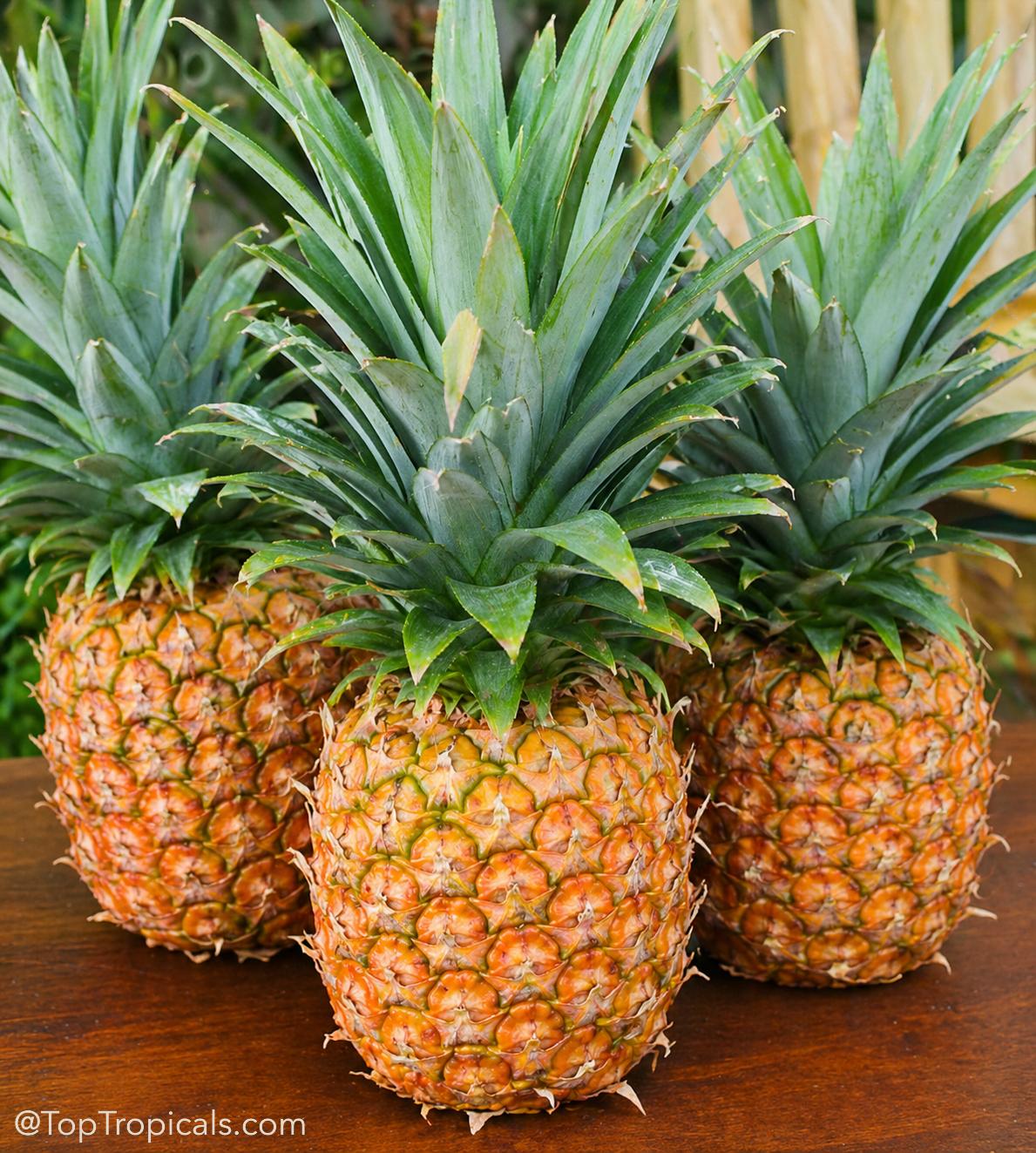
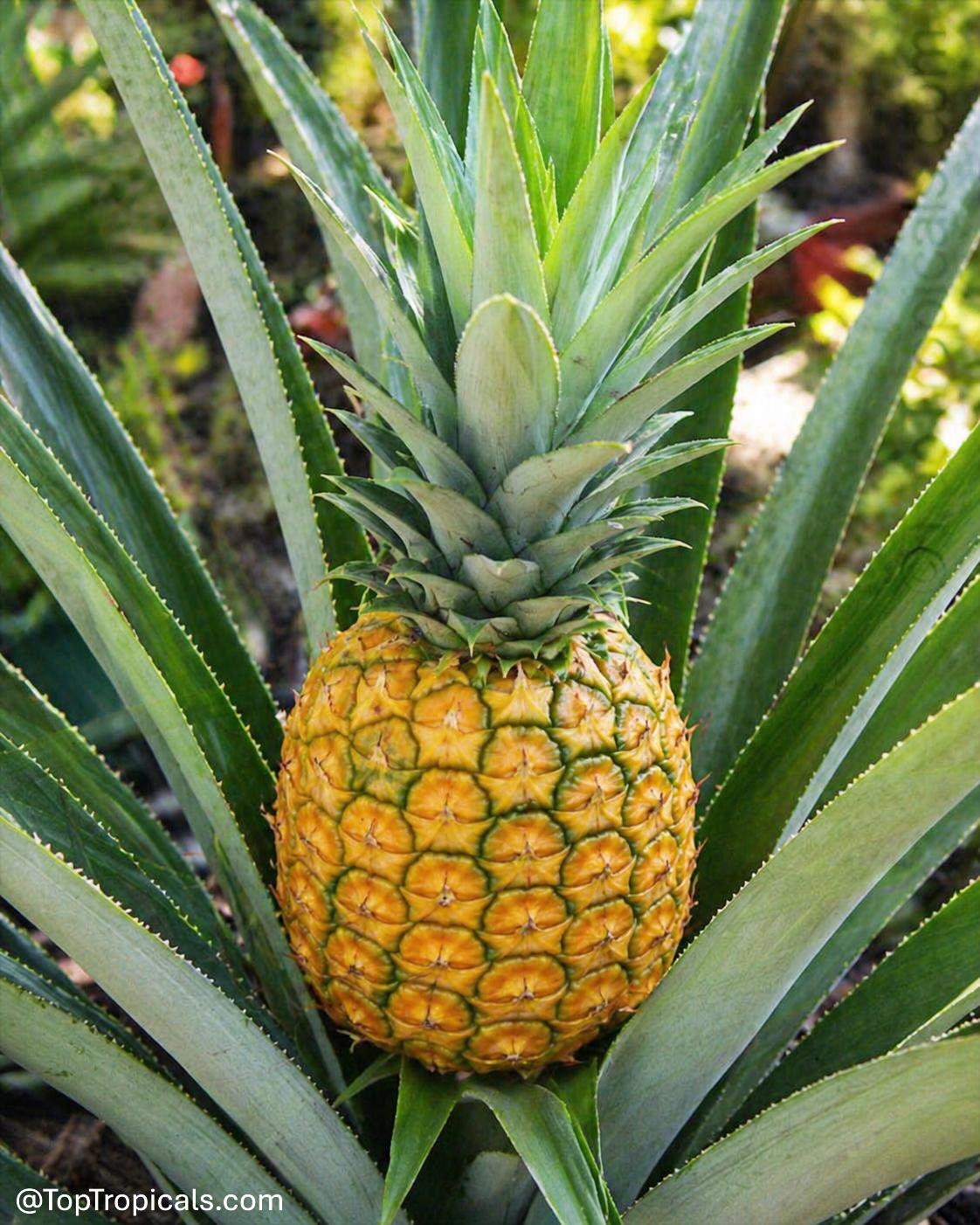
Ananas comosus is a tropical plant in the bromeliad family cultivated for its edible fruit. It forms a compact rosette of stiff, sword-shaped leaves, often edged with small spines. The plant sends up a stout central stalk topped with a dense inflorescence of small lavender to purplish flowers. After flowering, the individual fruits fuse into a single, cylindrical, golden-yellow pineapple, topped by a leafy crown. This species is widely grown across warm regions of the world and has been selected into many cultivars for fruit quality, size, and ornamental value.
Grow Ananas comosus in full sun and well-drained soil with regular watering during active growth. The plant is drought-tolerant once established but produces best with consistent moisture and warmth. It thrives in humid tropical climates and can also be grown in containers in subtropical zones, overwintered indoors where winters are cool. Propagation is typically done by planting the leafy crown or side shoots (slips and suckers). Hardy in USDA Zones 10-11. Fruiting may take 18-24 months under ideal conditions.

Recommended Fertilizer: SUNSHINE Ananas - Pineapple and Bromeliad Booster
SUNSHINE-Honey - sugar booster
SUNSHINE-Superfood - micro-element booster
Recommended Fertilizer: SUNSHINE Ananas - Pineapple and Bromeliad Booster
SUNSHINE-Honey - sugar booster
SUNSHINE-Superfood - micro-element booster
Recommended Fertilizer: SUNSHINE Ananas - Pineapple and Bromeliad Booster
SUNSHINE-Honey - sugar booster
SUNSHINE-Superfood - micro-element booster
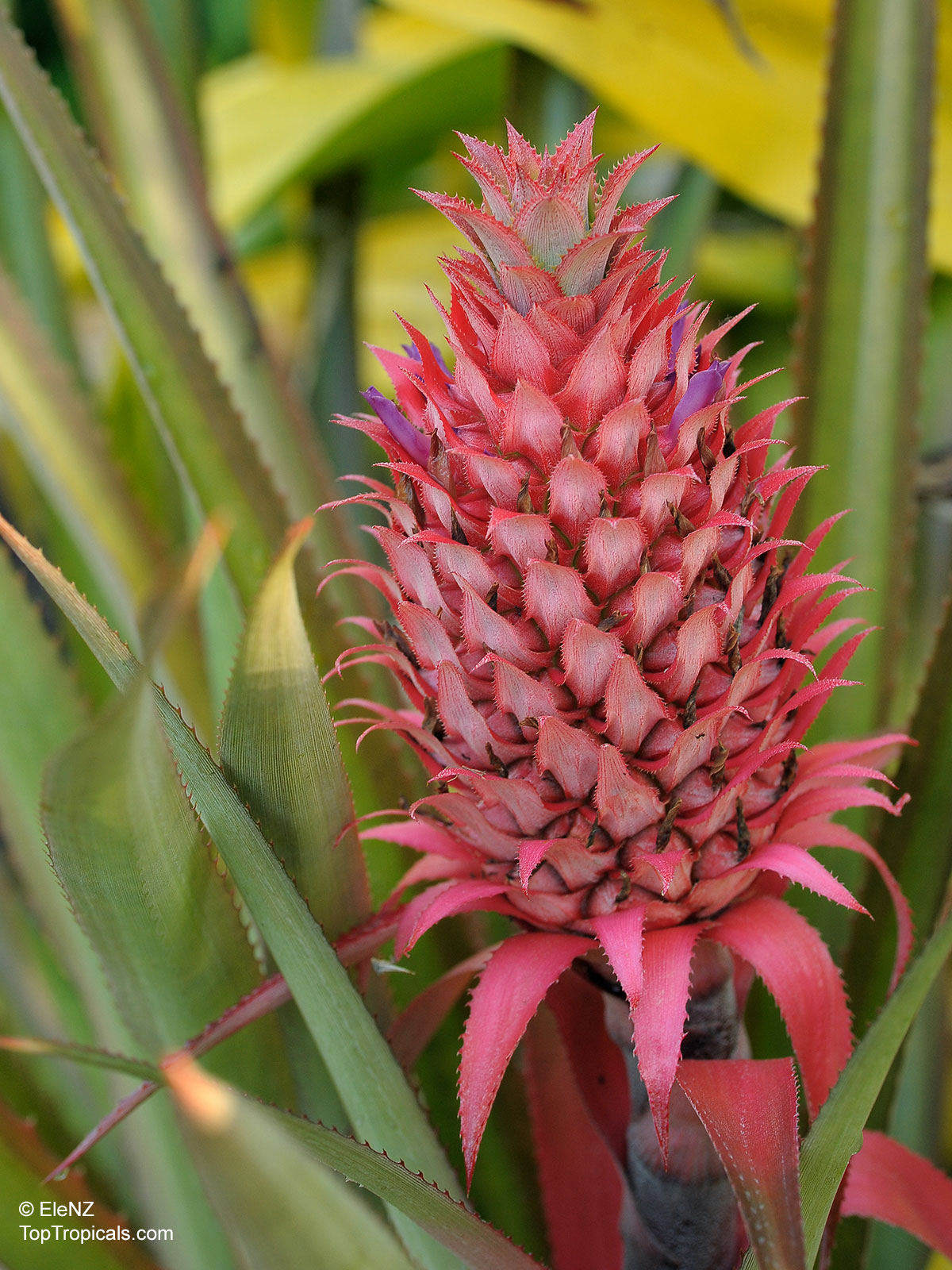
Botanical names: Ananas lucidus, Ananas comosus f. lucidus
Common names: Miniature Pineapple, Smooth Cayenne
Family: Bromeliaceae
Origin: Brazil
USDA Zone: 10-11
Cold tolerance: 30°F
Ananas lucidus (Smooth Cayenne) is a striking ornamental bromeliad native to tropical South America, valued for its vivid red bracts and smooth, spineless foliage. The plant forms a neat rosette of stiff, narrow, glossy leaves and produces a short flowering stalk topped with a bright red‑bracted inflorescence. At the center, a developing fruit is accented by small purple and white blooms, creating a brilliant contrast against the foliage.
Grow Ananas lucidus in full sun to bright filtered light to enhance its rich coloration. Plant in well‑draining, sandy soil and water regularly during the growing season, allowing the surface to dry slightly between waterings. In cooler climates, it can be grown in containers and overwintered indoors in a bright location. Hardy in USDA Zones 10 11, this pineapple is grown primarily for its ornamental value rather than for eating. Its intense color and compact size make it an excellent choice for patio containers, tropical borders, or as a vivid focal point in the garden.

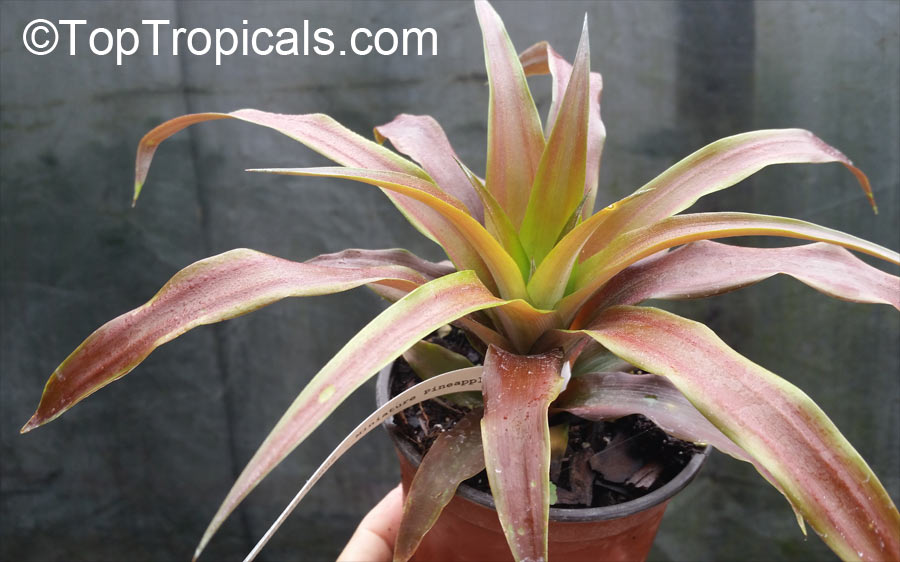
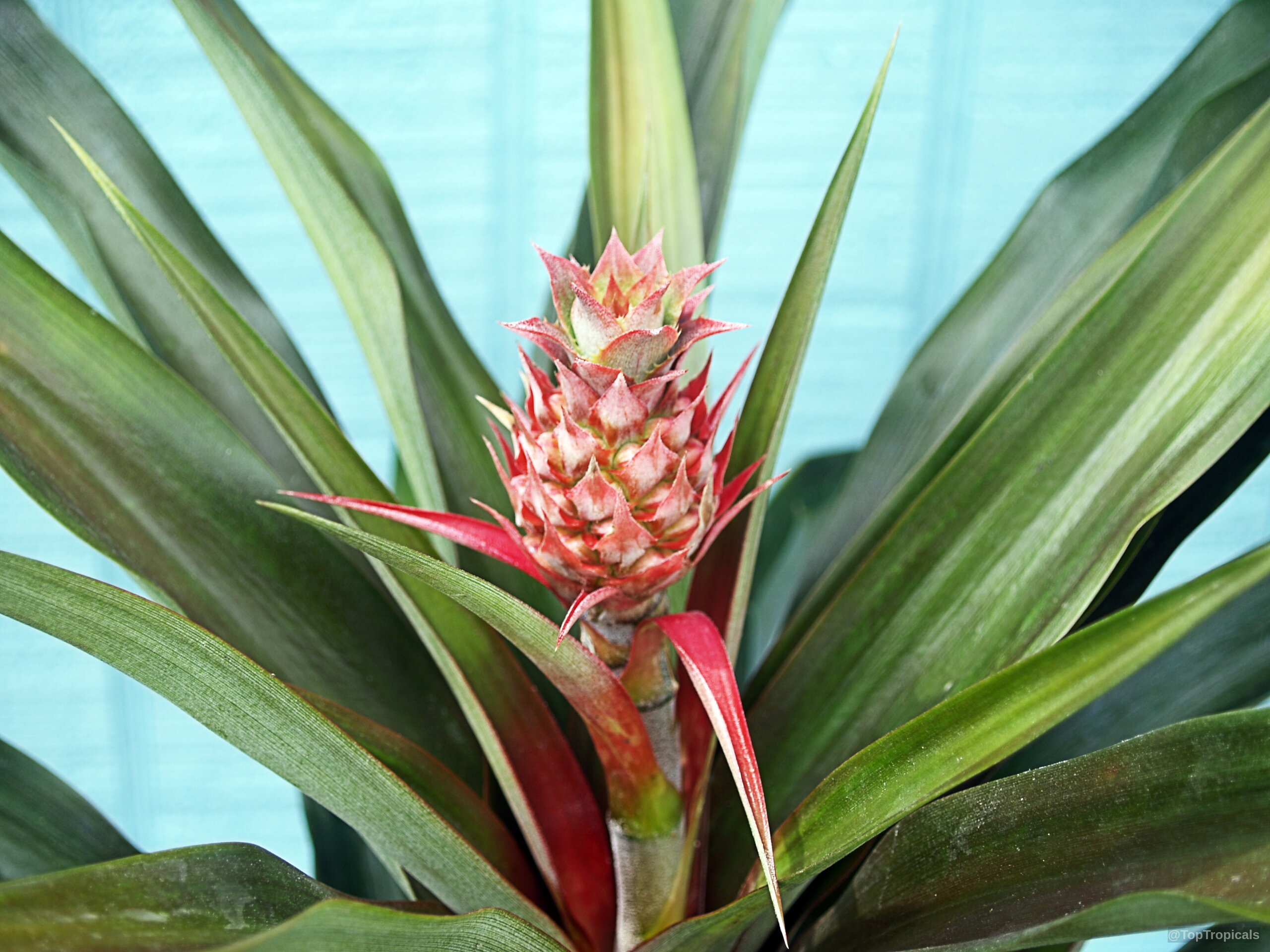
Botanical name: Ananas sp.
Common name: 'Mongo' Pineapple
Cultivar: Mongo
Family: Bromeliaceae
USDA Zone: 9-10
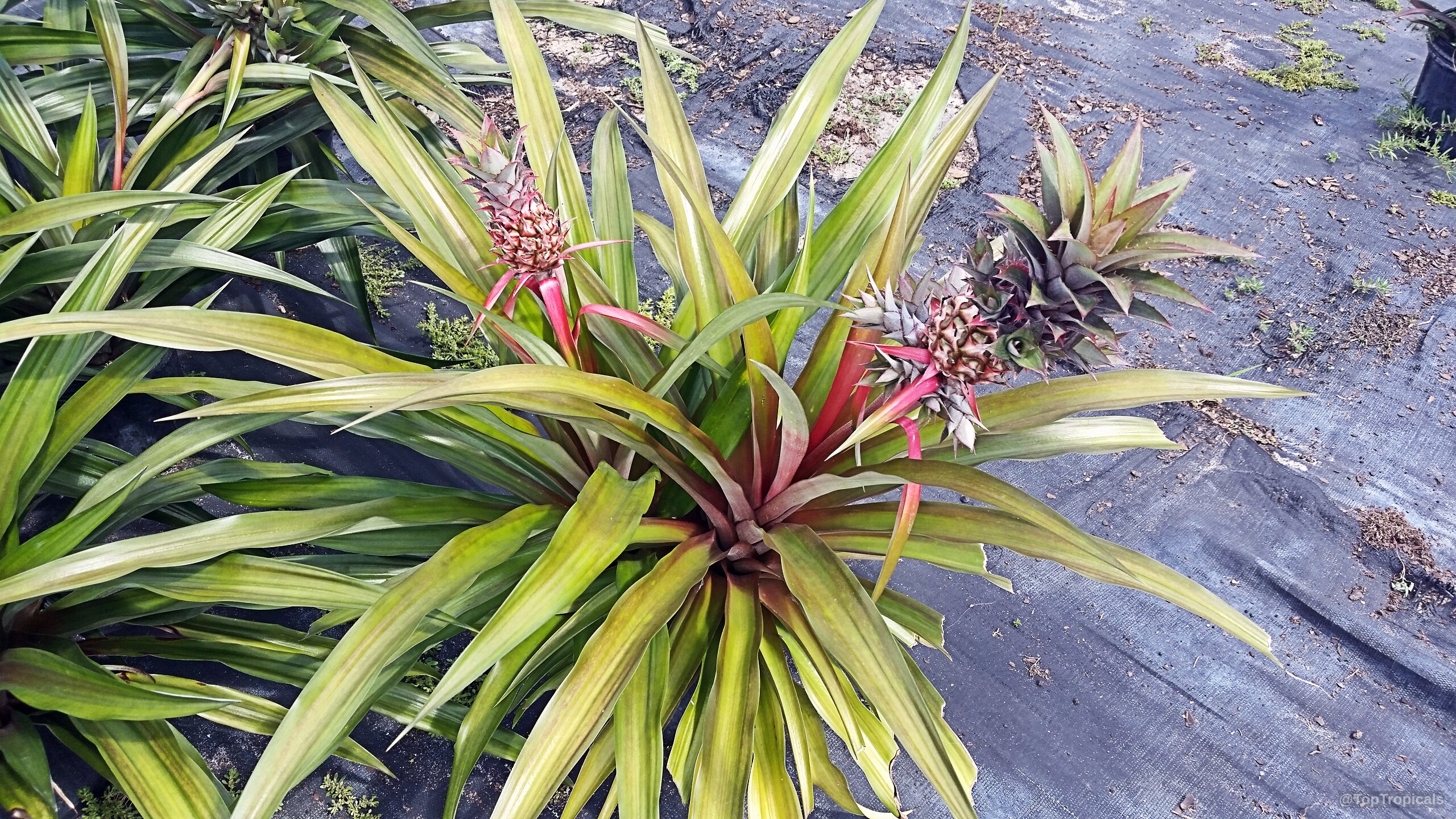
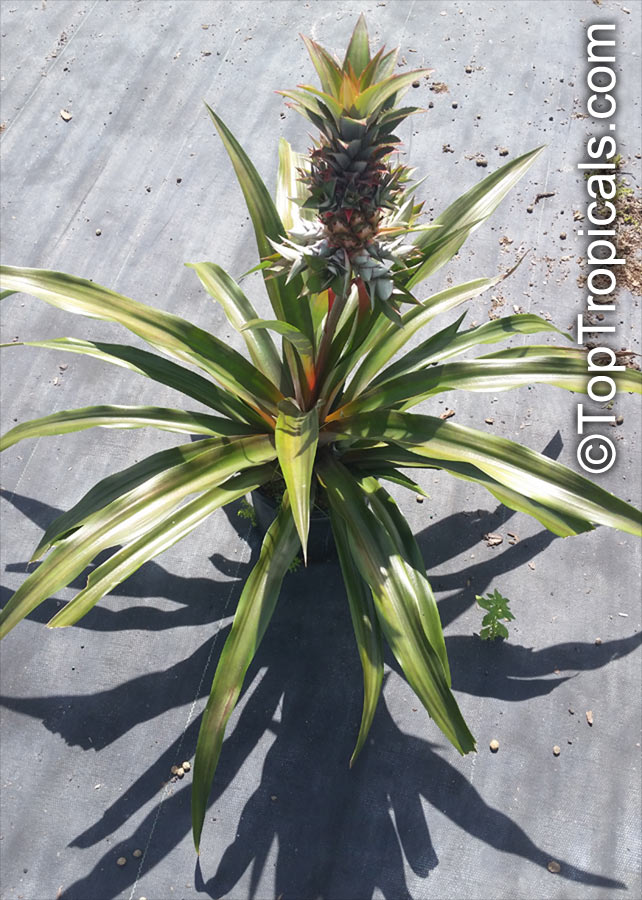
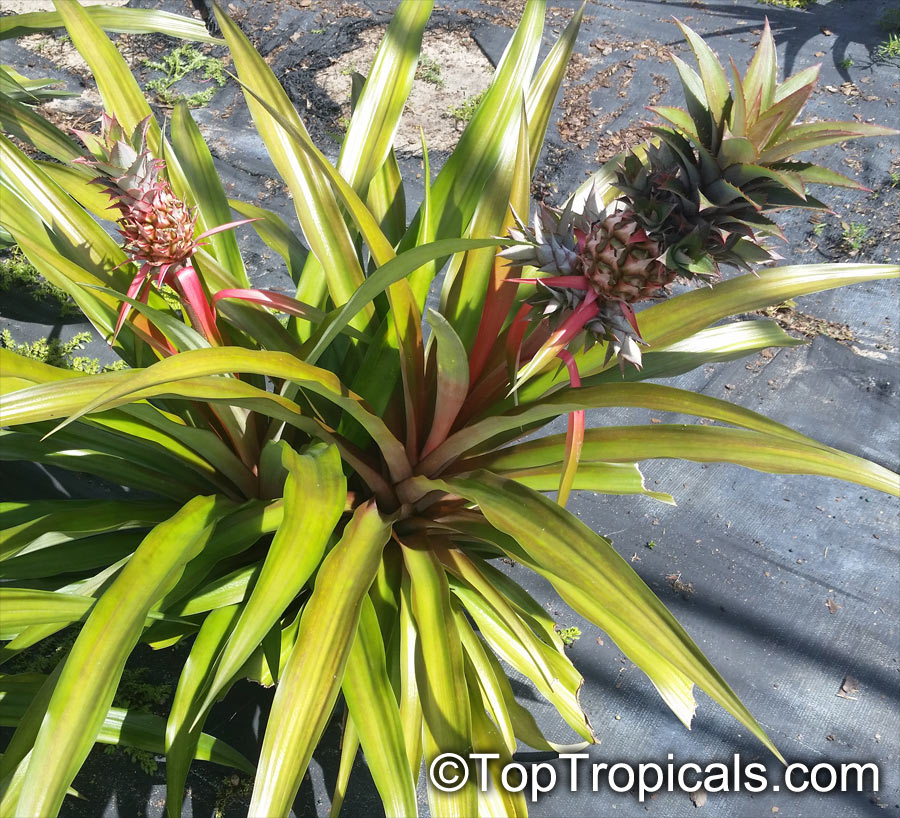
Ananas 'Mongo' is an ornamental pineapple variety distinguished by its compact growth and vibrant red bracts surrounding the developing fruit, making it a striking accent for tropical gardens and decorative containers. Looks great in the garden paired with other .
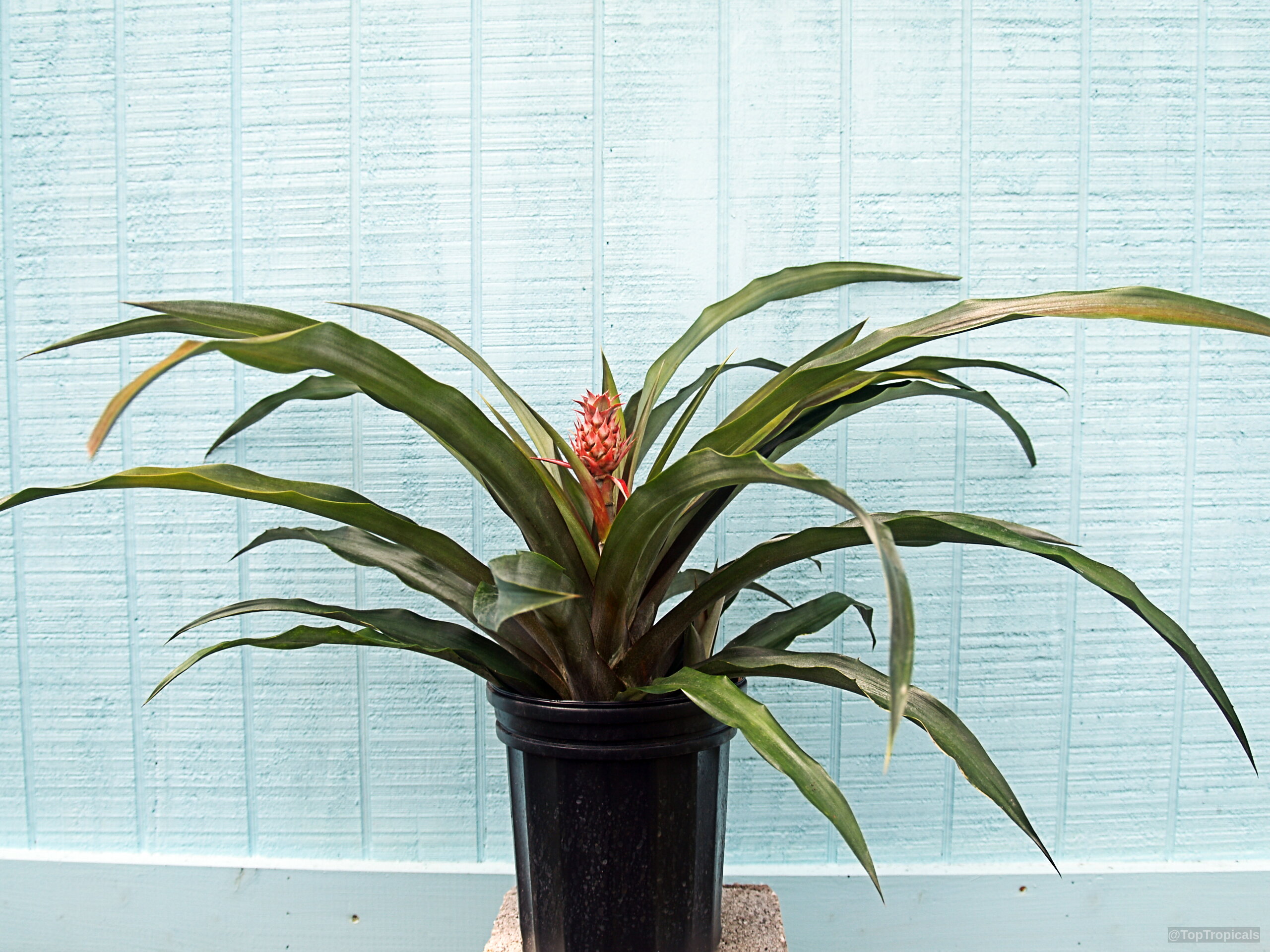
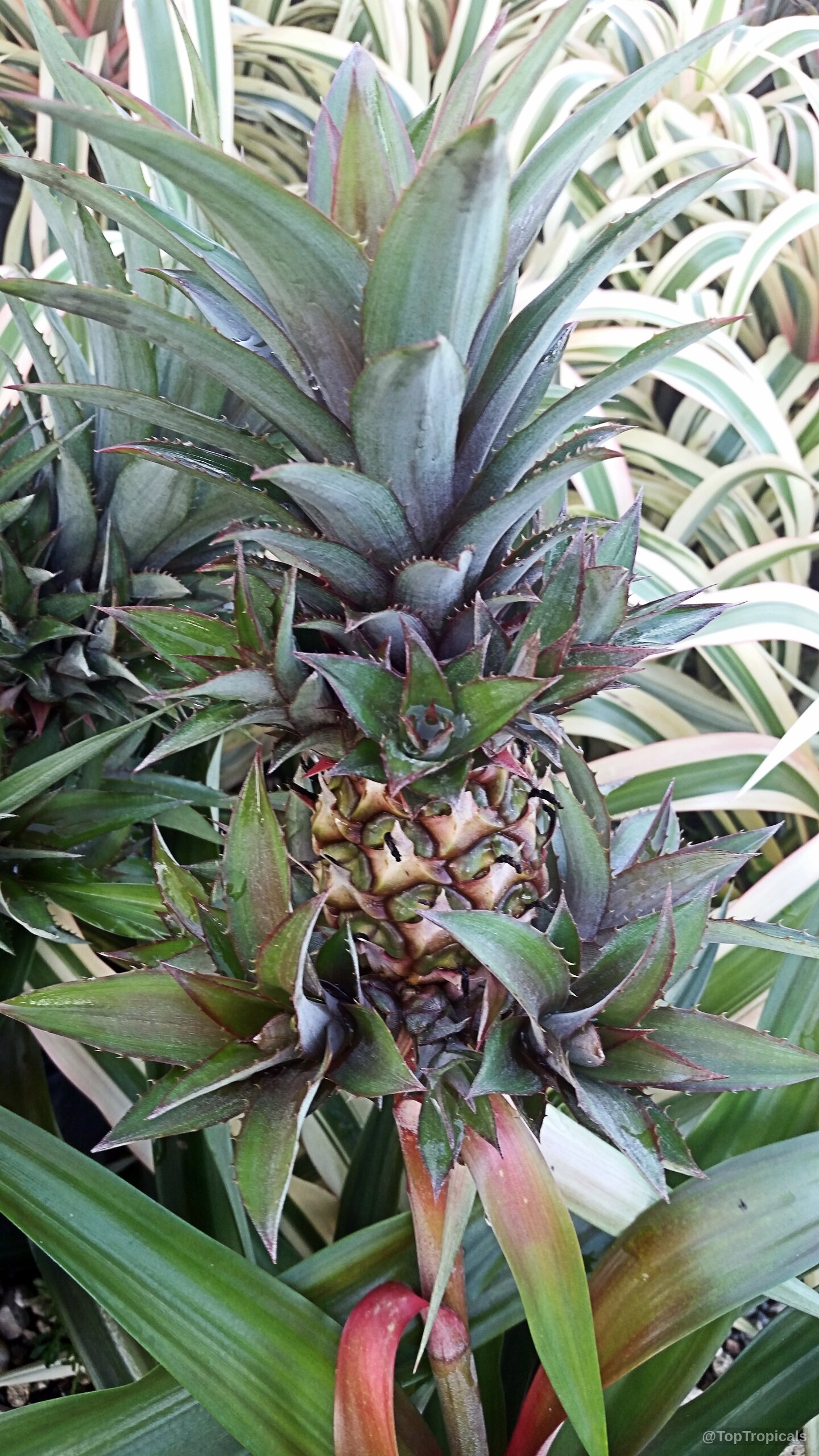
Botanical name: Ananas sp.
Common name: Spineless Sweet Pineapple
Cultivar: White Jade
Family: Bromeliaceae
USDA Zone: 9-10
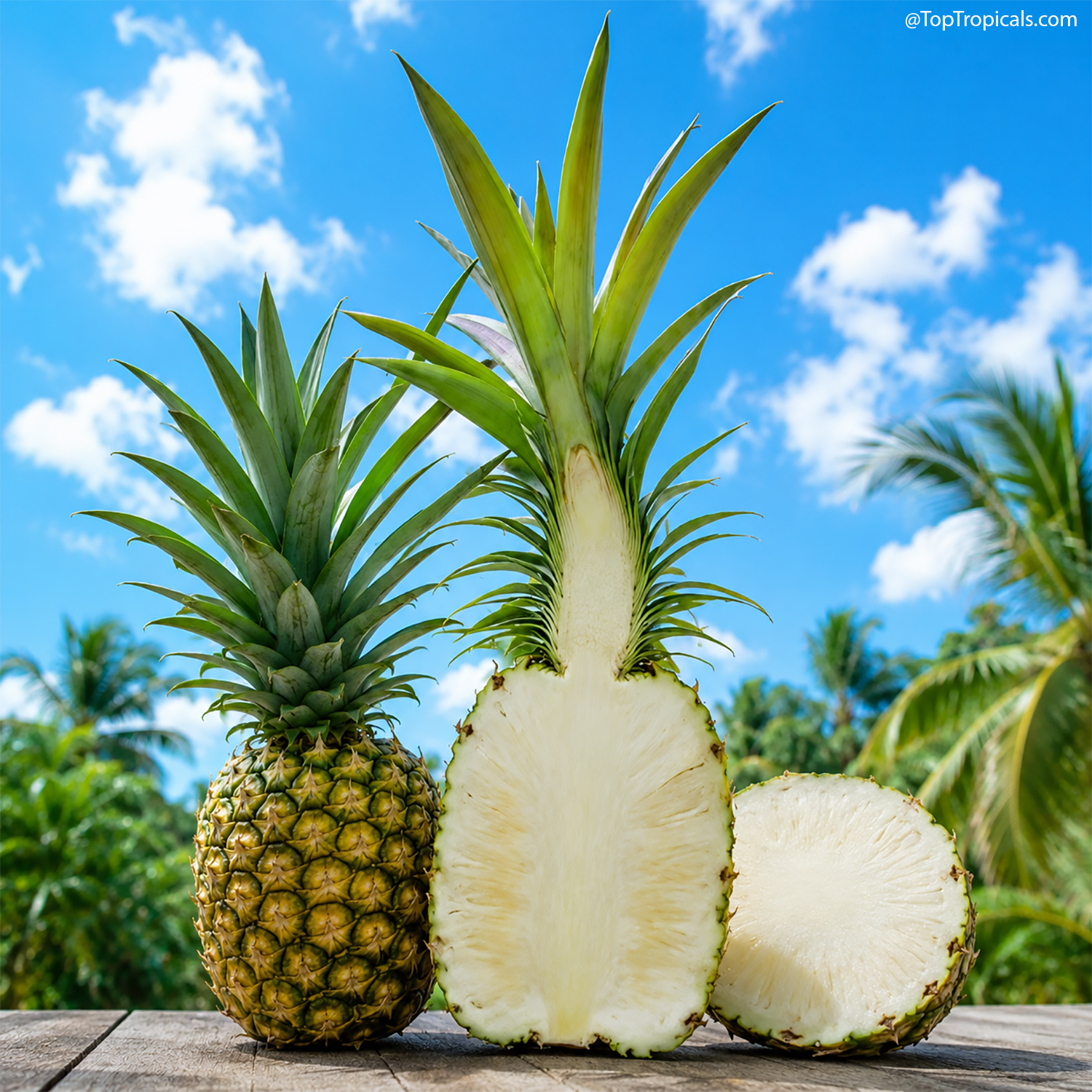
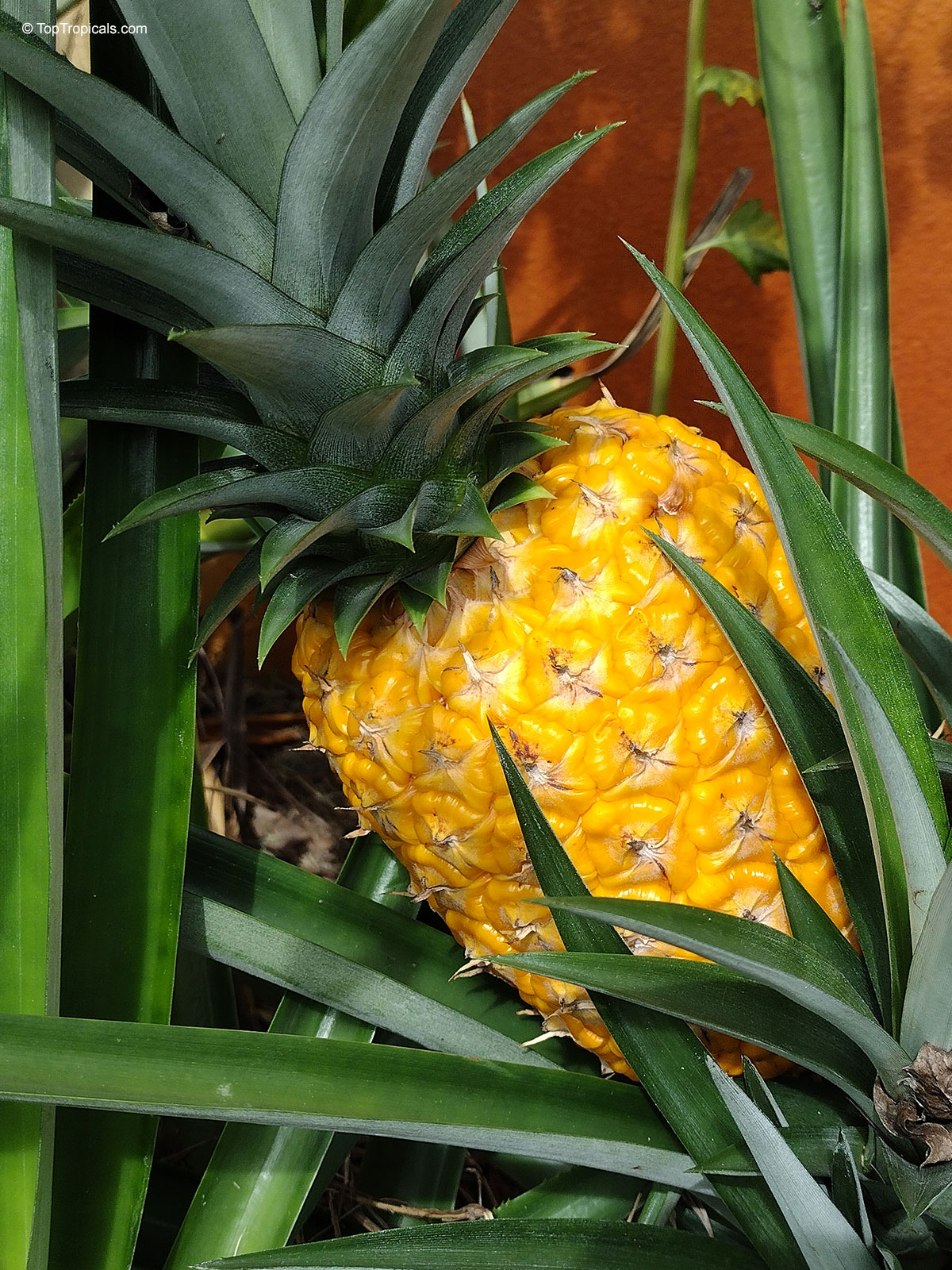
Ananas 'White Jade' (also known as Eleuthera) is a highly prized pineapple variety valued for its spineless leaves, tender white flesh, and exceptional sweetness with very low acidity. The edible core is soft and juicy, making it perfect for fresh eating straight from the plant.
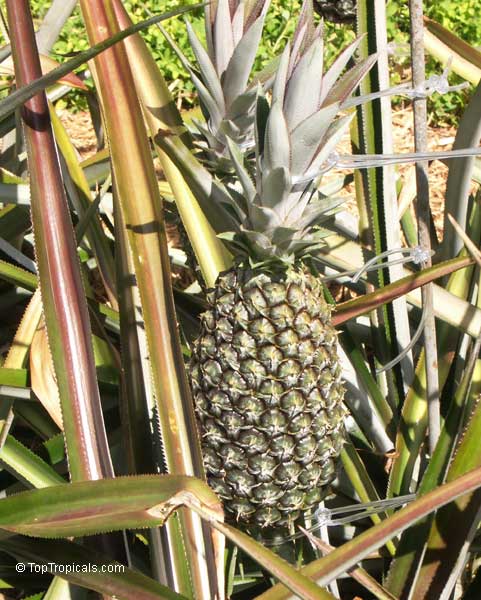
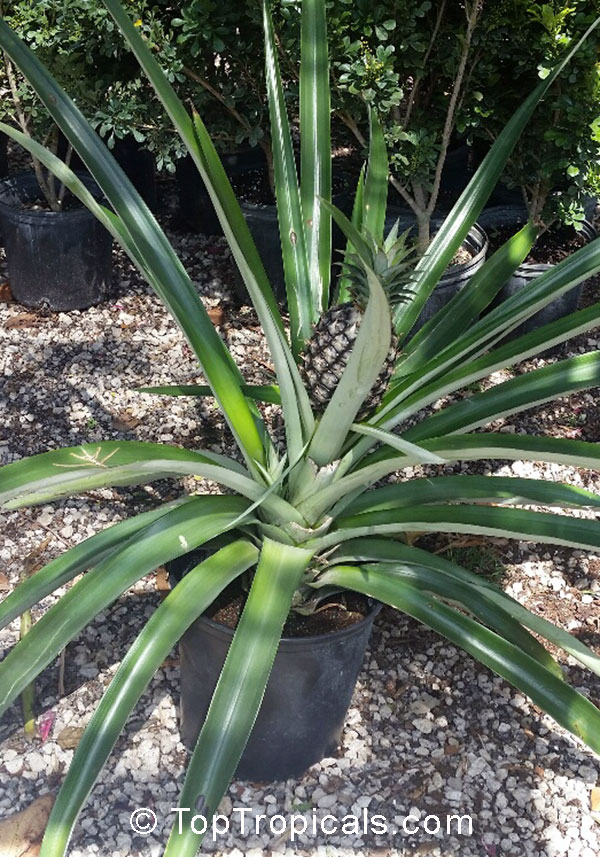
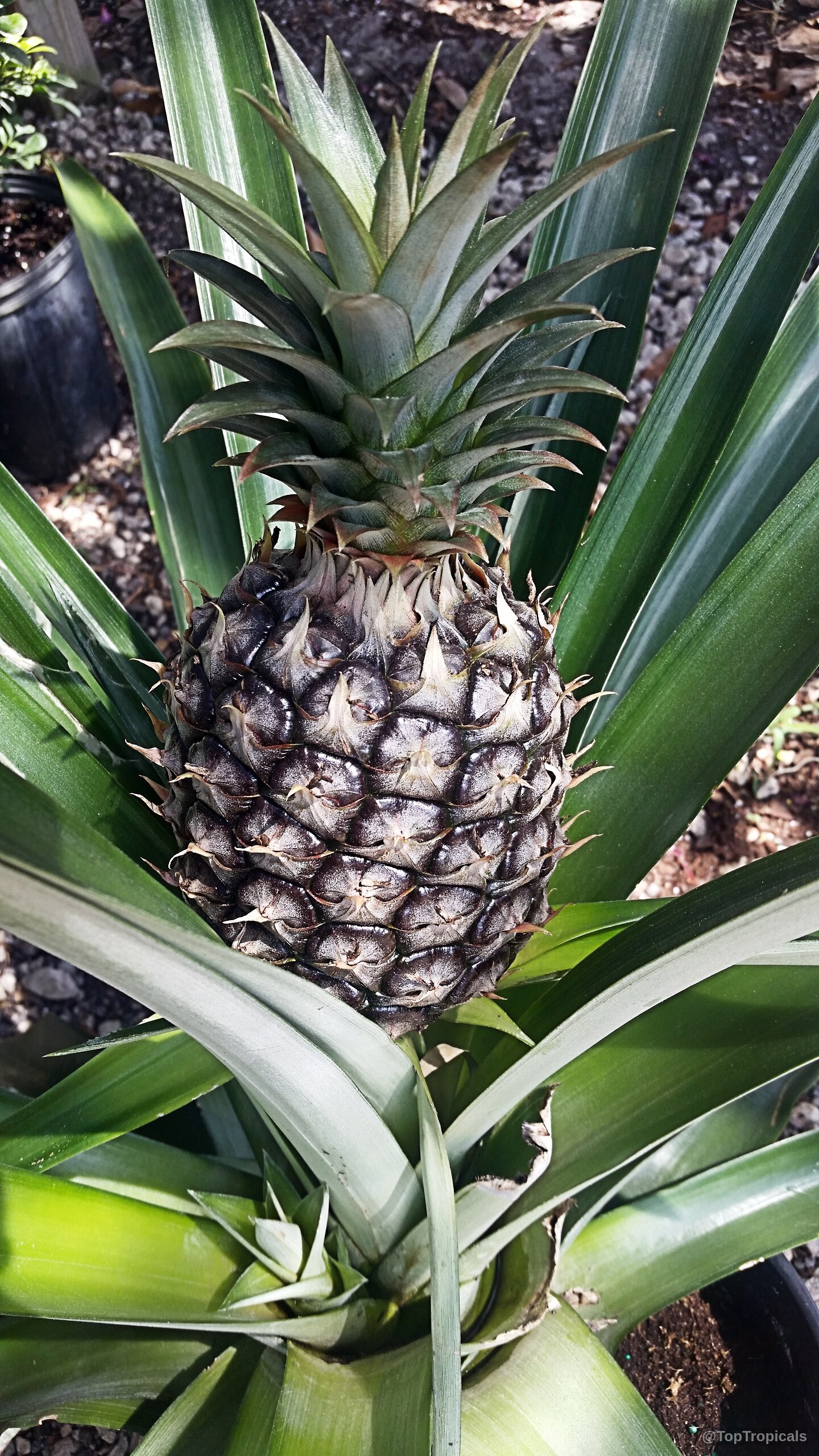
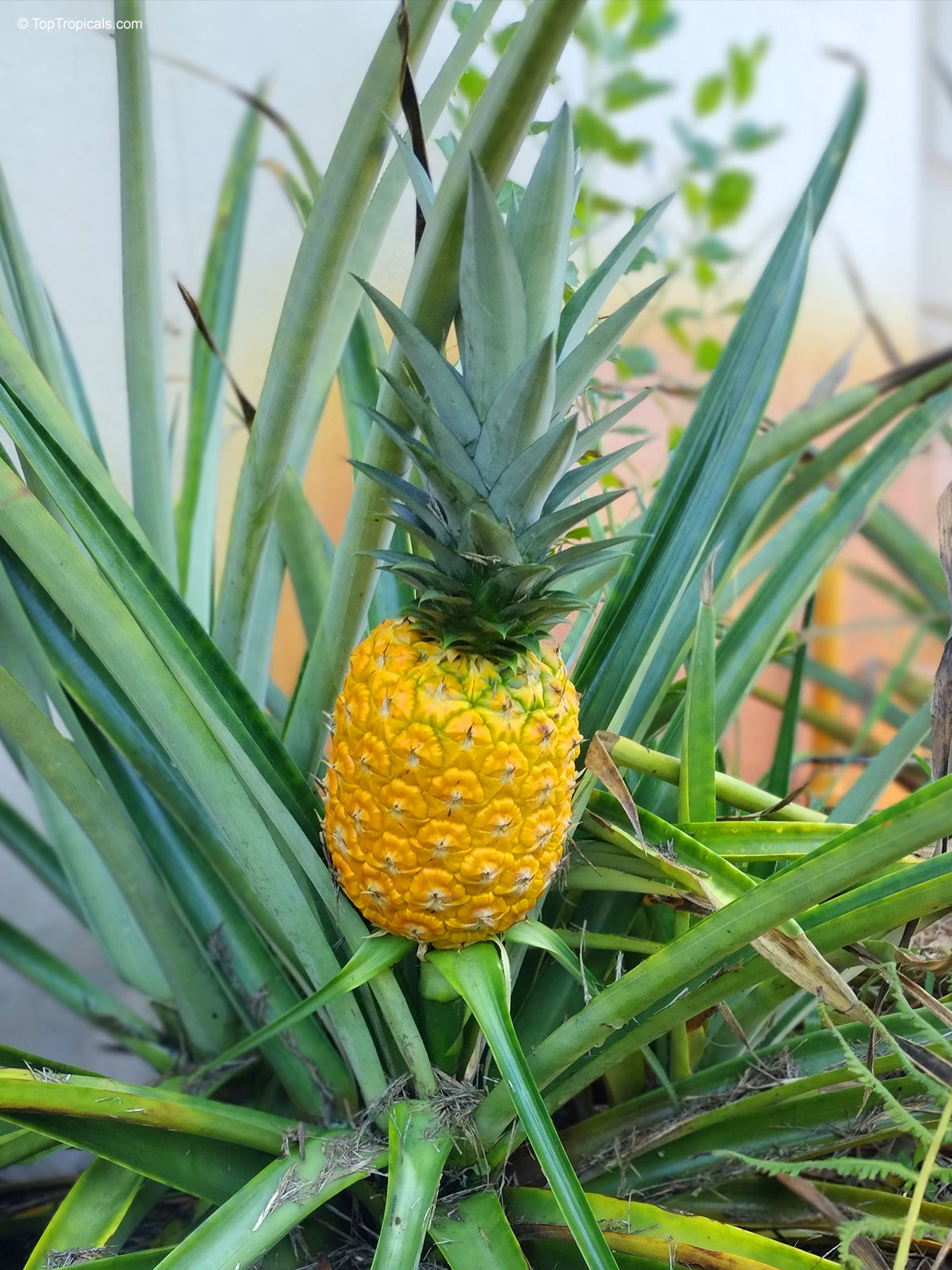
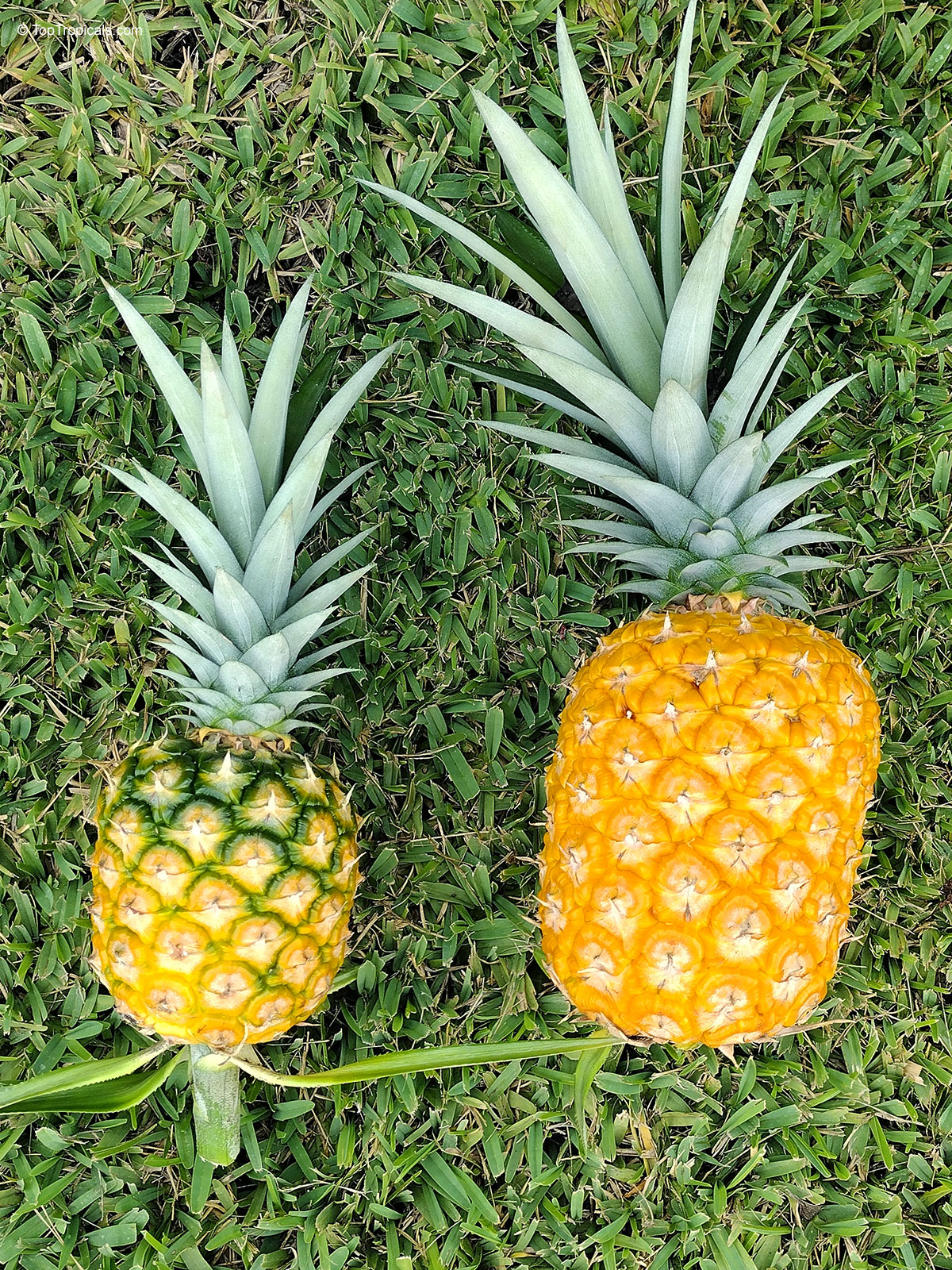
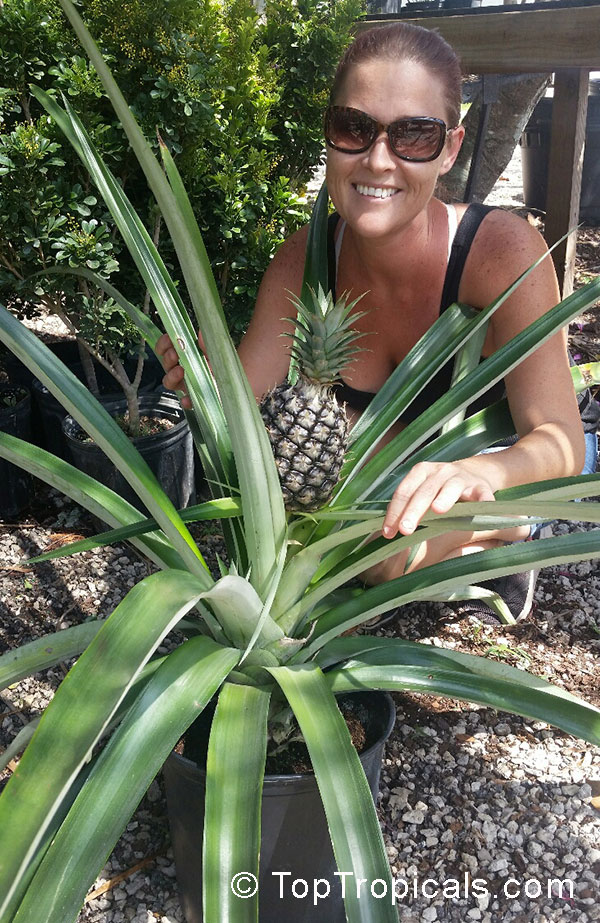
Super sweet and low acid: White Jade has tender white flesh that's ultra-sweet with almost no acidity. The flavor is smooth and rich, far better than anything you'll find in a grocery store.
Edible core: The core is soft, juicy, and 100% edible - no waste and no tough center.
Spineless leaves: Unlike most pineapples, White Jade has soft, spineless leaves, making it much easier and safer to handle.
Compact and container-friendly: It stays small, perfect for pots, patios, or tight garden spaces.
Backyard hero, not for shipping: This variety bruises easily, so it's rarely seen in stores - but perfect for home gardeners who want top-tier taste.
Tropical beauty + fast fruiting: With its blue-green foliage and striking fruit, it's ornamental as well as productive. Expect fruit in as little as 18-24 months with good care.
Although often mistaken as a Hawaiian variety, White Jade actually originated in Eleuthera, Bahamas. It thrives in warm climates and rewards gardeners with a sweet, low-acid treat unlike any commercial pineapple. It is grown in Hawaii now, especially by backyard gardeners and small farms, because it does so well there.
Read more about Pineapple: The most luscious Hospitality Fruit: Pineapple.
Recommended Fertilizer: SUNSHINE Ananas - Pineapple and Bromeliad Booster
SUNSHINE-Honey - sugar booster
SUNSHINE-Superfood - micro-element booster

Botanical name: Ananas sp.
Common name: Variegated Pineapple
Cultivar: Ivory Coast
Family: Bromeliaceae
USDA Zone: 9-11
Cold tolerance: 25
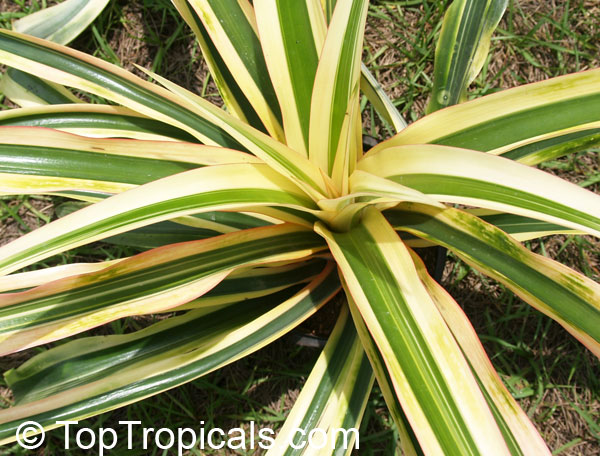
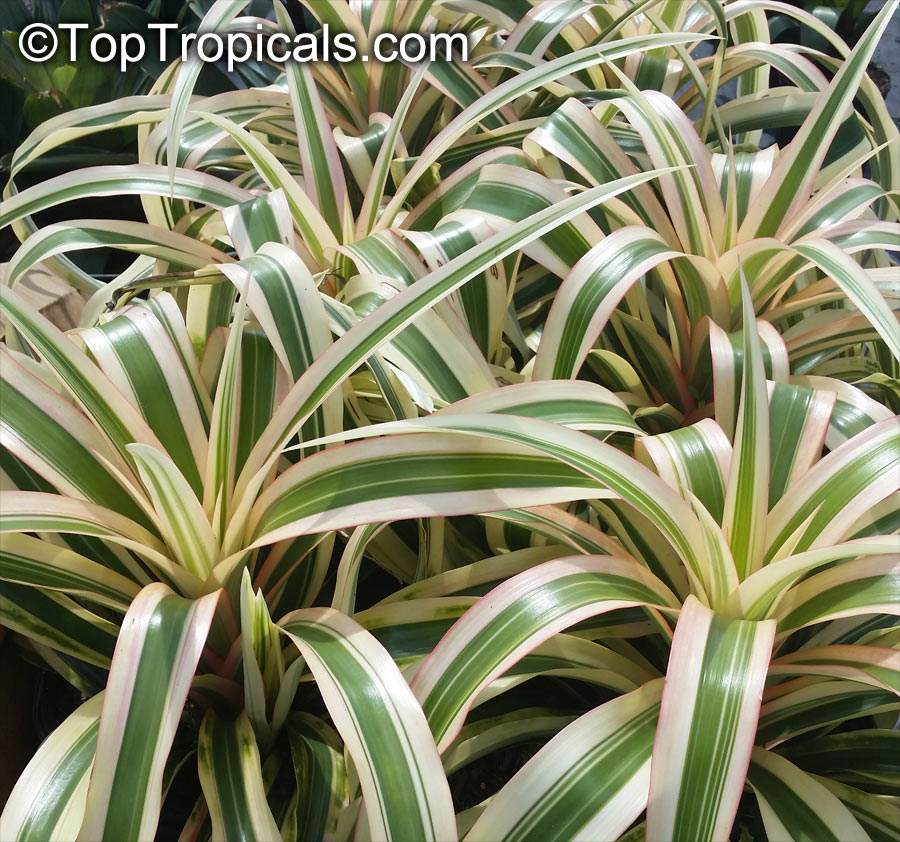
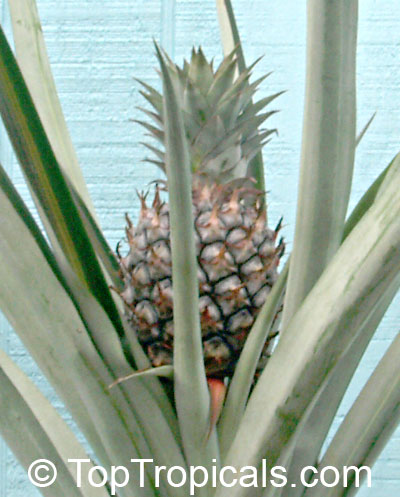
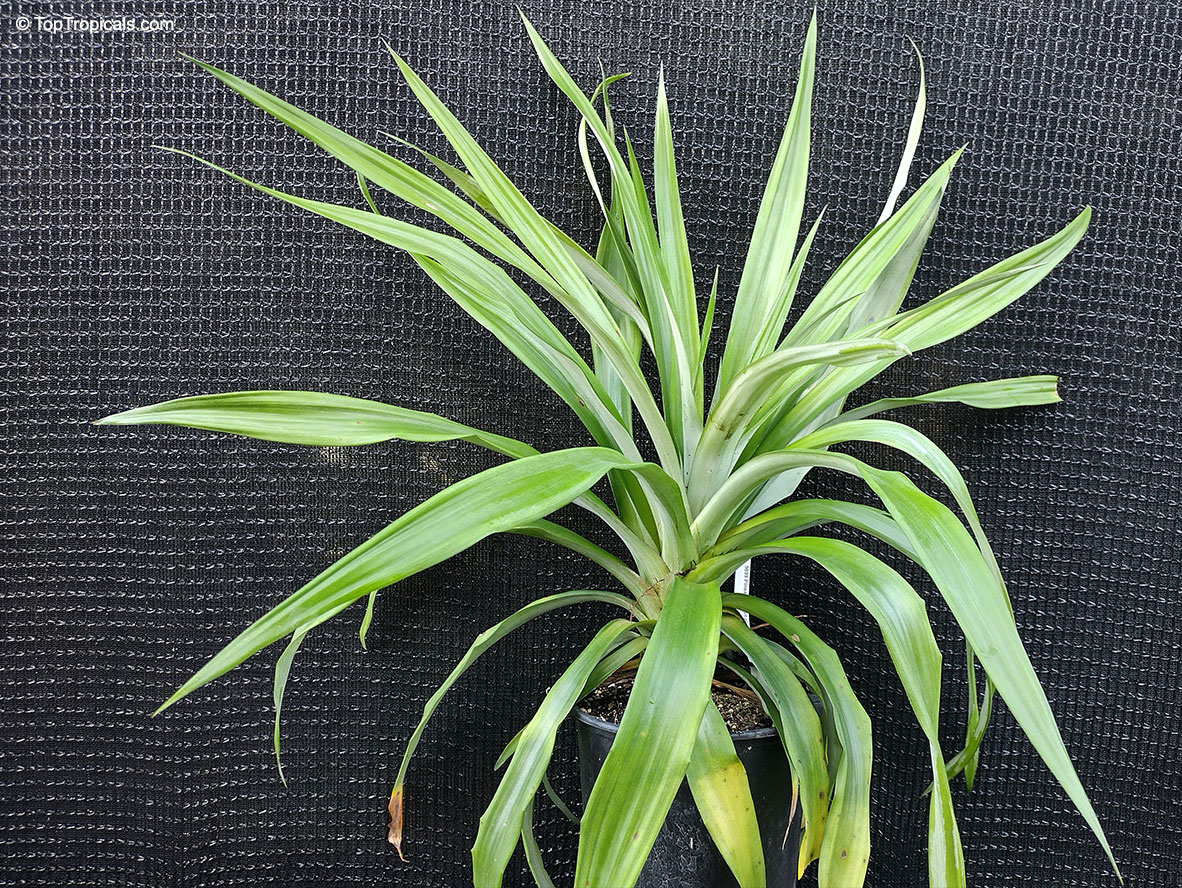
Ananas 'Ivory Coast' is a striking ornamental pineapple variety with arching leaves variegated in creamy white, green, and pale pink tones, adding vibrant color and texture to tropical gardens and container displays.


Botanical name: Ananas sp.
Cultivar: Royal Hawaiian
Family: Bromeliaceae
USDA Zone: 9-10
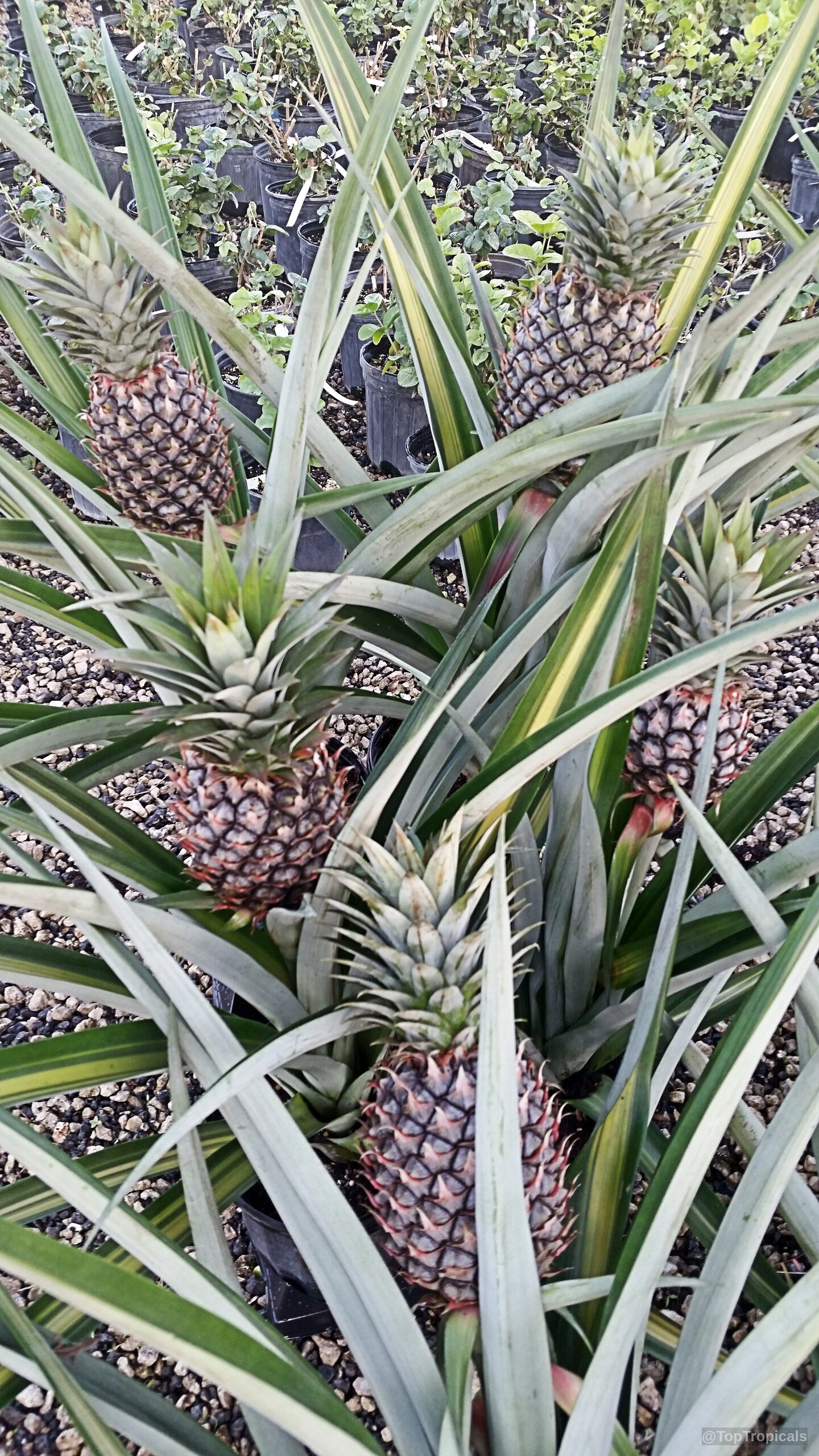
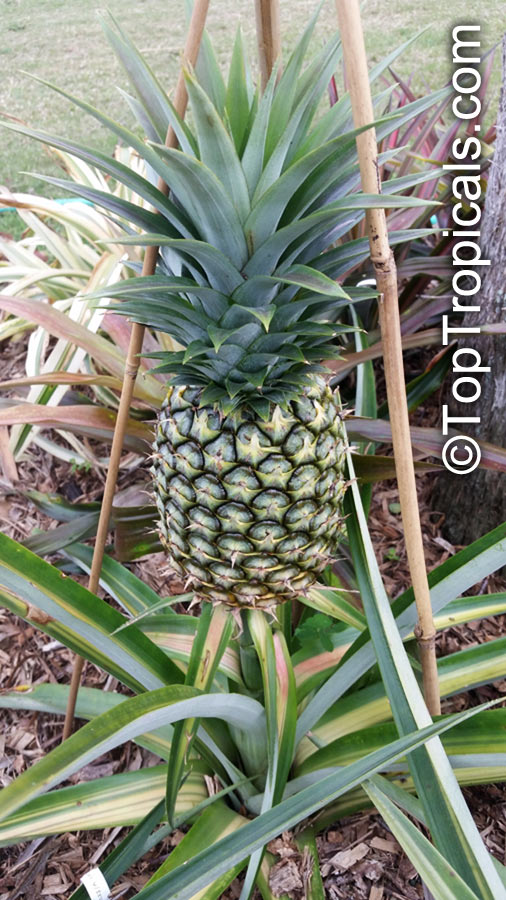
Ananas 'Royal Hawaiian' is a premium pineapple variety valued for its sweet, aromatic fruit and vigorous growth, making it an attractive choice for both home gardens and ornamental tropical displays.

Botanical name: Ananas sp.
Common names: Pineapple, Pina
Family: Bromeliaceae
Subfamily: Bromelioideae
Origin: Brazil and Paraguay
USDA Zone: 9-11
Cold tolerance: 25°F
King of fruits! One of the most delicious fruits in the world, especially when picked and eaten fresh. Pineapples are a tropical fruit that is rich in vitamins and dietary fiber, with the ability to boost the immune system. Popular varieties of pineapples include Royal Hawaiian, Victoria Gourmet, Hawaiian Gold, Sugar Loaf, and Miniature Dwarf. There are also ornamental varieties, such as the variegated pineapple "Ivory Coast," that are valued for their exotic tropical look and require very little care.
Pineapples are short, stiff herbaceous plants that are closely related to bromeliads. They have long, thin leaves with spiny tips and prickly edges, and a violet or reddish flower on a dense head, which appears from January to March in Florida. The fruit is compound, fleshy, and usually yellow to orange when ripe, with a rough outer skin.
Pineapples are not very susceptible to diseases, but they can suffer from root rot, mealy bugs, and spider mites. To prevent these issues, it is important to keep the area clean and free of any infestations. In cold regions, it is necessary to bring the pineapple container inside and keep it in a cool place during the winter. If temperatures drop below freezing for an extended period, it is necessary to cover the container with a thick layer of mulch to protect the plant.
Pineapples can be grown and harvested in pots, but it is important to be careful with watering and only use acidic soil. Like any bromeliad, pineapples need very little water and the soil should be allowed to dry between waterings. The heaviest fruiting season for pineapples is summer, from May to September, although some varieties have a staggered fruiting season throughout the year.
Read more about Pineapple: The most luscious Hospitality Fruit: Pineapple.
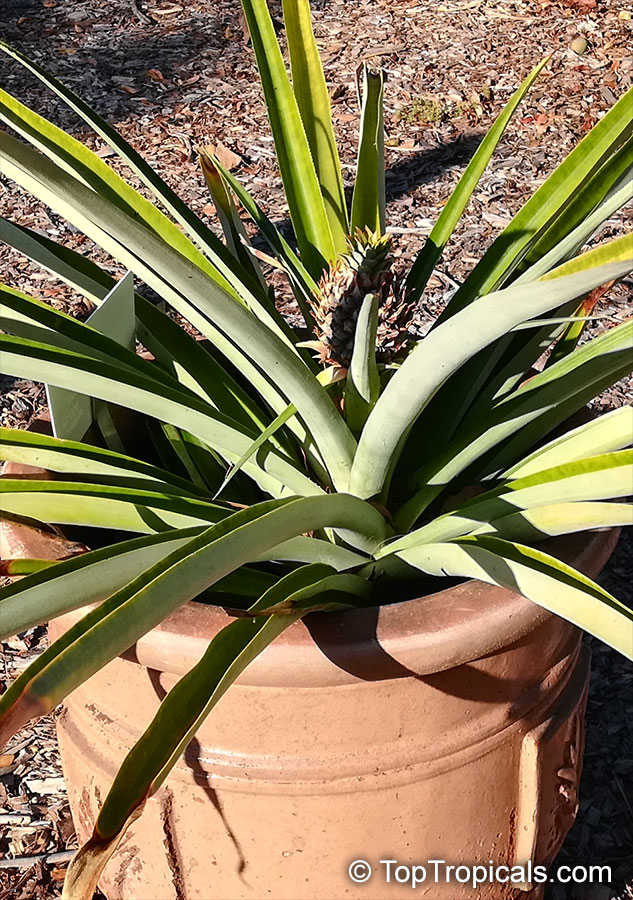
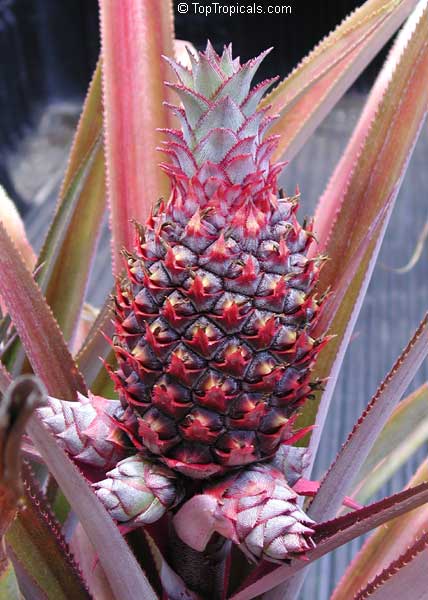
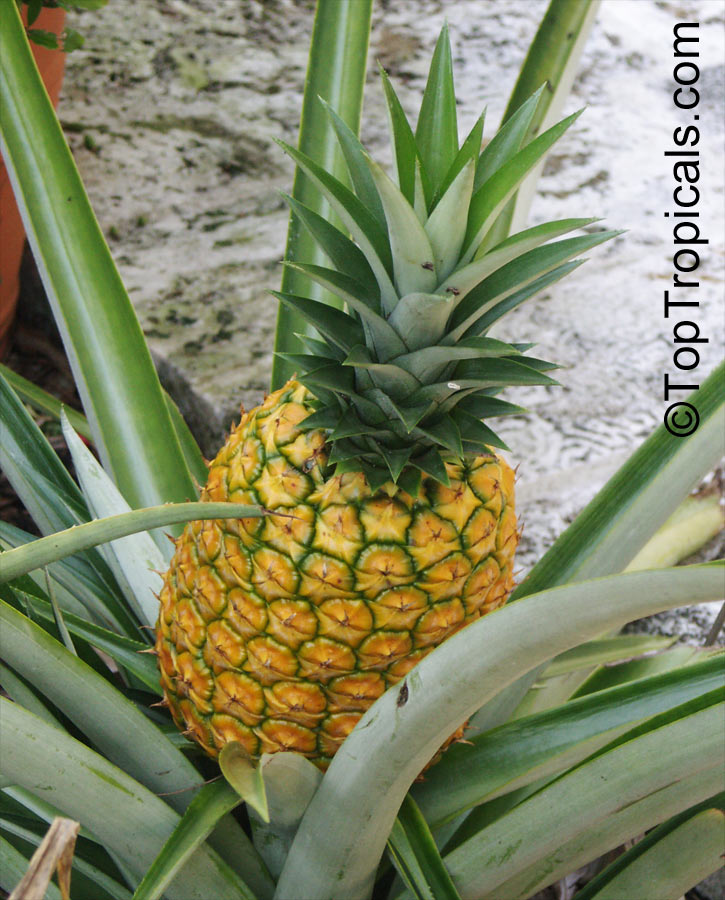
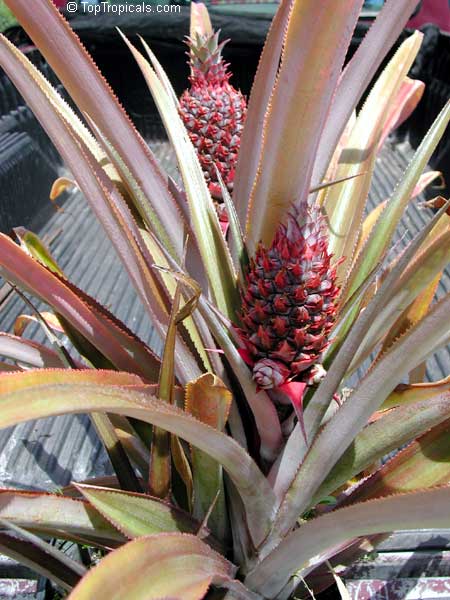
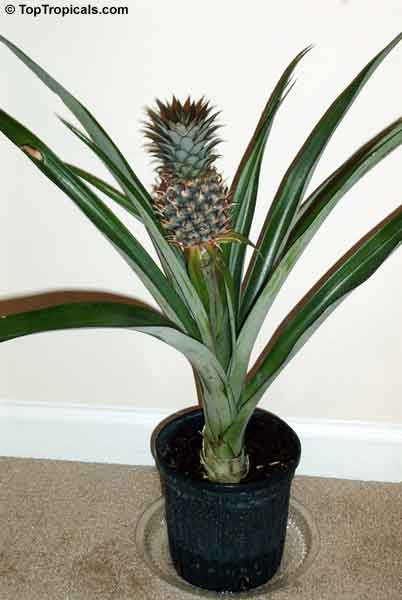
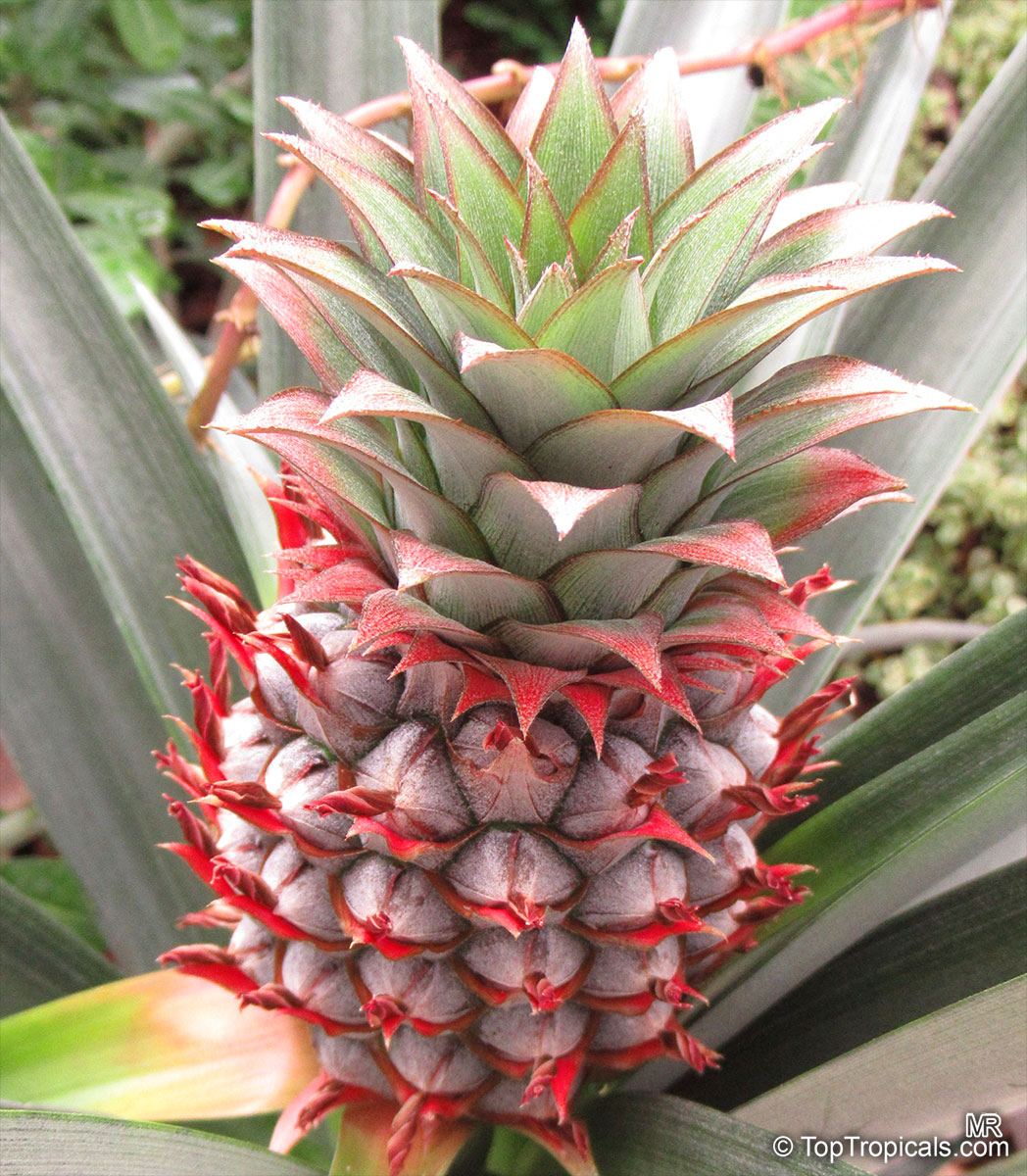
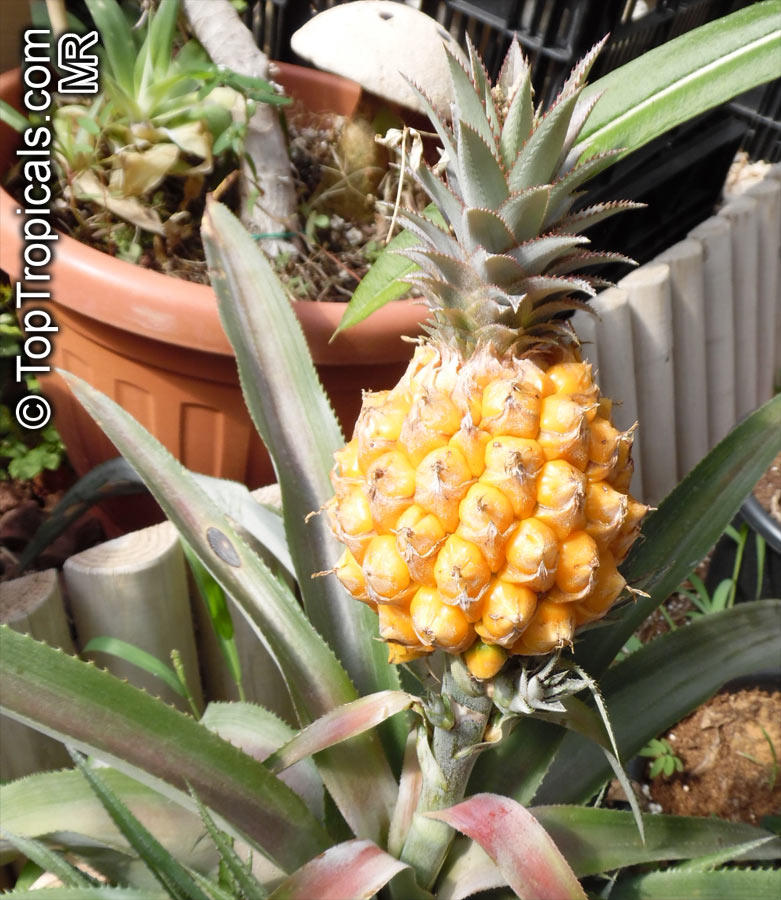
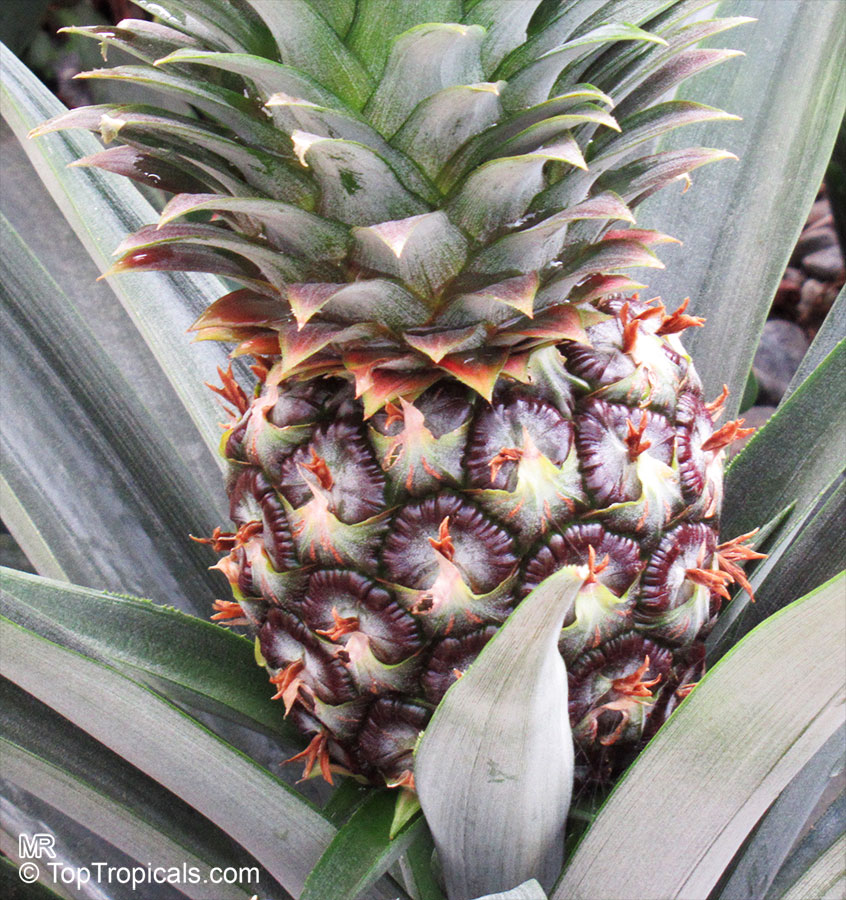

Botanical name: Ananas sp.
Common name: 'Lava Burst' Pineapple
Cultivar: Lava Burst
Family: Bromeliaceae
USDA Zone: 9-10
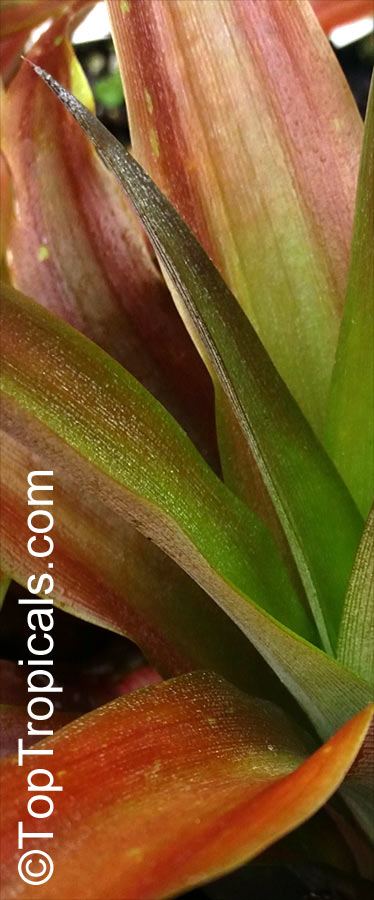
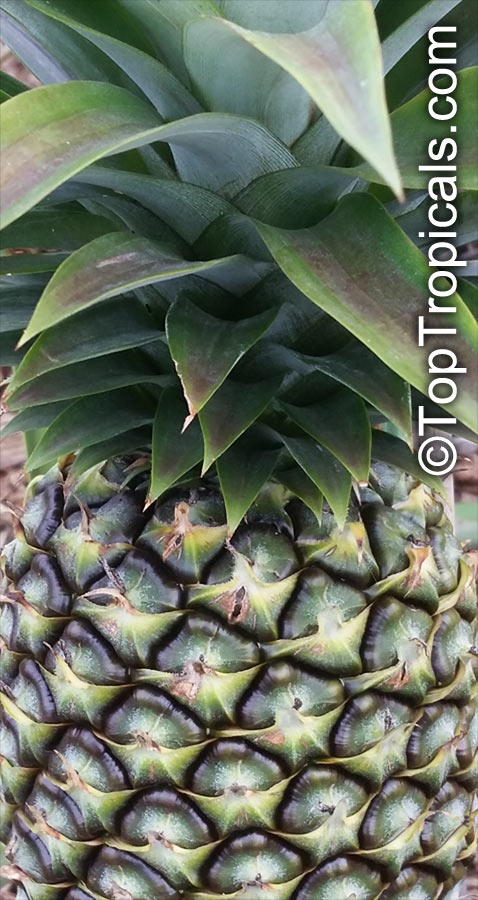
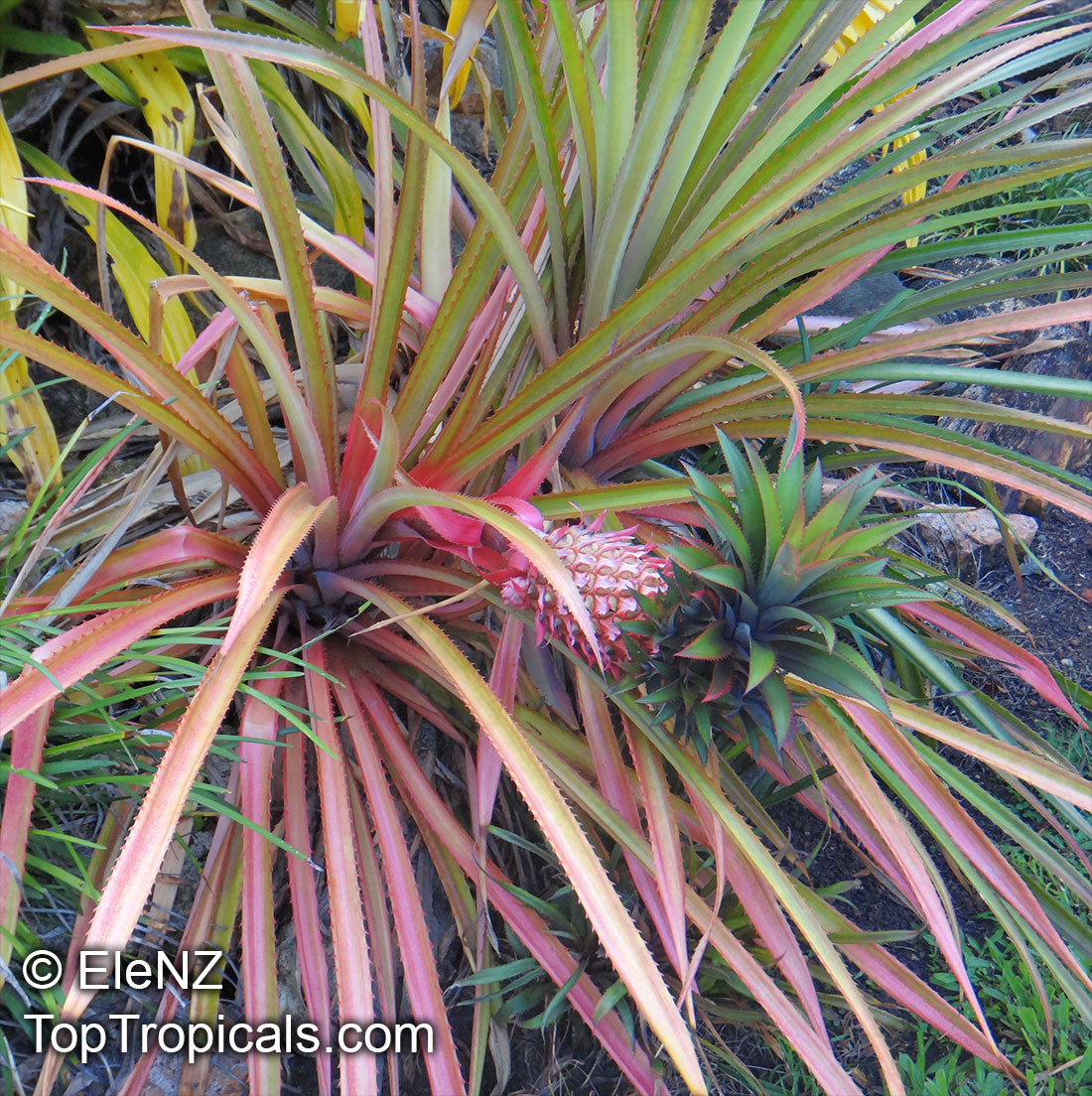
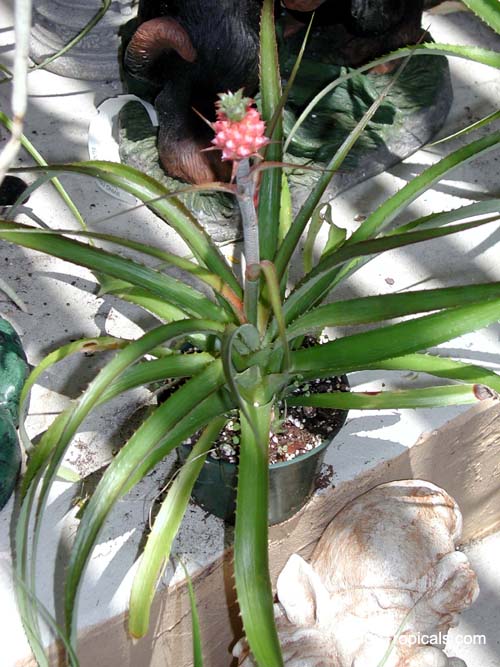
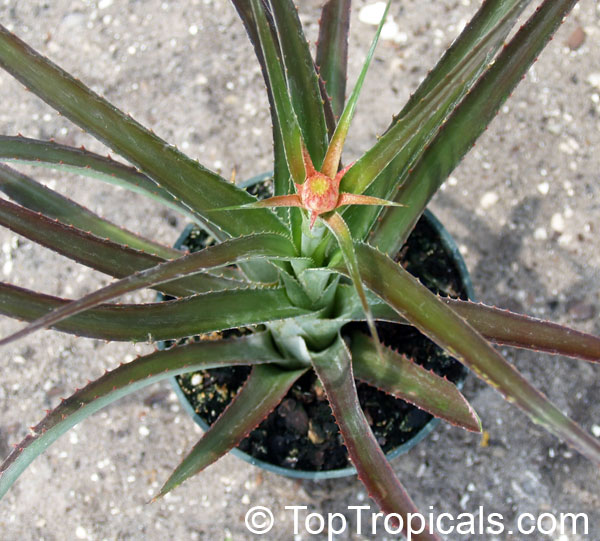
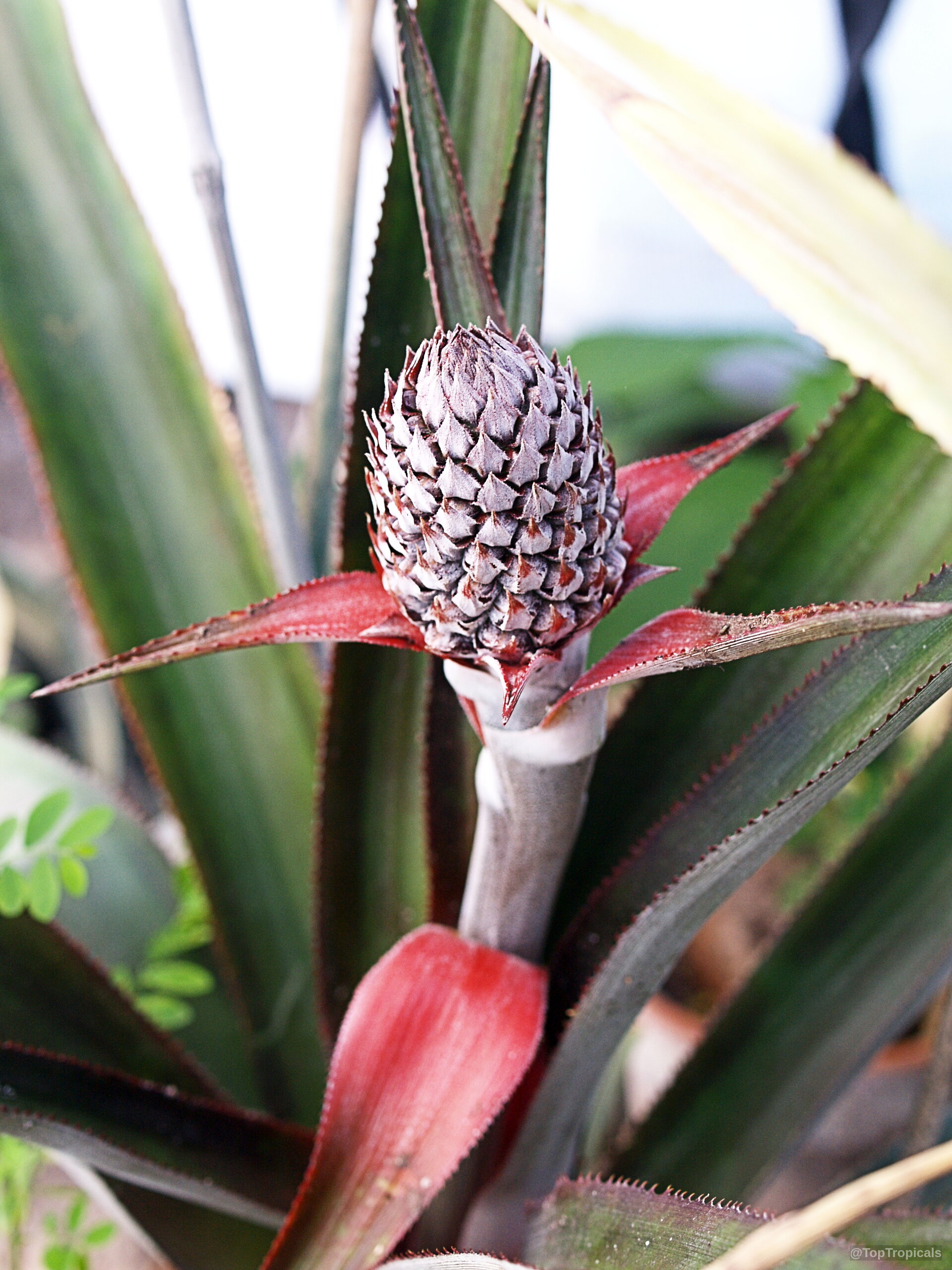
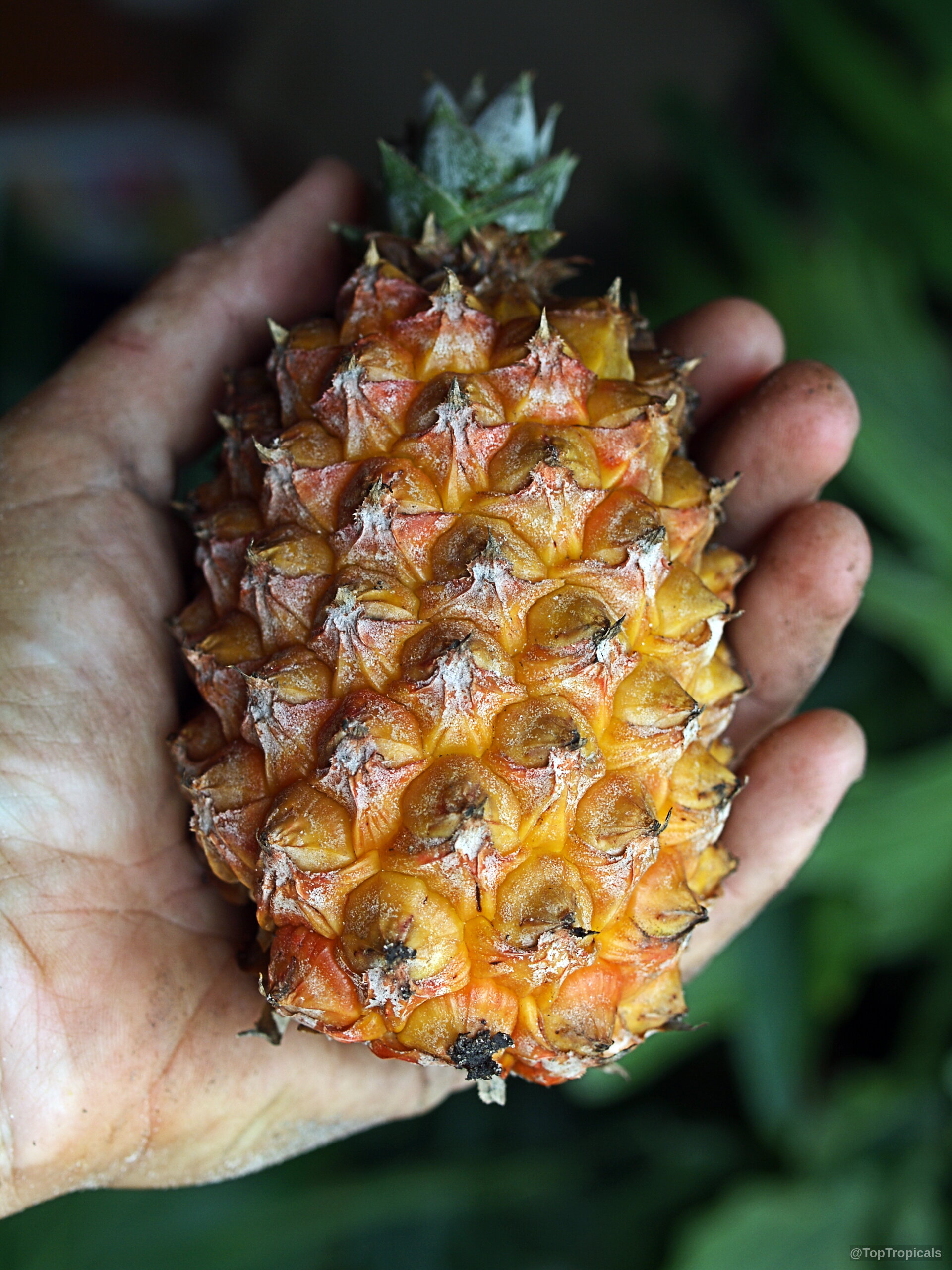
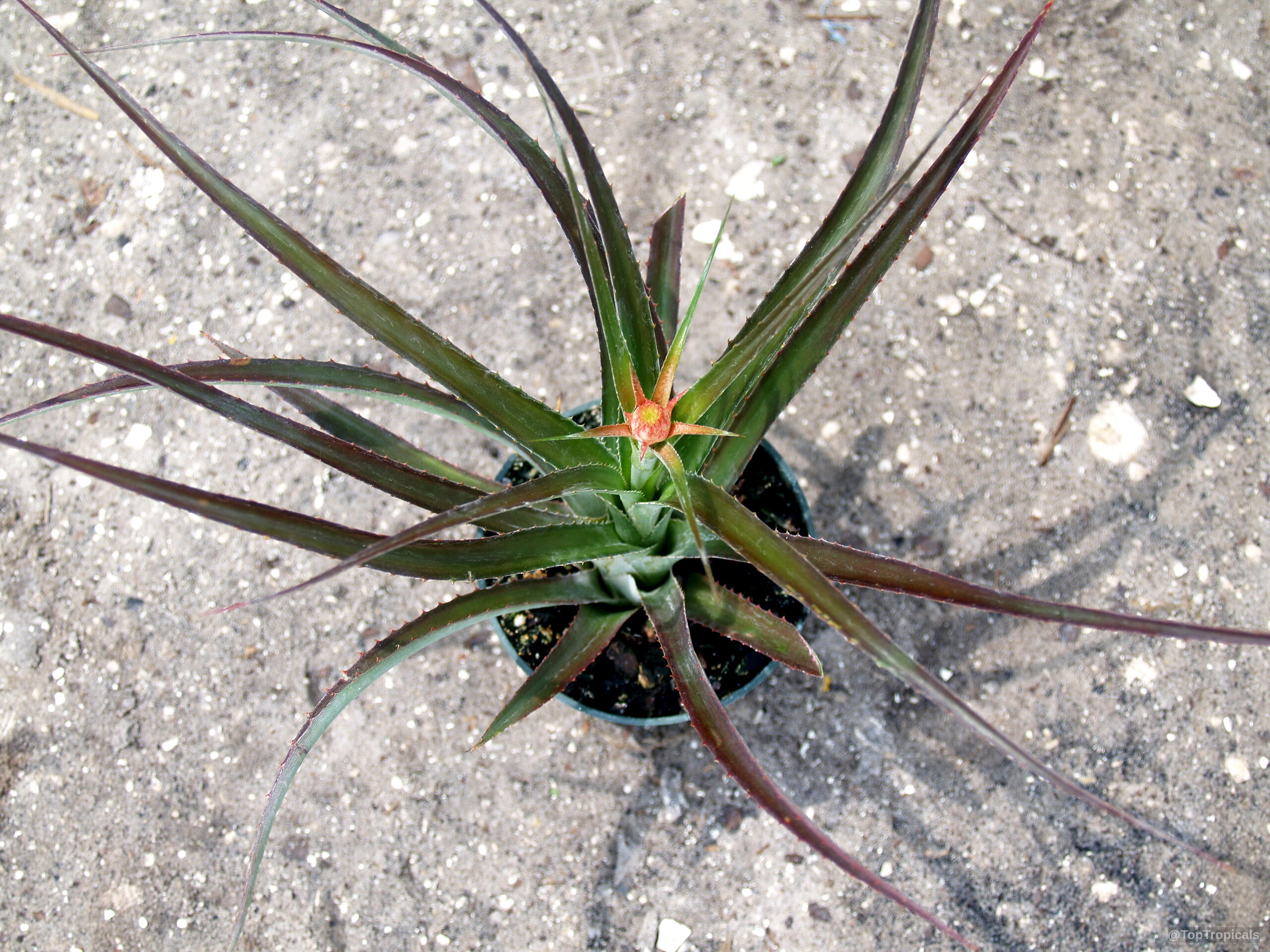
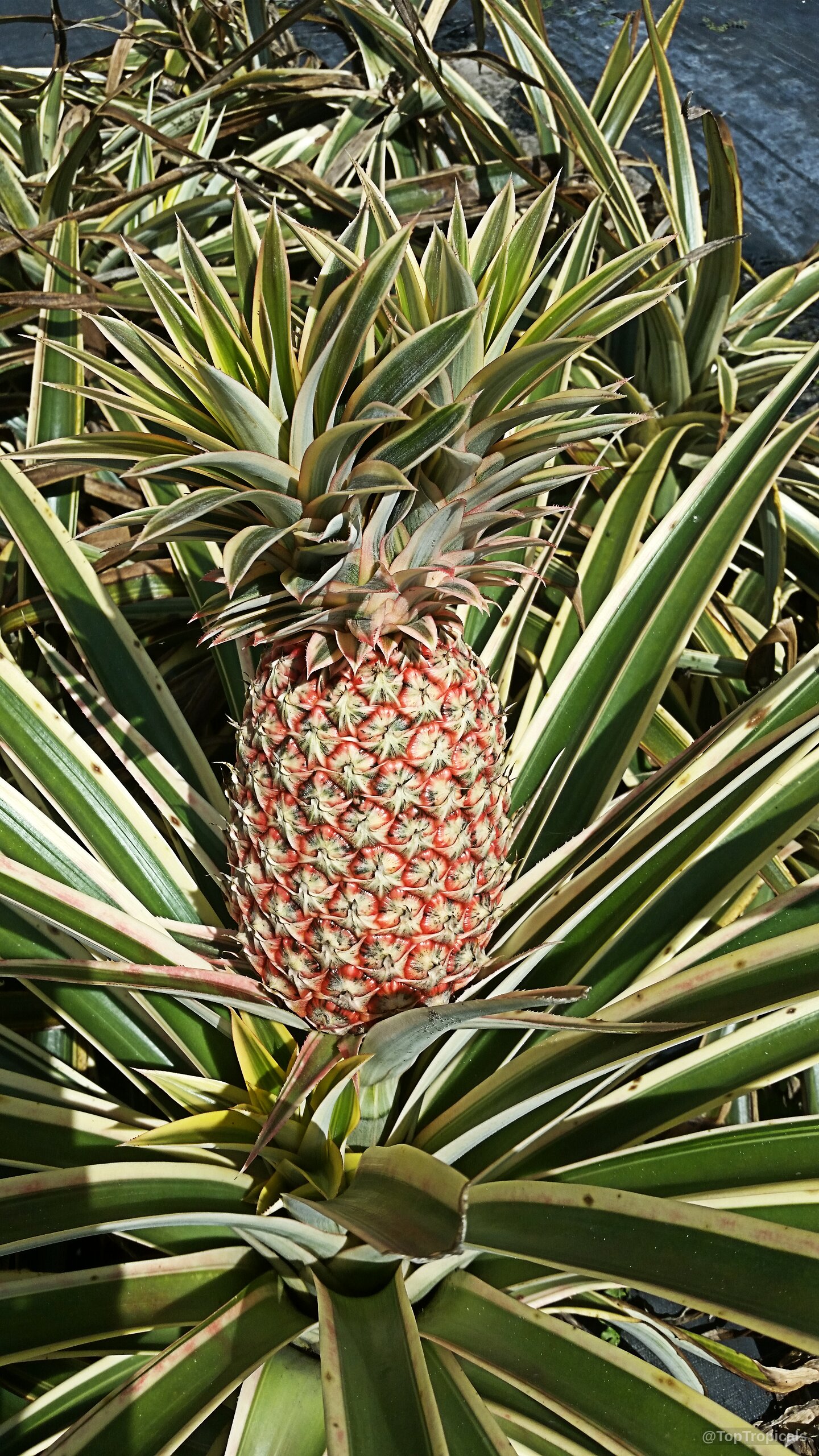
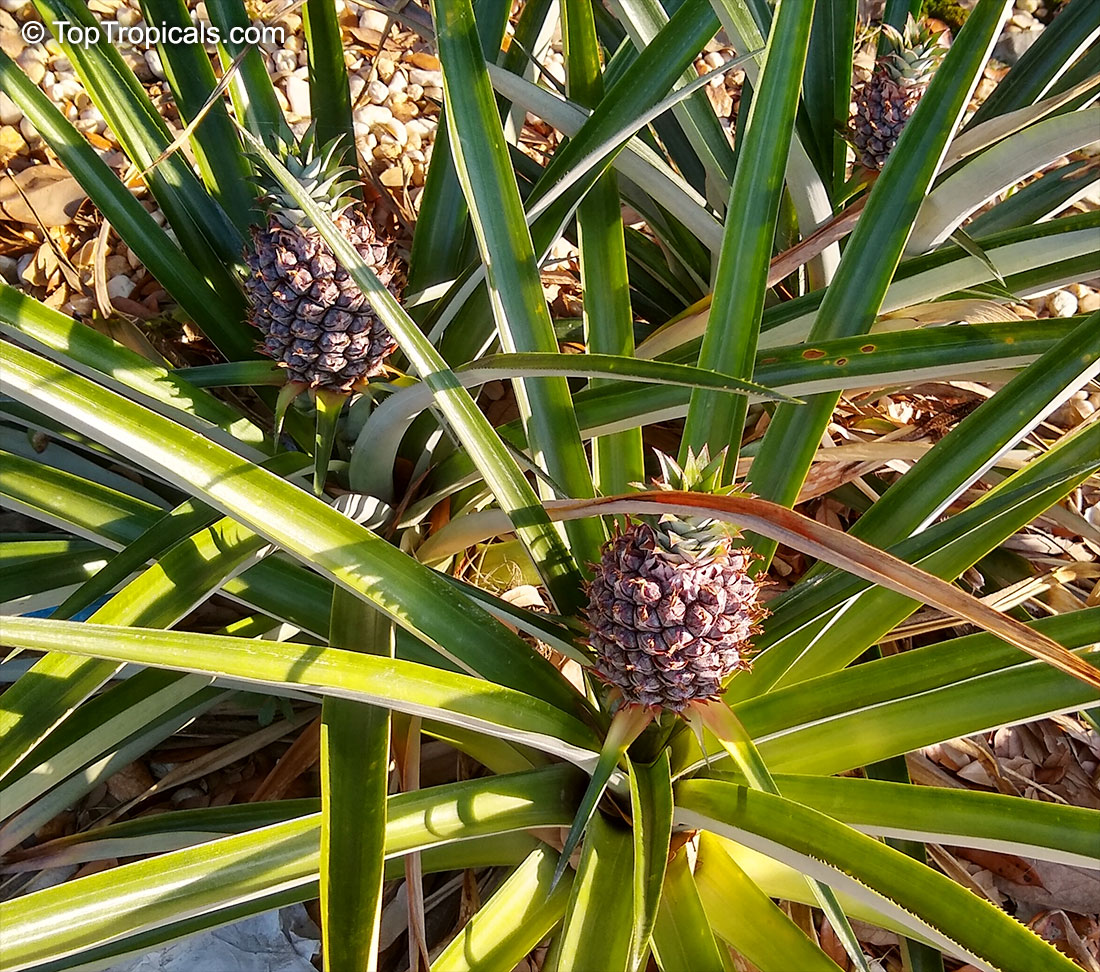
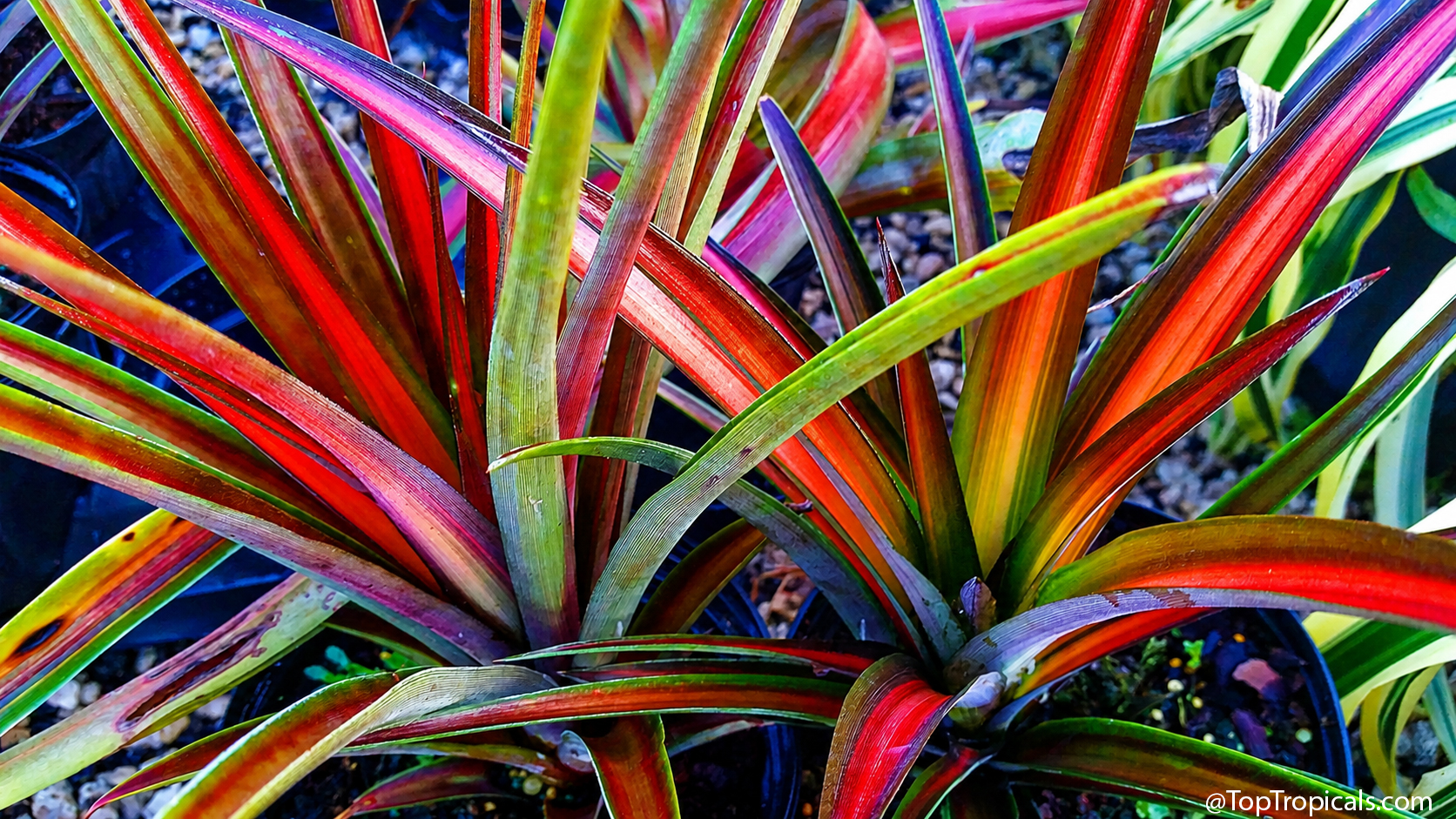
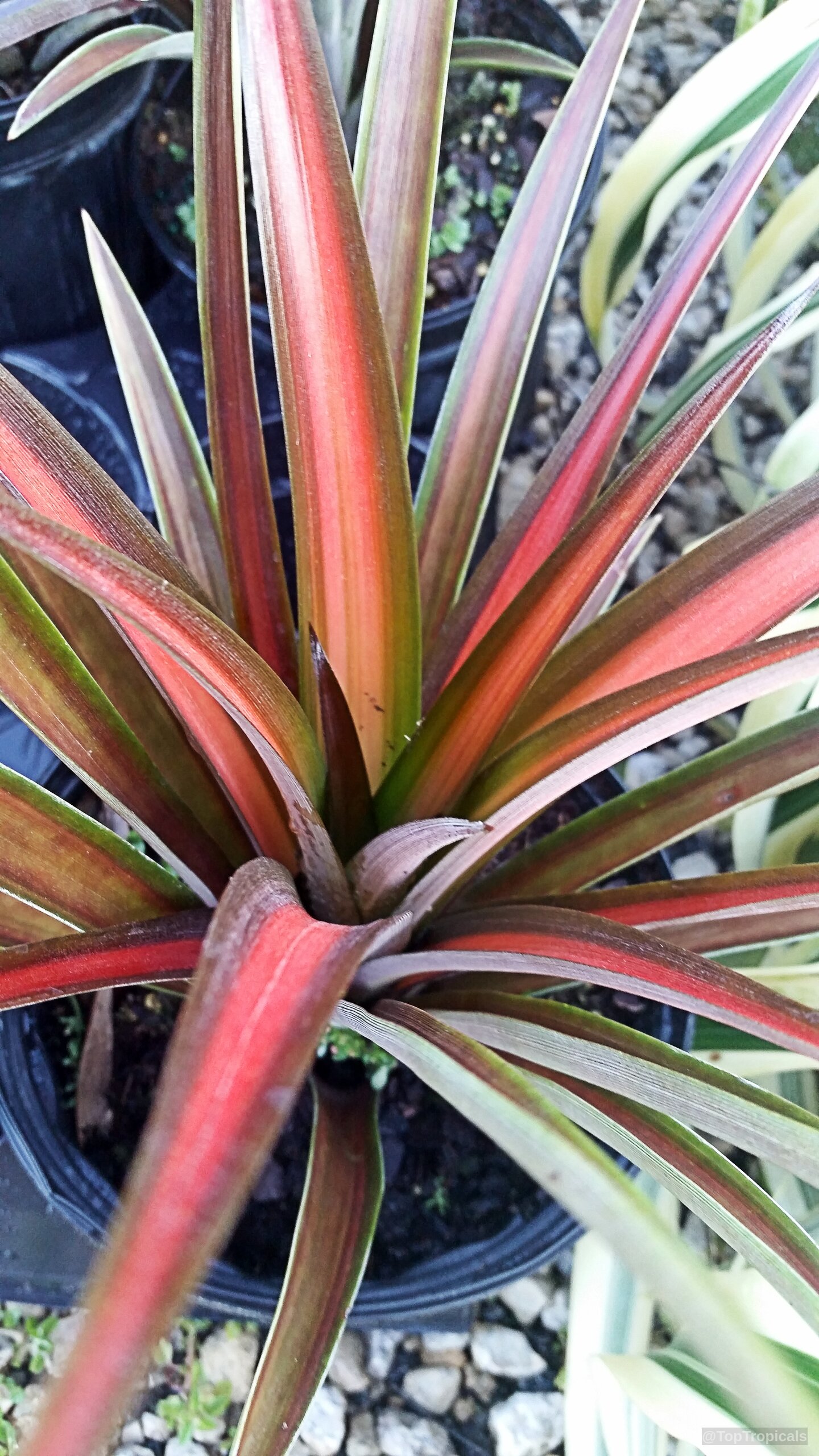
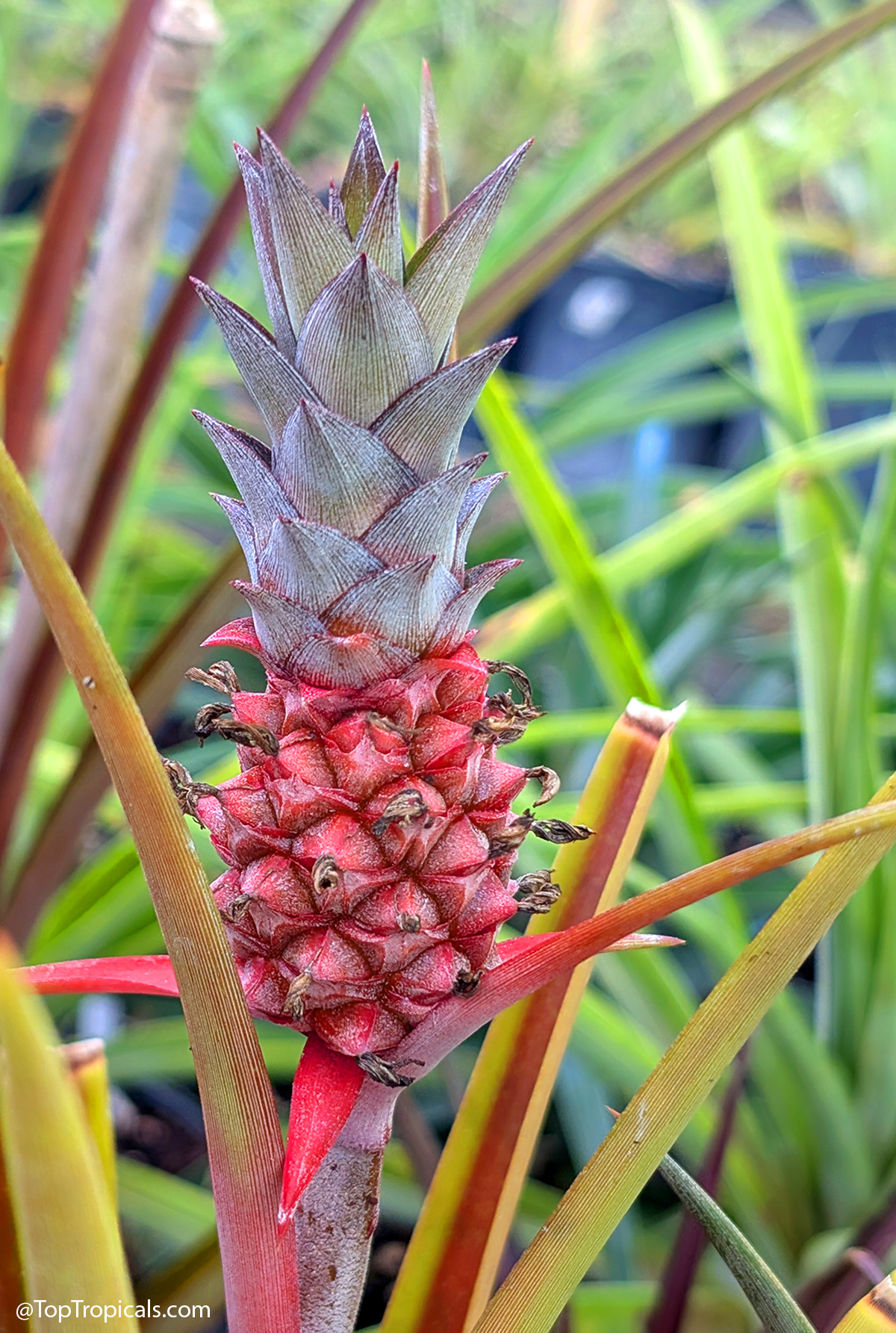
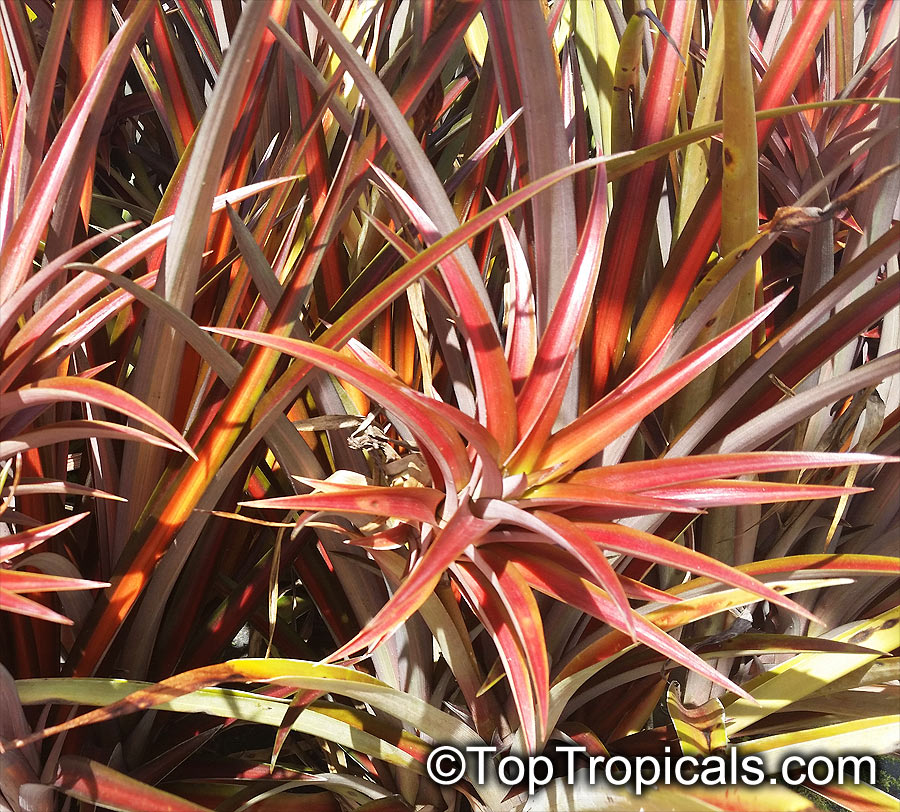
Pineapple Lava Burst is one of the most colorful ornamental pineapple varieties grown today. This spectacular tropical plant is prized for its dramatic variegated foliage streaked with burgundy, pink, cream, bronze, and green tones that often appear almost painted by hand. The colors can intensify even further in bright sunlight, giving the plant a glowing "lava-like" appearance that inspired its name.
Belonging to the bromeliad family, Lava Burst forms a dense rosette of arching, sword-like leaves that create a bold architectural shape. Even without fruit, the plant serves as a living tropical centerpiece and is widely used as an ornamental foliage plant in containers, patios, tropical landscapes, pool areas, and bright indoor spaces.
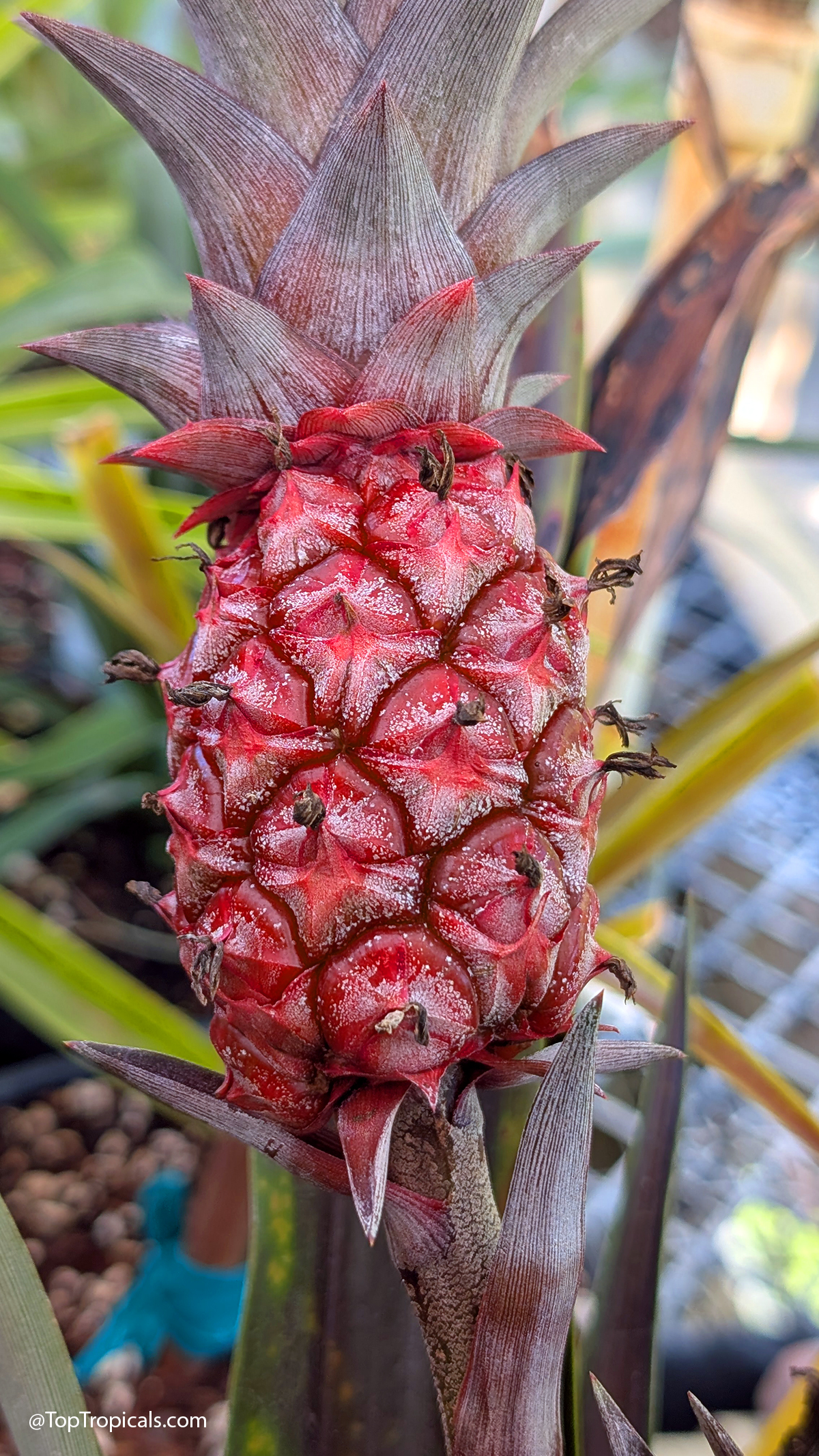
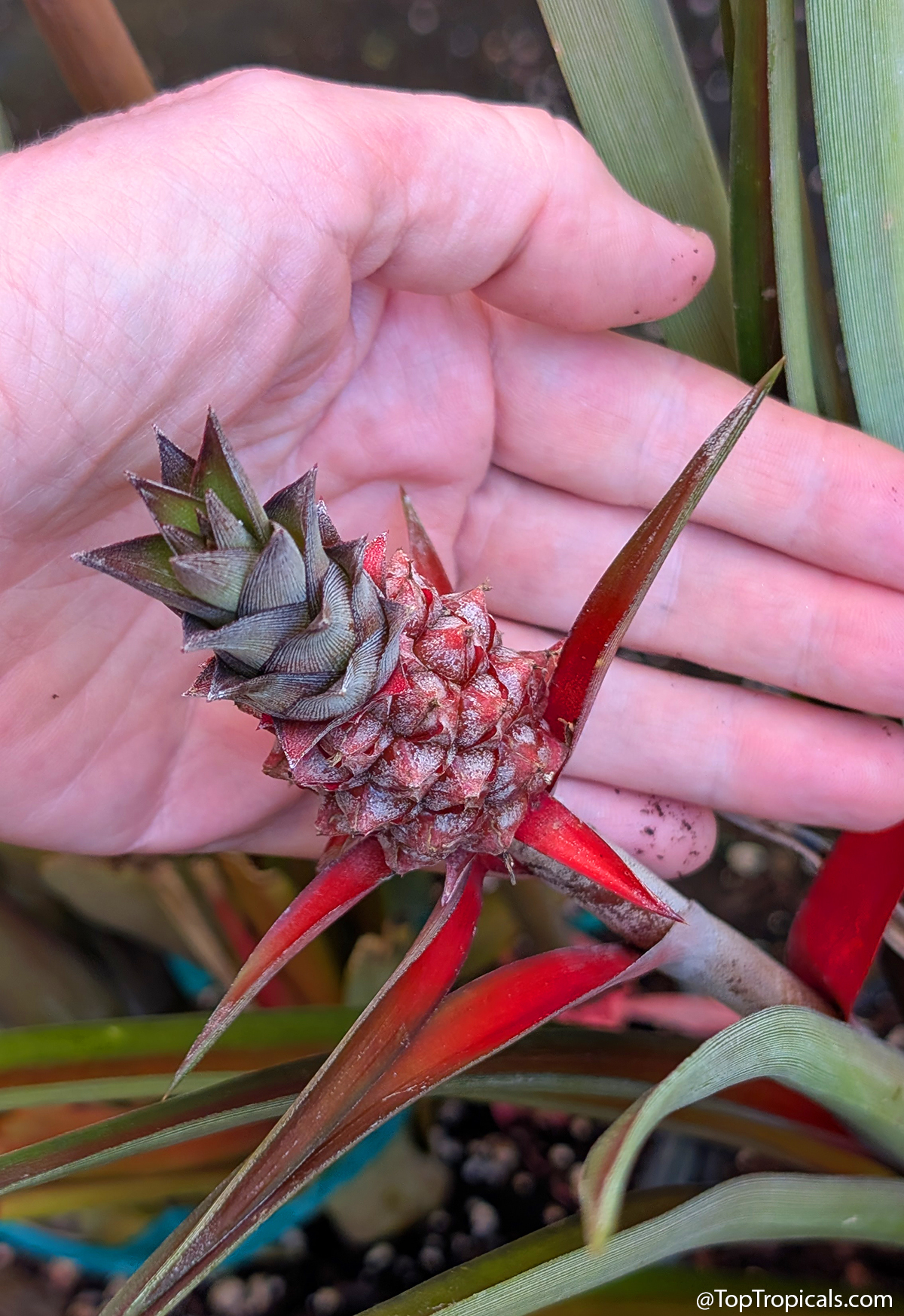
Like other ornamental pineapples, Lava Burst eventually produces a real edible pineapple fruit from the center of the plant. The fruit is typically smaller than commercial grocery-store pineapples but adds even more ornamental value when combined with the colorful foliage. The plant is grown primarily for its exceptional appearance rather than fruit production.
This variety performs especially well in containers because of its compact root system and manageable size. It prefers warm temperatures, bright light, and very well-drained soil. The strongest burgundy and pink coloration usually develops in full sun or very bright filtered light. Overwatering should be avoided, as pineapple plants prefer to dry slightly between waterings.
Pineapple Lava Burst is an excellent choice for gardeners looking to create a tropical look in small spaces without using large trees or shrubs. Its unusual coloration and sculptural form make it popular among bromeliad collectors, tropical plant enthusiasts, and gardeners searching for something truly different.



Read more about Pineapple: The most luscious Hospitality Fruit: Pineapple.
Recommended Fertilizer: SUNSHINE Ananas - Pineapple and Bromeliad Booster
SUNSHINE-Honey - sugar booster
SUNSHINE-Superfood - micro-element booster
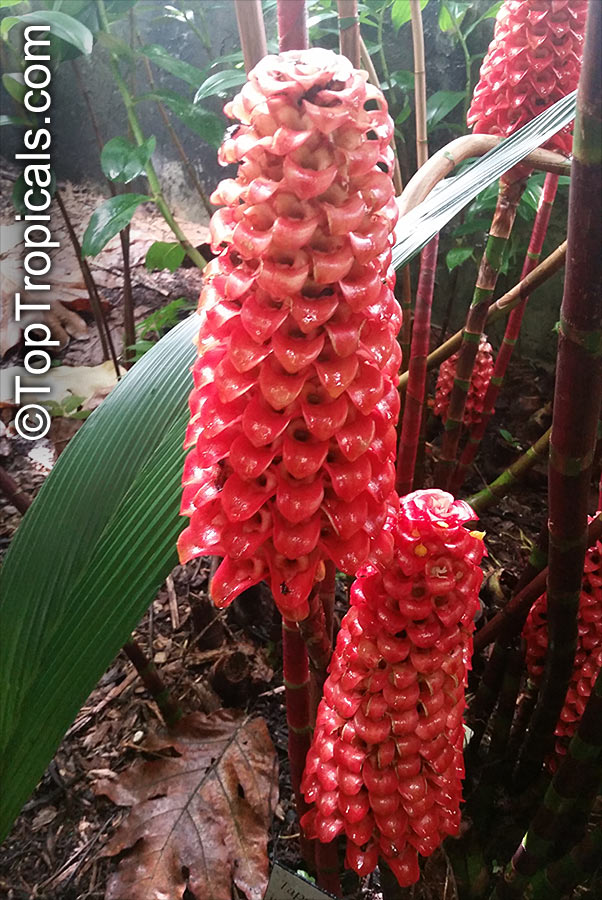
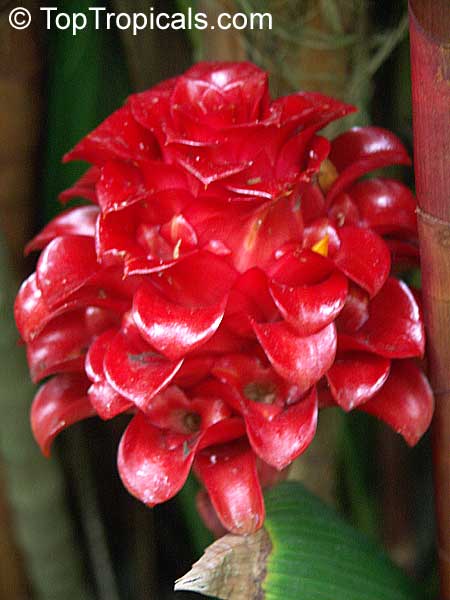
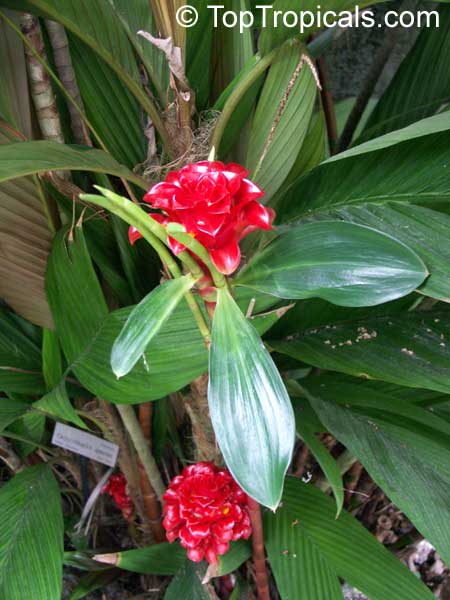
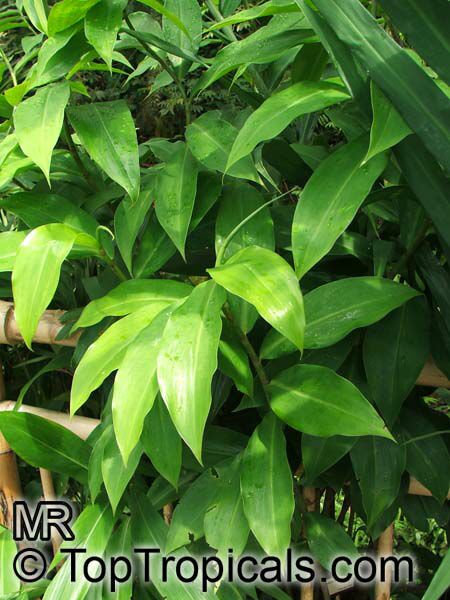
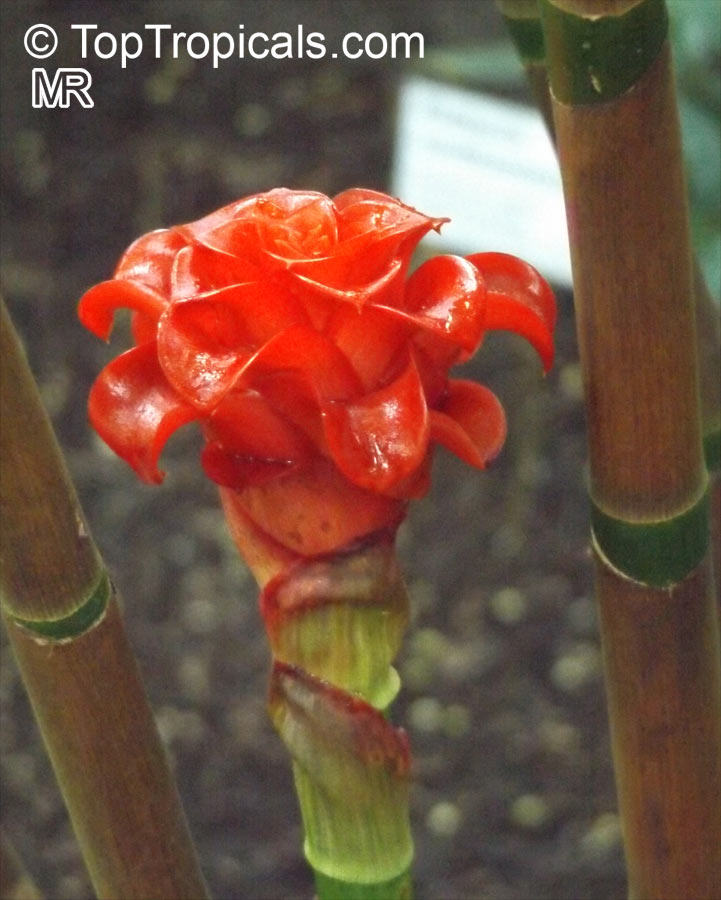
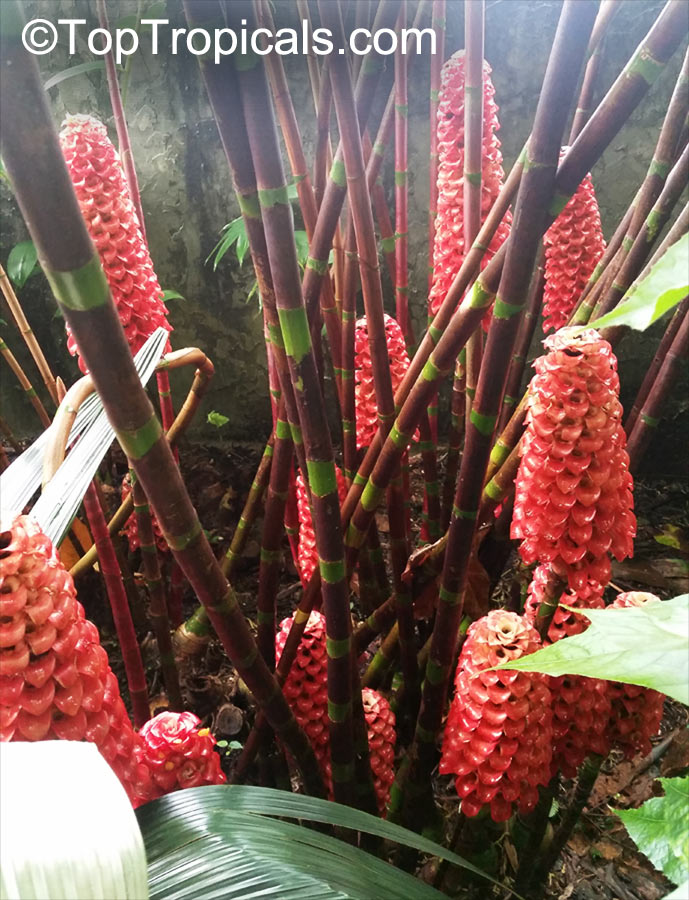
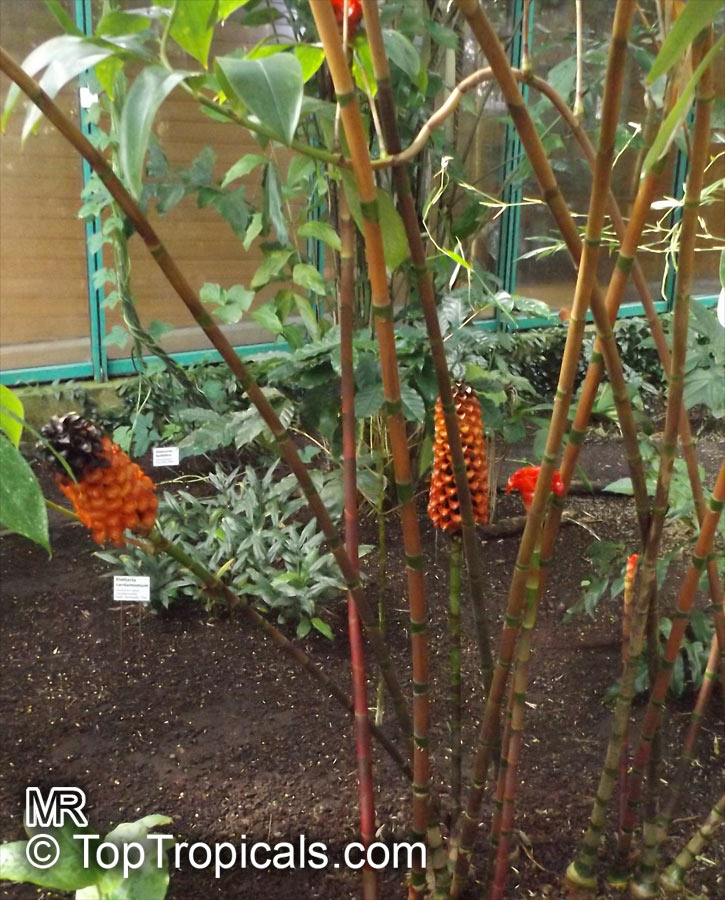
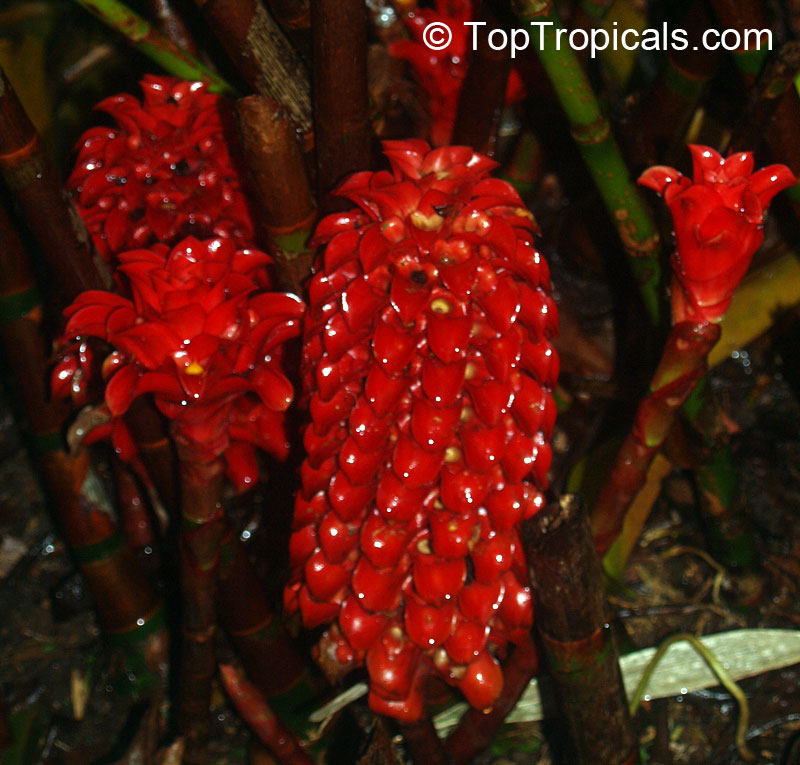
Botanical name: Tapeinochilos ananassae
Common names: Indonesian Wax Ginger, Giant Spiral Ginger
Family: Costaceae
Origin: Malaysia to Quinsland
USDA Zone: 9-10


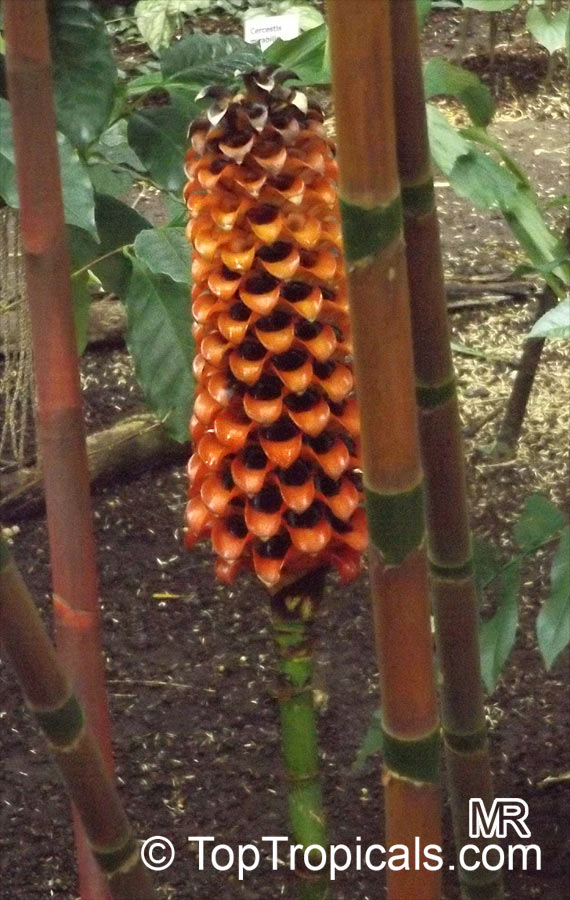
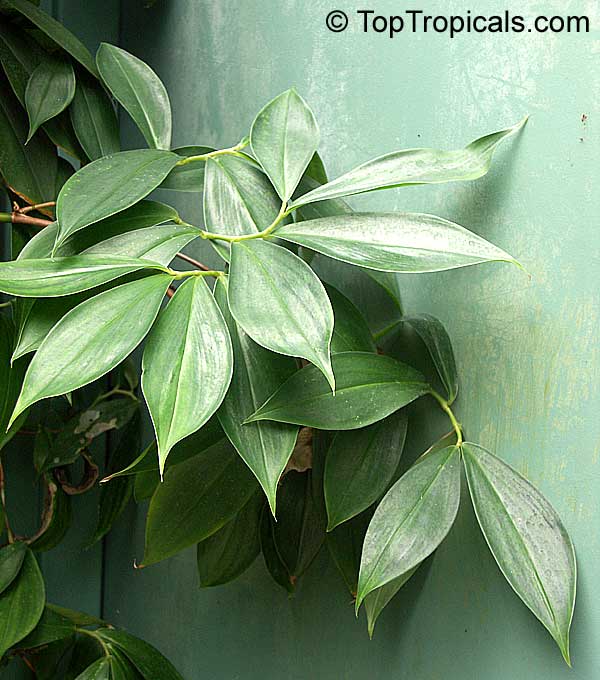
Indonesian Wax Ginger will reach 8 feet (2½ meters) tall with dark green soft leaves arranged spirally around bamboo-like stems. Leaves reach 15 inches (38 cm) in length by about 6 inches (15 cm) wide. It is an attractive plant but needs a lot of room to grow. In containers they need to be repotted often. The stately dark red, cone shape bract similar to an upside down pineapple is colossal and enhanced with vivid yellow flowers appearing within the basal bract.

| Next | |
Use link to repeat this search:
https://toptropicals.com/cgi-bin/garden_catalog/cat.cgi?find=ananas&search_op=and&keyword_op=and&language=e&number=10
&no_change_lang=1&user=tt&sale=1&first=0