Date: 31 Aug 2016
Hardy avocados

Q: I intend to gift three avocados, at least one type A and one type B, to a friend who lives in an area where the temperature never goes below 25F. The idea is to give them a ripening season as long as possible. Which combinations do you suggest, and which are the A and B?
A: When talking about "A" type and "B" type in Avocados, it is referring to the flowers. An avocado will produce both male and female flowers on the same plant. "A" type means that the flowers are female in the morning and male at afternoon. "B" type means that the flowers are male in the morning and female in the afternoon. If you plant to start a commercial growth, then it's important to create a proper mix of both types. However, in hot and humid climate a single tree produces flowers of both types, so it is not necessary to have both A- and B- types planted together in backyard. Even a single tree produces enough fruits for home gardener.
It is also important to know that while there are more cold hardy avocados, it refers to a full grown established tree. They will still need protection from the cold until they are bigger and more established. One can not expect a small tree, which was planted in June, to survive the first winter. It'll take few years until the tree is "harden" enough.
Wurtz Avocado: Fruits from May to Sept.
Dwarf hybrid. It is very compact and slow growing, reaching only about 8-12 feet at maturity. Distinctive weeping growth habit. Suited for planters, containers, patios, greenhouse use. Great for dooryard or container growing. The tree can handle temperatures to 25(F) degrees. Production is good and it is a consistent bearer.
Day Avocado: Fruits July to Sept.
Day avocado is green, smooth skin and is shaped like a club. The fruit is of very good quality and has a nice buttery consistency. The slender tree is relatively cold tolerant and produces July through September.
Fuerte Avocado: Fruits Nov to June.
Relatively cold hardy variety. Green fruit, elongated,flavor excellent, buttery. Vigorous compact tree with decidedly alternate year bearing habit. Ripens November to June.
These three will provide you with fruit ripening during the whole warm season.
For the most cold hardy avocado varieties, see this info sheet
Date: 1 Aug 2016
Growing gardenias indoors
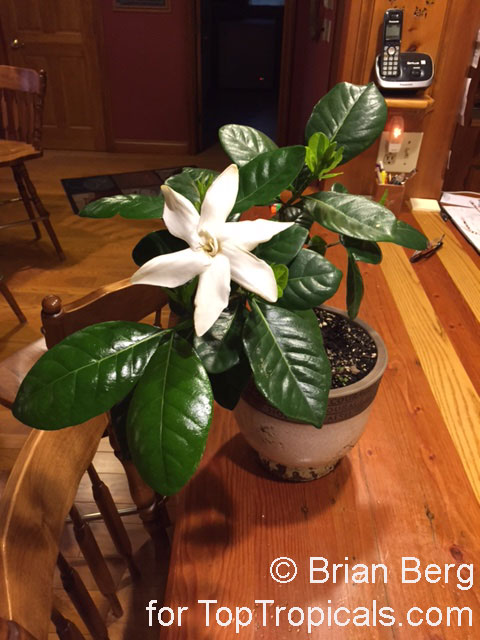
From Brian B, WI: Just wanted to share this photo of one of the plants my parents got from you 3 months ago.
Q: Gardenia taitensis is my favorite gardenia. I would need to keep it indoors under a grow light. Is it worth trying to grow indoors or is really difficult? If so, can you recommend and indoor plant that has big fragrance and blooms often?
A: When growing gardenias indoors, four most important factors must be taken in consideration:
1. Bright light (Southern window and/or proper lighting set up)
2. Proper watering (gardenias love water, but roots are very sensitive to excessive water)
3. Rich organic soil with perfect drainage characteristics, regular feeding with high phosphate component and micro-elements containing Iron or Ferovit.
4. Insect control (inspect underneath leaves regularly and apply systemic or on-contact treatments as needed). See
target=_blank>Top Tropicals video on easy insect control.
We definitely recommend Gardenia taitensis (both single and double flower varieties) for indoor culture. Another species, Gardenia vietnamensis, is even easier in cultivation as it takes wide range of conditions and may tolerate slight overwatering (unlike other varieties which are more sensitive). These three mentioned gardenias are somewhat tolerant to low light conditions. Under a proper care, they will grow successfully even in bright shade, however for blooming they require as much light as you can provide. Properly adjusted growing light may be helpful. You may refer to our article about indoor plant lighting in our magazine Tropical Treasures, Issue # 15, or website page
Date: 18 Apr 2016
Seeds germination in summer
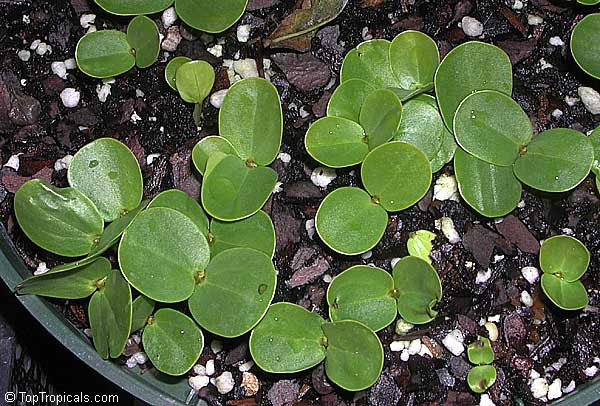
Q: What is the best way to germinate seeds in summer? Should I keep trays indoors or put them outside?
A: Summer is the best growing season for plants, and for their propagation. Seed germination process of tropical plants usually benefits from warm, and even hot temperatures, so keeping pots with seeds outside in full or partial sun can be the best way. However some seeds may be more sensitive than others, or require slightly cooler or higher temperature for germination. These are a few tips that may help:
- For seed germination, use only well drained mixes, containing either peat moss or coconut fiber to retain moisture. Some succulents may require adding sand to the germination mix. You may also try our Professional Formula Seed Germination Mix.
- Large tropical seeds, like palms, or seeds of Fabaceae (Bean) family, can be grown in full sun. Their germination will benefit from higher temperatures (up to 90-95F). Make sure to keep soil moist. Cover them well, with 3/4 to 1 inch of soil.
- Fruit seeds (large size) should be germinated either in individual cells or small pots (3-4"diameter).
- Small to medium size seeds can be grown in so-called community pots. Seedlings can be separated after they establish their first roots.
- Tiny seeds should be planted closer to the surface, covered with only 1/4-1/8 inch of soil; some seeds require bright light for germination, so full sun will be a plus. Some small seeds like Ficus for example, prefer to be broadcasted on the surface, uncovered. Put containers with such seeds in bright shade, as you don't want the surface of the soil to dry out.
- Once your seeds sprouted, move them in filtered light - bright to medium shade depending on tenderness of the species. (Gingers prefer shade, while succulent sprouts can stay in brighter light). Regardless of water/sun needs of the species, all young sprouts and first leaves are sensitive to hot sun and may get burned or even killed. Once a baby plant has a few leaves and well-branched root system, you may start moving trays into a brighter light.
- Do not overwater young seedlings, keep soil slightly moist but not soggy.
Date: 10 Apr 2025
Pre-hurricane season tips: how to protect your trees from winds
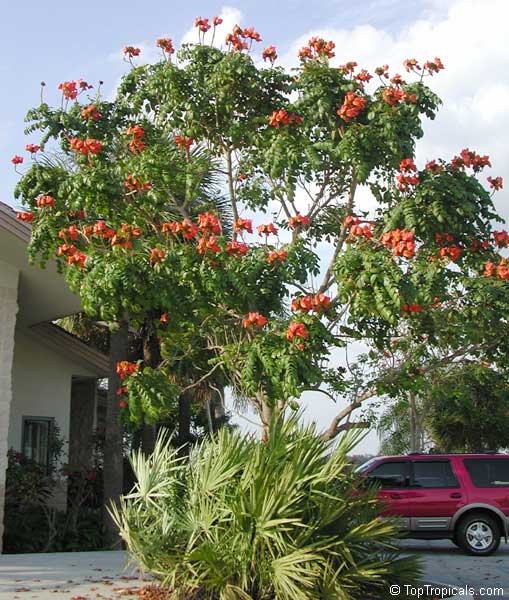
Spathodea campanulata - African Tulip Tree
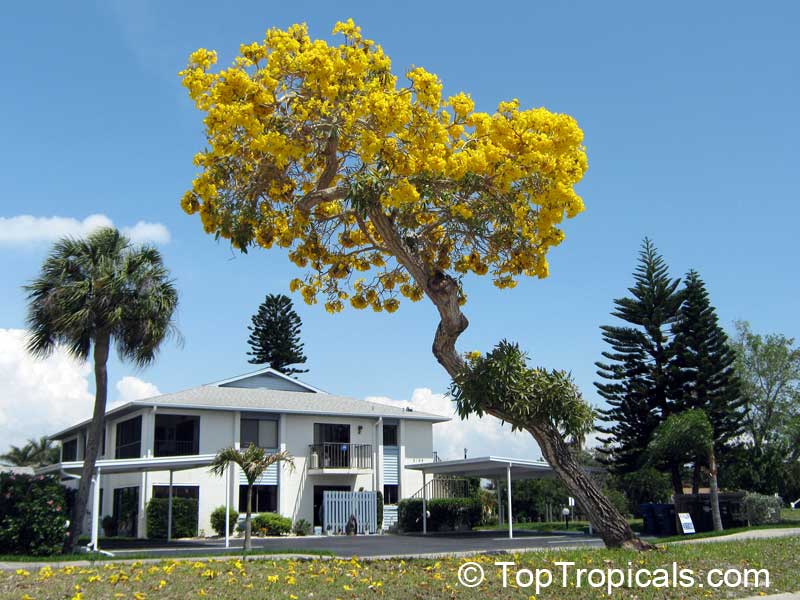
Tabebuia caraiba - Yellow trumpet tree crooked with wind
🌪 Pre-hurricane season tips: how to protect your trees from winds
Some trees like mango have deep roots and handle wind well. Others - like our favorites Spathodea campanulata - African Tulip Tree or Tabebuia caraiba - Yellow trumpet tree (in the photos) - need extra care. You've likely seen crooked Tabebuias in South Florida or lost a bushy Tulip Tree to strong winds. Their wide crowns act like sails in a storm.
💨 To help your trees withstand wind damage:
- ✅ Stake young trees with strong support - use a tripod-style setup (three bamboo sticks or boards secured around the tree for balance from all sides)
- ✅ Check and adjust supports every 6 months
- ✅ Trim long or rubbing branches - they break first
- ✅ Add extra support if a storm is coming (larger trees benefit from sturdy tripod-style bracing with boards)
- ✅ Lighten bushy growth, less sail = more survival
💡 Some remove all leaves from plumeria before a hurricane - it works!
💡 We pruned our Tulip Tree and Ceiba - and they withstood Hurricane Milton while others fell
- ✅ If a tree falls, stand it up ASAP and support it. Trim broken branches - they’ll remind you what needed pruning before, not after!
- ✅ Trees protected young, grow strong for life.
🛒 Grab your beautiful Tulip Tree and Tabebuia Tree today - support them early for strength and beauty later!
📚 Learn more:
Everyone loves these tulips growing on a tree
#How_to #Trees #Discover
🔴 Join 👉 TopTropicals
Date: 24 Jul 2023
Easy,
stress-free plants
for Summer planting
Q: With the rising temperatures, I'm concerned about shipping my plants safely. Can they withstand the heat during transit? Also, is it okay to plant them in the ground now, or should I wait for cooler Fall weather?
A: Your concern about shipping plants in hot weather is valid. For sensitive plants, we'll delay shipping until conditions are more favorable in your area. However, there are plenty of heat-tolerant tropical plants that handle shipping well with minimal stress. These plants adapt easily when planted during the hot summer months. Simply follow the included planting instructions, gradually acclimate them to full sun, and they should thrive.
Certain flowering tropical plants, such as Allamandas, Calliandras, Caesalpinias, Adeniums, and Clerodendrums, are excellent options for shipping and establishing during the summer. Flowering vines like Jasmines also adapt well. Consider using Sunshine Booster fertilizers to promote robust growth, they are safe to use right after planting.
Additionally, many fruit trees flourish in heat. Mangoes, Avocados, Pomegranates, Pineapples, Loquats, Eugenias - Tropical cherries, Bananas, Jackfruits, Dragon Fruit, and Olive trees are great choices for summer planting. Noni trees are hardy survivors and usually ship and grow well during the summer, in spite of their lush tropical leaves.
Feel free to check with us about the specific plant you plan to order for its suitability in summer shipping. We're here to take care of your green babies and address your year-round planting needs!
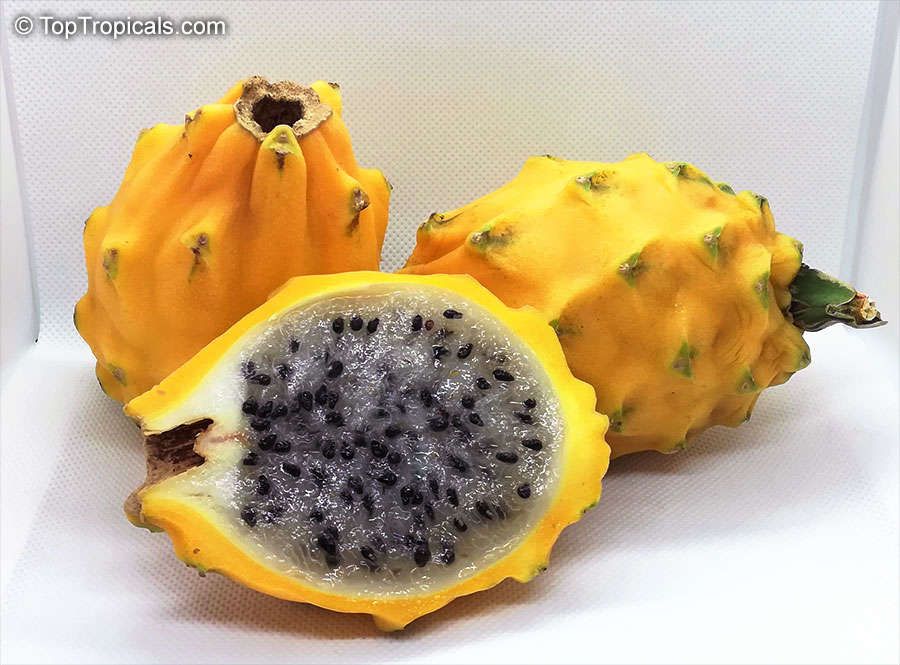
Pitaya, Yellow Dragon Fruit, Selenicereus megalanthus
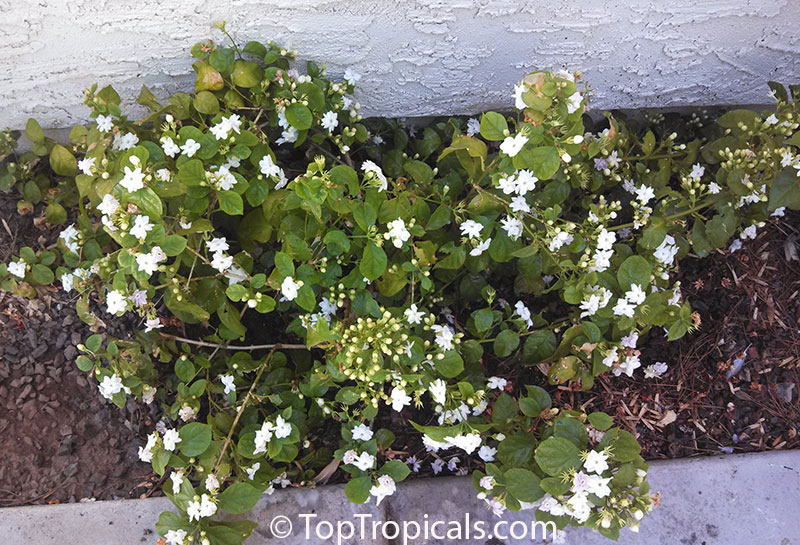
Jasminum sambac Maid of Orleans thrives and blooms in hot sun