Garden Blog - Top Tropicals

Date: 14 Jun 2026

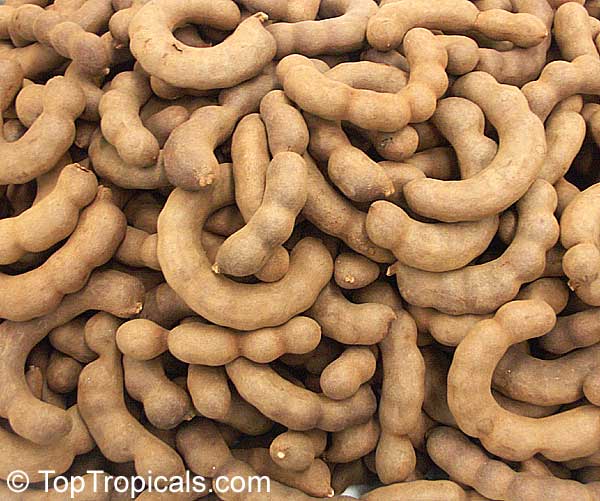
Thats my Tamarind!

🍴 That's my Tamarind!

🐈 Bob is thinking of a Tamarind recipe after harvesting at Top Tropicals PeopleCats.Garden 

🛒 Plant a Tamarind tree for summers drinks

📚 Learn more:

Tamarind Plant Facts

Botanical name: Tamarindus indica
Also known as: Tamarind, Sampalok
USDA Zone: 9 - 11
Highligths Large tree taller than 20 ftFull sunWatering: Moderate. Water when top soil feels dryEdible plantSubtropical plant. Mature plant cold hardy at least to 30s F for a short timeFlood tolerant plantSeaside, salt tolerant plant
Get personalized tips for your region

Tamarindus indica in Plant Encyclopedia
Tamarind Agua Fresca: quick-n-fun exotic recipes
Tamarind mango chutney: quick-n-fun exotic recipes
Tamarind shrimp stir-fry: quick-n-fun exotic recipes
Tamarind date dipping sauce: quick-n-fun exotic recipes
Top 10 fruit you'll ever need for your health benefits: #7 Tamarind
How to use Tamarind in cooking

#Food_Forest #Recipes #PeopleCats

🟢 Join 👉 TopTropicals

Date: 14 Jun 2026

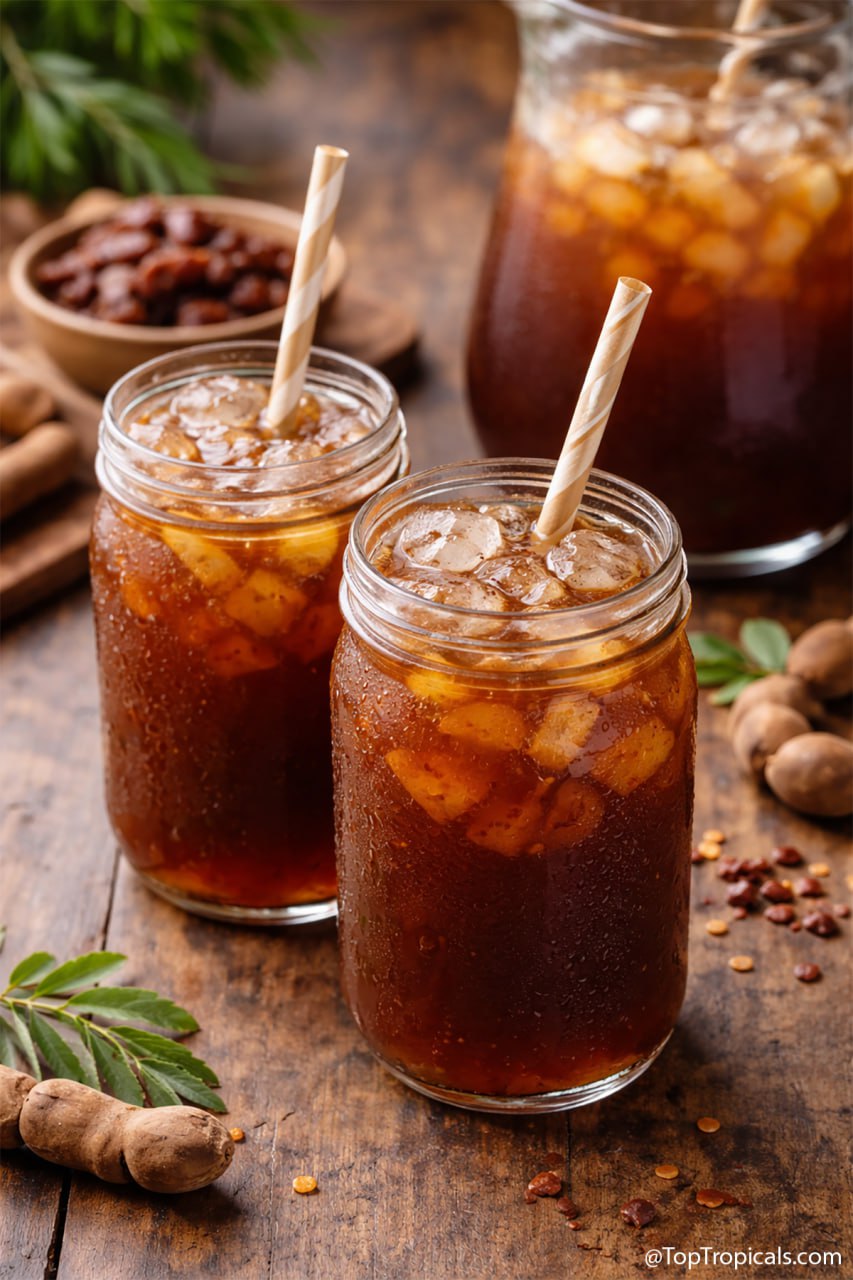
Tamarind Agua Fresca:

Tamarind Agua Fresca: Tamarind Agua Fresca:

🍴 Tamarind Agua Fresca: quick-n-fun exotic recipes


🟡Soak tamarind pulp in warm water, mash and strain.
🟡Add sugar to taste and serve over ice.
🟡Refreshing and bold.

🌿 About the plant:


In Mexico, tamarind drinks are incredibly popular. The pulp dissolves easily in water, creating a naturally tangy beverage without needing citrus.

🏡 In the garden:


Tamarind (Tamarindus indica) prefers full sun and good drainage. It is relatively low maintenance once established and rarely troubled by pests.

🛒 Plant a Tamarind tree for summers drinks

📚 Learn more:

Tamarind Plant Facts

Botanical name: Tamarindus indica
Also known as: Tamarind, Sampalok
USDA Zone: 9 - 11
Highligths Large tree taller than 20 ftFull sunWatering: Moderate. Water when top soil feels dryEdible plantSubtropical plant. Mature plant cold hardy at least to 30s F for a short timeFlood tolerant plantSeaside, salt tolerant plant
Get personalized tips for your region

Tamarindus indica in Plant Encyclopedia

#Food_Forest #Recipes

🟢 Join 👉 TopTropicals

Date: 13 Jun 2026

Pitaya Sweet Red: dragon fruit beyond pink and white - A Collectors Guide

Pitaya Sweet Red: dragon fruit beyond pink and white - A Collectors Guide

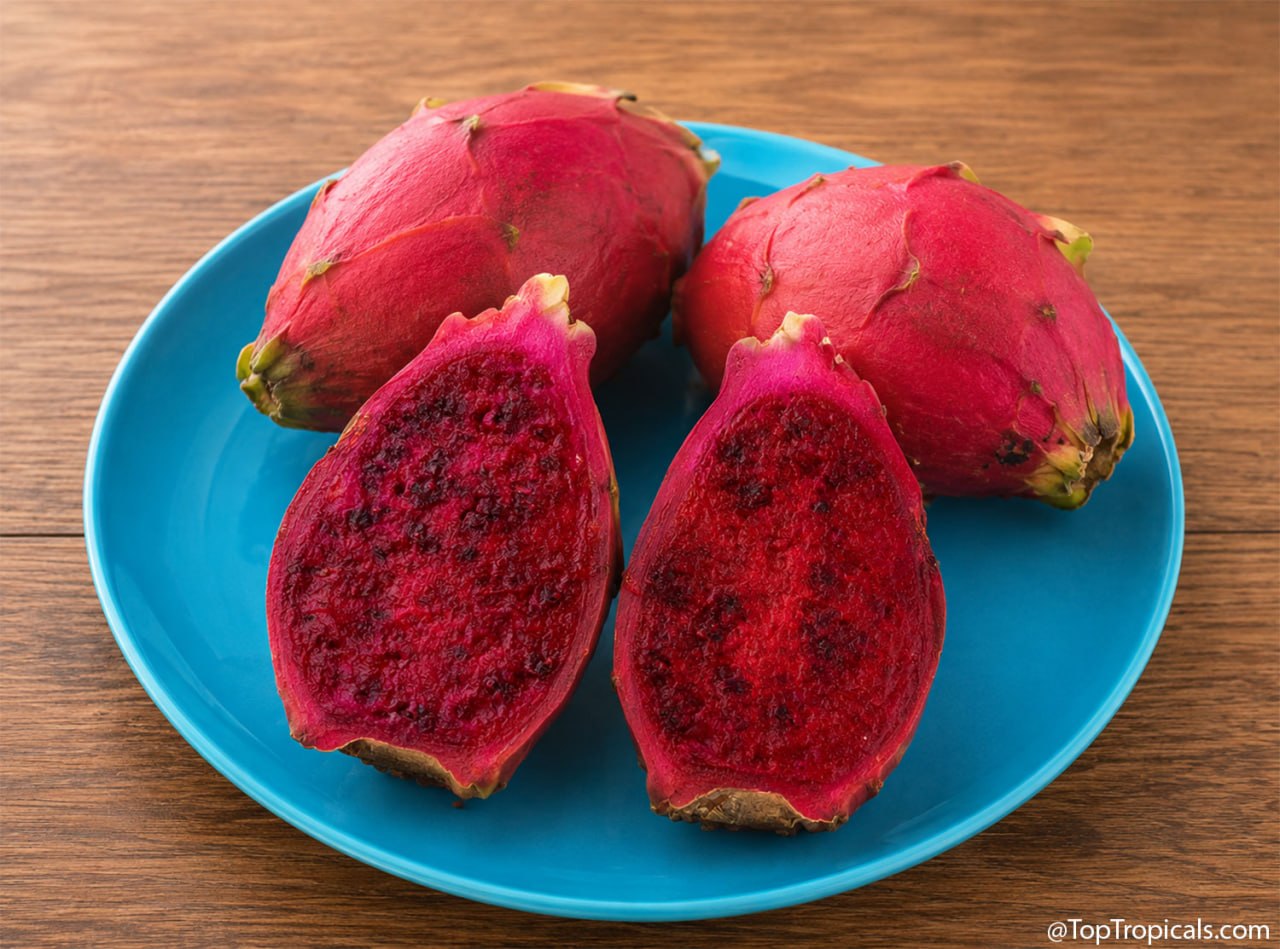
🍉 Pitaya "Sweet Red": dragon fruit beyond pink and white - A Collector's Guide


Many people discover dragon fruit through white-fleshed varieties. Then they cut open a Sweet Red and realize they're looking at something completely different.
With brilliant red skin and deep red flesh, Sweet Red is one of the most colorful dragon fruits you can grow. It is also considered by many collectors to be among the best-tasting varieties available.


🔸 A dragon fruit that lives up to its name


Sweet Red (Hylocereus costaricensis) produces striking fruit with bright red to magenta skin and rich crimson flesh filled with tiny black seeds. The color is so intense that the fruit almost looks artificial, but it's completely natural.

Unlike some dragon fruits that can be bland when picked too early, Sweet Red is known for delivering consistently rich flavor when fully ripe.

🔸 Why growers love it


This variety is self-fruiting, meaning a single plant can produce fruit without requiring another dragon fruit nearby. It is also an exceptionally vigorous grower, quickly climbing trellises and producing long stems once established.

Like other dragon fruits, Sweet Red rewards growers with spectacular night-blooming flowers followed by colorful fruit that seem almost tropical enough to belong in a rainforest.

🔸 Sweet, juicy, and packed with color


The flavor is often described as sweeter and more intense than many white-fleshed dragon fruits, with hints of kiwi and pear balanced by subtle earthy notes.

The flesh is juicy with a pleasantly crunchy texture from the tiny edible seeds, making it refreshing to eat fresh and excellent for smoothies, fruit bowls, and desserts.

🔸 Why collectors seek it out


Dragon fruit enthusiasts are always searching for varieties that combine beauty, flavor, and reliable production. Sweet Red checks all three boxes. Its self-fruiting habit, rapid growth, stunning red flesh, and exceptional sweetness have made it a favorite among home gardeners and collectors alike.

If you're looking for a dragon fruit that delivers both eye-catching color and outstanding flavor, Sweet Red is one of the easiest varieties to recommend. 👉 More...

🛒 Explore and collect Dragon Fruit varieties

📚 Learn more:

Pitaya Plant Facts

Botanical name: Hylocereus sp.
Also known as: Pitaya, Pitahaya, Dragon Fruit, Strawberry Pear
USDA Zone: 9 - 11
Highligths Large shrub 5-10 ft tallVine or creeper plantSemi-shadeFull sunWatering: Moderate. Water when top soil feels dryWhite, off-white flowersThorny or spinyEdible plantSubtropical plant. Mature plant cold hardy at least to 30s F for a short timeSeaside, salt tolerant plant
Get personalized tips for your region

· Dragon fruit Hylocereus in Plant Encyclopedia
· Pitaya Purple Haze: dragon fruit beyond pink and white
· Pitaya Hana: dragon fruit beyond pink and white
· Pitaya Eureka Red: dragon fruit beyond pink and white
· Pitaya David Bowie: Dragon Fruit Beyond Pink and White
· A Quick Guide to Dragon fruit varieties: Red, White, Yellow, Purple and more...
· What is the best Dragon fruit with red flesh?
· Planting your own Dragon Fruit plantation
· Do-It-Yourself Support Structure for Dragon Fruit
· Why you need to grow your own dragon fruit
· Do red, white and yellow Dragon fruit taste differently?

#Food_Forest #Dragon_Fruit #Discover

🟢 Join 👉 TopTropicals

Date: 13 Jun 2026

Why June Is the Most Important Month for Potted Tropical Plants

Why June Is the Most Important Month for Potted Tropical Plants

Why June Is the Most Important Month for Potted Tropical Plants


For many tropical plants, June is the start of peak growing season. Days are longer, temperatures are warmer, and plants that spent winter indoors or in a greenhouse are suddenly growing at full speed.
A few simple tasks now can mean stronger growth, more flowers, and better fruit later in the season.


Smokey: Sunshine, why are you mixing fertilizer with coffee and donut crumbs?
Sunshine: I'm testing a new growth formula.
Smokey: Based on what research?
Sunshine: Based on a highly controlled breakfast study. I call it Hibiscus Turbo Boost Deluxe.


✅ 1. Repot Before Plants Become Root-Bound


·  If roots are circling the pot, growing through drainage holes, or the soil dries out unusually fast, it's time to move up one pot size.
·  Fresh potting mix provides new space, better drainage, and access to nutrients that older soil may no longer contain. Use professional soilless mix Abundance for best results.
·  Don't jump from a small pot to an oversized container. One size larger is usually enough.

✅ 2. Feed Hungry Summer Growth


· Tropical plants are no longer resting. They are actively producing roots, leaves, flowers, and fruit.
· June is the perfect time to begin regular feeding.
· A balanced fertilizer program helps support strong growth, while products such as Green Magic and Sunshine Boosters provide additional nutrients that fast-growing tropicals can quickly use during summer.
· A well-fed plant grows faster, recovers from stress better, and flowers more heavily.

✅ 3. Acclimate Plants to Full Sun


One of the most common mistakes is moving a plant directly from indoors or a greenhouse into full summer sun. Leaves that developed in shade can burn within hours.
Start with bright shade or morning sun, then gradually increase exposure over one to two weeks. Even sun-loving plants benefit from a transition period.

✅ 4. Prune for Shape and Strength


June is an excellent time to remove weak, damaged, or overly long branches.
Light pruning encourages branching and creates a fuller, stronger plant.
For fruit trees, selective trimming can also help maintain a manageable size for container growing.

✅ 5. Check for Pests Before They Multiply


·  Warm weather brings rapid plant growth - and rapid pest growth.
·  Inspect new leaves, stems, and undersides of foliage for aphids, scale, spider mites, mealybugs, and whiteflies.
·  Treat problems early before populations explode during the heat of summer. We recommend Sunshine NoBug all-natural pesticide.

✅ 6. Add Stakes, Trellises, and Supports


·  Many tropical plants can double or triple their size during summer.
·  Climbing plants, vanilla orchids, passion fruit, dragon fruit, mandevilla, and many vining species appreciate support before they become tangled.
·  Installing stakes or trellises now is much easier than trying to do it later.

✅ 7. Water for Active Growth


·  A tropical plant that needed water once a week in spring may need it every day during summer.
·  Higher temperatures mean faster growth, greater water use, and more nutrient uptake.
·  Check containers frequently, especially during hot or windy weather. Water thoroughly and allow excess water to drain away.

✅ 8. Refresh Mulch and Clean Up Pots


·  Remove weeds, old leaves, and debris from containers.
·  A thin layer of mulch helps moderate soil temperatures and slows moisture loss during the hottest months.
·  Clean pots also reduce hiding places for pests and disease.

✅ The Bottom Line


June is when potted tropical plants shift into high gear. Repot if needed, fertilize regularly, inspect for pests, provide support, and keep up with watering. A little attention now often produces the biggest growth, best blooms, and heaviest fruiting of the entire year.

🛒
Get fresh soilless mix and real food for your plants

📚
Learn more:
Sunshine Boosters: Complete Plant Nutrition System
Why young trees need staking?
The SECRET growers never tell you: simple trick how to bring plants back to life and keep green 
How to re-pot a plant properly?

#Discover #How_to

🟢 Join 👉 TopTropicals

Date: 12 Jun 2026

Yin and Yang: one brings the chaos, one brings the calm

Yin and Yang: one brings the chaos, one brings the calm

☯️ Yin and Yang: one brings the chaos, one brings the calm


"Where Yin ends, Yang begins; where Yang ends, Yin returns." - Taoist saying

🐈📸 Cats Google (Smokey prototype) and Jim II (Sunshine prototype) at TopTropicals PeopleCats.Garden.

📚 Learn more:


·  About Smokey & Sunshine
·  Smokey & Sunshine interview

#PeopleCats #Quotes

🟢 Join 👉 TopTropicals