Garden Blog - Top Tropicals

Date: 12 Jan 2026

Cherry of the Rio Grande quick compote: quick-n-fun exotic recipes

Cherry of the Rio Grande quick compote over pancakes

Cherry of the Rio Grande quick compote over pancakes

Eugenia aggregata - Cherry of the Rio Grande fruit

Eugenia aggregata - Cherry of the Rio Grande fruit

🍴 Cherry of the Rio Grande Quick Compote

This fast cherry compote is made from Cherry of the Rio Grande (Eugenia aggregata). It is tart, rich, and perfect over pancakes, waffles, toast, or warm bread.

Ingredients

  • 1 cup Cherry of the Rio Grande fruit, pitted
  • 2 to 4 tablespoons water

Instructions

  1. Place cherries and water in a small saucepan.
  2. Simmer over medium heat until the cherries soften and release juice.
  3. Mash lightly with a spoon for a chunky texture.
  4. Spoon warm compote over pancakes or bread and serve immediately.

🛒 Plant Cherry of the Rio Grande

📚 Learn more:

Cherry of the Rio Grande Plant Facts

Eugenia involucrata, Eugenia aggregata
Cherry of the Rio Grande, Cere Jodo Rio Grande
USDA Zone: 9-11
Small tree 10-20 ftSemi-shadeFull sunModerate waterRegular waterEdible plantSubtropical plant. Mature plant cold hardy at least to 30s F for a short time

#Food_Forest #Recipes

🟢 Join 👉 TopTropicals

Date: 8 Jan 2026

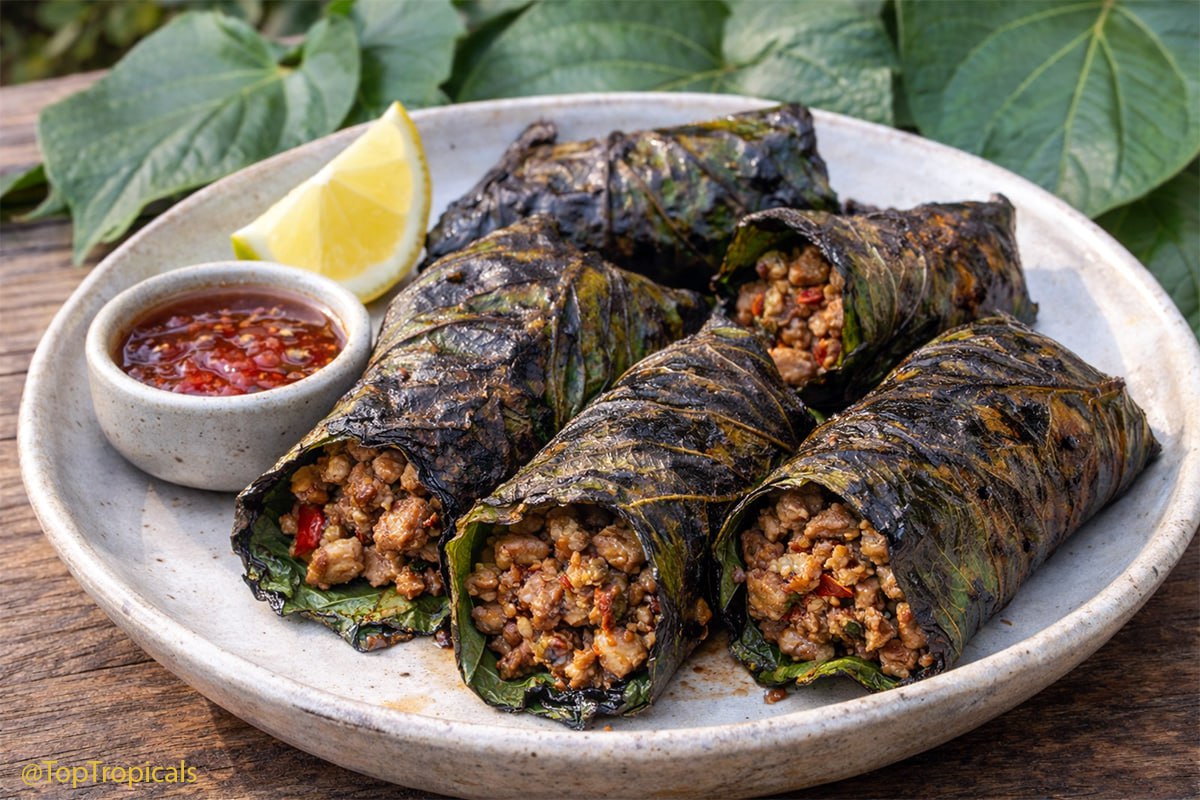
Root beer leaf wraps: quick-n-fun exotic recipes

Root beer leaf wraps

Root beer leaf wraps

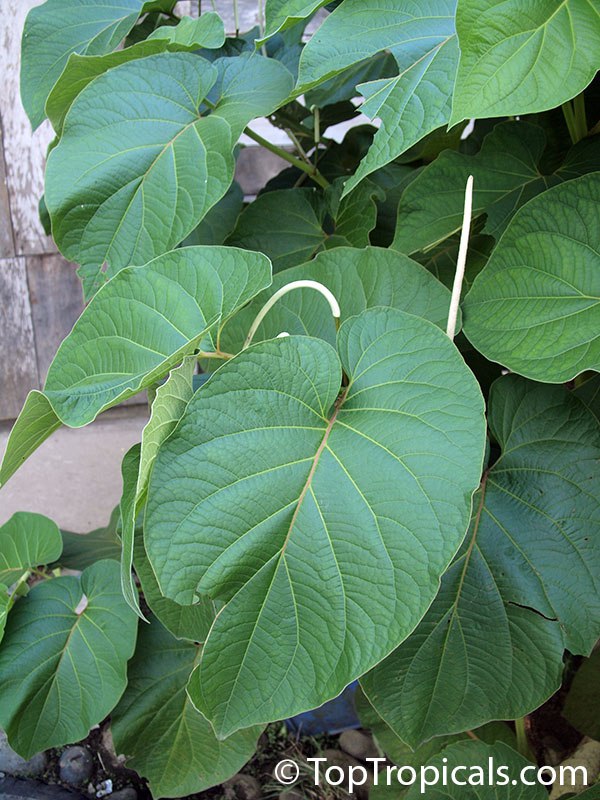
Piper auritum - Root Beer Plant

Piper auritum - Root Beer Plant

🍴 Root Beer Leaf Wraps

Ingredients

  • 6 to 8 large fresh Root Beer leaves (Piper auritum)
  • 1 lb ground meat or firm tofu
  • 1 small onion, finely chopped
  • 2 cloves garlic, minced
  • 1 tbsp vegetable oil
  • Salt and pepper to taste
  • Optional: chili flakes, paprika, or cumin
  • Lemon wedges, for serving

Instructions

  1. Rinse the Root Beer leaves and pat dry. Trim thick stems if needed.
  2. In a bowl, mix ground meat or tofu with onion, garlic, oil, salt, pepper, and spices.
  3. Place a portion of filling onto each leaf and roll tightly into wraps.
  4. Grill over medium heat until the leaves are lightly charred and the filling is cooked through.
  5. Serve warm with lemon wedges or dipping sauce.

☘️ About the plant:


Piper auritum - Root beer plant, also known as Acuyo or false Kava-Kava, is a large-leaved tropical herb native to Central and South America and also grown in the South Pacific. It belongs to the same family as Kava-Kava and black pepper. The leaves are prized for their bold, aromatic flavor, often described as root beer, anise, or clove-like. Traditionally, the leaves are chopped for seasoning or used whole as natural wrappers for meats, fish, and tamales.

🌱 In the garden:


Piper auritum is easy to grow in warm climates and forms a lush, fast-growing perennial. Its huge, soft leaves - often over a foot long - make it both edible and ornamental. It prefers warmth, moisture, and partial shade and is often mistaken for Kava-Kava due to its similar appearance and close relation.

🛒 Plant the beautiful Root Beer Plant - it always will be with you

📚 Learn more:

Root Beer Plant Plant Facts

Piper auritum
Root Beer Plant, Mexican Pepperleaf, Hoja Santa , Veracruz Pepper, False Kava-Kava, Sacred Pepper
USDA Zone: 9-11
Large shrub 5-10 ft tallSmall plant 2-5 ftSemi-shadeShadeFull sunRegular waterKeep soil moistInvasive plantSpice or herb plantEthnomedical plant.
Plants marked as ethnomedical and/or described as medicinal, are not offered as medicine but rather as ornamentals or plant collectibles.
Ethnomedical statements / products have not been evaluated by the FDA and are not intended to diagnose, treat, cure, or prevent any disease. We urge all customers to consult a physician before using any supplements, herbals or medicines advertised here or elsewhere.Irritating plantSubtropical plant. Mature plant cold hardy at least to 30s F for a short time

#Food_Forest #Recipes

🟢 Join 👉 TopTropicals

Date: 1 Feb 2026

Valentines plants from around the world that symbolize love, connection, and appreciation

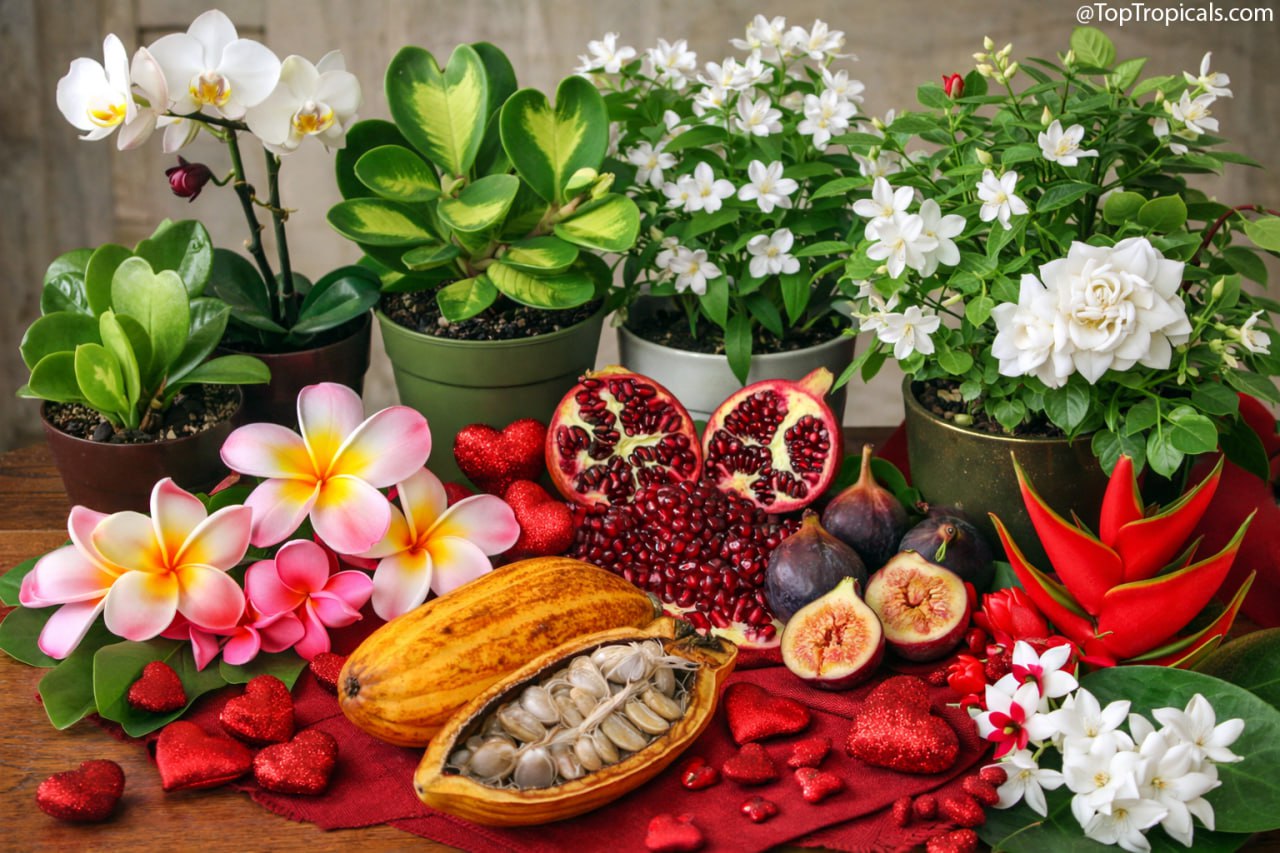
Valentines plants that symbolize love: Plumeria, Orchids, Gardenias, Heliconia, Stephanotis, Sweetheart Hoya, Cacao, Figs, Pomegranate

Valentines plants that symbolize love: Plumeria, Orchids, Gardenias, Heliconia, Stephanotis, Sweetheart Hoya, Cacao, Figs, Pomegranate

💕 Valentine’s plants from around the world that symbolize love, connection, and appreciation

  • 💘 When we think of Valentine’s plants, roses usually steal the spotlight. But in many parts of the world, love has long been expressed through tropical plants - not only through flowers, but also through scent, ritual, shared food, and sensory experience.
  • 💘 Across cultures, tropical plants have symbolized romance, friendship, devotion, fertility, desire, and emotional connection. Some speak through heart-shaped leaves and fragrant blooms. Others through taste, warmth, and the way they bring people together.
  • 💘 Love beyond flowers? Together, these tropical plants show that love is expressed in many ways - through beauty, scent, taste, ritual, warmth, and shared moments. Valentine’s traditions around the world remind us that love is not only something we see, but something we experience with all our senses.
  • 💘 In our upcoming collection we will explore Valentine’s plants from the tropics, grouped by how they express love:


  • 👉 Stay tuned, coming up next:
Plants of romance, affection, and emotional connection

🛒 Explore gift plants
🎁 Get a Gift Card

📚 Learn more:


#Shade_Garden #Container_Garden

🟢 Join 👉 TopTropicals

Date: 1 Mar 2026

Skip the lemon - 5 better fruits for a cough

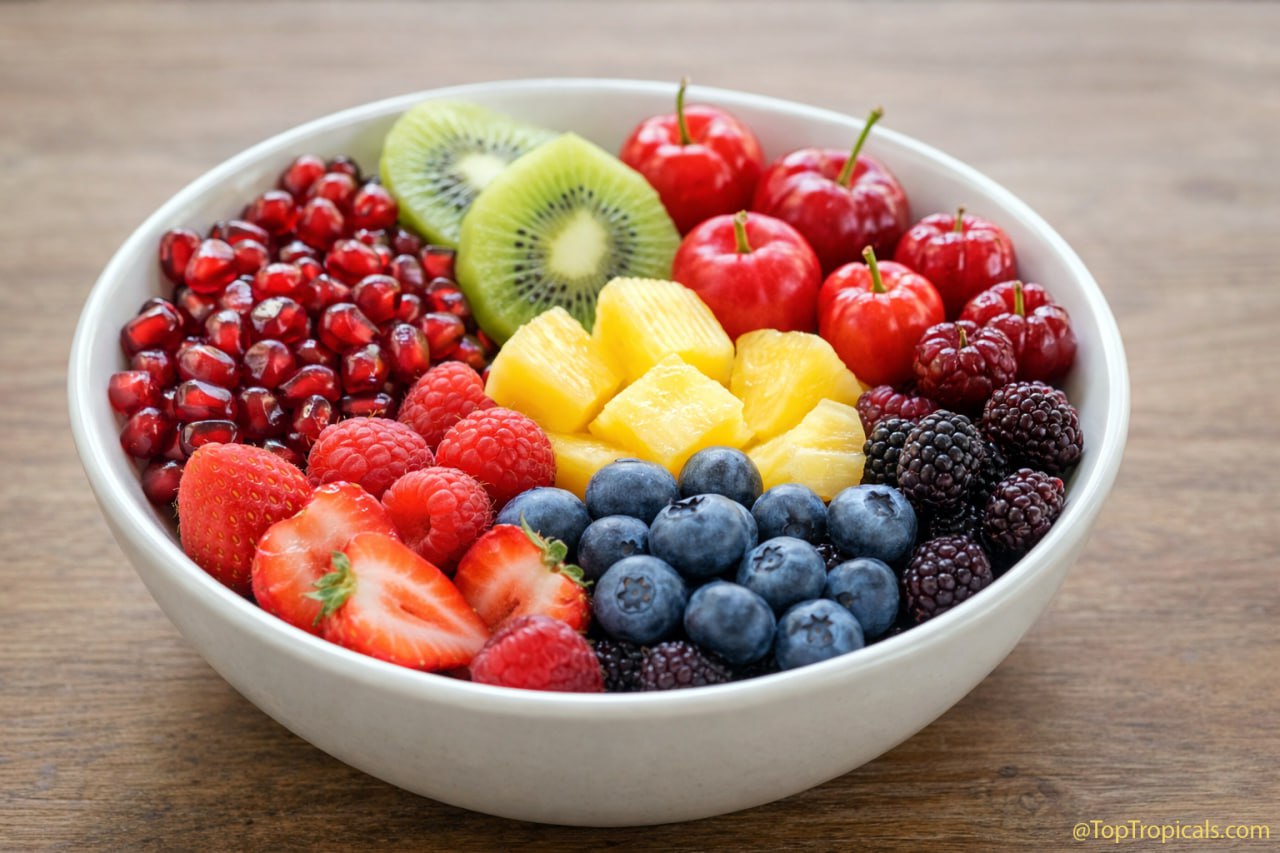
Best fruits for a cough

Best fruits for a cough

Skip the lemon - 5 better fruits for a cough 😰

5 fruits to eat when you have a cough or cold - backed by research

When you are fighting a cough or cold, your immune system works overtime. While no fruit can cure a viral infection, certain fruits contain nutrients and bioactive compounds that may help reduce inflammation, support immune defenses, and ease respiratory discomfort.
Here are five fruits supported by nutrition research that may help during cold season.

1. Pomegranate 🍅

Pomegranate is rich in polyphenols, especially punicalagin, known for antiviral activity.
According to a study published in PubMed, pomegranate polyphenol extract suppressed replication of influenza A virus in cultured cells and showed direct virucidal effects. Researchers identified punicalagin as a key compound involved in blocking viral RNA replication. These findings suggest pomegranate extracts may help reduce viral load during respiratory infections.

2. Kiwi

Kiwi is exceptionally high in vitamin C, a nutrient closely linked to immune function and respiratory health.
A study published in Antioxidants (MDPI) found that consuming two SunGold kiwifruit daily for six weeks restored adequate plasma vitamin C levels in adults with a history of severe respiratory infections. Researchers concluded that kiwi consumption can directly support antioxidant defenses during respiratory illness.

3. Tropical cherries 🍒

Instead of traditional lemon, consider tropical cherries such as Malpighia (acerola cherry) and Eugenia (Surinam cherry).
Acerola (Malpighia glabra - Barbados Cherry) is one of the richest natural sources of vitamin C. Clinical research shows that adequate vitamin C intake is associated with reduced duration and severity of common cold symptoms. Vitamin C supports immune cell function and helps maintain the respiratory tract's protective barrier.
Eugenia species (Tropical Cherries) contain anthocyanins and phenolic compounds with antioxidant and anti-inflammatory properties, which may help reduce oxidative stress during illness.

4. Pineapple🍍

Pineapple contains bromelain, a group of proteolytic enzymes known for anti-inflammatory effects.
According to a study published in PubMed, bromelain significantly reduced inflammatory cell infiltration in the lungs in a mouse model of airway inflammation. These findings suggest bromelain may help ease airway inflammation and congestion.

5. Berries and including mulberries

Strawberries, blueberries, raspberries, blackberries and mulberries are rich in flavonoids and vitamin C.
Although direct clinical trials on berries for colds are limited, nutrition reviews highlight their immunomodulatory potential. Flavonoids such as quercetin, anthocyanins, and catechins have demonstrated antioxidant effects and possible antiviral activity in laboratory studies.
Mulberries provide additional anthocyanins and resveratrol-like compounds, offering strong antioxidant support during illness.

Practical tips when you are unwell ❤️‍�
  • 🔻Choose room-temperature or lightly warmed fruit to avoid throat irritation.
  • 🔻Prefer whole fruit over juice to retain fiber and stabilize blood sugar.
  • 🔻Pair fruit with warm herbal tea or honey if appropriate.
  • 🔻Rotate fruits to benefit from diverse phytonutrients.
  • 🔻If symptoms persist, worsen, or include high fever or breathing difficulty, seek medical care.


🛒 Grow your own vitamin-rich fruit

📚 Learn more:


#Food_Forest #Remedies #Discover

🟢 Join 👉 TopTropicals

Date: 9 Mar 2026

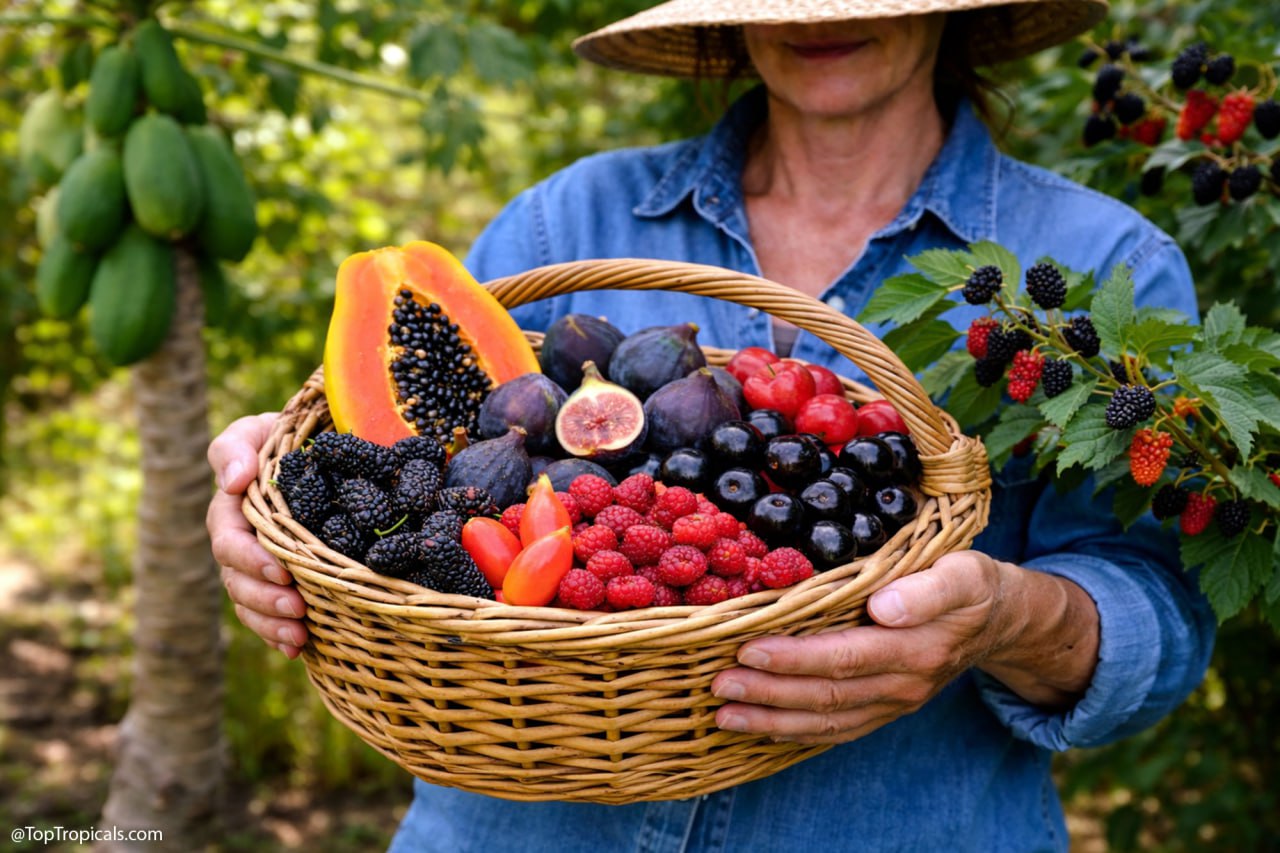
Dont Wait Years: 8 Fruit Plants You Can Harvest the Same Season

Don't wait years for fruit! Harvest papayas, berries, figs, and more in the very same season you plant them with these fast-growing varieties.

Don't wait years for fruit! Harvest papayas, berries, figs, and more in the very same season you plant them with these fast-growing varieties.

Don't Wait Years: 8 Fruit Plants You Can Harvest the Same Season 🍒

Growing fruit at home usually requires years of patience. Most gardeners view fruit trees as a long-term investment that may not pay off for a decade.
But you don't have to wait.
Certain tropical and subtropical plants are "fast-track" growers. In warm climates like Florida, choosing the right varieties means you can see flowers and fruit within months of planting - often in the very same season.
If you want a backyard harvest without the wait, here are the fastest-producing fruits you can plant today.
  • 🍓 1. Blackberry Jam Fruit (Randia formosa)


    A compact shrub perfect for containers. It produces star-shaped flowers and dark purple fruit that tastes exactly like blackberry preserves. Established plants often fruit in their first season.
  • 🍓 2. Peanut Butter Fruit (Bunchosia)


    This fast-growing large shrub produces orange pulp with the uncanny flavor and texture of peanut butter. Expect flowers and bright red berries within months of planting in warm conditions.
  • 🍓 3. Papaya (Carica papaya)


    The "giant herb" of the fruit world. Papayas are legendary for their speed, often flowering just months after planting and providing sweet, vitamin-rich fruit within the same year.
  • 🍓 4. Grumichama Cherry (Eugenia brasiliensis)


    A stunning Brazilian evergreen. Grafted plants can fruit the same season they are planted, offering glossy, dark cherries with a sweet, mild finish.
  • 🍓 5. Black Surinam Cherry (Eugenia uniflora var. Lolita)


    The 'Lolita' cultivar is a game-changer. It grows quickly as an edible hedge and produces nearly black, resin-free fruit that is significantly sweeter than the common red varieties.
  • 🍓 6. Mysore Raspberry and Tropical Blackberries (Rubus sp.)


    Unlike traditional berries that require chill hours, these Rubus species thrive in the heat. Their vigorous canes grow rapidly, often fruiting the same season they hit the soil.
  • 🍓 7. Everbearing Mulberry (Morus sp.)


    Mulberries are incredibly generous. Everbearing varieties produce sweet berries over an extended window and often begin fruiting the very first year they are planted.
  • 🍓 8. Fig Trees (Ficus carica)


    Figs are the champions of container gardening. They are highly drought-tolerant and famous for setting honey-sweet fruit even at a very young age—often just months after being established.


🏡 Where to plant them?
  • 👉 Tips for Faster Results


  • •  Start Large: Buy "nursery-established" plants rather than seeds.
  • •  Feed the Need: Use high-quality organic fertilizer to support rapid growth.
  • •  Sun is Fuel: Most of these varieties require at least 6-8 hours of direct sunlight to trigger flowering.


🛒 Plant these fruits now - some can produce within months

📷 Freshly picked tropical fruit bounty: don't wait years for fruit! Harvest papayas, berries, figs, and more in the very same season you plant them with these fast-growing varieties.

#Food_forest #How_to #Discover

🟢 Join 👉 TopTropicals