Garden Blog - Top Tropicals

Date: 22 Nov 2025

Stop buying macadamias - plant this tree to enjoy your own nuts

Macadamia tree (Macadamia integrifolia)

🌰 Stop buying macadamias - plant this tree to enjoy your own nuts!
  • 🐿 How to grow a Macadamia tree and enjoy your own nuts - the priciest nuts in the world? Macadamia trees (Macadamia integrifolia) are surprisingly easy to grow once you know what they need. They handle a wide range of soils, prefer regular watering, and adapt well to warm, humid climates. Young trees appreciate consistent moisture, but once established, they can tolerate short dry spells and even brief flooding.
  • 🐿 The most important step is nutrition. Macadamias are heavy feeders and rely on balanced microelements for strong roots, steady growth, and reliable nut production. Use a liquid fertilizer Sunshine C-Cibus and add microelements on a regular schedule. Sunshine SuperFood plant supplement is especially helpful for preventing the leaf yellowing and slow growth that happen when microelements run low.
  • 🐿 Choose a sunny spot, give the tree room to grow, and mulch around the base to keep moisture steady. As the tree matures, it will bloom and form clusters of green husks that dry and split to reveal the sweet nuts inside.
  • 🐿 With the right care, a single tree can reward you with a generous harvest of rich, expensive macadamias right from your garden.


💖 Macadamia nut health benefits

  • 📍 Macadamia nuts are packed with healthy monounsaturated fats, antioxidants, vitamins, and minerals.
  • 📍 They support heart health by lowering total and LDL cholesterol, help steady blood sugar thanks to low carbs and good fiber, and aid digestion and weight management by keeping you full longer.
  • 📍 Their antioxidants, including tocotrienols, protect cells from damage and may reduce risks of diabetes, Alzheimer’s, and certain cancers.
  • 📍 Macadamia oil is great for skin and hair, offering moisturizing, healing, and strengthening benefits.
  • 📍 Even though they are calorie-rich, small daily portions can actually support healthy weight goals.
  • 📍 Enjoy them raw, roasted, ground, as nut butter, or added to both sweet and savory dishes.


🛒 Grow your own Macadamia Nuts

📚 Learn more:


📱 Video about growing Macadamia trees

#Food_Forest #Remedies #How_to #Discover

🟢 Join 👉 TopTropicals

Date: 1 Dec 2025

What happens when you eat it every day: a bowl of Papaya for breakfast

bowl of Papaya for breakfast

bowl of Papaya for breakfast

🍲 What happens when you eat it every day: a bowl of Papaya for breakfast

  • 🍊 If you grow your own papayas or just enjoy picking one from your food forest in the morning, a small bowl (about 140-150 g) can quietly transform your day - and your long-term health. This tropical fruit is naturally low in calories, high in fiber, and loaded with vitamins A and C, making it a perfect morning starter for metabolism, digestion, and immunity.
  • 🍊 Why papaya works so well in the morning


    Papaya is famous for its natural enzyme, papain. It kick-starts digestion, eases bloating, helps break down proteins, and supports regular bowel movements. Ayurveda has praised ripe papaya for centuries as a cooling, Pitta- and Kapha-balancing fruit that clears toxins and improves gut function. Modern nutrition agrees: a fiber-rich, enzyme-rich fruit first thing in the day steadies appetite and helps prevent mid-morning cravings.
  • 🍊 Daily benefits at a glance


  • Weight support: Low calorie, high fiber, and keeps you full longer.
  • Heart and blood pressure: Rich in potassium, vitamins, and antioxidants that support healthy cholesterol, smooth blood flow, and normal blood pressure.
  • Liver support: Antioxidants, choline, and beta-carotene help reduce inflammation, regulate fats, and protect liver cells from oxidative stress.
  • Skin health: Papain and vitamin C help remove damaged cells, improve collagen formation, and support a clearer, smoother complexion.
  • Immunity: One medium papaya gives more than double the daily vitamin C requirement and helps stimulate white blood cells while protecting them from oxidative stress.
  • Constipation relief: Papaya’s fiber and enzymes gently improve regularity and support a clean, efficient gut.


🍊 What research shows


According to the National Library of Medicine, papaya pulp and seeds contain vitamins A, C, and E; B vitamins; potassium; magnesium; carotenoids; glucosinolates; and unique phenolic compounds. Together, these show antioxidant, anti-inflammatory, hypoglycemic, and hypolipidemic actions. Studies link papaya extracts to reduced cholesterol and triglycerides, improved blood pressure regulation (ACE-inhibitory effects), and protection against oxidative stress.

Papaya seeds also demonstrate promising anti-cancer potential, including activity against colon, prostate, and liver cancer cells. Lycopene and other carotenoids further reduce oxidative damage linked to chronic diseases.

🍊 For home growers


A ripe papaya from your own garden isn’t just a sweet breakfast bowl. It’s a daily boost for digestion, immunity, skin, heart, and metabolic health. Growing papaya means you have a year-round supply of one of nature’s most complete morning foods - fresh, clean, and packed with bioactive compounds your body immediately puts to use.

✍️ Scientific reference


National Library of Medicine:

🛒 Grow your own medicine - Papaya

📚 Learn more:


📱 Watch YouTube short videos:


#Food_Forest #Papaya #Remedies #Discover

🟢 Join 👉 TopTropicals

Date: 29 Oct 2025

Grow your own brain food: Avocado and Cocoa

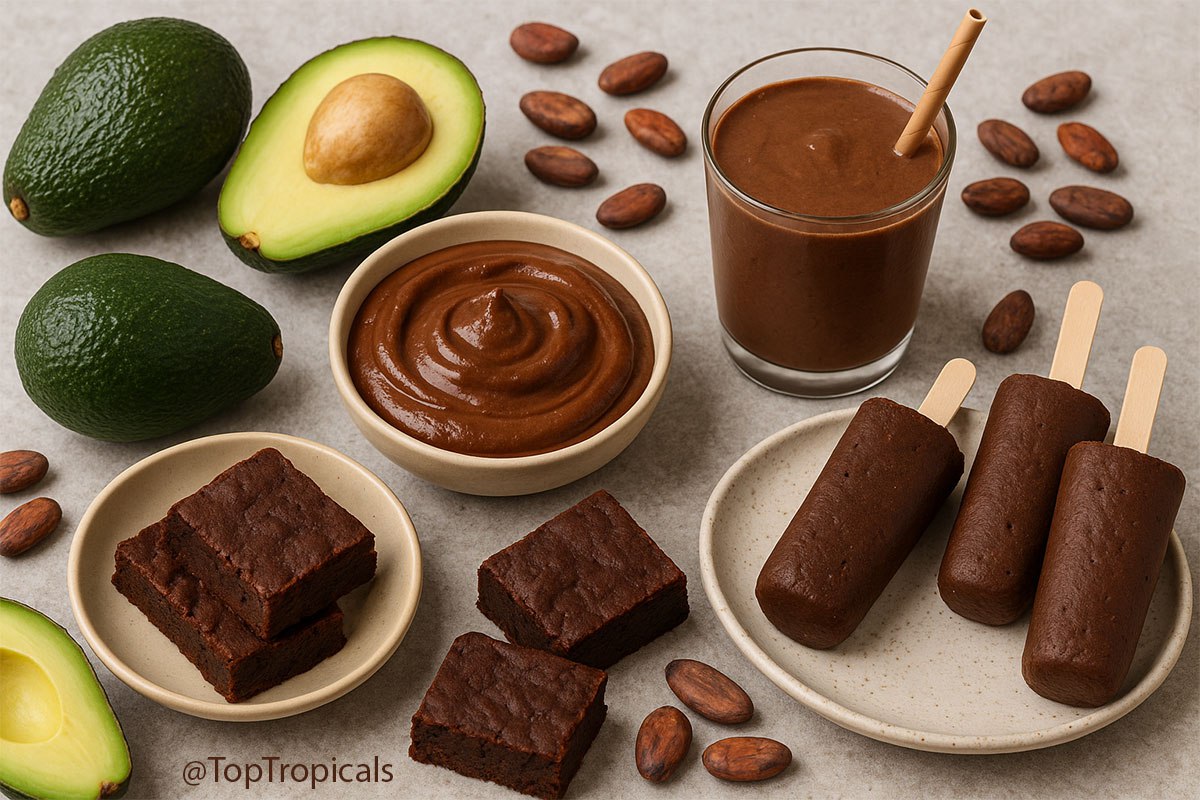
Avocado and Cocoa recipes

Avocado and Cocoa recipes

Chocolate tree fruit (Cocoa, Cacao beans) - Theobroma cacao

Chocolate tree fruit (Cocoa, Cacao beans) - Theobroma cacao

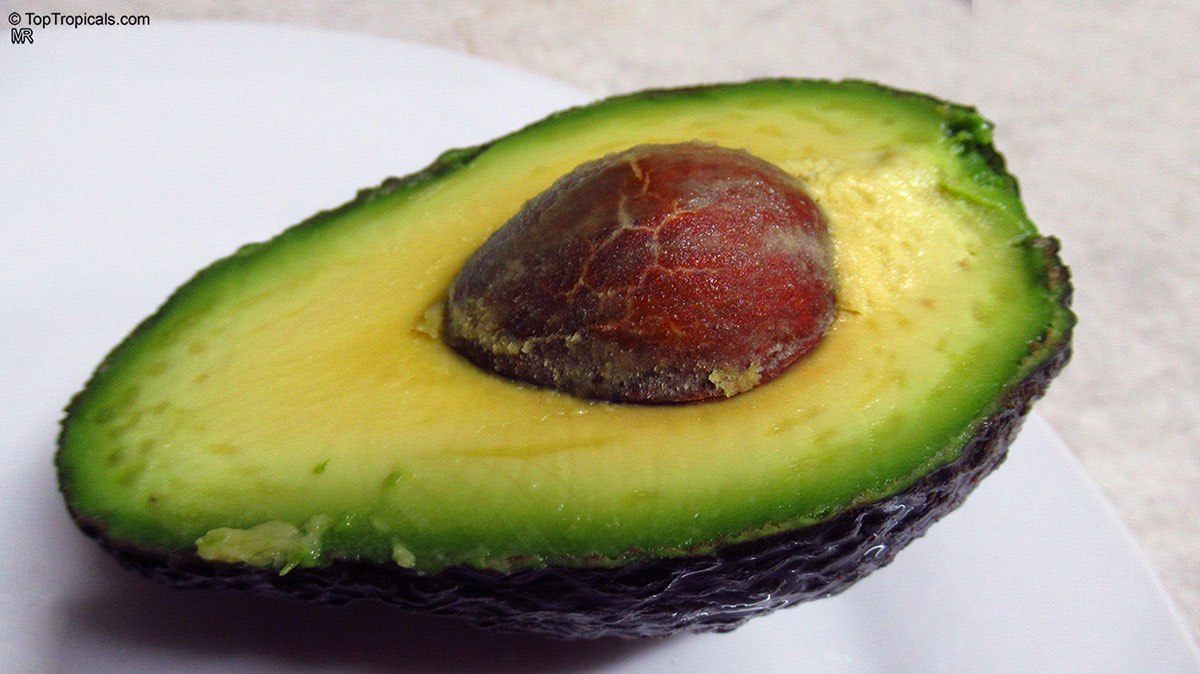
Avocado fruit

Avocado fruit

☕️ Grow your own brain food: Avocado and Cocoa

  • Avocado and cocoa aren't just a delicious combo - they’re also great for your brain. Studies show that Avocado's healthy fats improve blood flow and memory, while Cocoa’s flavonoids boost attention, mood, and overall cognitive performance. Together, they help protect brain cells from inflammation and aging.
  • Avocados are rich in monounsaturated fats and lutein, nutrients that support sharp thinking and long-term brain health. Cocoa, meanwhile, enhances circulation in the brain and has been linked to lower risk of stroke and dementia. So, growing your own avocado and cacao trees means growing your own natural brain boosters right in your garden.
  • Try blending the two in simple treats like avocado chocolate mousse or a smoothie with banana and almond milk - creamy, rich, and packed with brain-loving nutrients.


🍽 Delicious Avocado-Chocolate recipes:

  • 🍵 Avocado Chocolate Mousse


    To make this, simply blend ripe avocado, unsweetened cocoa powder, honey (or maple syrup), and a splash of vanilla for a rich, creamy mousse that feels indulgent yet guilt-free.
  • 🍵 Avocado Chocolate Smoothie


    This is perfect for breakfast and to make it, combine avocado, cocoa powder, banana, almond milk, and a touch of nut butter for a thick, chocolatey breakfast smoothie.
  • 🍵 Avocado Brownies


    This one is for the sweet tooth lovers, use mashed avocado in regular brownie batter, add cocoa powder, and bake for fudgy, nutrient-dense brownies.
  • 🍵 Chocolate Avocado Pudding Pops


    To make this bite-size snack, blend avocado, cocoa powder, dates (or honey), and coconut milk, then freeze in molds for refreshing delights.


🛒 Plant your own Chocolate tree (Cocoa, Cacao), and Avocado tree for long lasting brain power

📚 Learn more:
#Food_Forest #Remedies #Discover #Recipes

🟢 Join 👉 TopTropicals

Date: 15 Dec 2025

Vietnamese pepper Lalot

🌿 Vietnamese pepper Lalot


🛒 Add Lalot to your kitchen windowsill

📚 Learn more:


Piper sarmentosum in Plant Encyclopedia

#Food_Forest #Remedies #Container_Garden

🟢 Join 👉 TopTropicals

Date: 15 Dec 2025

9 tropical vegetables to grow indoors, or how to have garden-fresh produce all year

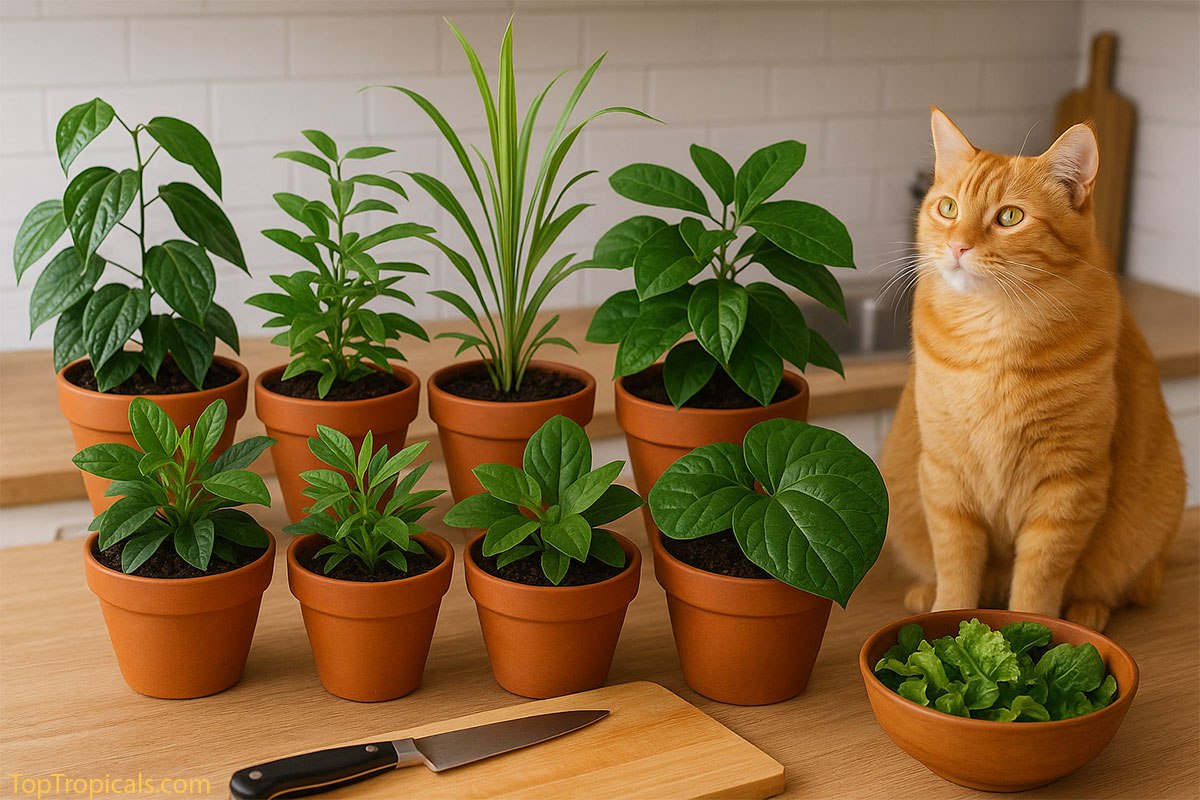
9 tropical vegetables to grow indoors

9 tropical vegetables to grow indoors

🌱 9 tropical vegetables to grow indoors, or how to have garden-fresh produce all year


Cold weather does not have to mean the end of homegrown food. According to Southern Living, vegetables like lettuce, carrots, and radishes can be grown indoors during winter. The downside is that most of these are annuals - you harvest once, then start over.

Tropical vegetables work differently. Many are perennial, long-living plants that grow well in containers and keep producing for years. Grow them indoors year-round, move them outside in summer for extra sun and growth, then bring them back indoors before cold weather. With enough light and regular care, these plants can provide fresh harvests in every season.
  • ✅ Tips for growing tropical vegetables indoors


  • 📍Place plants near a bright window or supplement with grow lights for steady growth
  • 📍Use containers with good drainage and quality potting mix
  • 📍Keep plants away from cold drafts and heating vents
  • 📍Rotate pots and prune regularly to encourage fresh, tender growth
  • 📍Feed regularly with natural Sunshine Boosters - they are formulated for edibles


✅ Tropical vegetables to grow indoors

  • 🌿 Gynura procubens - Longevity Spinach, Cholesterol spinach - a fast-growing leafy green often called a superfood. The tender leaves are used fresh or lightly cooked and can be harvested repeatedly. This plant stays compact, handles containers easily, and regrows quickly after cutting.
  • 🌿 Sauropus androgynus - Katuk, Tropical Asparagus. One of Southeast Asia’s most popular leafy vegetables. Katuk produces edible shoots and leaves that are cooked in soups and stews. It grows well indoors and rewards regular harvesting with constant new growth.
  • 🌿 Cymbopogon citratus - Lemon grass: a tough, productive plant that adapts well to container growing. The stalks and leaves are used for teas, soups, and flavoring. Indoors, it grows more slowly but stays productive, especially when moved outdoors in summer.
  • 🌿 Lippia dulcis - Aztec Sweet Herb, Sweetleaf: a low-growing herb with naturally sweet leaves. The foliage can be eaten fresh or used as a sugar substitute in teas and desserts. It stays compact, tolerates pruning, and performs well in pots indoors.
  • 🌿 Piper sarmentosum - Vietnamese Pepper, Lalot: grown for its aromatic, edible leaves rather than peppercorns. The leaves are eaten fresh, cooked, or used as food wraps. This plant stays manageable indoors with light pruning.
  • 🌿 Piper nigrum - Black Pepper: the true black pepper vine. Grows well indoors as a container vine with support. It prefers warm temperatures, steady moisture, and bright filtered light.
  • 🌿 Piper auritum - Root Beer Plant, False Kava-Kava: close relative of Piper methysticum (Kava-Kava) known for its large, fragrant leaves with a spicy, root beer-like aroma. The leaves are used for wrapping foods and flavoring dishes. Best grown indoors with room for its bold foliage.
  • 🌿 Piper betle - Betel leaf: a traditional edible and medicinal leaf used widely in Asia. The glossy leaves are harvested continuously and used fresh or as wraps. This vine grows well indoors with warmth, humidity, and a small trellis.
  • 🌿 Piper longum - Indian Long Pepper, Pippali, Bengal Pepper: A tropical pepper relative grown for its elongated spice fruits and edible leaves. Slower to fruit indoors but easy to maintain as a leafy spice plant in containers with bright light and regular feeding.

Tropical vegetables make indoor gardening more rewarding because they do not stop after one harvest. With containers, light, and basic care, these plants can become long-term food producers that move seamlessly between indoors and outdoors - keeping fresh flavors within reach all year.

🛒 Explore tropical edibles, herbs and spices

📚 Learn more:


🎥 Karkade Tea
Longevity Spinach


#Food_Forest #Remedies #Container_Garden #How_to #Discover

🟢 Join 👉 TopTropicals