Garden Blog - Top Tropicals

Date: 3 Nov 2025

Cashews: more magnesium than almonds!

Cashew Nuts - Anacardium occidentale

Cashew Nuts - Anacardium occidentale

Cashews: more magnesium than almonds!

  • 🌰 Cashews might be the real nutty winner when it comes to magnesium. One ounce provides about 83 mg, or roughly 20% of your daily need, slightly topping almonds at 76 mg, according to Verywell Health.
  • 🌰 Magnesium plays a key role in your body’s daily operations - it helps your heart, muscles, and bones function properly, keeps blood pressure steady, and supports your energy and metabolism. Yet many people still fall short of getting enough.
  • 🌰 Along with magnesium, cashews are packed with protein, healthy fats, copper, zinc, and iron - all nutrients your body depends on.


🏆 More magnesium-rich fruit:


Avocado


Avocados are famous for their healthy fats, but they’re also surprisingly high in magnesium - about 58 mg per medium fruit. That’s one of the highest amounts among fruits. Their creamy texture and fiber content make them especially gentle on the stomach, helping digestion and easing constipation. Regularly adding avocado to meals can support gut health, muscle function, and overall mineral balance in a naturally delicious way.

🍍 Pineapple


Best known for its enzyme bromelain, pineapple also provides a helpful 20 mg of magnesium per cup. While not the top source, it offers a rare combination of fiber, enzymes, and minerals that benefit the digestive system. Bromelain helps reduce inflammation in the gut, and magnesium keeps digestive muscles relaxed. Together, they make pineapple a light, refreshing choice for better digestion and a balanced system.

✅ How to get more magnesium:

  • • Eat a mix of magnesium-rich foods every day - your body only absorbs about half of what you consume.
  • • Try pairing magnesium-rich sources. Add Cashews, Avocados, Bananas, Pineapple, or Spinach to your meals and snacks.
  • • Remember, caffeine, age, and certain medications can reduce absorption, so balance your diet and check with your doctor if needed.
  • • A handful of cashews can go a long way - for your heart, your energy, and your bones.


🛒 Explore your future food forest: fruit and edibles

📚
Learn more:
#Food_Forest #Remedies #Discover

🟢 Join 👉 TopTropicals
Date: 4 Nov 2025

The secret Brain Food growing in my backyard (and it tastes like green peas!)

Tropical Asparagus (Sauropus androgynus)

🏆 The secret Brain Food growing in my backyard (and it tastes like green peas!)

  • 🌿 Katuk, or Tropical Asparagus (Sauropus androgynus), is one of the most underrated edible plants you can grow. This leafy tropical shrub is a superfood in disguise. It grows fast, looks lush, and its tender young shoots taste just like green peas.
  • 🌿 Native to Southeast Asia, Katuk is a kitchen staple in places like Vietnam, Malaysia, and Thailand. The leaves and shoots are used in soups, stews, and stir-fries with egg or seafood. It’s not only delicious but also incredibly nutritious - rich in nutrients linked to improved memory and reduced cognitive aging: folate, lutein, and especially vitamin K, which is rare in plants.
  • 🌿 Katuk thrives in sun or partial shade, needs little care, and grows into a dense, bushy plant that gives you edible greens all year round. If you want something that feeds both your garden and your health, this one’s a winner!


🛒 Add Katuk Superfood to your Food Forest

Lean more:
🍴 Katuk egg stir-fry: Quick-n-Fun exotic recipes
✔️ Discover the health benefits of Katuk: a Superfood for your mind and body
📚 Tropical Asparagus, Katuk: Grow your own food
📱 How to cook with Katuk

#Food_Forest #Remedies #Discover

🟢 Join 👉 TopTropicals
Date: 7 Nov 2025

The vine with square stems that heals bones and turns heads

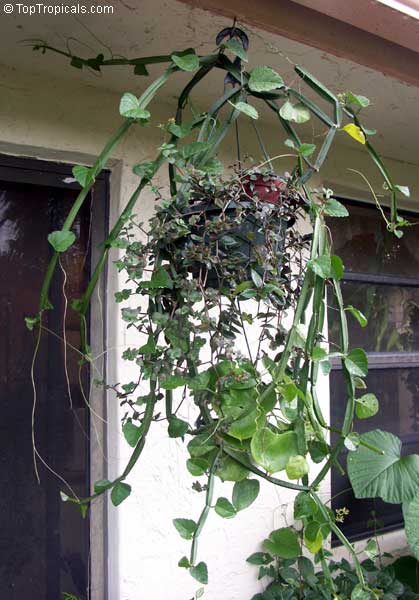
Cissus quadrangularis - Veld Grape, hanging basket

Cissus quadrangularis - Veld Grape, hanging basket

Cissus quadrangularis - Veld Grape, stems

Cissus quadrangularis - Veld Grape, stems

Cissus quadrangularis - Veld Grape plant

Cissus quadrangularis - Veld Grape plant

Cissus quadrangularis - Veld Grape, fruit

Cissus quadrangularis - Veld Grape, fruit

The vine with square stems that heals bones and turns heads

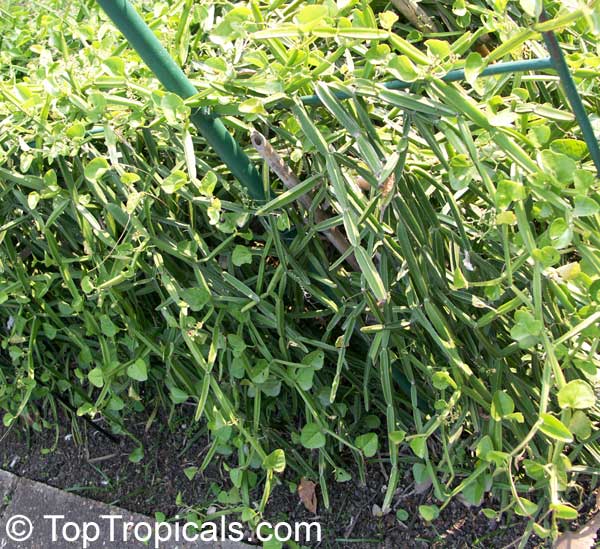
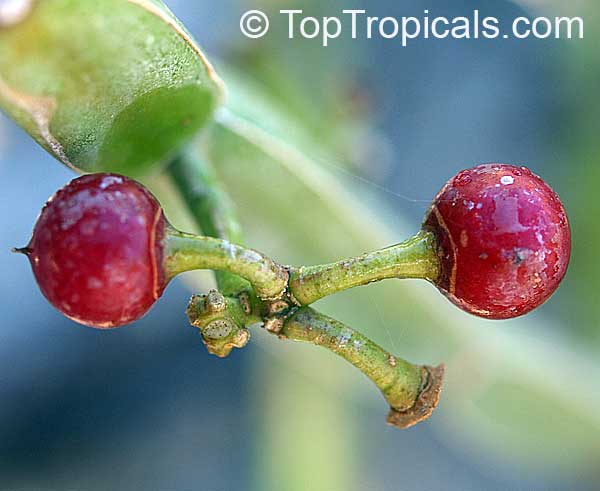
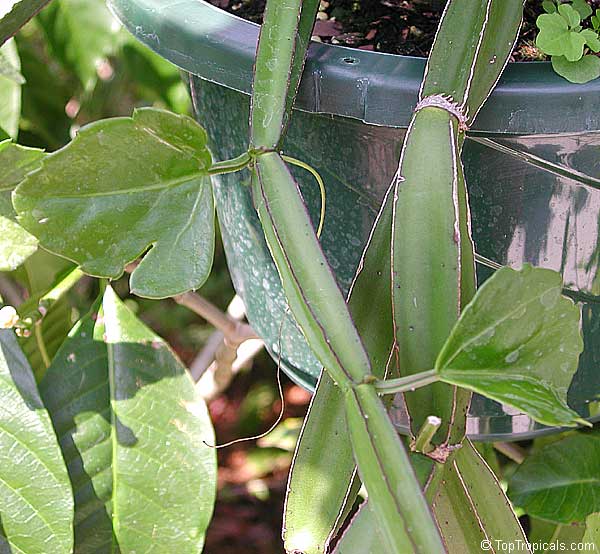
  • Cissus quadrangularis - Veld Grape. This plant is anything but ordinary! It has four-winged stems – square, chunky, and unlike anything else in your garden. Each stem looks like a little green sculpture, with ribs running down the sides. It’s technically a vine, but behaves like a succulent, with thick, juicy stems and tiny tendrils that climb or spill from a pot.
  • Native to Africa and India, veld grape thrives on sunshine, heat, and a bit of neglect. Perfect for hanging baskets or as a quirky groundcover. Just give it some light and occasional water, and it’ll keep growing strong.
  • It’s also famous as a traditional "bone-healing" herb, earning it the nickname Bone setter plant. But even if you don’t use it for that, it’s a total show-stopper for anyone who loves plants with personality.
  • A true show-stopper for collectors and anyone who loves the strange and beautiful side of nature.


🛒 Get your own Veld Grape show stopper

#Container_Garden #Remedies #Fun_Facts

🟢 Join 👉 TopTropicals

Date: 9 Nov 2025

Edible cactus with health benefits that your tortoise will love too

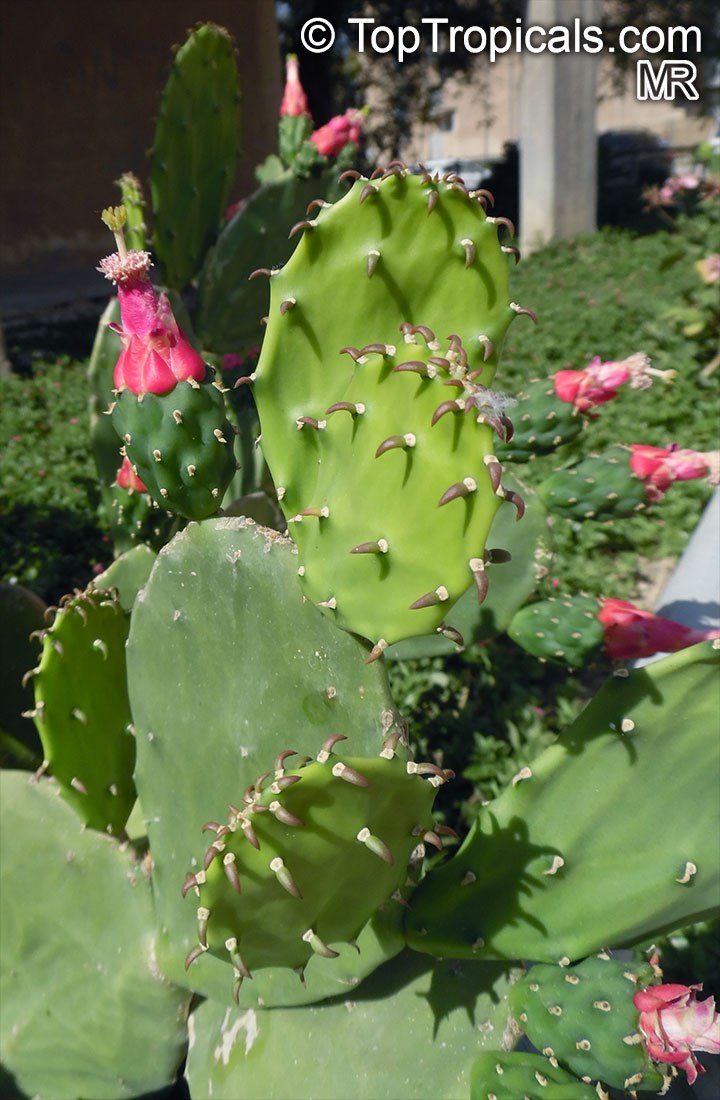
Opuntia cochenillifera - Velvet Nopal Cactus, Nopales, Prickly Pear, leaves and flower

Opuntia cochenillifera - Velvet Nopal Cactus, Nopales, Prickly Pear, leaves and flower

Opuntia cochenillifera - Velvet Nopal Cactus, Nopales, Prickly Pear, leaves

Opuntia cochenillifera - Velvet Nopal Cactus, Nopales, Prickly Pear, leaves

Opuntia cochenillifera - Velvet Nopal Cactus, Nopales, Prickly Pear, leaves and flowers

Opuntia cochenillifera - Velvet Nopal Cactus, Nopales, Prickly Pear, leaves and flowers

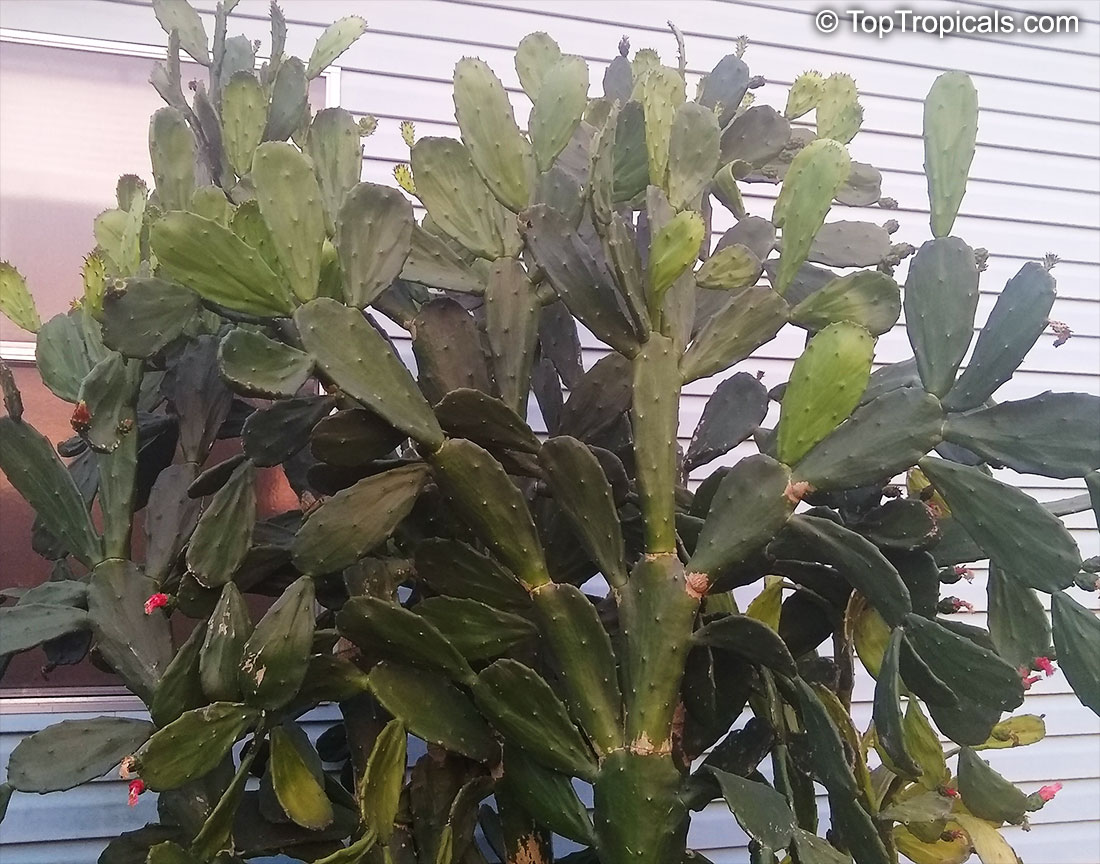
Opuntia cochenillifera - Velvet Nopal Cactus, Nopales, Prickly Pear, large plants

Opuntia cochenillifera - Velvet Nopal Cactus, Nopales, Prickly Pear, large plants

🐢 Edible cactus with health benefits that your tortoise will love too

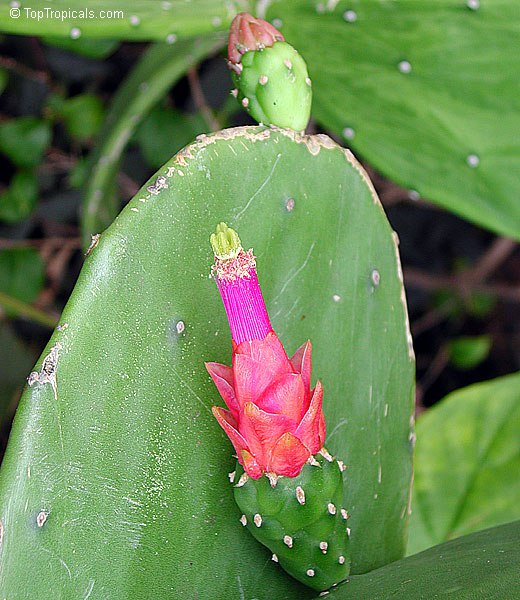
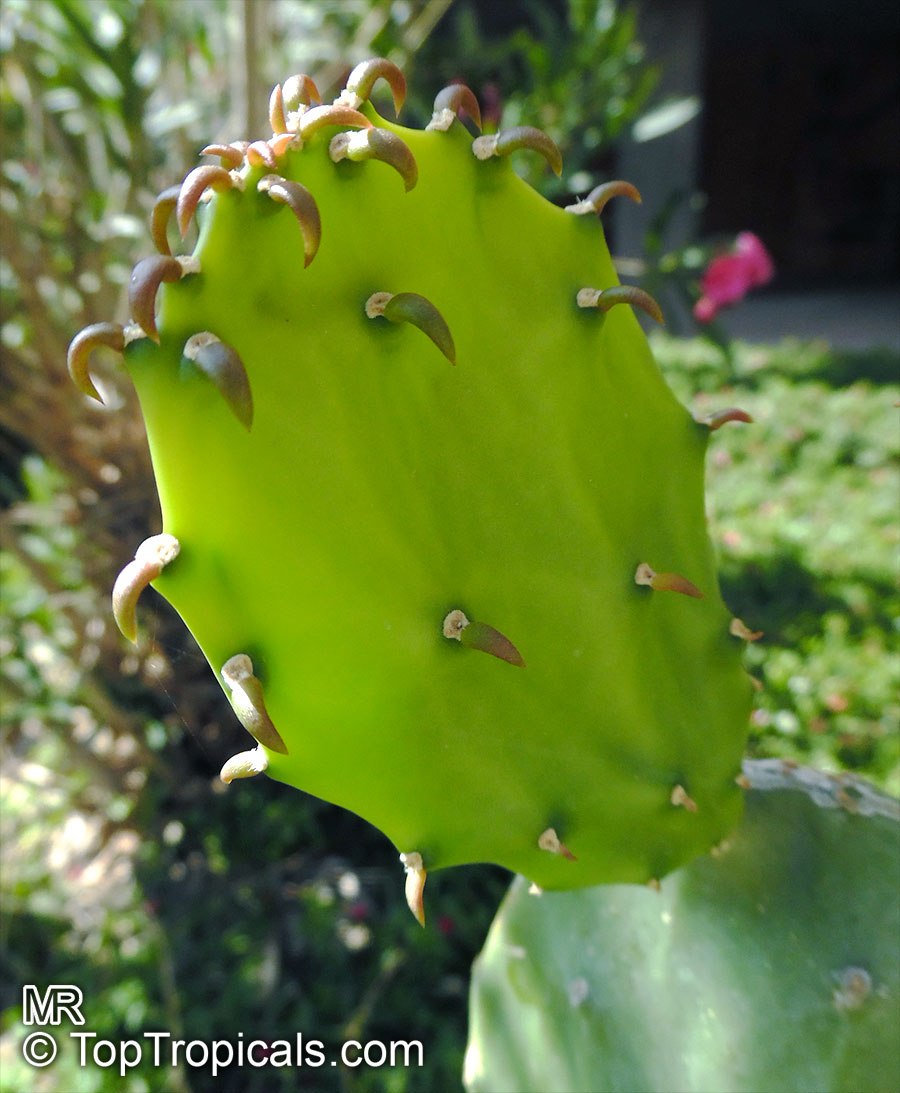
  • 🌵 Opuntia cochenillifera - Velvet Nopal Cactus, Nopales, Prickly Pear - is one of the most useful and forgiving cactus species you can grow. Unlike most desert cacti, this one thrives even in humid tropical climates like Florida, making it one of the few rain-tolerant cacti that actually loves moisture. Fast-growing and ornamental, it produces bright red flowers and makes a beautiful, low-maintenance landscape plant that thrives in heat, drought, and even neglect.
  • 🌵 Prickly Pear is a very valuable edible, used as a vegetable with impressive medicinal properties. The young pads, called nopales, can be stir-fried or sauteed with onions and garlic for a tangy, nutrient-rich side dish.
  • 🌵 In Hispanic cooking, this plant is known simply as Nopal or Nopales – a traditional ingredient used in dishes like ensalada de nopales (nopal salad), nopales con huevo (eggs with cactus), and nopales asados (grilled cactus).
  • 🌵 Regularly eating Nopales has been linked to improved blood sugar control, and many people who include it in their diet report significant help in managing diabetes.
  • 🌵 Nopales is also a favorite treat for tortoises and other herbivorous pets. Its smooth, spineless pads are packed with hydration and nutrients, making it a safe, natural food source.
  • 🌵 So, this is not just a cactus - it’s a food, medicine, and ornament all in one. Tough, beautiful, and endlessly useful!


🛒 Plant your own food and pharmacy Nopales

#Food_Forest #Remedies

🟢 Join 👉 TopTropicals

Date: 13 Nov 2025

Mangos hidden power: the orange fruit that helps your immune system fight cancer

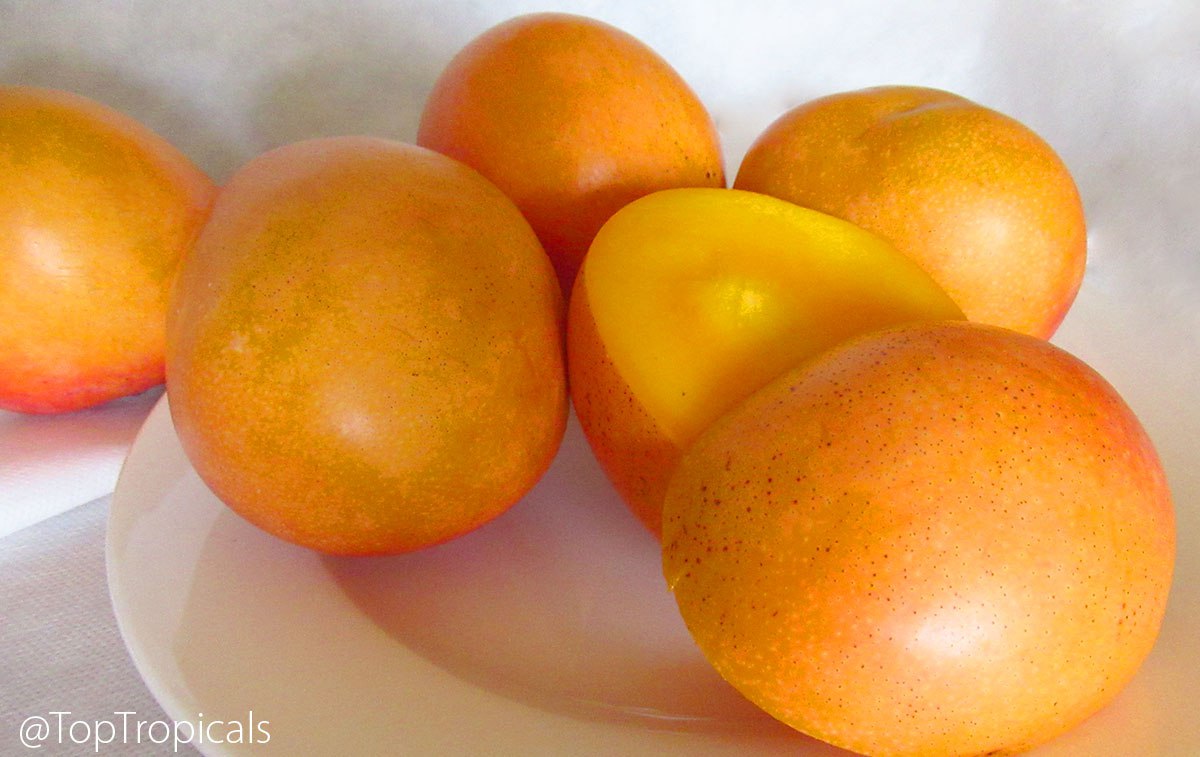
Orange mango fruit

Orange mango fruit

🥭 Mango's hidden power: the orange fruit that helps your immune system fight cancer

  • 🔸 A new study from the University of Chicago (Cell Reports Medicine) found that zeaxanthin - a carotenoid that gives mangoes their golden color - may do much more than support eye health. It can actually make your immune system stronger against cancer!
  • 🔸 Researchers discovered that zeaxanthin boosts the performance of the body’s CD8+ T cells, the immune cells that hunt down and destroy tumor cells. In lab and animal tests, diets rich in zeaxanthin slowed tumor growth, and when paired with cancer immunotherapy, the results were even more impressive.
  • 🔸 Zeaxanthin helps T cells form stronger receptor structures and increases their signaling and tumor-killing power. The compound occurs naturally in colorful foods like Mango, orange peppers, corn, cantaloupe, and dark leafy greens.
  • 🔸 Because it’s already known to be safe and available as a dietary supplement, scientists see zeaxanthin as a promising addition to future cancer therapies. So, eating mangoes and other orange or yellow fruits may not only brighten your plate but also help your body’s natural defenses stay sharp: Pineapple, Carambola, Canistel, Garcinia, Loquat and more.


🛒 Select from Mango varieties

📚
Learn more:
#Food_Forest #Mango #Remedies #Discover

🟢 Join 👉 TopTropicals