Garden Blog - Top Tropicals

Date: 22 May 2025

What does Joy Perfume flower smell like?

Magnolia champaca, the Joy Perfume Tree in full bloom

☀️ What does Joy Perfume flower smell like?

  • 🏵 Meet Magnolia champaca, the Joy Perfume Tree - the most desirable perfume tree for Southern gardens and a Signature Plant of Top Tropicals!
  • 🏵 At our Farm in Sebring, these stunning trees bloom almost year-round, filling the air with a fruity, enchanting fragrance.
  • 🏵 Yes, this is the flower used to make the world's most expensive perfume - Joy! And it smells like fruity bubble gum... you won’t stop sniffing it!
  • 🏵 With lush, lemon-lime leaves and a tall, elegant shape, Champaka is as beautiful as it is fragrant.
  • 🏵 Visit Top Tropicals in Fort Myers or Sebring and bring home your very own Joy Perfume Tree today!
  • 🏵 We have beautiful Champaka trees in all sizes:


    3 gal pot: 3-4 ft tall - ready to bloom within a year, can be shipped
    7 gal pot: 5-6 ft tall - ready to bloom, can be shipped
    15 gal pot: 7-8 ft tall - have already bloomed, pick up or delivery*
    25 gal pot: 10 ft tall - have already bloomed, pick up or delivery*
    * Free delivery for qualified orders


🎥 These Champaka trees in the video are 5 years old (3 years in the ground) and keep blooming for the last 3 years!

🛒 Claim Your Joy Today - Own Your Perfume Champaka!

📚
Learn more from previous posts:
#Perfume_Plants #Container_Garden #Trees

🔴 Join 👉 TopTropicals

Date: 20 Aug 2024

Mark your calendars: September 7, 2024

September  7,  2024  -  SATURDAY  -  Fall  Plant  Market

Fall Plant Market
Saturday, September 7, 9 am - 4 pm

Save the date! Join us on September 7, 2024, for our Fall Plant Market!

This Event will be featuring the largest selection of flowering and fruiting plants! Get unbeatable deals with plants starting at just $2, $5, and $10. Plus, enjoy a free plant with every purchase, and if you're one of the first 25 guests to spend $50, you'll receive a special gift bag!

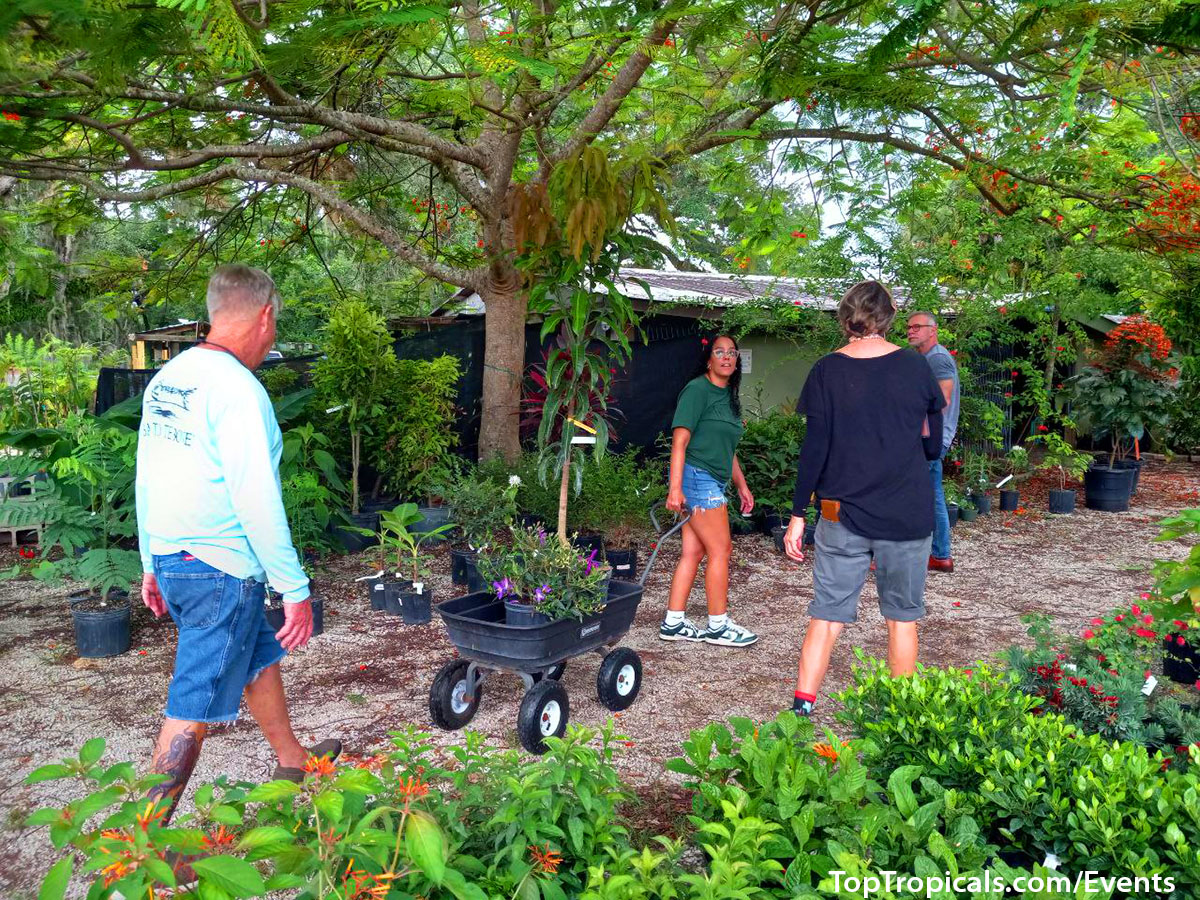
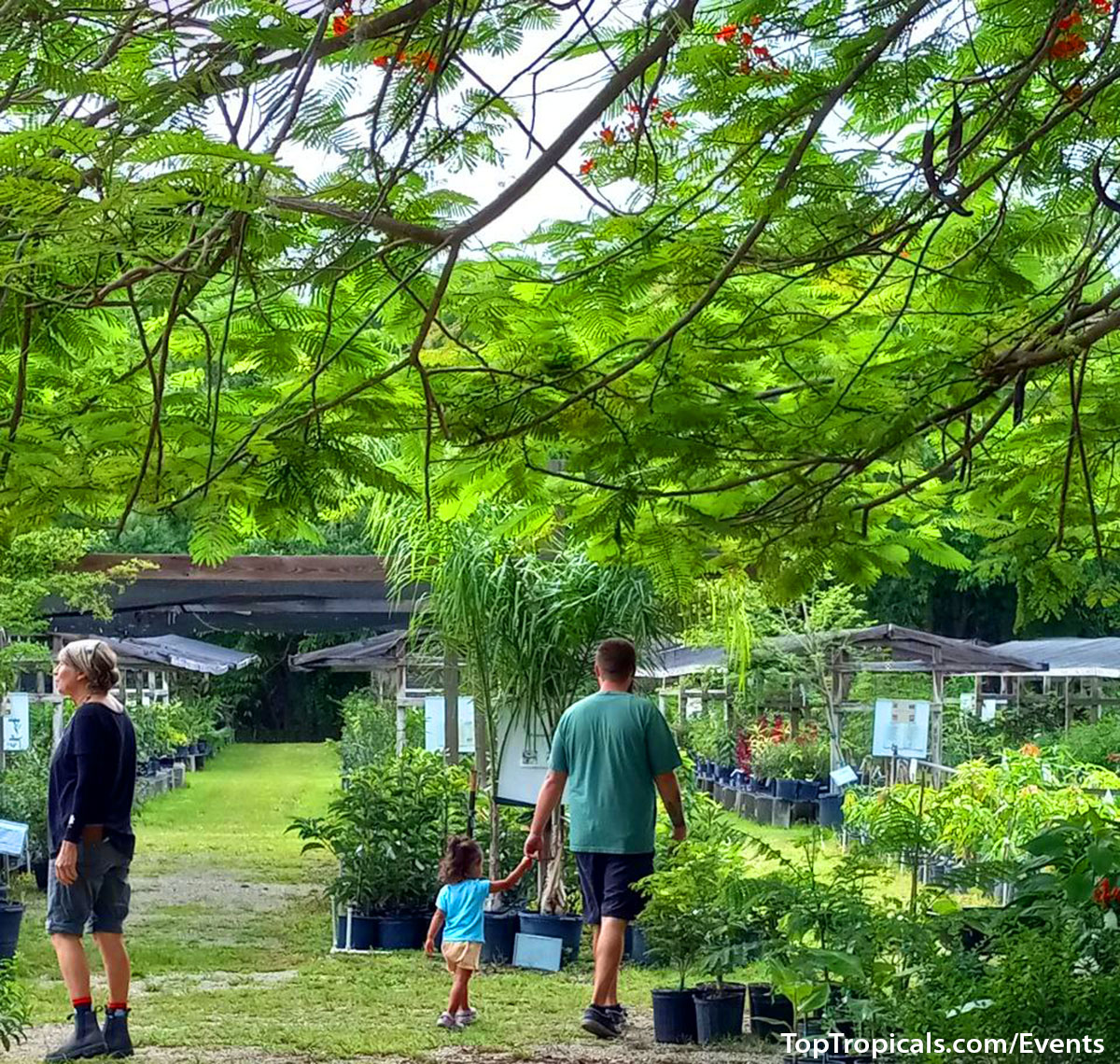
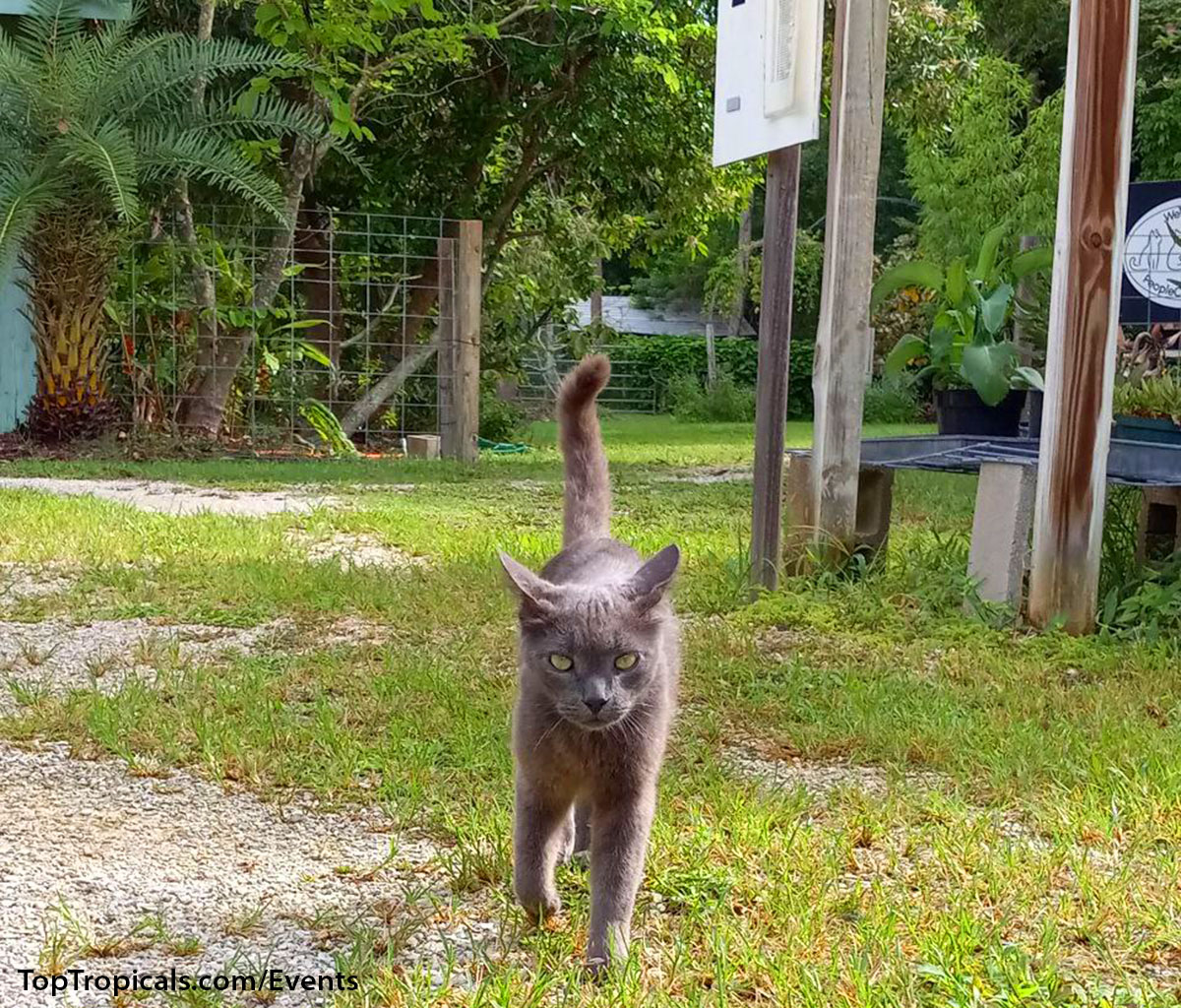
Our plants have grown big and beautiful over the summer, so don't miss this chance to fill your yard at fantastic prices. Bring friends and family, and let our friendly PeopleCats guide you around the garden. We look forward to seeing you there!

Highlights of the event:

30% OFF online prices, one day only! (excluding 15 gallon material and rare plants)
Gift bags - for first 25 customers with $50 order
$2, $5 and $10 plants
Raffle
Free plant with any purchase as a token of our appreciation

Event discounts valid at both locations:

Ft Myers Garden Center: 13890 Orange River, Ft Myers, FL
Sebring B-Farm: 9100 McRoy Rd, Sebring, FL

Plant  Market

Plant  Market

Fall  Plant  Market

Fall  Plant  Market  Cat

Date: 20 Oct 2025

11 tropical fruits to eat instead of taking a fiber supplement

Tropical fruits to eat instead of taking a fiber supplement

Tropical fruits to eat instead of taking a fiber supplement

🍑 11 tropical fruits to eat instead of taking a fiber supplement

  • When we think of tropical fruit, we picture sweetness, sunshine, and exotic flavors packed with vitamin C. But beneath all that juicy goodness lies another gift: dietary fiber - quietly working to support digestion, feed the gut microbiome, and help keep blood sugar steady.
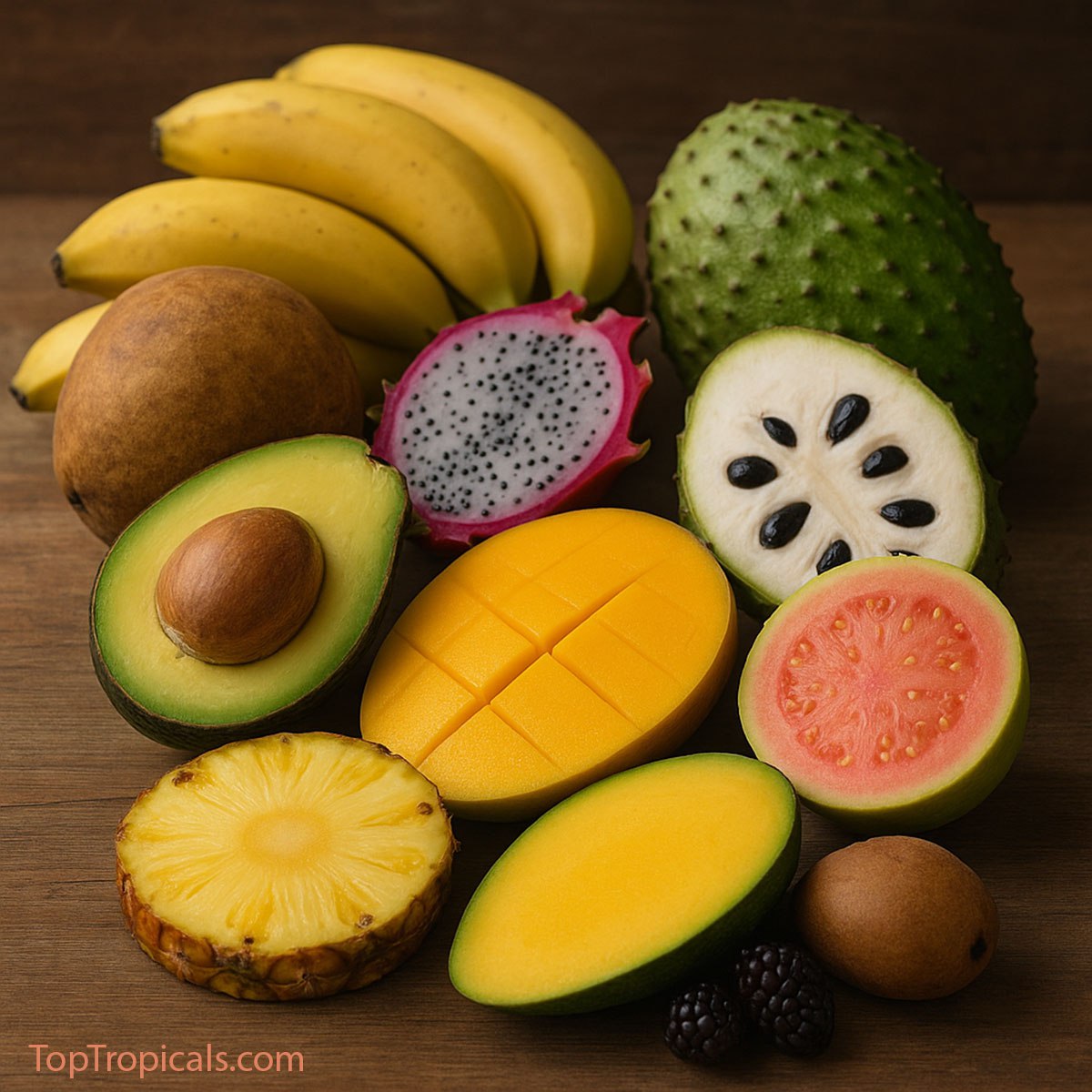
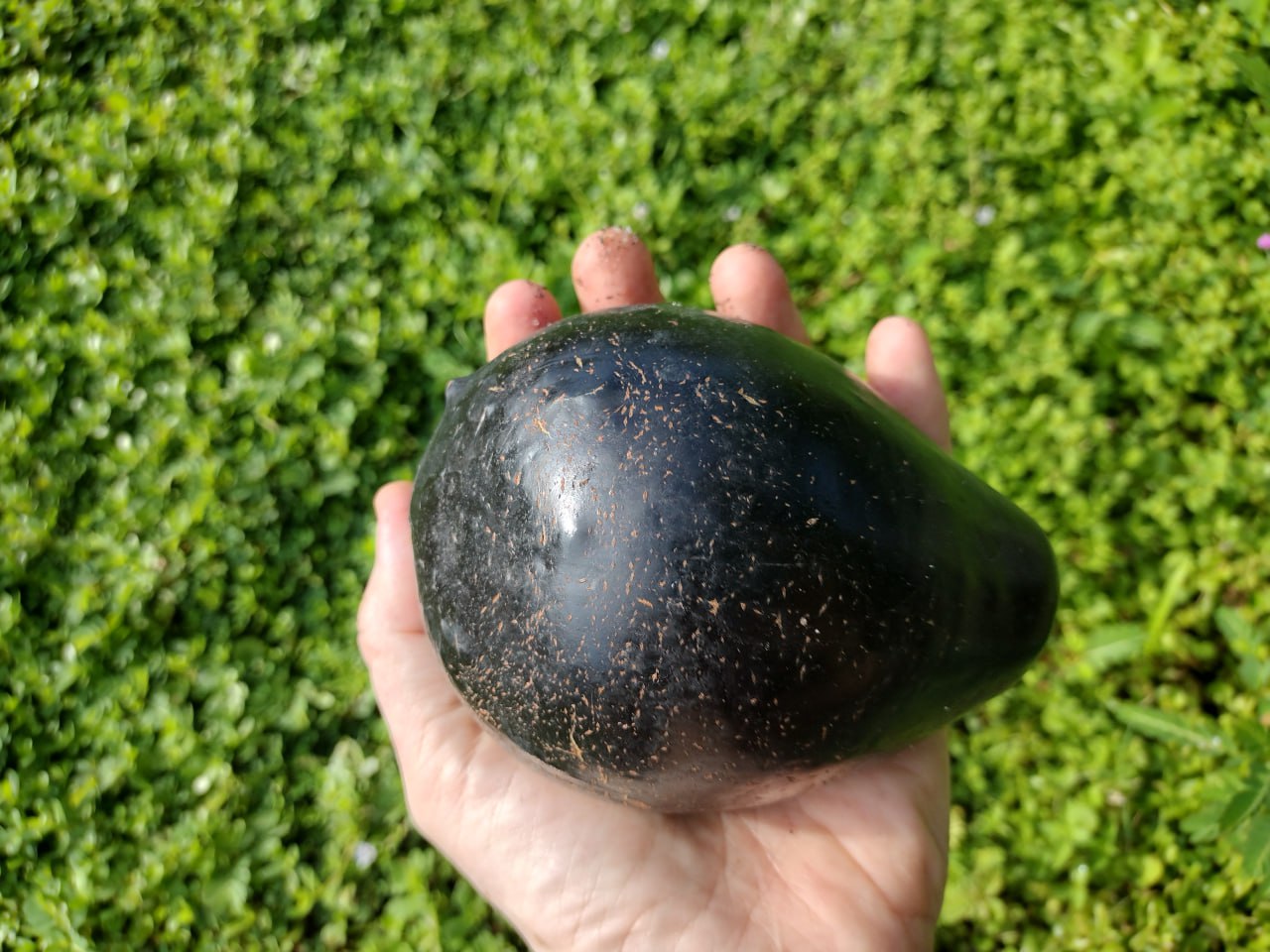
  • Avocado leads the pack among tropical fruits for fiber content. One creamy, ripe fruit can provide around 10 grams of fiber, roughly a third of an adult’s daily need. And there’s more to avocado than fiber - it’s also rich in healthy fats, micronutrients, and that silky texture everyone loves.
  • Other tropical fruits bring their own kind of fiber strength. Guava delivers up to 9 grams per cup, plus a burst of vitamin C.
  • Mango offers about 3 grams in half a fruit, especially when eaten with some of the skin.
  • Pineapple, though not always seen as a fiber powerhouse, still contributes around 2 grams per cup, along with bromelain, the enzyme that helps digestion.
  • Jackfruit’s fibrous pulp makes it another standout - it’s so meaty, it’s even used as a plant-based substitute in savory dishes.
  • Sapote fruit (Mamey, Canistel) and Sapodilla add fiber with a smooth, custard-like texture.
  • Adventurous tropical varieties like Annona (custard apple, soursop) may not top the charts in fiber numbers, but their soft, fibrous flesh still adds value: about 1.3 grams of fiber per 100 grams of fruit.
  • Bananas contain both soluble and insoluble fiber; the soluble part (mainly pectin) helps control blood sugar and appetite, while the insoluble fiber aids regularity.
  • Mulberries are rich in insoluble fiber, especially in their skin, supporting digestion and promoting healthy bowel movements.
  • Dragon fruit offers a mix of soluble fiber in its juicy flesh and insoluble fiber from its tiny edible seeds, which help support gut health and feed good bacteria.

These fruits aren’t just delicious - they help you meet your daily fiber needs in ways that are far more enjoyable (and sustainable) than taking supplements. And when home gardeners, farmers, or tropical communities grow and share them, it’s a double win: nutrition and tradition hand in hand.

✔️ Tropical fiber power: tips for getting more fiber from tropical fruits

  • ⏺Eat whole, not juiced. Most of the fiber is in the pulp, skin, and seeds. Juicing removes much of that goodness.
  • ⏺Mix it up. Tropical fruits are great, but balance them with legumes, whole grains, nuts, and veggies for a full fiber range.
  • ⏺Take it slow. If your diet is low in fiber, increase gradually to avoid bloating or discomfort.
  • ⏺Drink plenty of water. Fiber works best when paired with hydration.
  • ⏺Mind the ripeness. Unripe fruits can have more resistant starch, another form of fiber.
  • ⏺Get creative. Toss tropical fruits into smoothies, salsas, breakfast bowls, or even desserts - a tasty stealth-fiber strategy.


🛒 Plant a fruit tree to harvest your fruit tomorrow

📚 Learn more:


Tropical fruit health benefits guide - what fruit and edibles can help with health issues and vitamin deficiencies, Part 1 and Part 2.

#Food_Forest #Remedies #Discover #How_to

🟢 Join 👉 TopTropicals

Date: 9 Apr 2025

Can I Grow Avocado Outside the Tropics?

Mexican Avocado

Mexican Avocado

Can I Grow Avocado Outside the Tropics?


👍 Yes - with the right variety and care.
While avocados love tropical and subtropical climates, certain cold hardy Avocados types - especially Mexican varieties - can survive outside the tropics, even in USDA Zone 8b (like San Antonio, TX). Once established, some can handle short freezes down to 15F, even as low as 10F in dry climates.

Key Factors for Cold Hardiness:
  • 🔤 Plant Size: Young trees are tender. Protect with mulch, blankets, and even Christmas lights during freezes. Mature trees are tougher.
  • 🔤 Wind Protection: Wind chills do more damage than cold air alone. Plant near a south-facing wall or sheltered spot.
  • 🔤 Tree Health: Healthy trees handle cold better. Fertilize regularly during the growing season.
  • 🔤 Water & Humidity: Water less in winter. Avoid soggy soil - good drainage is a must. Trees in dry winter climates tolerate more cold than those in humid areas.


✏️ Tip: Always check the hardiness rating for your avocado variety. Protection matters most during the first 1-2 winters.

📚 More about Avocado:


Posts about #Avocado
Avocado Variety Guide


🛒 Shop cold hardy Avocados and grow your own guacamole

#Food_Forest #Discover #Avocado

🔴 Join 👉 TopTropicals

Date: 23 May 2025

How to grow cold-hardy avocados and how cold-hardy are they?

Cat is growing cold-hardy avocados

Cat is growing cold-hardy avocados

How to grow cold-hardy avocados and how cold-hardy are they?


Growing avocados in colder regions is possible with the right variety and care. By selecting Cold Hardy varieties, ensuring proper care, and taking protective steps during cold spells, you can successfully grow avocados outside of tropical climates.

The more established your tree, the better it will tolerate colder weather.

🌡 What is Avocado cold hardiness?


Avocados are sensitive to freezing temperatures but some Mexican varieties are cold-hardy, surviving temperatures as low as 15F once established. With proper care, some can endure brief cold snaps down to 10F.
  • 👉 Cold hardiness depends on several factors, including:


  • 🟢 Duration of cold: How long the tree is exposed to freezing temperatures.
  • 🟢 Sun exposure: Trees with more sunlight tend to handle cold better.
  • 🟢 Wind protection: Wind can make cold weather more damaging.
  • 🟢 Tree health: Proper care, including fertilization, can improve cold tolerance.


❄️ How to protect avocados from cold


If you're growing avocados in a cooler climate, it's essential to protect them from harsh cold. Here are some tips:
  • 🟢 Bigger is Better: Larger, more established trees are generally more cold-tolerant than young ones.
  • 🟢 Wind Protection: Cold winds can be more damaging than the temperature itself. Plant your avocado in a sheltered spot, such as on the south or southeast side of a building, where it’s protected from strong winds.
  • 🟢 Good Fertilization: A healthy tree is more likely to withstand cold. Make sure your avocado receives regular fertilization throughout the growing season to keep it strong.
  • 🟢 Watering: Avocados need regular watering, but during winter, they require much less water. Avoid overwatering, as this can lead to root rot in cold conditions.


✍️ Specific protection for young plants

  • 🟢 Covering and mulching: When a freeze is expected, mound mulch around the trunk to insulate the roots and cover the tree with a blanket for warmth. For extra protection, use Christmas lights or a small heater under the cover, following safety precautions.
  • 🟢 Microclimates matter: Plant your tree closer to a building for better cold protection. Placing it in the warmest part of your landscape will help it get more heat during winter.
  • 🟢 With proper care and protection, you can enjoy fresh avocados even in cooler climates!


🛒  Shop Cold Hardy Avocados

📚 Learn more:


#Food_Forest #Avocado #How_to

🔴 Join 👉 TopTropicals