Date: 30 Sep 2023
Avocado Variety Guide: Snack or Guacamole?
Collector's inspiration
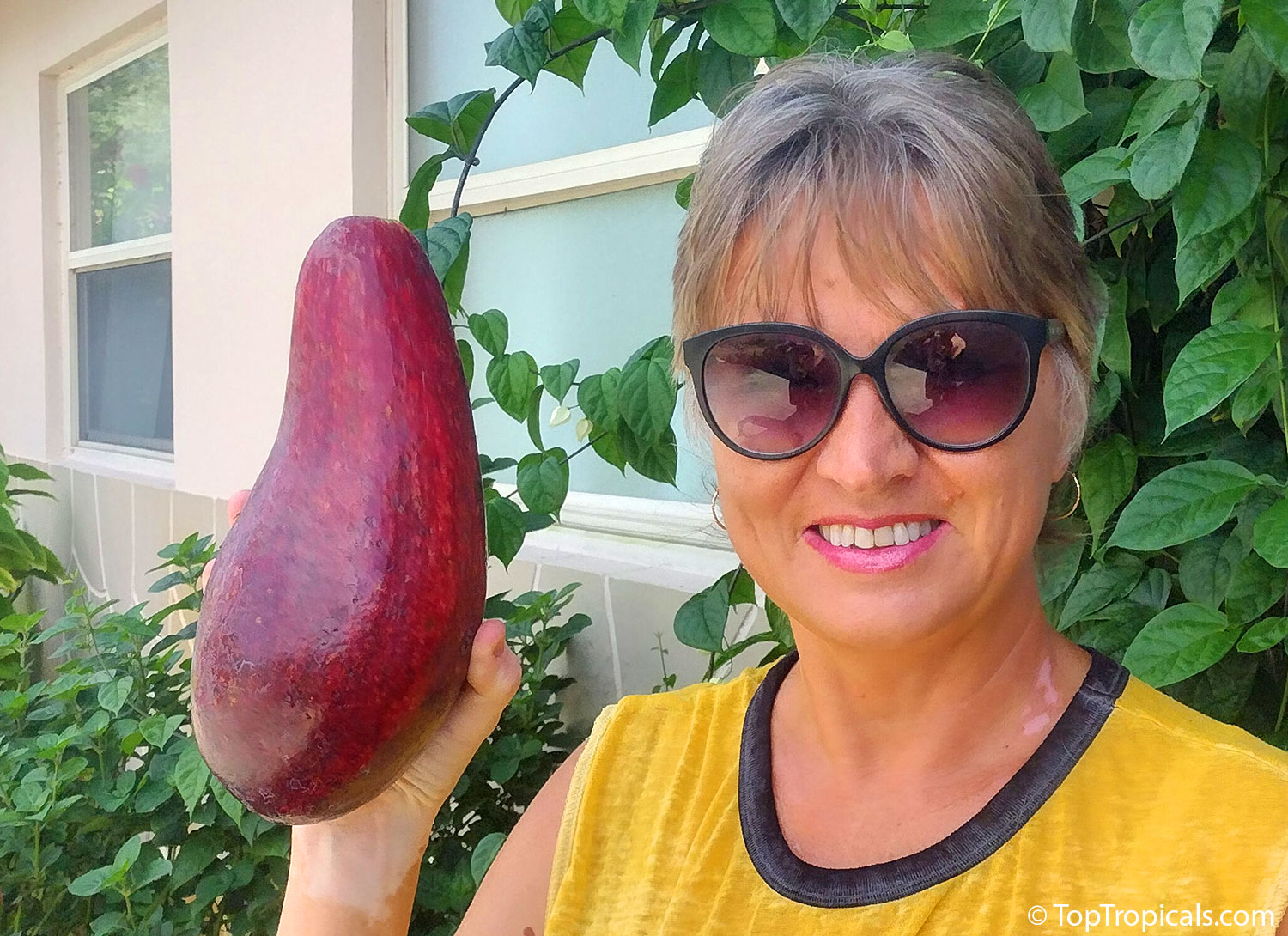
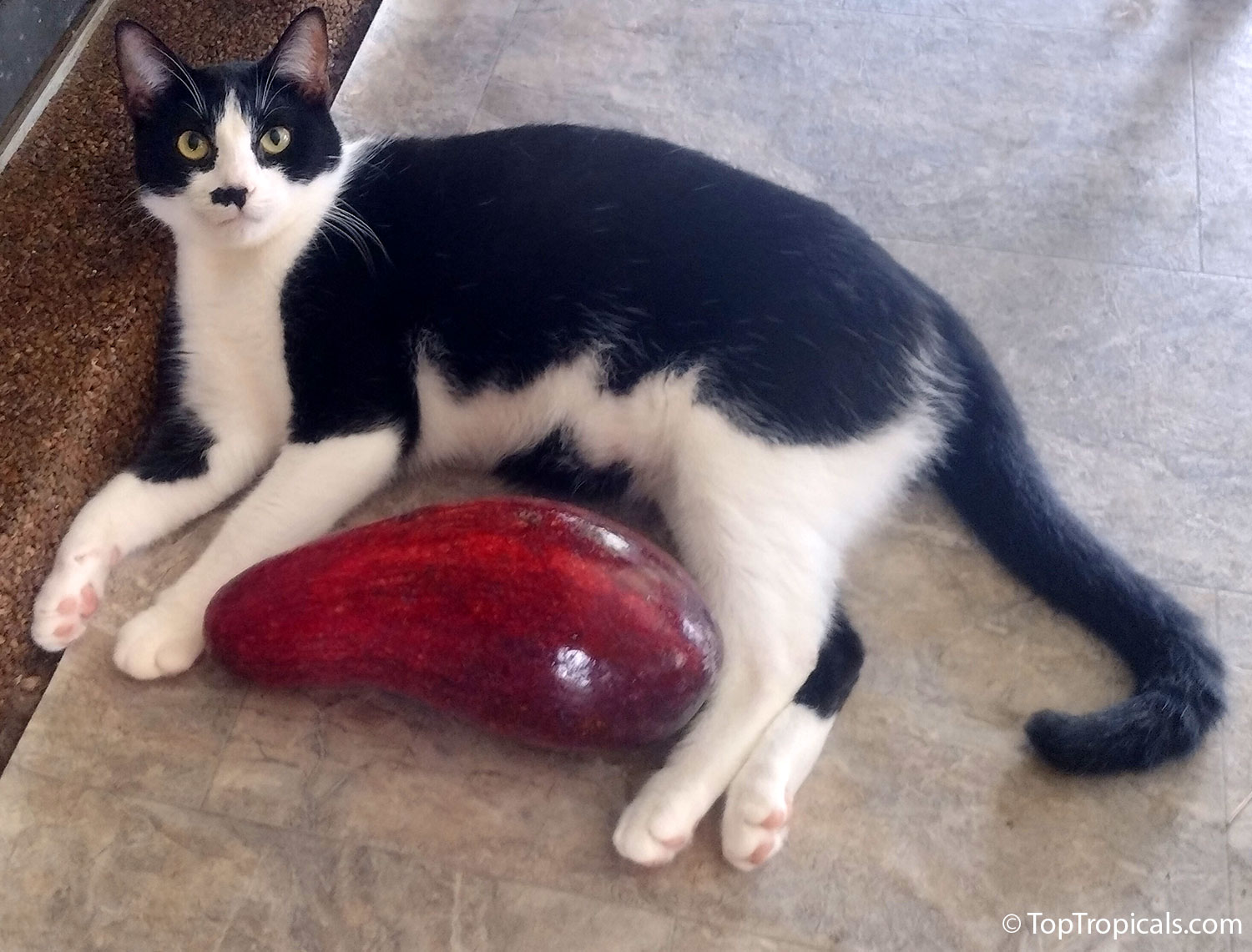
Photo above: It's NOT an egg plant! It's a Red Russell :)
A comprehensive guide to Avocado varieties by: flower type A or B, tree habit, fruit shape and quality, cold hardiness, origin, season and more!
Many gardeners who are eager to purchase their first avocado tree often wonder which variety to choose. Most people are familiar with two primary classifications commonly found in grocery stores: Small & Black or Large & Green.
Frequently, we hear customers ask, "Do you have the one I like, the smaller fruit with bumpy skin? Not that big, tasteless, and watery one!" What they may not realize is that this basic (but practical!) classification doesn't encompass all the wonderful qualities avocados have to offer. There are numerous hybrids in cultivation, and once you plant your first tree and taste the REAL fruit (not from the grocery store), you'll be eager to explore other varieties. It's a guarantee! While it's true that avocado fruit can vary in "butter" content and how "watery" or "buttery" it is, most superior varieties are equally delicious. Or perhaps we should say they are so versatile and distinct in taste that you'll start building your collection of these trees, much like fruit enthusiasts do with mango varieties.
Every garden has unique requirements based on climate, temperature, and property size. These factors must be considered before planning your avocado garden. Additionally, many gardeners may wonder about Type A vs. Type B classifications and whether they need more than one tree to yield fruit. You'll find all this valuable information in our Avocado Variety Guide.
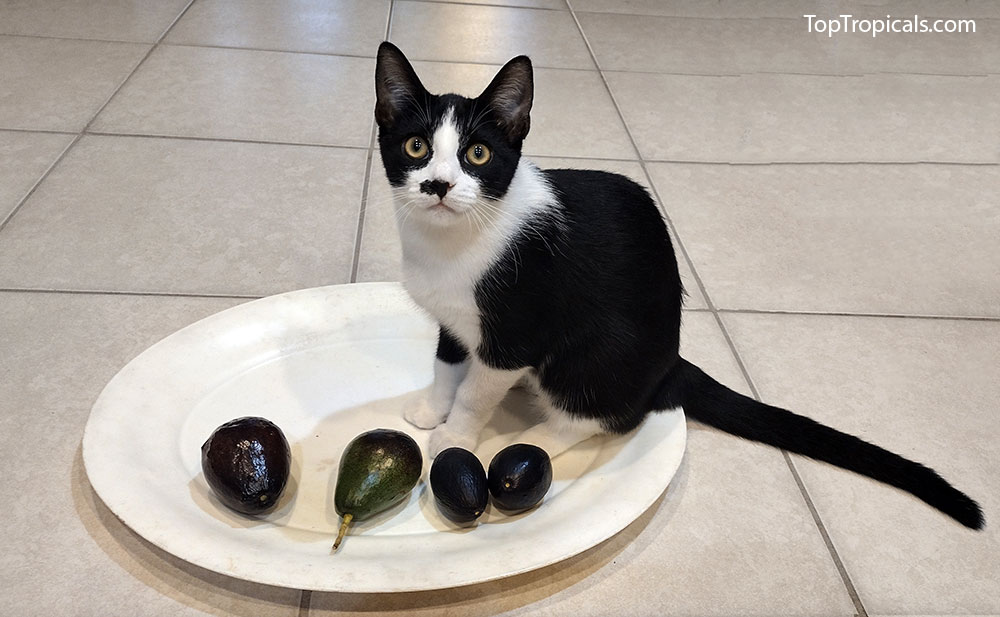
Basic classifications of avocados
1) By flowering pattern and pollination behavior: Type A and Type B
2) By origin: Mexican, Guatemalan, and West Indian (along with many hybrids)
3) By fruit appearance, texture and taste: Guacamole Avocado ("Smooth skin") and Snack Avocado ("California" or "Hass" type)
4) By growth habit: full size trees, free branching or upright, semi-dwarf low growing, and dwarf ("condo avocados")
5) By cold hardiness: Cold sensitive (requiring frost-free conditions), cold tolerant (able to withstand light frost), and cold hardy (capable of enduring some hard freezes once established)
6) By ripening season: Early or Spring (March-June), Mid or Summer (July-September), and Late or Fall-Winter (October-February).
Date: 8 Feb 2023
Gift Plants
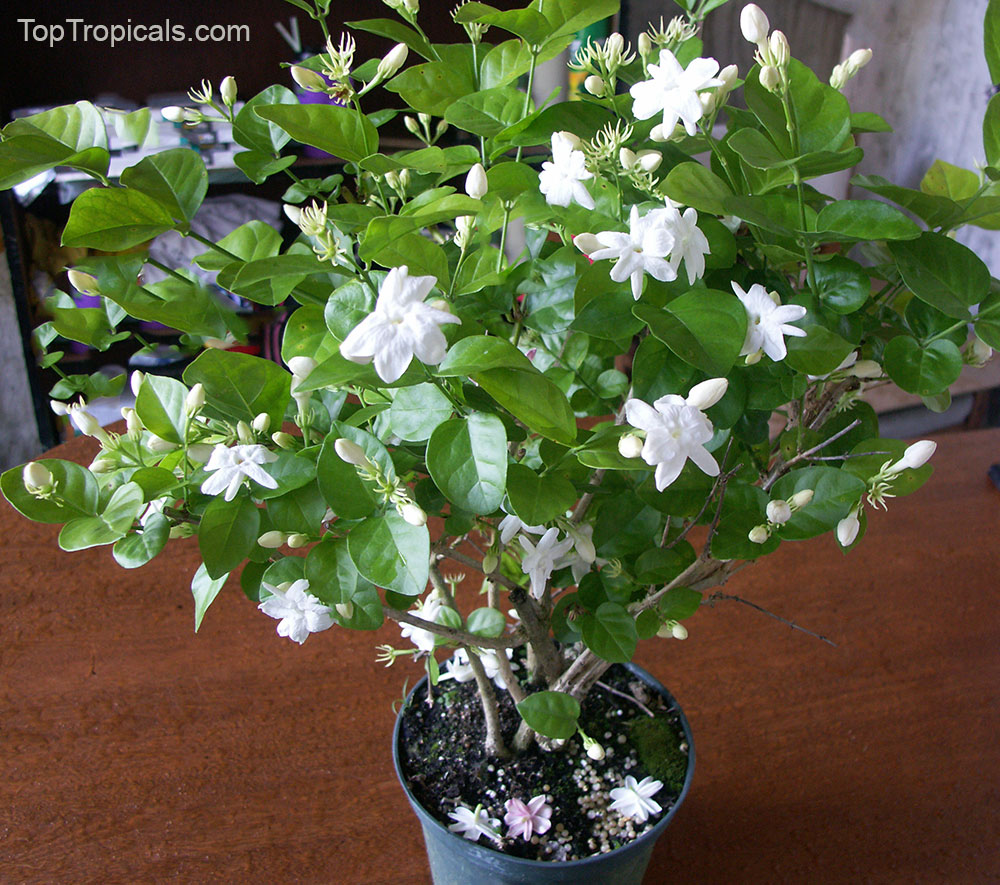
In the photo: fragrant Jasmine Sambac Maid of Orleans
How to make the best gift plant?
1. Consider her/his interests and environment: Think about the recipient's favorite colors, preferred growing conditions (e.g. sunlight, temperature), and any specific plants they already have and like.
2. Choose an easy plant, especially when giving it to inexperienced gardener. Desert roses, Plumerias, Indoor plants are great for both beginners and experts.
3. Something to enjoy right away: Select an established plant with developed roots and foliage. Grafted fruit trees will produce soon, and aroma of a spice tree can be appreciated without waiting for it to grow bigger. House plants such as Philodendrons with ornamental foliage will brighten the room.
4. Presentation matters: Wrap the plant in decorative paper or a gift bag, and consider adding a bow or tag for a personal touch.
5. Add a personal touch: Consider pairing the plant with a personalized message or a small item such as a watering can, plant food, or a pretty planter. Your thoughtfulness will make the gift even more special.
Some gift plant ideas: Jasmines - Desert Roses - Gingers - Mango - Avocado - Spice plants - Indoor plants - easy maintenance plants - Plants of Love: Aphrodisiacs.
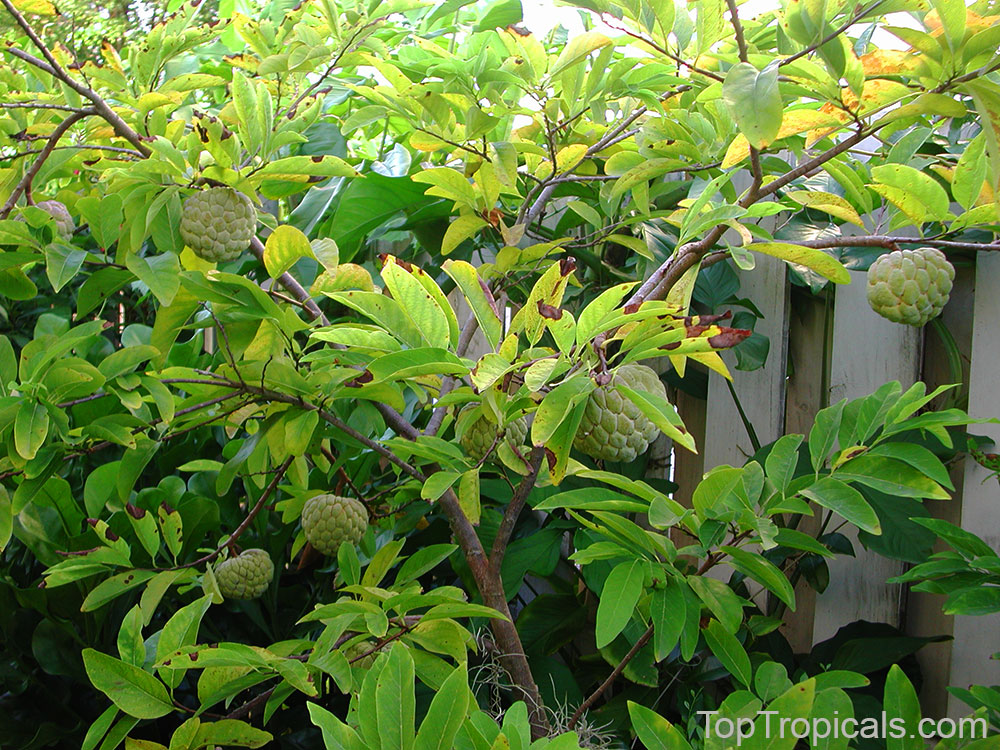
In the photo: Annonas are one of the most popular tropical fruit trees, fast fruiting, suitable for small gardens and container culture
Date: 22 Sep 2022
Ceiba pentandra, Kapok Tree:
Maya's Sacred Tree at the Center of the Earth
by Alex Butova, the Witch of Herbs and Cats
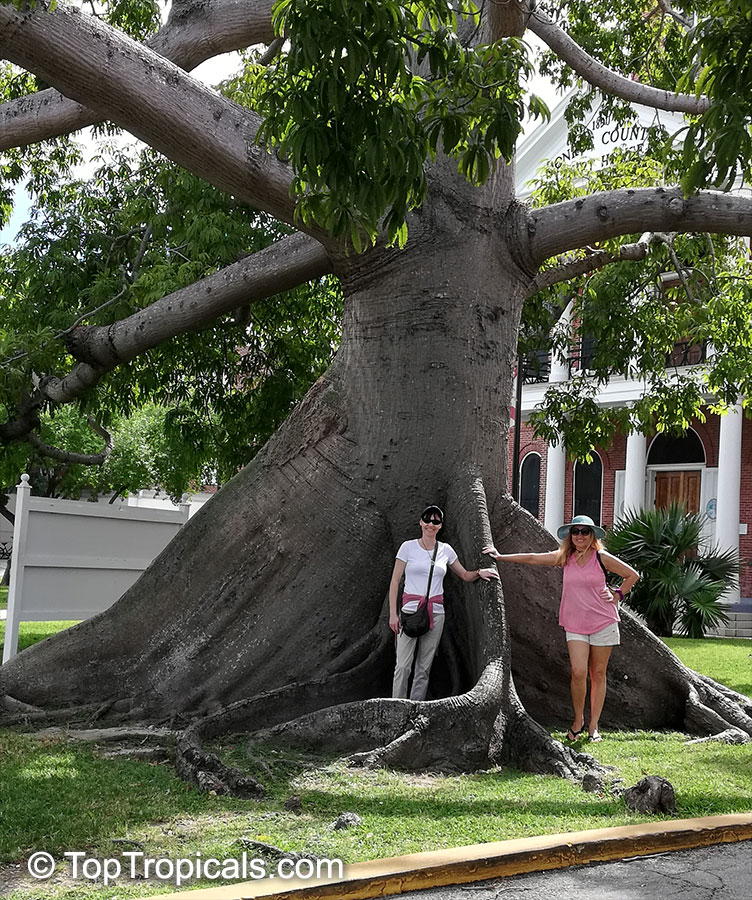
...Everybody who sees this tree for the first time, always says "What's THAT???" And everybody wants to have one! Kapok Tree is a large, magestic, gorgeous shade tree that just requires a little bit of space in your garden! It is definitely a conversation piece and is a must for every botanical garden or a large private tropical tree collection. Kapok is a fast growing tree, however, it may take many years to reach its mature size. It is worth the wait though!..
Date: 9 Sep 2022
Napoleana - Napoleon's Hat
Endangered species from the outgone era of the Napoleon's War
by Alex Butova, the Witch of Herbs and Cats
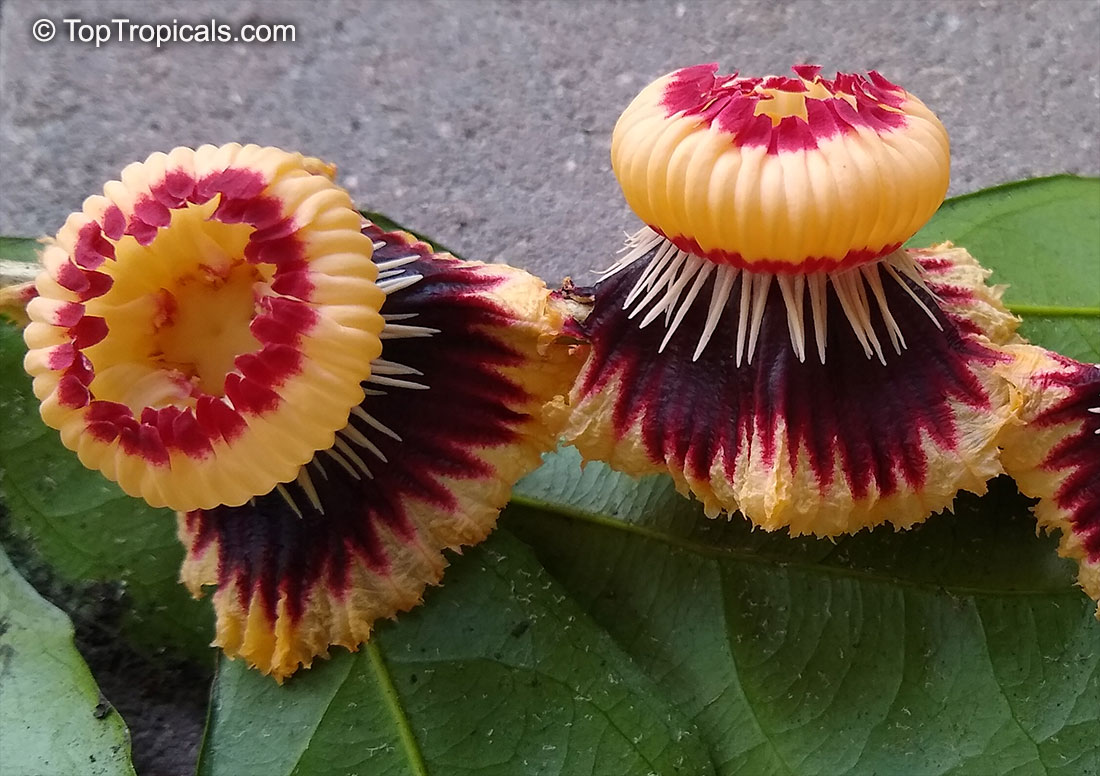
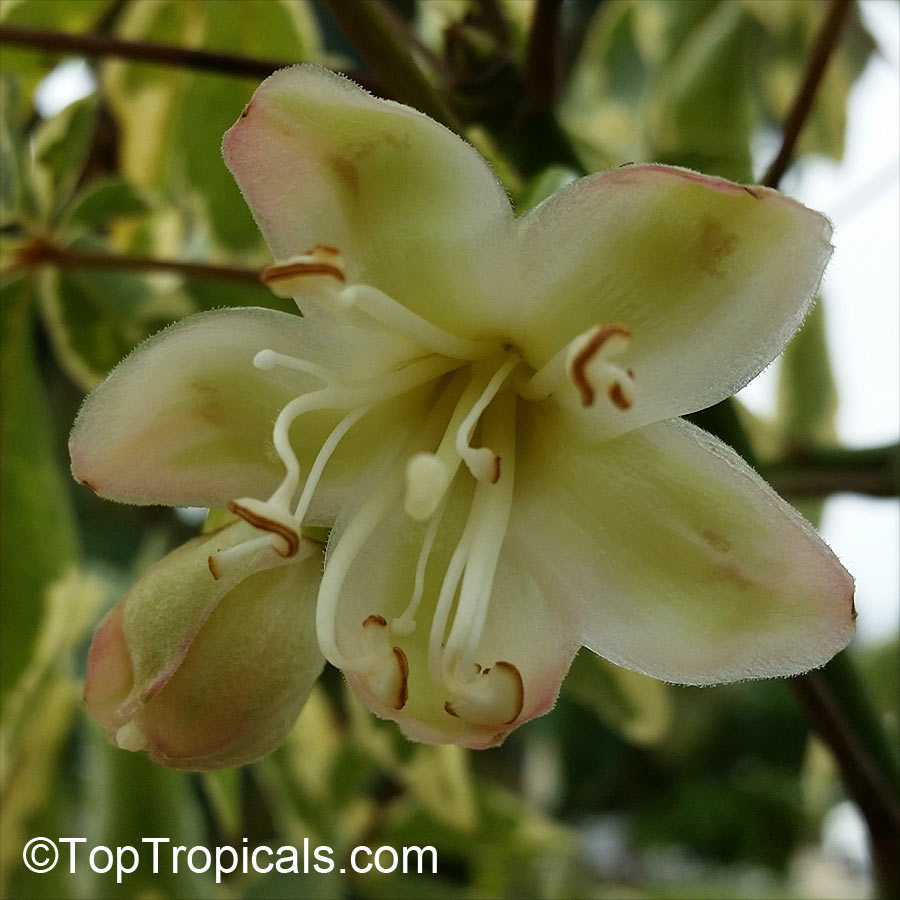
...Napoleana was described in 1804, the same year its namesake (Napoleone di Buonaparte) crowned himself Emperor
of the French. Today the tree is almost extinct. Esteemed for the exquisite,
vividly colored, exotic hat-shaped flowers, Napoleana is a must of a rare
tropical tree collection. Napoleana seeds constitute a false kola, which has a
taste closely resembling that of true kola. The flowers are fragrant and smell like Butterscotch...
CONTINUE
READING >>
Date: 22 Aug 2022
What tree will fruit indoors?
Q: I love your tropical fruit selection and I wish I lived in a warmer climate. Is there any fruit tree that can be happy indoors during winter and have fruit? I am not expecting a big crop but it would be fun to have a small piece of tropics at home. I don't have much gardening experience, can you suggest something easy for a start?
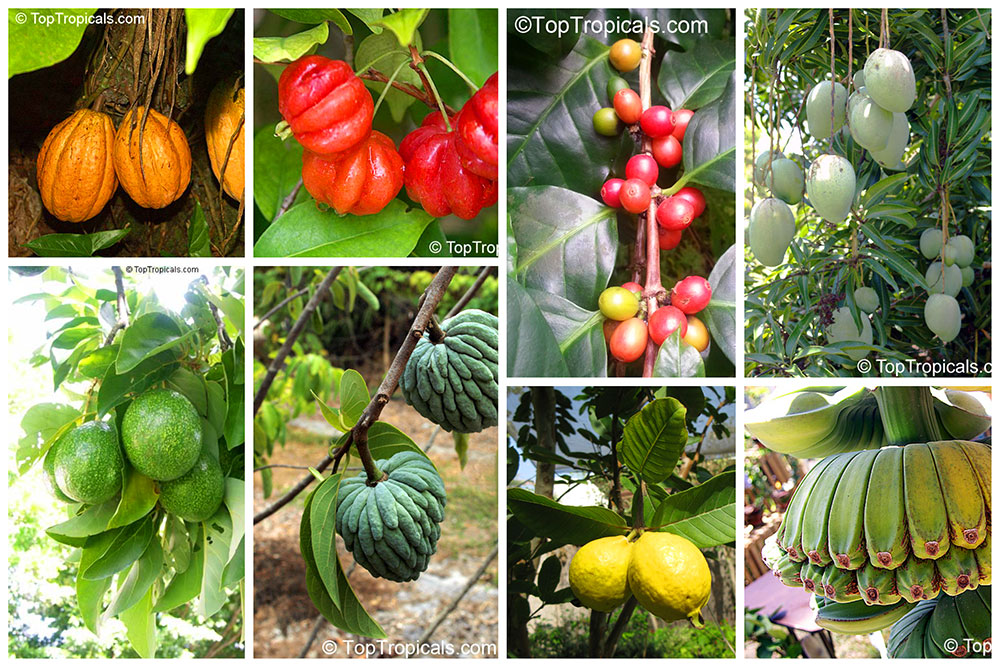
A: Several tropical fruit trees can be grown indoors, in pots,
providing bright light that is necessary for flowering and setting fruit. Among
them are many varieties of Bananas,
Guavas,
Annonas and tropical Cherries - these can be easily maintained in containers. Even dwarf
varieties of
Avocado and Mango
are good candidates for indoor culture. You can bring containers indoors for
winter and take outside into full sun during warm months so your plants can
store lots of energy in Summer.
The easiest fruit tree for indoor culture that doesn't require bright light
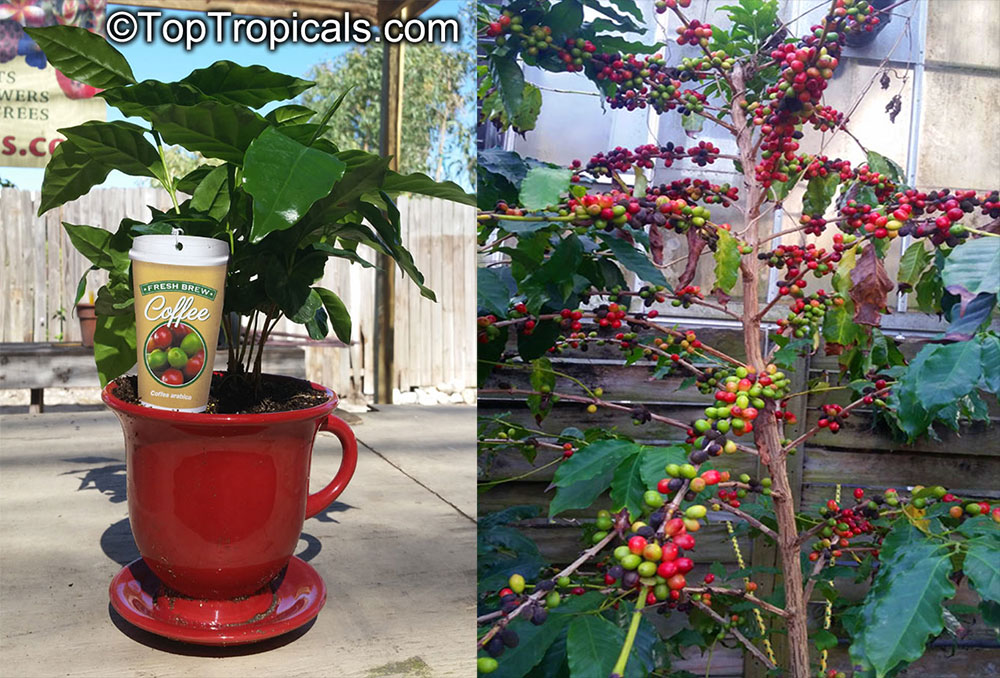
and can be grown indoors year around is a Coffee tree. Start with it, it is on sale today! Once you gain some experience, you can upgrade to
a Chocolate tree!
Remember, all container grown plants need balanced nutrition program. It
can be easily provided with Sunshine Boosters your around. For fruit trees, just add some Sunshine C-Cibus Crop Booster to your cart.