Date: 24 Jun 2018

URBAN TROPICAL GARDENING:
10 secrets of successful Container Mango growing on a
balcony.
Q: I live in Miami in apartment on a second floor, and I have a balcony with SE exposure. I wonder if I can grow a mango tree in a pot? Will it fruit for me? I recently moved to South Florida and I don't know much about tropical plants; but I tasted real fiberless mangos from someone's garden - it was so delicious and different from those in the grocery store. I wonder if I can have a fruiting tree on my balcony? And if yes, how do I plant and take care of it?
A:
Yes, you can! Here is what you need to do:
1) Temperature. You are lucky to live in Tropics,
keep it on a balcony year round.
2) Light. Position the pot in a spot with the most
sun exposure. Mango trees can take filtered light too, but
the less sun, the less fruit you will get.
3) Soil and Container. Use only
well drained potting mix. Step up the purchased
plant into next size container (3 gal into 7 gal, 7 gal
into 15 gal). When transplanting, make sure to keep growth
point (where roots meet the trunk) just at the top of the
soil. Covering base of the trunk with soil may kill the
plant.
4) Water. Water daily during hot season, but only
if top of soil gets dry. If it still moist, skip that day.
Mangoes (unlike
Avocados!) prefer to stay on a dry side.
5) Fertilizer. Use
balanced fertilizer once a month, 1 tsp per 1 gal of
soil. Do not fertilize during fruiting - this may cause
fruit cracks.
6) Microelements. Apply
SUNSHINE-Superfood once a month. This will help your
mango healthy, vigorous, and resistant to diseases. Use SUNSHINE-Honey to make your
fruit sweeter.
7) Insect control. Watch for scales and mealybugs,
clean with solution of soapy water + vegetable oil (may
need to repeat 2-3 times with 10 days interval), or with
systemic insecticide like imidacloprid only as needed (if
non-harsh treatment didn't help). Most Flea shampoo for
dogs contain that chemical, you may try that shampoo
solution.
8) Trimming. Once potted, do not remove leaves
that are discolored or have spots until new growth
appears. Dark dots on mango leaves, especially in humid
climate like Florida, may be signs of fungus. Treat with
fungicide according to label, and remove only badly
damaged leaves. Trim crown as needed after flowering and
fruiting (by Fall). Train into a small tree, and you may
remove some lower branches eventually.
9) Flower and fruit. Mangoes are winter bloomers
with bunches of tiny flowers coming in thousands. Many of
them set fruit (if pollinating insects present). Keep in
mind that young trees can only bare a few fruit. Normally
a tree will drop excessive fruit and keep only a few that
it can manage. To save the young tree some energy, remove
fruit if too many and leave only 2-3 for the first year.
It will pay you next year with more abundant crop.
10) Variety. Last but not least: Choose the right
variety for container culture! Pick from "condo" dwarf
varieties such as Icecream, Nam Doc Mai, Carrie, Cogshall, Julie, Fairchild, Pickering, Graham, Mallika, and a few others -
check out Mango Chart pdf
and full list of our Mango varieties
Date: 2 Dec 2021
New Video:
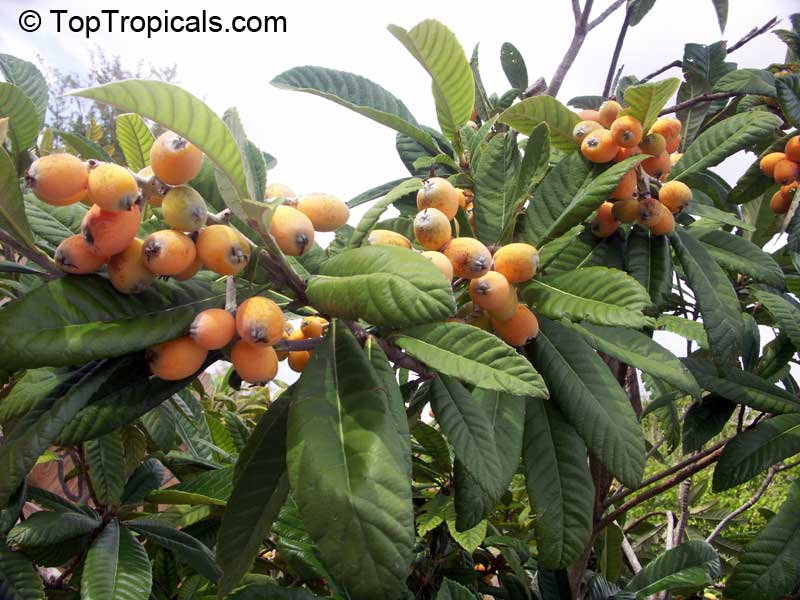
What is a Loquat?
Loquat is one of the easiest tropical/subtropical fruit trees to grow, with delicious fruit resembling Apricots (in fact, from the same family!). This video presented by our video host David Mortimer.
More information on Loquat trees:
Golden Loquat - the symbol of Prosperity
Kristi's Loquat Tropical BBQ sauce
Overlooked fruit: tasty Loquat recipes (PDF from Tropical Treasures
Magazine)
WATCH NEW VIDEO >>
Stay updated with TopTropicals Videos by subscribing to our channel at YouTube.com/TopTropicals and get our latest video news of what is fruiting and blooming!
Date: 22 Oct 2025
 Detailed Cassia and Bauhinia Care Guide
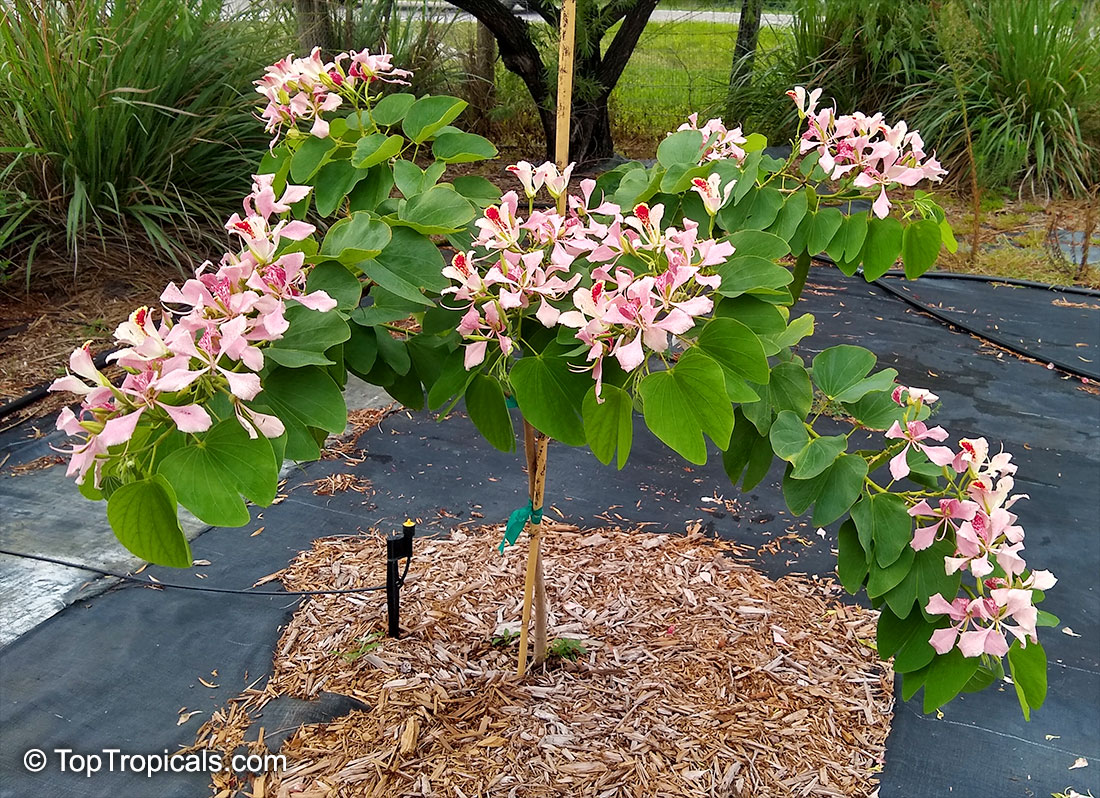
Outdoor Cassia and Bauhinia Care
- Light: Both Cassia and Bauhinia need at least 6 hours of direct sunlight daily. Cassias handle intense heat; Bauhinias can take light afternoon shade.
- Soil: Use loose, fast-draining soil. Mix equal parts garden soil, coarse sand, and compost.
- Watering: Keep evenly moist but never soggy. Cassias tolerate dry spells once established; Bauhinias prefer steady moisture. Water when the top inch feels dry.
- Feeding: For profuse flowering, feed with liquid Sunshine Boosters Megaflor that is safe to use with every watering, year around. You may also apply Green Magic controlled release fertilizer every 6 months. Bauhinias and Cassias respond quickly to feeding.
- Pruning: After flowering, prune lightly to shape and remove dead tips. Cassias can be trimmed to shrub form; Bauhinias stay bushy with pinching.
- Mulch: Add a 2-inch mulch layer around the base to conserve moisture and prevent weeds, but keep mulch off the trunk.
- Cold protection: Most Cassias handle brief frost; some Bauhinias like B. acuminata and B. monandra must be sheltered below freezing. For cold nights, cover with frost cloth or move containers into shelter.
- Dormancy: Outside of tropics, most Bauhinias drop leaves in winter for a short period of time, right before flowering and are called "semi-deciduous". Cassias stay evergreen.
Indoor or Porch Care (cool-climate growers)
- Container: Choose a sturdy pot with several drainage holes, one size larger than the root ball. Unglazed clay or thick plastic pots work best for heat regulation. Use a light, well-drained mix such as professional soilless mix Abundance. Both Cassias and Bauhinias dislike soggy roots. Add a thin layer of coarse gravel at the bottom to improve drainage. Repot every 1–2 years in spring
- Light: Brightest spot possible - south-facing window or heated sunroom. Supplement with a grow light if sunlight is weak.
- Temperature: Keep potted trees in warm environment for best results. The optimum temperature for Cassias and Bauhinias is between 60–85 F, although many species can tolerate cooler temperatures. Avoid cold drafts and sudden drops.
- Humidity: Average indoor humidity is fine; occasional misting keeps foliage glossy.
- Watering: Water sparingly in winter when growth slows; allow the top inch to dry between waterings. Do not let roots sit in water.
- Fertilizing: Feed with Sunshine Boosters Megaflor that is safe to use with every watering, year around, to maintain flowering indoors. You may also apply Green Magic controlled release fertilizer every 6 months.
- Pest watch: Check undersides of leaves for aphids or whitefly. A light spray of neem oil or insecticidal soap clears them fast.
"Whether you crave golden summer fireworks or soft orchid blooms that last nearly all year, both Cassia and Bauhinia bring pure joy to the garden. 💖 Bring color that never quits."
Did you know: Fall is the best planting season — roots grow faster and you’ll have flowers by spring!
Date: 24 Oct 2025
Guava beats banana in the potassium game
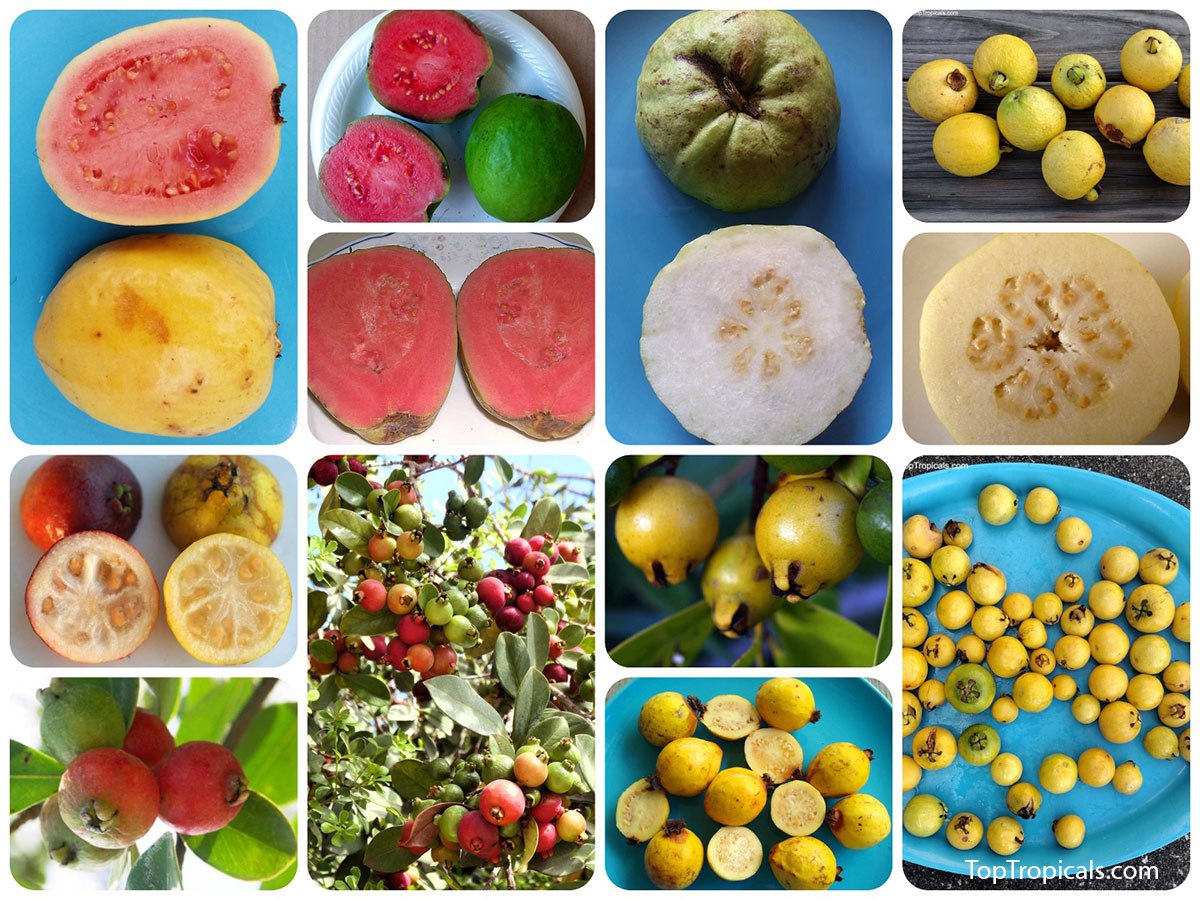
Tropical Guava - Psidium guajava
🍉 Guava beats banana in the potassium game
- 🍉Everyone talks about bananas when it comes to potassium, but guava (Tropical Guava - Psidium guajava) quietly beats them! One cup of guava packs around 688 milligrams of potassium, compared to about 450 in a banana!
- 🍉Potassium is essential for strong bones, steady blood pressure, muscle function, and a healthy nervous system. Adults need between 2,600 and 3,400 mg daily, according to the National Institute of Health - so adding guava to your fruit bowl is a smart move.
- 🍉Guavas are common across the tropics - from Mexico to the Caribbean - with green or yellow skin and beautiful pink or off-white flesh. Sweet, aromatic, and easy to grow in warm climates, guava is one tropical fruit that truly earns its place in the garden and on your plate.
🛒 Your body needs potassium - your garden grows it on guava tree!
📚 Learn more:
- Six guava varieties that will keep you picking year-round
- How to grow a Guava Tree: Practical Guide to Growing Guava
- More about #Guava
#Food_Forest #Guava #Discover
🟢 Join 👉 TopTropicals
Date: 27 Oct 2025
Large Grafted Mango Trees - Plant Now Before Winter!
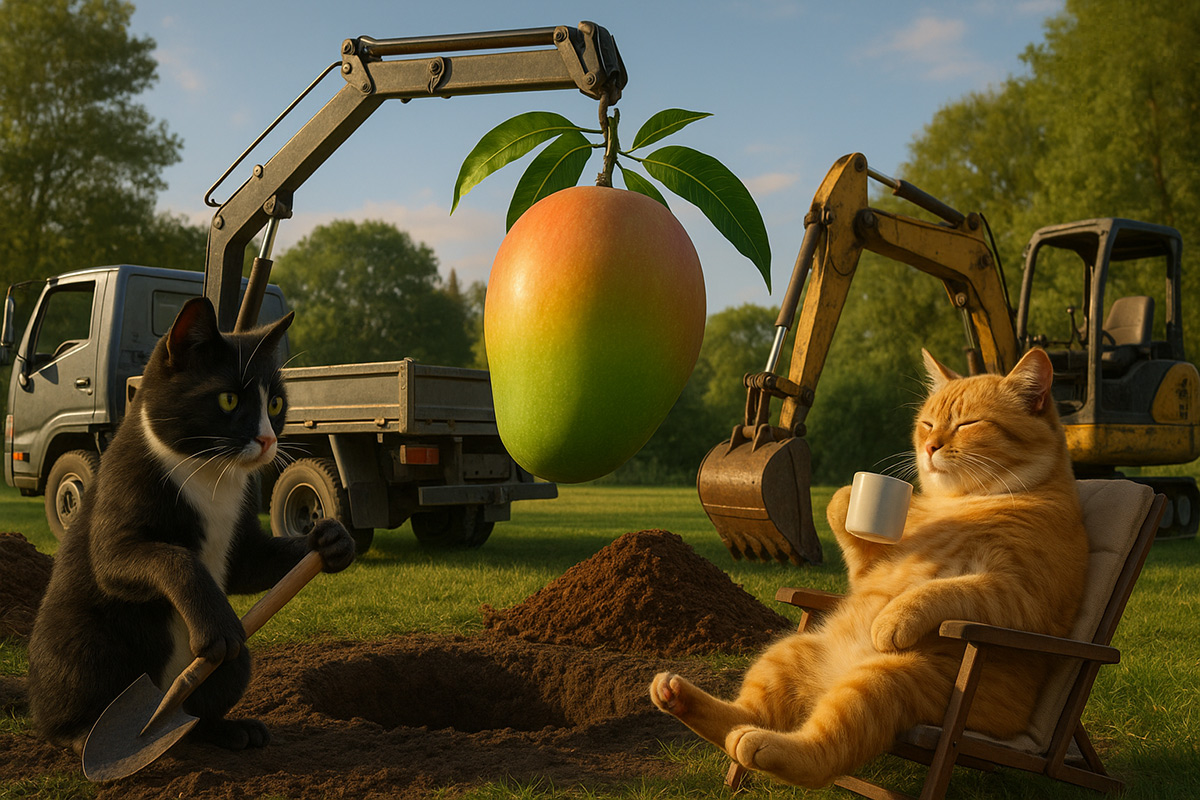
"Next Time We'll Specify - A TREE!" - Smokey and Sunshine Plant a Giant Mango
🌡️ Why plant now?
Fall is the perfect time to plant tropical fruit trees. The soil is still warm, the air is mild, and your trees can quietly build strong roots. By spring, they’ll already be settled and ready to grow fast.
Imagine walking outside next summer and picking your own mangoes from a tree you planted this fall!
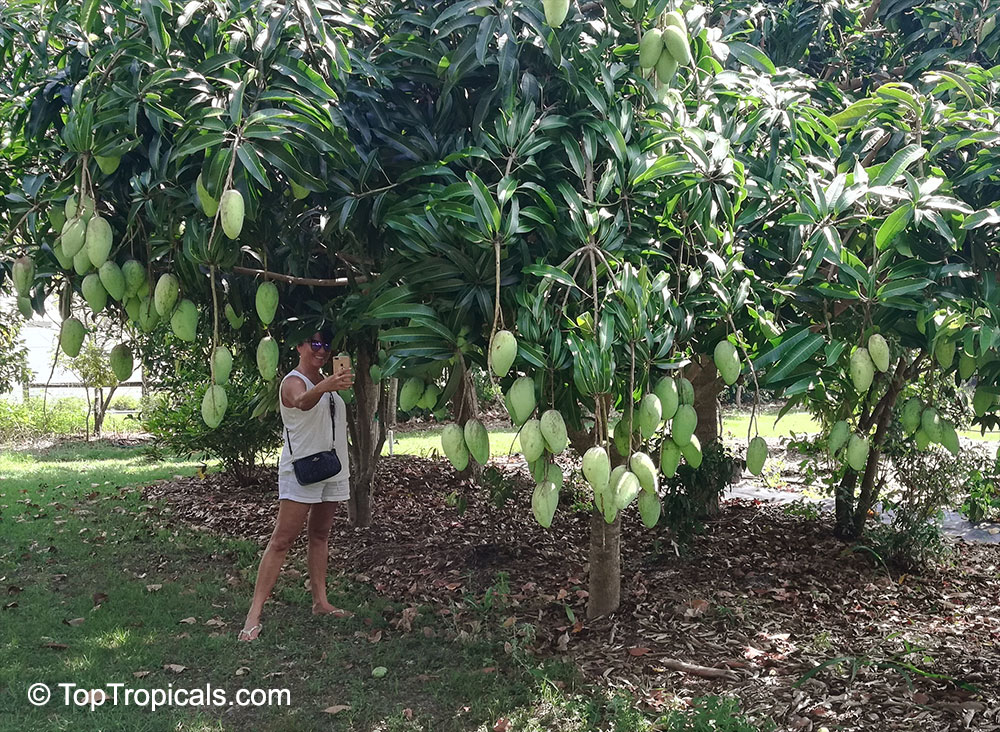
💲 Special Offer – 20% off Large Mango Trees: 7-15 gal
Get 20% OFF large grafted Mango trees (7-25 gal) with code
MANGO2025
Min order 150 (excluding S/H), valid online only, cannot be combined with other offers.
Hurry, offer expires November 03, 2025!
👉 Explore Mango Varieties:
15 gal pots: pick up or delivery