Garden Blog - Top Tropicals

Date: 29 Nov 2023

What plants are good to order in Winter?

Christmas  dog  and  night  moon  with  snow

Photo above: Christmas time in Ukraine (left) and Florida (right)

Q: Are there any tropical plants that will do well if I order them in Winter? We just bought a house in New Jersey with a large sunroom, and I can't wait to fill it with tropical beauties! Should I wait until Spring, or do you have something for a Winter start?

A: This is indeed a very good question, as many tropical plant collectors grow their treasures outside the tropics. The short answer is - yes! You can start filling your tropical sunroom any time of the year, but some plants are easier to deal with in Winter than others. Below are some guidelines.
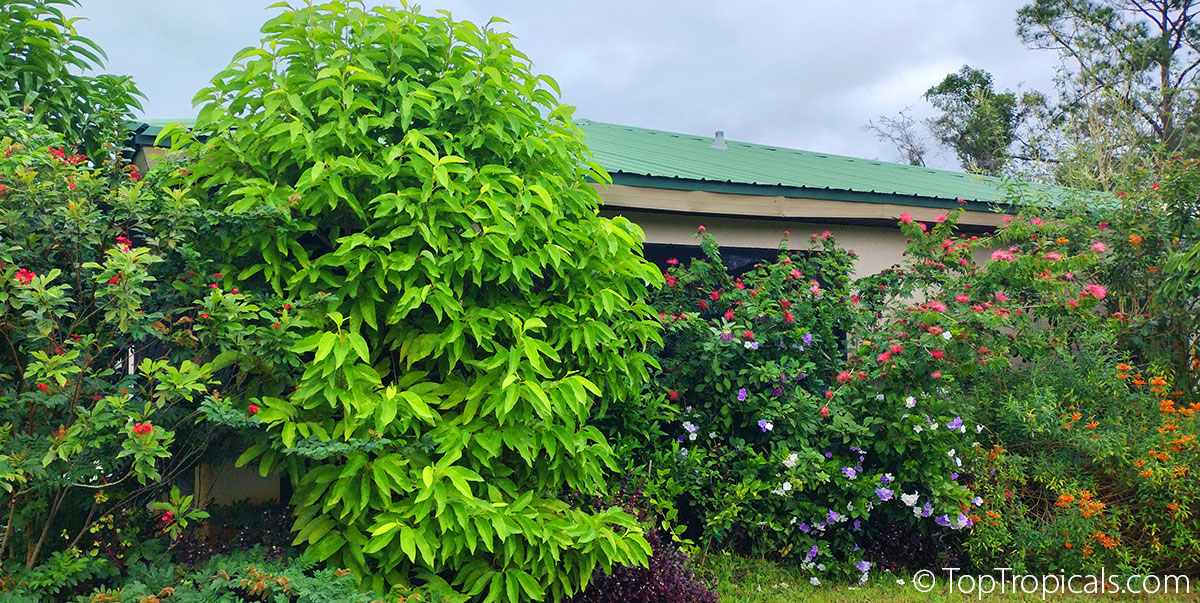
Winter  bloomers:  Jatropha,  Champaka,  Brunfelsia,  Calliandra,  Leonotis

Winter bloomers today, left to right: Jatropha, Champaka, Brunfelsia, Calliandra, Leonotis.

1. Plants that prefer Winter shipping to avoid overheating stress:
- All plants with lush foliage such as Philodendrons, Medinilla
- Trees with fine feathery leaves such as Moringa, Jacaranda, Poinciana
- Some fruit trees sensitive to overheating during shipping: Papaya, Stawberry Tree, Starfruit (Carambola), Bilimbi.

2. Subtropical plants that are relatively cold hardy
- Fruit trees: Loquats, Olives, Avocados, Tropical Cherries: Eugenia, Malpighia, Noni (more cold hardy than you may think), Canistel.
- Flowering trees: Champaka, Tabebuia.
- All Bananas
- see all relatively cold hardy plants

3. Winter-dormant and/or deciduous plants: Adeniums, Plumerias, Gingers, Sugar Apple , Peaches and Plums, June Plum and Hog Plum.
See all deciduous/winter dormant plants.

4. Orchids, including Ground Orchids.

5. Winter flowers. Keep in mind that many tropical plants are winter bloomers, and their flowering is most profuse in Winter months, so you can enjoy the blooms right away:
Dombeya, Thunbergia, Gloxinia, Brunfelsia, Calliandra, Tibouchina, Barleria, Leonotis, Clerodendrums, Chinese Hat (Holmskioldia).
See all Winter bloomers.
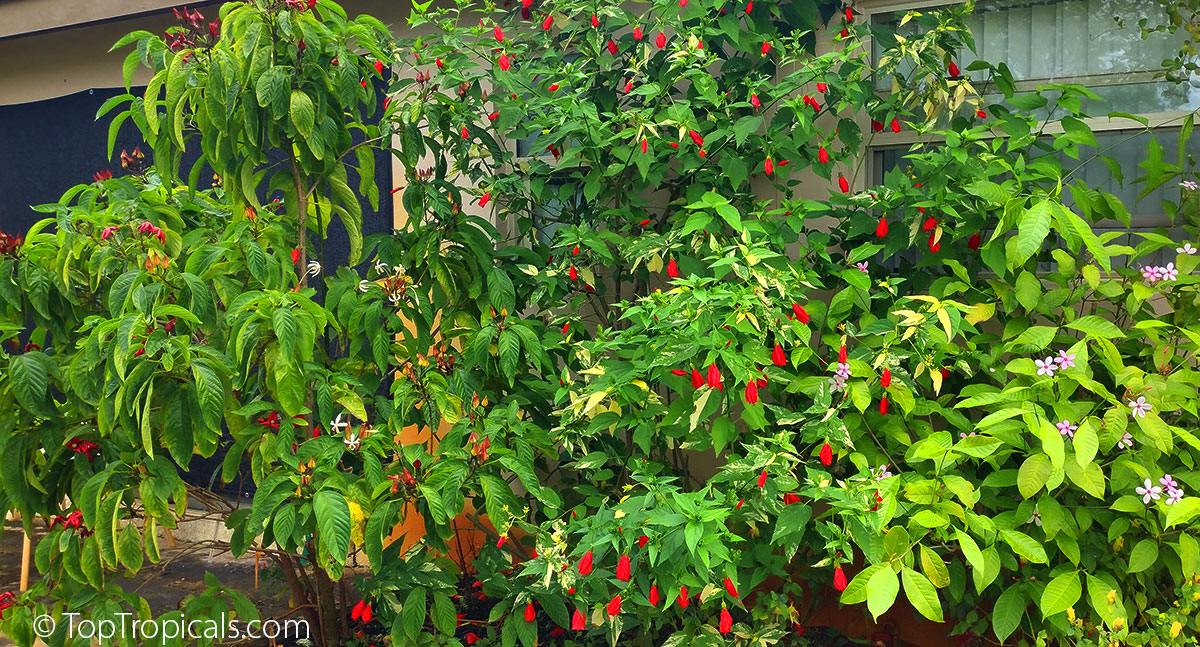
Winter  bloomers:  Clerodendrum  minahasse,  Malvaviscus  Summer  Snow,  Kopsia 
 fruticosa

Winter bloomers today, left to right: Clerodendrum minahasse, Variegated Malvaviscus Summer Snow, Kopsia fruticosa

6. Winter plant care. During Winter the daylight is shorter and temperatures are cooler.
- Reduce watering
- Use only liquid amino-acid based fertilizer Sunshine Boosters (safe to use year around)
- Monitor insects.

7. Shipping in Winter. We ship year around. However, if it gets below freezing in your area, you may use FedEx Hold location, they are temperature controlled so you don't have to worry about a box being dropped off at your cold porch outside.

8. A note for mild climate residents. Most tropical plants can be planted in the ground year around. Some ultra-tropical tender species such Chocolate tree, Ylang Ylang, or small size Mango trees can be grown in pots until Spring and planted out once chances of cold spell are gone. Until then, they can be moved indoors for cold nights.

Think outside the box and bring tropical paradise indoors during the time when we need warmth the most! Tropical plants will brighten your short winter days and help you to have truly HAPPY HOLIDAYS!
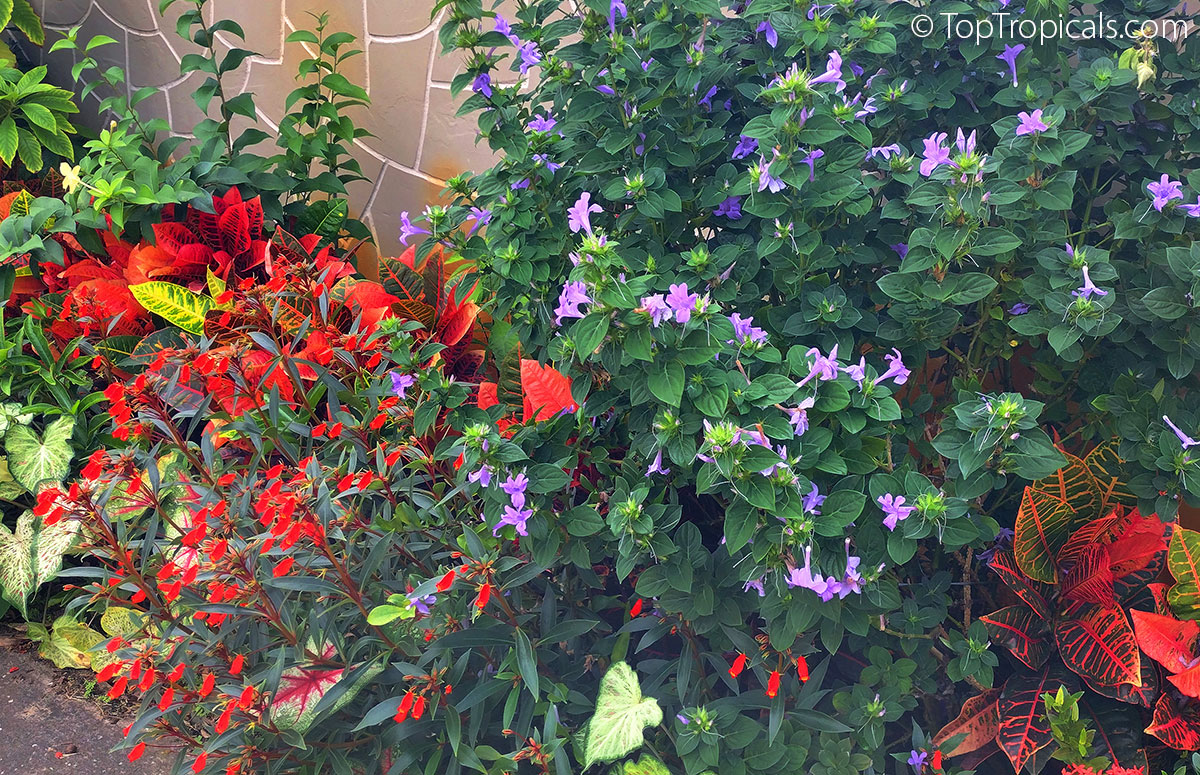
Winter  bloomers:  Gloxinia,  Barleria,  and  ever-bright  Crotons

Winter bloomers today, left to right: Gloxinia, Barleria, and ever-bright Crotons...
Date: 3 Aug 2025

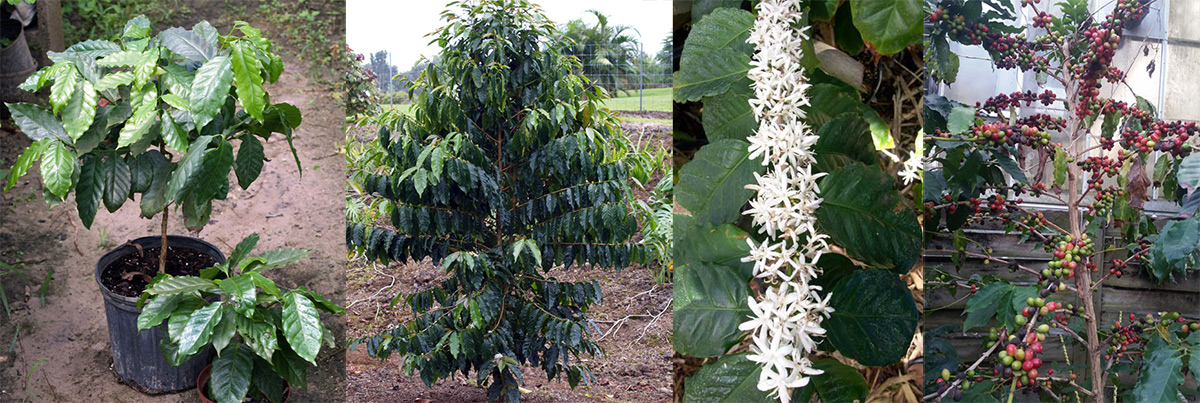
Four  stages  of  Coffee  Tree  growth:  a  young  potted  plant,  a  mature  tree  in  the  ground,  white  star-shaped  blooms,  and  a  branch  full  of  ripening  red  and  green  coffee  cherries.

What is the most popular and easiest tropical fruit tree to grow indoors?

No doubt about it - it's the Coffee Tree.

  • Coffee is shade-loving and easy to grow with regular water
  • It grows into a dark green shrub or small tree (about 3 to 5 feet tall in a pot)
  • Its fragrant, star-shaped flowers resemble gardenias
  • The whole fruit is edible and turns green to yellow to red
  • The seeds are real "coffee beans" that can be dried, roasted, and ground at home.

Five Reasons to Grow a Coffee Plant

  • Perfect Indoor Fruit Tree: Thrives in filtered light and stays compact
  • Low Maintenance: Forgiving, adaptable, and ideal for new gardeners
  • Aesthetic Appeal: Glossy green leaves and clusters of white blooms
  • Homegrown Coffee: Yes, you can roast your own beans.
  • Year-Round Beauty: Evergreen with seasonal fragrance

Coffee Plant Care Tips

  • Light: Bright, indirect light is best. Avoid harsh afternoon sun.
  • Water: Keep soil lightly moist but not soggy. Let the top inch dry out before watering again.
  • Humidity: Loves higher humidity. Mist regularly or place on a pebble tray.
  • Fertilizer: Use a balanced, gentle fertilizer like Sunshine Boosters C-Cibus every few weeks during growing season.
  • Soil: Loose, rich, and well-drained. High in organic matter and slightly acidic. For potted plants, use a quality indoor tropical mix, such as Top Tropicals Abundance mix
  • Repotting: Refresh soil and size up the pot every 1–2 years to keep roots healthy.
  • Can I grow it outdoors?: Yes - bring it outside in warm months and back indoors before frost. It's best suited for USDA zones 10-11, but container growing gives you flexibility in cooler climates.
  • How long until I get beans?: Expect flowers and fruit within 3 to 4 years from seedling stage - often sooner if you start with a young tree.
  • What does the fruit taste like?: Mild and sweet-tart, like a mix between a cherry and a cranberry. You can eat it fresh.

How to Make Coffee from Your Own Tree

  • Harvest: Pick the ripe red cherries
  • Pop and Soak: Squeeze out the beans and ferment 1-2 days to remove pulp
  • Dry: Spread out to dry for 1-2 weeks until hard and papery
  • Husk: Remove the thin shell to reveal green beans
  • Roast: Use a dry skillet or oven until fragrant
  • Grind and Brew: Cool, grind, and enjoy the freshest coffee you've ever had.
    Learn more: How to make your own coffee from homegrown beans

Coffee Health Benefits

  • Rich in antioxidants - supports heart and brain health
  • Boosts focus and mental alertness
  • Supports metabolism and fat-burning

Why Coffee Makes the Perfect Gift Plant

  • Long-living and beautiful
  • Symbolic, useful, and personal
  • Great for coffee lovers, gardeners, and the "person who has everything"

Read Garden Blog about Coffee

Shop Coffee Plants

Date: 8 Jun 2023

Repotting tropical plants

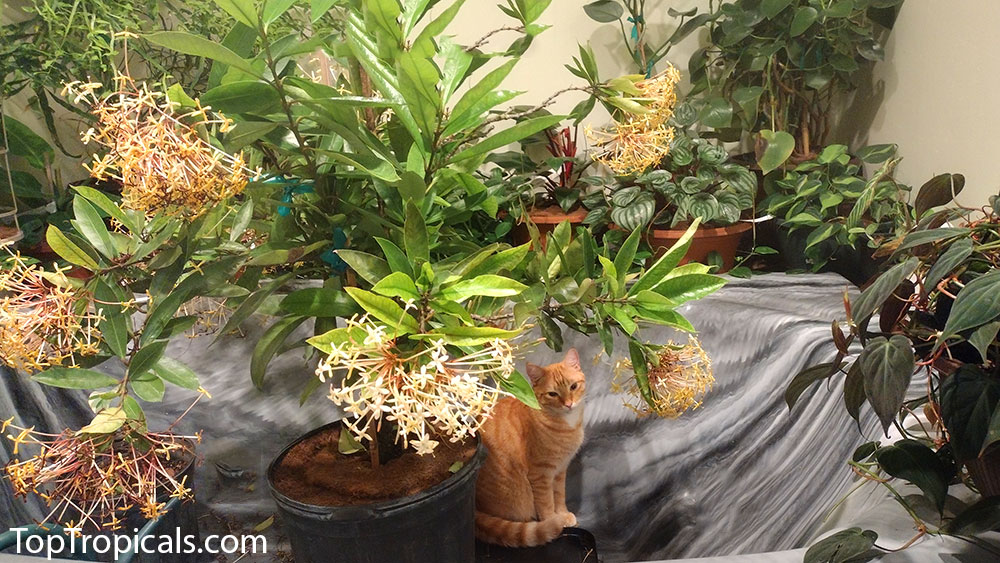
Orange  cat  with  indoor  plants

By Alex Butova, the Witch of Herbs and Cats

Q: When is the best time to repot tropical plants?

A: Repotting tropical plants is vital for their overall health and growth. The best time to repot them is during the Spring through early Summer, when they start active growth.

Start by selecting a well-draining soil mix that consists of equal parts potting soil, peat moss, and perlite. Gather the necessary supplies, including a slightly larger pot, the soil mix, and a good fertilizer

Carefully remove the plant from its current pot, trim any damaged branches, and place it in the new pot with fresh soil mix. Be sure to position the plant with the growth point slightly above the soil level. Water the plant thoroughly but avoid overwatering. After repotting, find an appropriate location with suitable lighting conditions for your plant. Monitor the moisture levels and water when the top inch of the soil feels dry.

Additionally, apply the appropriate Sunshine Boosters fertilizer according to the instructions on the packaging. Use Sunshine Boosters fertilizers for specific plant needs (Robusta for foliage, Megaflor for flowering, Ananas for pineapples, etc.). It is safe to apply Sunshine Boosters all year around. Keep a close eye on the plant for any signs of stress or issues and adjust your care routine as needed. Help the plant to cope with stress by spraying with solution of Sunshine Epi.

Enjoy the beauty of your thriving indoor tropical garden!

repotting  a  plant

Date: 16 May 2024

When Bigger means Better

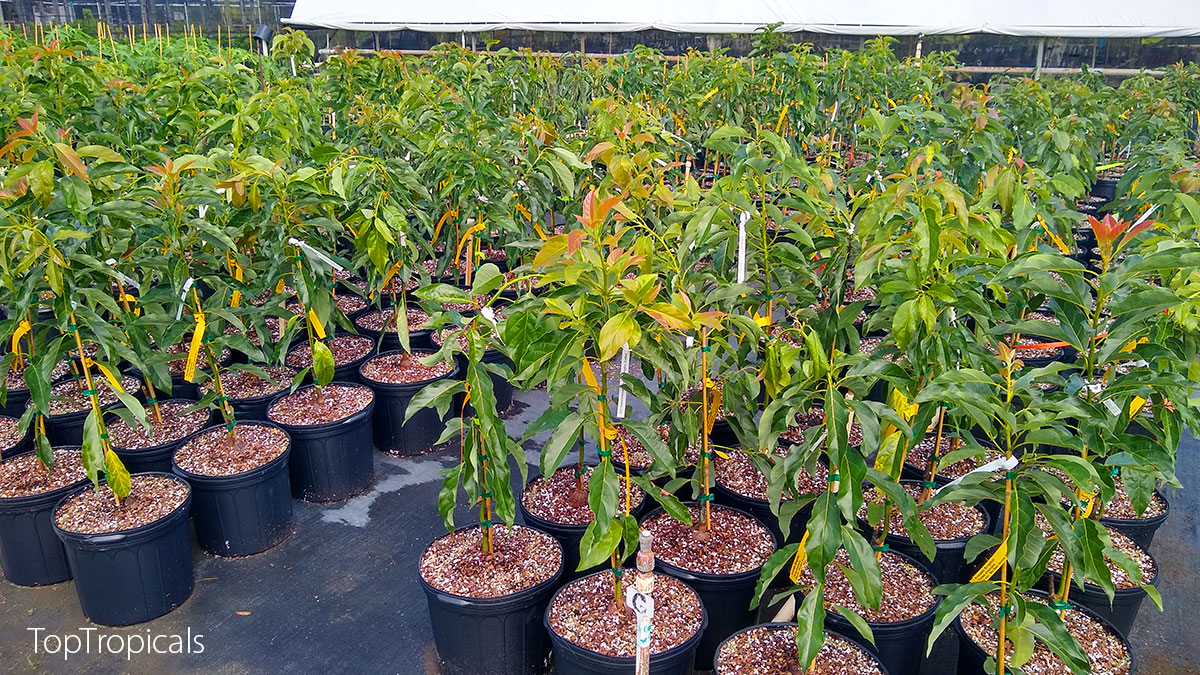
Large  Avocado  trees  in  containers

Everybody loves shopping online nowadays, and plants are no exception. Buying plants by mail order is not uncommon anymore; it only takes one click, and luckily, there are many sources - from big shopping malls like Amazon to small backyard nurseries that sell their seedlings on eBay or Facebook - all delivered to your door. But plants are alive... So when doing your online plant shopping, you must ensure that you fully enjoy your experience and are happy with a healthy plant that a) doesn't die; b) recovers quickly; and c) starts growing fast, so you can see flowers and fruit as soon as possible.

The rule of thumb for shipping plants: bigger plants undergo shipping better, experience less stress, less leaf drop, and recover quicker than plants with smaller root systems. So when it comes to buying plants online, the bigger, the better. Unfortunately, many mail-order plant sources may sell you a tiny twig that has very few chances of surviving. Shipping is very expensive today, so shipping a bigger size plant may cost more than the plant itself.

Below is a piece of advice on how to make the best plant selection for your garden...

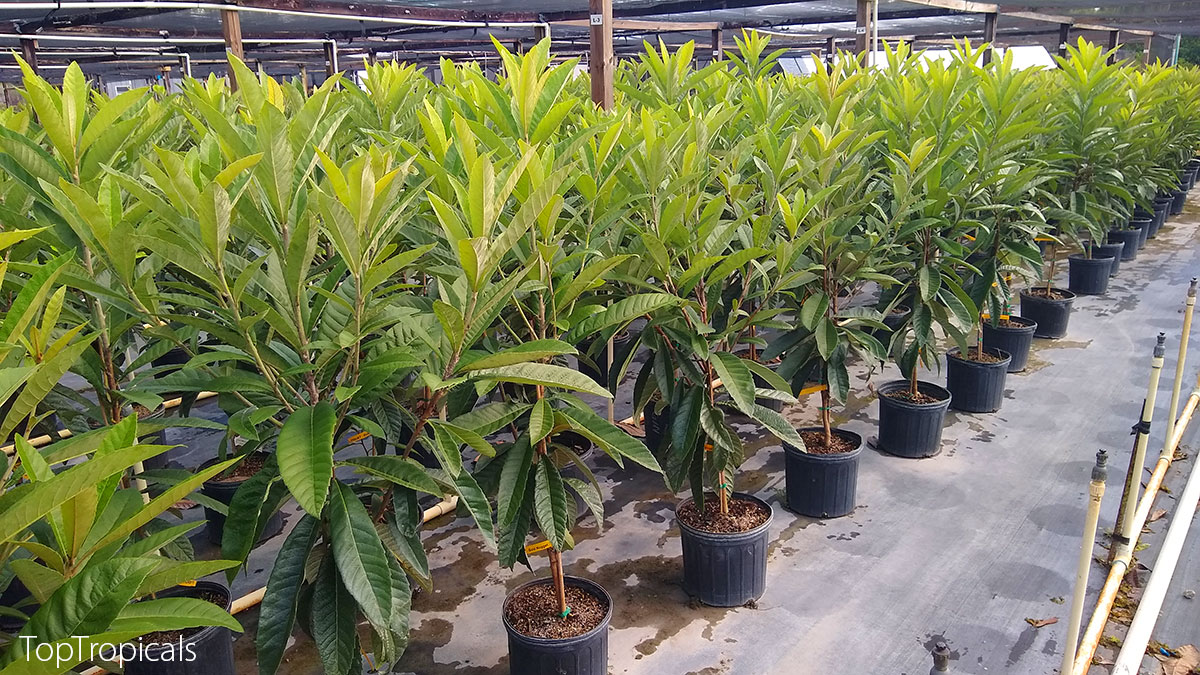
Loquat  trees  in  containers

Photo above: Loquat trees in 3 gal containers.

5 important rules on how to buy trees online

1. Find a source with bigger plants. Check reviews, ask friends for recommendations, inquire from the company about the size of their plants and how they pack their plants for shipping.
TopTropicals offers well-established, strong plants with developed root system, in container sizes 1, 3, 7, 15 gallon, directly from a tropical Florida growing farm. Our unique plant-packing techniques are state of the art!

2. Price not always reflects the size and quality of the plant
TopTropicals offers many deals, discounts and sales, while still providing the biggest and strongest plants grown in real tropical conditions.

3. Most fruit trees must be grafted to produce good fruit. Make sure you are not purchasing a seedling when it comes to Mango, Avocado, Peaches and some other trees with named varieties that don't come true to seed.
TopTropicals offers only grafted - Mango, Avocado and a large number of other tropical cultivars.

4. Pick up when possible from the nursery your ordered from, or get a delivery, instead of shipping the plants. A drive to the nursery will save you more time and money in the future, plus you can hand-pick the biggest and healthiest specimens.
TopTropicals is open 7 days a week for your convenience. Visit our Ft Myers Garden Center or Sebring Farm to select the biggest plants.

5. Take advantage of X-Large size plant material if you live outside the tropical zone and are trying to zone-push your tropical garden. Bigger plants will establish faster and have more chances to survive cold winters. Again, it will save you money in a long run (although bigger plants may be more expensive, but their survival rate is much higher when it comes to cold nights).
TopTropicals offers X-Large flowering and fruiting trees (7-15-25 gallons), and most of the varieties you see in our online store can be custom-ordered in big sizes. Delivery and installation available.

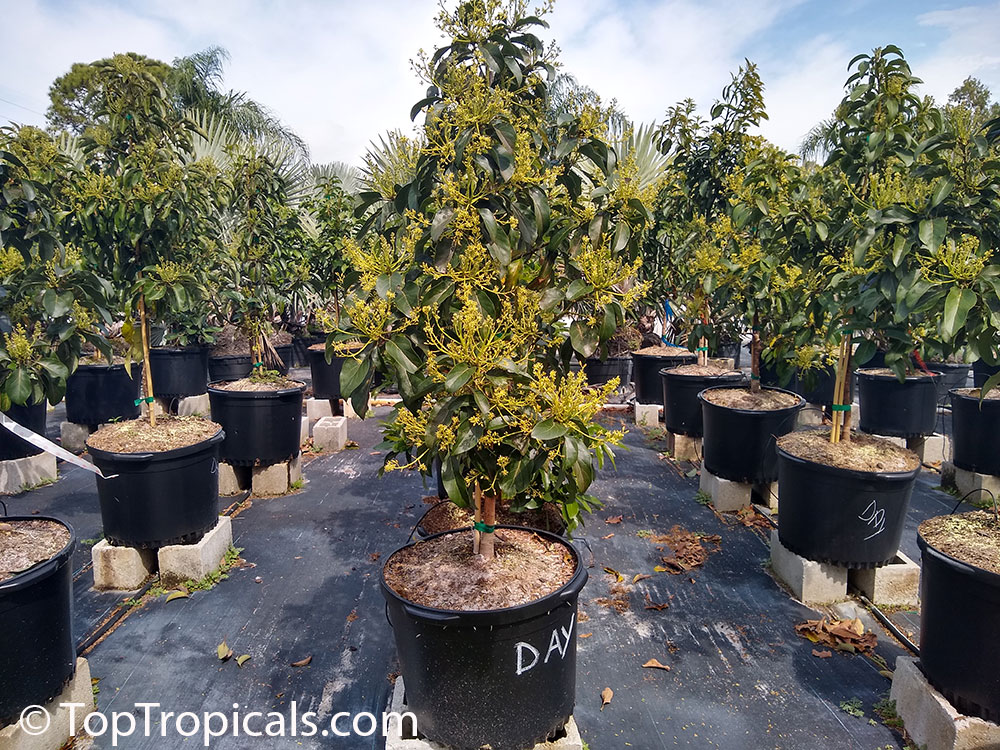
Avocado  trees  in  containers

Photo above: Avocado trees in 7 gal containers.

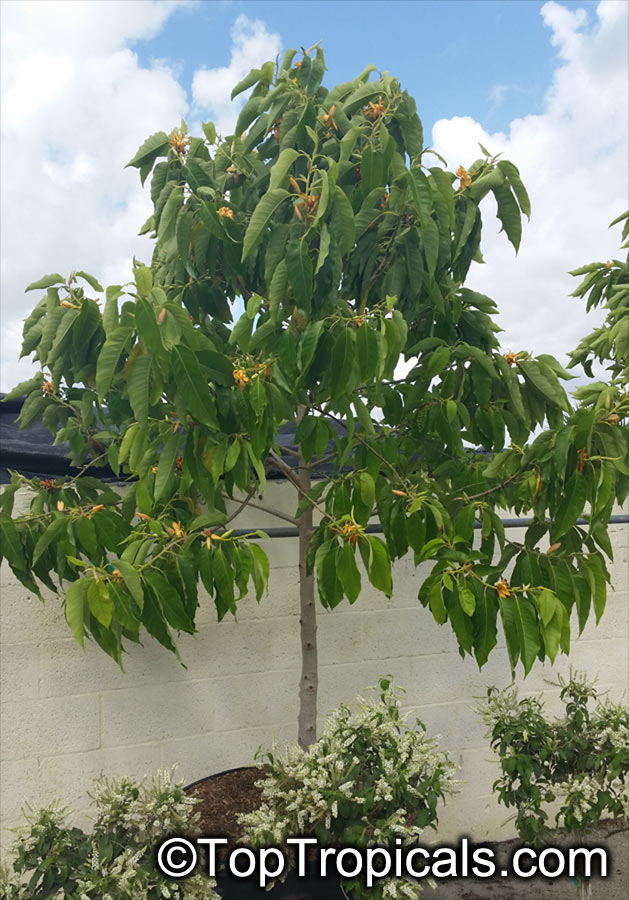
Large  Champaka  tree  in  container

Photo above: Magnolia champaca - Joy Perfume Tree in 25 gal container.

Date: 18 Feb 2025

Unlock Your Carefree Tropical Paradise:
Discover Our Useful Succulent Sale!

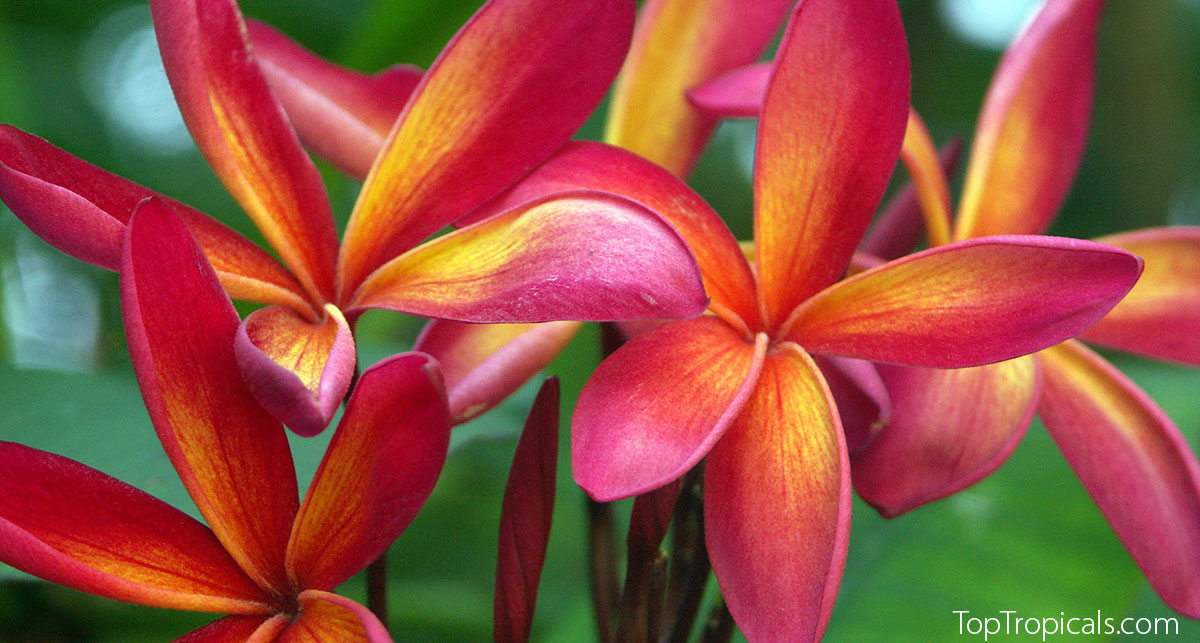
Red  plumeria  flower

Beautiful flowers and Edibles

It's no secret that everyone's dream plant is the one that requires little to no care yet still blesses us with the beauty of flowers or the bounty of fruits. Does such a plant exist? Some might say, "Sure, get a plastic one!" But the truth is, some tropical plants, which typically need a lot of water and nourishment, can thrive with minimal effort.

Dive into our Useful Succulent Sale, where you'll find plants like the enchanting Plumerias, the striking Adeniums (Desert Roses) and Starfish Flower, fragrant Epiphyllums (Queen of the night), delicious Dragon Fruits, and exotic Barbados Gooseberries that promise a low-maintenance slice of paradise. These hardy succulents need just sunshine, occasional watering, and a splash of our liquid Sunshine Boosters for flourishing flowers and fruits. Take advantage of our INSTANT 15% discount on all these splendid succulents - one week only!

Instant 15% discount to start your carefree tropical garden today!

No code required!

No min order. Exp. 2-25-25

Reminder: use our FREE and DISCOUNTED SHIPPING for qualified orders

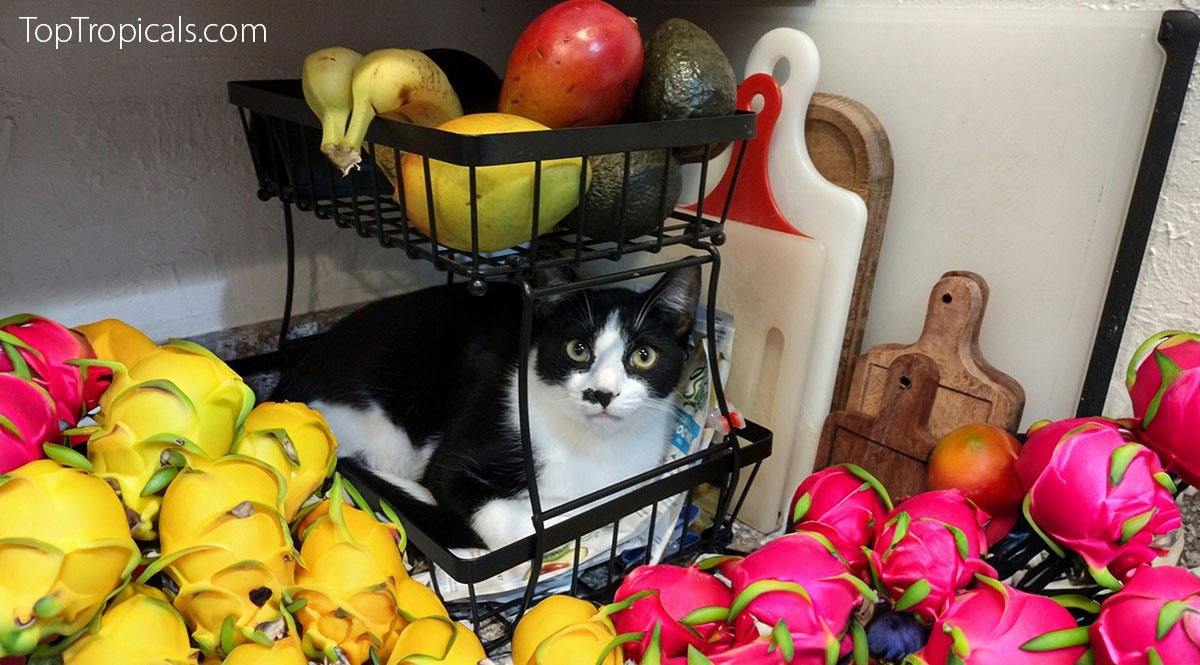
Dragon  fruit  cat

Dragon Fruit, or Pitaya - a striking member of the cactus family known for its spectacular night-blooming flowers and vibrant fruit. This climbing cactus can stretch up to 30 feet, producing fruit with flesh in shades of white, red, or magenta. Rich in antioxidants, it offers health benefits such as reducing the risk of cancer and heart disease. A staple in both traditional and modern cuisine, it's featured in products from major brands like Tropicana and Snapple. According to the legend the fruit was created thousands of years ago by fire breathing dragons.

Epiphyllum  oxypetalum  -  Queen  of  the  Night

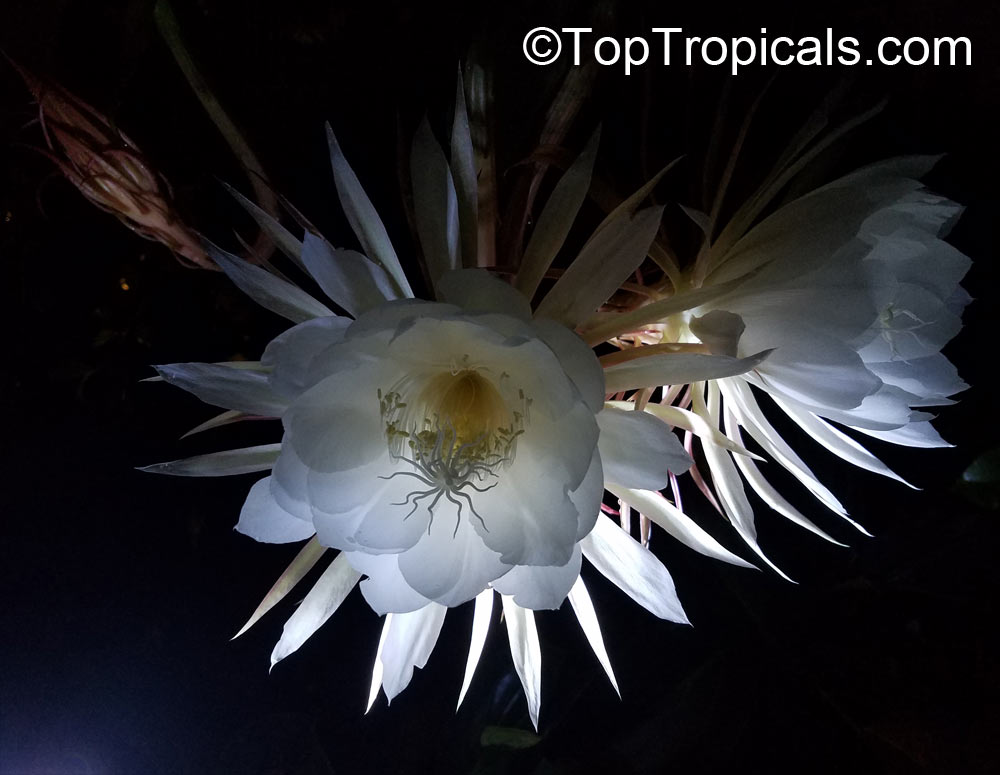
Epiphyllum oxypetalum - Queen of the Night - exotic cactus from tropical rainforests with large, meaty leaves and spectacular, huge white flowers that bloom nocturnally, filling the night with their powerful fragrance. A truly mesmerizing addition to any Southern or indoor garden.

Stapelia  gigantea  -  Starfish  Flower

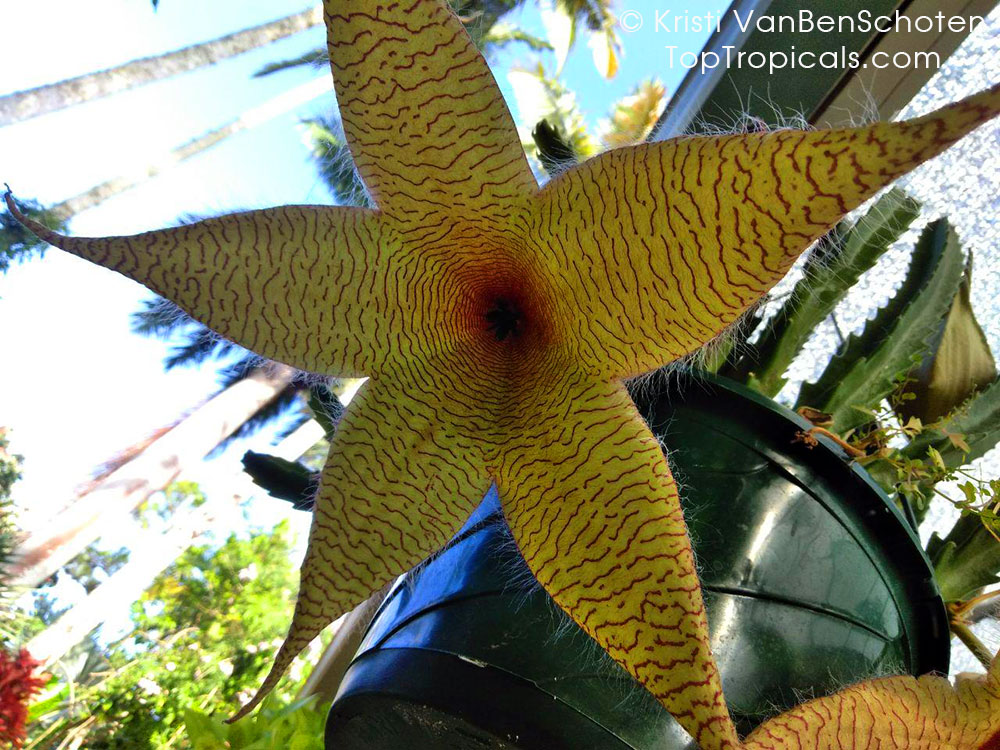
Starfish Flower (Stapelia gigantea), or Zulu Giant - Large, up to 12"wide flowers in shape of Star Fish. The plant looks like a cactus, but it's really not, belonging to Milkweed family. Makes a stunning container plant and a conversation piece!