Date: 24 Jun 2018

Mysterious Night Blooming Cactus - Epiphyllum. How to grow it?
Q: My friend has a huge Queen of the Night Cactus, and the blooms are so gorgeeous! She gave me a cutting but I am not sure how do I plant it? How long will it take till it starts blooming? Is it true that it has only one flower once a year and only at night?
A:
Queen of the Night is a very popular and yet mysterious
plant. The flowers open once a year after sunset for one
night. However the flowering period can last a month or
two during the warm season. So each flower lasts only one
night, but there will be more flowers to come! In the
Nature, Epiphyllum oxypetalum - Queen of
the Night - grows on trees in the jungles of Central
and South America. It is actually very easy to grow as an
indoor plant in colder climates. Here is South Florida we
grow them outside in hanging baskets. This is how to start
Queen of the Night from a cutting:
1) Put the cutting in a dim, dry place for three days,
with no soil and its base exposed to the air, so it will
form a callus.
2) Fill a 4-6-inch pot with slightly damp potting soil or succulent mix. Insert the
cutting 1 or 2 inches into the soil and tamp the soil
around its base.
3) Place the pot where the cutting will get bright light,
but no direct sun. Spritz it occasionally with a spray
bottle of water to keep the soil only slightly moist. It
should root in couple weeks.
4) Keep the plant on an east- or west-facing windowsill
where it will receive direct sunlight only in early
morning or late afternoon. Water the cactus until water
runs out of the pot's drainage holes. Dump the excess out
of the pot's saucer immediately, and wait until the
surface of the soil is dry to the touch before watering
your cactus again.
5) Fertilize once a month from March through October with
a balanced plant food, and
apply micro-elements once a month
for a healthy vigorous growth. Refrain from feeding the
plant in December and January.
6) Position the cactus in partial shade under a porch roof
or tree, if you decide to move it outdoors during the
summer. This plant likes summer humidity!
7) Repot the cactus only once every two years or so, to
keep it slightly root bound. Wait until after it flowers
in summer, and repot it after it blooms. Prune off any
damaged growth at that time as well.
8) Move the plant to a cooler room over the winter months,
one that remains dark during the evening hours with
temperatures above 45 degrees. Reduce the frequency of
watering, waiting until its soil is dry. Resume regular
watering in March.
If grown from cutting, it may take 2-3 years until the plant starts blooming, so if you don't want to wait that long - just get a blooming size plant from our store!
We only have a few plants... if sold out, add to wish list and we will have more soon!

Date: 24 Jul 2023
Easy,
stress-free plants
for Summer planting

Q: With the rising temperatures, I'm concerned about shipping my plants safely. Can they withstand the heat during transit? Also, is it okay to plant them in the ground now, or should I wait for cooler Fall weather?
A: Your concern about shipping plants in hot weather is valid. For sensitive plants, we'll delay shipping until conditions are more favorable in your area. However, there are plenty of heat-tolerant tropical plants that handle shipping well with minimal stress. These plants adapt easily when planted during the hot summer months. Simply follow the included planting instructions, gradually acclimate them to full sun, and they should thrive.
Certain flowering tropical plants, such as Allamandas, Calliandras, Caesalpinias, Adeniums, and Clerodendrums, are excellent options for shipping and establishing during the summer. Flowering vines like Jasmines also adapt well. Consider using Sunshine Booster fertilizers to promote robust growth, they are safe to use right after planting.
Additionally, many fruit trees flourish in heat. Mangoes, Avocados, Pomegranates, Pineapples, Loquats, Eugenias - Tropical cherries, Bananas, Jackfruits, Dragon Fruit, and Olive trees are great choices for summer planting. Noni trees are hardy survivors and usually ship and grow well during the summer, in spite of their lush tropical leaves.
Feel free to check with us about the specific plant you plan to order for its suitability in summer shipping. We're here to take care of your green babies and address your year-round planting needs!
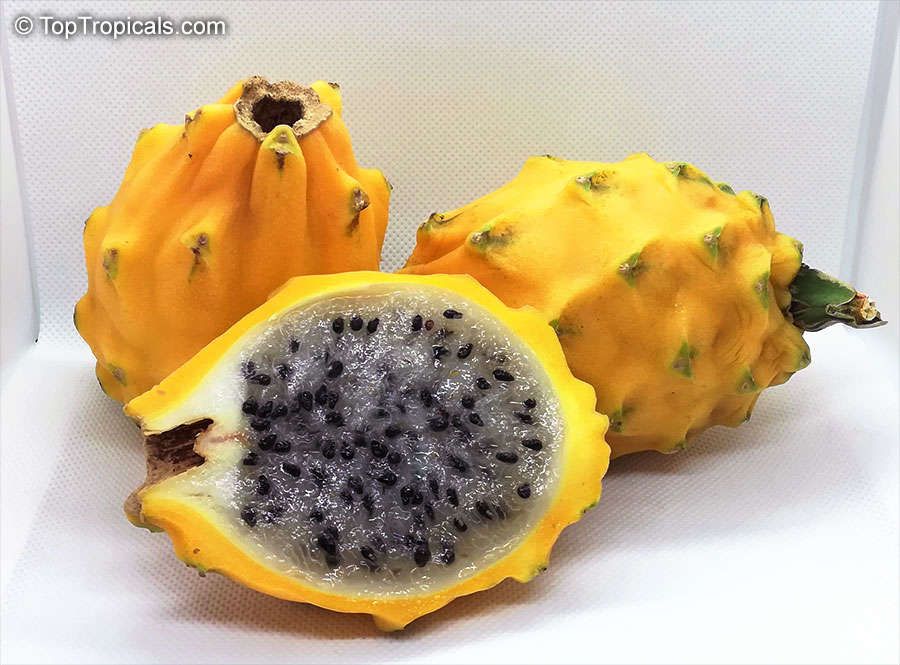
Pitaya, Yellow Dragon Fruit, Selenicereus megalanthus

Jasminum sambac Maid of Orleans thrives and blooms in hot sun
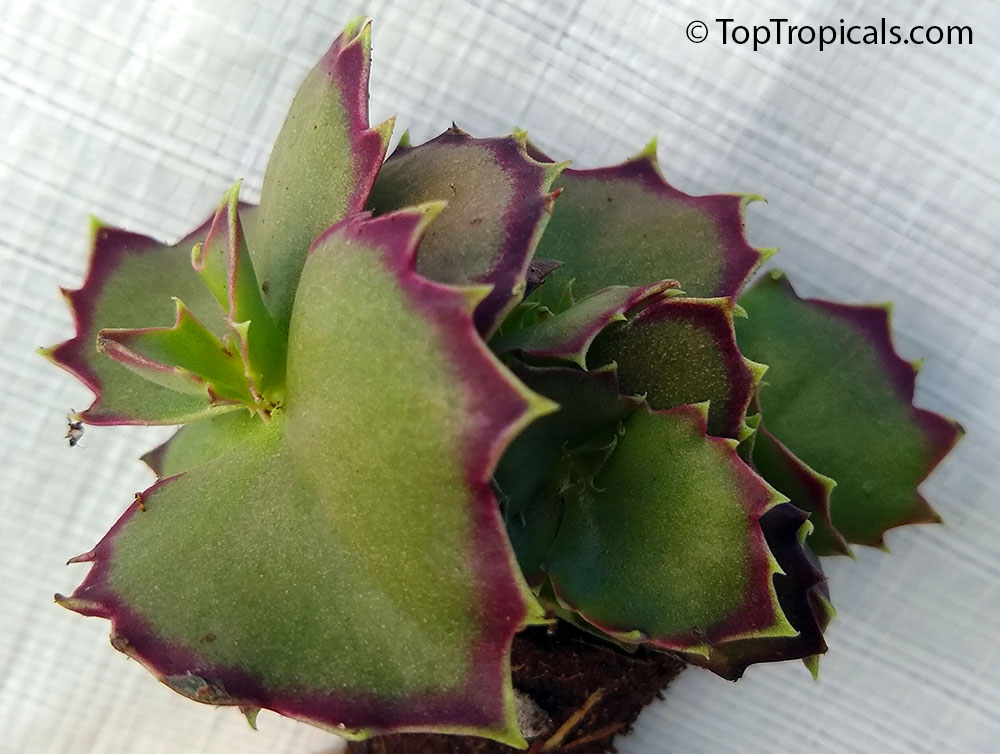
Date: 22 May 2024
What was not on cats diet
Philemon loves Avocado, and Bob loves corn 🌽
Tastes differ. Good night.🌜
📸 😺 👇 Share your cats in comments!
🐾 #PeopleCats in our Garden:
PeopleCats.Garden
🏵 TopTropicals
Date: 2 Jul 2024
Say Cheese! Bob is eating his favorite shredded cheese and purring - sound on!
🍿 Say Cheese! Bob is eating his favorite shredded cheese and purring - sound on! 🎤
He has extended healthy diet beyond his Corn and Philemon's Avocado.
🕯 Good night...
What special treats do your cats like? Share your cats in comments!
📸 🐈🐈🐈👇
🐾 More #PeopleCats in our Garden:
PeopleCats.Garden
🏵 TopTropicals
Date: 12 Jul 2024
How to protect fruit in your garden from greedy competitors
Mango Orange Essence fruiting
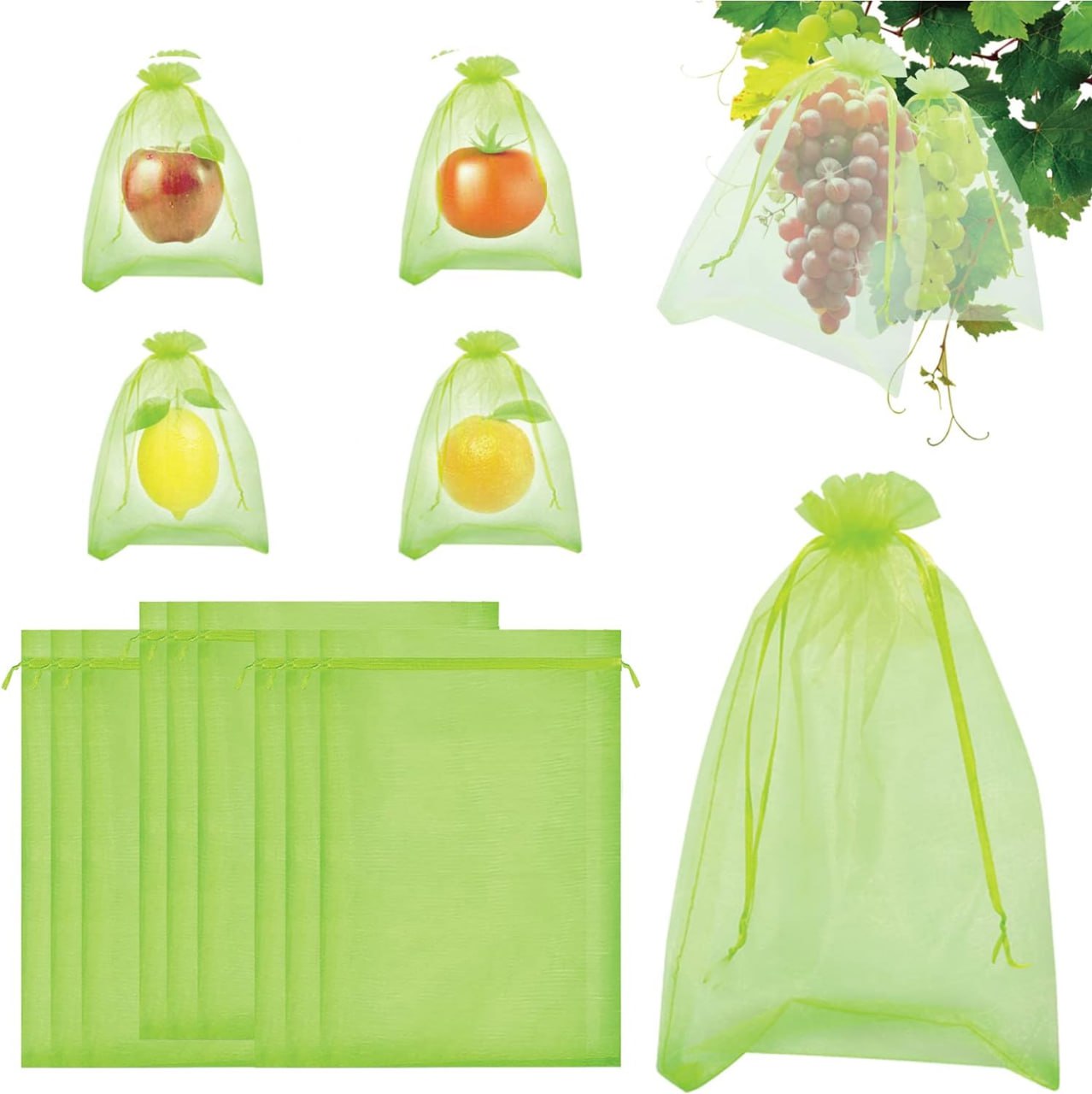
Fruit bags
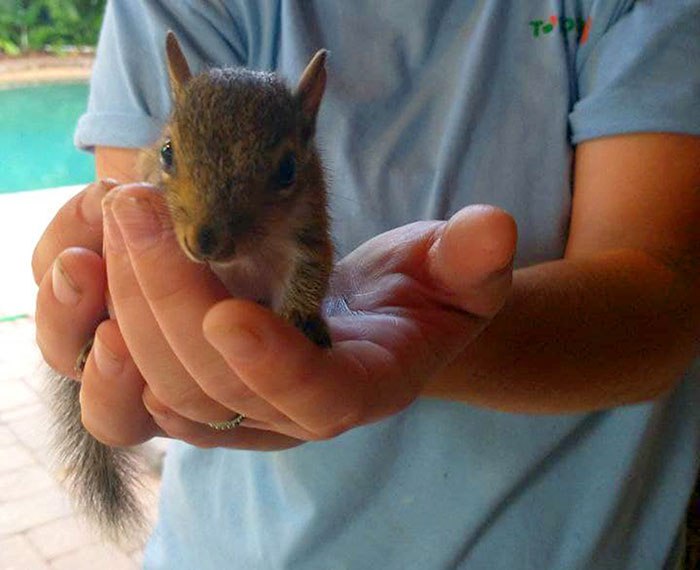
Squirrel
- 🥭
Here is how we protect our mango and avocado fruit - so far it works great:
💰💰💰 Fruit Protection Bags
These mesh netting bags/covers are made of strong nylon and have an easy drawstring, helping to protect developing fruit on a tree from insects, birds, and rodents. With drawstring closures on both ends, you can easily tighten bag around the fruit. Available from Amazon for only 15 cents a piece.
🥭🍒 Enjoy your fruit!
🛒 Dont's have your own mango tree? Plant one now to enjoy fruit tomorrow.
📚 Fun reading: Penelope, the Squirrel Cat
#How_to #Food_Forest
🏵 TopTropicals