👉 In spite of reputation being ultra tropical, the tree is not as cold sensitive as everyone believes. Mature trees can withstand light frost for a few hours without significant damage. Keeping Jackfruit in a pot is also an option in colder areas.
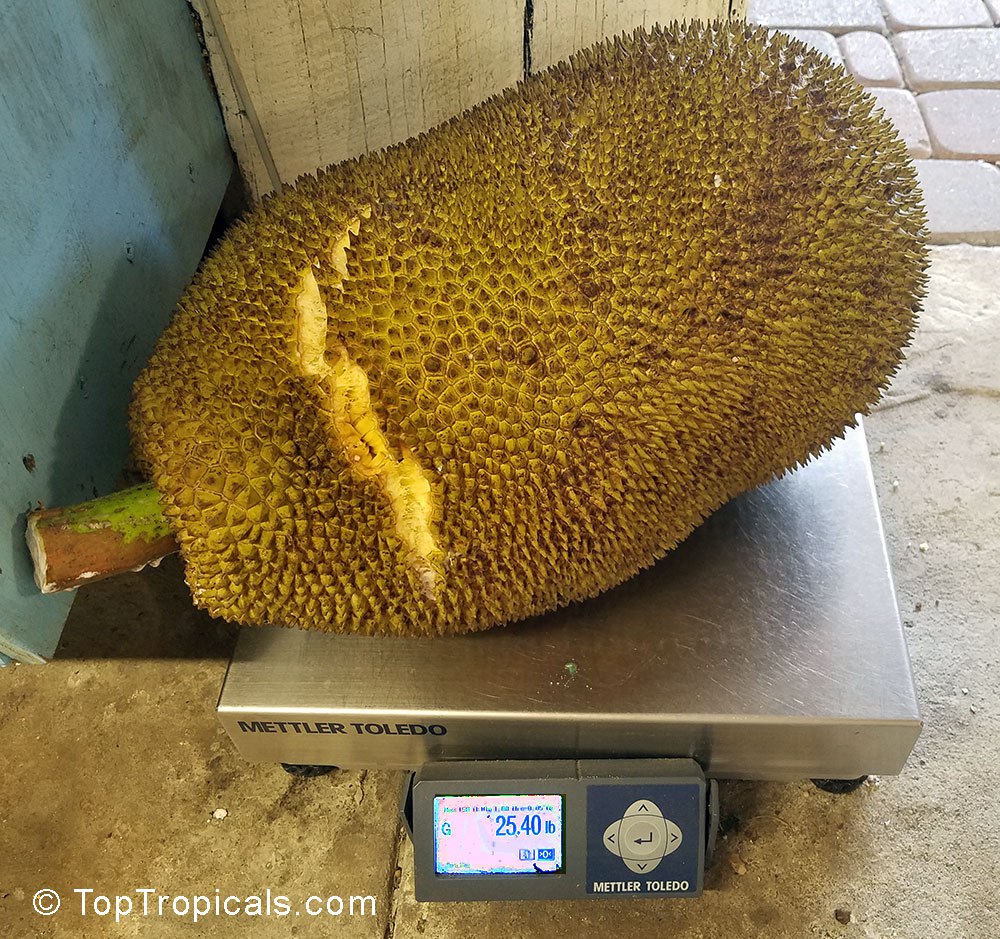
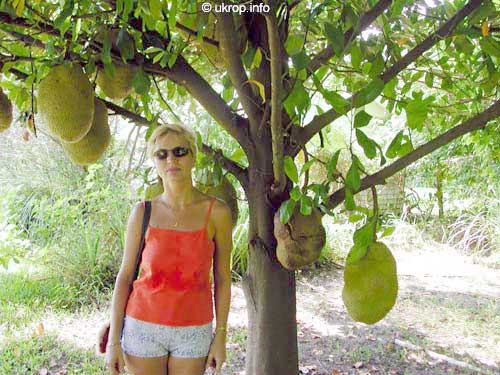
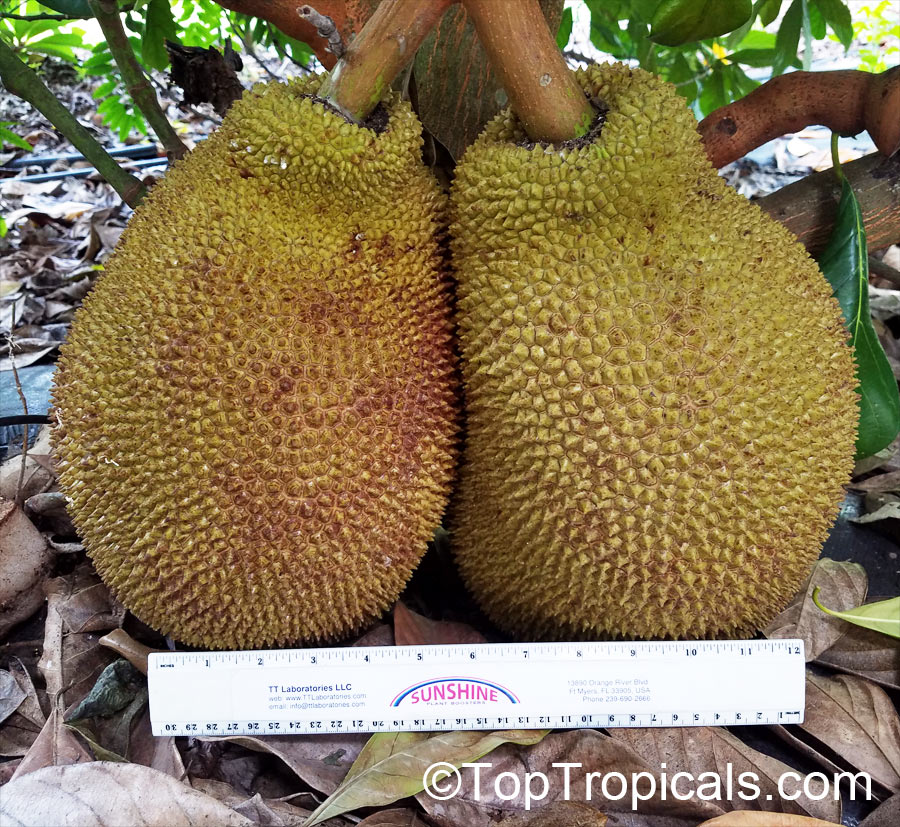
👉 The fruit is so large and heavy that the tree has a smart feature to produce only at the base of the trunk. This makes it possible to keep Jackfruit tree at very short height - 6-7 ft tall. It can be grown in containers considering regular topping/pruning.
🔻 Secrets of Jackfruit successful production:
📍 Frost free temperatures 📍 Soil rich of organic matter (compost, manure, peat moss) 📍 Moist soil and regular watering 📍 Constant pruning and keeping under 7-10 ft 📍Regular application of fertilizer, microelements and SUNSHINE-Honey supplement for better quality fruit.
Q: We leave in zone 6a, could you tell us what is the list of
different types of mango plants that could be planted indoor and that they can
bear fruits?
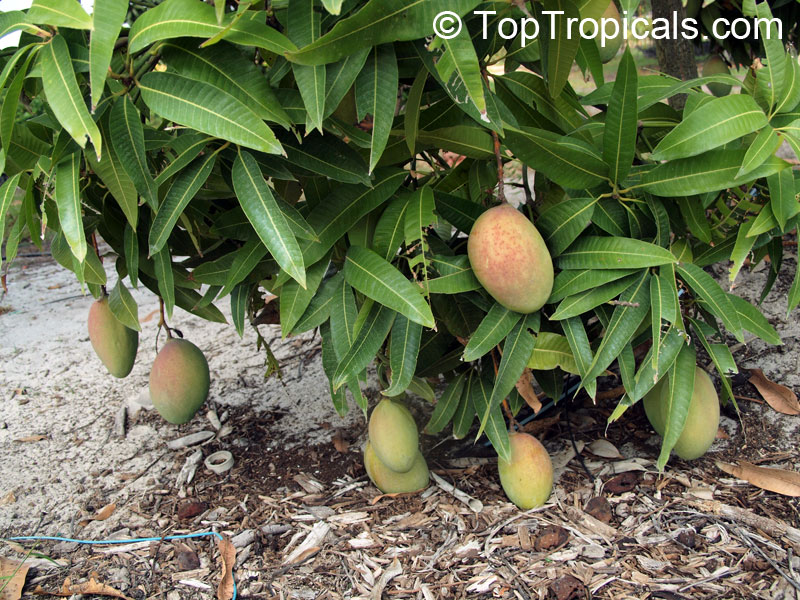
A:There is a large group of mangoes called "Condo Mango" - they
literally can be grown in your apartment! Those are dwarf varieties that can
remain compact in containers with minimal pruning and successfully bear fruit
providing bright light and proper care, including plant food.
They produce juicy, fiberless sweet fruit. Julie is also a very popular
dwarf variety, however, it is very cold sensitive and not the easiest to
grow. If you get a 3 gal size mango, step it up to 7 gal when the plant reaches 4
ft; you may use a bigger container as the root system grows, up to 15 gal or
even 25 gal, space permitting. Trim the tree under 6-8 ft after production
season is over (summer-fall).
Q: I want
to grow a Dragon Fruit. Should I use cuttings or seed? What varieties do you
recommend? How difficult it is to grow? How soon does it start flowering and
fruiting?
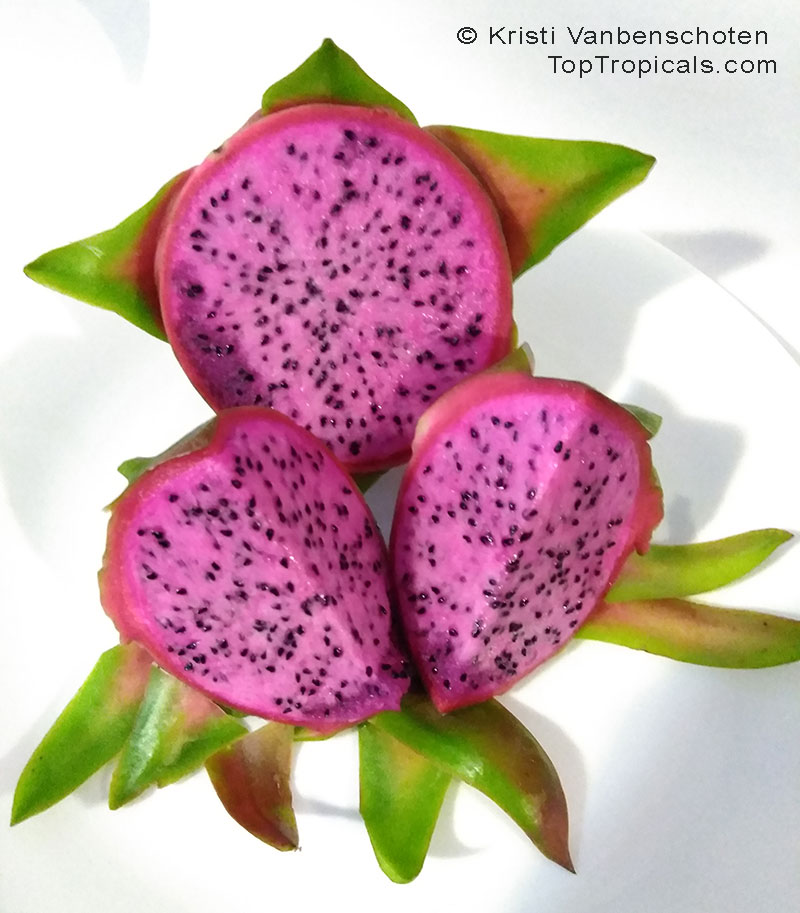
A:Dragon Fruit, or Pitaya is a highly prized, vining, fruit bearing
cactus, extremely unusual terrestrial/epiphytic plant. It has magnificent flowers,
stunningly beautiful fruit with an intense color, curious shape, and a
delicious taste. The night blooming white flowers can be up to 14 inches in
length. The fruit is most often eaten chilled and cut in half so the flesh may be
spooned out. The juice is used in frozen drinks and it is in a new Tropicana
Twister flavor. It is a must have for any collector or gardener with the flair
for the unusual.
It takes 2-3 years for seedlings to fruit, besides the variety pay not
come true to seed. We grow our plants from cuttings that are easy to root.
We offer many selected varieties, most of them self-pollinating. The plants are
ready to flower and fruit this year, or the next year.
Dragon Fruit Cactus is easy to grow, doesn't need much other than strong
support, full sun, well-drained soil - adenium soil mix works great - and fertilizer during hot months, and SUNSHINE-Honey applications for growing sweeter fruit. For larger fruit
bud thinning is recommended.
Q: Hope there is help for my beautiful amazing papaya tree! There
where a loooooooot of fruits on it, but it broke! First of all, it was
leaning and friends tried to straight my beautiful tree. What can I do? Will it
get fruits again?
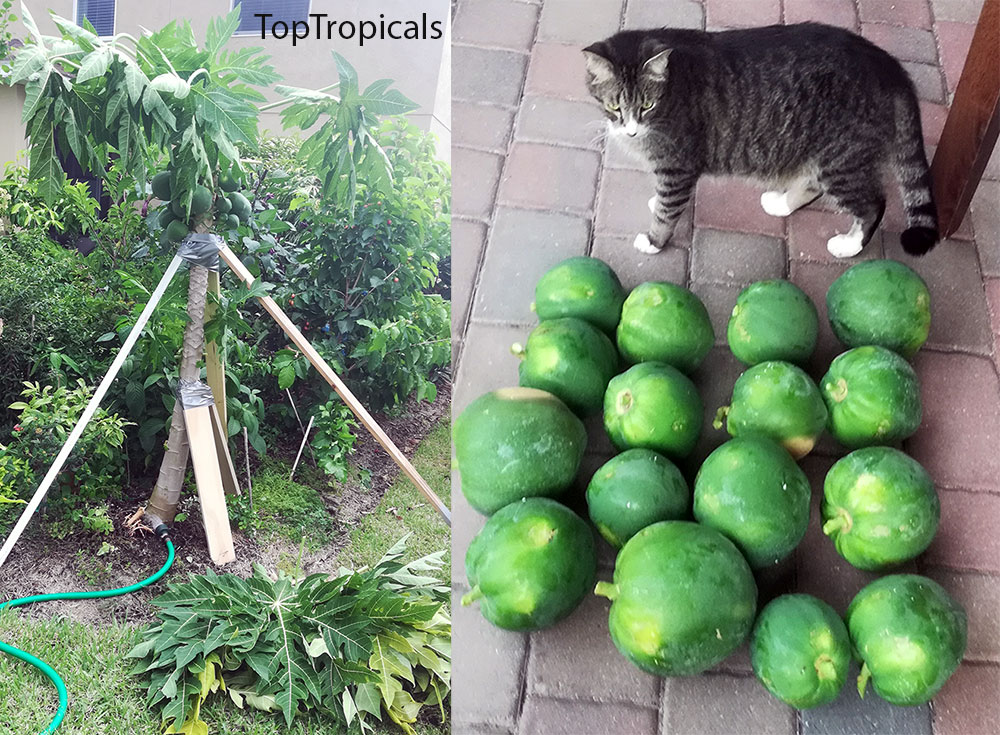
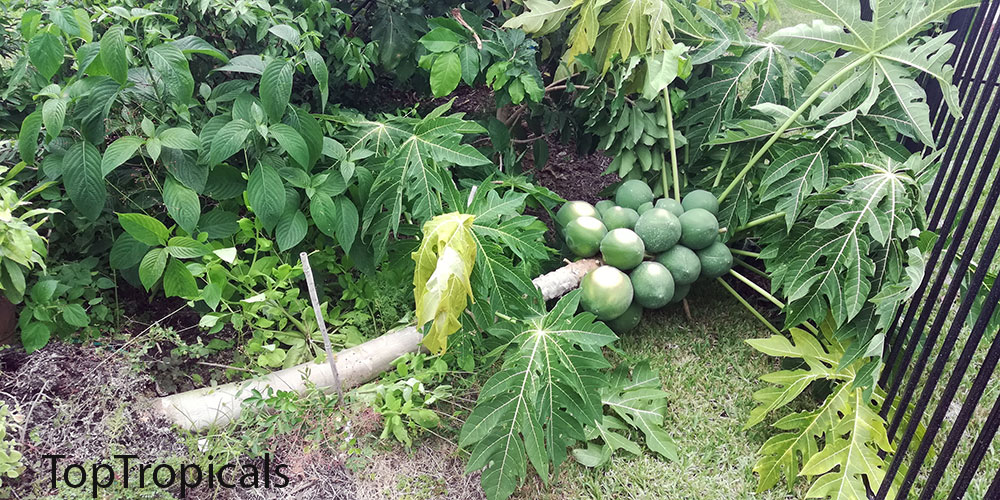
A: A couple months ago we also had a Papaya tree loaded with
fruit that fell down (see photos). It was heart-breaking. We secured it and it
continued growing for a couple of weeks but unfortunately, at the end the tree
still died, leaving us a million fruit.
The Papaya tree has a very sensitive root system and is hard to
re-establish once the roots are damaged.
However, if it just has a broken top, it has a good chance to grow back
from the side shoots.
Of course, remove all the fruit so they don't take energy from the
recovering tree.
When a tree is loaded with fruit, it is important to provide support for
heavy branches and for the trunk if needed. Always support the fruiting tree to
prevent from possible falling BEFORE it starts leaning down and may become
broken by even a light wind.
In the photo, you can see how we fixed boards around, but it was already
after the tree fell. Unfortunately, it was too late since the roots got
damaged. Always need to stake the tree up before the branches get too heavy!
Dont Wait Years: 8 Fruit Plants You Can Harvest the Same Season
Don't wait years for fruit! Harvest papayas, berries, figs, and more in the very same season you plant them with these fast-growing varieties.
Don't Wait Years: 8 Fruit Plants You Can Harvest the Same Season 🍒
Growing fruit at home usually requires years of patience. Most gardeners view fruit trees as a long-term investment that may not pay off for a decade.
But you don't have to wait.
Certain tropical and subtropical plants are "fast-track" growers. In warm climates like Florida, choosing the right varieties means you can see flowers and fruit within months of planting - often in the very same season.
If you want a backyard harvest without the wait, here are the fastest-producing fruits you can plant today.
A compact shrub perfect for containers. It produces star-shaped flowers and dark purple fruit that tastes exactly like blackberry preserves. Established plants often fruit in their first season.
Blackberry Jam Fruit Plant Facts
Botanical name: Randia formosa, Mussaenda formosa, Randia mussaenda, Rosenbergiodendron formosum Also known as: Blackberry Jam Fruit, Jasmin de rosa
This fast-growing large shrub produces orange pulp with the uncanny flavor and texture of peanut butter. Expect flowers and bright red berries within months of planting in warm conditions.
The "giant herb" of the fruit world. Papayas are legendary for their speed, often flowering just months after planting and providing sweet, vitamin-rich fruit within the same year.
Papaya Plant Facts
Botanical name: Carica papaya Also known as: Papaya
The 'Lolita' cultivar is a game-changer. It grows quickly as an edible hedge and produces nearly black, resin-free fruit that is significantly sweeter than the common red varieties.
Surinam Cherry Plant Facts
Botanical name: Eugenia uniflora, Eugenia michelii Also known as: Surinam Cherry, Pitanga, Brazilian Cherry
Unlike traditional berries that require chill hours, these Rubus species thrive in the heat. Their vigorous canes grow rapidly, often fruiting the same season they hit the soil.
Holy Bramble Plant Facts
Botanical name: Rubus sanctus, Rubus ulmifolius subsp. sanctus Also known as: Holy Bramble, Burning Bush of the Bible
Mulberries are incredibly generous. Everbearing varieties produce sweet berries over an extended window and often begin fruiting the very first year they are planted.
Figs are the champions of container gardening. They are highly drought-tolerant and famous for setting honey-sweet fruit even at a very young age—often just months after being established.
Fig Tree Plant Facts
Botanical name: Ficus carica Also known as: Fig Tree, Brevo
Growing in containers?Fig trees are the drought-tolerant champions.
👉 Tips for Faster Results
• Start Large: Buy "nursery-established" plants rather than seeds. • Feed the Need: Use high-quality organic fertilizer to support rapid growth. • Sun is Fuel: Most of these varieties require at least 6-8 hours of direct sunlight to trigger flowering.
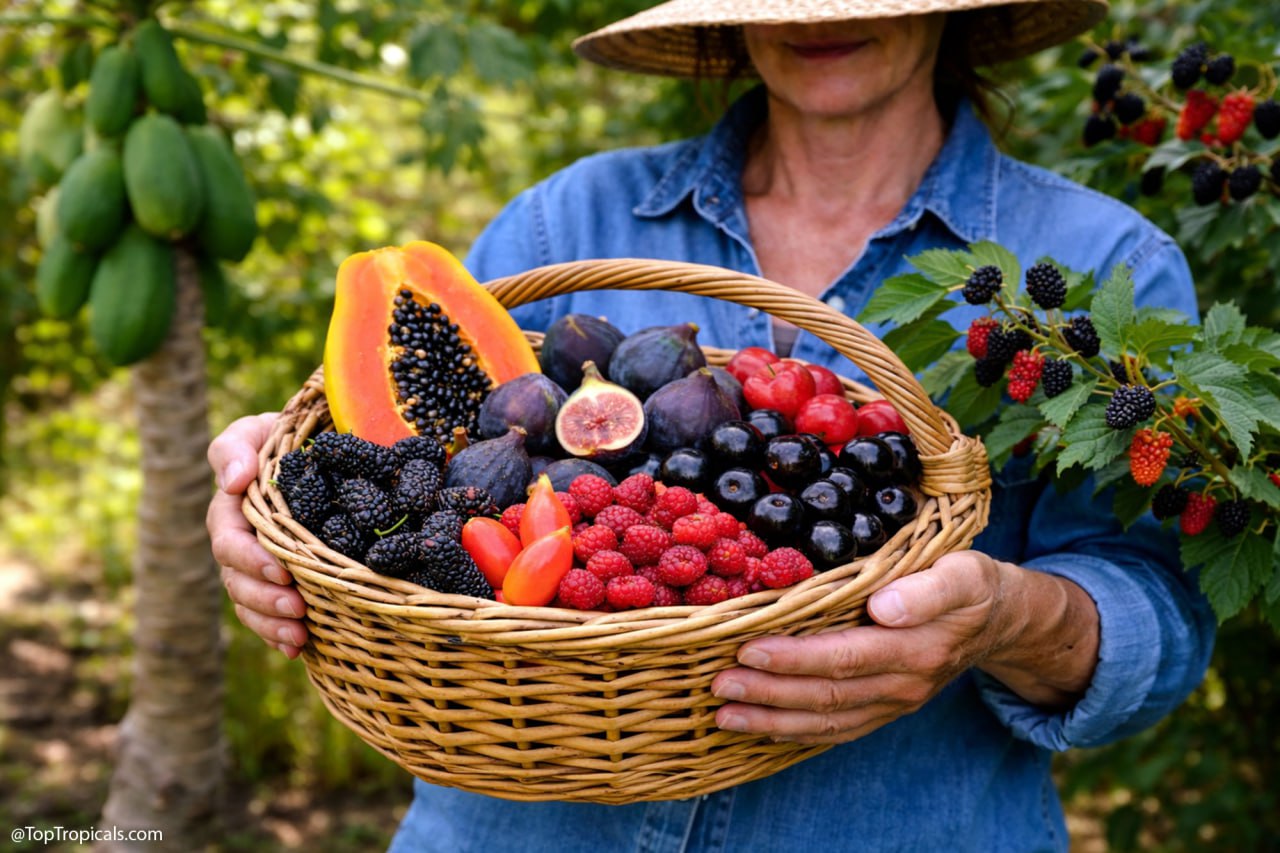
📷 Freshly picked tropical fruit bounty: don't wait years for fruit! Harvest papayas, berries, figs, and more in the very same season you plant them with these fast-growing varieties.