Garden Blog - Top Tropicals

Date: 24 Sep 2023

Go Bananas!
10 good reasons to plant bananas in your garden

Cat  with  bananas  in  refrigerator

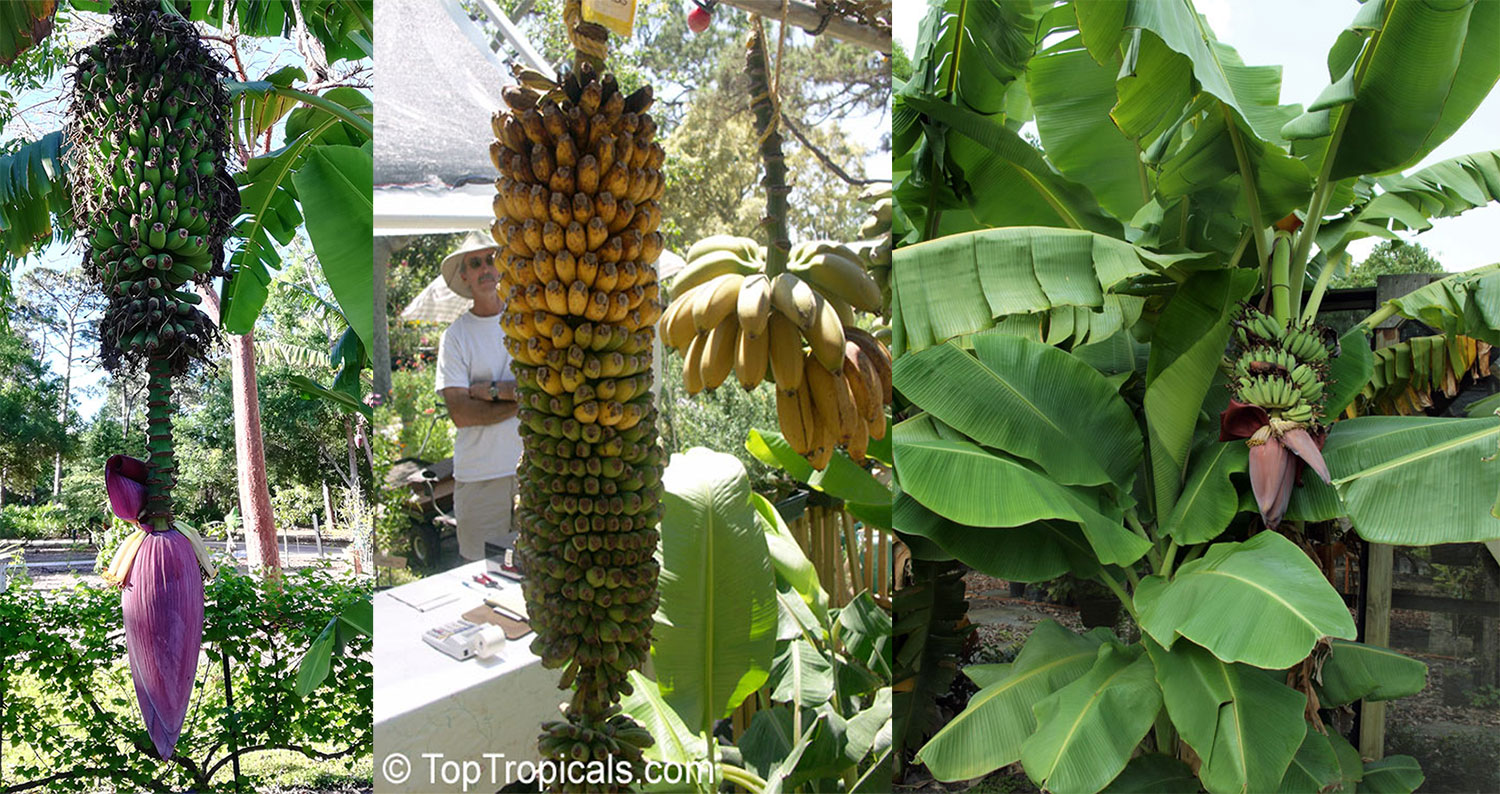
Adding banana plants to your subtropical garden or plant collection can enhance the aesthetics of your outdoor and indoor space, provide fresh and nutritious fruits, and offer a fun gardening experience with relatively low maintenance requirements. It's a delightful way to connect with nature and enjoy the benefits of homegrown produce.

1. Tropical Ambiance: Banana plants bring a touch of the tropics to your subtropical garden. Their large, lush leaves create a lush and exotic atmosphere that can transform your garden into a tropical paradise.

2. Homegrown Flavor: Growing your own banana trees allows you to enjoy the freshest, most flavorful bananas right from your garden. Homegrown bananas often have a superior taste compared to store-bought varieties.

3. Nutritional Benefits: Bananas are packed with essential vitamins, minerals, and dietary fiber. By cultivating your own banana trees, you gain access to a nutritious and healthy snack option right in your backyard.

4. Quick Results: Banana plants are known for their fast growth. In subtropical climates, they can produce fruit in as little as one to two years. This means you don't have to wait long to savor the fruits of your labor!

5. Low Maintenance: Banana trees are relatively low-maintenance once established. They require regular watering, but their hardy nature makes them a relatively easy addition to your garden. They are not messy in a landscape.

6. Versatility: Bananas offer versatility in your garden. You can choose from dessert bananas for snacking, cooking bananas like plantains for culinary experiments, or even ornamental banana varieties to enhance your garden's aesthetics. There are so many varieties to enjoy! You can't find this big selection in a grocery store.

7. Sustainable Living: Growing your own bananas reduces your reliance on store-bought produce, contributing to a more sustainable lifestyle. It also minimizes the carbon footprint associated with transporting fruits to market.

8. Educational Value: Cultivating banana plants can be an educational experience for both adults and children. It offers insights into tropical horticulture and can foster an appreciation for gardening and botany.

9. Landscaping Appeal: Beyond their fruit-bearing potential, banana plants add visual interest to your garden. Their unique form and striking leaves make them an excellent choice for landscaping and providing shade in your outdoor space.

10. Resilience: While bananas thrive in tropical conditions, many banana varieties are hardy enough to withstand cooler climates, making them a durable addition to your garden.

bananas  and  banana  trees

Date: 24 Jul 2023

Easy, stress-free plants
for Summer planting

Cat  with  Bananas

Q: With the rising temperatures, I'm concerned about shipping my plants safely. Can they withstand the heat during transit? Also, is it okay to plant them in the ground now, or should I wait for cooler Fall weather?

A: Your concern about shipping plants in hot weather is valid. For sensitive plants, we'll delay shipping until conditions are more favorable in your area. However, there are plenty of heat-tolerant tropical plants that handle shipping well with minimal stress. These plants adapt easily when planted during the hot summer months. Simply follow the included planting instructions, gradually acclimate them to full sun, and they should thrive.

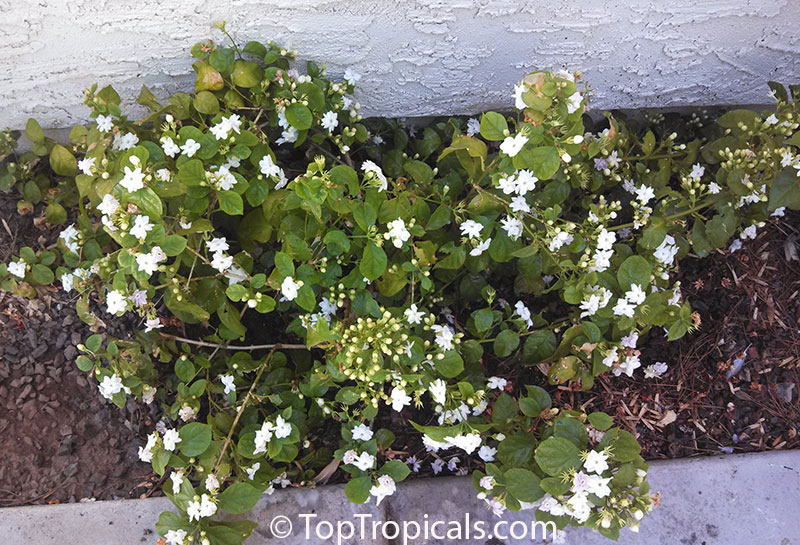
Certain flowering tropical plants, such as Allamandas, Calliandras, Caesalpinias, Adeniums, and Clerodendrums, are excellent options for shipping and establishing during the summer. Flowering vines like Jasmines also adapt well. Consider using Sunshine Booster fertilizers to promote robust growth, they are safe to use right after planting.

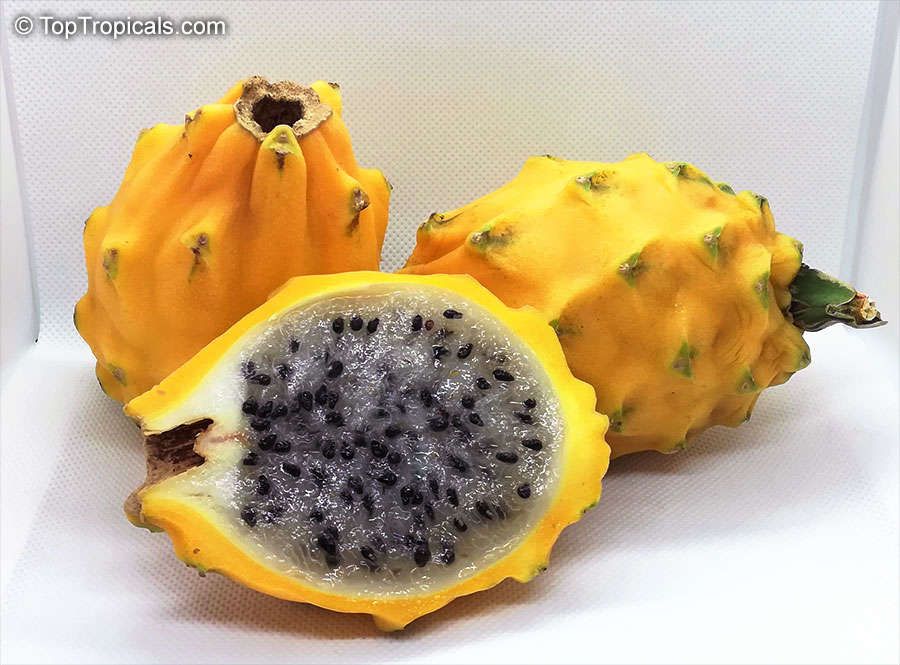
Additionally, many fruit trees flourish in heat. Mangoes, Avocados, Pomegranates, Pineapples, Loquats, Eugenias - Tropical cherries, Bananas, Jackfruits, Dragon Fruit, and Olive trees are great choices for summer planting. Noni trees are hardy survivors and usually ship and grow well during the summer, in spite of their lush tropical leaves.

Feel free to check with us about the specific plant you plan to order for its suitability in summer shipping. We're here to take care of your green babies and address your year-round planting needs!

Pitaya  Yellow  Dragon  Fruit,  Selenicereus  megalanthus

Pitaya, Yellow Dragon Fruit, Selenicereus megalanthus

Cat  with  Bananas

Jasminum sambac Maid of Orleans thrives and blooms in hot sun

Cat  with  Bananas

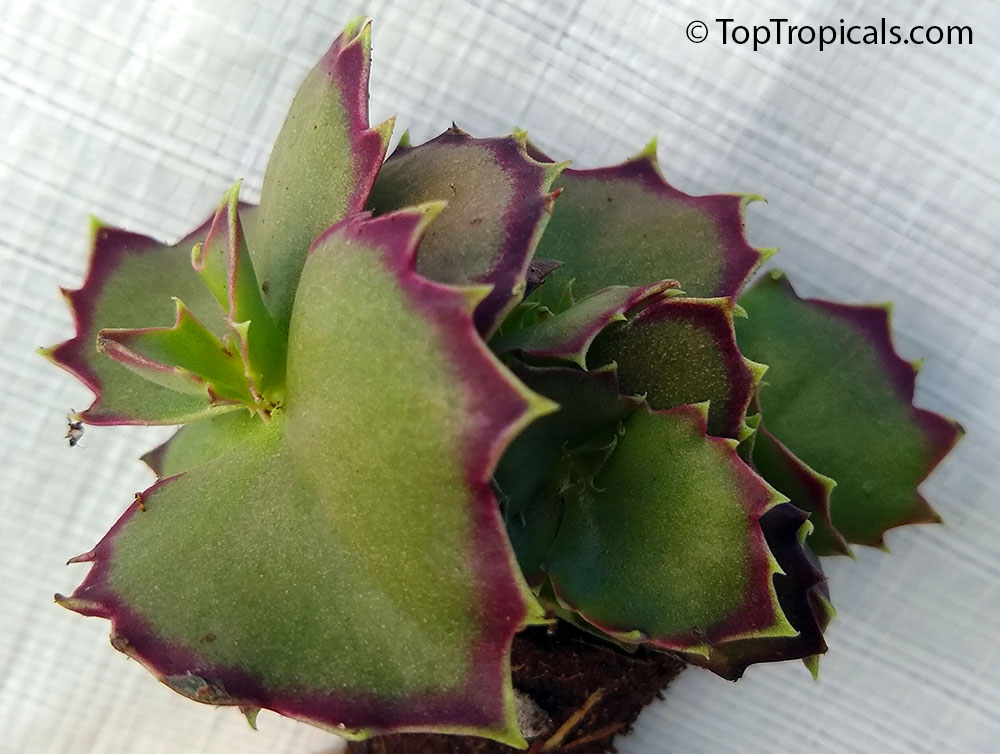
Kalanchoe synsepala Magnificent

Date: 24 Oct 2021

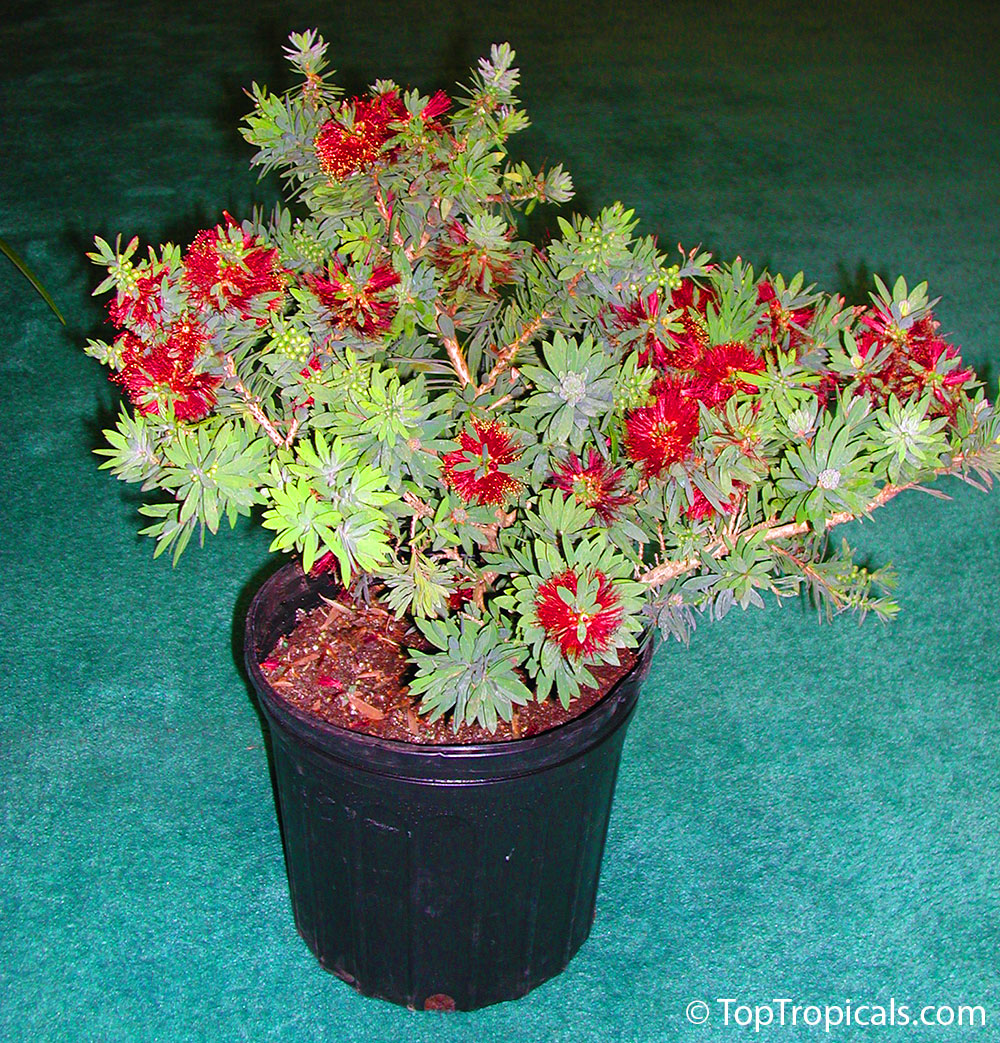
Bottlebrush to Little John
or the story of a Dwarf Plant

by Alex Butova, the Witch of Herbs and Cats

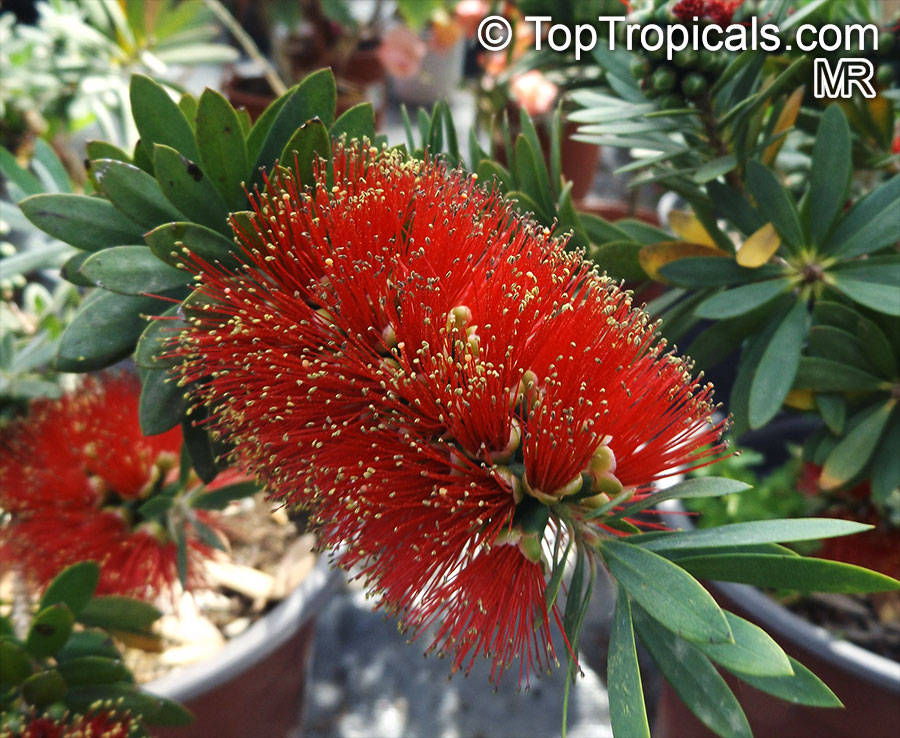
...Bottlebrush... Bottle washing brushes... Nowadays, it is hard to imagine a more outdated concept! For reuse, all glass containers have been cleaned industrially for many years. Young people have never even heard of, especially used, such a thing. Nevertheless, Bottlebrush not only lives, but is often used by many people. In today's world, Bottlebrushes are not brushes at all, but... beautiful ornamental plants!..
...This plant was originally selected as a chance seedling in the 1980s by Ken Dunstan of Alstonville, New South Wales and was also called Callistemon Alstonville Dwarf, Tom Thumb and, at last, Little John. They said that the choice of this name was the song "Little John, Bottle John" by the American singer and songwritter Terry Grosvenor on lyrics by Laura E. Richard. Little John was the 1986 Shrub of the Year in Australia and was originally introduced as a plant that only grew to 3ft tall...

CONTINUE READING >>

Date: 17 Sep 2021

Mango Talk: How to prune mango trees for best shape and production

by Ed Jones, the Booster Guy

...Why should you prune your mango trees? There are a few reasons.
First, a good foundation is the key to strong growth and a shapely tree.
Second, if you get your mango tree started off on the right foot with a strong foundation, it becomes much easier to keep it shaped nicely.
And third - it will be forced to produce more branches allowing for more places for fruit production...

...We received our Mango tree in late February of 2020 as a relatively small plant in 3 gal pot...
...The opening photo was taken just last week and you can see that as she grows, her shape is very nice...
...She is now about 7' tall and just as wide. She has a great foundation and a lot of branches. We also have less grass to mow. She also got her very own marker painted on a brick:

...We have also enlarged the circle of mulched area under the tree to allow it to be able to get nutrients from it's SUNSHINE Boosters Mango Tango without having to compete with the grass. This is one mistake that I see frequently in my neighborhood with all trees...

CONTINUE READING >>

Date: 29 Mar 2021

Small flowering tree for community

Q: Hi, I live on the east coast near West Palm, but I see you ship your plants. My HOA allows for Yellow Tabebuia species and I'm looking for two or three smaller trees that can fit in my front yard in smaller spaces. Ideally looking for trees that would stay under 20' in height, but preferably even smaller. Can you tell me the average height and spread of the Dwarf Golden Tabebuia or Silver Trumpet trees?

A: The Yellow Tabebuia - Tabebuia caraiba is a very good choice for a small yard. It grows about 20 ft average size, 7-10 ft wide. Sometimes taller, but it is slow growing and it will take many-many years to grow to a bigger size. It is a spectacular tree when in bloom, however, keep in mind that it is not very wind resistant; although it is not difficult to secure it back being a small tree. Another Tabebuia which is even more compact tree, has stronger root system and is more wind resistant:
Tabebuia chrysotricha - Dwarf Golden Tabebuia
Also some other interesting choices:
Radermachera Kunming - Dwarf Tree Jasmine
Senna polyphylla - Bahamas Cassia, Desert Cassia
Cordia sebestena - Scarlet Geiger tree

See full list of compact small trees

Tabebuia chrysotricha - Dwarf Golden Tabebuia

Radermachera Kunming - Dwarf Tree Jasmine

Senna polyphylla - Bahamas Cassia, Desert Cassia

Cordia sebestena - Scarlet Geiger tree