Garden Blog - Top Tropicals

Date: 22 Mar 2021

The most rewarding hardy fruit trees
Q: Recently I started working remotely and I kinda like it, no need to commute, it saves me so much time so I can have life now! My friend got me involved into growing some small houseplants but I really want to take advantage of our Florida climate and sun. I want to plant some cool fruit trees since I have a decent size yard. But I live in Florida Panhandle and we do have some occasional freeze in winter, although not for too long. But it gets very hot in summer! Are there any tropical fruit trees that will be happy here? Or should I keep everything in pots? I am excited to have my own tropical plant collection!

A: There is a perfect plant for everyone, and a perfect tree for every climate. Many tropical and especially subtropical plants can be much hardier than they are believed to be, both flowering and fruiting trees among them. You may keep the most sensitive species in pots and bring them inside for winter, while there are so many trees that will be happy in your area. Start with these that are perfect for climates with hot summers and cool winters:

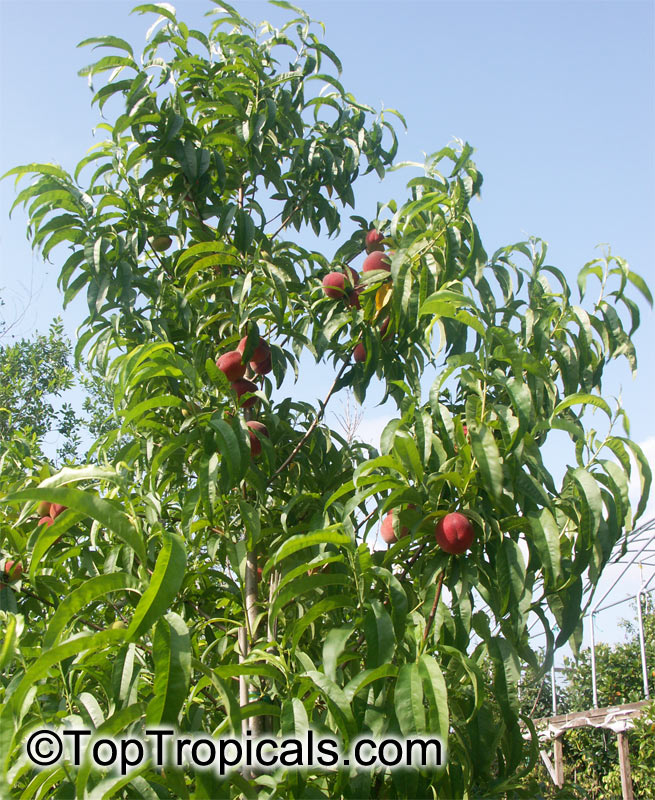
1. Peaches and Plums

Low-chill, Heat-tolerant Peaches, Nectarines, Plums are especially selected for Florida hot summers. They produce well and do not require many "chill" hours like temperate fruit trees. They only need 150 chill hours and grow well in even in Arizona, so you know they are taking the heat.

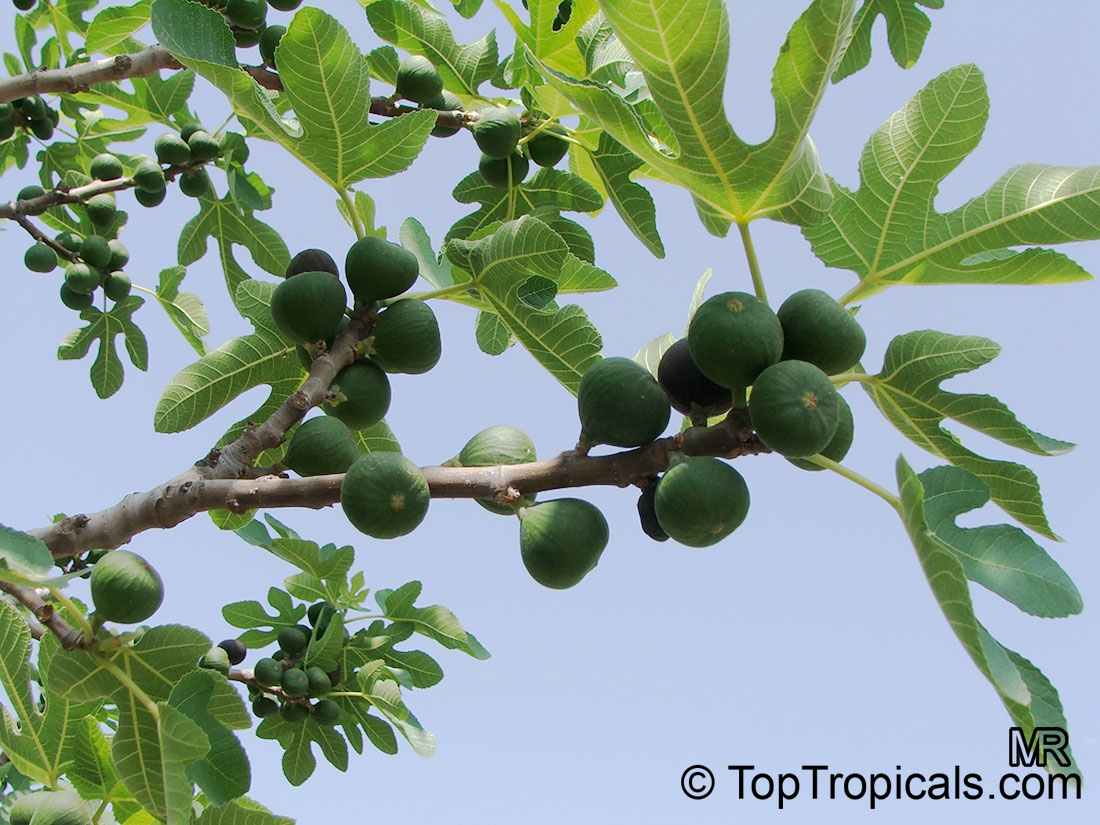
2. Figs
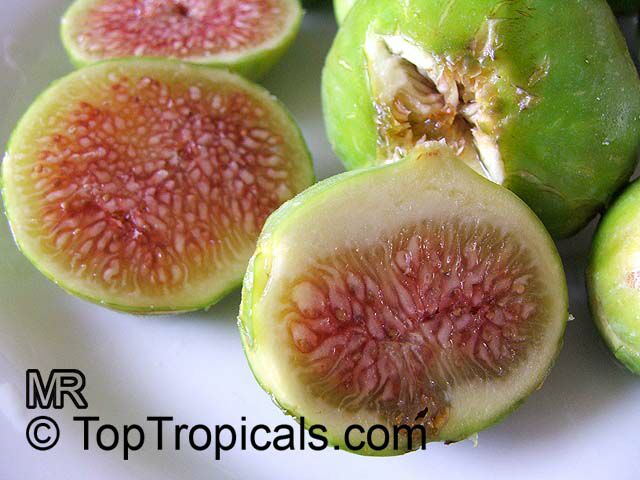
2) Fig trees - they are easy to grow, heat- and drought- resistant trees. They are prized for their delicious fruit, which can be one to three inches in length, violet, brown or black. There are even varieties with yellow fruit. Most fruits are borne from early summer to late fall on new growth, and the fruits generally mature very quickly. These trees are sensitive to frost only when actively growing, but can withstand 10F when dormant. Read more about Fig trees.
Date: 9 Jun 2024

Where does the tea come from?

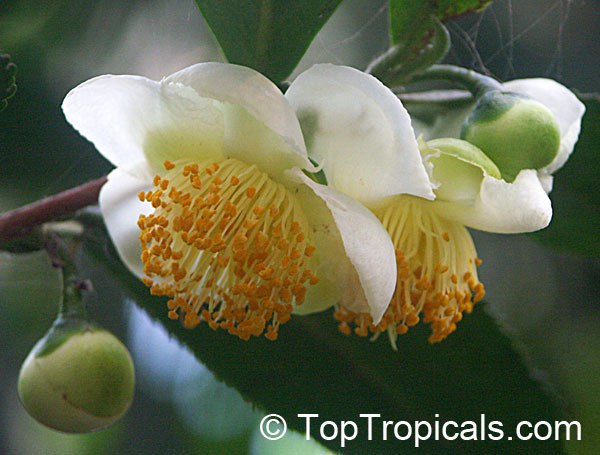
Camellia sinensis - Tea Leaf

Camellia sinensis - Tea Leaf

☕️ Where does the tea come from? Tea Leaf Plant!

  • 🍃 Camellia sinensis - Tea Leaf. Yes, tea comes from a camellia!
  • 🍃 Tea Leaf is a small evergreen tree, usually pruned back to shrubs in cultivation.
  • 🍃 In the fall and winter, the plant will produce small white flowers with a lovely fragrance.
  • 🍃 Tea is the second most commonly drank liquid on earth after water. It has numerous medicinal benefits mainly due to its antibacterial and antioxidant properties.
  • 🍃 To grow Tea Leaf Plant, make sure to pick an area of your landscape where it does not flood or remain wet during our rainy season. Camellia sinensis do not like wet feet at all. They prefer well-drained, sandy and slightly acidic soil.


📚 Learn more: Tea Leaf Plant and Tea Harvesting Recipes

🛒 Shop Tea Leaf Plant

#Food_Forest #Recipes

🏵 TopTropicals

Date: 30 Aug 2024

Edible Landscape

Four must-have herbal edibles for your instant Food Forest

Kitten  with  veggies  in  a  basket

Q: What attractive and useful edibles or herbs can I grow in my yard landscape without needing dedicated garden beds?

A: When we think of an "herb garden," parsley and chives often come to mind -plants that aren't particularly showy and typically require a dedicated vegetable garden, space, and regular maintenance. However, creating a food forest in your yard doesn't have to be a complex project. Useful edibles and medicinal herbs can also be exotic and beautiful, enhancing the charm of your landscape. Here are some examples of unusual tropical edibles that are not only stunning ornamentals but also bring delicious goodness to your kitchen.

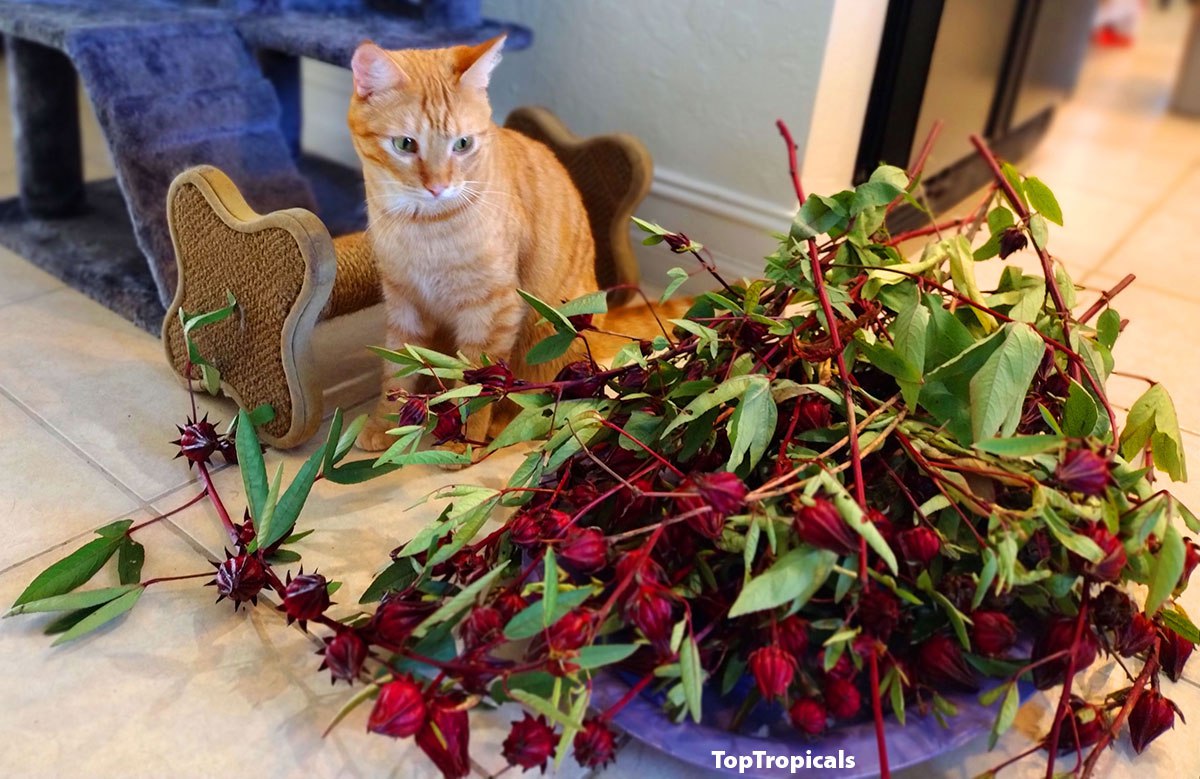
1. For drinks: Jamaica Tea flower - Karkade Hibiscus

Hibiscus  sabdariffa  -  Flor  de  Jamaica,  Karkade  Sorrel,  Roselle

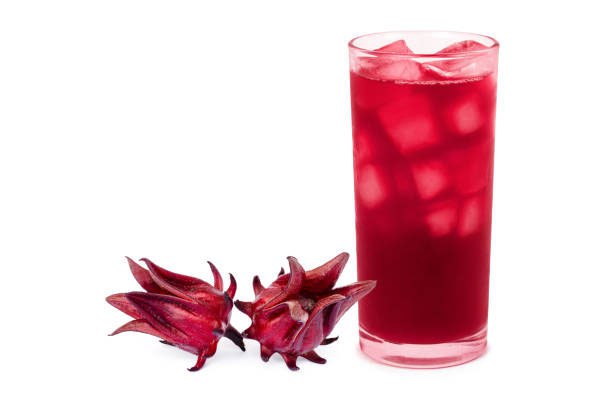
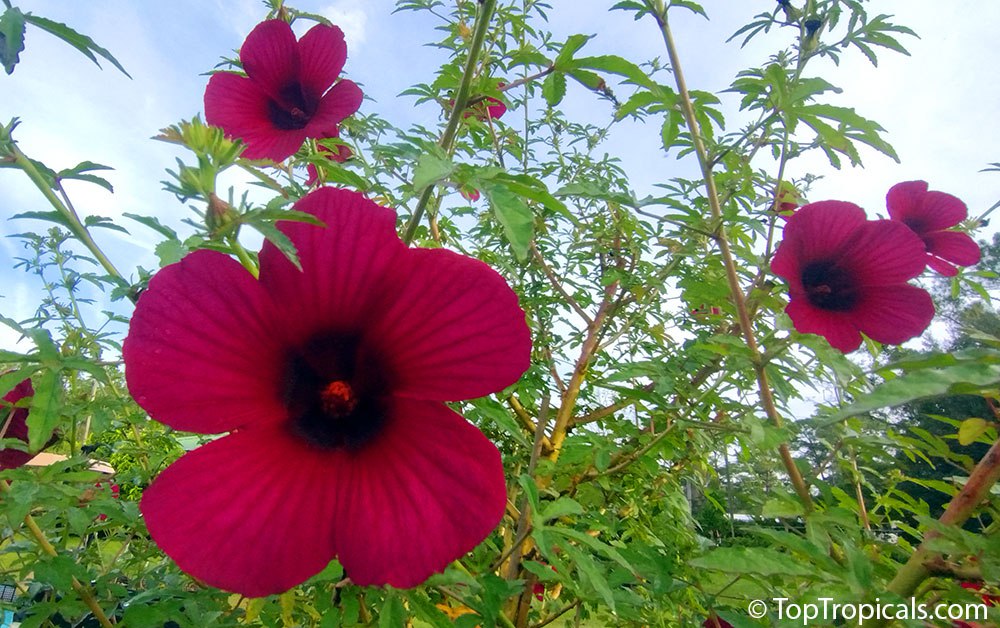
Hibiscus sabdariffa - Flor de Jamaica, Karkade Sorrel, Roselle, or Jamaica Tea flower (Karkade Tea) - yes, many hibiscus species are edible!
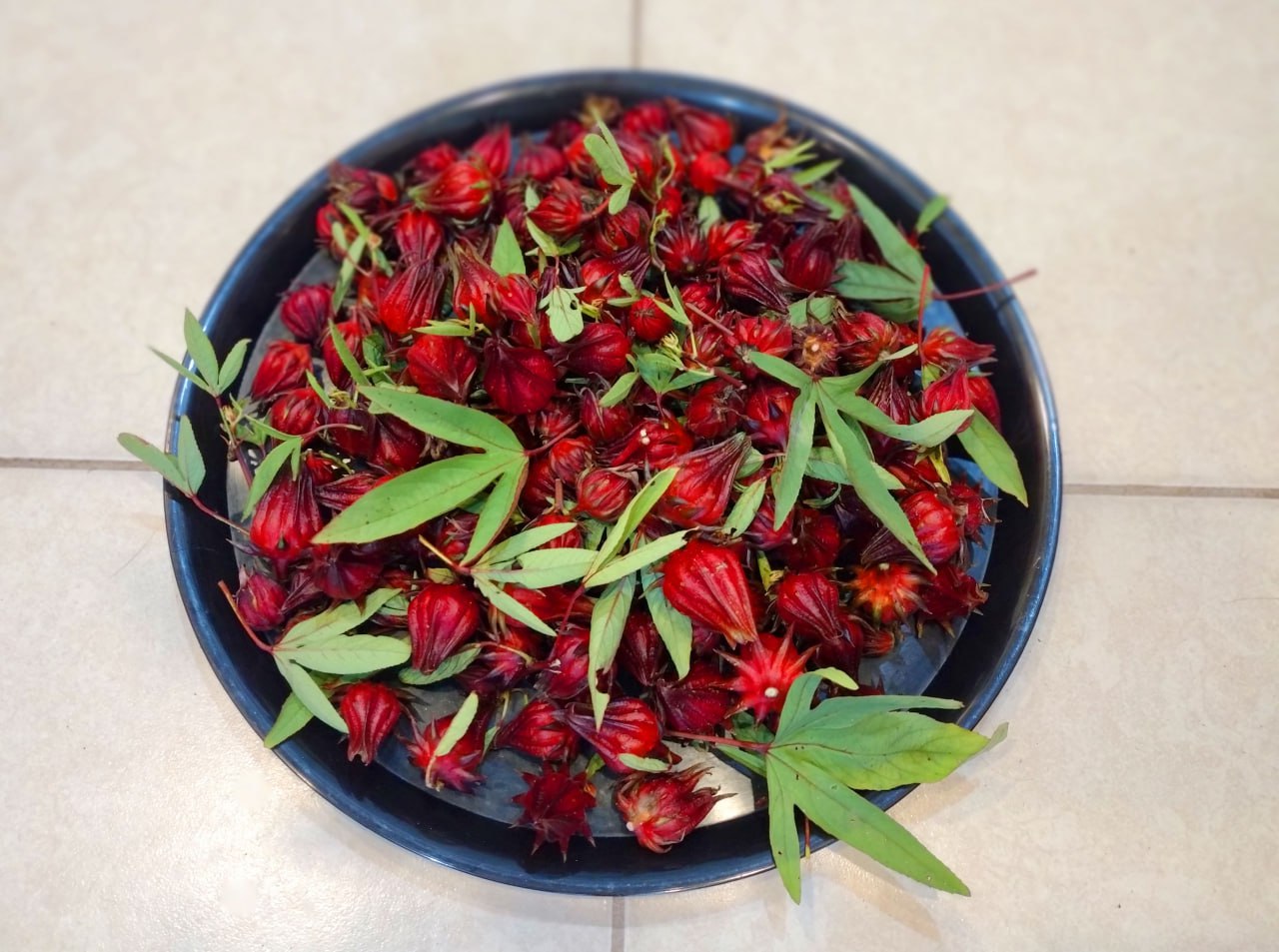
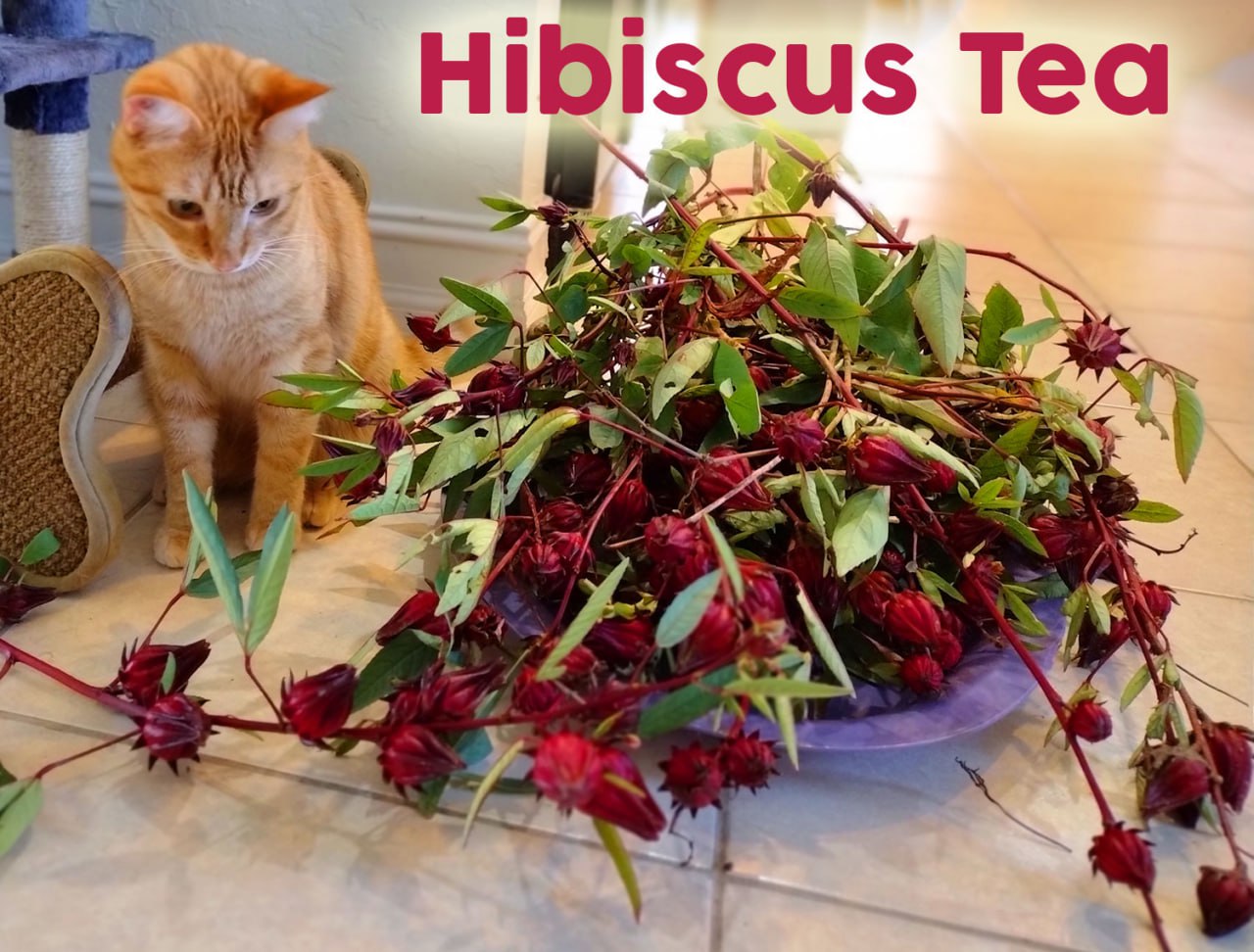
- Flowers of Roselle hibiscus are used to make a tea "Agua de Flor de Jamaica". To be exact, those are flower bracts around flowers and seed pods.
- Medical studies show that it lowers blood pressure and has diuretic effects.
- The pleasant flavor is similar to a cranberry juice and it's so good, you may not even want to add any sugar. We make this cold tea every day - perfect for hot summer.
- Karkade Hibiscus grows into a large bush within just one season from seed! Lots of flowers to harvest will last you the whole winter. It can be treated as annual in cooler areas due to its fast growth and same-year harvest. Thrives in full sun.
- Short video:

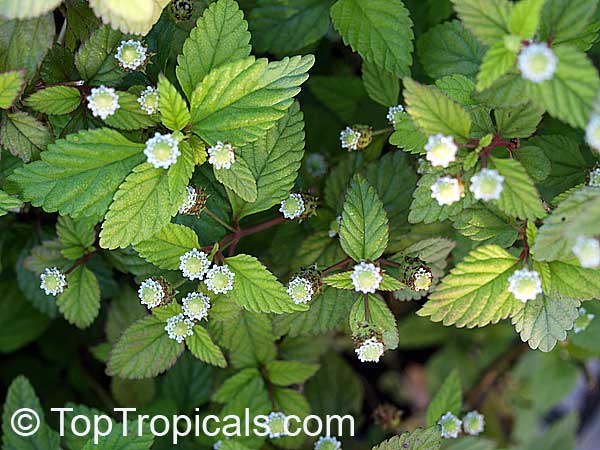
2. For medicine: Aztec Sweetleaf - Lippia

Lippia  dulcis  -  Aztec  Sweet  Herb,  Sweetleaf

Lippia dulcis - Aztec Sweet Herb, Sweetleaf is a wonderful fragrant groundcover.
- Fragrant Mexican herb with incredibly sweet and aromatic leaves.
- The fresh leaves can be eaten from the plant like candy or tossed into fruit salads for an unusual addition, or used for making a healing tea.
- It has been used since the time of the Aztecs for coughs and colds.
- The sweetness tastes great, and can be used by diabetic patients. We add this herb to Karkade or Mint tea as a sweetener, instead of sugar or honey.
- Grows like a ground cover, in shade or semi-shade, great perennial container plant.

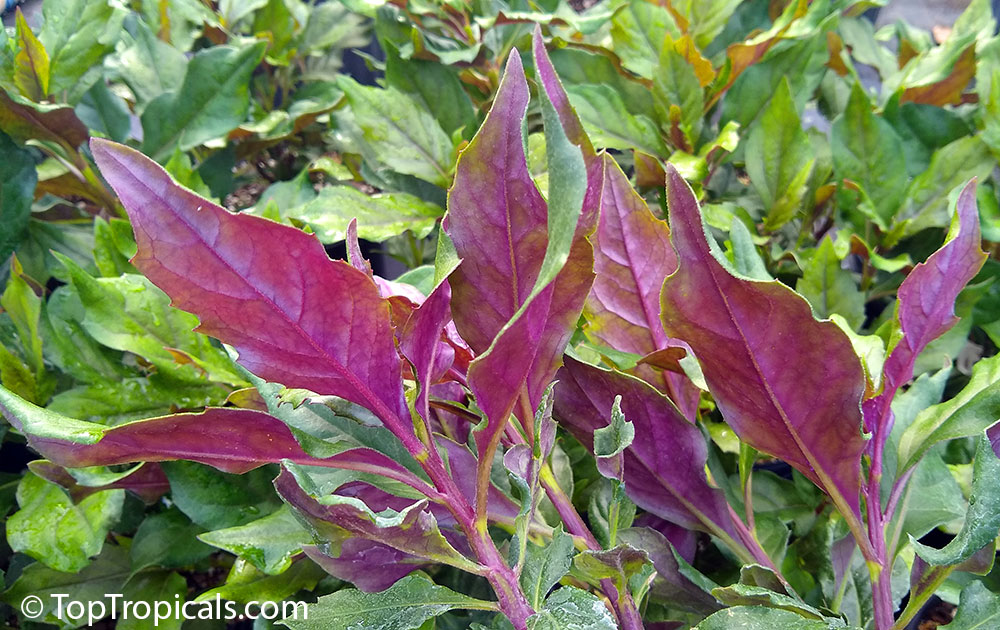
3. For salads and stews: Longevity Spinach, or Cholesterol spinach

Gynura  procubens  -  Longevity  Spinach,  or  Cholesterol  spinach

Gynura procubens - Longevity Spinach, or Cholesterol spinach is a perennial spinach, and once you plant it, you have it for many years, and can grow many more easily from cuttings!
- Longevity Spinach is one of the Superfoods, and there are many claims that it lowers cholesterol.
- We use Longevity Spinach in our cooking all the time and so far we are all alive, so it works! :)
- Longevity spinach can be eaten raw in salads or cooked wherever you would use a regular spinach.
- Grows as a large spreading herbal bush, in full sun. - See some recipes with more pictures

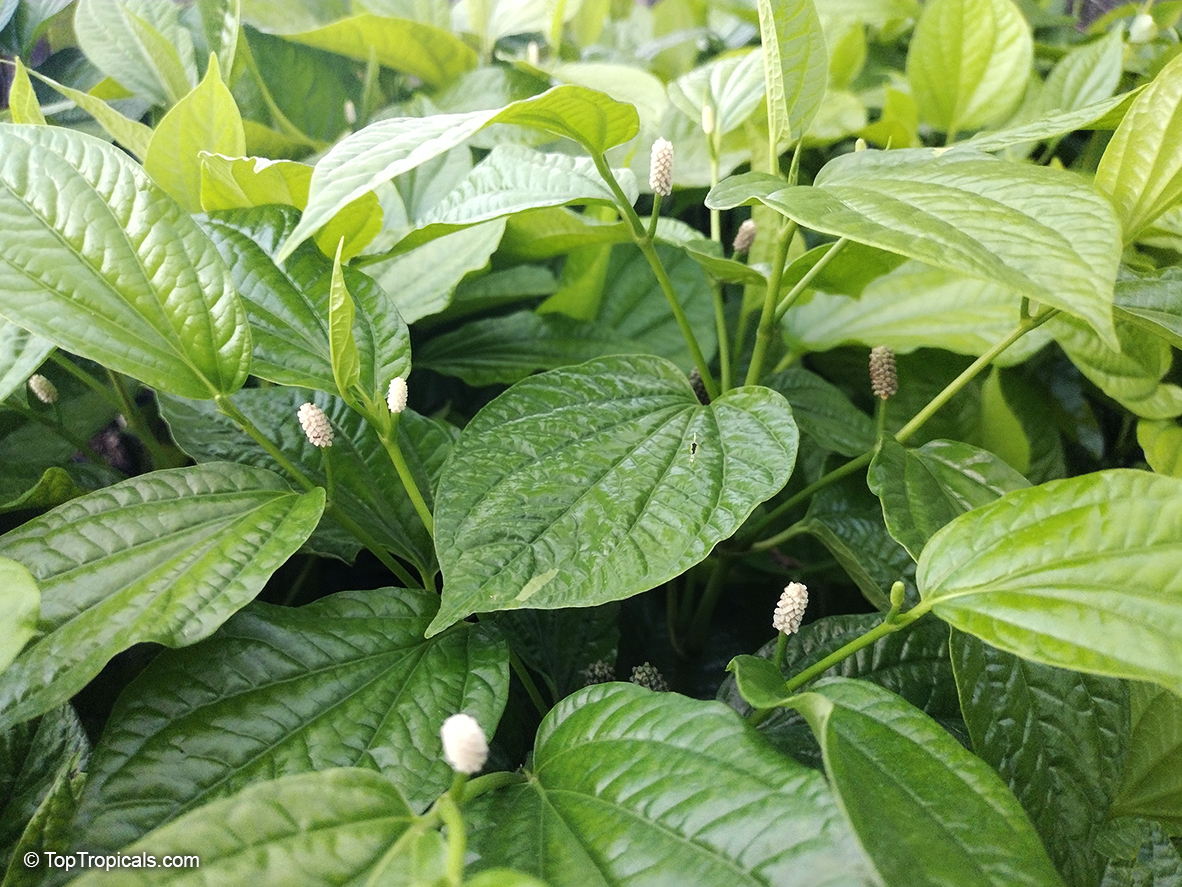
4. For meat wraps: Vietnamese Pepper or Wild Betel Leaf

Piper  sarmentosum  -  Vietnamese  Pepper,  Lalot,  Wild  Betel  Leaf, 
 Chaa-plu

Piper sarmentosum - Vietnamese Pepper, Lalot, Wild Betel Leaf, Chaa-plu adds wonderful peppery flavor to meats and is great for wrapping meats and cooking in the oven, on a stove or grill. We use it all the time, wrapping ground beef of turkey and putting wraps on a grill or on a frying pan, very easy!
- Vietnamese Pepper leaves are eaten raw in salads or cooked with other greens or dishes.
- The leaves are used as food wraps in Vietnam. It is used medicinally in India and SE Asia.
- It is also chewed with Betel Nut as a tonic and medicine, very similar to Betel Leaf (Piper Betel) which is very popular tonic in Indian culture.
- Vietnamese Pepper grows as a vining herbaceous shrub or ground cover, in both sun or shade, and spreads with runners so you can have plenty if you want to have more. Can be grown in container and indoors, too. - Check out recipes of meat wraps for grilling

Date: 22 May 2024

Did you know that you can eat and drink Hibiscus plants?

Hibiscus sabdariffa - Flor de Jamaica

Hibiscus sabdariffa - Flor de Jamaica

Hibiscus sabdariffa - Flor de Jamaica

Hibiscus sabdariffa - Flor de Jamaica

Hibiscus sabdariffa - Flor de Jamaica

Hibiscus sabdariffa - Flor de Jamaica

Hibiscus sabdariffa - Flor de Jamaica

Hibiscus sabdariffa - Flor de Jamaica

Hibiscus sabdariffa - Flor de Jamaica

🌺 Did you know that you can eat and drink Hibiscus plants?


Who doesn't adore hibiscus flowers? But guess what? Some hibiscus species are not only gorgeous but also surprisingly practical. They can jazz up your garden and your dinner plate!

Hibiscus cannabinus - Salad Hibiscus - flowers and leaves used in tasty healthy salads and teas.

Hibiscus sabdariffa - Flor de Jamaica, Karkade Sorrel, Roselle - flowers and used for famous beverage "Agua de Flor de Jamaica" and Karkade Tea.

Hibiscus acetosella - Cranberry hibiscus - cranberry-colored flowers and leaves are also tasty and healthy in salads and teas.

Grow your edible flower landscape in no time!

📚 Learn more, with recipes: Most useful Hibiscus plants
🎥 YouTube video:

🛒
Shop Edible Hibiscus

#Food_Forest #Remedies #Recipes

🏵 TopTropicals

Date: 16 May 2024

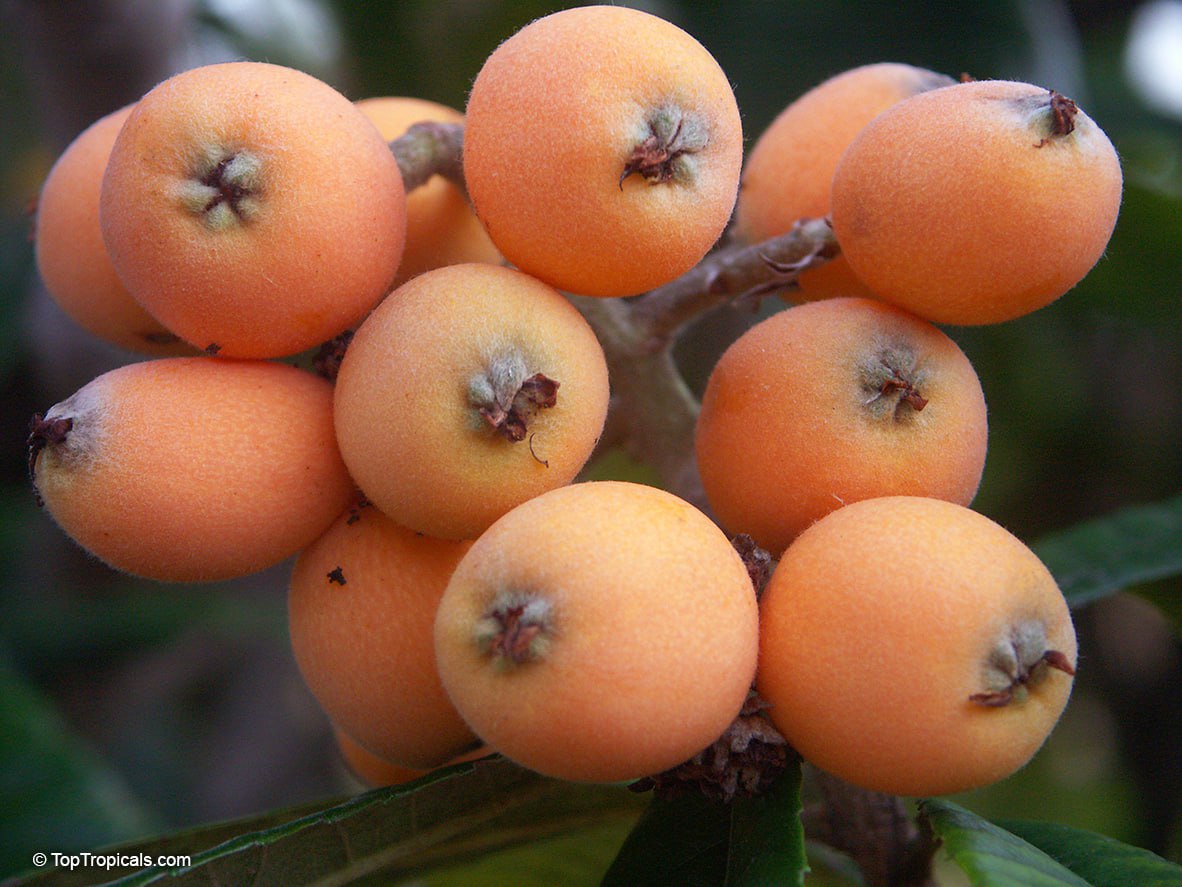
What tropical fruit tree is cold hardy and easy to grow? Its Golden Loquat the Symbol of Prosperity, and it tastes like

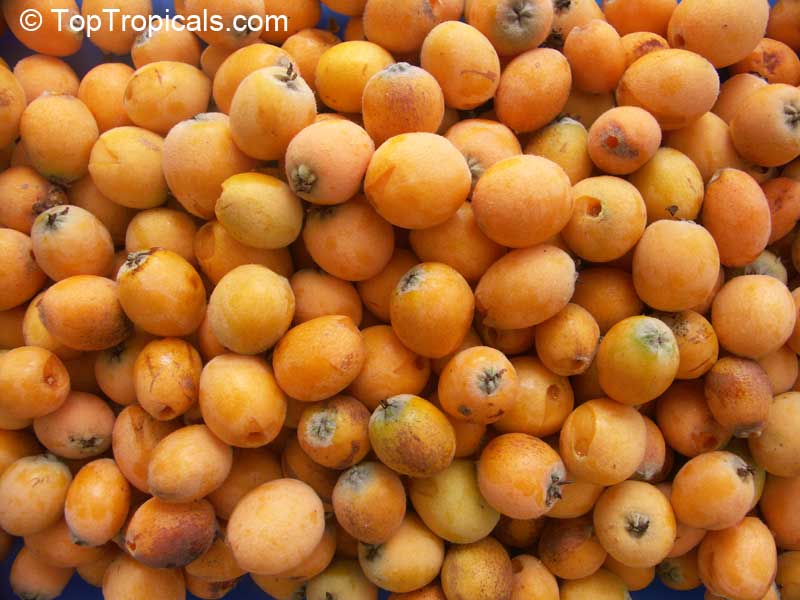
Loquat (Eriobotrya japonica) fruit

Loquat (Eriobotrya japonica) fruit

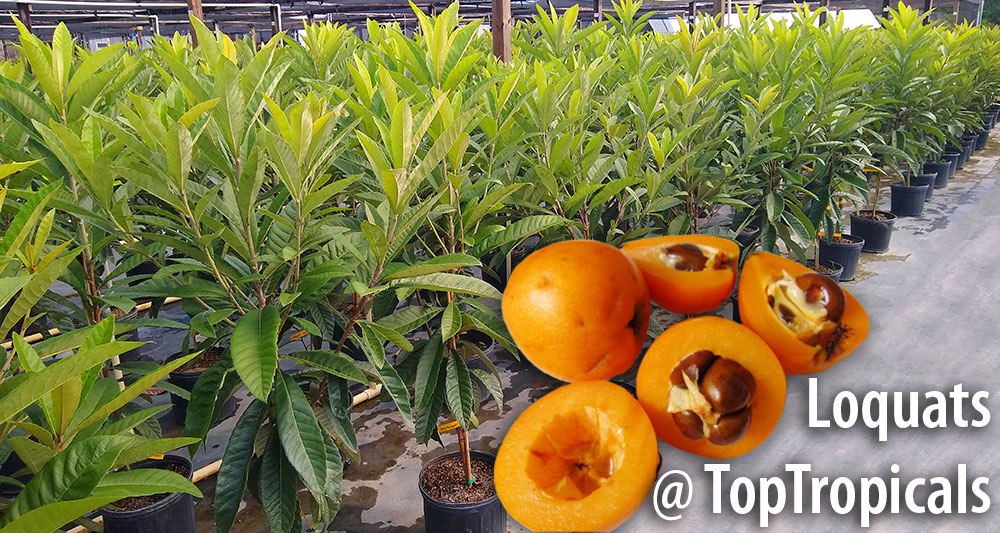
Loquat (Eriobotrya japonica) trees in pots

Loquat (Eriobotrya japonica) trees in pots

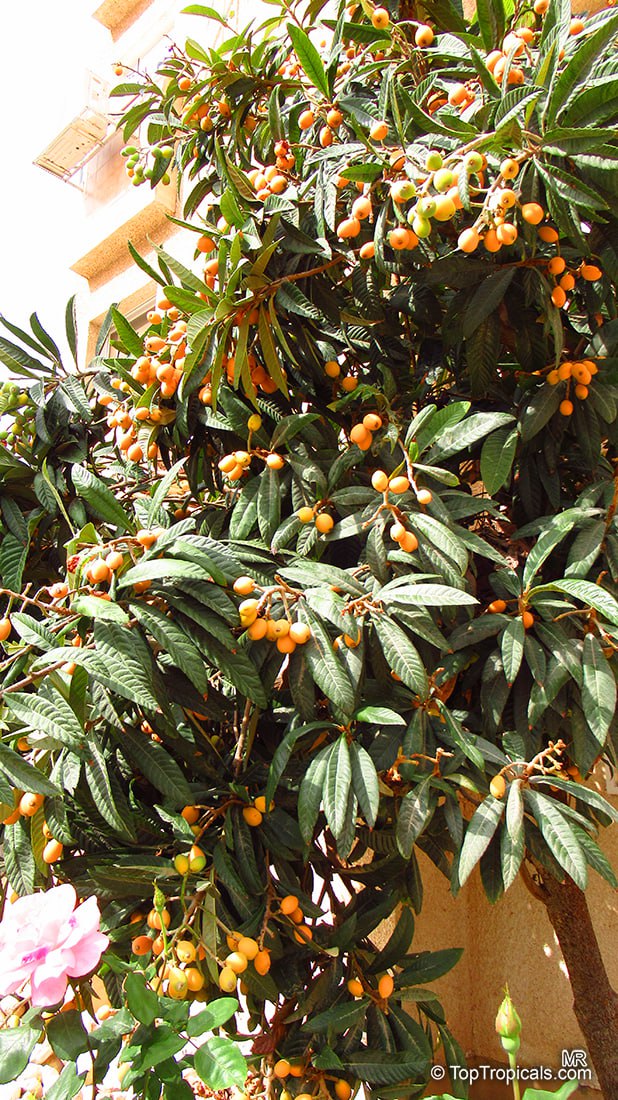
Loquat (Eriobotrya japonica) tree

Loquat (Eriobotrya japonica) tree

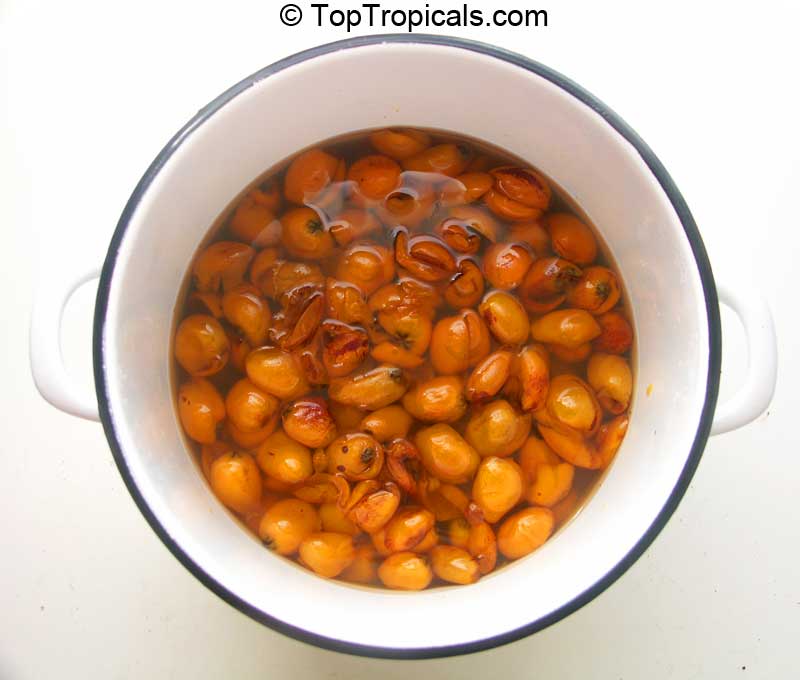
Loquat (Eriobotrya japonica) compot

Loquat (Eriobotrya japonica) compot

Loquat (Eriobotrya japonica) fruit

Loquat (Eriobotrya japonica) fruit

What tropical fruit tree is cold hardy and easy to grow? It's Golden Loquat – the Symbol of Prosperity, and it tastes like apricots!
  • 🍑 Loquat tree (Eriobotrya japonica) is fast-growing, drought-tolerant, cold-tolerant, compact tropical fruit tree.
  • 🍑 Heavy producer. Fruits are juicy, aromatic, and resemble apricots. Ripen from early Spring to early Summer.
  • 🍑 Ideal for small gardens, beginner fruit tree growers.
  • 🍑 High in sugar, acids, vitamins B and C, minerals, and pectin.
  • 🍑 Eaten fresh, used in fruit salads, jams, jellies, chutneys, pies, tarts, and wine
  • Popular as a natural sweetener and for creating sauces.
  • 🍑 Grown in Japan for over 1,000 years. In China, represents gold and wealth, often included in auspicious displays or offerings for prosperity💰


📚 Learn more about Loquats
' target="_blank" rel="noopener noreferrer">🎥 YouTube video about Loquat
📁 Overlooked fruit: tasty Loquat recipes (PDF)

🛒Start your fruit garden with Loquats

#Food_Forest #Recipes

🏵 TopTropicals