Garden Blog - Top Tropicals

Date: 21 Feb 2026

The best time to plant a fruit tree was 20 years ago - here is why you need to plant it now
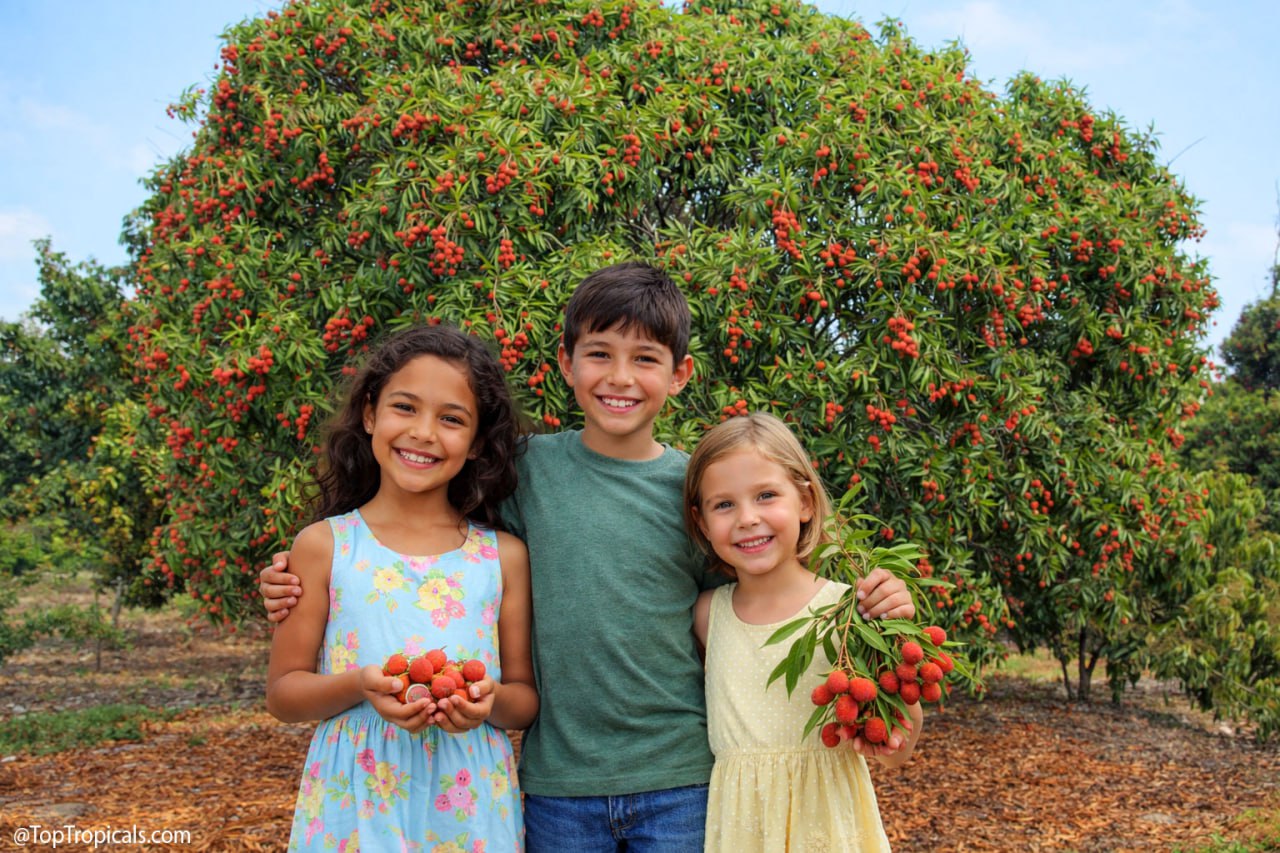
Litchi chinensis - Smiles under the Lychee tree

Litchi chinensis - Smiles under the Lychee tree

🍑 The best time to plant a fruit tree was 20 years ago - here is why you need to plant it now


They say the best time to plant a fruit tree was 20 years ago.
The second best time is today.

A fruit tree is not a seasonal purchase. It is not a decoration. It is a decision that stretches far beyond you.

When you plant a mango, an avocado, a loquat, a lychee tree - you are not just planting for this summer. You are planting for children who will climb that tree. For neighbors who will ask for a basket of fruit. For someone who may live in your house long after you are gone.

Mango Plant Facts

Botanical name: Mangifera indica
Also known as: Mango
USDA Zone: 9 - 11
Highligths Large tree taller than 20 ftSmall tree 10-20 ftFull sunWatering: Moderate. Water when top soil feels dryYellow, orange flowersPink flowersEdible plantSeaside, salt tolerant plant
Get personalized tips for your region

Avocado Plant Facts

Botanical name: Persea americana, Persea gratissima
Also known as: Avocado, Alligator Pear, Aguacate, Abacate
USDA Zone: 9 - 11
Highligths Large tree taller than 20 ftSmall tree 10-20 ftFull sunWatering: Regular. Let topsoil dry slightlyEdible plantSubtropical plant. Mature plant cold hardy at least to 30s F for a short time
Get personalized tips for your region


Fruit trees are quiet investments in the future.
Unlike annual crops that come and go, a tree deepens its roots every year. Many fruit trees - especially mangoes - can live for decades, even a century. They outlive trends, owners, renovations, even mortgages. They stand there, steady, producing.

Even if you sell the house, the tree remains.
The next family will walk into the yard and discover fruit hanging overhead. Imagine buying a home and realizing someone before you planted abundance!

That is a gift.

In many parts of the world, mango trees are called generational crops. One farmer plants them. His children harvest them. His grandchildren sell the fruit. A single decision continues to feed and support a family long after the planter is gone.
There is something deeply grounding about that.

We live in a fast world. Quick returns. Quick moves. Quick upgrades.
A fruit tree moves at a different pace. It asks for patience. It rewards consistency. It teaches you to think long term.

Planting a fruit tree says:
I believe in tomorrow.
I believe this land will matter.
I believe someone will stand here after me.

And even if you never taste the fullest harvest, someone will.
Passing fruit trees through generations is more than horticulture - it is legacy. It is continuity. It is resilience. It is saying that this space, this soil, this home will keep giving.

So plant it now.
Plant it for your children.
Plant it for the next homeowner.
Plant it for shade you may never sit under.
Plant it for fruit you may never pick.
Because one day, someone will walk into that yard, look up, and thank the person who thought ahead.
Let that person be you.

🛒 Explore fruit trees for your orchard

👉 Tropical Fruit favorites:


🥭 Mango
Avocado
🍒 Cherry
🍊 Loquat
🍈 Jackfruit
🍑 Peach tree
🍉 Guava
🍏 Sugar apple
🍇 Mulberry
🍐 Sapodilla

#Food_Forest #Discover

🟢 Join 👉 TopTropicals
Date: 23 May 2026

Avocado Fantastic: the hidden world beyond green and black

Avocado Fantastic fruit

Avocado Fantastic fruit

Avocado Fantastic tree

Avocado Fantastic tree

Avocado Fantastic: the hidden world beyond green and black


Most people think avocados come in two colors - green and black. Maybe they've heard of Hass. But the hidden world of avocados is far more diverse, filled with giant fruits, unusual shapes, red-skinned varieties, and even trees that can handle surprising cold.

One of the most remarkable is Fantastic.

💚 The avocado that wasn't supposed to survive


Avocados are often considered tropical and tender. Fantastic challenges that idea. This unusual variety gained a following in Texas, where it reportedly survived temperatures near 10F around San Antonio. Mature trees can tolerate temperatures around 15F for short periods, making it one of the most cold-hardy avocados available.
For gardeners in cooler regions, Fantastic has become something of a legend - proof that growing avocados is not limited to the tropics.

💚 A survivor of Florida's historic freeze


During Florida's historic February 2026 freeze, temperatures at our Sebring nursery dropped to 25F with several nights of prolonged freezing. While many tropical plants suffered damage, Fantastic came through without noticeable injury - remarkable performance for a tropical fruit tree.

💚 More than just a tough tree


Fantastic would not be worth growing if cold hardiness were its only claim to fame. Fortunately, it also produces excellent fruit.
The avocados are relatively small, typically weighing 6 to 8 ounces, with very thin green skin that darkens as the fruit matures. Inside is smooth, creamy flesh with a rich, buttery texture and pleasant nutty flavor.
The skin is so thin that many people simply cut the fruit in half and scoop it out with a spoon, or even it it with the skin. This is the kind of avocado often enjoyed fresh rather than turned into guacamole.

💚 A handsome, manageable tree


Fantastic is a Mexican-type avocado, and it shows many of the characteristics that make this race so appealing.
The tree has an attractive upright growth habit and tends to remain more compact than many large Florida avocado varieties. Rather than becoming an enormous shade tree, it often develops into a narrower, more manageable specimen that fits comfortably into a home landscape.
The foliage is elegant and refined, giving the tree a lighter appearance than many broad-leaved avocados. Like other Mexican-type varieties, the leaves release a pleasant anise-like fragrance when crushed - a surprising feature that many gardeners discover by accident.

💚 Why Fantastic deserves more attention


Many avocado collectors spend years searching for unusual varieties. Some are chasing flavor. Others want larger fruit or longer harvest seasons.
Fantastic offers something different: confidence.

It gives gardeners in cooler climates a chance to grow a fruit that many people assume is impossible outside the tropics. Even in warmer regions, its remarkable cold tolerance provides peace of mind when winter weather turns unpredictable.

In a world where most shoppers only see green avocados and black avocados at the grocery store, Fantastic is a reminder that the hidden world of avocados is far richer, more diverse, and far more interesting than most people realize.

And for many growers, that discovery is simply Fantastic. 👉 More

🛒 Explore cold hardy Avocado varieties

📚 Learn more:


· Avocado Variety Guide: Snack or Guacamole? Collector's inspiration
· Cold-hardy avocado survival groups - what the numbers really mean
· How to protect Avocado from cold and how hardy is it?
· Avocado that laughs at frost: Mexicola Grande for cooler climates
· Cold hardy Avocado Joey - you eat it with the skin

📖 Our Book: Avocado Variety Guide, Snack or Guacamole?
·
Hard copy · PDF File Download

#Food_Forest #Avocado #Discover

🟢 Join 👉 TopTropicals

Date: 4 Nov 2025

The secret Brain Food growing in my backyard (and it tastes like green peas!)

Tropical Asparagus (Sauropus androgynus)

🏆 The secret Brain Food growing in my backyard (and it tastes like green peas!)


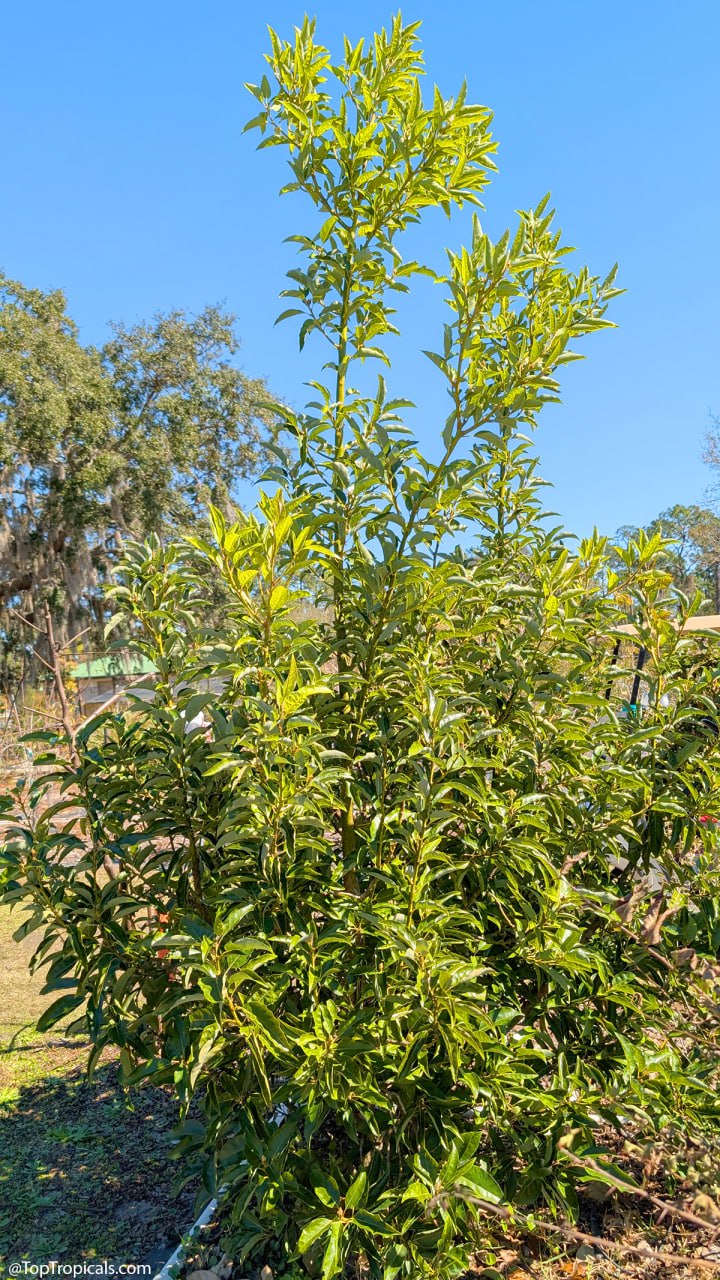
🌿 Katuk, or Tropical Asparagus (Sauropus androgynus), is one of the most underrated edible plants you can grow. This leafy tropical shrub is a superfood in disguise. It grows fast, looks lush, and its tender young shoots taste just like green peas.

🌿 Native to Southeast Asia, Katuk is a kitchen staple in places like Vietnam, Malaysia, and Thailand. The leaves and shoots are used in soups, stews, and stir-fries with egg or seafood. It’s not only delicious but also incredibly nutritious - rich in nutrients linked to improved memory and reduced cognitive aging: folate, lutein, and especially vitamin K, which is rare in plants.

🌿 Katuk thrives in sun or partial shade, needs little care, and grows into a dense, bushy plant that gives you edible greens all year round. If you want something that feeds both your garden and your health, this one’s a winner!

🛒 Add Katuk Superfood to your Food Forest

Lean more:
🍴 Katuk egg stir-fry: Quick-n-Fun exotic recipes
✔️ Discover the health benefits of Katuk: a Superfood for your mind and body
📚 Tropical Asparagus, Katuk: Grow your own food
📱 How to cook with Katuk

#Food_Forest #Remedies #Discover

🟢 Join 👉 TopTropicals

Date: 5 Jun 2026

The Heart-Shaped Houseplant People Keep Giving as a Living Love Note

Hoya kerrii - Sweetheart Plant or Valentine Hoya flowers

Hoya kerrii - Sweetheart Plant or Valentine Hoya flowers

Hoya kerrii - Sweetheart Plant or Valentine Hoya

💞 The Heart-Shaped Houseplant People Keep Giving as a Living Love Note


Most houseplants are just greenery, but Hoya kerrii is different. One look at its perfectly heart-shaped leaves and you immediately understand why it’s called the Sweetheart Plant or Valentine Hoya. It looks almost unreal - thick green hearts climbing along twisting vines, as if designed specifically for a Love Gift. But unlike flowers that fade in a week, this gift keeps growing, quietly reminding someone every day that they are loved. For plant collectors, it has become one of the most charming and recognizable indoor plants in the world.

💖 Three Stunning Varieties to Obsess Over


The famous heart shape is only part of the story. Mature plants grow long, twining stems covered in succulent-like leaves that look like little green valentines hanging in every direction. It comes in three beautiful forms:

🟢 Classic Jade Green: Deep green foliage and the fastest grower of the family.
🟡 Sunshine Variegated: Bright, creamy-yellow margins that light up a room.
⚪️ Moonlight Variegated: Softer, silvery-cream internal patterns for an elegant look.

Many people first discover Hoya kerrii as a single rooted leaf sold in a tiny pot. While those cute novelty hearts make popular gifts, mature trailing plants are far more impressive.
👉 Pro-Tip: If you want cascading vines, buy a plant with a visible stem and multiple leaves. Those single novelty leaves look adorable on a desk, but without a piece of stem tissue, they never grow any larger.

💖 Surprisingly Low-Maintenance


One reason the Sweetheart Hoya exploded in popularity is simple: it is extremely forgiving and tolerates neglect better than too much attention. Because the thick leaves store water like a succulent, it easily survives weeks between waterings.

It adapts beautifully to standard home or office life:

💧Water: Low to moderate. Let the soil dry out completely between waterings.
☀️Light: Bright, indirect light is best, though it tolerates lower-light spots.
📊Environment: Thrives in average household humidity and indoor temperatures.

The single biggest mistake you can make is overwatering. When in doubt, leave it dry.

💖 The Fragrant, Wax Flowers


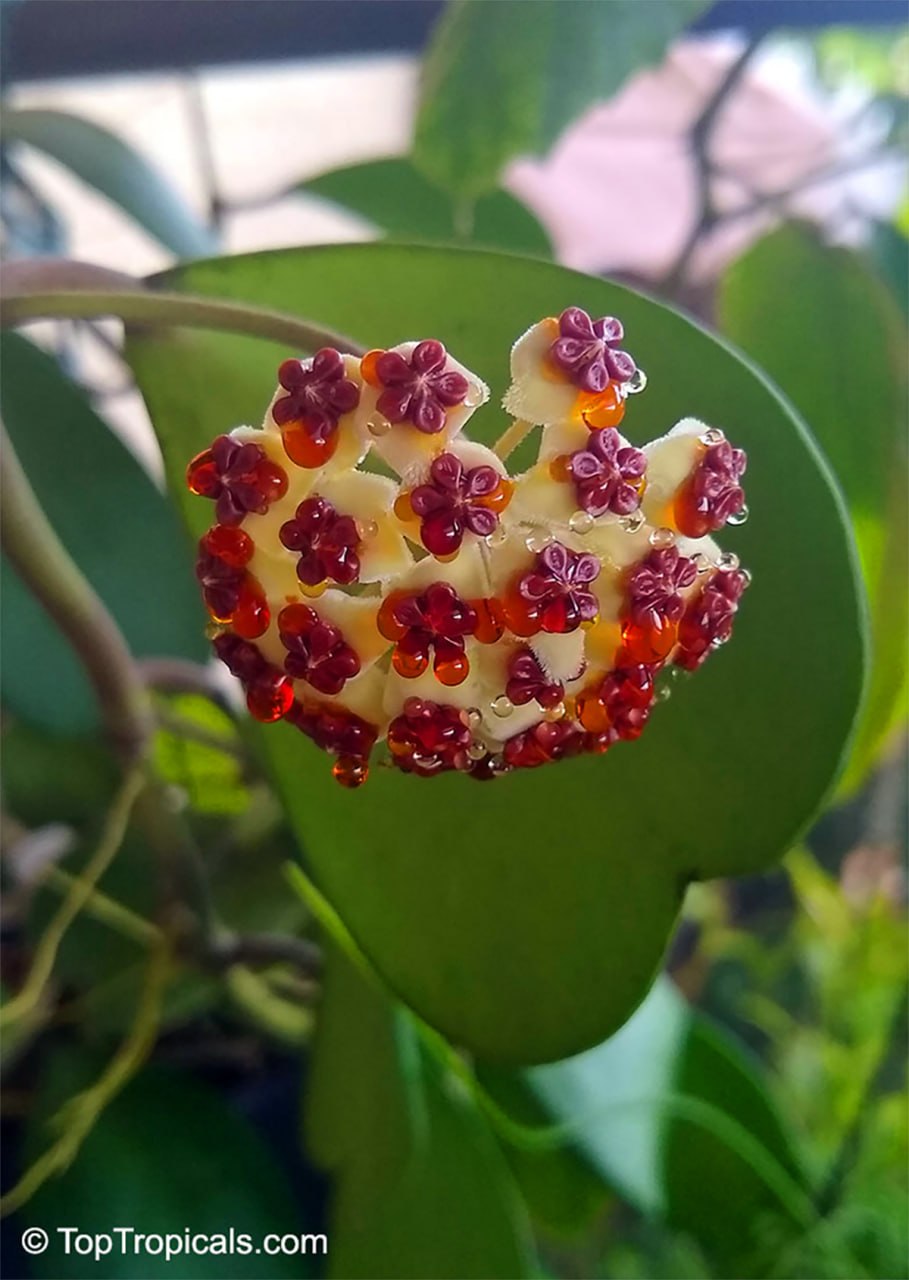
Many owners don't even realize Hoya kerrii blooms until it suddenly produces clusters of strange, waxy flowers that look almost artificial.

The blooms form in rounded, umbrella-like clusters of tiny, double-layered stars - a pale outer star topped with a rich, reddish center crown. Like most Hoyas (affectionately called "wax plants"), the blooms are remarkably long-lasting and release a sweet, rich fragrance, especially in the evening.

💖 A Plant That Tells a Story


There is something deeply thoughtful about giving a living, heart-shaped plant. Cut flowers are a temporary gesture, but a Sweetheart Hoya becomes a permanent fixture on a windowsill, a kitchen corner, or an office desk.

That is why this quirky tropical vine remains a favorite for birthdays, anniversaries, and "thinking of you" surprises. Some plants simply decorate a room; a Sweetheart Hoya quietly tells a story every time you walk past it.

🛒 Collect Sweetheart Hoyas

📚 Learn more:

Wax Hearts Plant Facts

Botanical name: Hoya kerrii
Also known as: Wax Hearts, Sweetheart Hoya, Valentine Hoya, Heart leaf
USDA Zone: 9 - 11
Highligths Groundcover and low-growing 2ft plantSemi-shadeShadeFull sunWatering: Moderate. Water when top soil feels dryOrnamental foliageWhite, off-white flowersPlant attracts butterflies, hummingbirdsFragrant plant
Get personalized tips for your region

Hoya kerrii, Sweetheart Hoya in Plant Encyclopedia
What is the best gift plant that actually lasts?
The best gift for Valentines Day
Valentines day Gift Plant Ideas
Valentine’s plants from around the world that symbolize love, connection, and appreciation
Eight favorite plants of romance, affection, and emotional connection

#Shade_Garden #Container_Garden #Discover

🟢 Join 👉 TopTropicals

Date: 1 Jun 2026

Pitaya David Bowie: Dragon Fruit Beyond Pink and White - A Collectors Guide

White Pitaya David Bowie: Dragon Fruit, Hylocereus

White Pitaya David Bowie: Dragon Fruit, Hylocereus

🍉 Pitaya David Bowie: Dragon Fruit Beyond Pink and White - A Collector's Guide


Most people know dragon fruit as a bright pink fruit with white flesh from the grocery store. But that's only the beginning. The world of dragon fruits is surprisingly diverse, with varieties ranging from white to deep purple, giant fruit to compact producers, and flavors that can remind you of kiwi, pear, melon, berries, or even lemonade. In this series, we'll explore some of the most interesting dragon fruit varieties, highlighting their appearance, flavor, growth habits, and what makes each one special.

🔸 At first glance


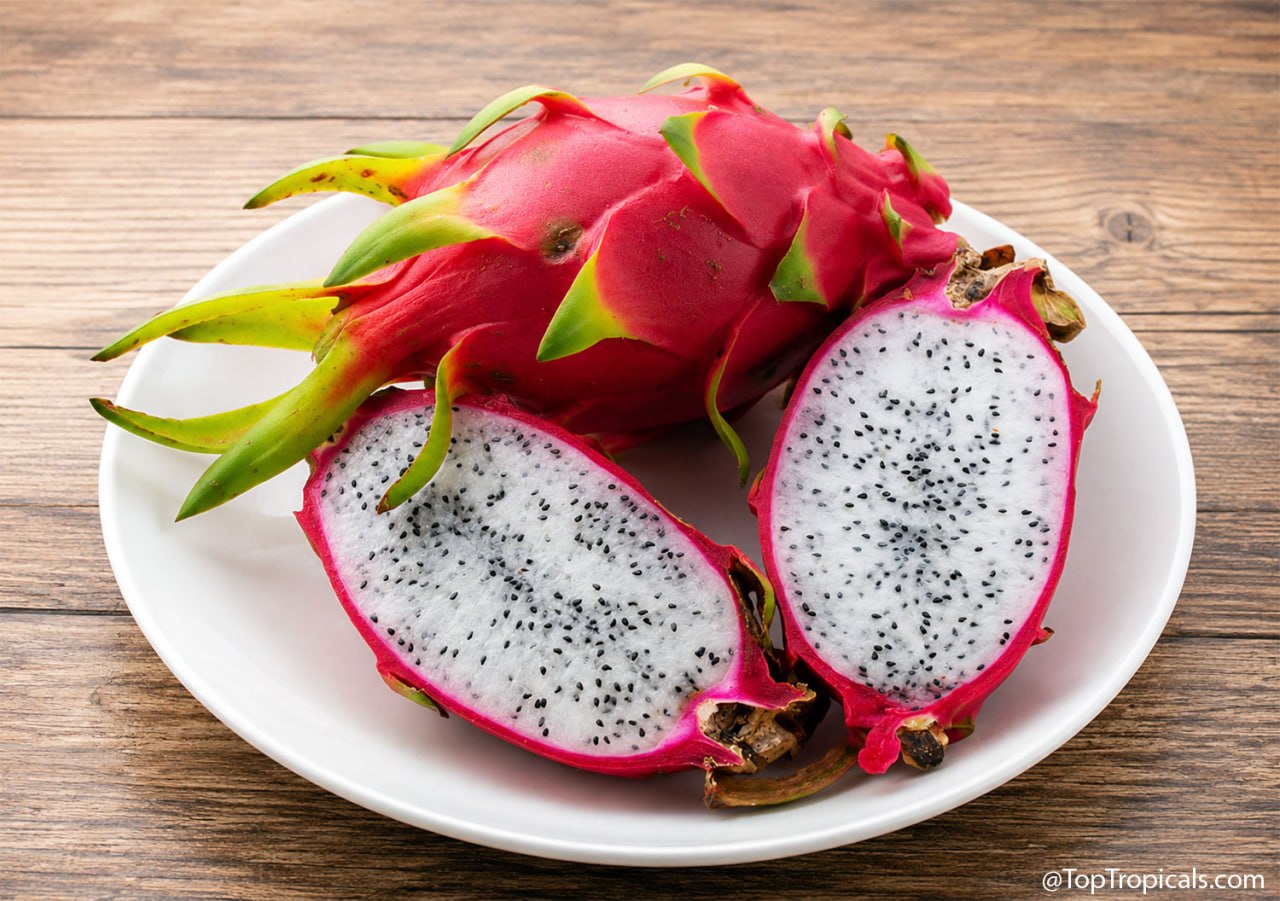
David Bowie (Hylocereus undatus x monacanthuis) looks like a classic dragon fruit - bright red skin, white flesh, and a familiar appearance. But spend a little time with this variety and you'll discover why collectors actively seek it out. David Bowie is one of the most popular white-fleshed dragon fruit varieties, prized for its large fruit, reliable production, and refreshing flavor.

🔸 A classic dragon fruit done right


This self-pollinating variety produces medium to large fruit, often approaching a pound in weight. The bright red skin is decorated with numerous green-tipped fins, giving the fruit an especially dramatic appearance.

Among white-fleshed dragon fruits, David Bowie is known for producing larger-than-average fruit while maintaining excellent eating quality.

🔸 Refreshing flavor with a citrus twist


Unlike some dragon fruits that are valued mainly for appearance, David Bowie delivers a flavor that keeps people coming back.

The flesh is mildly sweet and refreshing, often compared to a cross between kiwi and pear. What makes it memorable is a pleasant tangy character and subtle lemony finish that brightens the flavor and makes it especially enjoyable chilled.

The fruit is excellent eaten fresh and is also popular for smoothies, fruit salads, and garnishes.

🔸 Easy to grow and rewarding


David Bowie is self-pollinating, making it an excellent choice for home gardeners who want reliable fruit production from a single plant.

Like other dragon fruits, it is a vigorous climbing cactus that produces spectacular night-blooming white flowers before setting fruit. The blooms are large, fragrant, and beautiful enough to make the plant worth growing even before the harvest arrives.

🔸 Why collectors love it


Not every dragon fruit has to be purple, yellow, or unusually exotic to earn a place in a collection.

David Bowie remains popular because it combines everything growers want - attractive fruit, dependable production, large size, refreshing flavor, and self-pollinating flowers. Sometimes the classics become classics for a reason. 👉 More...

🛒 Explore and collect Dragon Fruit varieties

📚 Learn more:

Pitaya Plant Facts

Botanical name: Hylocereus sp.
Also known as: Pitaya, Pitahaya, Dragon Fruit, Strawberry Pear
USDA Zone: 9 - 11
Highligths Large shrub 5-10 ft tallVine or creeper plantSemi-shadeFull sunWatering: Moderate. Water when top soil feels dryWhite, off-white flowersThorny or spinyEdible plantSubtropical plant. Mature plant cold hardy at least to 30s F for a short timeSeaside, salt tolerant plant
Get personalized tips for your region

· Dragon fruit Hylocereus in Plant Encyclopedia
· Why white-flesh Dragon fruits deserve more attention
· A Quick Guide to Dragon fruit varieties: Red, White, Yellow, Purple and more...
· What is the best Dragon fruit with red flesh?
· Planting your own Dragon Fruit plantation
· Do-It-Yourself Support Structure for Dragon Fruit
· Why you need to grow your own dragon fruit
· Do red, white and yellow Dragon fruit taste differently?

#Food_Forest #Dragon_Fruit #Discover

🟢 Join 👉 TopTropicals