Garden Blog - Top Tropicals

Date: 29 Jun 2026

😾 When Orange Isn't a Good Thing

Smokey,  a  tuxedo  cat  dressed  as  a  rust  detective,  examines  a  plumeria 
 leaf  with  a  magnifying  glass  while  Sunshine,  a  relaxed  orange  tabby,  lounges
    with  a  coffee  mug  inside  a  greenhouse  filled  with  healthy  blooming 
 plumerias.  Outside  the  greenhouse,  rain  falls  on  rust-infected  plumeria 
 leaves,  illustrating  how  wet  foliage  promotes  plumeria 
 rust.
Smokey: Those orange spots are plumeria rust.
Sunshine: Orange is an excellent color.
Smokey: On cats, yes. On plumeria leaves, no.
Sunshine: I represent the good kind of orange.

🌸 Plumeria Rust in Humid Climates:
What Finally Worked for Us

By Tatiana Anderson, Plant Expert, Top Tropicals

Side-by-side  photos  of  healthy  plumeria  plants  with  lush  green  foliage 
 and  no  signs  of  rust,  growing  in  pots  inside  a  greenhouse  and  outdoors  at  a 
 tropical 
 nursery.

Healthy plumerias with clean, vibrant foliage after successful rust management. Good airflow, bright conditions, and effective fungicide treatment help keep plants growing strong through Florida's rainy season.

If you grow plumerias in Florida, you probably know what comes next. Around June, when the rainy season begins and afternoon thunderstorms become part of the daily routine, orange-yellow spots start appearing on the undersides of plumeria leaves. Plumeria rust arrives almost like clockwork. If you have ever tried to fight it, you know how frustrating that battle can be.
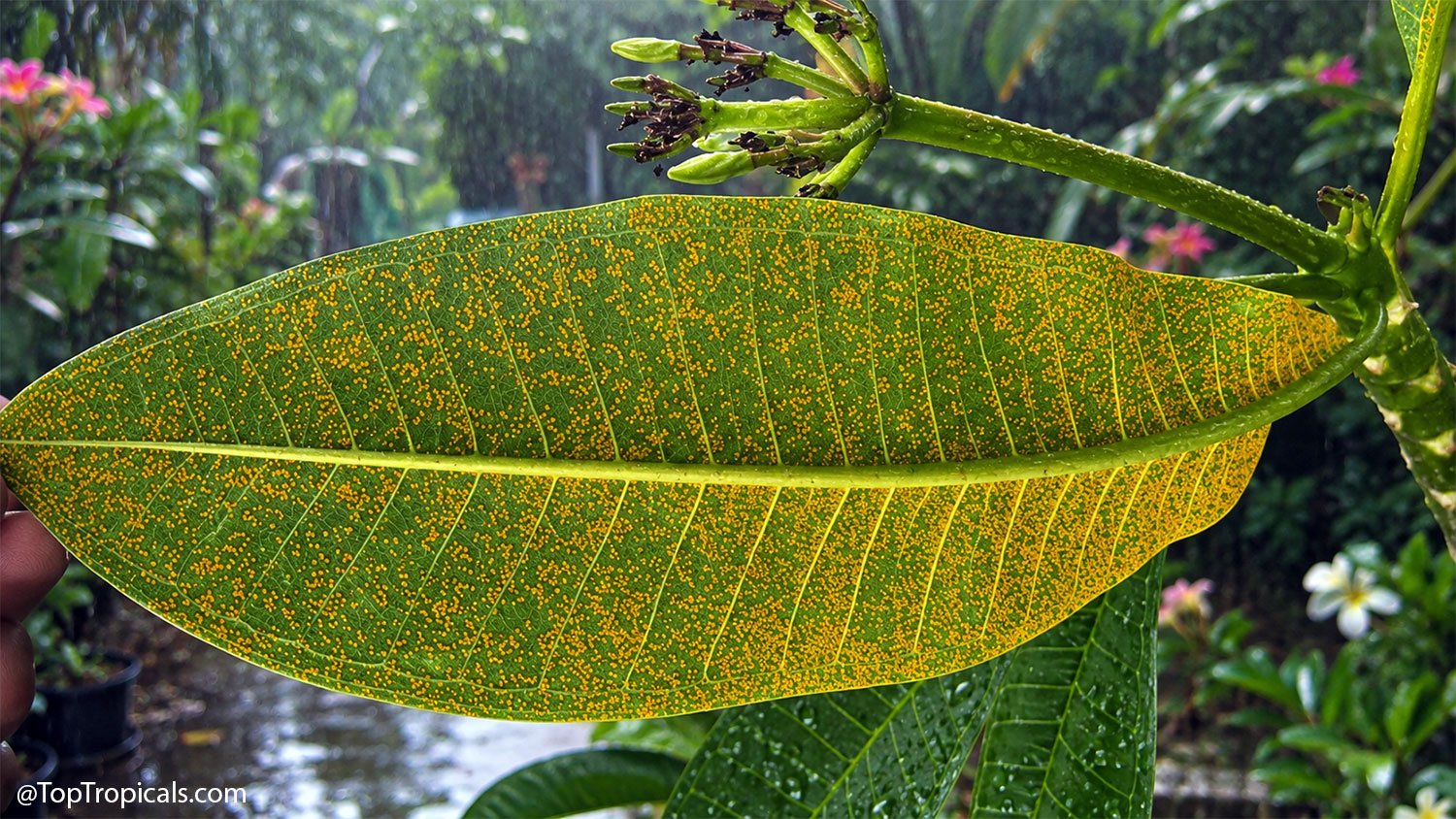
Close-up  of  the  underside  of  a  plumeria  leaf  covered  with  bright  orange
    plumeria  rust  spores  during  rainy  weather,  with  a  lush  tropical  garden 
 blurred  in  the 
 background.

Plumeria rust appears as bright orange powdery spores on the underside of leaves. Warm, humid, rainy conditions allow the fungus to spread quickly, making it a common sight in tropical and subtropical gardens.

Let me be clear about something right away: Plumeria rust is rarely fatal to an otherwise healthy plant.

In our experience, we have never lost a healthy plumeria to rust alone. The disease is mostly cosmetic, but it causes significant yellowing, triggers premature leaf drop, and can turn a beautiful specimen into something that looks ragged throughout the best months of the growing season. For a plant grown as much for its attractive foliage as its spectacular flowers, that matters.

At Top Tropicals, we have grown plumerias for many years and have tried most of the approaches gardeners typically recommend: sulfur-based fungicides, neem oil, copper sprays, improving drainage, and removing infected leaves before they hit the ground. Some of those things helped to varying degrees. None of them felt like a real breakthrough until recently.

The Fungicide That Actually Did Something

Comparison  image  showing  healthy  plumeria  leaves  after  treatment  with 
 Southern  Ag  Garden  Friendly  Fungicide,  alongside  an  inset  photo  of  a  leaf 
 covered  with  orange  plumeria  rust  spores  before  treatment.

Real-world results after treating plumeria rust with Southern Ag Garden Friendly Fungicide. The inset shows a leaf heavily infected with orange rust spores before treatment, while the main image shows clean, healthy new foliage after the fungus was brought under control.

A few seasons ago, on the recommendation of another grower, we tried Southern Ag Garden Friendly Fungicide . This biological fungicide contains the beneficial bacterium Bacillus sp, and I want to be careful here: I am not suggesting it is the best product for everyone or that it will produce the same results in every situation. What I can say is that, in our experience, it was the first fungicide that consistently produced visible improvement when applied according to the label directions.

We applied it at the first sign of rust, repeated applications according to the label, and actually saw the progression slow down while new infections became less severe. Whether that was the product, the timing, or some combination of factors, I cannot say with certainty. But after cycling through several options over the years, it was the one that felt like it was doing something real. If you are looking for a starting point, it is worth trying.

But the fungicide wasn't our main discovery. That came this past season, and it changed how we think about this disease.

☔️ What This Season Taught Us About Leaf Wetness

Healthy  plumeria  plants  with  lush,  dry  green  leaves  growing  inside  a 
 greenhouse.  The  foliage  is  clean  and  free  of  rust,  showing  vigorous  new 
 growth  under  bright  filtered  light.

Healthy, dry plumeria foliage is one of the best defenses against plumeria rust. Good airflow, bright light, and keeping leaves dry whenever possible help prevent the fungus from taking hold during the rainy season.

This season we moved our prized container plumerias under a covered growing area with a clear plastic roof and approximately 30 percent shade cloth overhead. The structure provides excellent light, warm temperatures, and very good air circulation while protecting the plants from Florida's frequent summer rains. It is not a climate-controlled greenhouse, but rather a protected outdoor growing area.

Here is the important part: these plants were still irrigated regularly, every two to four days, with overhead watering. The leaves did get wet. But because they were not sitting outside during Florida's daily summer downpours, the foliage dried within a reasonable amount of time instead of remaining wet for hours, which is common after a heavy rain followed by cloudy skies and still air.

The result? Not a single case of rust developed on those plants throughout the season. Considering how consistently plumeria rust appears each summer in our nursery, that result immediately caught our attention. The most significant difference was how long the foliage remained wet after watering or rain. Meanwhile, plumerias growing in the ground nearby, fully exposed to the weather, showed rust infection at the usual time.

💦 Ambient Humidity vs. Standing Water

That observation made us rethink what we believed was driving the disease. We had always assumed Florida's high humidity was the primary factor. Humidity certainly plays a role. But this experience suggested that prolonged leaf wetness may be a much more significant factor than ambient humidity by itself.

There is a real difference between air that feels humid and leaves that stay wet for four, six, or eight hours after a rain. Humid air means the moisture content of the atmosphere is high. Wet leaves means there is standing water on the leaf surface. Both conditions can occur together, but they are not the same thing. A leaf in a humid but breezy location can dry within an hour. A leaf in still, wet conditions after a heavy rain may stay wet most of the day. That difference may be far more important than many gardeners realize.

We are not plant pathologists, and we do not want to overstate what we learned from one growing season. But after many years of growing plumerias in Florida, the results were convincing enough that we now protect our best container specimens from prolonged summer rainfall whenever possible.

👉 What We Recommend

Based on many years of growing plumerias in Florida, here are the practices that have worked best for us:

  • Grow plumerias in full sun whenever conditions allow. Good light means faster drying after rain or irrigation, and plants grown in low light often seem to show rust symptoms more readily.
  • Keep your plumerias well-fed. Healthy, vigorously growing plants recover from stress and disease much better than weak ones. We apply Green Magic controlled-release fertilizer every six months for a steady supply of nutrients, and supplement with Sunshine Boosters Megaflor during the growing season. Because Megaflor is gentle, it can be safely applied with every watering, all year long.
  • During extended rainy periods, consider moving valuable container plants under cover if possible. Even a covered patio can make a difference if it keeps the leaves from remaining wet for most of the day.
  • Provide air circulation. Plants crowded together stay wet longer. Space them properly and position them where they receive good airflow.
  • Remove infected fallen leaves. They can continue serving as a source of spores. Pick them up and dispose of them rather than leaving them beneath the plants.
  • If rust begins to appear, start fungicide applications early. Slowing an infection at the beginning is much easier than trying to control one that is already well established.

💡 A Realistic Conclusion

Five  healthy  potted  plumeria  varieties  displaying  white,  pink,  yellow, 
 magenta,  and  multicolored  blooms,  arranged  in  a  row  with  lush  green  foliage 
 and  clean,  rust-free 
 leaves.

A parade of healthy plumerias in full color. Clean foliage, bright blooms, and vigorous growth show what plumerias can look like when rust is kept under control, letting each variety shine in its own unique colors.

Plumeria rust is mostly a cosmetic problem rather than a life-threatening one. Healthy plants usually recover well, but yellowing foliage and premature leaf drop can take much of the beauty out of an otherwise beautiful blooming season.

We cannot promise these methods will eliminate rust in every garden. Every growing environment is different. However, after years of battling this disease, reducing how long the leaves remain wet made a bigger difference than any other single change we have tried. If you grow plumerias in a humid climate and continue struggling with rust, it may be worth focusing not only on humidity itself, but also on how quickly the foliage dries after the rain stops.

📚 Plumerias in Top Tropicals Garden Blog

👉 Start your Plumeria collection
Plumeria Special
Buy 2 or More Plumerias, Save 25%
Mix and match your favorite varieties! Purchase 2 or more plumerias and receive 25% off all plumerias in your order. No coupon code required. Discount is applied automatically when qualifying items are added to your cart.
Valid through July 3, 2026
Offer applies to new orders only. Not valid on previous purchases, pending orders, gift certificates, shipping charges, or combined with other discounts or promotional offers.

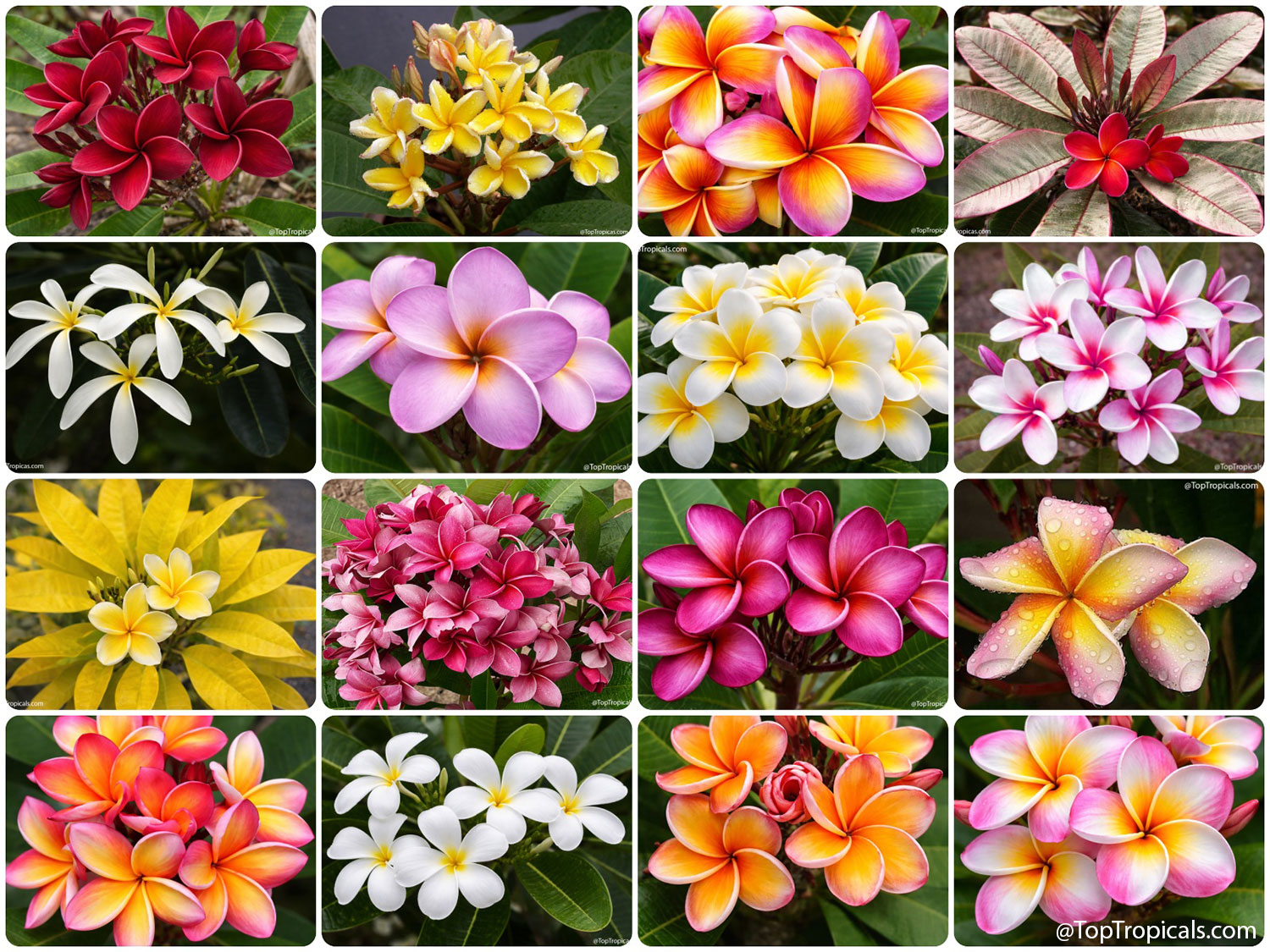
Collage  of  sixteen  plumeria  varieties  showcasing  an  extraordinary  range
    of  flower  colors,  including  white,  yellow,  pink,  red,  orange,  multicolored,
    and  variegated  foliage,  highlighting  the  remarkable  diversity  of  plumeria 
 blooms.

Plumerias come in an amazing spectrum of colors and forms. From pure white and buttery yellow to fiery reds, soft pinks, rainbow blends, and even variegated foliage, there is a plumeria to match every tropical garden and collector's taste.

Sunshine: Healthy plumerias need sunshine... that's me... good airflow, and dry leaves.
Smokey: That's a surprisingly accurate summary.
Sunshine:We can help with all of that. Donut worry. Coffee first.

Date: 24 Sep 2023

Go Bananas!
10 good reasons to plant bananas in your garden

Cat  with  bananas  in  refrigerator

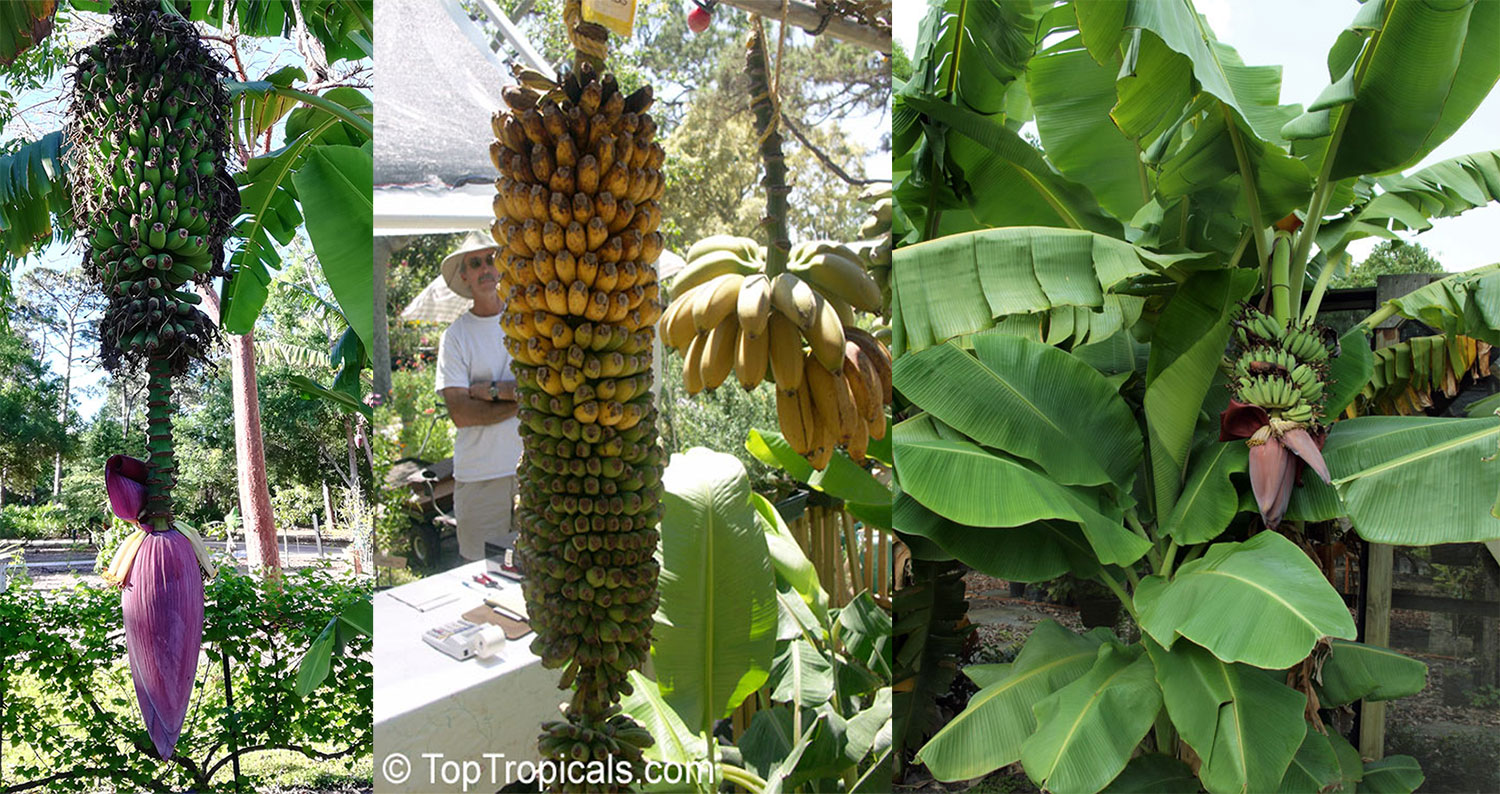
Adding banana plants to your subtropical garden or plant collection can enhance the aesthetics of your outdoor and indoor space, provide fresh and nutritious fruits, and offer a fun gardening experience with relatively low maintenance requirements. It's a delightful way to connect with nature and enjoy the benefits of homegrown produce.

1. Tropical Ambiance: Banana plants bring a touch of the tropics to your subtropical garden. Their large, lush leaves create a lush and exotic atmosphere that can transform your garden into a tropical paradise.

2. Homegrown Flavor: Growing your own banana trees allows you to enjoy the freshest, most flavorful bananas right from your garden. Homegrown bananas often have a superior taste compared to store-bought varieties.

3. Nutritional Benefits: Bananas are packed with essential vitamins, minerals, and dietary fiber. By cultivating your own banana trees, you gain access to a nutritious and healthy snack option right in your backyard.

4. Quick Results: Banana plants are known for their fast growth. In subtropical climates, they can produce fruit in as little as one to two years. This means you don't have to wait long to savor the fruits of your labor!

5. Low Maintenance: Banana trees are relatively low-maintenance once established. They require regular watering, but their hardy nature makes them a relatively easy addition to your garden. They are not messy in a landscape.

6. Versatility: Bananas offer versatility in your garden. You can choose from dessert bananas for snacking, cooking bananas like plantains for culinary experiments, or even ornamental banana varieties to enhance your garden's aesthetics. There are so many varieties to enjoy! You can't find this big selection in a grocery store.

7. Sustainable Living: Growing your own bananas reduces your reliance on store-bought produce, contributing to a more sustainable lifestyle. It also minimizes the carbon footprint associated with transporting fruits to market.

8. Educational Value: Cultivating banana plants can be an educational experience for both adults and children. It offers insights into tropical horticulture and can foster an appreciation for gardening and botany.

9. Landscaping Appeal: Beyond their fruit-bearing potential, banana plants add visual interest to your garden. Their unique form and striking leaves make them an excellent choice for landscaping and providing shade in your outdoor space.

10. Resilience: While bananas thrive in tropical conditions, many banana varieties are hardy enough to withstand cooler climates, making them a durable addition to your garden.

bananas  and  banana  trees

Date: 24 Jul 2023

Easy, stress-free plants
for Summer planting

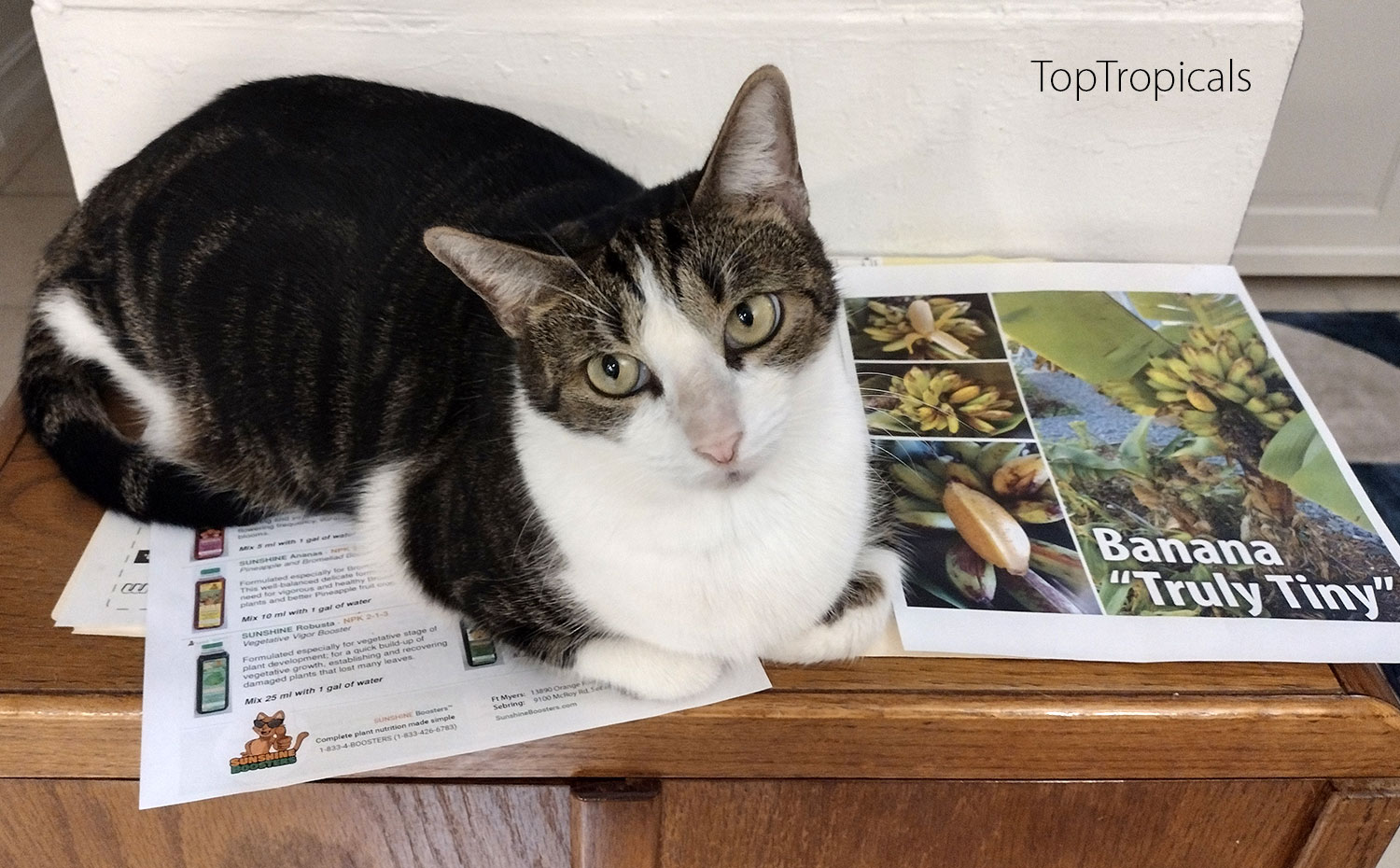
Cat  with  Bananas

Q: With the rising temperatures, I'm concerned about shipping my plants safely. Can they withstand the heat during transit? Also, is it okay to plant them in the ground now, or should I wait for cooler Fall weather?

A: Your concern about shipping plants in hot weather is valid. For sensitive plants, we'll delay shipping until conditions are more favorable in your area. However, there are plenty of heat-tolerant tropical plants that handle shipping well with minimal stress. These plants adapt easily when planted during the hot summer months. Simply follow the included planting instructions, gradually acclimate them to full sun, and they should thrive.

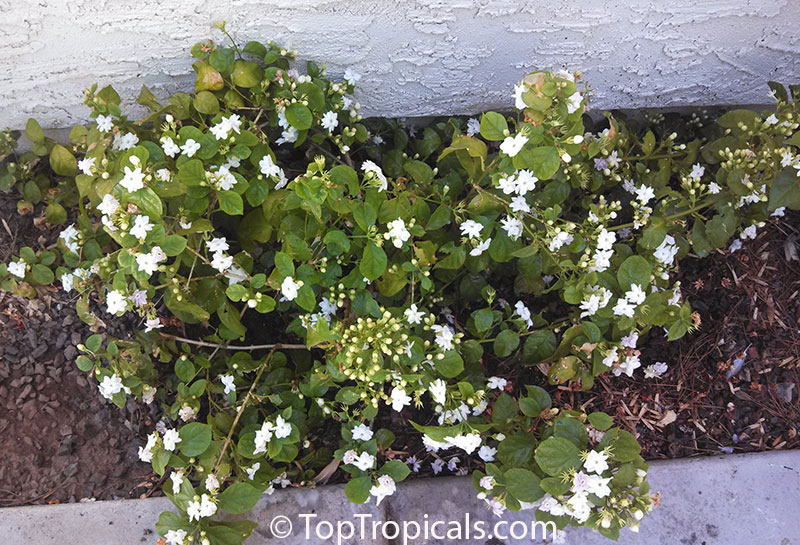
Certain flowering tropical plants, such as Allamandas, Calliandras, Caesalpinias, Adeniums, and Clerodendrums, are excellent options for shipping and establishing during the summer. Flowering vines like Jasmines also adapt well. Consider using Sunshine Booster fertilizers to promote robust growth, they are safe to use right after planting.

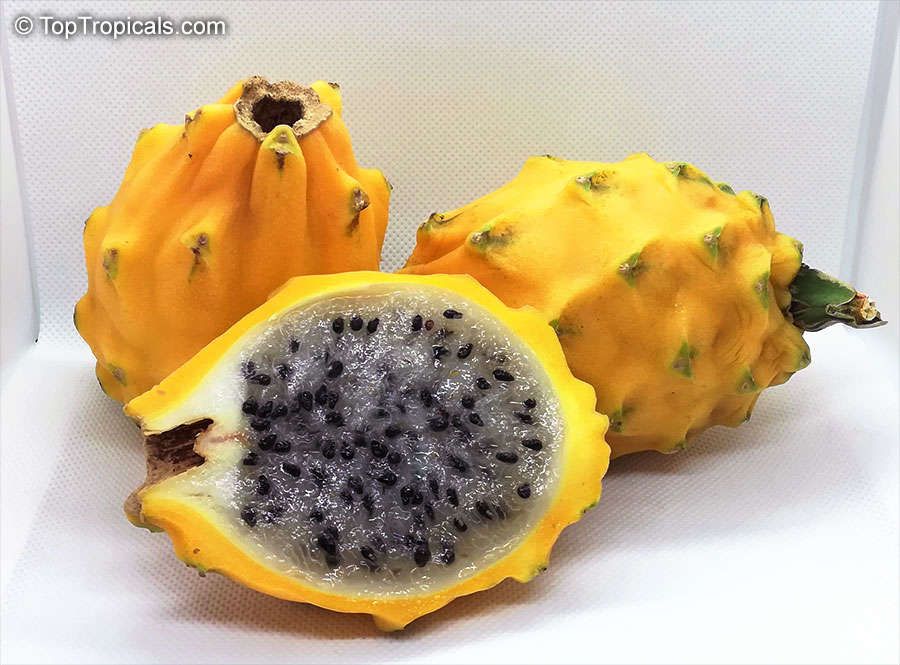
Additionally, many fruit trees flourish in heat. Mangoes, Avocados, Pomegranates, Pineapples, Loquats, Eugenias - Tropical cherries, Bananas, Jackfruits, Dragon Fruit, and Olive trees are great choices for summer planting. Noni trees are hardy survivors and usually ship and grow well during the summer, in spite of their lush tropical leaves.

Feel free to check with us about the specific plant you plan to order for its suitability in summer shipping. We're here to take care of your green babies and address your year-round planting needs!

Pitaya  Yellow  Dragon  Fruit,  Selenicereus  megalanthus

Pitaya, Yellow Dragon Fruit, Selenicereus megalanthus

Cat  with  Bananas

Jasminum sambac Maid of Orleans thrives and blooms in hot sun

Cat  with  Bananas

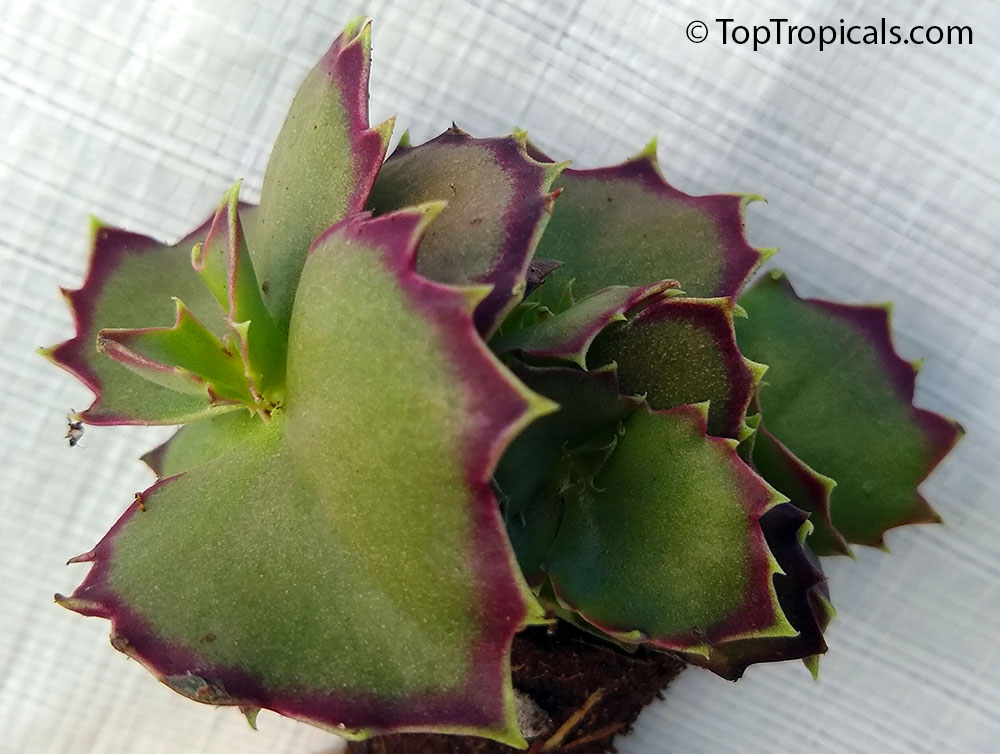
Kalanchoe synsepala Magnificent - Walking Cup Kalanchoe, spectacular plant, loves dry and hot conditions

Date: 25 Jun 2021

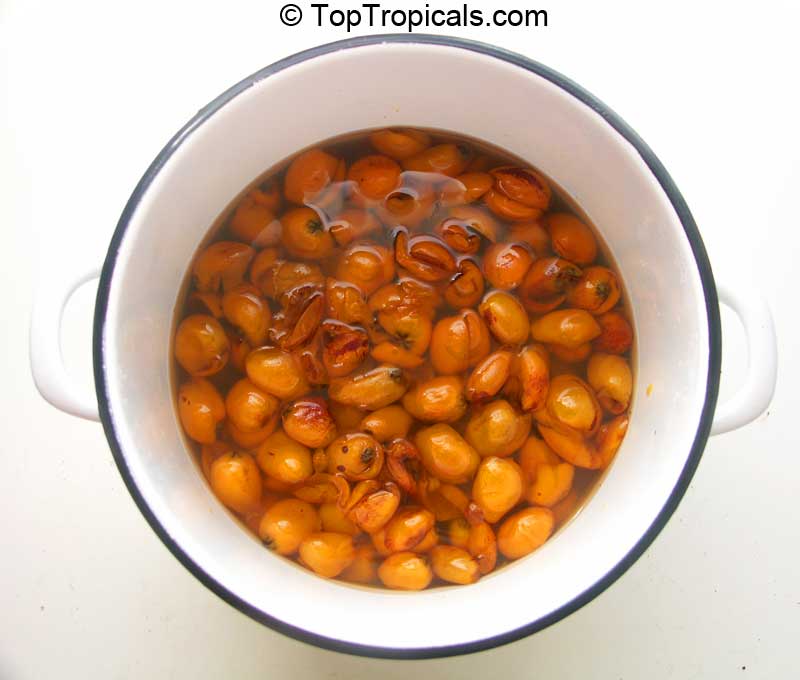
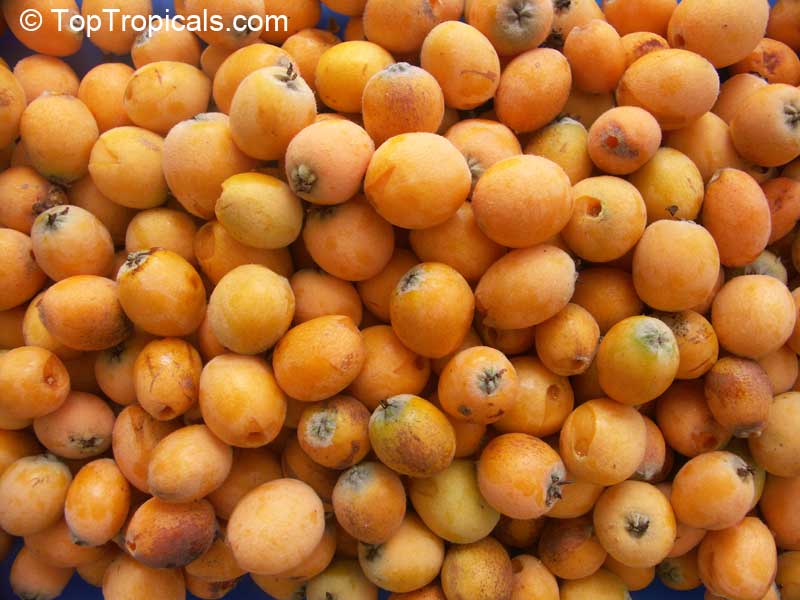
Kristi's Loquat Tropical BBQ sauce

Loquat trees are famous for their abundant fruit production. Many customers who purchased this tree from us, soon end up with some serious crops and start asking if we have any special recipes for loquat fruit - because you can only eat so much out of hand! Here is our manager Kristi's favorite Loquat recipe - not only delicious and tropically-aromatic, but also good for you. Happy Tropical Meal!

Ingredients

2 lbs loquat fruit
1 cup soft brown sugar
3 cups malt vinegar
1 onion chopped
2 cloves garlic

1/2 tsp salt
1/2 tsp black pepper
1/4 tsp cayenne pepper
6 cloves whole or 1/2 tsp ground cloves

Instructions

Wash the fruit, cut them in half and remove stones. The loquats will lose about a third of their weight once stoned (3 lbs of whole fruit = 2 lbs of fruit, stones removed). Add loquats and all remaining ingredients to a large saucepan. Bring to a low boil, then simmer for about an hour, stirring occasionally. The liquid will have reduced quite a bit and the fruit will be collapsed and very soft. Allow to cool slightly, then liquidize the sauce in a blender or a food processor. Be careful, hot sauce really burns!
This delicious tropical sauce is great for any BBQ - with meats or fish. Enjoy!

Date: 21 Jun 2019

The Flower of Gold

By Onika Amell, tropical plant specialist

Q: I am concentrating on adding more fragrance to my garden. I've had great success growing gardenias and I have many different varieties, but their flowers are all white, and I would like to add some colors to my garden too. Are there any gardenias available in different colors? I live in Waipio Acres, Hawaii.

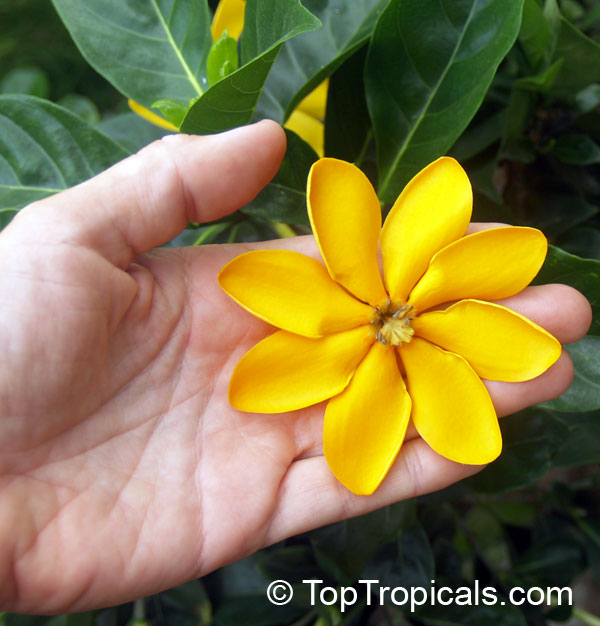
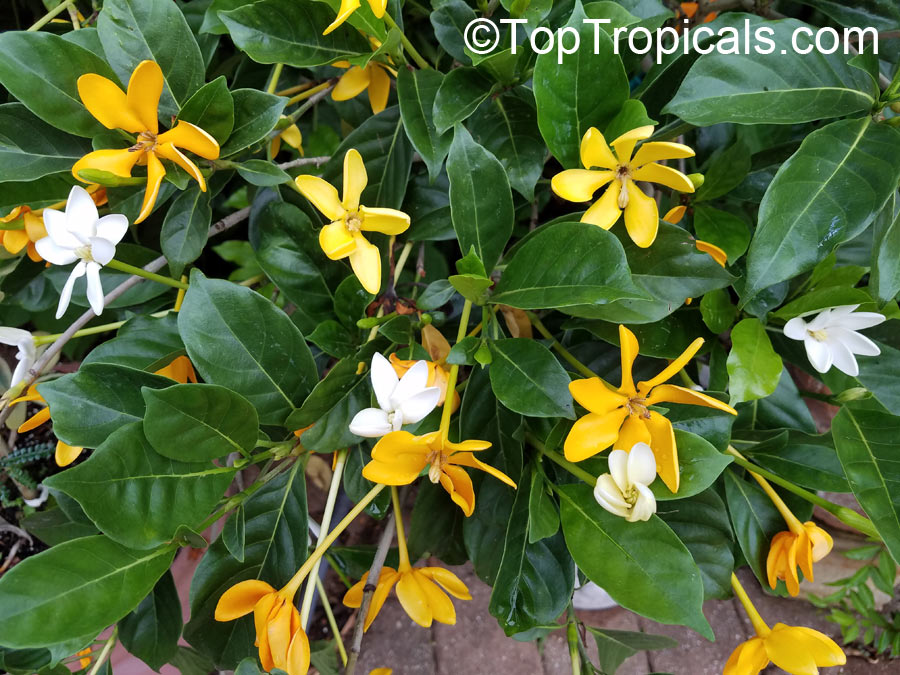
A: Meet the very rare and highly fragrant, tropical Gardenia tubifera Kula or Golden gardenia. Kula flowers change color as they mature, which is a unique feature! Kula flowers start out as cream, then change to yellow and finally to a beautiful gold. In addition to the spectacular flowers, this gardenia also has beautiful, leathery, deep green foliage.
This is a slow-growing and compact plant. Like all the other members in the Gardenia family, the Golden gardenia will do best in an acidic, well-drained, and fertile soil. It will appreciate a good deal of direct sunlight but will be very happy if provided with midday and afternoon shade. As with with gardenias, the more sunlight the more flowers.
It will eventually grow into a rounded shrub if left unpruned, but also can be trained into a small tree, maintainable to a height of under 7-8 feet. Blooms will appear from spring onward. Prune after flowering, this will encourage more flowers in a few months.
Gardeners living in colder areas, do not fret. Gardenias make perfect container plants and can be grown indoors in colder climates. Just be sure to provide high light when bringing them indoors.
The fragrance and changing colors of a Gardenia Kula is unforgettable. They are most fragrant near sunset and during early evening hours. Plant them near walks and patios where their lovely fragrance can be enjoyed.
This rare tropical Gardenia is sure to be a conversation piece in any garden. Great collector's plant!

Recommended fertilizers:
Pink N Good Daily Plant Food - Flower Booster
Tropical Allure - Smart-Release Booster

Limited time special offer:
Instant $5 OFF Golden Gardenia!