Garden Blog - Top Tropicals

Date: 2 Mar 2026

😼😺 The Story Behind Smokey and Sunshine 🐾

Smokey  and  Sunshine  in  office  presentation  about  Cherry  of  the  Rio 
 Grande  freeze  survival,  with  Sunshine  pointing  at  polar  bear  and  penguin 
 marketing  poster,  coffee  and  donuts  on  table,  tropical  plants  on  shelves  in 
 background.
Sunshine: You know, February 27 was International Polar Bear Day. I just learned about it and got a brilliant marketing idea. Cherry of the Rio Grande survived 25F. With wind. Real wind. That means we go north. Let them taste this magic. I even have a donut recipe with the fruit. It’s a bomb, Smokey. We expand. Trust me. Finally you can afford that new watering timer.

Smokey: Not so fast, genius. Twenty five degrees is not the North Pole. And polar bears and penguins do not share zip codes.

Sunshine: You always pour cold water on my brilliance. Fine. Where do we start?

Smokey: Well, first you go talk to Tatiana. She graduated from the Geography Department. She can explain climate zones. Cherry of the Rio Grande can grow in North Florida, Texas, and similar climates. Let’s master that before we conquer Arctic.

Sunshine: So… Phase One: Geography?

Smokey: Exactly.

Some stories are easier to tell with a little humor. Smokey and Sunshine were never just mascots. They represent the two forces behind every decision we make here: bold ideas and careful reality. One dreams big. The other checks the climate zone map. Together, they remind us that growing plants is part science, part optimism, and always personal. If you have ever wondered why they keep appearing in our newsletters, you can read their full story on the Smokey and Sunshine page. They have been with us longer than most people realize.

🐾 Learn the Story of Smoky and Sunshine

Freeze Testing of Grumichama and Cherry of Rio Grande 🍒❄️
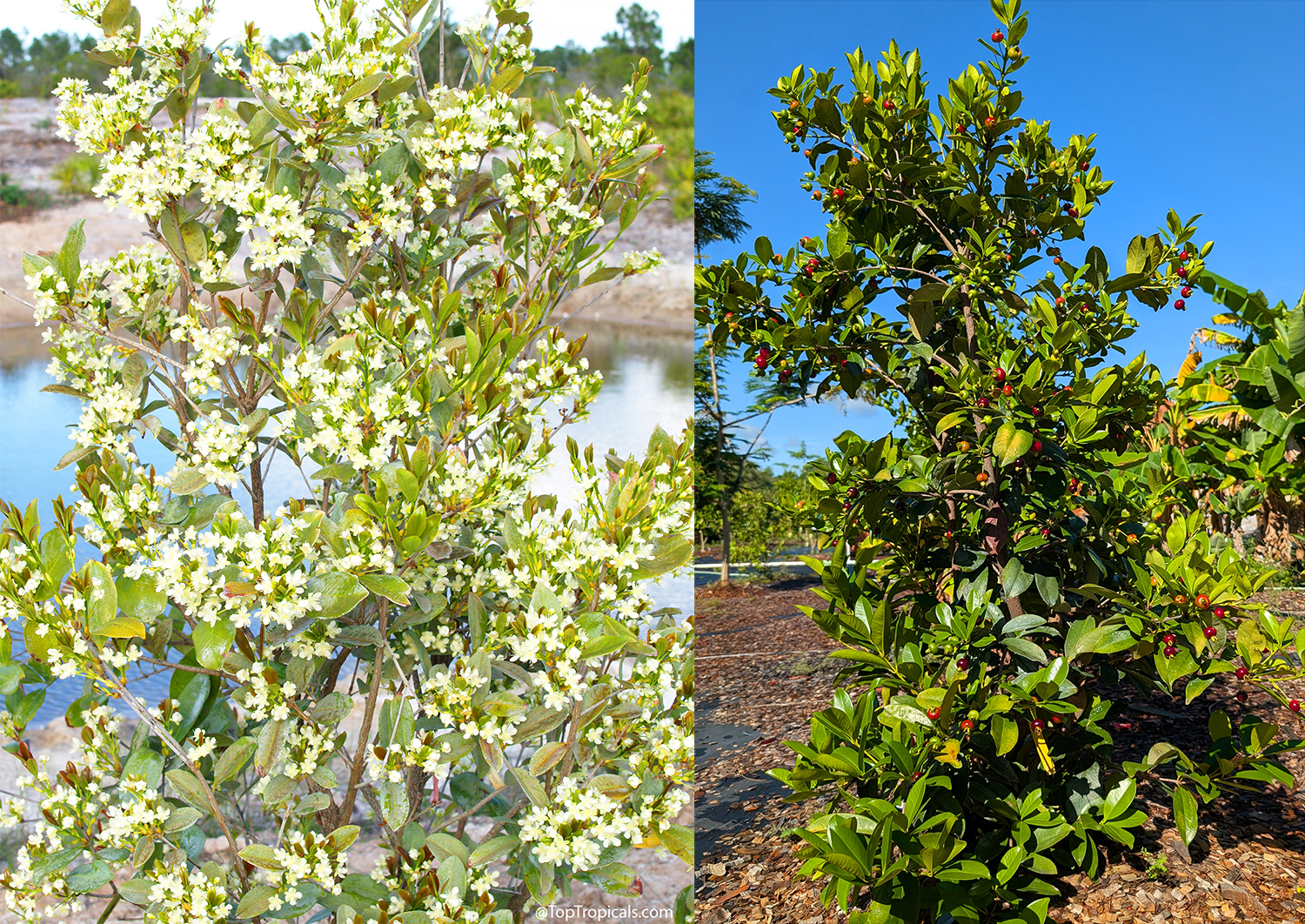
Grumichama  tree  (Eugenia  brasiliensis)  showing  white  flowers  and  ripe 
 red  fruits  in  tropical  garden 
 conditions

Eugenia brasiliensis - Grumichama tree flowering and fruiting

When temperatures dropped to 25F, with wind chill near 14F, winter made it clear which tropical trees were truly resilient. Some plants burned back. Tender growth collapsed. But our established Eugenia cherries stood steady. Leaves held. Branches stayed flexible. The canopy remained intact.

Cherry of the Rio Grande (Eugenia aggregata) and Grumichama (Eugenia brasiliensis) are among the most cold-hardy tropical cherries for Southern gardens. Both are native to Brazil and thrive in USDA Zones 9b–11, and even protected 9a sites.

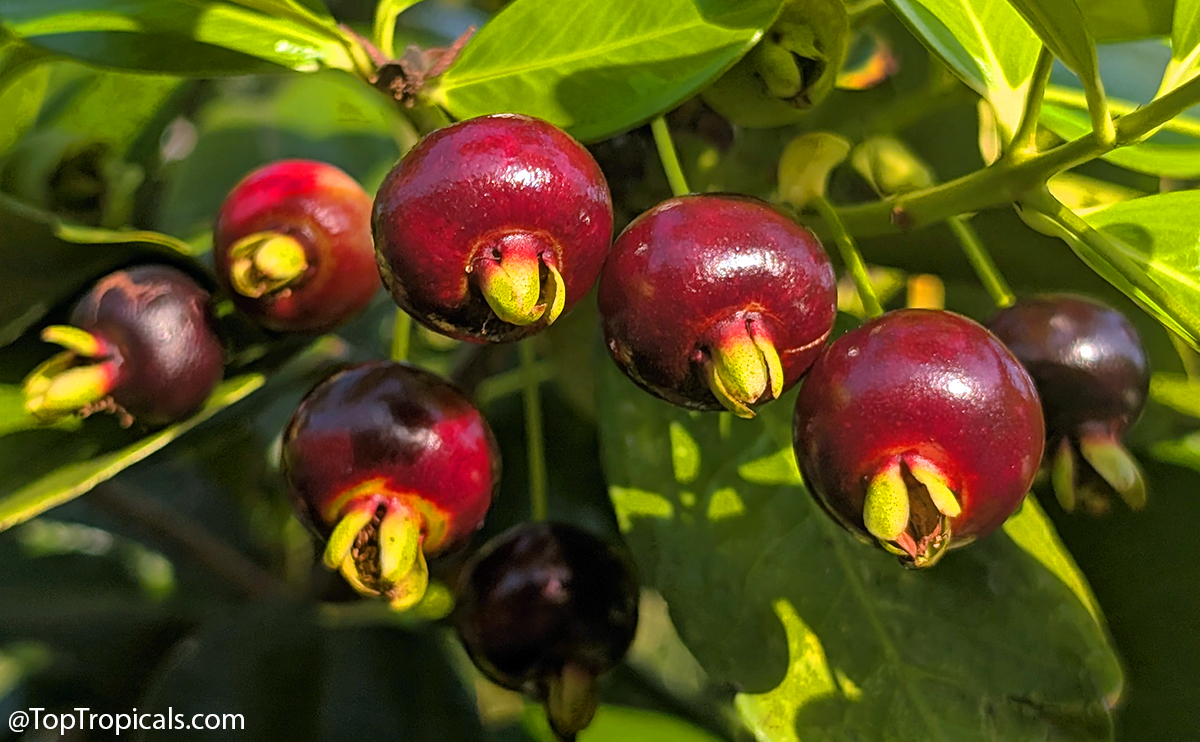
Cherry of the Rio Grande produces dark ruby fruit that ripens almost black, with a rich, full cherry flavor. It flowers early in spring and can fruit well into summer. Mature trees can tolerate brief drops into the low 20s once established. Trees typically grow 8 to 15 feet tall, remain naturally compact, and often begin fruiting within 2 to 3 years.

Grumichama is an evergreen tree known for both beauty and productivity. In spring, it covers itself in white starburst flowers that attract pollinators. Within about four weeks, glossy purple-black fruit develops. Established trees tolerate temperatures into the upper 20s and grow well in the ground or in 5–10 gallon containers. Mature trees can produce hundreds of fruits per season.

Across the Eugenia group, strengths are consistent: early bearing, compact growth, heat tolerance, light freeze endurance, and low pest pressure. They are adaptable to different soils, need modest water once established, and perform in full sun or partial shade. Birds enjoy the fruit, but there is usually plenty to share.

Nutritionally, Eugenia cherries provide Vitamin C, fiber, antioxidants, and notable Vitamin A that supports eye health. They offer sweetness with real dietary value.

In the kitchen, they are simple and rewarding. Cherry of the Rio Grande makes an easy compote. Simmer the fruit with a small amount of water until soft, mash lightly, and spoon over pancakes or warm bread. Grumichama turns into a deep red jam with sugar and lime, or can be blended into a bright spoon drizzle over vanilla ice cream.

Even when not fruiting, both trees remain attractive year-round with glossy evergreen foliage and clean structure. They fit well into edible landscapes, small yards, and container gardens.

Winter will return. The difference lies in planting fruit trees that can handle heat, humidity, and the occasional cold snap. If you are building a food forest for lasting harvests, cold-hardy tropical cherries like Cherry of the Rio Grande and Grumichama deserve a place in your garden.
Ripe  Grumichama  fruits  (Eugenia  brasiliensis)  hanging  on  a  branch  with 
 glossy 
 leaves

Ripe Grumichama (Eugenia brasiliensis) fruits developing on the tree, turning deep red to nearly black when fully mature.

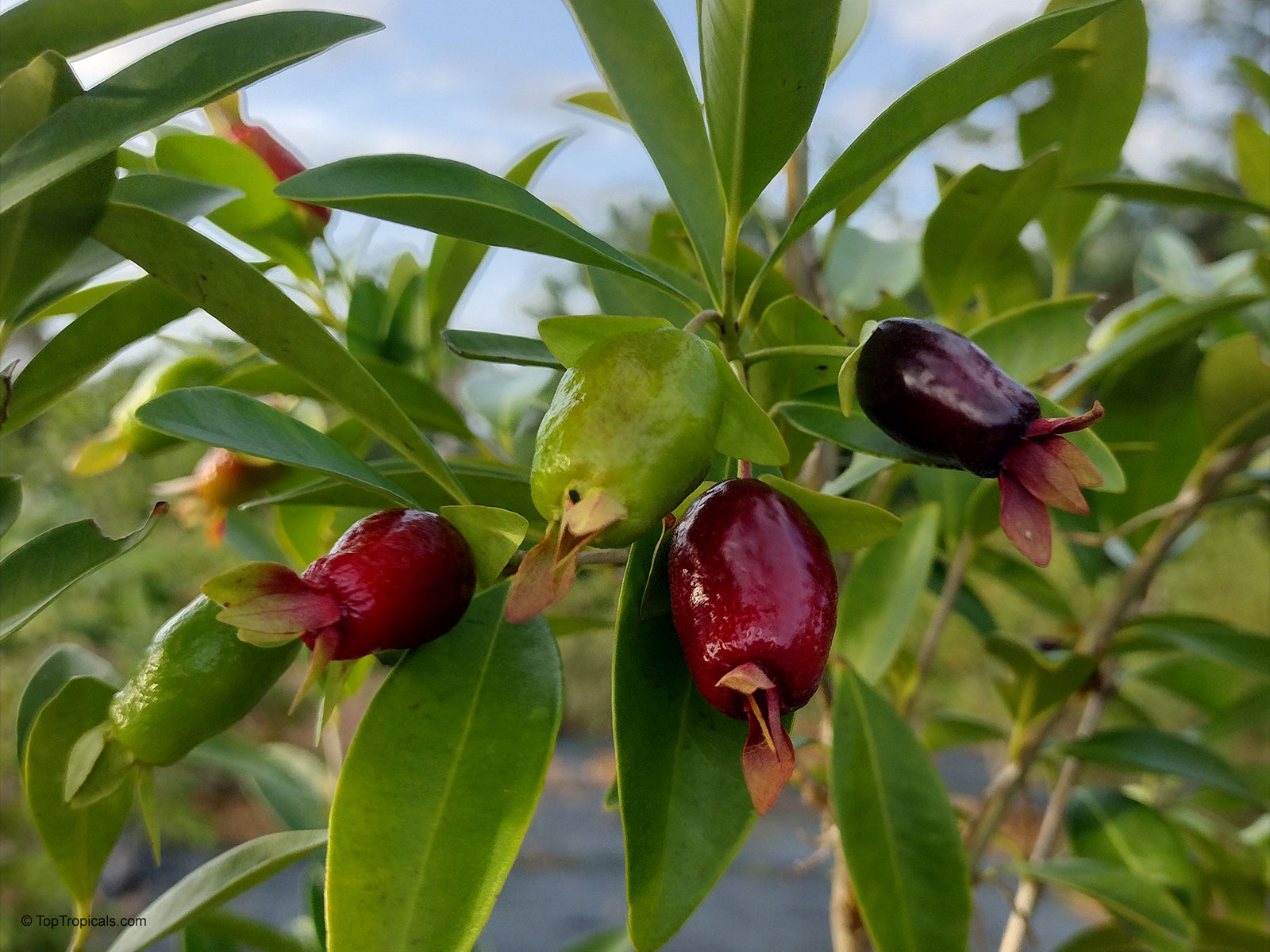
Cherry  of  the  Rio  Grande  (Eugenia  aggregata  cv.  Calycina)  fruits 
 ripening  from  green  to  dark  purple  on  the 
 branch

Eugenia aggregata (cv. Calycina), Cherry of the Rio Grande

🛒 Plant hardy Eugenia cherries

Date: 21 Apr 2026

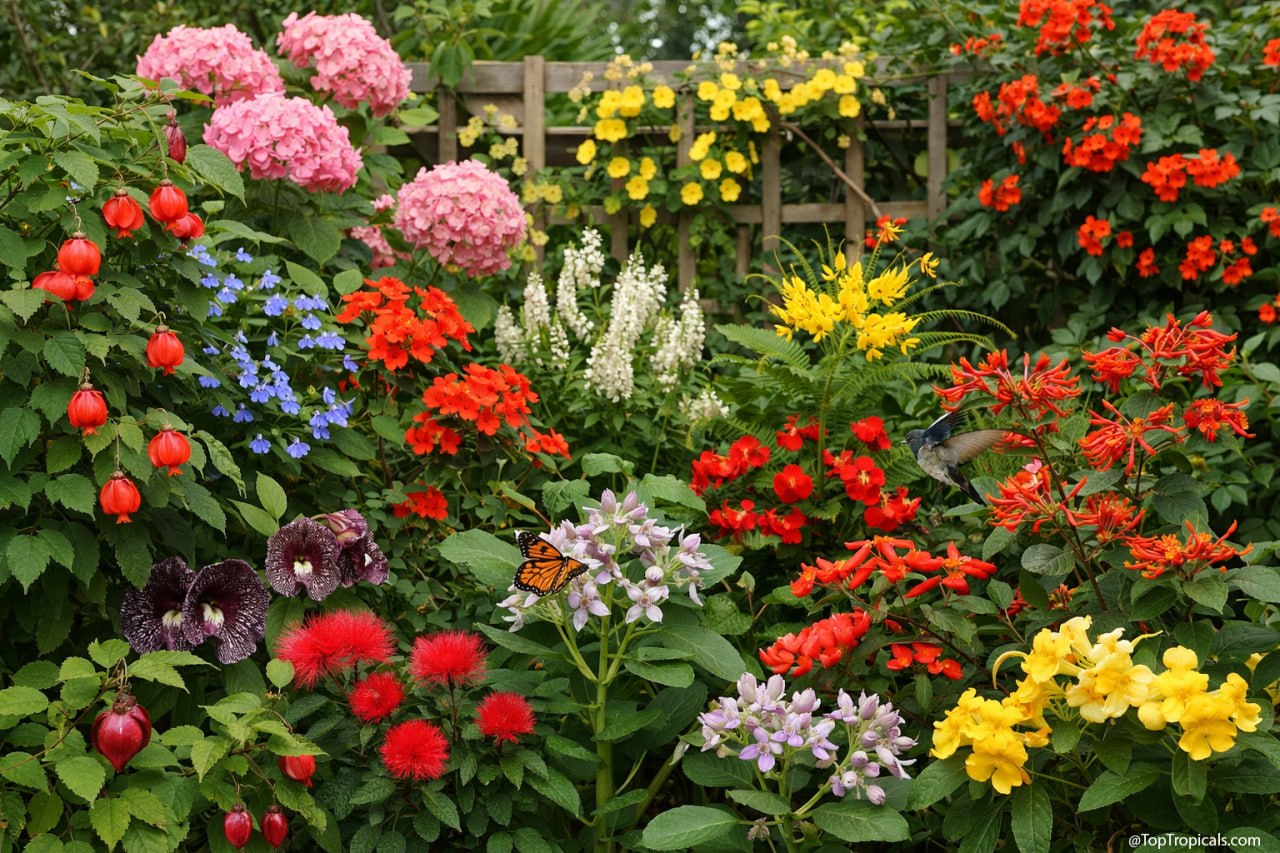
13 tropical flowers to plant in spring to attract pollinators year around

13 tropical flowers to plant in spring to attract pollinators year around: Abutilon Fireball (Abutilon darwinii x striatum), Almond Bush (Aloysia virgata), Calico Flower (Aristolochia littoralis), Pride of De Kaap (Bauhinia galpinii), Mexican Bird of Par

13 tropical flowers to plant in spring to attract pollinators year around: Abutilon Fireball (Abutilon darwinii x striatum), Almond Bush (Aloysia virgata), Calico Flower (Aristolochia littoralis), Pride of De Kaap (Bauhinia galpinii), Mexican Bird of Paradise (Caesalpinia mexicana), Red Tassel Flower (Calliandra tweedii With Love), Giant Milkweed (Calotropis gigantea), Blue Butterfly (Clerodendrum ugandense), Tropical Hydrangea (Dombeya wallichii), Fire Bush (Hamelia patens), Butterfly Orchid

13 tropical flowers to plant in spring to attract pollinators year around


Spring is when everything wakes up - and if you plant smart now, your garden can stay alive with butterflies, bees, and hummingbirds all year long. The key is mixing tropical bloomers that flower in waves, not all at once. These plants don’t just look good - they keep pollinators coming back season after season, turning your yard into a living, moving ecosystem.
  • 1. Abutilon Fireball (Abutilon darwinii x striatum)


    Bell-shaped flowers in warm red and orange tones hang like little lanterns. Very cold hardy, blooms on and off through the year, especially in mild climates. A steady nectar source for hummingbirds. More 👉
  • 2. Almond Bush (Aloysia virgata)


    Light, airy clusters of tiny white flowers with a strong almond scent. Bees absolutely cover this plant when it’s in bloom. Flowers repeatedly through warm months. More 👉
  • 3. Calico Flower (Aristolochia littoralis)


    One of the most unusual flowers you can grow - patterned like fabric. More importantly, it’s a host plant for butterflies, giving them a place to lay eggs. More 👉
  • 4. Pride of De Kaap (Bauhinia galpinii)


    Bright orange-red blooms cover this shrub for months. Tough, fast-growing, and constantly visited by butterflies and bees. More 👉
  • 5. Mexican Bird of Paradise (Caesalpinia mexicana)


    Sunny yellow flowers with a light fragrance. Handles heat, freeze, and poor soil easily. A reliable nectar plant for bees and butterflies. More 👉
  • 6. Red Tassel Flower (Calliandra tweedii With Love)


    Very showy red-flowered powderpuff, fast-growing and spacey shrub. Cold tolerant to hard freeze, making it a strong choice for subtropical gardens. Forms a dense, many-stemmed plant with fine, feathery foliage that folds at night or by touch. Large scarlet tassel flowers bloom from spring to autumn and attract pollinators nonstop. More 👉
  • 7. Giant Milkweed (Calotropis gigantea)


    A bold plant with thick leaves and waxy flowers. Important host plant for butterflies, especially monarchs. Handles heat and drought well. More 👉
  • 8. Blue Butterfly (Clerodendrum ugandense)


    Flowers really do look like little blue butterflies. Blooms frequently and attracts actual butterflies along with bees. More 👉
  • 9. Tropical Hydrangea (Dombeya wallichii)


    Large clusters of soft pink flowers appear in cooler months when little else is blooming. A major nectar source in winter. More 👉
  • 10. Fire Bush (Hamelia patens)


    One of the best all-around pollinator plants and a tough bush - takes both cold and heat. Tubular orange-red flowers attract hummingbirds nonstop, plus butterflies and bees. More 👉
  • 11. Butterfly Orchid Vine (Mascagnia macroptera)


    A climbing, cold hardy vine covered in bright yellow flowers and butterfly-like seeds. Great for fences or trellises, adding vertical color and feeding pollinators. More 👉
  • 12. Mexican Flame Vine (Senecio confusus)


    Fast-growing, hardy vine with intense red blooms. Flowers heavily and brings in butterflies quickly. More 👉
  • 13. Yellow Elder (Tecoma stans)


    Bright yellow trumpet flowers that bloom over a long season. A dependable plant for both bees and hummingbirds. More 👉


✔️ Planting a mix of these gives you something in bloom almost every month.
That’s the real trick - not just planting for spring, but building a rotation of flowers that keeps pollinators fed all year long.

🛒 Transform your yard into a Butterfly Haven with exotic plants

📚 Learn more:


#Butterfly_Plants
Butterfly Haven or a Heaven on Earth?
Top 20 plants for a Butterfly Haven
Five best butterfly attractors for a Southern garden
Top Eight irresistible vines for a hummingbird haven: Part 1 - Part 2

#Hedges_with_benefits #Butterfly_Plants #How_to #Discover

🟢 Join 👉 TopTropicals

Date: 20 Apr 2024

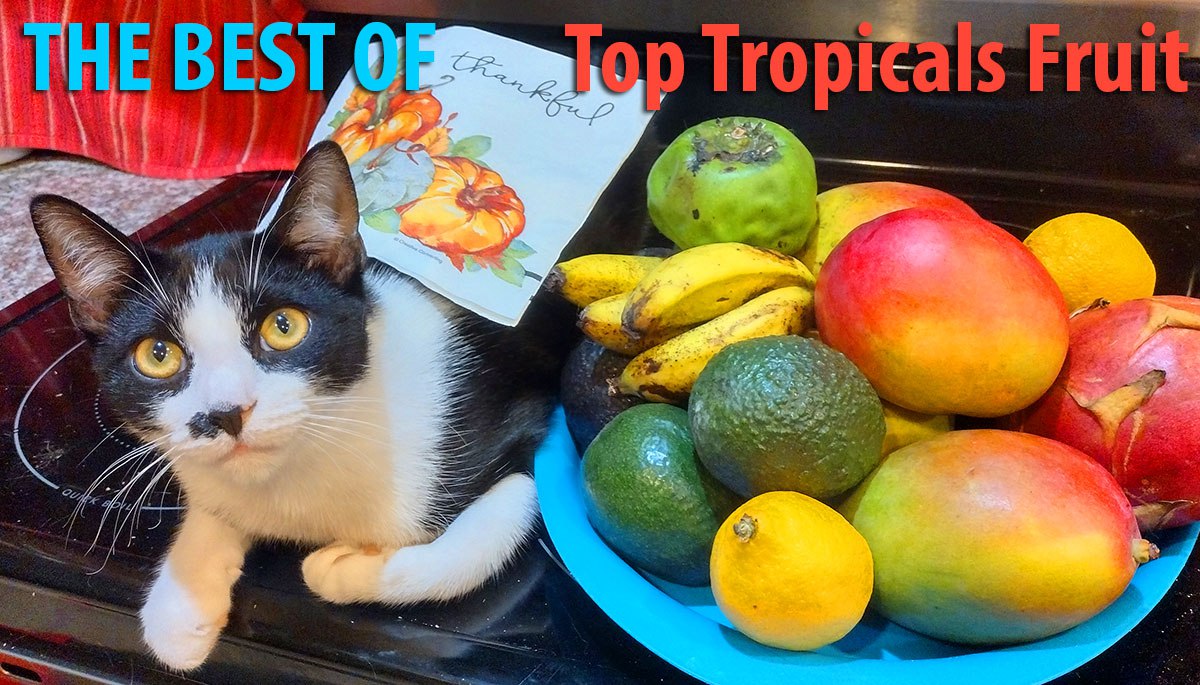
Who thinks this is an Eggplant? Do you? What is it?

🍆 Who thinks this is an Eggplant? Do you? What is it?

Correct answer: Avocado Red Russel.

🛒 Shop Avocado Varieties

📸 😺 👇 Share your cats in comments!

#Food_Forest #PeopleCats #Nature_Wonders

🏵 TopTropicals

Date: 5 Oct 2024

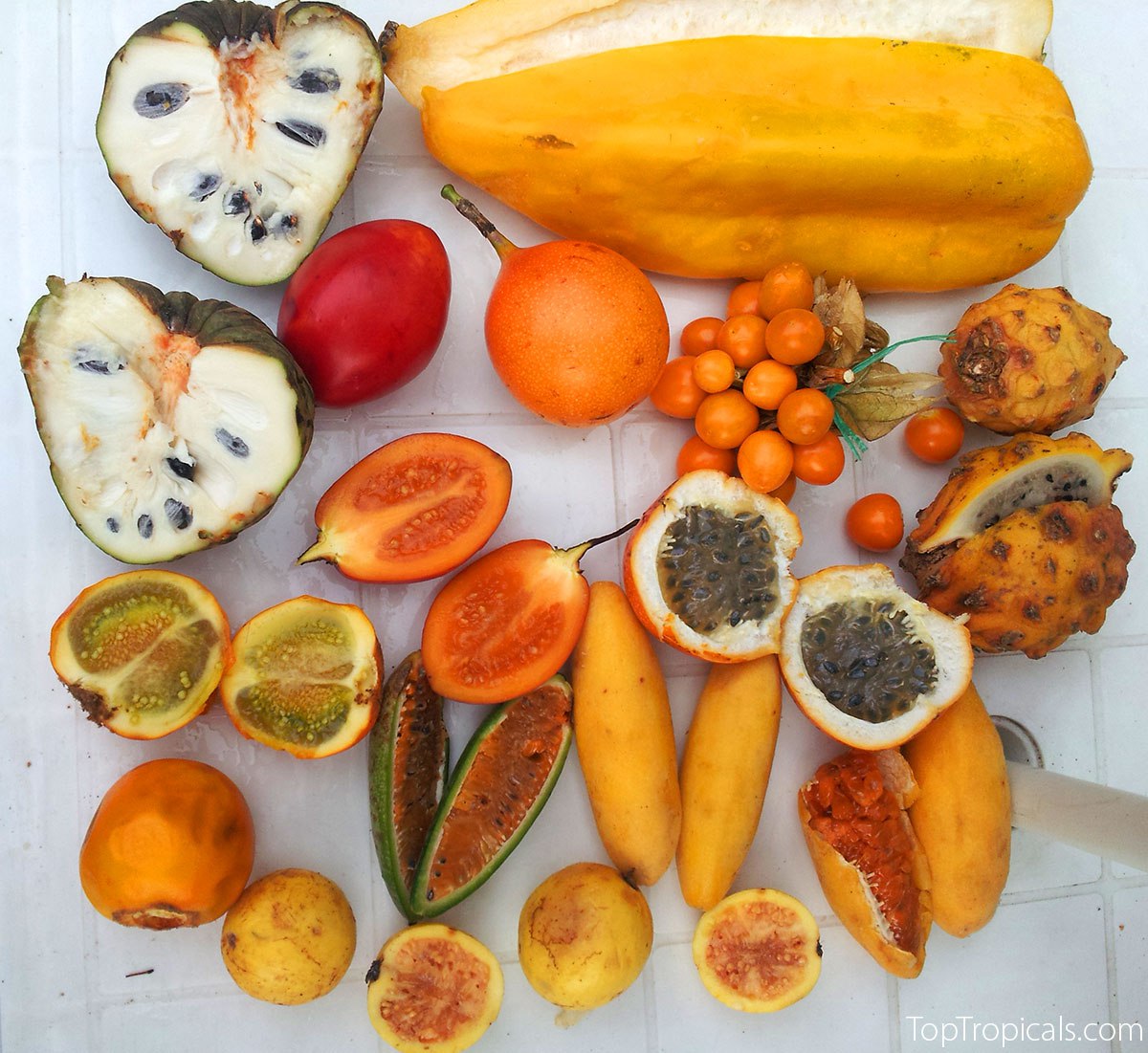
Discover top 10 fruiting plants youll ever need for your health benefits

Discover top 10 fruiting plants youll ever need for your health benefits
🔍 Discover top 10 fruiting plants you'll ever need for your health benefits.

⁉️ I planted Mango and Avocado trees, and I still have room for more trees but want to use the space wisely. What other trees should I plant to get the most benefits out of the fruit?

✅ Everyone loves planting Mango or Avocado trees for their well-known benefits. But did you know that adding a variety of other fruit trees to your garden can expand those benefits even more? If you plant just one of each of these 10 trees, you'll have a complete spectrum of nutrients and health-boosting ingredients you ever need. With a diverse range of healthy fruits, you'll boost your diet, improve your health, and elevate your lifestyle.

By planting these 10 diverse fruit trees, you’ll not only enjoy a delicious and abundant harvest but also ensure your garden provides all the nutrients needed for a healthier, more vibrant life:

1. Guava
2. Coffee
3. Noni
4. Papaya
5. Banana
6. Dragon fruit
7. Tamarind
8. Surinam Cherry
9. Nescafe
10. Loquat

⚠️ Learn more about these 10 top fruit you'll ever need for your health benefits in our following posts... Stay with us and make sure to subscribe! ⬇️

🛒 Shop fruit trees

#Food_Forest #Remedies

🔴 Join 👉 TopTropicals

Date: 2 Apr 2025

TROPICAL FRUIT HEALTH BENEFITS GUIDE, Part 2:

TROPICAL FRUIT

TROPICAL FRUIT

🍑 What fruit and edibles can help with health issues and VITAMIN deficiencies

...Continued from previous post ⤴️

7. 💅 Beauty Enhancer

(Vitamin B7 - Biotin):

Banana, Avocado, Aloe Vera, Clitoria (Butterfly Pea), Patchouli.

8.Blood Builder
(Vitamin B9 - Folate):

Avocado, Guava, Papaya, Moringa, Chaya (Maya Spinach Tree), Mulberry.

9. Immunity Booster
(Vitamin C - Ascorbic Acid):
Guava, Pineapple, Carambola, Mango, Dragon Fruit, Loquat, Longevity Spinach (Gynura), Moringa, Allspice, Camphor Tree, Bay Leaf, Yerba Mate, Cherry, Peach, Passion fruit, Mulberry, Eugenia, Cinnamon, Piper sarmentosum (Vietnamese Pepper), Wiriwiri and Biquinho Pepper.

10. Skin Shield
(Vitamin E - Tocopherol):

Avocado, Sapote, Dragon Fruit, Moringa, Patchouli, Aloe, Annatto, Camphor Tree.

11. ❣️Clot Controller
(Vitamin K - Phylloquinol):

Moringa, Sauropus (Katuk), Chaya.

12. 🍲 Digestive Aid
(Enzymes):

Pineapple, Papaya, Ginger, Turmeric, Mango, Lemongrass, Cinnamon, Black Pepper, Bay Leaf, Betel Leaf, Peach, Eugenia, Jackfruit, Lippia dulcis, Allspice, Lippia alba (Poleo), Wiri wiri and Biquinho Pepper, Passion fruit.

📚 Learn more in our next posts about specific benefits of each fruit or plant...

🛒 Explore tropical fruit trees with benefits

#Food_Forest #Discover #Remedies #Bananas

🔴 Join 👉 TopTropicals