Plant Smarter: Grow Your Own Brain Boosters - Part 1
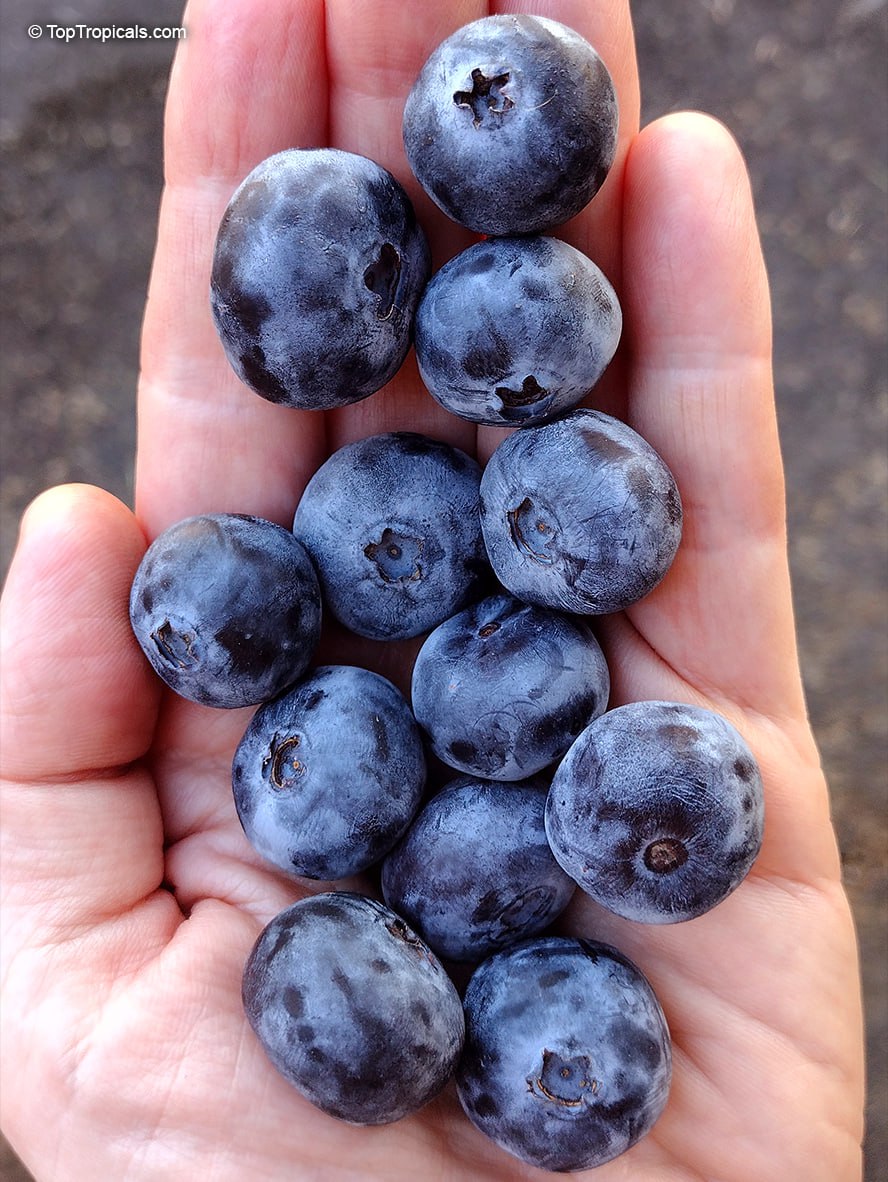
Blueberries
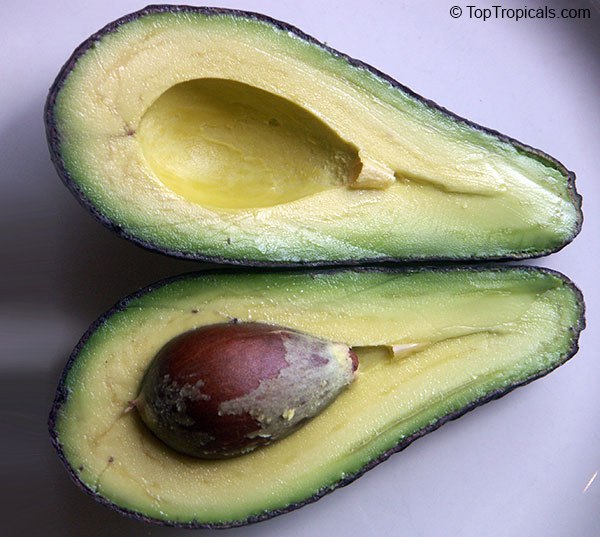
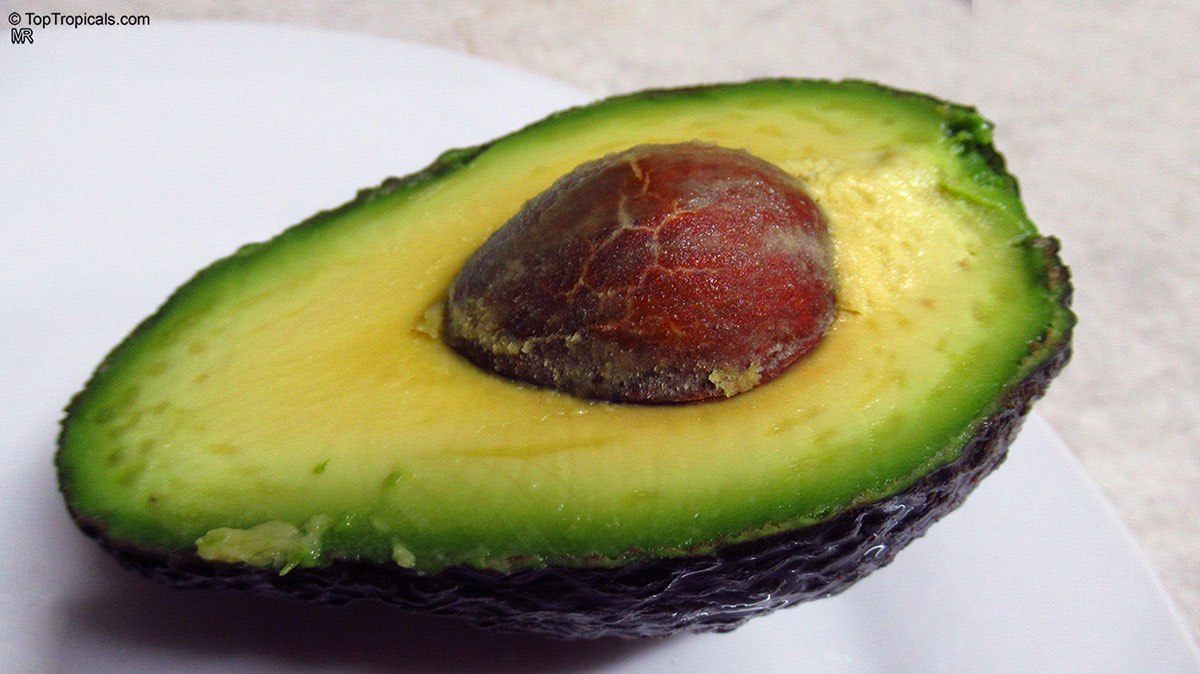
Avocado
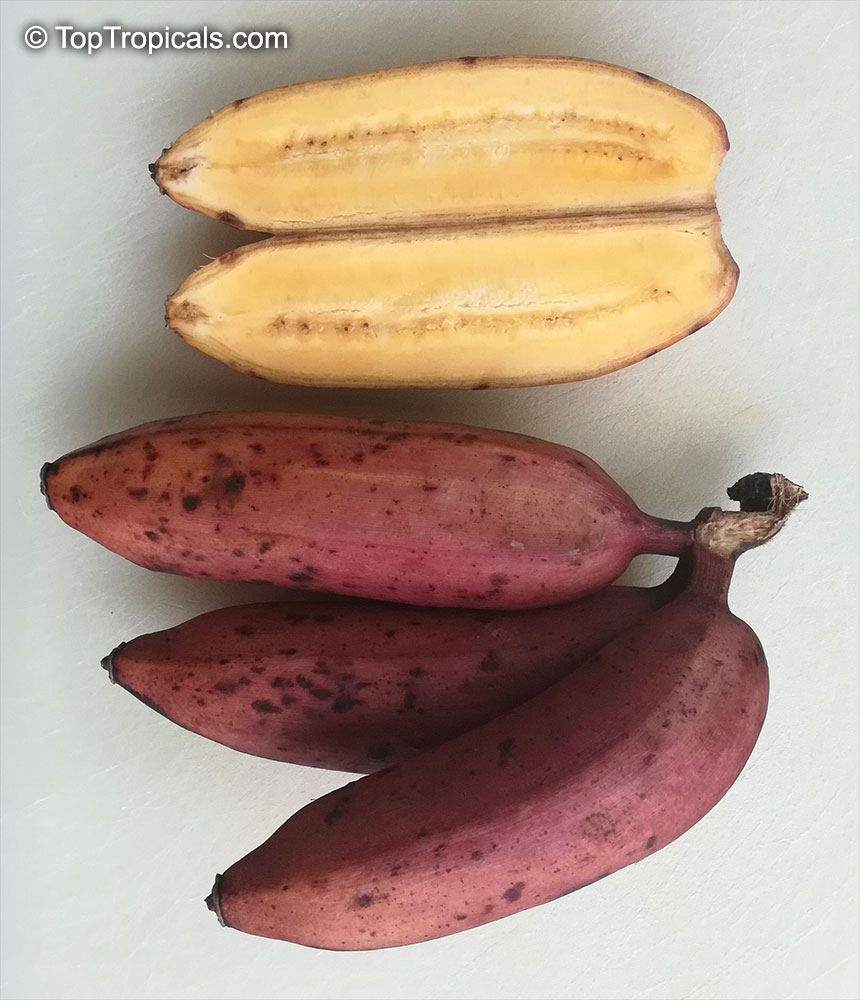
Red Banana
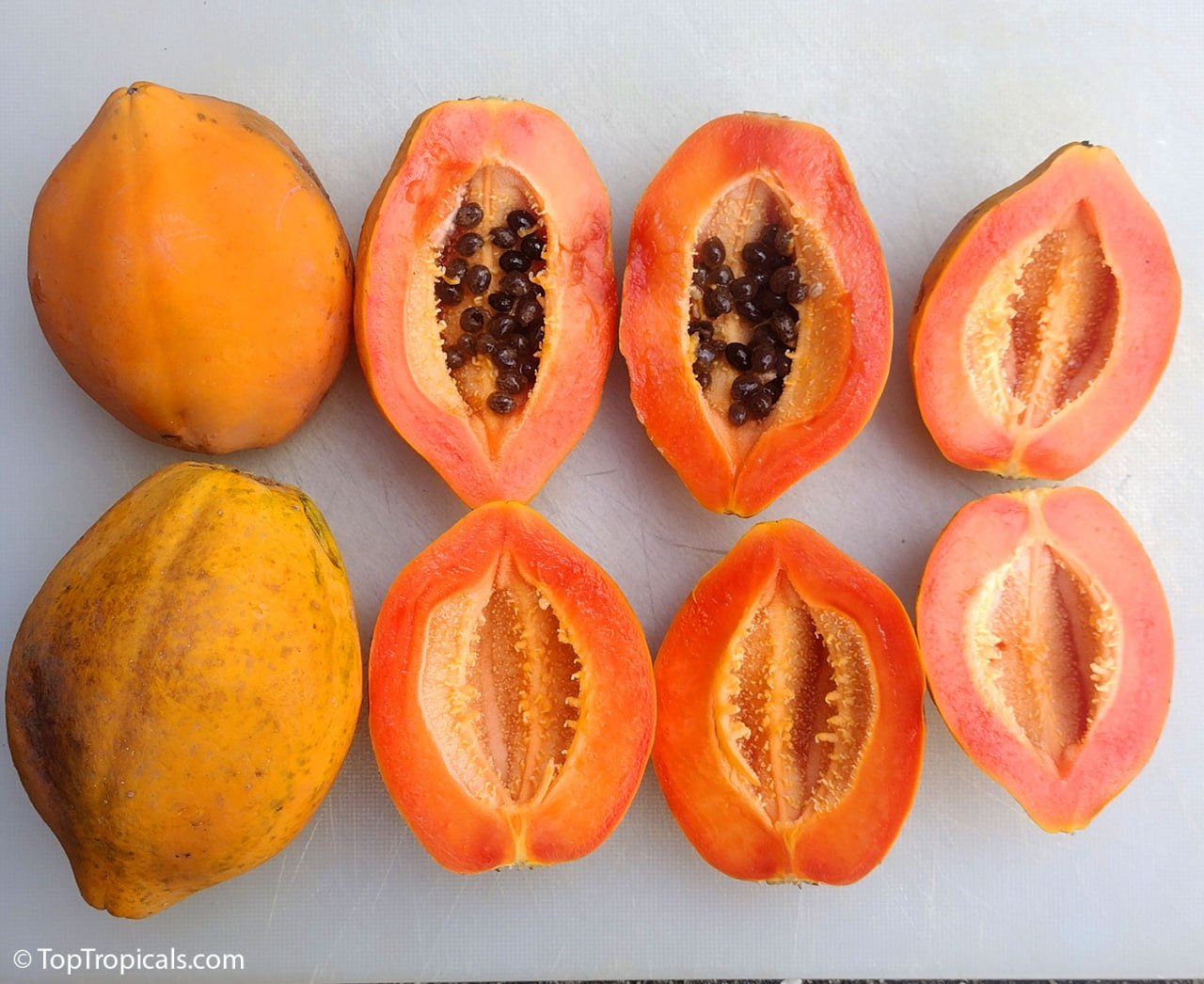
Papaya
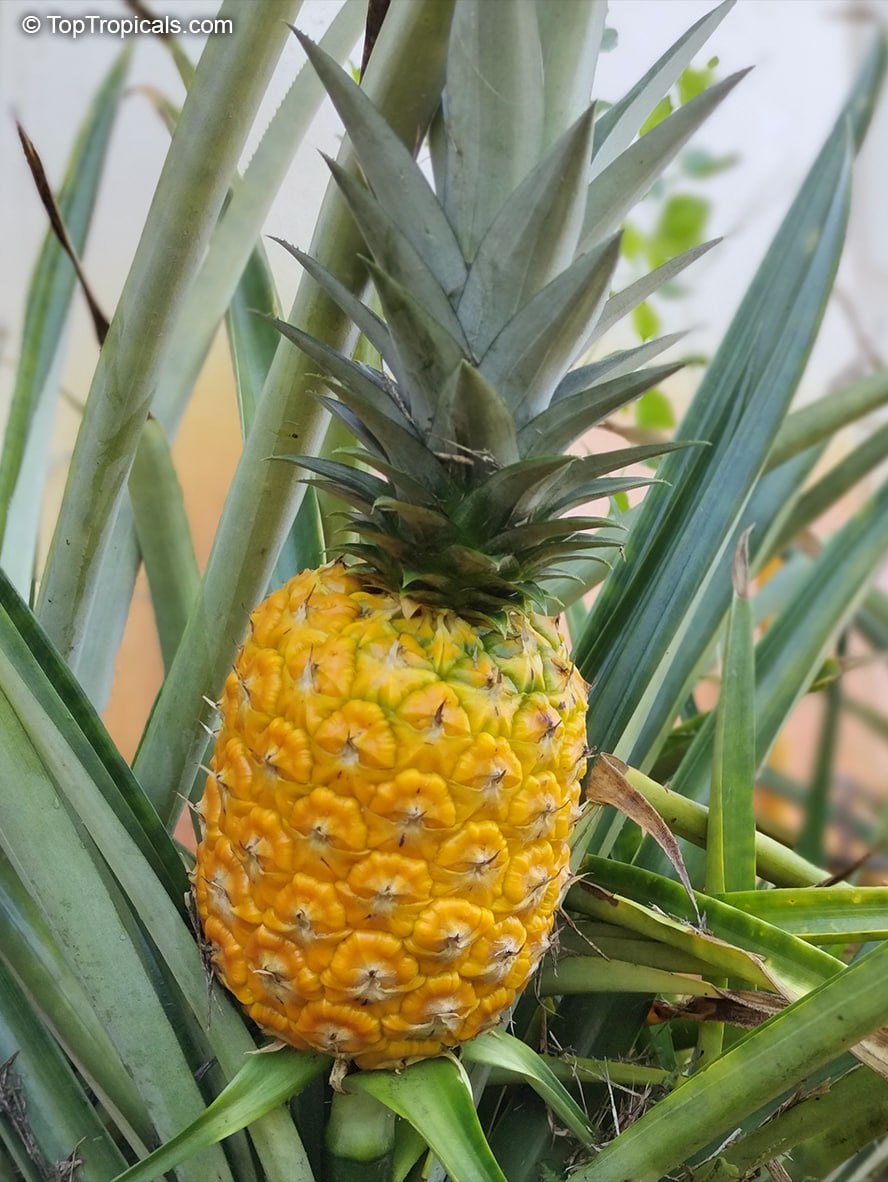
Pineapple
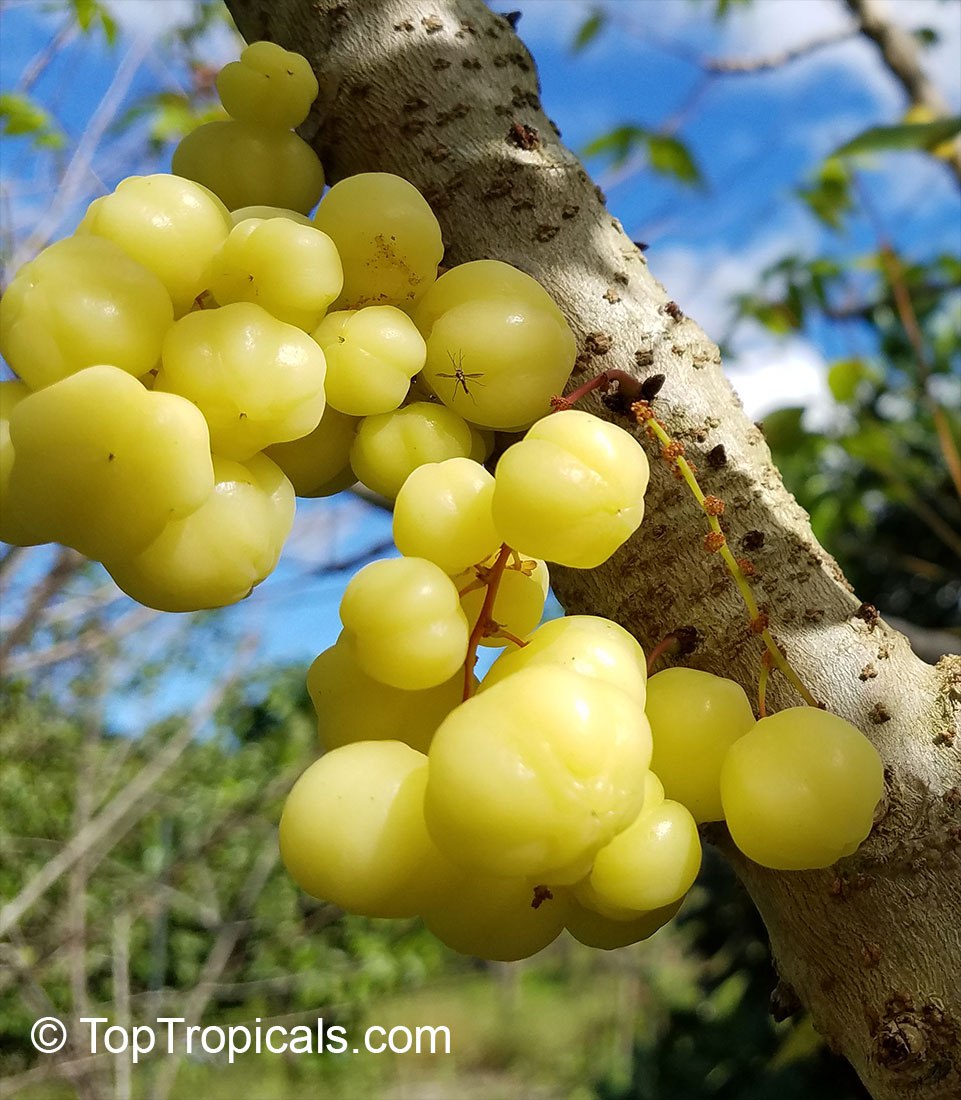
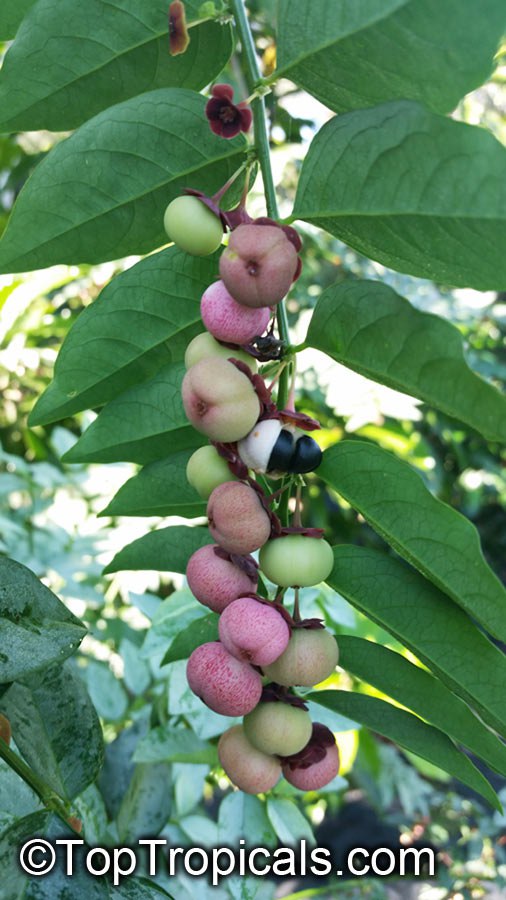
Amlak (Indian Gooseberry)
Plant Smarter: Grow Your Own Brain Boosters - Part 1
Want to stay sharp, focused, and energized - naturally?
Don't just eat smart - plant smart. These tropical fruits and herbs aren't just delicious - they're packed with memory-boosting, focus-enhancing, and brain-protecting compounds. When you grow them in your own garden, you're building a personal pharmacy of mental clarity and cognitive power. No pills. No plastic bottles. Just real plants with real benefits, right outside your door.
Memory & Cognitive Support (Brain Boosters)
Tropical Fruits:
🟡 Blueberries – Rich in flavonoids and antioxidants; support memory and cognitive performance (Note: not tropical, but widely grouped due to powerful brain benefits).
🟡 Avocado – High in monounsaturated fats, supports healthy blood flow to the brain.
🟡 Banana – Contains vitamin B6 and potassium, essential for neurotransmitter function.
🟡 Papaya – High in antioxidants and vitamin C, may protect brain cells from oxidative stress.
🟡 Pineapple – Contains bromelain and vitamin C, which may reduce inflammation and support brain health.
🟡 Amla (Indian Gooseberry) – One of the richest natural sources of vitamin C. Used in Ayurvedic medicine to enhance memory, focus, and longevity. Acts as a neuroprotective, anti-inflammatory, and adaptogen.
Edible Plants and Herbs: continued in next post ⤵️
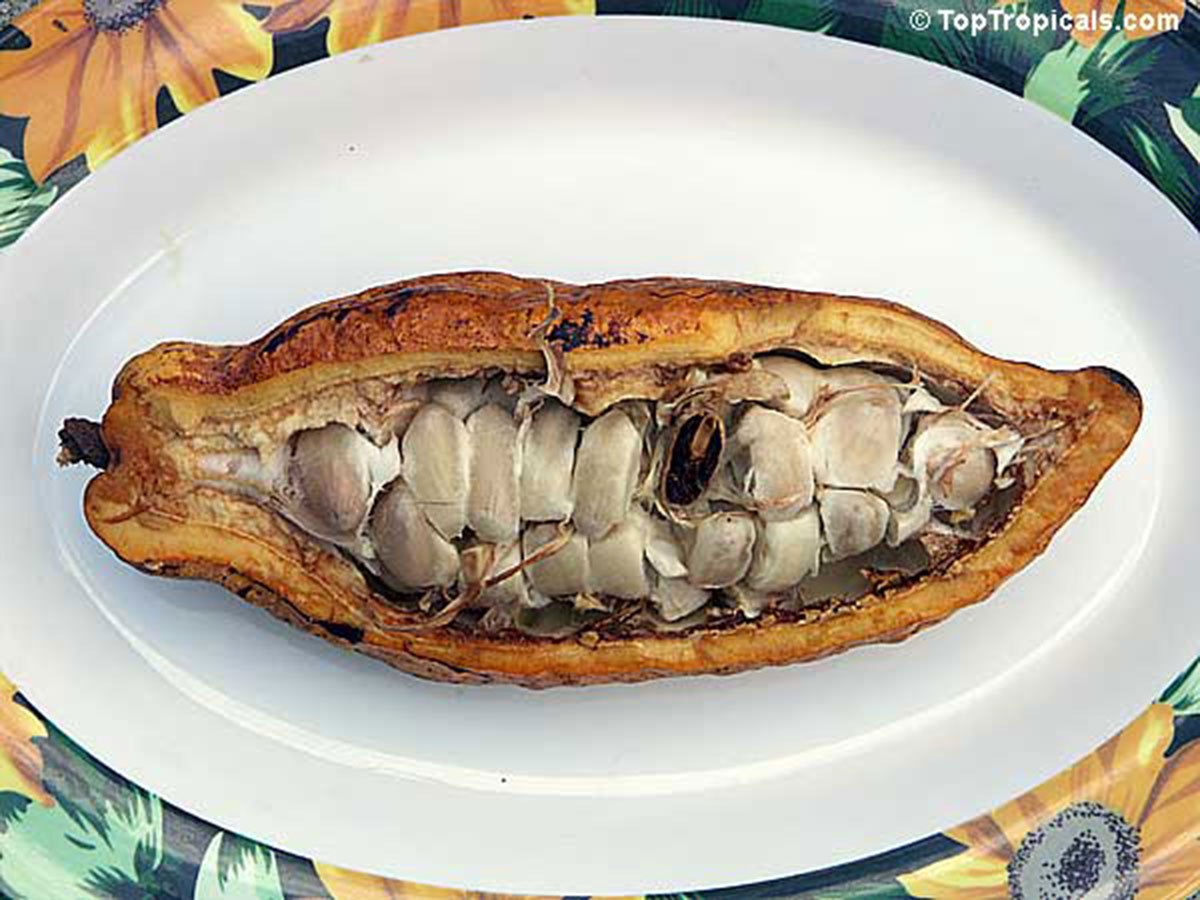
Chocolate tree fruit (Cocoa, Cacao beans) - Theobroma cacao
Avocado fruit
☕️ Grow your own brain food: Avocado and Cocoa
Avocado and cocoa aren't just a delicious combo - they’re also great for your brain. Studies show that Avocado's healthy fats
improve blood flow and memory, while Cocoa’s flavonoids
boost attention, mood, and overall cognitive performance. Together, they help protect brain cells from inflammation and aging.
Avocados are rich in monounsaturated fats and lutein, nutrients that support sharp thinking and long-term brain health. Cocoa, meanwhile, enhances circulation in the brain and has been linked to lower risk of stroke and dementia. So, growing your own avocado and cacao trees means growing your own natural brain boosters right in your garden.
Try blending the two in simple treats like avocado chocolate mousse or a smoothie with banana and almond milk - creamy, rich, and packed with brain-loving nutrients.
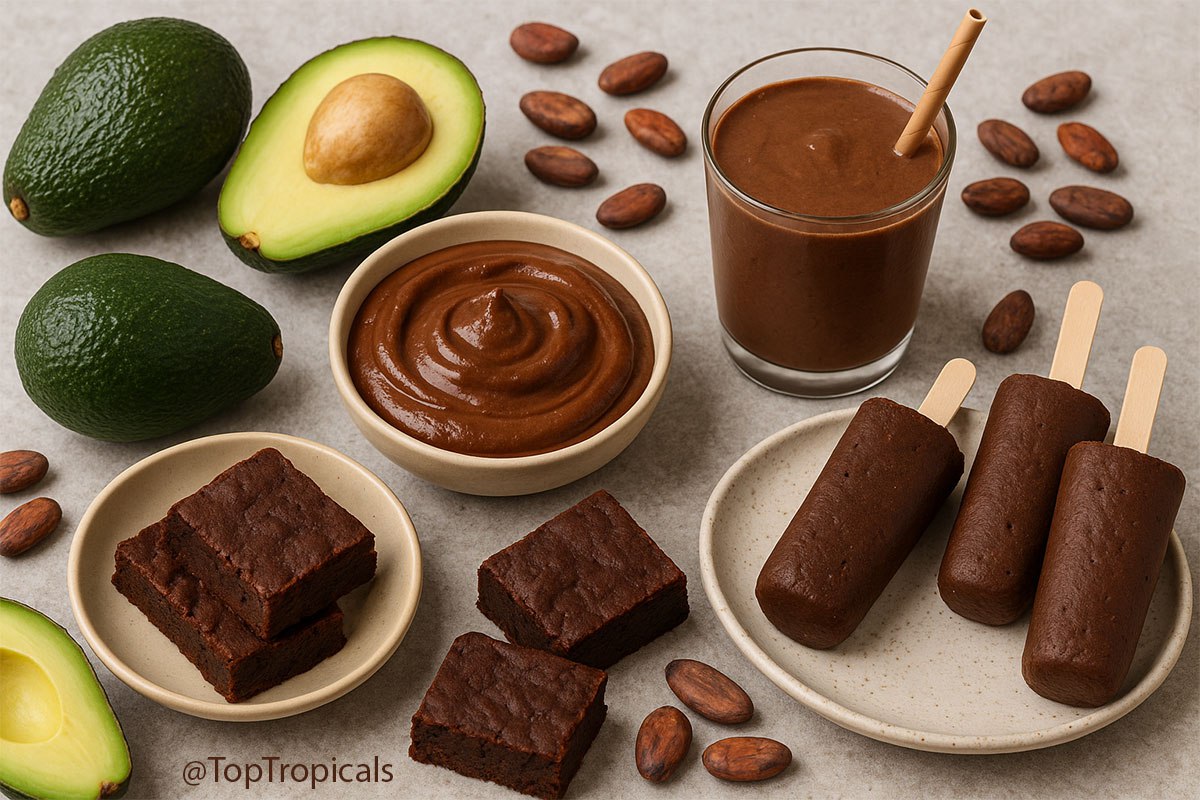
🍽 Delicious Avocado-Chocolate recipes:
🍵 Avocado Chocolate Mousse
To make this, simply blend ripe avocado, unsweetened cocoa powder, honey (or maple syrup), and a splash of vanilla for a rich, creamy mousse that feels indulgent yet guilt-free.
🍵 Avocado Chocolate Smoothie
This is perfect for breakfast and to make it, combine avocado, cocoa powder, banana, almond milk, and a touch of nut butter for a thick, chocolatey breakfast smoothie.
🍵 Avocado Brownies
This one is for the sweet tooth lovers, use mashed avocado in regular brownie batter, add cocoa powder, and bake for fudgy, nutrient-dense brownies.
🍵 Chocolate Avocado Pudding Pops
To make this bite-size snack, blend avocado, cocoa powder, dates (or honey), and coconut milk, then freeze in molds for refreshing delights.
Plant Smarter: Grow Your Own Brain Boosters - Part 2
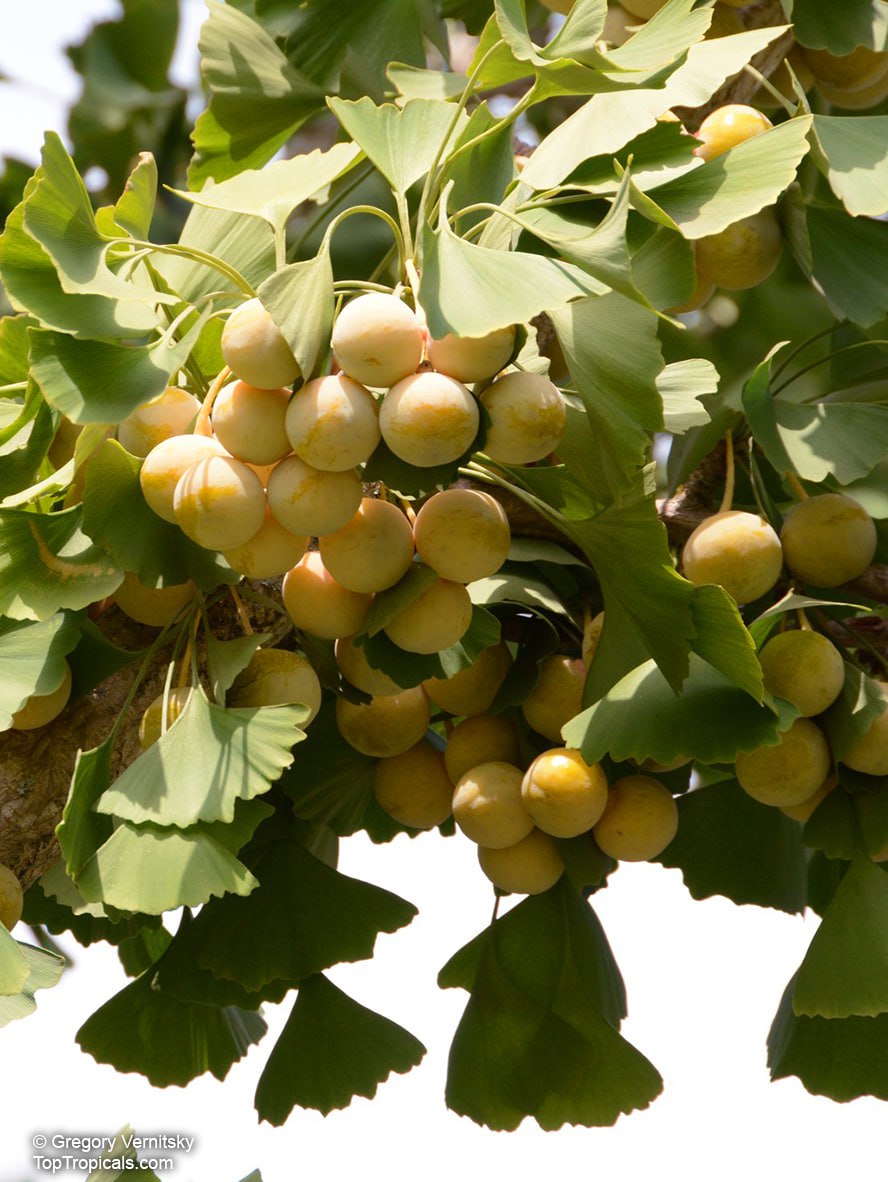
Ginkgo Biloba
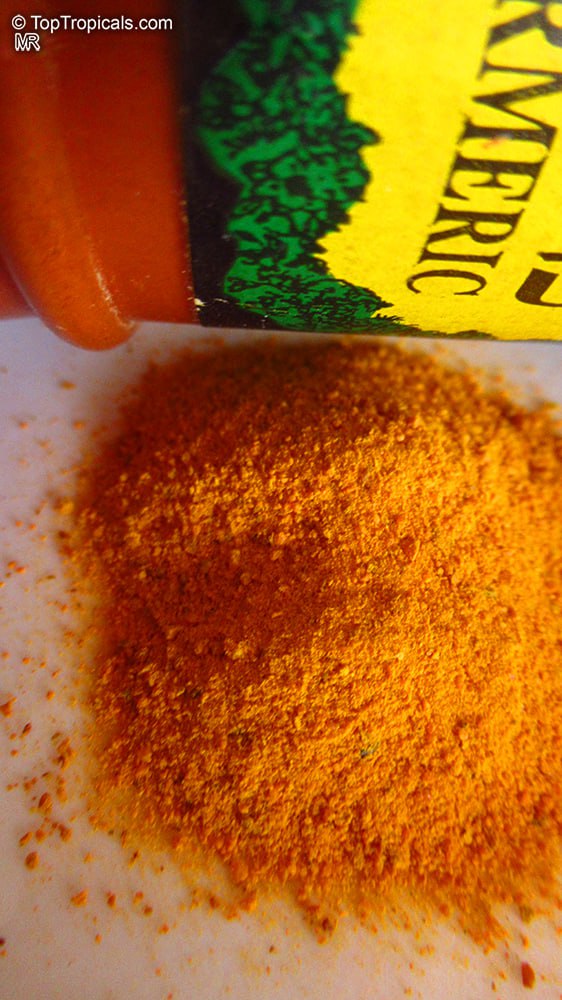
Turmeric (Curcuma)
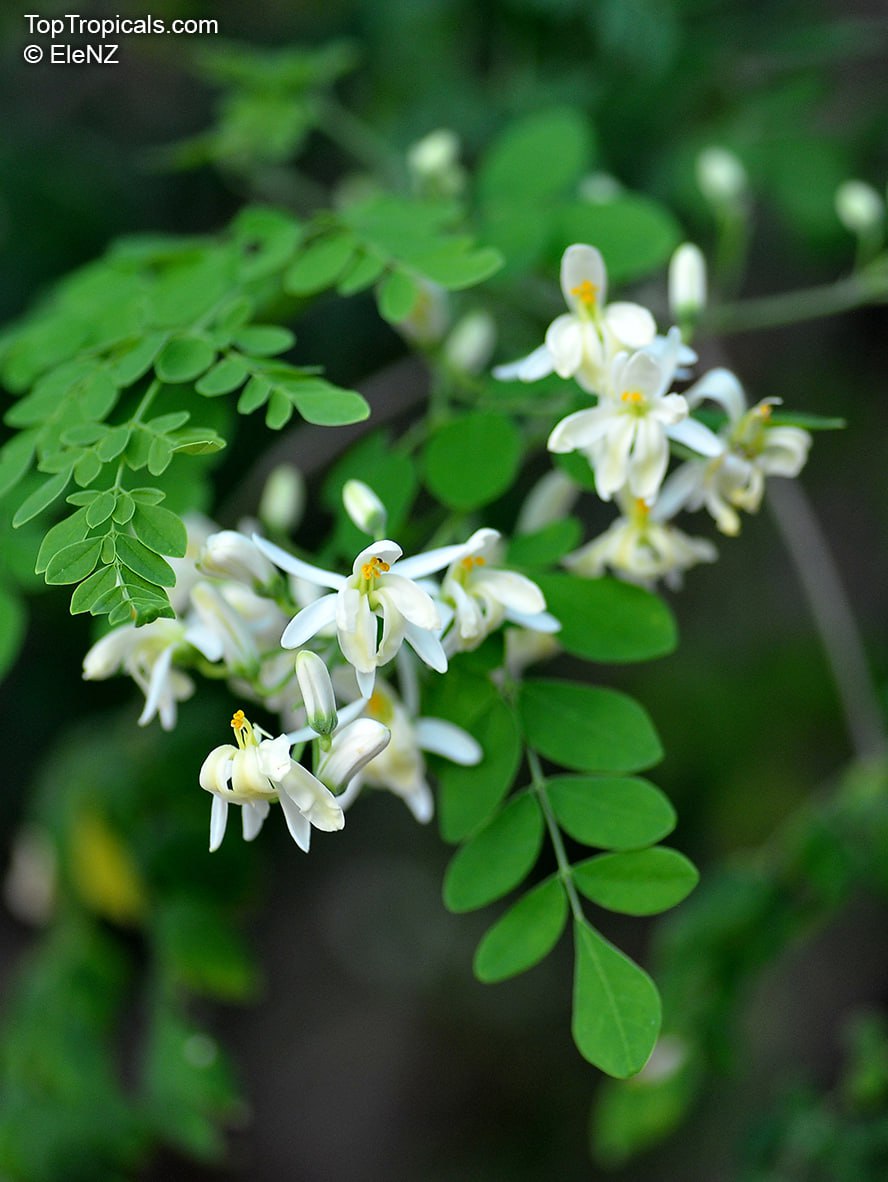
Moringa
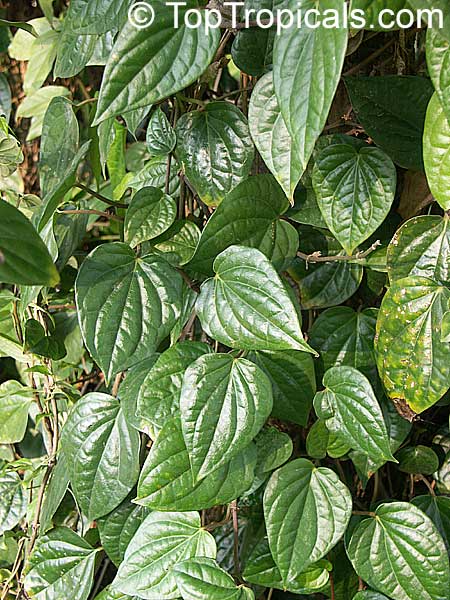
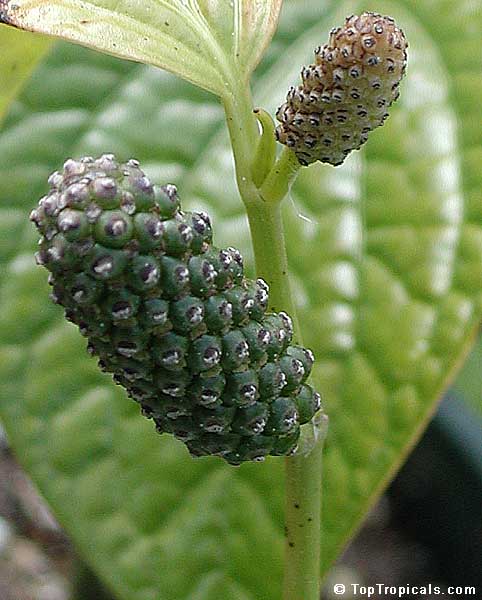
Piper betle (Betel Leaf)
Piper sarmentosum (Vietnamese Pepper Leaf)
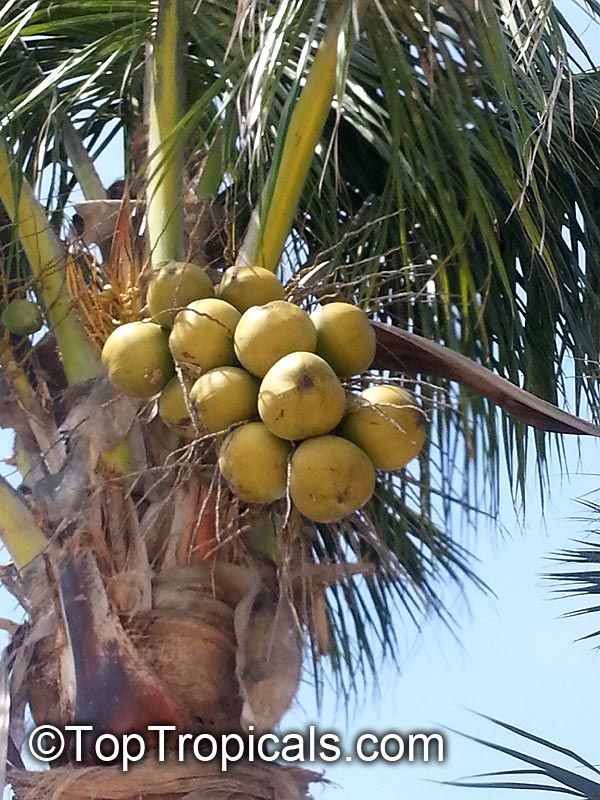
Coconut tree with fruit
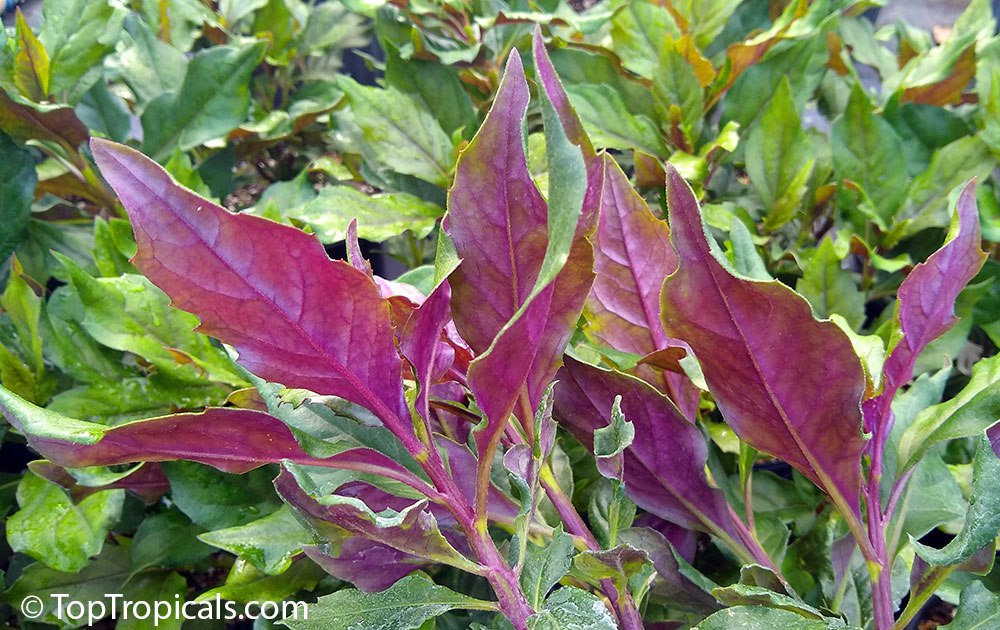
Longevity Spinach
Katuk
Plant Smarter: Grow Your Own Brain Boosters - Part 2
Memory & Cognitive Support (Brain Boosters)
Edible Plants and Herbs:
Continued from previous post ⤴️
🟡 Ginkgo Biloba - Improves blood flow to the brain, supports memory and concentration.
🟡 Turmeric (Curcuma) - Contains curcumin, a powerful anti-inflammatory compound shown to protect neurons and boost memory.
🟡 Moringa - Loaded with antioxidants, may protect brain cells and support cognitive function.
🟡 Piper betle (Betel Leaf) - Traditionally used as a mild stimulant. Contains compounds that may improve alertness and support mental clarity.
🟡 Piper sarmentosum (Vietnamese Pepper Leaf) - Used in traditional medicine for anti-inflammatory and neuroprotective effects.
🟡 Coconut Oil - Contains MCTs, which may fuel brain cells directly, especially beneficial in age-related cognitive decline.
🟡 Cinnamon - is inked to improved memory and brain function. The tree's powerful scent comes from cinnamaldehyde, a natural compound with medicinal properties.
🟡 Green Leafy Vegetables (like Longevity Spinach and Katuk) - High in folate, vitamin K, and lutein, all linked to better memory and reduced cognitive aging.
The Secret to a Sharper Mind Might Be Growing in Your Backyard
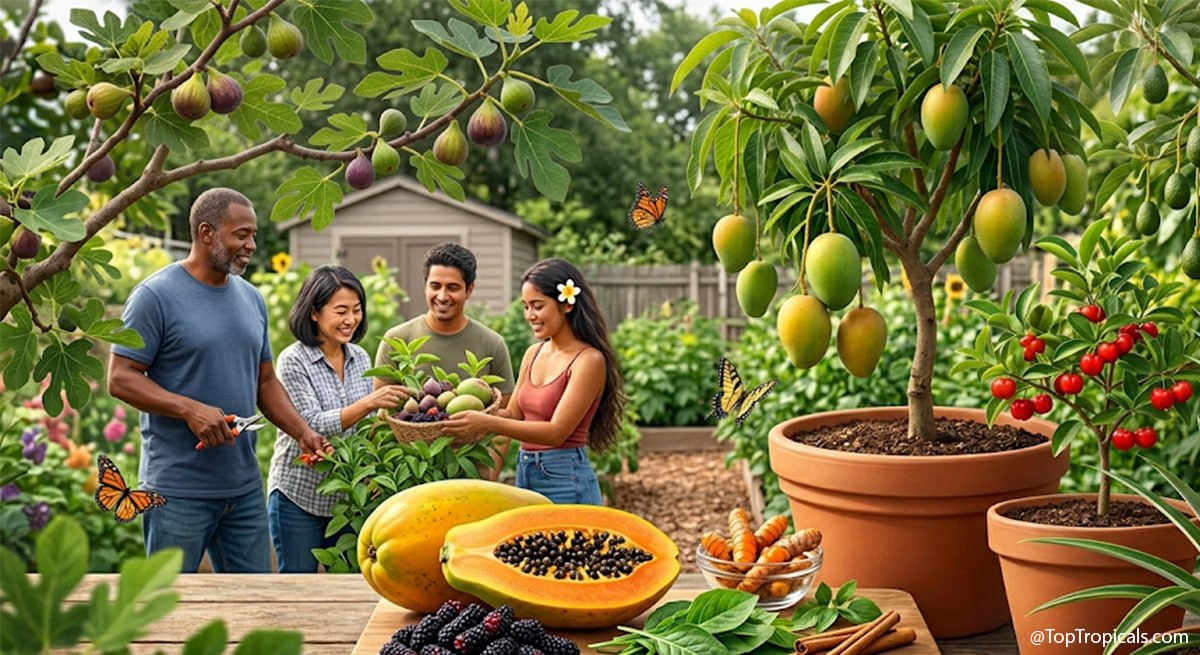
Harvesting tropical fruits
The Secret to a Sharper Mind Might Be Growing in Your Backyard
Your garden shed might hold a more powerful tool for brain health than your medicine cabinet. What if the best defense against cognitive decline isn’t found in a pill bottle - but right outside your door? While we often think of gardening as just a hobby, new research suggests that the combination of physical "zone-pushing" and harvesting your own nutrient-dense tropical fruit could be a literal life-saver for your brain.
🍒 What the Research Actually Says
A massive study recently published in the journal Neurology followed more than 92,000 people to see how diet impacts the mind. The findings were clear: the quality of the plant-based foods you eat plays a massive role in your risk of dementia. It isn't just about "eating your veggies" - it's about which ones you choose.
(The full study: Plant-Based Dietary Patterns and Risk of Alzheimer Disease and Related Dementias in the Multiethnic Cohort Study)
🍒 Why Growing Your Own Fruit Changes the Game
If you grow your own fruit, you quietly solve two problems at once. It turns a "diet plan" into a natural part of your day.
1. Effortless Nutrition
When a ripe mango, a handful of mulberries, or a fresh guava is hanging within arm's reach, you eat it. It replaces processed, sugary snacks without any "willpower" required. You are naturally moving toward the high-quality, whole-food diet the research supports.
Mango Plant Facts
Botanical name: Mangifera indica Also known as: Mango
USDA Zone: 9 - 11
Highligths
2. Functional Fitness
Gardening doesn't feel like a workout, but it is. Bending, pruning, carrying pots, and digging are all forms of functional movement. It’s steady, useful physical activity that supports your heart and brain while you’re focused on your plants.
3. The "Outdoor" Effect
Sunlight and fresh air are natural mood boosters. The mental focus required to manage tropical plants - especially when you’re protecting them from a surprise freeze - provides a level of mental engagement and stress relief that you just can't get from a treadmill.
🍒 What to plant if you are just starting
You don’t need a massive orchard to start investing in your brain health. One or two plants can shift your habits immediately.
Botanical name: Carica papaya Also known as: Papaya
USDA Zone: 9 - 11
Highligths
For Small Spaces:Dwarf Mango varieties and Cherries (Eugenias or Acerola), Pineapples thrive in containers and provide massive doses of antioxidants.
Pineapple Plant Facts
Botanical name: Ananas comosus Also known as: Pineapple, Pina
USDA Zone: 9 - 11
Highligths
For the "Zone Pusher":Figs and cold-hardy Avocados offer healthy fats and fiber that are essential for long-term health.
Fig Tree Plant Facts
Botanical name: Ficus carica Also known as: Fig Tree, Brevo
USDA Zone: 7 - 10
Highligths
Avocado Plant Facts
Botanical name: Persea americana, Persea gratissima Also known as: Avocado, Alligator Pear, Aguacate, Abacate
USDA Zone: 9 - 11
Highligths
🍒 Start Small, Start Now
The research makes one thing clear: improving your food quality matters, and you can see results no matter your age. Planting a fruit tree changes what you eat, how you move, and how often you step outside.
That’s more than just gardening - that’s a lifestyle shift your brain will thank you for.
🍒 FAQ
Does fruit really support brain health?
Yes. Diets rich in whole, high-quality plant foods are linked to a lower risk of dementia, especially when they replace processed snacks and added sugars.
Is gardening enough to count as exercise?
Absolutely. Regular gardening provides steady, functional movement that improves circulation and supports overall physical health.
Is it too late for me to start?
No. The study showed that even participants who improved their diet quality in their 60s and 70s saw a measurable reduction in dementia risk.
Meet PeopleCats of TopTropicals. Cat of the Day: Google the Cat. The Brain.
Google is the second oldest cat of TopTropicals, after Jim. Google lives in the same house with Jim where they both help us to
develop new features for our website.
Google is the most intelligent cat on Planet Earth. Originally we got
him from an animal shelter after his first adoption failed: someone returned
him back to the shelter... It was hard to believe because he was so cute...
but soon enough, we realized why someone was spooked away... Google is TOO
smart! When he looks at you and rolls his eyes, you instantly have a feeling that
he can literally see through you, and read your mind...
It didn't scare us, of course. On opposite, Google became very helpful with
writing database codes, engineering difficult construction tasks, and other
comprehensive projects that require a brilliant intellect. Since 2007, Google
has been a personal assistant of one of the TopTropicals owners, and their
minds are worth each other. Google never leaves his desk until he makes sure
every complicated task is completed.
Google loves little children (for conversations), shrimp (for snacks)
and hi-tech projects (for fun).