9 awesome accent plants and vines that love heat and dry conditions
☀️ 9 awesome accent plants and vines that love heat and dry conditions
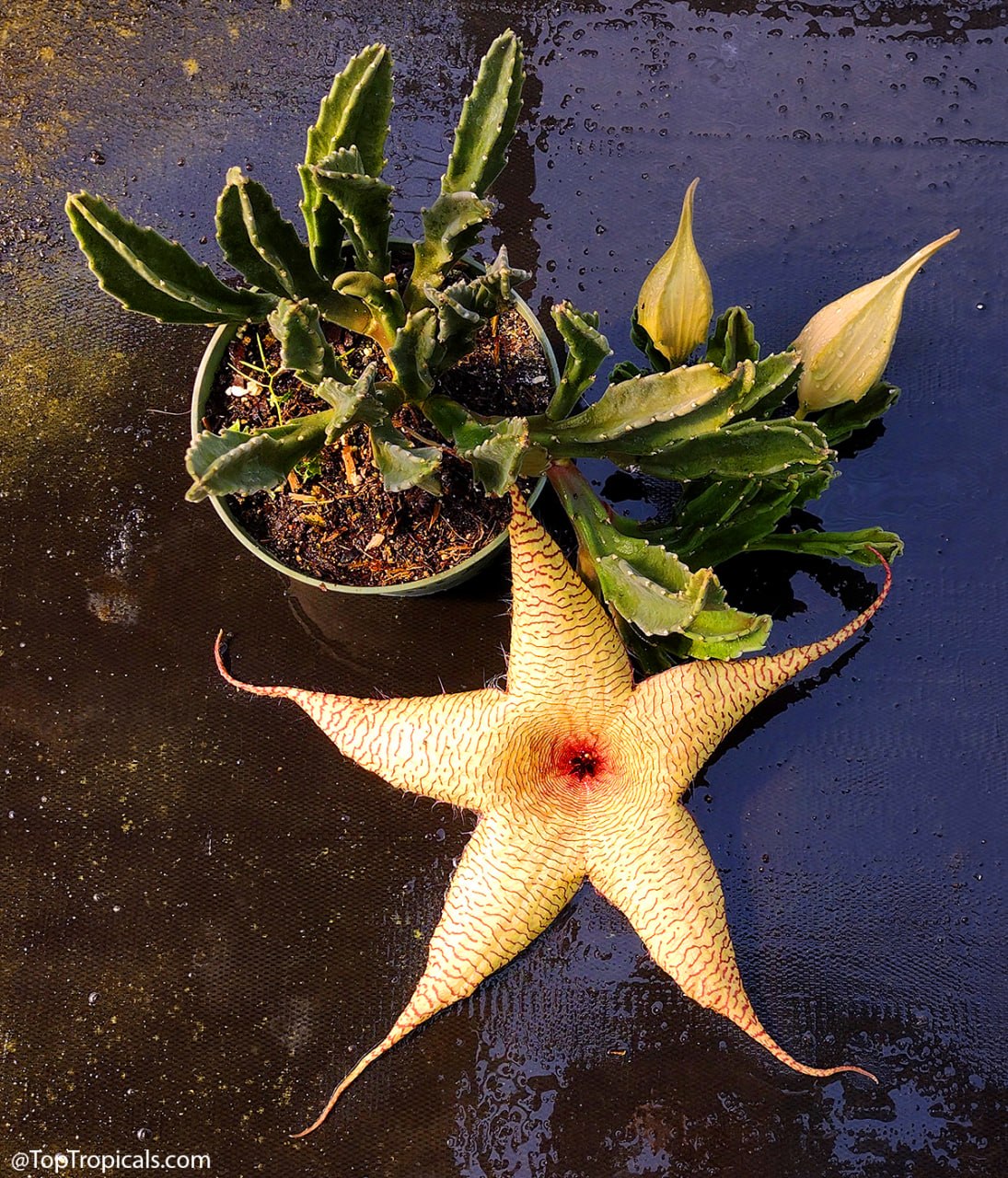
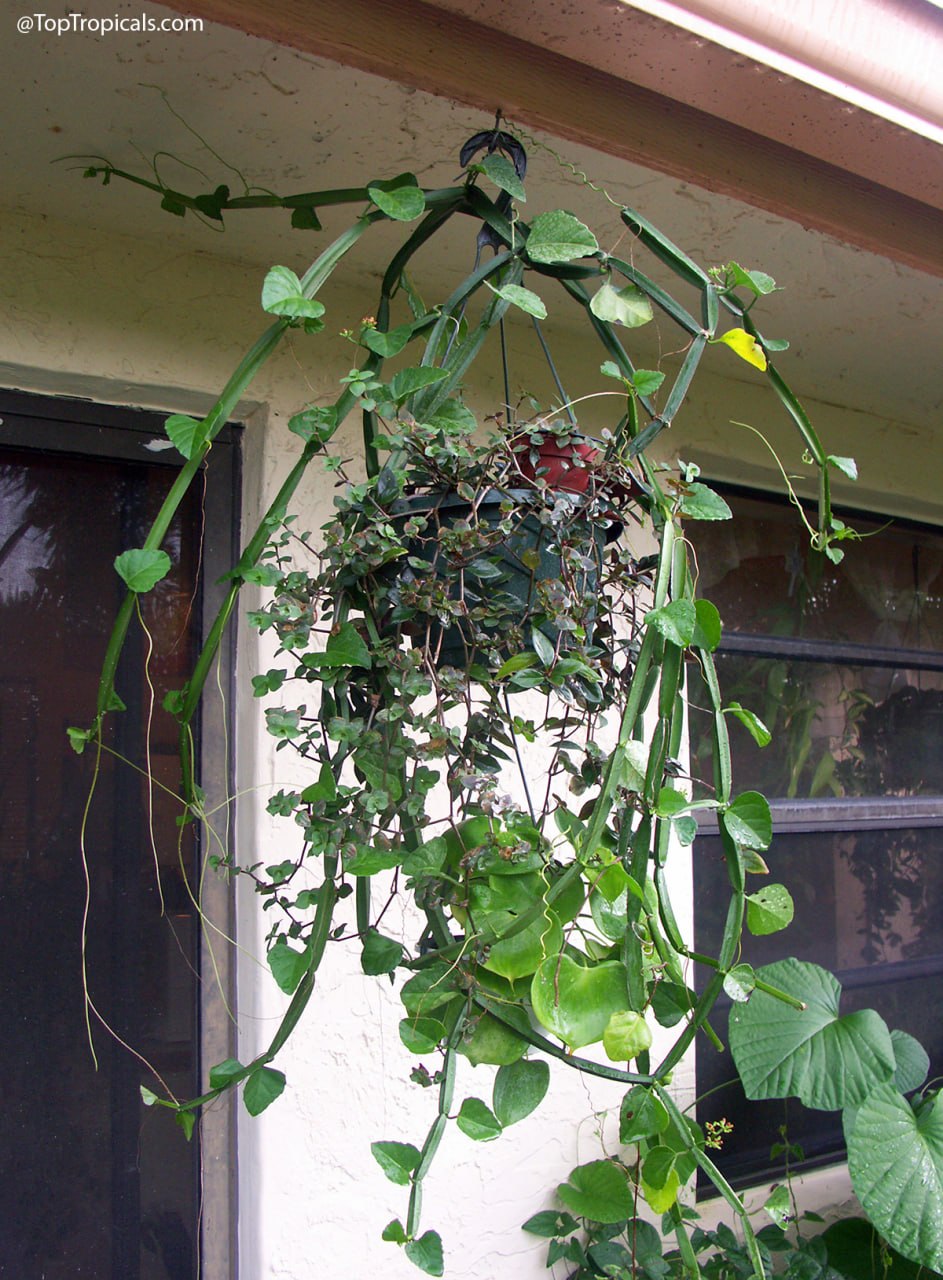
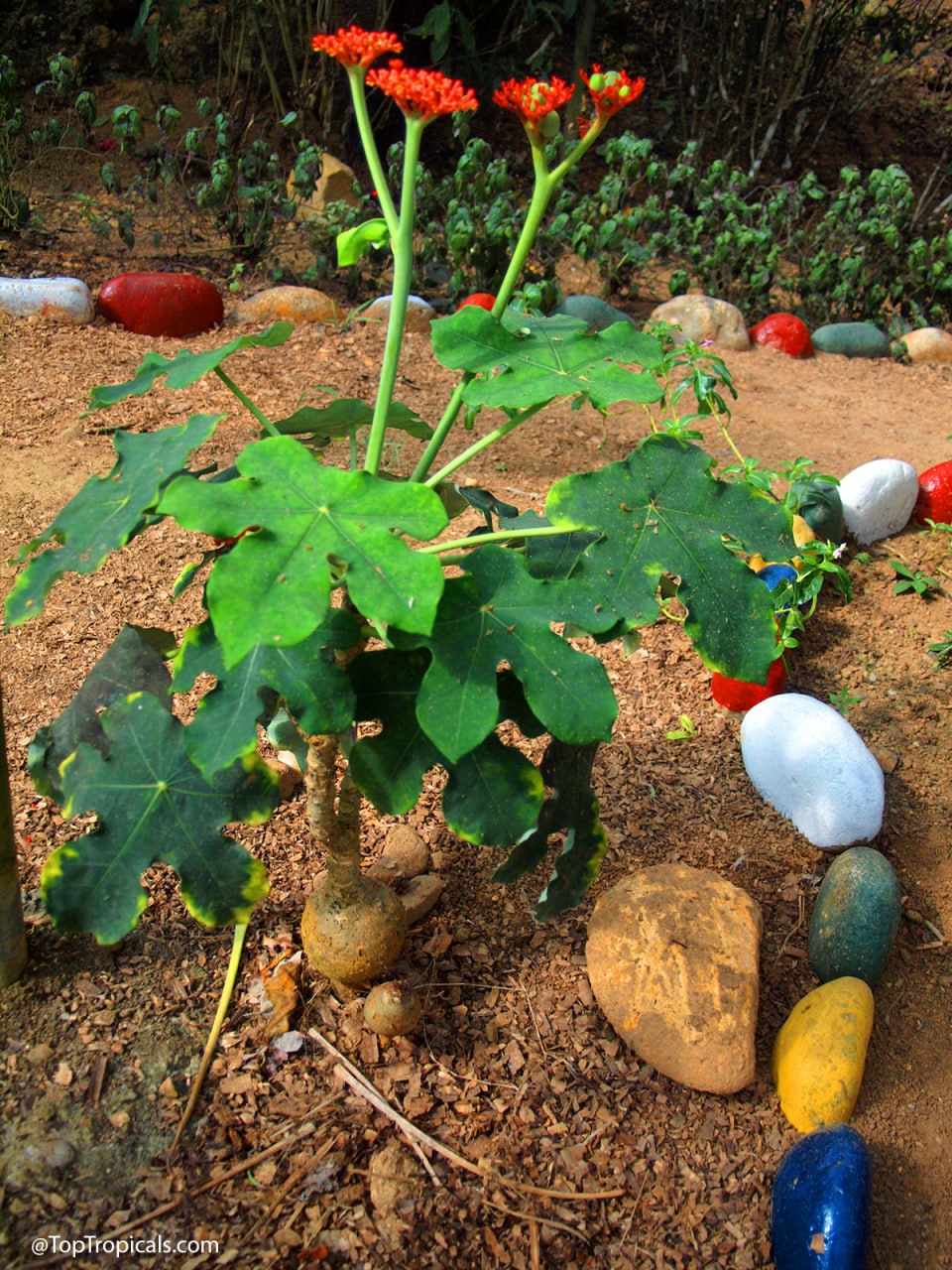
The hardest spots aren’t for trees - they’re for everything else. The toughest areas are often smaller spaces - along walls, patios, containers, or rocky patches where soil dries out fast. This is where most plants fail quickly. These picks don’t just survive - they stand out. They bring texture, color, and structure - without needing constant watering or perfect soil.<
Why containers are the toughest of all in heat
Growing in pots in hot, dry conditions is a different game. The soil heats up fast, roots can literally overheat, and moisture disappears much quicker than in the ground. If you’re using containers, protect the root zone - group pots together, tuck them into partial shade, or shield the container itself from direct sun. Choosing drought-tolerant plants helps, but don’t assume they can go totally without water - even tough plants in pots can dry out quickly, so check regularly and don’t let them go bone dry.<
🔥 9 best smaller plants and vines for hot, dry spots
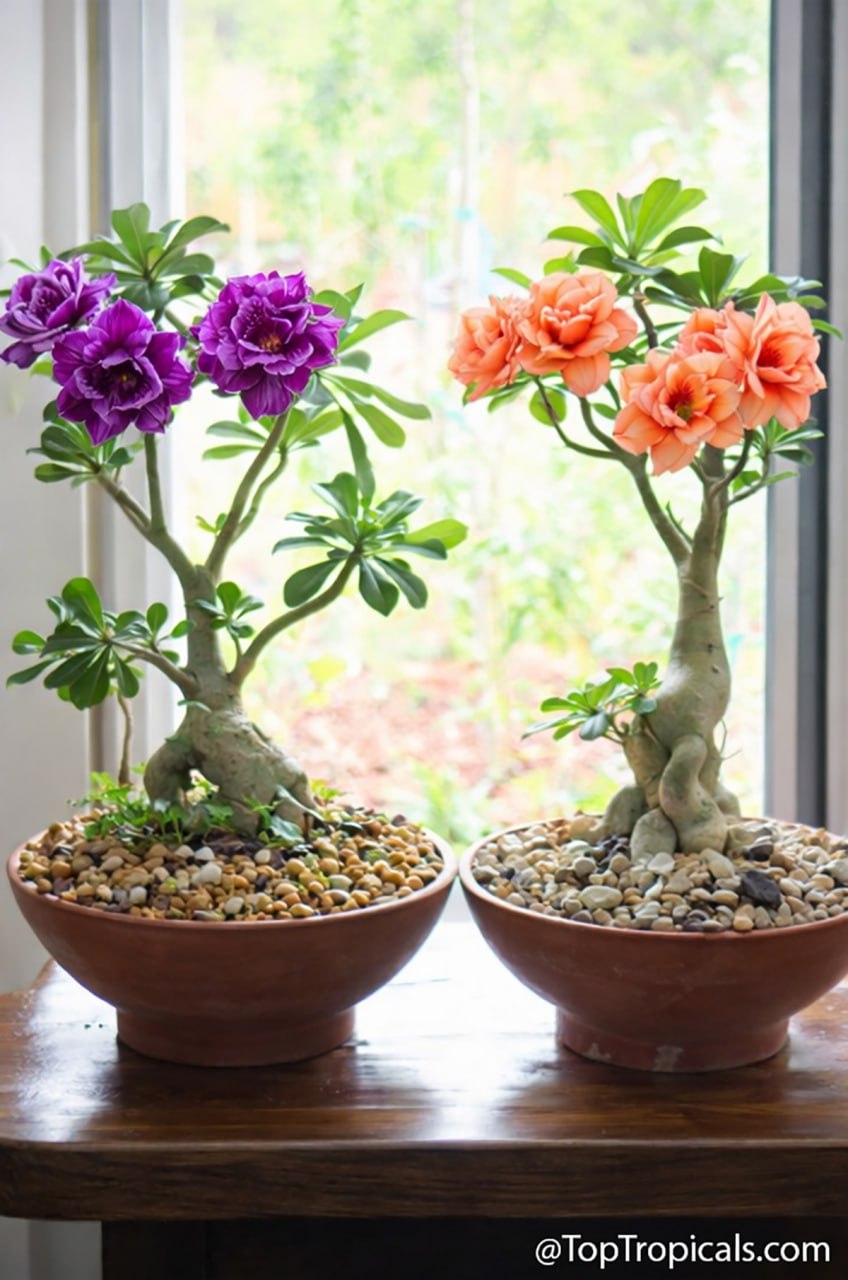
< ☀️ 1. Adenium - Desert Rose 📸
SStores water in its caudex and thrives in heat - one of the best flowering plants for dry conditions.
Adenium Plant Facts
Botanical name: Adenium sp. Also known as: Adenium, Desert Rose, Impala Lily
Smokey: Winter roots make spring easy. Keep that plant straight.
Sunshine: I am keeping it straight by not touching it at all.
Smokey: That is exactly what I was afraid of.
November is the month when the garden finally stops yelling at you.
The heat backs off, the bugs calm down, and the weeds take a breath.
This is when we get to take control again.
And as gardeners, we know the truth:
Either you use your garden, or your garden will use you in
spring.
Let me walk you through this, gardener to gardener.
"November is when the garden finally listens.
Give it a little direction now, shape it, guide it, and prepare it for
spring.
It will reward you all year." - Tatiana Anderson, Top Tropicals Plant
Expert
🌴
When The Garden Uses
You
We have all lived this scene:
March weeds appear, and two days later it looks like a jungle.
One missed watering turns into five wilted plants and a full week of
recovery.
A skipped feeding shows up as yellow leaves and panic searching
online.
Bugs return fast, and suddenly you are washing leaves every other
day.
Random plant purchases fill your yard with chaos and mismatched care
needs.
When the garden takes control, spring feels like hard work, not
joy.
Overgrown Tropical Garden Showing How a Garden Can Use You
📊
When You Use Your Garden
November flips the script.
Plants slow down. Soil stays warm.
This is the safest month to experiment, move plants, fix mistakes, and
redesign.
What you do now pays off huge in March.
You map out sun zones and shade zones.
You mulch now so weeds do not explode later.
You move plants to better positions without heat stress.
You remove the high-drama plants before they start another season of
complaints.
You pick what you want for next year instead of letting impulse buys
rule you.
Spring becomes smooth instead of overwhelming.
And honestly? It feels good to walk outside in March and see order instead
of chaos.
In the photo: Every garden starts in small steps. Biquinho Pepper
(front) in the garden.
What Benefit
Do You Get Personally?
Less watering.
Fewer bugs.
Bigger fruit.
Better flowering.
Less money wasted.
Less time fixing problems you could have prevented now.
This is why experienced tropical gardeners adore November.
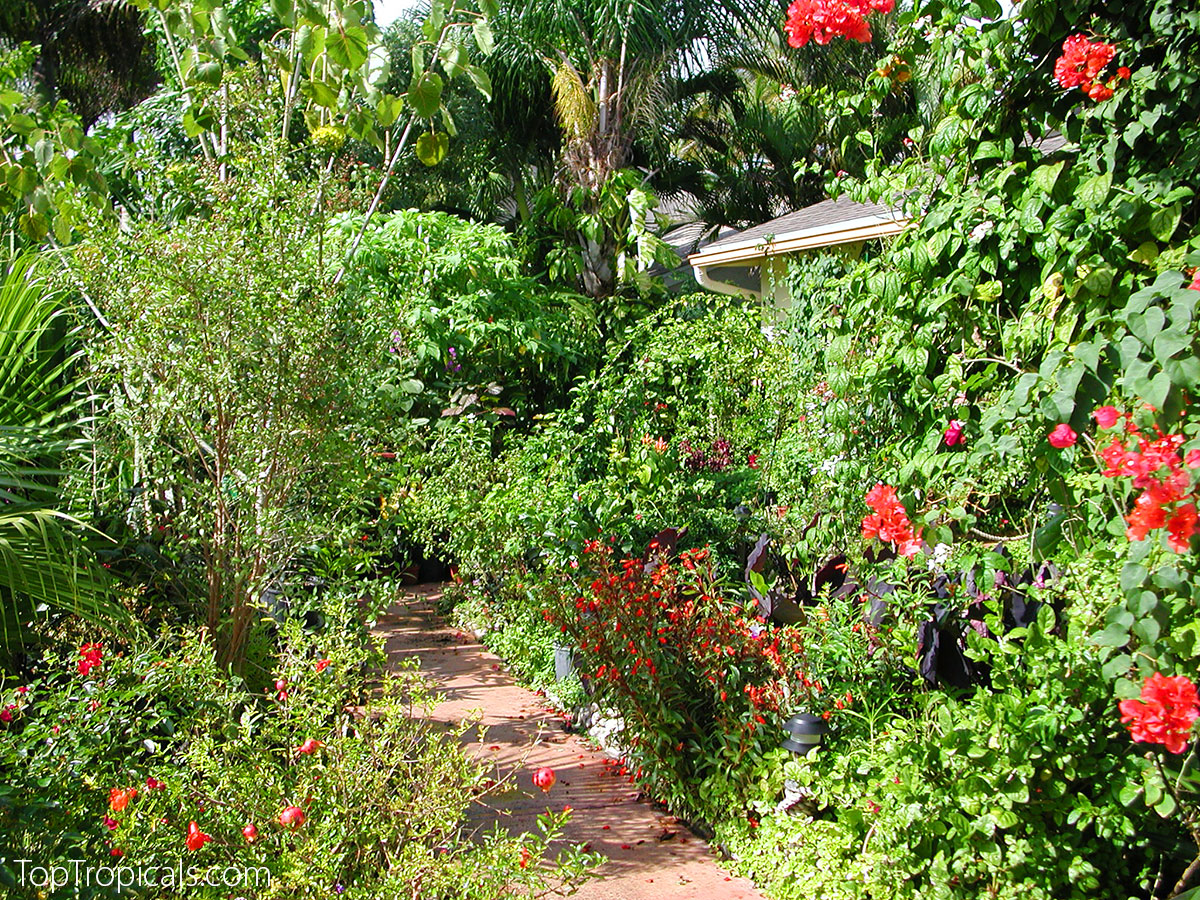
In the photo: Organized Tropical Garden. Firebush (lemon gold
variety) and Cordylines (Ti Leaf) make colorful spots in the garden.
🐭
Start With Something Small Today (5 Minutes)
Pick one:
Add mulch to the driest spot in your yard.
Cut one dead branch from any tree.
Move one pot to a better sun angle.
Pull three weeds from the worst area.
Water deeply once this week.
Small steps now save hours later.
⭐
One Short Story
Last year we planted a
Star Fruit in November.
By March, it was already covered in flowers, and have been harvesting fruit
non-stop since then!
That is what winter planning does: it gives plants a head start you can
actually see.
🐍
Plants That Will Use You If You Let Them
These are great plants, but only if you plan before planting them:
Papaya
- fits any yard, delicious fruit and natural digestive remedy
Pick even one of these and your garden starts giving back.
In the photo: Cattley Guava brings not only tasty fruit but also a
wonderful character with its amazing multi-color twisted trunk.
🌡️ November Advantage
You cannot ruin anything in November.
This is the safest, calmest month to shape your garden the way you want.
If you act now, spring becomes a victory lap.
If you wait, spring becomes a rescue mission.
In the photo: Adenium is a colorful accent in the
garden.
💐
Thanksgiving Tie-In
This is the season to reset, breathe, and be thankful for your outdoor
space.
A garden that works for you is one of the best gifts you can give yourself
going into the new year.
Start your November plan today.
Use your garden.
Do not let it use you.
In the photo: Megaskepasma, Iris, Colocasia, Crotons, Dracaena and Ti
Leaf bring instant tropical look to your garden.
Sunshine: You know, February 27 was International Polar Bear Day. I
just learned about it and got a brilliant marketing idea. Cherry of the Rio
Grande survived 25F. With wind. Real wind. That means we go north. Let them
taste this magic. I even have a donut recipe with the fruit. It’s a
bomb,
Smokey. We expand. Trust me. Finally you can afford that new watering
timer.
Smokey: Not so fast, genius. Twenty five degrees is not the North
Pole. And polar bears and penguins do not share zip codes.
Sunshine: You always pour cold water on my brilliance. Fine. Where
do we start?
Smokey: Well, first you go talk to Tatiana. She graduated from the
Geography Department. She can explain climate zones. Cherry of the Rio
Grande
can grow in North Florida, Texas, and similar climates. Let’s master
that before we conquer Arctic.
Sunshine: So… Phase One: Geography?
Smokey: Exactly.
Some stories are easier to tell with a little humor. Smokey and Sunshine
were never just mascots. They represent the two forces behind every decision
we make here: bold ideas and careful reality. One dreams big. The other
checks
the climate zone map. Together, they remind us that growing plants is part
science, part optimism, and always personal. If you have ever wondered why
they keep appearing in our newsletters, you can read their full story on the
Smokey and Sunshine page. They have been with us longer than most people
realize.
Freeze Testing of Grumichama and Cherry of Rio Grande
🍒❄️
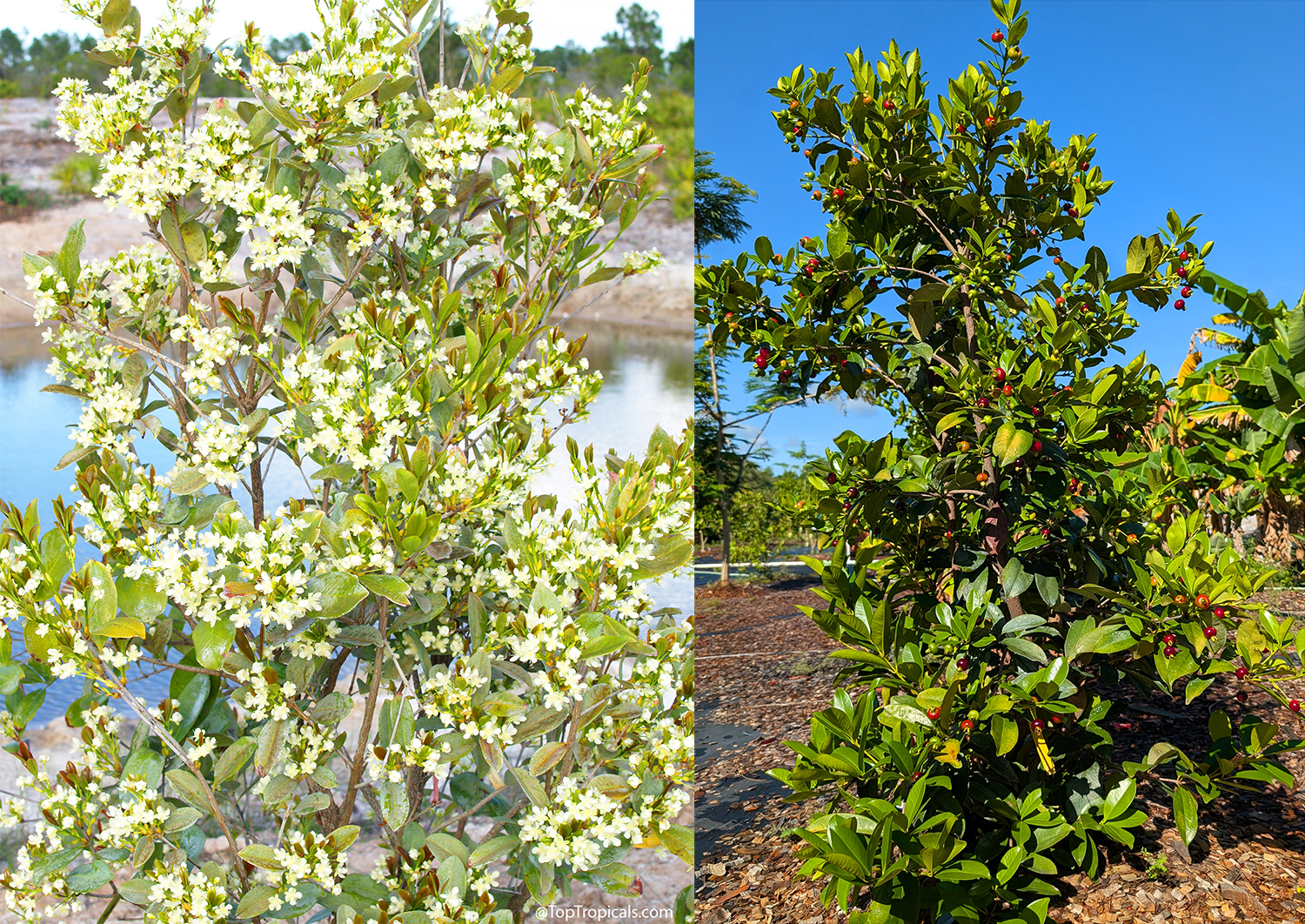
Eugenia brasiliensis - Grumichama tree flowering and fruiting
When temperatures dropped to 25F, with wind chill near 14F, winter made
it clear which tropical trees were truly resilient. Some plants burned back.
Tender growth collapsed. But our established Eugenia cherries stood
steady. Leaves held. Branches stayed flexible. The canopy remained intact.
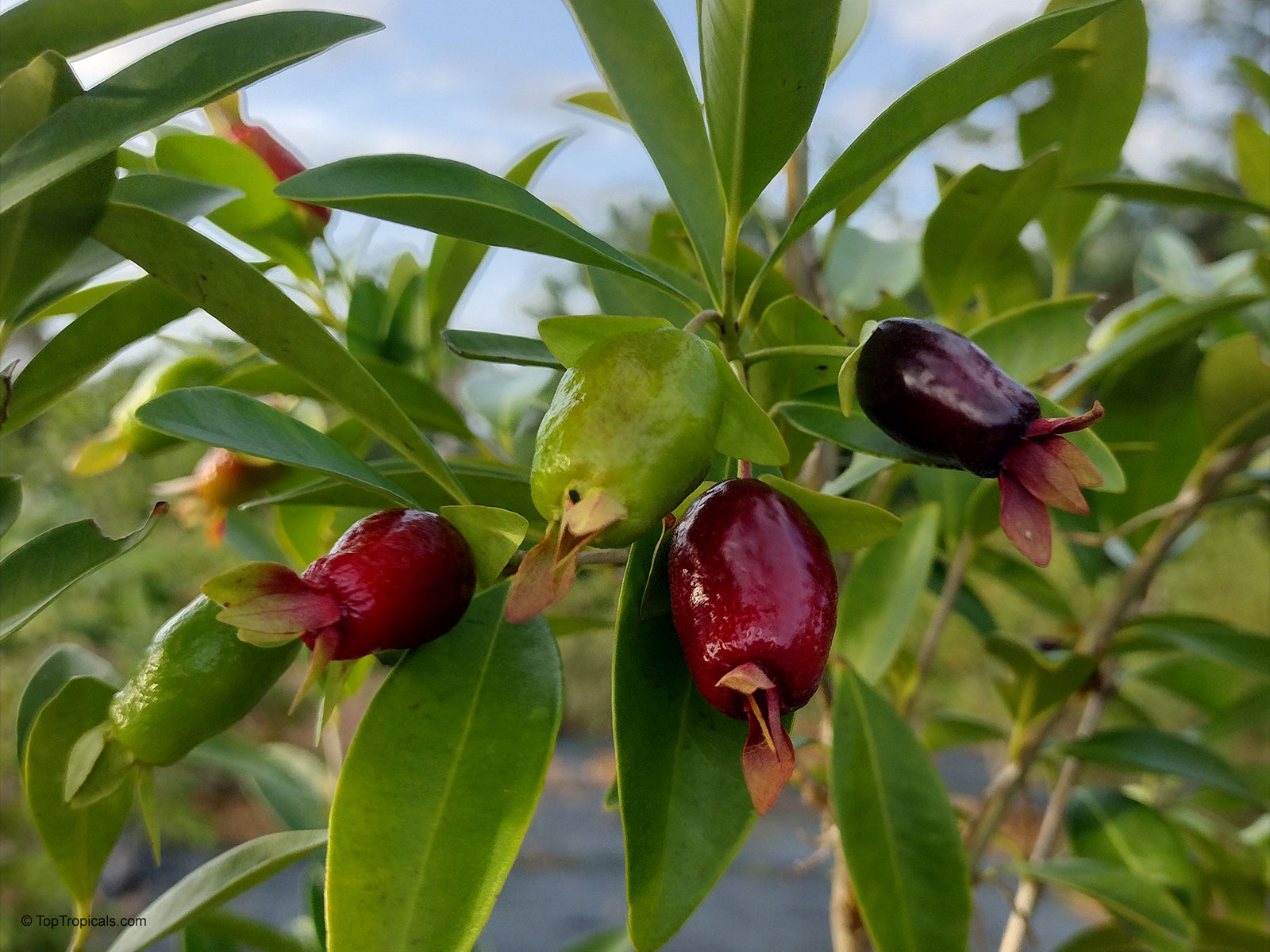
Cherry of the Rio Grande (Eugenia aggregata) and Grumichama (Eugenia brasiliensis) are among the most cold-hardy tropical
cherries for Southern gardens. Both are native to Brazil and thrive in USDA
Zones 9b–11, and even protected 9a sites.
Cherry of the Rio Grande produces dark ruby fruit that ripens
almost black, with a rich, full cherry flavor. It flowers early in spring
and
can fruit well into summer. Mature trees can tolerate brief drops into the
low
20s once established. Trees typically grow 8 to 15 feet tall, remain
naturally compact, and often begin fruiting within 2 to 3 years.
Grumichama is an evergreen tree known for both beauty and
productivity. In spring, it covers itself in white starburst flowers that
attract
pollinators. Within about four weeks, glossy purple-black fruit develops.
Established trees tolerate temperatures into the upper 20s and grow well in
the
ground or in 5–10 gallon containers. Mature trees can produce hundreds
of
fruits per season.
Across the Eugenia group, strengths are consistent: early
bearing, compact growth, heat tolerance, light freeze endurance, and low
pest
pressure. They are adaptable to different soils, need modest water once
established, and perform in full sun or partial shade. Birds enjoy the
fruit, but there
is usually plenty to share.
Nutritionally, Eugenia cherries provide Vitamin C, fiber,
antioxidants, and notable Vitamin A that supports eye health. They offer
sweetness
with real dietary value.
In the kitchen, they are simple and rewarding. Cherry of the Rio Grande
makes an easy
compote. Simmer the fruit with a small amount of water until soft, mash
lightly, and spoon over pancakes or warm bread. Grumichama turns into a deep
red
jam with sugar and lime, or can be blended into a bright spoon drizzle over
vanilla ice cream.
Even when not fruiting, both trees remain attractive year-round with
glossy evergreen foliage and clean structure. They fit well into edible
landscapes, small yards, and container gardens.
Winter will return. The difference lies in planting fruit trees that can
handle heat, humidity, and the occasional cold snap. If you are building a
food forest for lasting harvests, cold-hardy tropical cherries like Cherry
of
the Rio Grande and Grumichama deserve a place in your garden.
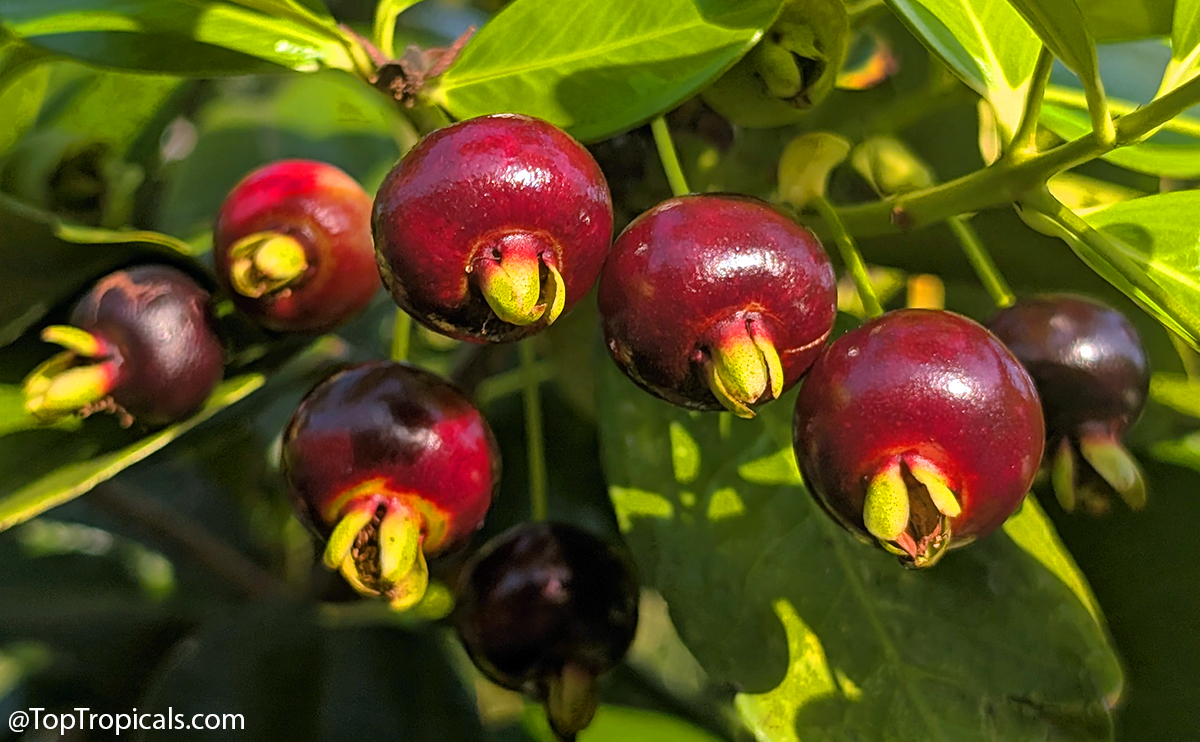
Ripe Grumichama (Eugenia brasiliensis) fruits developing on the
tree, turning deep red to nearly black when fully mature.
Eugenia aggregata (cv. Calycina), Cherry of the Rio Grande
Q: I grow ginger for cooking, but I know that
some varieties have showy flowers. What gingers can you recommend as
ornamentals?
A: Ginger is famous for its culinary and
medicinal uses, and many species are also strikingly beautiful, making them perfect
centerpieces for tropical gardens or potted plant collections, especially in
shaded spots. Here are a few of our favorite cultivars.
1. Yellow Butterfly Ginger
Hedychium flavum
x coronarium - Yellow Butterfly Ginger, Nardo Ginger Lily - rare hybrid
of White Butterfly ginger we mentioned earlier
(https://t.me/TopTropicals/710), it is more vigorous and tall than its parent. With attractive long green
leaves with a slight fuzziness, this ginger has open long spikes of pastel
yellow flowers with a beautiful heady aroma. Exquisitely fragrant!
2. Variegated Spiral Ginger
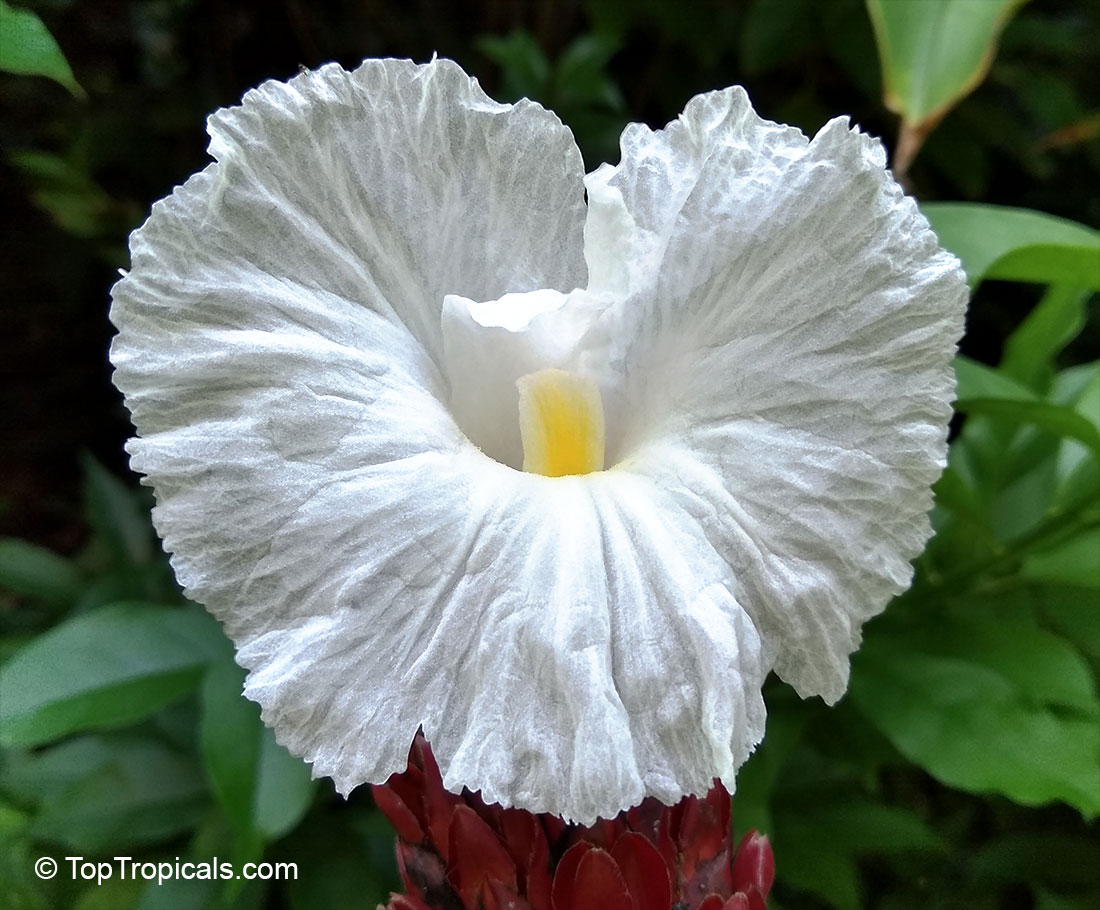
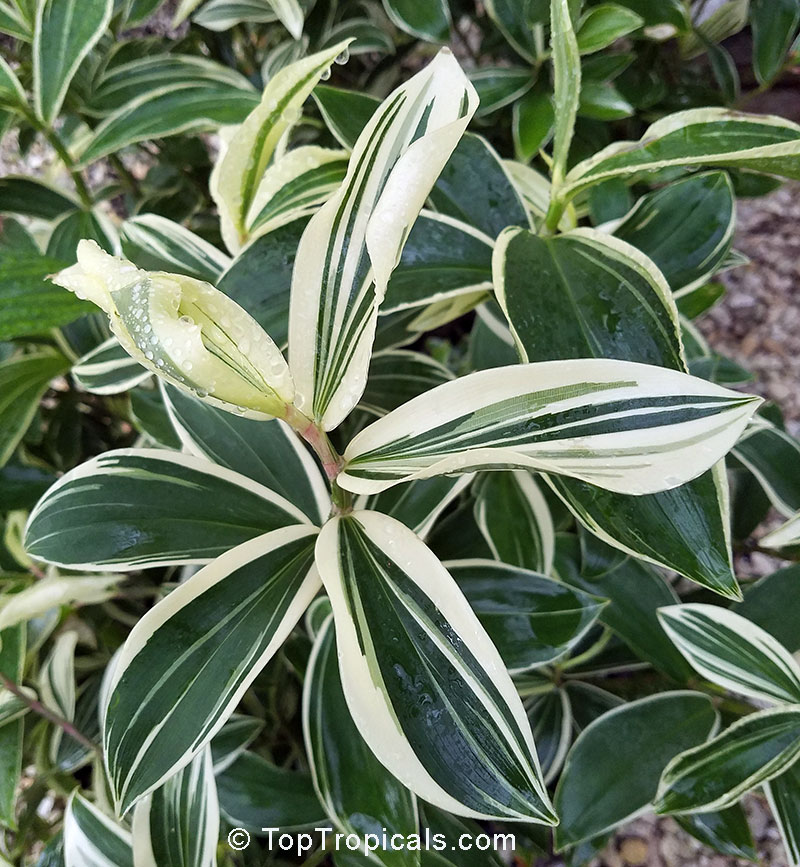
Costus
arabicus (amazonicus) variegata - Variegated Spiral Ginger - is a tropical stunner
originally from South America but adored in Hawaii and Florida. This ginger's
eye-catching, spiraling stems are streaked with striking white variegation,
topped with elegant pure white flowers with yellow centers. The pure white
blooms are truly a piece of art! Perfect for shade gardens, this plant thrives
in moist soil and loves plenty of water. If you're looking to add a bit of
drama and elegance to your garden, this beauty is a must-have!
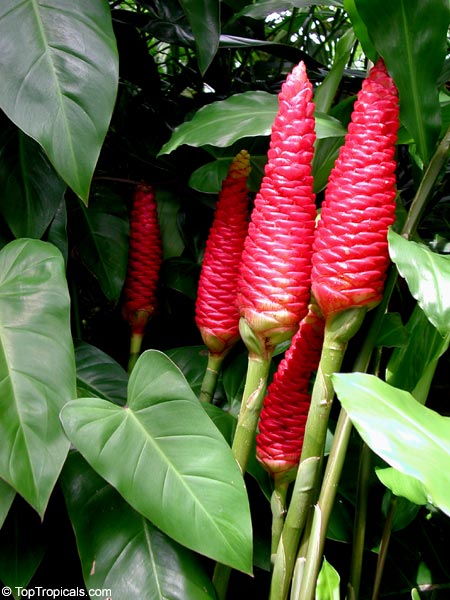
3. Pine Cone (Shampoo) Ginger
Zingiber
Zerumbet - Pine Cone Ginger, Shampoo Ginger - is probably the most popular one.
All parts of this ginger are spicy fragrant. The cone shaped flowers are long
lasting and useful for cut flower arrangements. It is in fact used as a
shampoo in Asia and Hawaii, and as an ingredient in several commercial shampoos!
Pinecone ginger is considered a "canoe plant", that is, a plant introduced
throughout the Pacific by the ancient Polynesian settlers.
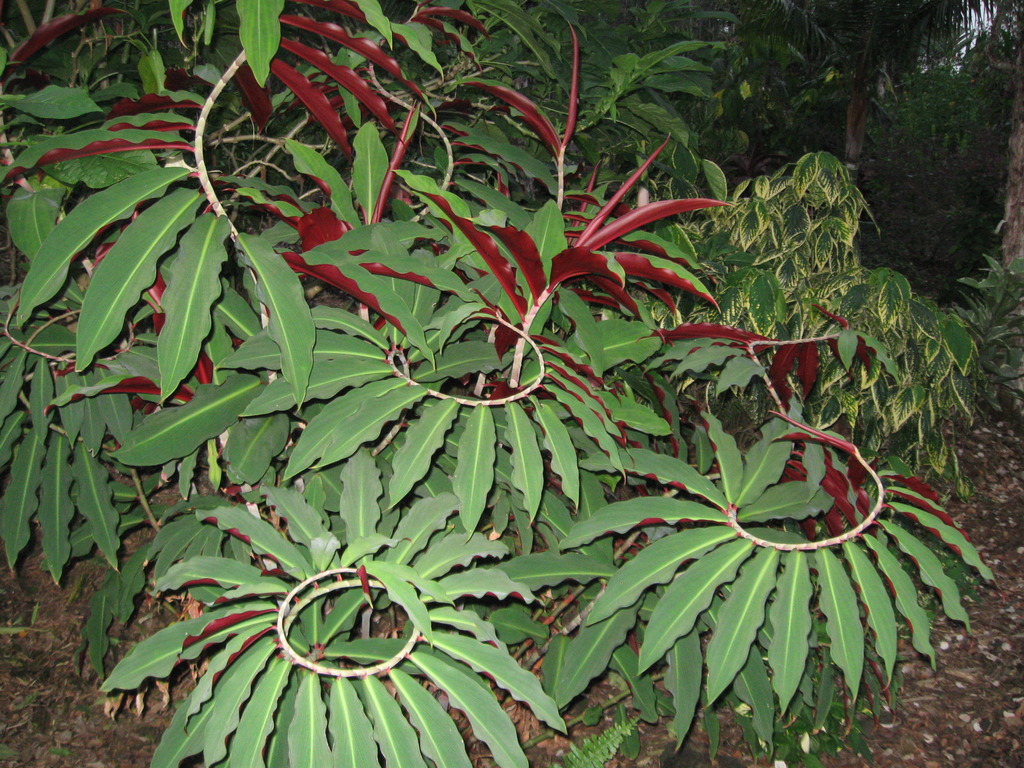
4. Spiral Raspberry Ginger
Costus
vargasii - Spiral Ginger Raspberry Yogurt - The name refers to the colorful
raspberry colored stem, but that's not the only colorful thing about it: the leaves
are dark green, long and glossy with velvety deep purple undersides. The
inflorescence is a vivid red with tight bracts and bold yellow flowers. The
butterflies love to drink the nectar from the flowers. Large vigorous ginger,
growing up to 5-6 ft tall.
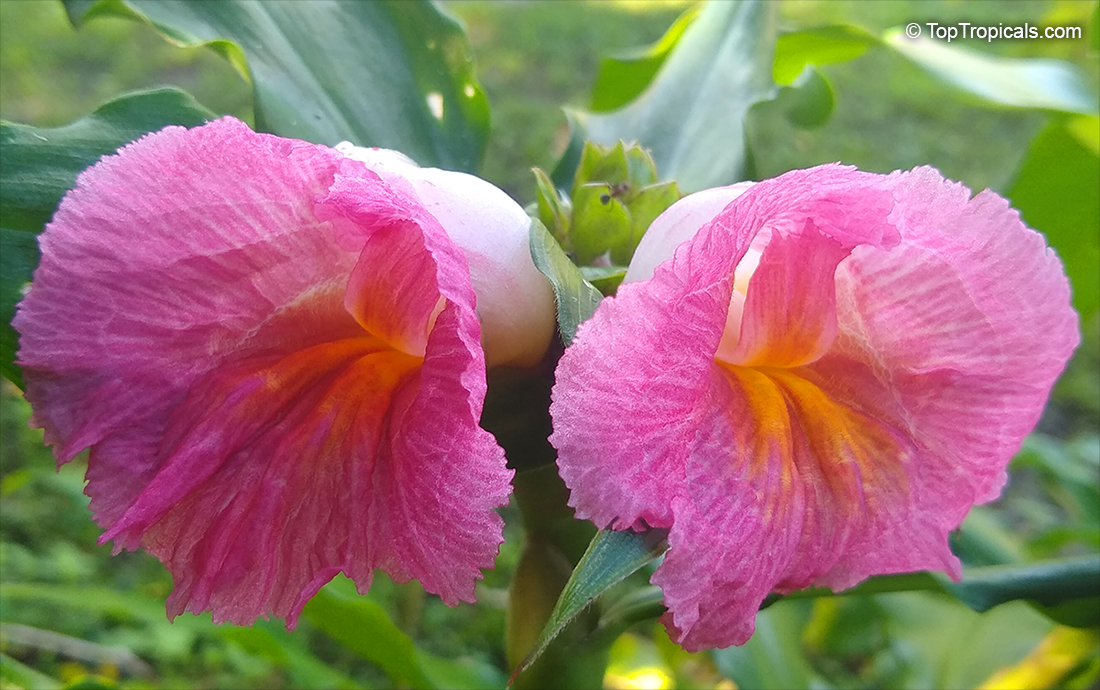
5. Cameroon Costus African Princess
Costus
fissiligulatus - African Princess, Cameroon Costus - from Gabon in West Africa. It
has a dazzling pink trumpet flower with a yellow throat. It is very
floriferous with an inflorescence of numerous flower buds on a shortish plant of 3-4
ft that stands very erect. It is an easy grower.
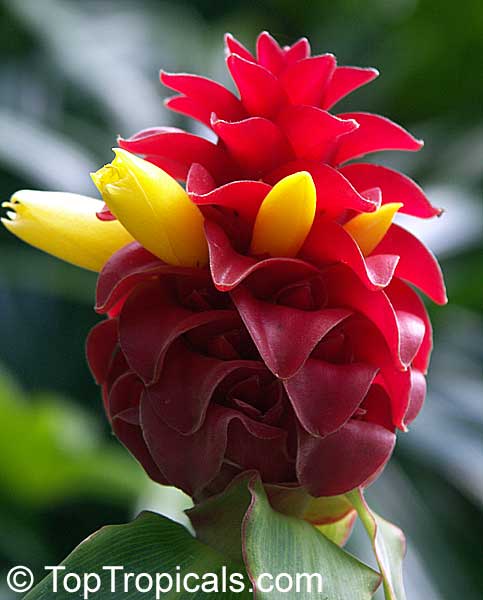
6. Red Button Ginger (French Kiss)
Costus spicatus x
woodsonii - Red Button Ginger, French Kiss: this ginger's inflorescence
resembles a cluster of bright red buttons, making it a standout in tropical
gardens.
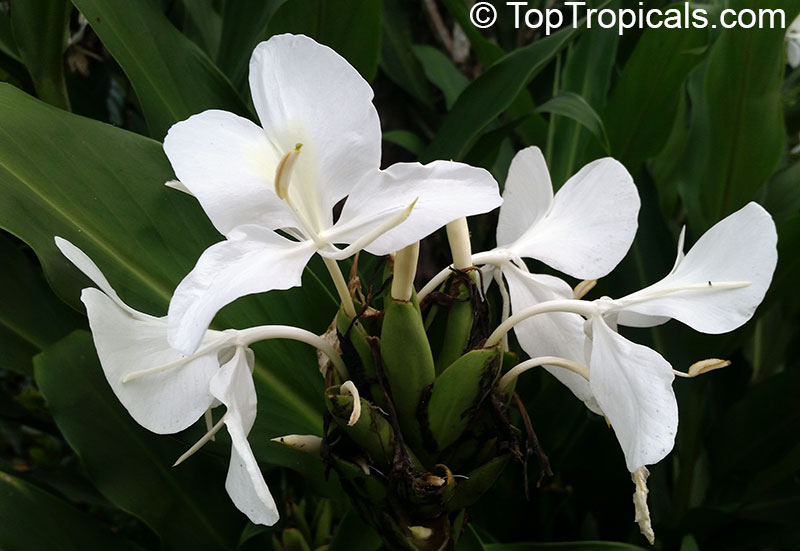
7. White Butterfly Ginger
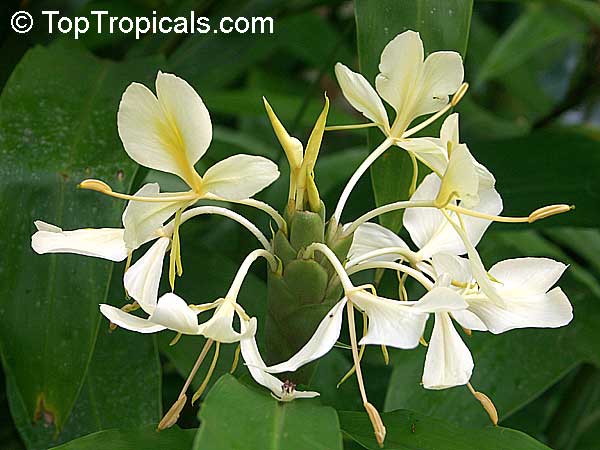
Hedychium
coronarium - White Butterfly Ginger is a must for every Southern garden. It is
famous for its intense, sweet scent. Symbol of Hawaiian Paradise along with
Plumeria and Jasmine. It is popular in Hawaii and the Pacific Islands for leis
and hair adornments and bears fragrant, butterfly-resembling flowers in
summer. It has long lasting cut flowers, ideal for scenting the home. Can survive
light freezes, with tops regrowing in the spring. Takes sun or shade.
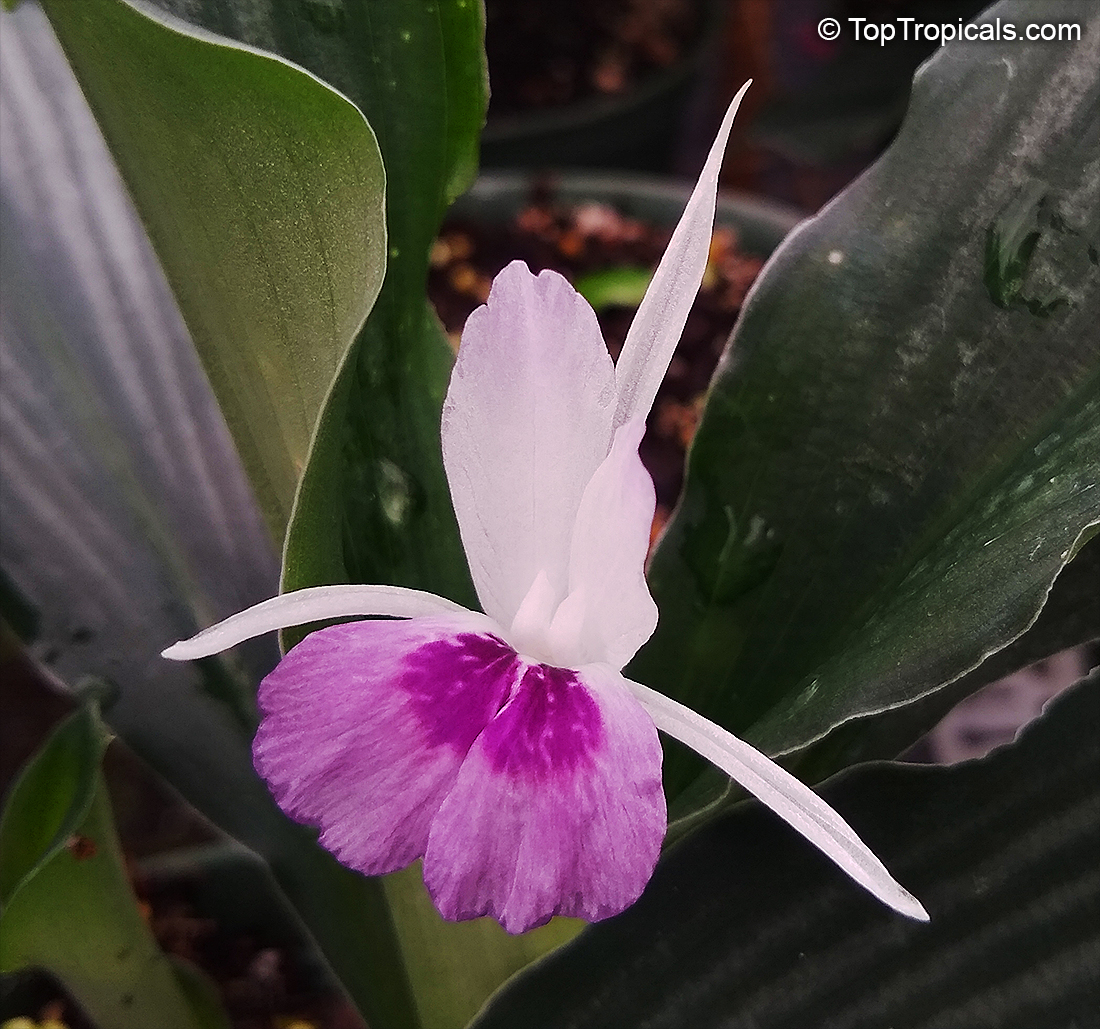
8. Laos Silver Stripe Peacock Ginger
Kaempferia
angustifolia - Laos Silver Stripe is one of the most beautiful of all the
Kaempferia Peacock Ginger cultivars. It is one of the large types. The plant has
boldly striped leaves of green and silver. The flowers are orchid shaped white
and purple. Small, compact perennial, great for container culture. This hard
to find variety is a must for every Ginger collector.
🎁 Mothers Day plant gift guide: something for
every
kind of mom
Skip the bouquet, give her something that
grows
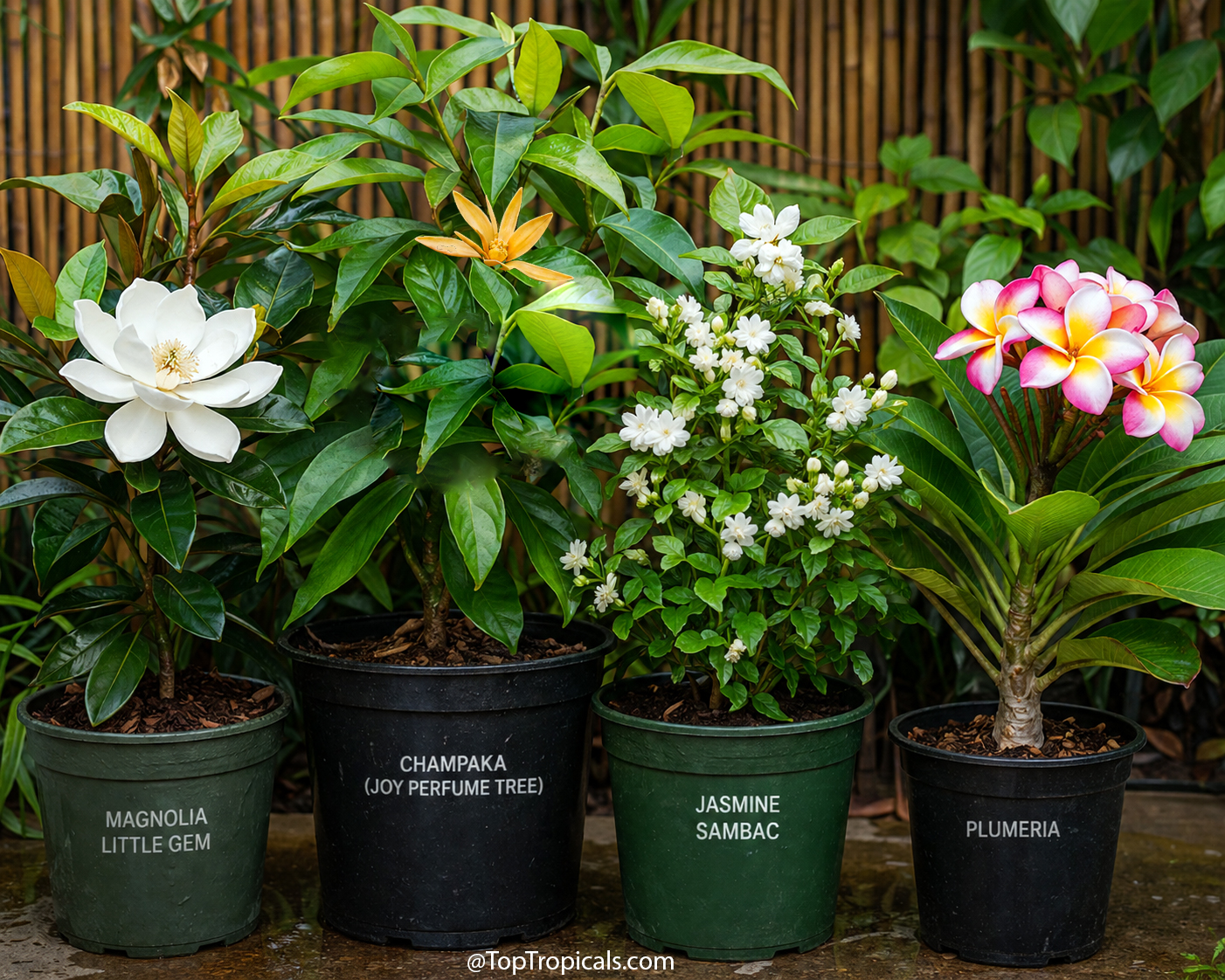
Magnolia Little Gem, Champaka, Jasmine Sambac, and Plumeria
Some gifts last a few days. These don't. Right now, these plants are at
their best in our nursery - full, established, and ready to impress the
moment she sees them. This year, give her something that doesn’t fade.
Pick
a plant that will keep growing, blooming, and reminding her of you long
after
Mother's Day is over. Here are a few easy ways to choose the right one.
All of these grow well in containers and are beginner-friendly.
1. For moms who love fragrance - give her living perfume ✨
These are the plants people remember. Soft, rich scent that fills the
garden, patio, or even a warm evening indoors.
Champaka Joy Perfume Tree - the legendary Joy perfume flower - rich,
sweet, and unmistakably bubble gum-like.
Magnolia Little Gem - the classic Southern magnolia in a smaller form -
big, creamy, fragrant blooms that never go out of style.
Wrightia religiosa - a sacred Buddhist tree - delicate white flowers
with a soft jasmine fragrance that feels calm and refined.
href="https://toptropicals.com/store/findname/Jasminum-Sambac.htm?utm_source=mlist"
>Jasmine Sambac - intensely fragrant and impossible to ignore - once you
have it, you won’t want a garden without it
Plumeria - the iconic Aloha flower - bold color, rich perfume, and pure
tropical feeling in bloom.
Parijat Tree Jasmine (Nyctanthes arbor-tristis) - blooms at night and
fills the air with a gentle, unforgettable fragrance.
4. For the fruit lover - grow something she can enjoy and taste
🍒
A gift that turns into harvest. Fresh fruit, right from her own
garden.
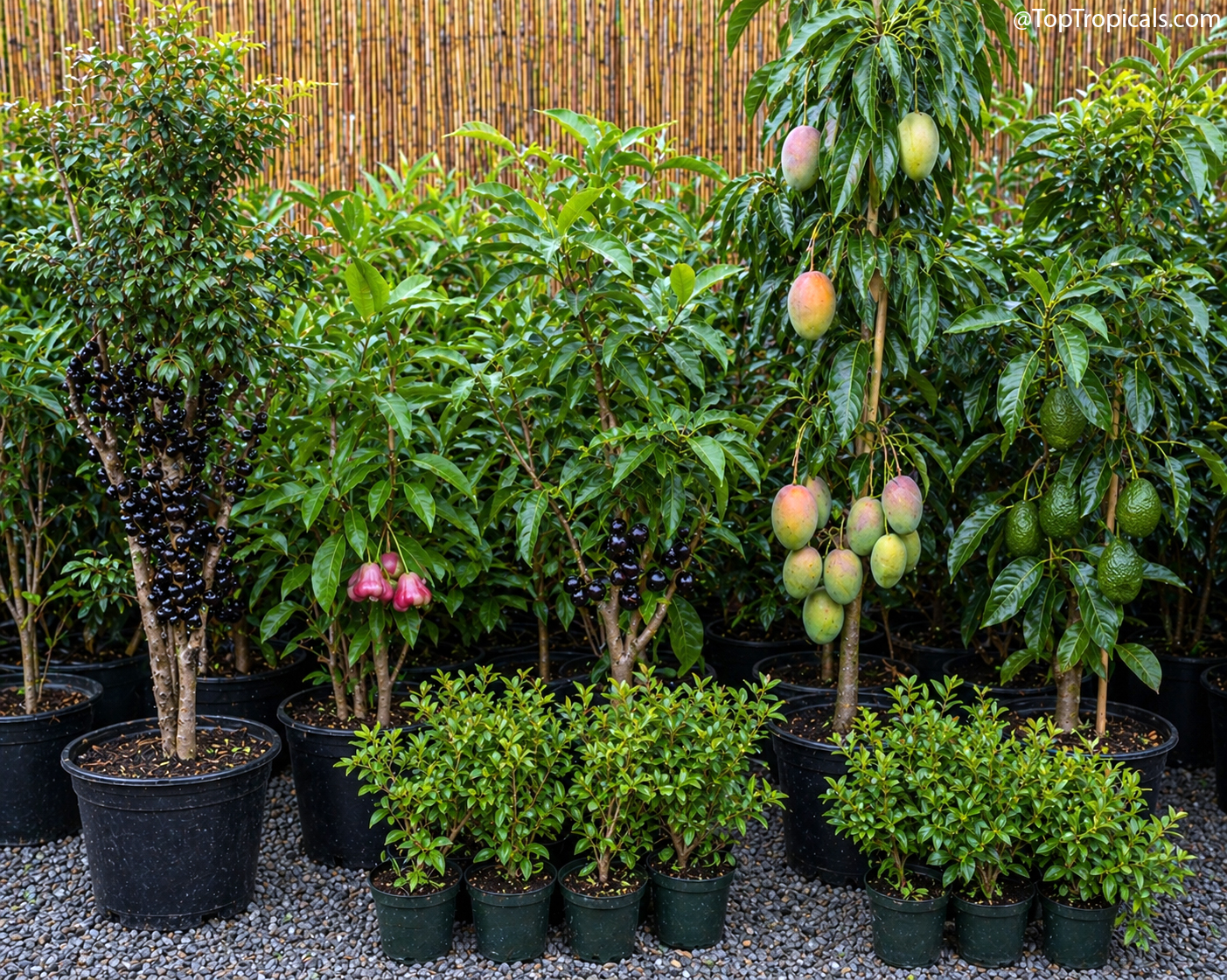
Jaboticaba - a truly unique fruit tree that produces sweet, grape-like
fruit right on the trunk, turning it into a conversation piece.
Rose Apple - crisp, refreshing fruit with a light floral taste and a
beautiful ornamental tree to match.
Java Plum (Jambolan) - deep purple fruit with a sweet-tart flavor,
loved for both its taste and its shade tree presence.
Mango - the king of tropical fruit - rich, sweet, and incredibly
rewarding to grow in your own garden.
Avocado - creamy, nutrient-rich fruit from a tree that becomes a
long-term staple in the garden.
Eugenia cherries - Surinam Cherry, Rio Grande and Grumichama - compact
trees with glossy foliage and delicious, dark cherries that are easy to grow
and quick to fruit.
Tropical fruit trees selection - from Jaboticaba fruiting on the trunk to
Mango, Avocado, and rare Eugenia cherries - a great mix for building a
productive food forest.
Mothers Day Gift Card
💌
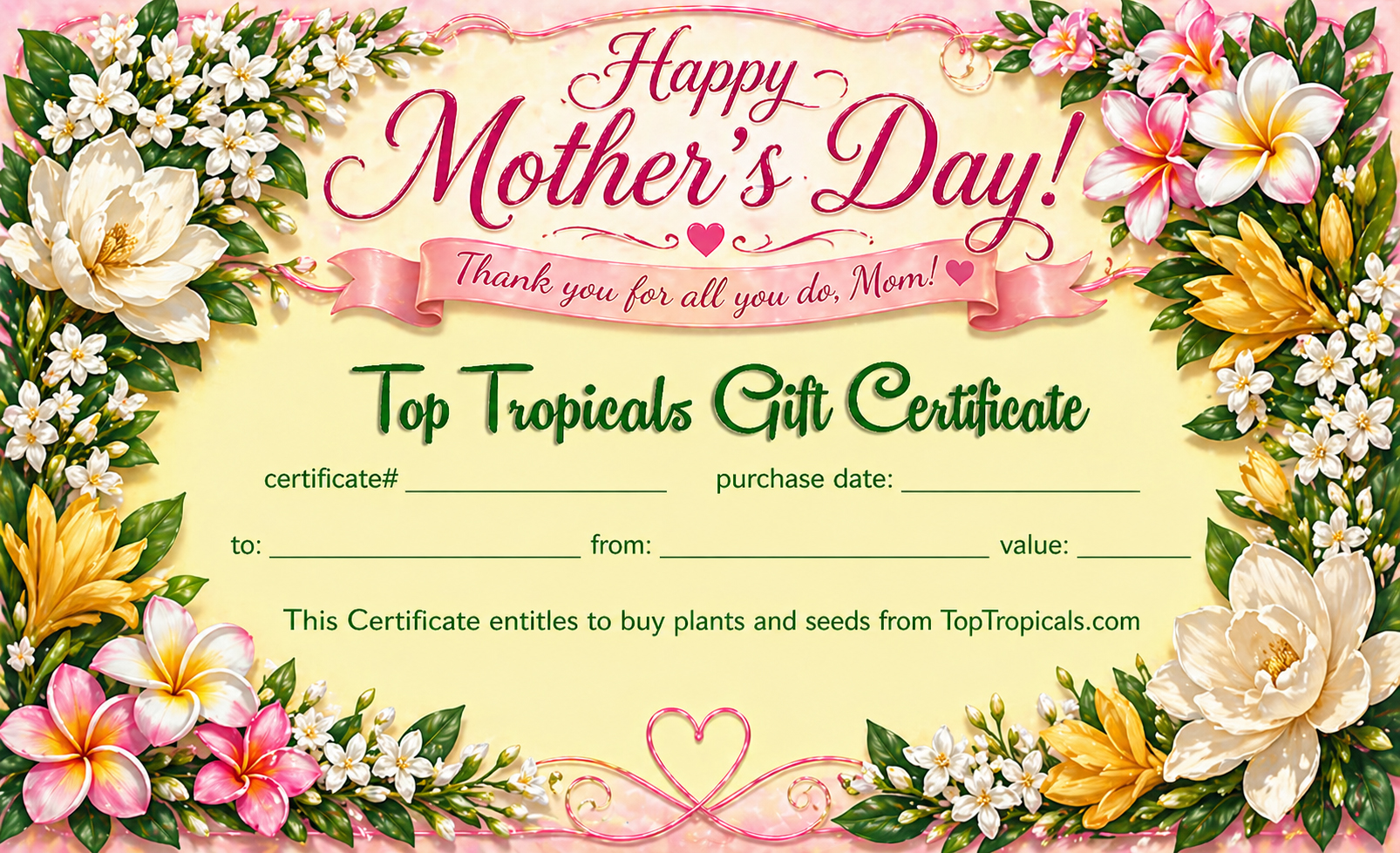
Mother’s Day Top Tropicals gift certificate
Still not sure what to choose? A gift card keeps it simple. She can pick
exactly what she wants, when she is ready for it. No guessing, no pressure -
just something she will actually enjoy.
Get 15% extra value on gift certificates. Just mention
Mother’s Day in the message field.
For example, a $100 certificate becomes $115. A $50 certificate becomes
$57.50.
Offer valid through 05/12/2026.
Bonus value applies to gift certificates only. Must include “Mother's
Day” in the message field at checkout. Not valid on previous purchases
and cannot be combined with other promotions or discounts. Offer subject to
change without notice.