Date: 8 Feb 2023
Gift Plants
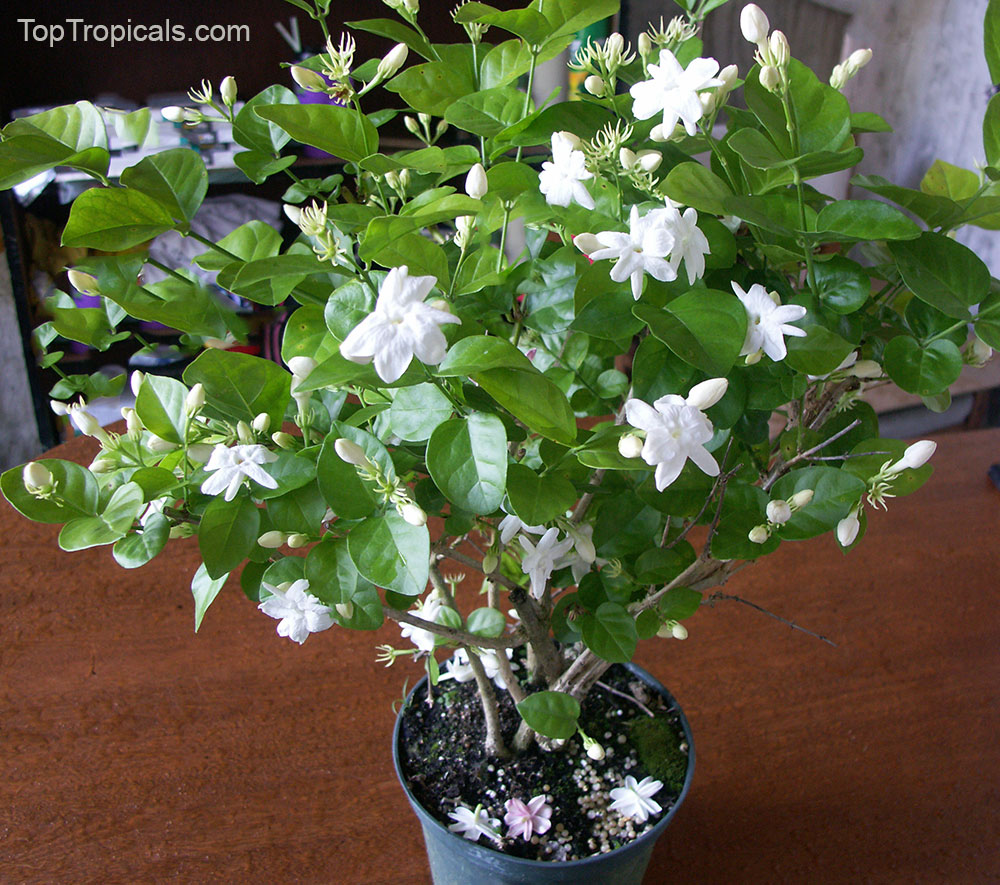
In the photo: fragrant Jasmine Sambac Maid of Orleans
How to make the best gift plant?
1. Consider her/his interests and environment: Think about the recipient's favorite colors, preferred growing conditions (e.g. sunlight, temperature), and any specific plants they already have and like.
2. Choose an easy plant, especially when giving it to inexperienced gardener. Desert roses, Plumerias, Indoor plants are great for both beginners and experts.
3. Something to enjoy right away: Select an established plant with developed roots and foliage. Grafted fruit trees will produce soon, and aroma of a spice tree can be appreciated without waiting for it to grow bigger. House plants such as Philodendrons with ornamental foliage will brighten the room.
4. Presentation matters: Wrap the plant in decorative paper or a gift bag, and consider adding a bow or tag for a personal touch.
5. Add a personal touch: Consider pairing the plant with a personalized message or a small item such as a watering can, plant food, or a pretty planter. Your thoughtfulness will make the gift even more special.
Some gift plant ideas: Jasmines - Desert Roses - Gingers - Mango - Avocado - Spice plants - Indoor plants - easy maintenance plants - Plants of Love: Aphrodisiacs.
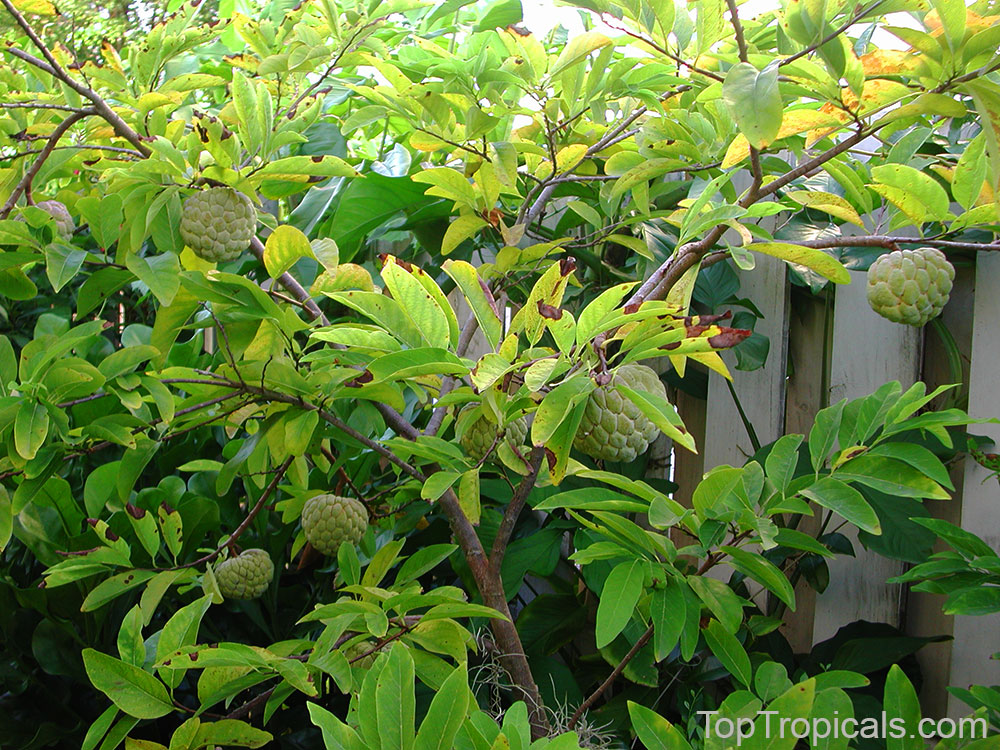
In the photo: Annonas are one of the most popular tropical fruit trees, fast fruiting, suitable for small gardens and container culture
Date: 8 Jul 2020
Grafted fruit trees for Hawaiian gardens
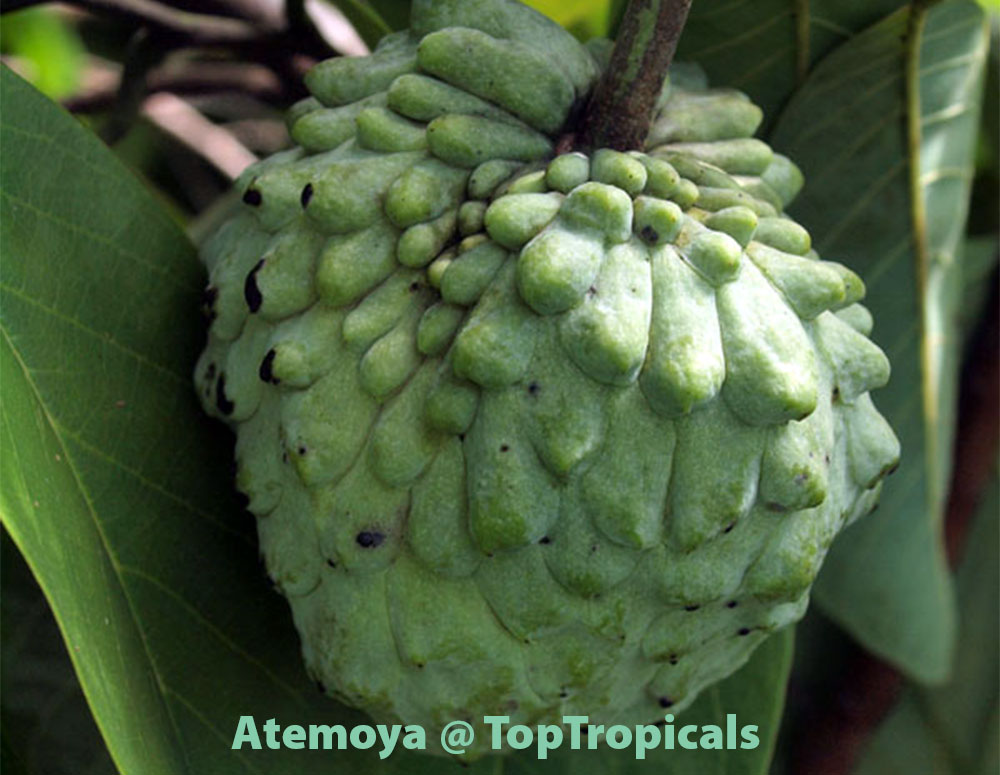
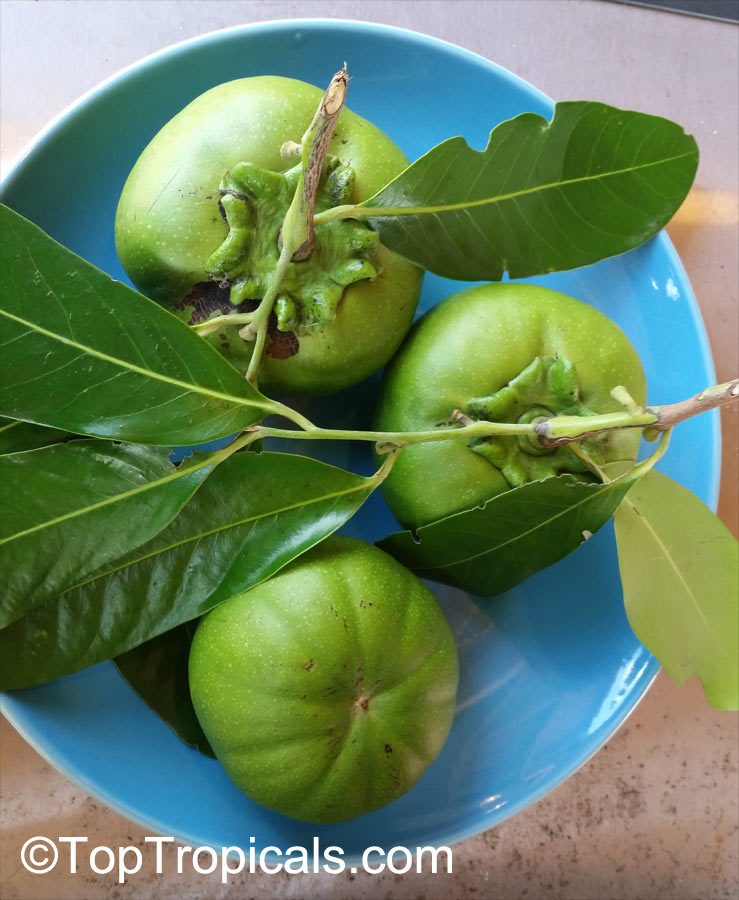
Q: Aloha guys, I purchased a Diospyros digyna - Black Sapote grafted var. Black Beauty from you and am checking to make sure it will fruit by itself and not need both sexes. Also checking to see if the grafted atemoya I bought from you will fruit at sea level (where I'm at) or if I should give it to a friend who is above 1,000 so it will fruit? My grafted Maimi soursop is thriving! Looking at getting a grafted jackfruit from you all next.
A: Black sapote Black Beauty does not need a second plant to produce
fruit. Grafted trees should be flowering and setting fruit right away, or
sometimes on the second year.
Atemoya does not require high elevation for fruiting. It is a hybrid
Annona squamosa x Annona cherimola (A. cherimola species prefers higher
elevation) so Atemoya is usually is happy at sea level.
Congratulations with your Soursop! It should be really happy in your location.
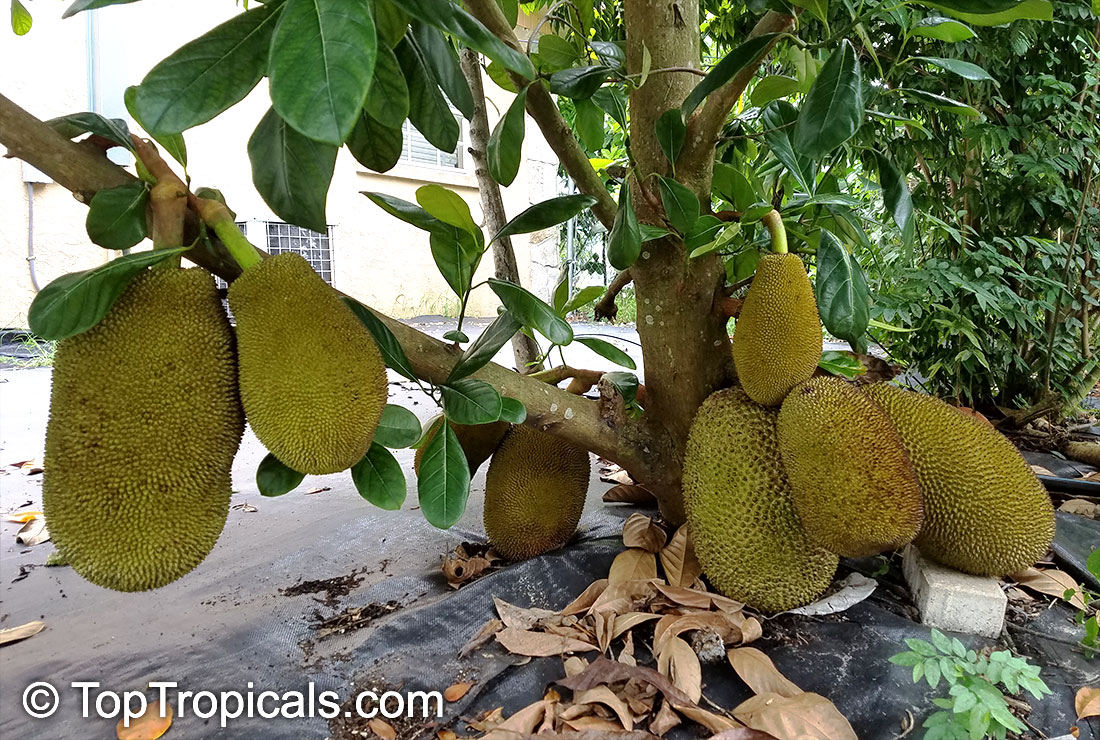
As for grafted Jackfruits, this is the list of varieties we usually carry. Since many of them are very rare, they sell out quickly once we get new arrivals. If you are looking for a specific variety, I strongly recommend to add it to your wishlist (click on "Notify me when available") and you will receive email from us as soon as we have it in stock, so you will be the first one to know about it!
Our favorite Jackfruit varieties (and also hot sellers)
Black Gold
Borneo
Red
Crispy
Dang
Rasimi
We also suggest to get a Kwai Muk (while we still have it!) - the most delicious fruit, and it should do well in Hawaii.

Date: 15 Jan 2021

Healthy Plants: Q&A from Mr Booster
New Boosters for the New Year!
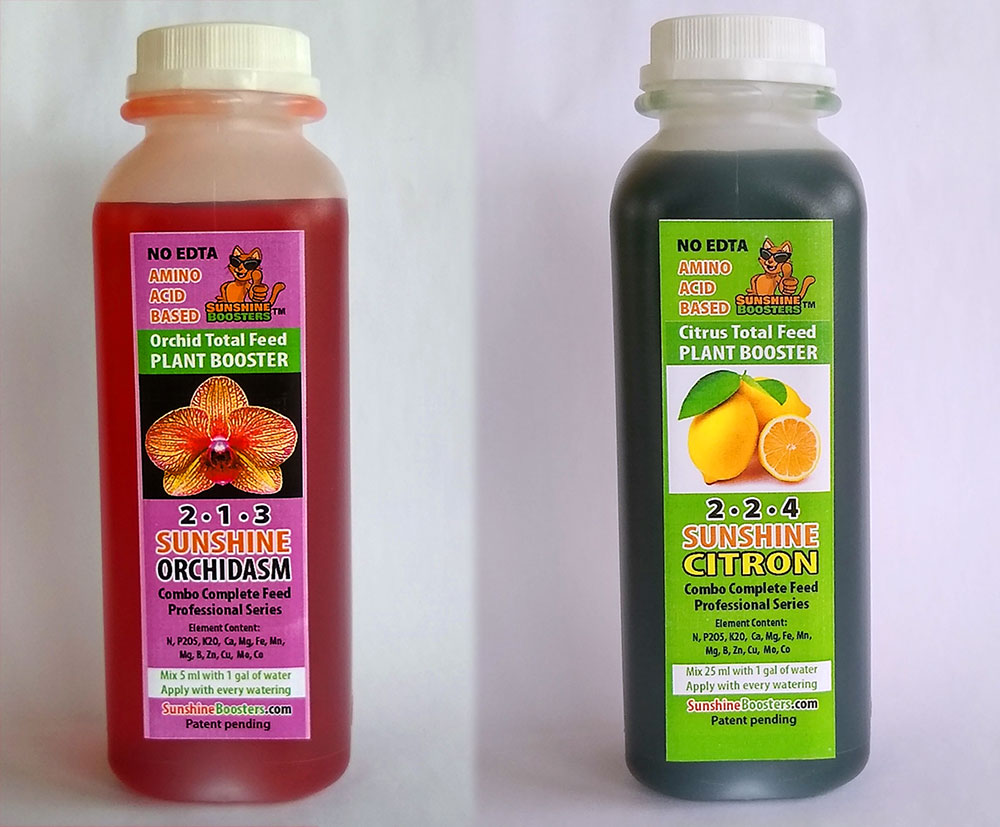
Sunshine Total Feed: Orchidasm and Citron
How to grow everblooming orchids?
Q: I ended up with a large collection of orchids that I was given as presents... They grow well but unfortunately after the showy blooms were gone, I don't see any more flowers, just green leaves. What do I need to do to make them bloom again? Should I fertilize them with Azalea bloom booster?
A: Orchids culture is different from garden ornamental plants. First big difference, they are epiphytes, growing in a loose bark medium rather than soil, and
benefit from daily mist. Second difference is a type of fertilizer. You can not use a regular garden fertilizer on orchids,
because they are very sensitive to salts. Orchids need special, acidic type of fertilizer, very mild in action.
Luckily, Sunshine Boosters formulas are exactly what orchids need! They are amino-acid based, have very mild formulas, and do not create nutrient lock up (building up salts is one of the biggest
enemies of tender orchids).
A new Sunshine Boosters Orchidasm TotalFeed is scientifically balanced orchid food that contains all
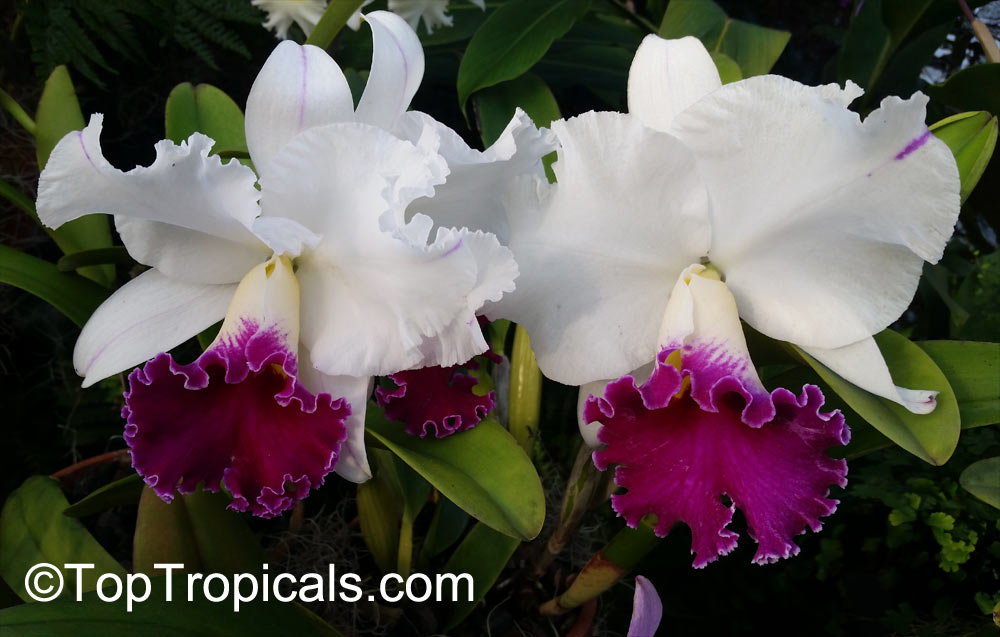
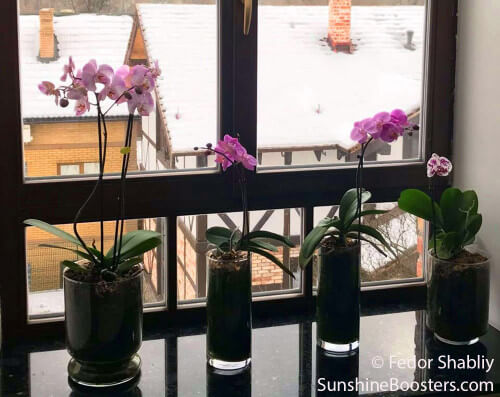
necessary nutrients, including micro-elements, for healthy, happy, vigorous orchids. It can be used as often as daily with every foliage spray. From our testing experience, after using Orchidasm Booster, orchids not only got happy and thriving -
they also bloom more often - up to several times a year, shooting new flower spikes one after another! (while normal blooming cycle for most
orchids is once a year). It gets even better - the flower display lasts twice longer!
To enjoy these beautiful flowers year around - treat them with Love, give them some
Orchidasm!
See more information with pictures in Sunshine Boosters Orchid Blog
Secrets of a healthy Citrus tree
Q: We planted several citrus trees in our yard - Meyer Lemon, Grapefruit and Blood Orange. The trees came from the store full of flowers and even had a few fruit, but a year after planting - no more flowers! The old leaves are green, but new growth doesn't look healthy, leaves are yellowish and have spots, maybe eaten by bugs (?), and how do we get them to fruit?
A: Citrus plants are not the easiest trees to grow; they are susceptible to various diseases, pests, and deficiencies, especially in areas with high humidity/rainfall like Florida.
Fungi, viruses, leaf minors, chlorosis - this is not a complete list of citrus common problems. In commercial groves, these conditions are kept under
control by using harsh chemicals on solid schedule.
For home gardeners, growing citrus trees may become a challenge. Many people don't want to use harsh
chemicals on their edibles; and those who do, may not always have time to apply treatments on a professional schedule. So as much as we all love a fresh juicy orange,
growing your own may become quite a pain!
Sunshine
Citron TotalFeed is your simple, eco-safe solution to a healthy looking, productive citrus tree with organic fruit! Amino-acid based formula provides all
necessary elements to strengthen the tree and make it resistant to possible problems.
Did you know that treatment of leaf chlorosis (yellow leaves with dark
green veins), commonly treated with iron supplements, in fact requires a complex combination of nutrients - both balanced NPK and micro-elements?
Use Sunshine Citron in combination with Sunshine GreenLeaf and
Sunshine SuperFood and never see yellow chlorotic leaves again!
Apply Sunshine Epi on regular basis (every 2 weeks) and help your tree boost its immune system and stay virus-free.
Add Sunshine Honey, and you will have large, juicy fruit that
are much sweeter and more flavorful than those from the store! All these boosters are compatible with each other, and perfectly natural. Eat your fruit safely and enjoy...
Read more about treating citrus tree defficiencies in Sunshine Boosters Citrus Blog.
Date: 21 Feb 2020
When plants are ready for a meal?
Q: We have an early Spring here in Florida. All plants in my garden flushing out new leaves and buds opening. Can I start fertilizing? I have Mango, Avocado, Peach trees, many medicinal herbs and flowering shrubs: Angel trumpets, plumerias, bromeliads. I prefer mild organic fertilizers; can you suggest something that is safe for edibles and butterflies?
Q: As a rule of thumb, tropical gardeners start regular fertilizing when the minimum temperatures (at night) go above 65F. Keep in mind that Sunshine Boosters fertilizers can be applied year around because they have mild formulas and used with every watering; during cooler period, you water less frequently, so feeding is reduced accordingly. Another advantage of Sunshine Boosters - they are natural (derived from organic amino acids which is the basics of Life). They are safe for edibles as well as pollinating insects.
Here is the feeding plan for your plants:
1. The most universal solution for all plants (both potted and
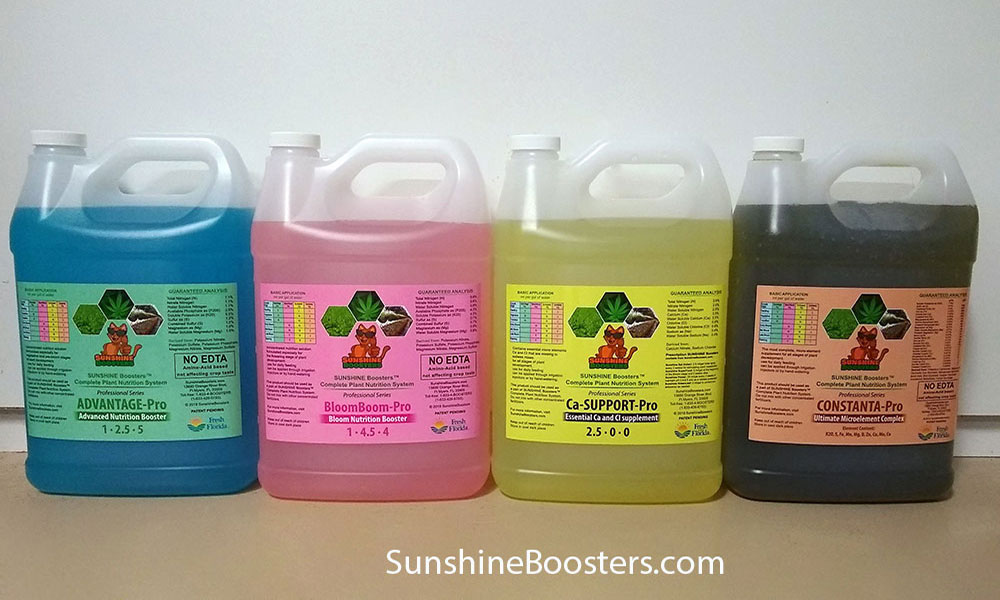
in-ground): get a complete set of Sunshine Boosters Pro system: Advantage-Pro for vegetative growth, BloomBoom Pro for flowering stage, and Ca-Support-Pro + Constanta-Pro as necessary daily supplements. You will need all these 4
components for your garden.
2. Start adding these liquid boosters with every watering according
to dozing directions and you will notice amazing growth boost within a
week.
3. Apply Sunshine Epi plant hormone every 2 weeks as a foliar spray to boost
immune system and metabolism of plants and protect them from diseases. Epi
makes plants (especially young plants and those "waking up" from dormancy)
grow twice faster! It also enhances effect of fertilizers by increasing plant
metabolism.
4. After cool winter temperatures, some plants may develop element
deficiencies like chlorosis (yellowing leaves). Additional microelement boost
can be provided with Sunshine Greenleaf (iron supplement) and Sunshine Superfood (micro-elements).
5. For additional boosting of flowering and setting fruit, use the
following individual boosters:
Sunshine Robusta - for foliage plants and when you need rapid vegetative
growth
Sunshine TotalFeed - for Plumerias and other fragrant plants
Sunshine Megaflor - for Brugmansias and other flowering heavy feeders
Sunshine C-Cibus - for improving fruit production and quality
Sunshine Honey - for sweeter fruit (must be applied 4-5 times a year)
6. For young/small plants (seedlings, rooted cuttings) as well as
tender tropicals like bromeliads, and orchids - Sunshine Bombino is a perfect choice due to its mild formula.
7. To save money, order complete sets rather than individual
boosters; you will be able to safe up to 40%! Sunshine Complete Nutrition System
Kits: Combo
Kit, and Pro Kit.
If you are a fan of organic gardening, do not use dry fertilizers. While water-soluble and granulated (smart-realease) fertilizers are popular choice in plant nurseries due to their convenience, they are not as safe as liquid boosters because they create salt build-up in soil and have a high risk of overdosing/burning plant roots, especially potted plants, plants at breaking dormancy, at establishing, and at early stages of plant development. Besides, dry fertilizers may affect the taste of your fruit and herbs. See advantages of liquid boosters over dry fertilizers.
Learn more about Sunshine Nutrition System - a Natural solution for your garden.
Date: 24 Jun 2018

Cleanest fruit?
"Dirty" fruit: According to the Environmental Working Group research, Strawberries are top the list of the 12 "dirtiest" fruits and vegetables grown commercially. Spinach is the second, followed by (in order of contamination) nectarines, apples, grapes, peaches, cherries, pears, tomatoes, celery, potatoes and sweet bell peppers. Each of these foods tested positive for pesticide residues and contained higher concentrations of pesticides than other produce. This causes of course chronic health implications. Children are of special concern as younger bodies have greater susceptibility to pesticides than adult bodies, the report emphasizes. Pesticides may induce chronic health complications in children, including neuro- and behavioral problems, birth defects, allergies, asthma, and even cancer...
"Clean
15": Avocados lead 2018's clean fruits and
veggies list, that also includes: mangoes, papayas, pineapples, kiwi, sweet corn, cabbage,
onions, frozen sweet peas, asparagus, eggplant, honeydew
melon, cantaloupe, cauliflower and broccoli.
Obviously, home grown fruit and vegetables are even
better. Such fruit as Custard Apples, Sapodilla, Sapote, Jackfruit, Dragon Fruit, Passion Fruit and other rare
varieties of tropical fruit, are even better for you
because they are not grown commercially, and the choice
from your own organic garden is the healthiest for
yourself and your family!
Plant them today and get your cleanest fruit tomorrow!
Check out all tropical fruit trees and all tropical spice plants