Coffee is shade-loving and easy to grow with regular water
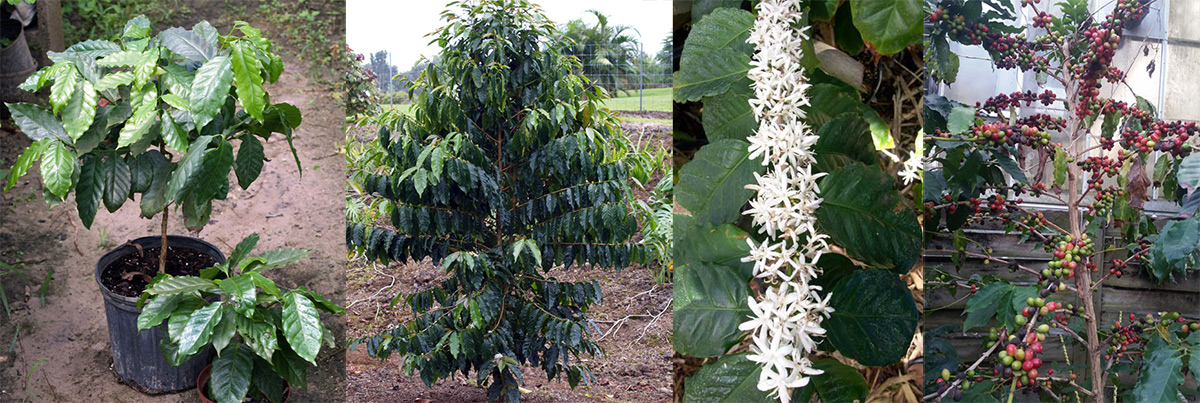
It grows into a dark green shrub or small tree (about 3 to 5 feet tall
in a pot)
Its fragrant, star-shaped flowers resemble gardenias
The whole fruit is edible and turns green to yellow to red
The seeds are real "coffee beans" that can be dried, roasted, and ground at home.
Five Reasons to Grow a Coffee Plant
Perfect Indoor Fruit Tree: Thrives in filtered light and stays compact
Low Maintenance: Forgiving, adaptable, and ideal for new
gardeners
Aesthetic Appeal: Glossy green leaves and clusters of white blooms
Homegrown Coffee: Yes, you can roast your own beans.
Year-Round Beauty: Evergreen with seasonal fragrance
Coffee Plant Care Tips
Light: Bright, indirect light is best. Avoid harsh afternoon
sun.
Water: Keep soil lightly moist but not soggy. Let the top inch dry out before watering again.
Humidity: Loves higher humidity. Mist regularly or place on a pebble tray.
Fertilizer: Use a balanced, gentle fertilizer like Sunshine Boosters C-Cibus every few weeks during growing season.
Soil: Loose, rich, and well-drained. High in organic matter and slightly acidic. For potted plants, use a quality indoor tropical mix, such as Top Tropicals Abundance mix
Repotting: Refresh soil and size up the pot every 1–2 years to keep roots healthy.
Can I grow it outdoors?:
Yes - bring it outside in warm months and back indoors before frost. It's best suited for USDA zones 10-11, but container growing gives you flexibility in cooler climates.
How long until I get beans?:
Expect flowers and fruit within 3 to 4 years from seedling stage - often sooner if you start with a young tree.
What does the fruit taste like?:
Mild and sweet-tart, like a mix between a cherry and a cranberry. You can eat it fresh.
How to Make Coffee from Your Own Tree
Harvest: Pick the ripe red cherries
Pop and Soak: Squeeze out the beans and ferment 1-2 days to remove pulp
Dry: Spread out to dry for 1-2 weeks until hard and papery
A Miracle for every special
garden:
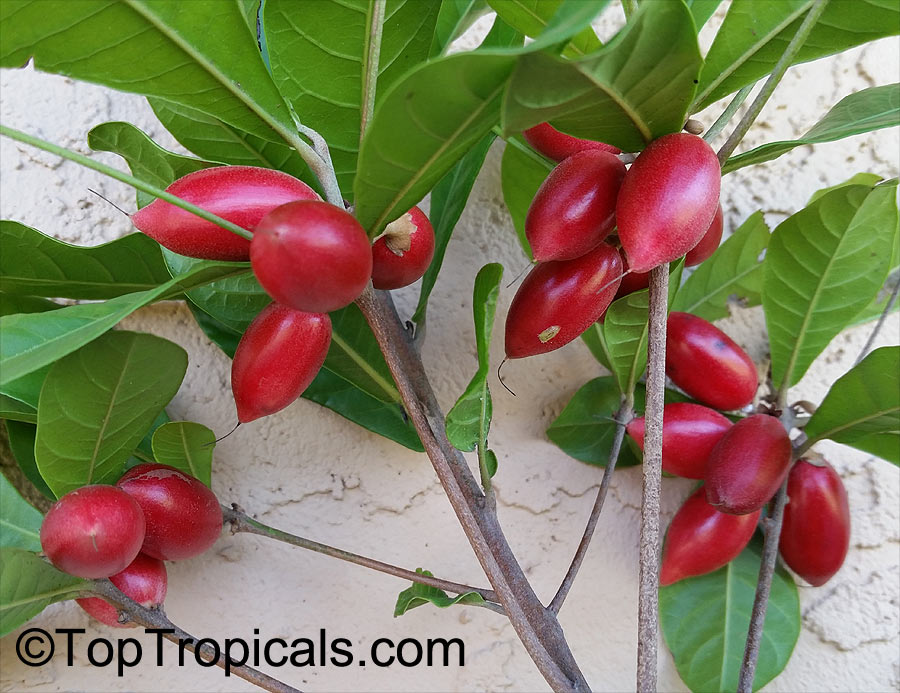
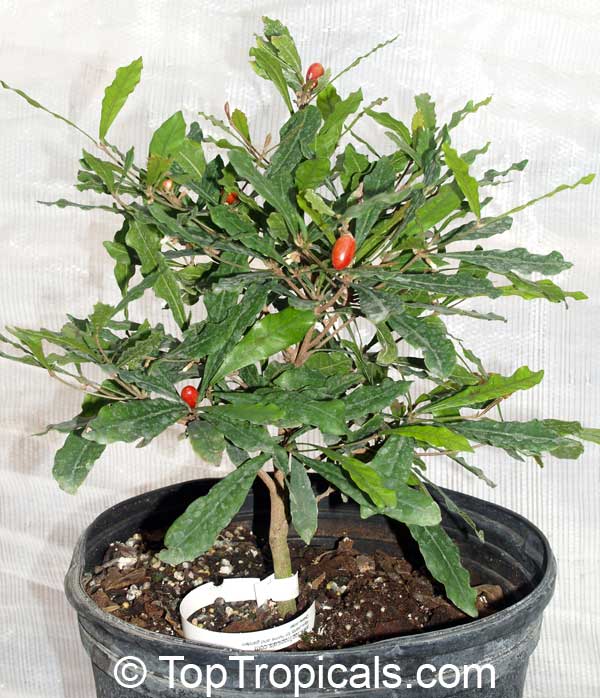
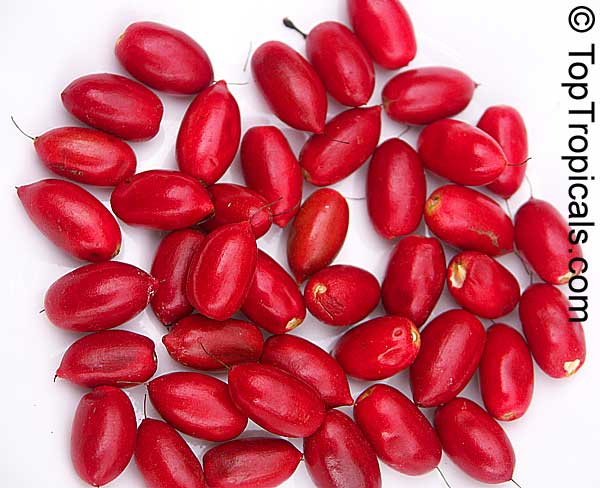
Synsepalum - Miracle Fruit
...Every tropical plant lover wants to have this plant in their collection. And there are at least three good
reasons for it:
1) it is a true miracle fruit
2) It enjoys growing in a pot, stays compact and brings you miracle berries nearly year
around
3) it can be grown indoors as it has very low water and light needs.
Miracle fruit is one of the strangest tropical fruits. The most unusual thing about it is the
effect it has on one's taste after this miraculous berry has been consumed. The
"miracle" is that if lemon or other sour food is eaten after the miracle
fruit, the sour tastes sweet, as if sugar has been added. That kind of magical
experience is unforgettable! The interest in this plant is so high that anyone who has a plant always finds eager volunteers to test its sweetening
properties. A natural chemical in the fruit masks the tongue's sour taste buds so that lemons taste like lemonade or lemon pie, or lemon candy; beer
tastes like Malta drink, sour strawberries taste super sweet, and a grapfruit
tastes delicions and not bitter! What causes the miracle? The fruit has a unique taste changing glycoprotein that inhibits tastebuds' perception of
sour taste. The sweet sensation lasts for half an hour to a few hours...
🌵Selenicereus megalanthus - Yellow Pitaya, Dragon Fruit Palora, is the best tasting Dragon Fruit in the world that is not only sweet, it has a great flavor (unlike most pitayas that are pretty watery).
🌵This particular species of Dragon fruit doesn't mind regular water and rains but is also drought-tolerant. Watch a short video how to grow it: 📱
Do Fruit Trees Increase Property Value? Tropical Plants That Pay Off
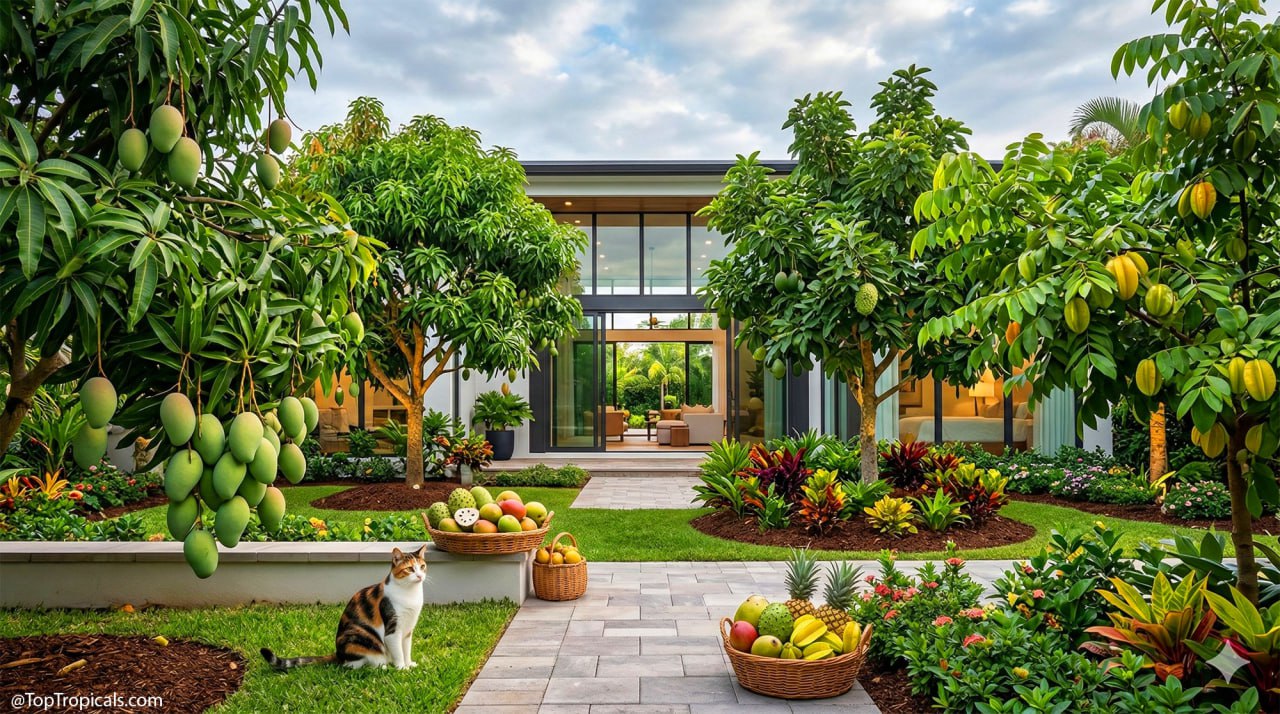
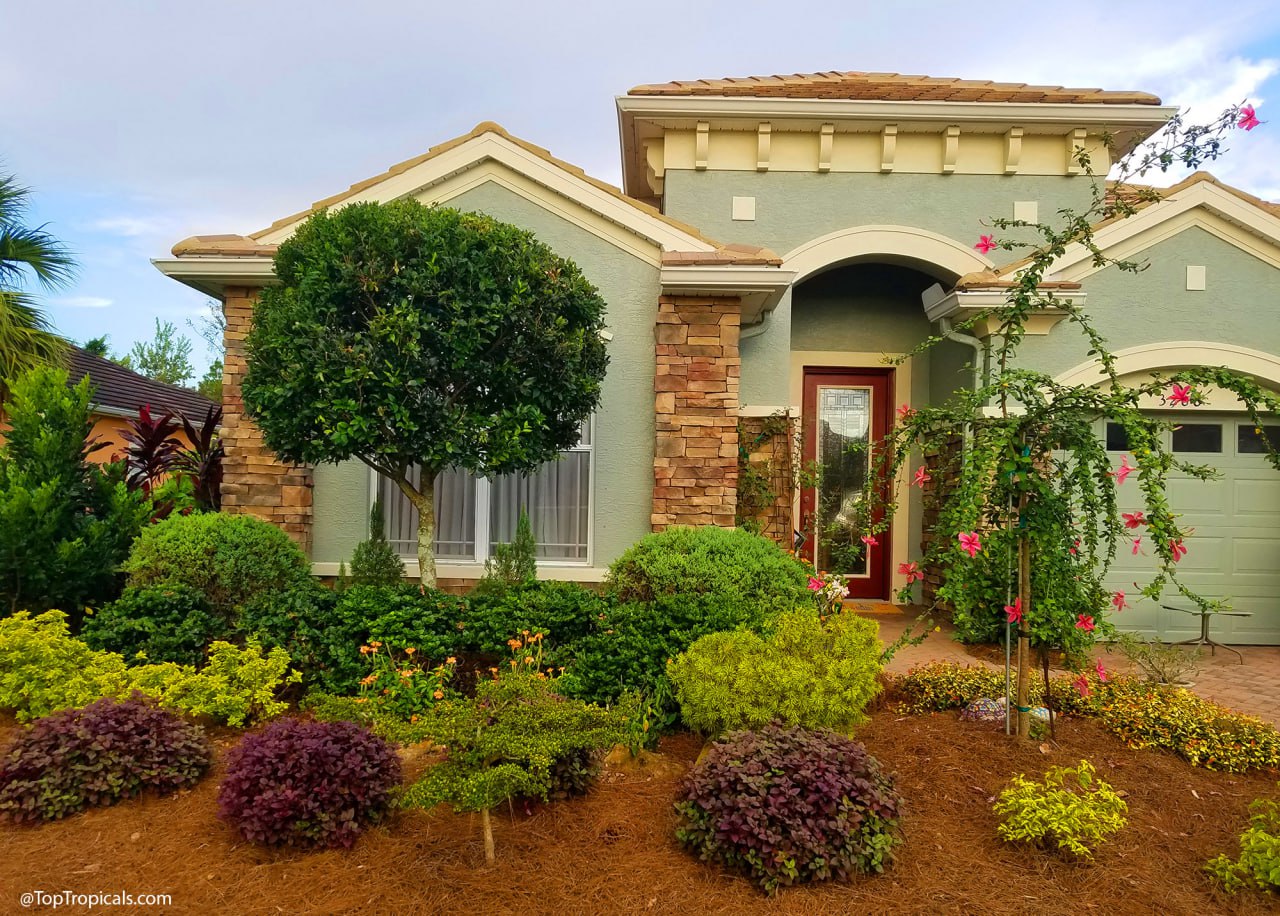
Yard with fruiting tropical trees
Landscaped yard in Florida
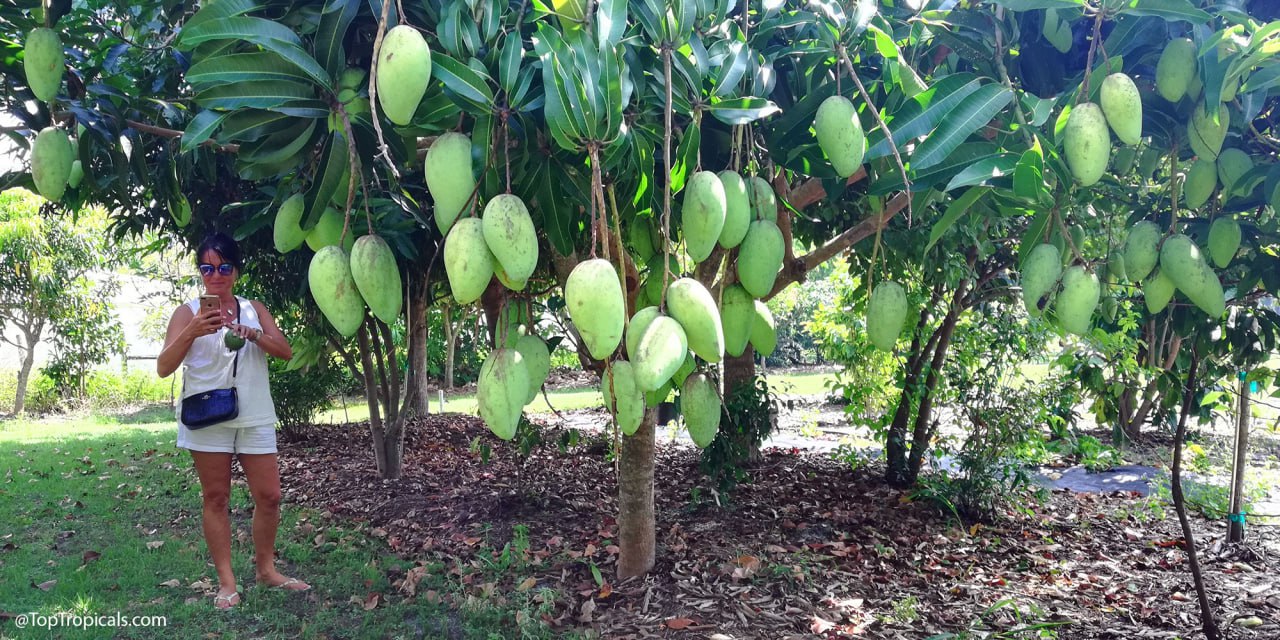
Mango tree fruiting in the garden
Do Fruit Trees Increase Property Value? Tropical Plants That Pay Off 🏡
Can your backyard pay for itself? Learn which 12 tropical fruit trees real estate experts say are the smartest investment for your landscape. Discover how tropical fruit trees like mango and avocado add "edible equity" and curb appeal to your property, making it more desirable to future buyers. Turn your yard into a private paradise that lowers grocery bills and boosts home value.
In warm climates like Florida, a mango tree isn't just landscaping - it’s a food-producing asset. Mature tropical fruit trees offer "edible equity," saving homeowners hundreds in grocery bills while creating a unique, memorable aesthetic for buyers.
Mango Plant Facts
Botanical name: Mangifera indica Also known as: Mango
USDA Zone: 9 - 11
Highligths
🥭 1. Focus on "Instant Recognition" Favorites
Trees buyers already know and love provide the strongest ROI. They signal that the yard is already productive - something new builds can’t offer.
• Top Picks: Mango, Avocado, Papaya, Banana, Guava, and Loquat.
Avocado Plant Facts
Botanical name: Persea americana, Persea gratissima Also known as: Avocado, Alligator Pear, Aguacate, Abacate
USDA Zone: 9 - 11
Highligths
• The Value: A single mature avocado or mango tree can yield hundreds of pounds of fruit annually.
🥭 2. Create a "Memorable Discovery" with Exotic Varieties
Unusual fruits turn a standard yard into a tropical orchard, acting as a conversation piece during home tours.
• The Exotic List: Jackfruit, Sugar Apple, Soursop, Sapodilla, Ice Cream Bean, and Star Fruit.
🥭 3. Strategic Placement for Energy Savings
Large-canopy trees like jackfruit or mango do more than provide food; they act as natural insulation.
• Natural Cooling: Strategic planting reduces afternoon sun exposure and lowers AC costs. • Indoor/Outdoor Flow: Use trees to frame window views, block neighbors, and create private "outdoor rooms."
🥭 4. The Power of the "Mini Orchard"
A collection of 3–5 trees creates a stronger emotional pull than a lone plant. Buyers begin to visualize a lifestyle of smoothies and harvests.
• Winning Combos: Mango + Avocado + Papaya or Guava + Star Fruit + Banana.
🥭 5. Maintenance: Health Equals Value
Fruit trees only add value if they look manageable. A neglected tree suggests a neglected home.
• Pre-Sale Prep: Prune for tidiness, mulch the base, and clear fallen fruit. • Spacing Matters: Avoid overcrowding; ensure buyers can walk comfortably through the yard without feeling "closed in."
🥭 The Long-Term Play
Unlike decorative plants that may need frequent replacement, fruit trees appreciate over time. Because a mango tree takes years to reach peak production, the best time to plant for future resale value is now. By the time you list, your yard will offer shade, privacy, and a harvest that buyers find hard to resist.
 Coffee Plant Care Tips