Garden Blog - Top Tropicals

Date: 2 Apr 2025

TROPICAL FRUIT HEALTH BENEFITS GUIDE, Part 1:

🍑 What fruit and edibles can help with health issues and VITAMIN deficiencies


We've got a handy little cheat sheet to help you choose the right foods when you're low on vitamins or dealing with health issues.
Save it and give your body a tune-up!


12 powerful vitamins and their food sources


1. 👁️ Eye Sight Protector
(Vitamin A - Retinol):
Mango, Loquat, Papaya, Carambola, Moringa, Annato, Annona, Cherries, Peach, Blueberry.

2. ⚡ Energy Booster
(Vitamin B1 - Thiamine):

Jackfruit, Pineapple, Banana, Pigeon Pea (Cajanus cajan), Camellia sinensis (Tea plant), Coffee, Yerba Mate, Wiriwiri and Biquinho Pepper

3. 💧 Cell Repairer
(Vitamin B2 - Riboflavin):
Dragon Fruit, Sapote, Avocado, Moringa

4. ❤️ Heart Helper
(Vitamin B3 - Niacin):

Guava, Jackfruit, Sapodilla, Pigeon Pea (Cajanus cajan), Passion fruit, Hibiscus sabdariffa, Yerba Mate, Cacao, Annona, Mulberry, Cinnamon, Camellia sinensis (Tea Plant), Curry Leaf

5. Stress Fighter
(Vitamin B5 - Pantothenic Acid):

Avocado, Mango, Dragon Fruit, Camellia sinensis (Tea plant), Clitoria (Butterfly Pea), Lippia alba (Poleo)

6. 😊 Mood Balancer
(Vitamin B6 - Pyridoxine):
Banana, Jackfruit, Sapote, Passion fruit, Banisteriopsis caapi (Ayahuasca), Cacao

Continued in next post...⤵️

🛒 Explore tropical fruit trees with benefits

#Food_Forest #Discover #Remedies

🔴 Join 👉 TopTropicals
Date: 14 Oct 2025

Yes, you can grow a tropical fruit tree in a pot!

Yes, you can grow a tropical fruit tree in a pot! Yes, you can grow a tropical fruit tree in a pot!

🥭 Yes, you can grow a tropical fruit tree in a pot!


  • 🍒 If you dream of picking fresh tropical fruit - Mango, Avocado, exotiс Annona and more - but only have a patio, balcony, or small yard, you’re not out of luck. Many tropical fruit trees grow perfectly well in large containers. The key is choosing the right variety, pot, and care routine.

  • 🍒 Pick a compact tree type

Start with a dwarf or semi-dwarf variety. Regular tropical trees can grow huge, but container-sized cultivars stay under 8–10 feet and are much easier to manage. For example, Condo varieties of Mango like Pickering or Ice Cream stay small and still produce full-sized fruit. The same goes for Dwarf Avocados like Wurtz (also called Little Cado) and Sugar apples. Blackberry Jam fruit tree (Randia formosa) and Peanut Butter Fruit tree (Bunchosia argentea) are also excellent choices.

  • 🍒 Choose the right pot

Begin with a 5-gallon container and move up as the tree grows. A mature plant will be happy in a 20–25-gallon pot. Drainage is critical - roots will rot if the pot stays soggy. Use a sturdy plastic, ceramic, or wooden container with multiple holes in the bottom.

  • 🍒 Soil and watering

These trees all like loose, well-draining soil. Mix potting soil with perlite or pine bark for better aeration. Water deeply but not too often - let the top few inches dry before watering again. Overwatering is the quickest way to kill a potted tropical.

  • 🍒 Light and feeding

Full sun is a must - aim for at least 6 hours daily. Fertilize during the growing season with a balanced fruit tree or slow-release fertilizer like Green Magic or liquid Sunshine Boosters. Many tropicals appreciate an extra boost of micronutrients like iron and magnesium to keep their leaves green.

🍒 Cold protection and pruning


If you live where winters get chilly, move the pot indoors or into a greenhouse before frost. Prune lightly in spring to keep shape and airflow. Container trees can fruit heavily if given light, warmth, and consistent care.

At the end of the day, container culture lets you grow the tropics anywhere - from a city balcony to a backyard deck.

Next: The best tropical fruit trees for containers...

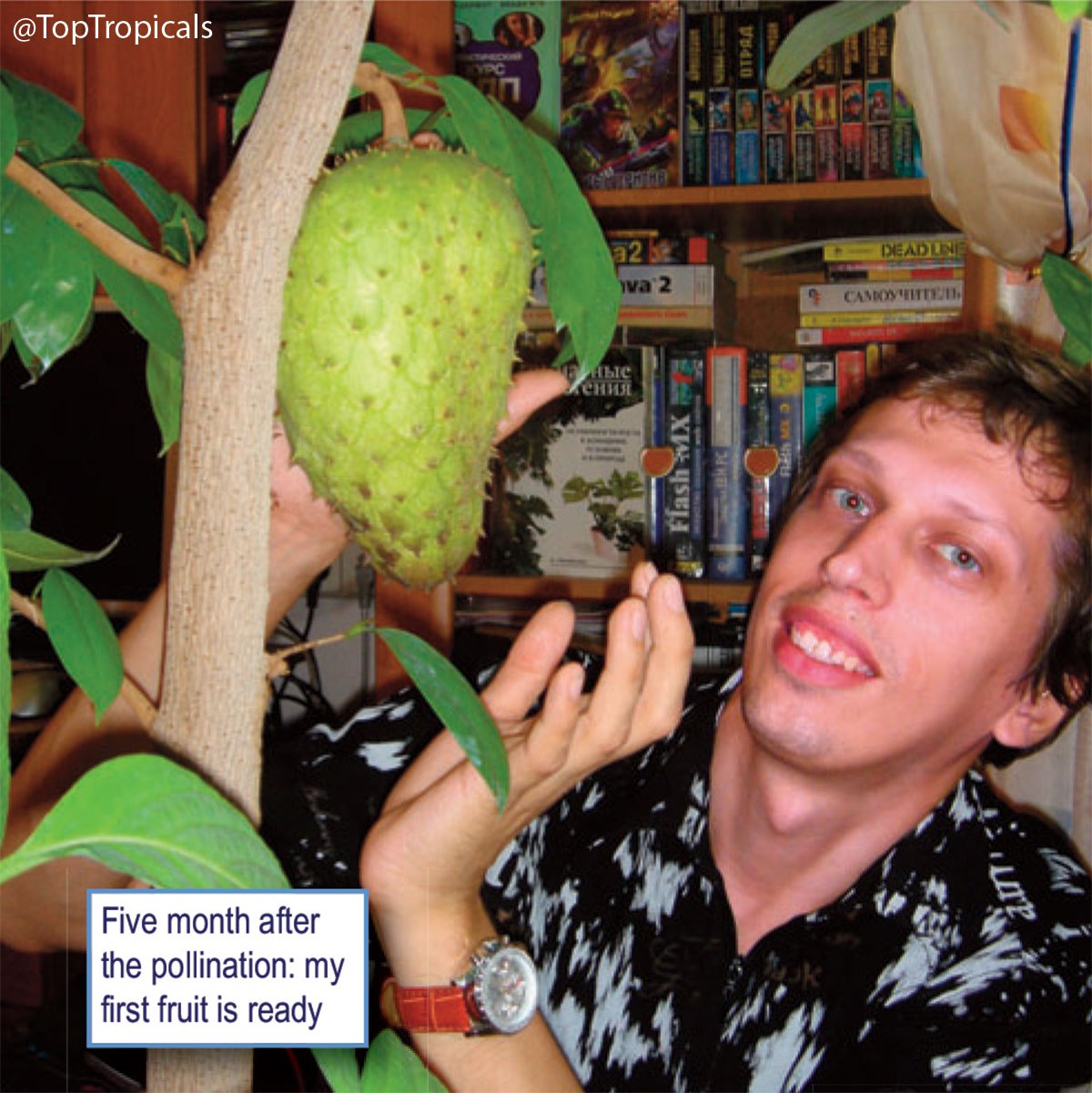
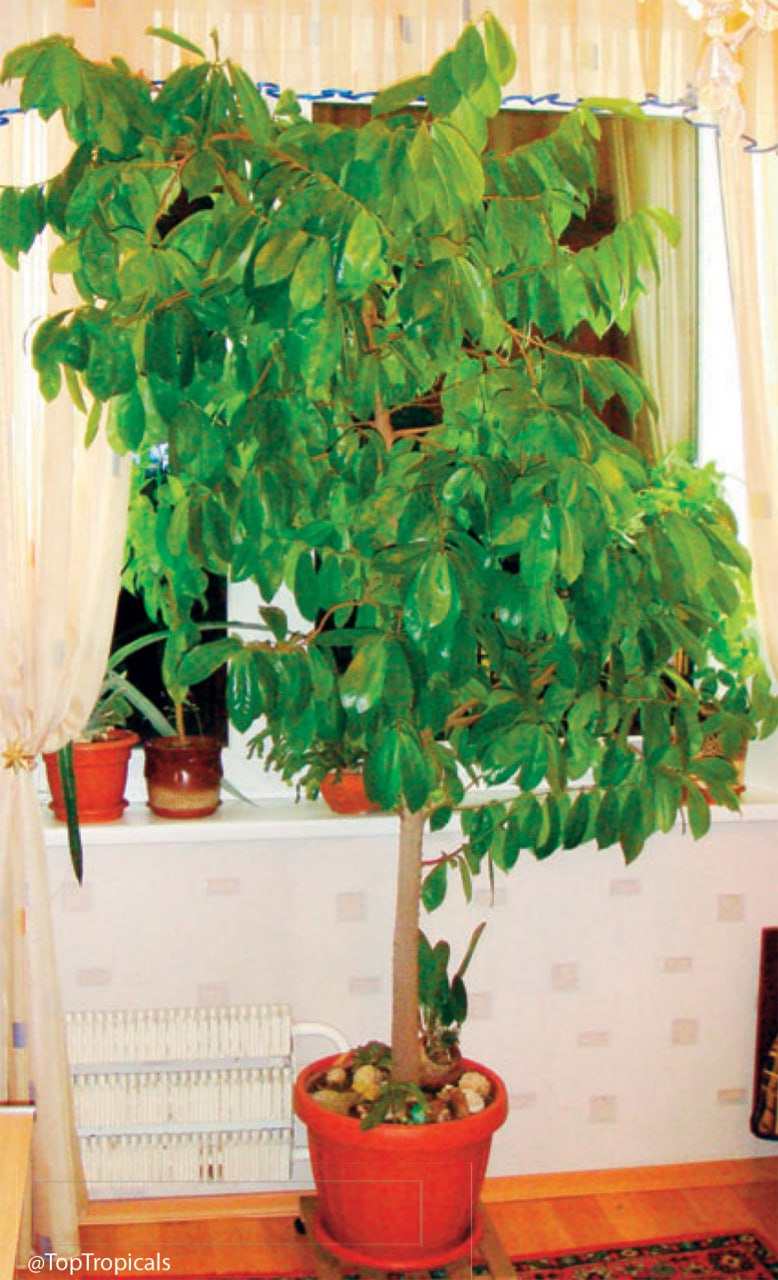
📸 Growing and fruiting Soursop in apartment (PDF download)

🛒 Explore tropical fruit trees

#Food_Forest #How_to #Discover

🟢 Join 👉 TopTropicals

Date: 11 May 2023

Five reasons to give your mother a live plant

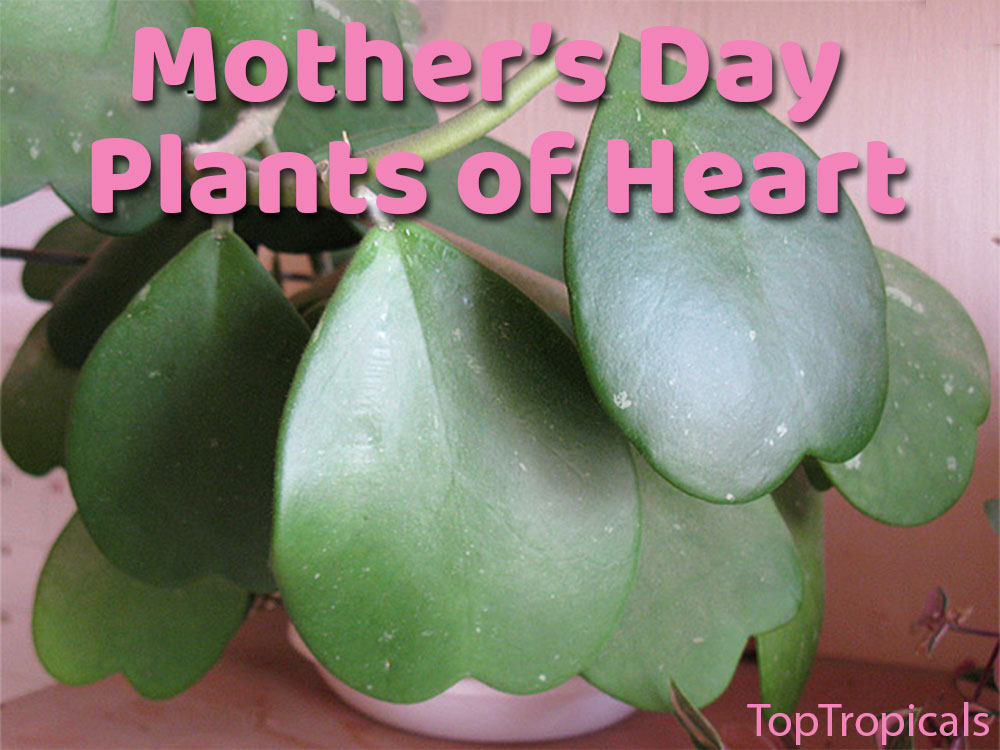
Hoya  kerrii  -  Sweetheart

In the photo: Hoya kerrii - Wax Hearts, Sweetheart Hoya, Heart leaf - makes an ideal houseplant. It has become increasingly popular in recent years because of its unusual "heart" shape leaves...

Q: What is the best Mother' Days present?

A: Buying a live plant for your mother is a thoughtful and meaningful Mother's Day gift for several reasons:

1. Growth and Nurturing: Just like a mother's love, a live plant symbolizes growth, nurturing, and the bond between a caregiver and their offspring. By gifting a live plant, you acknowledge and honor your mother's role in nurturing and supporting you throughout your life.

2. Long-lasting Beauty: While cut flowers may fade within days, a live plant has the potential to flourish and bloom for months or even years. It serves as a constant reminder of your love and appreciation, bringing beauty and vitality to your mother's living space.

3. Therapeutic and Relaxing: Gardening has been proven to have therapeutic benefits, reducing stress and promoting relaxation. By giving your mother a live plant, you provide her with an opportunity to engage in a fulfilling and calming hobby that can enhance her overall well-being.

4. Personalized and Thoughtful: Choosing a live plant allows you to select a specific type or variety that holds significance for your mother. You can consider her preferences, favorite colors, or even a plant that carries a special meaning. This personalized touch shows that you've put thought and effort into selecting a gift that resonates with her.

5. Symbol of Renewal and Hope: Plants have a natural cycle of growth, renewal, and resilience. By giving your mother a live plant, you convey a message of hope, renewal, and the endless possibilities that lie ahead.

Some suggestions of live plant gifts

Spice trees and plants - you don't need to wait until it fruits or blooms, the spice is with you right away!
Mango or Avocado tree - a classic present of a valuable tropical tree and a sign of respect
Fragrant plants - 100% success! Ladies love fragrances. Especially Jasmines.
Flowering butterfly attracting plants are so romantic!
Gingers and heliconias - are very tropical looking, exotic beauties.

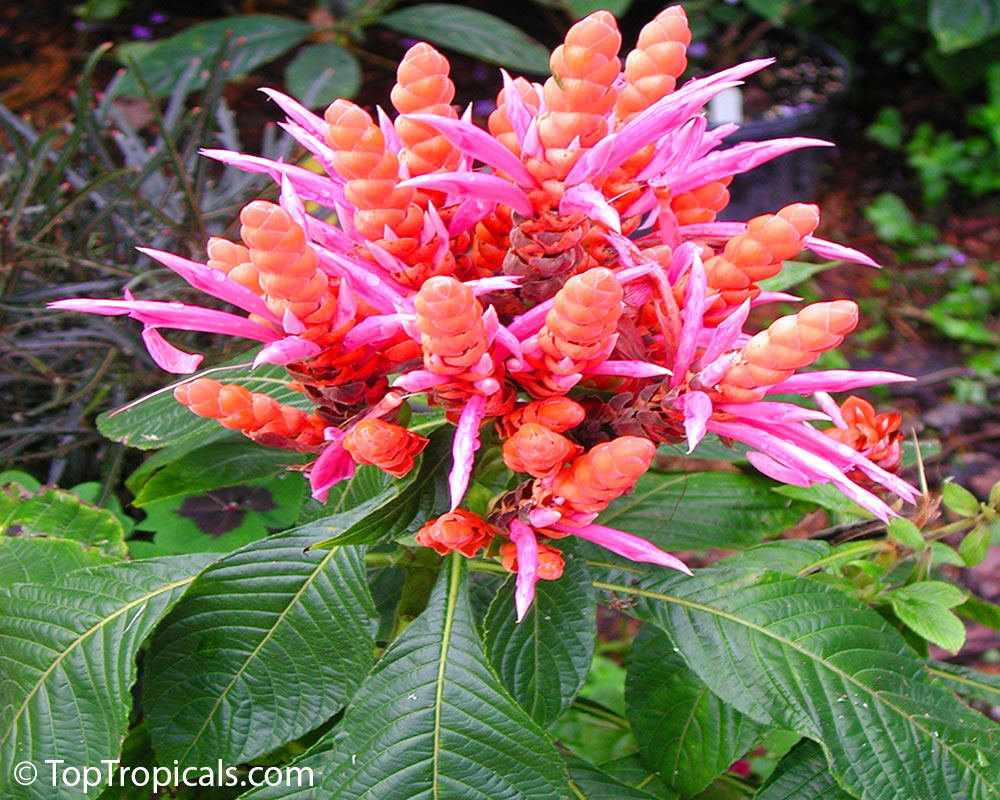
Aphelandra  sinclairiana  -  Panama  Queen

In the photo: Panama Queen - a very rare, much wanted tropical plant with extremely tropical look, fragrant flowers of unusual color combination: orange and pink

Date: 26 Apr 2023

The Benefits of Companion Planting

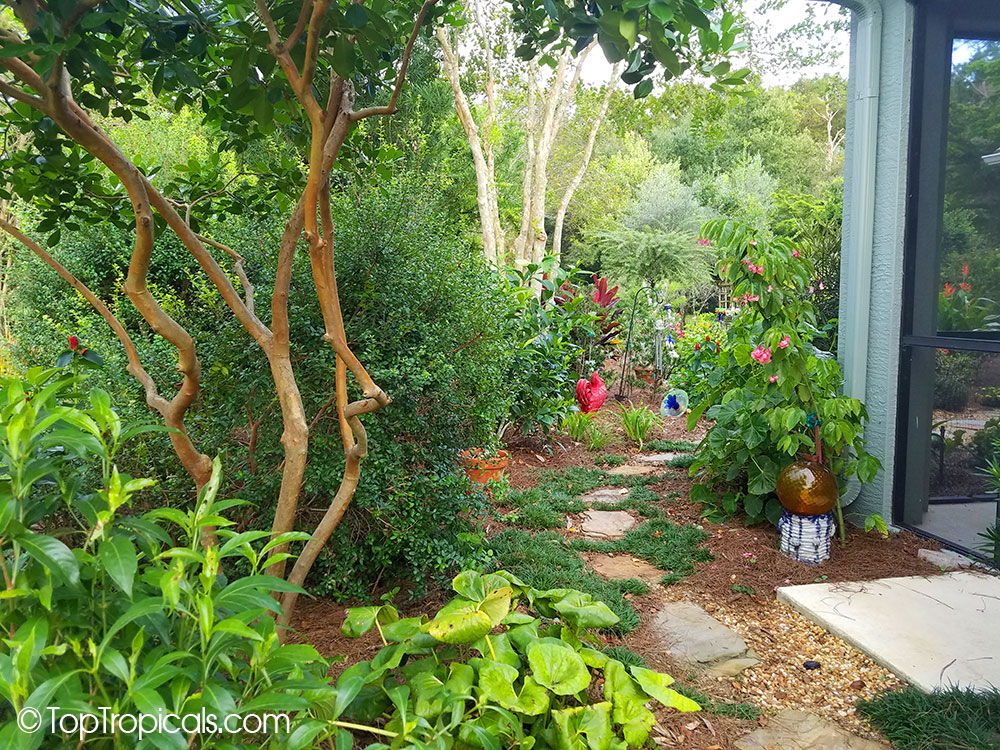
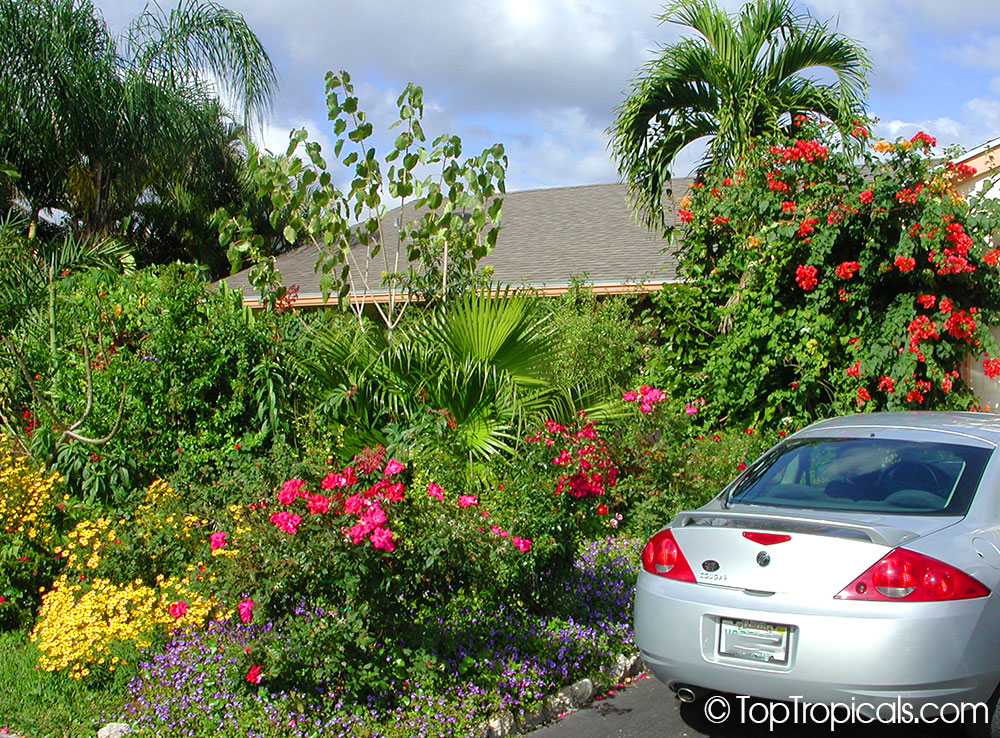
Landscaped  garden  with  companion  planting

Q: What is companion planting?

A: Companion planting is a gardening technique that involves planting different crops or types of plants together in a way that benefits all plants. This practice has been used for centuries, and it can be especially useful in tropical gardens where there is a diversity of plant life: trees, shrubs, vines and climbers, ground covers, fruit and edibles, and different flowering ornamentals. It is a great way to improve the health and yield of fruit tree crops while reducing the need for fertilizers and pesticides. By choosing the right companion plants and planning your garden layout carefully, you can create a vibrant and diverse ecosystem that will benefit both your plants and the environment.

Companion planting involves:

Planting different crops together to repel insects: adding such plants as Lemon grass, Patchouli leaf, or Moujean Tea near your vegetables can deter aphids and other pests.

Attracting pollinators - Butterfly plants. Many tropical crops, such as passion fruit, papaya, mango, and avocado, rely on pollinators to produce fruit. Companion planting can help to attract pollinators such as bees, butterflies, and hummingbirds to your garden.

Providing nutrients to the soil, adding mulch and low growing plants (ground covers) to preserve moisture.

Planting a variety of different types of plants together in order to create a more resilient ecosystem that is less susceptible to pests and diseases.

To get started, plan your garden layout and choose companion plants with similar water and light requirements.
For example, plant in the same group lush foliage plants, gingers, and flowering brunfelsias in shady areas; plant jasmines and gardenias in full sun and very well-drained spots.
Rotate annual crops regularly and experiment with combinations to find what works best. By doing this, you can create a thriving ecosystem that benefits both your plants and the environment, reducing the need for harmful chemicals.

Landscaped  front  yard  with  companion  planting

Buddah  and  flowers

Date: 22 Feb 2023

Benefits of growing your own tropical fruit

"The fruit of the mango tree is no longer forbidden. Indeed, it has been recommended to me by the physicians as an antidote to the plague."
- Louis IX, King of France -

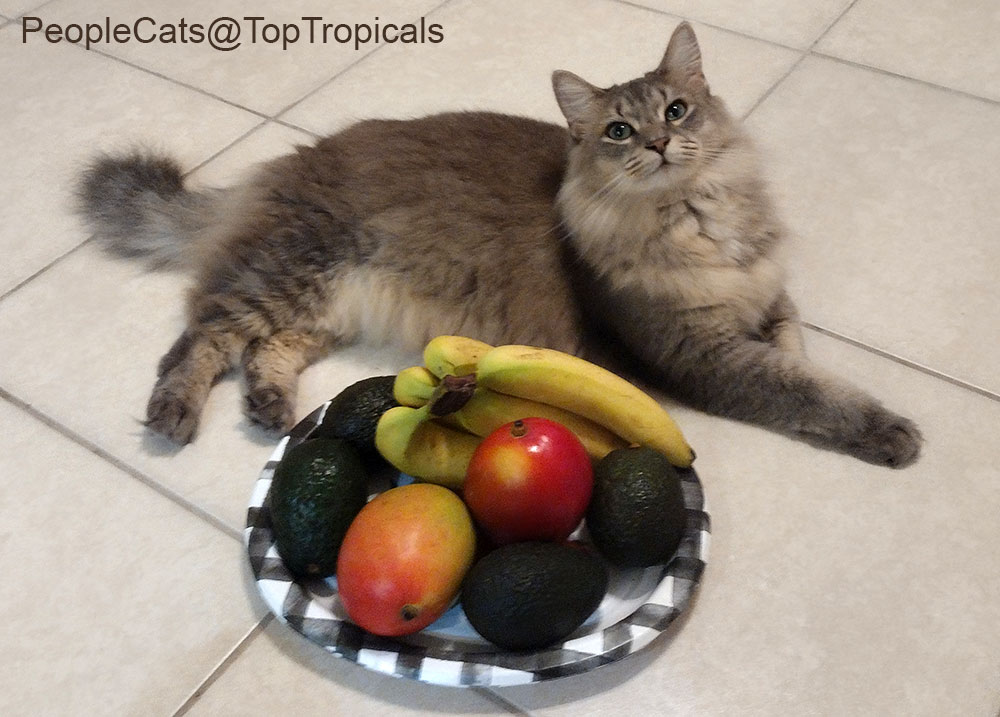
Fluffy  cat  with  a  tray  of  tropical  fruit

Q: Why do you want to grow your own tropical fruit tree?

A: Growing your own tropical fruit tree can have many benefits. Here are a few reasons why someone might choose to grow their own tropical fruit tree:

1. Fresh, flavorful fruit: When you grow your own tropical fruit tree, you have access to fresh, flavorful fruit that you may not be able to find at your local grocery store. Tropical fruit, like avocado, mangoes, papayas, and passionfruit, jackfruit, Dragon Fruit, Annona have a short shelf life, and the fruit you find at the store may have been harvested weeks ago. When you grow your own fruit tree, you can pick the fruit when it's fully ripe and enjoy it at its peak flavor. Besides, some rare fruit like Akee or Sapodilla simply never offered from the store.

2. Environmental benefits: Growing your own fruit trees can have environmental benefits. Trees absorb carbon dioxide from the air and release oxygen, which can help reduce your carbon footprint. Additionally, growing your own fruit trees reduces the need to transport fruit long distances, which can help reduce greenhouse gas emissions.

3. Cost savings: Depending on where you live and the availability of tropical fruit, growing your own fruit tree can be a cost-effective way to enjoy your favorite tropical fruits.

4. Gardening and outdoor hobby: Growing a fruit tree can be a fulfilling and rewarding outdoor hobby. It can also be a great way to teach children about where their food comes from and the importance of taking care of the environment.

Overall, growing your own tropical fruit tree can be a great way to enjoy fresh, flavorful fruit, reduce your carbon footprint, save money, and enjoy a fulfilling outdoor hobby.

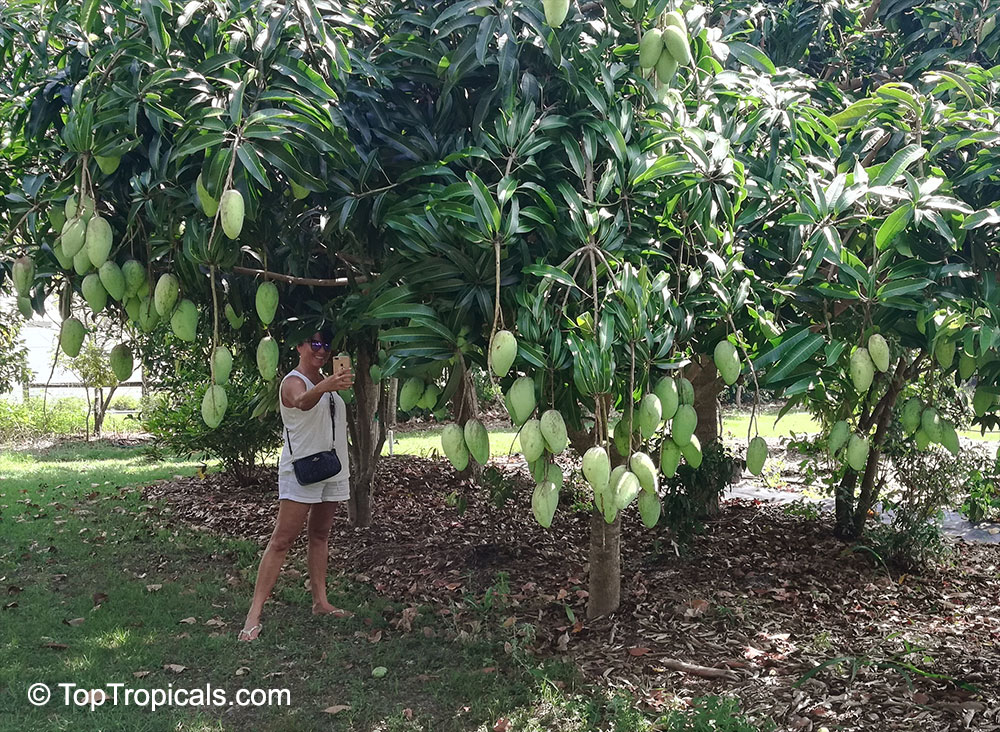
Taking  a  picture  of  a  mango  tree  loaded  with  fruit

In the photo: Mango tree in Top Tropicals garden.