Piper longum - Indian Long Pepper, Bengal Pepper or Pippali
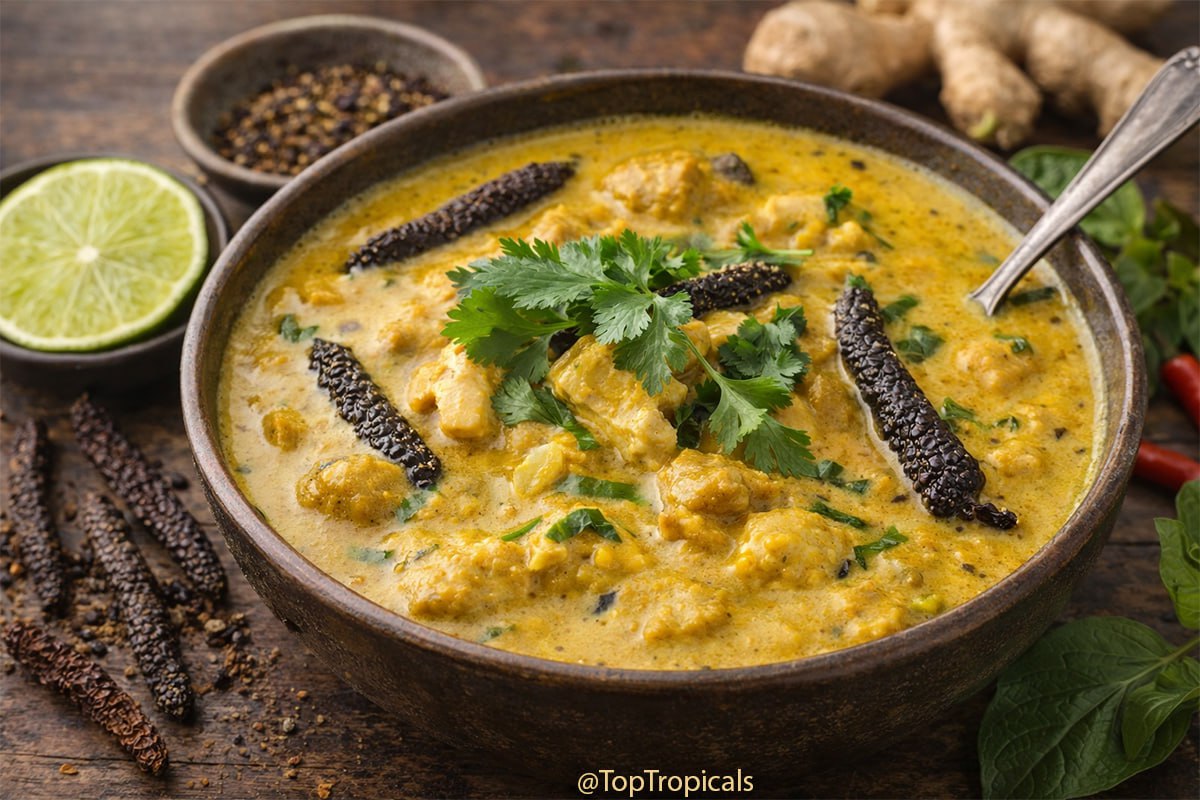
🍴 Long Pepper Curry (Quick-n-Fun Exotic Recipe)
Ingredients
1 can (13.5 oz) coconut milk
1/2 tsp crushed dried long pepper (Piper longum)
1 tbsp vegetable or coconut oil
1 small onion, finely chopped
2 cloves garlic, minced
1 tsp fresh grated ginger
1/2 tsp turmeric
Salt to taste
Fresh cilantro for garnish (optional)
Instructions
Heat oil in a pan over medium heat.
Add onion and saute until soft and translucent.
Add garlic, ginger, turmeric, and crushed long pepper. Stir for 30 seconds.
Pour in coconut milk and bring to a gentle simmer.
Cook for 8 to 10 minutes, stirring occasionally.
Season with salt and garnish with cilantro before serving.
🌿 About the plant:
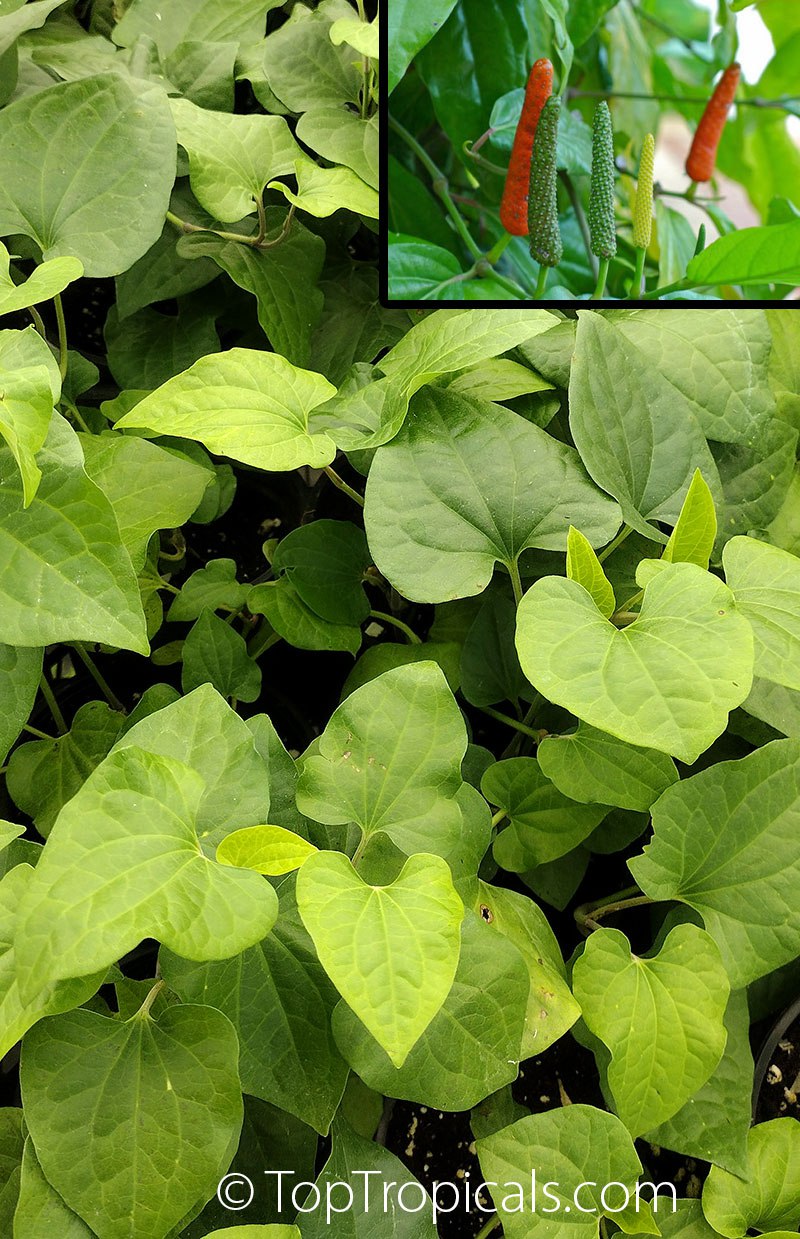
Indian long pepper, also known as Pippali or Bengal pepper (Piper longum), is an ancient spice and medicinal plant from South Asia. Closely related to black pepper, it has a warmer, slightly sweeter heat and a complex aroma. Long pepper has been used for centuries in traditional medicine for respiratory and digestive support, including coughs, congestion, and stomach discomfort.
🌱 In the garden:
Piper longum grows as a climbing vine or shrubby climber that can be trained on a trellis, fence, or tree. It prefers warm conditions, regular moisture, and shade to partial shade. The plant starts with heart-shaped leaves that become more elongated as it matures, making it both useful and ornamental in tropical and subtropical gardens.
Moringa leaves made simple - daily benefits and 6 easy recipes
Moringa oleifera leaves and flowers
Moringa oleifera leaves on a branch
🌳 Moringa leaves made simple - daily benefits and 6 easy recipes
Moringa tree is called the Tree of Life for a reason. Moringa leaves, often called miracle greens, are packed with vitamins A, C, and E, calcium, iron, potassium, and plant protein. Regular use supports immunity, digestion, skin health, energy levels, and overall vitality. Traditionally, moringa has also been used to support blood sugar balance, heart health, and inflammation control thanks to its rich supply of antioxidants and bioactive compounds like flavonoids and polyphenols.
❤️ Key benefits of eating moringa leaves daily:
🌿 Supports blood sugar balance
Moringa may improve insulin sensitivity and help stabilize blood sugar, reducing sudden energy crashes. Regular intake has been linked to better glycemic control and reduced inflammation.
🌿 Improves digestion
High fiber supports gut health, while natural detoxifying compounds help liver function. Moringa may also promote healthy gut bacteria and improve digestion regularity.
🌿 Fights inflammation
Moringa leaves contain compounds that help reduce inflammatory markers in the body, supporting joint, heart, and overall cellular health.
6 easy moringa recipes to try
🌿 Moringa laddoo
Roast whole wheat flour in ghee, add fresh moringa leaves, jaggery, nuts, sesame seeds, and cardamom. Shape into laddoos and store airtight.
🌿 Moringa smoothie
Blend fresh moringa leaves, banana, curd, honey, and water. Top with soaked chia seeds and drink fresh.
🌿 Moringa dal
Cook toor dal with turmeric. Saute moringa leaves, onion, tomato, garlic, and chilies in ghee, mix into dal, and finish with cumin and asafoetida tempering.
🌿 Moringa paratha
Knead wheat flour with moringa leaves, onion, spices, and salt. Roll and cook on a hot tawa with oil or ghee.
🌿 Moringa chutney
Grind moringa leaves with coconut, green chilies, ginger, lemon juice, and salt. Serve fresh.
🌿 Moringa tea
Simmer fresh or dried moringa leaves in water for a few minutes, strain, and enjoy warm with honey or lemon if desired.
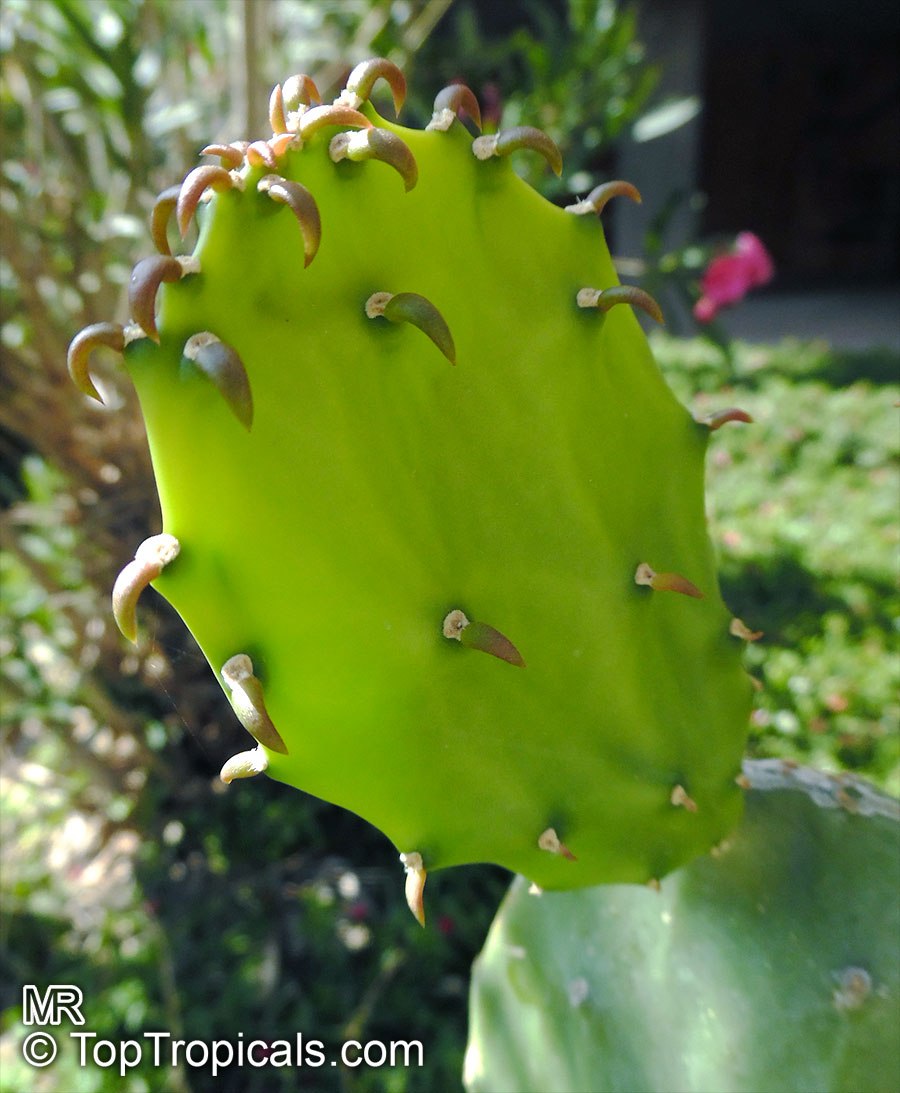
2 to 3 tender velvet nopal pads (Opuntia cochenillifera)
1 small onion, diced
1 small tomato, diced
1 tablespoon vegetable oil
Salt to taste
Corn tortillas
Instructions
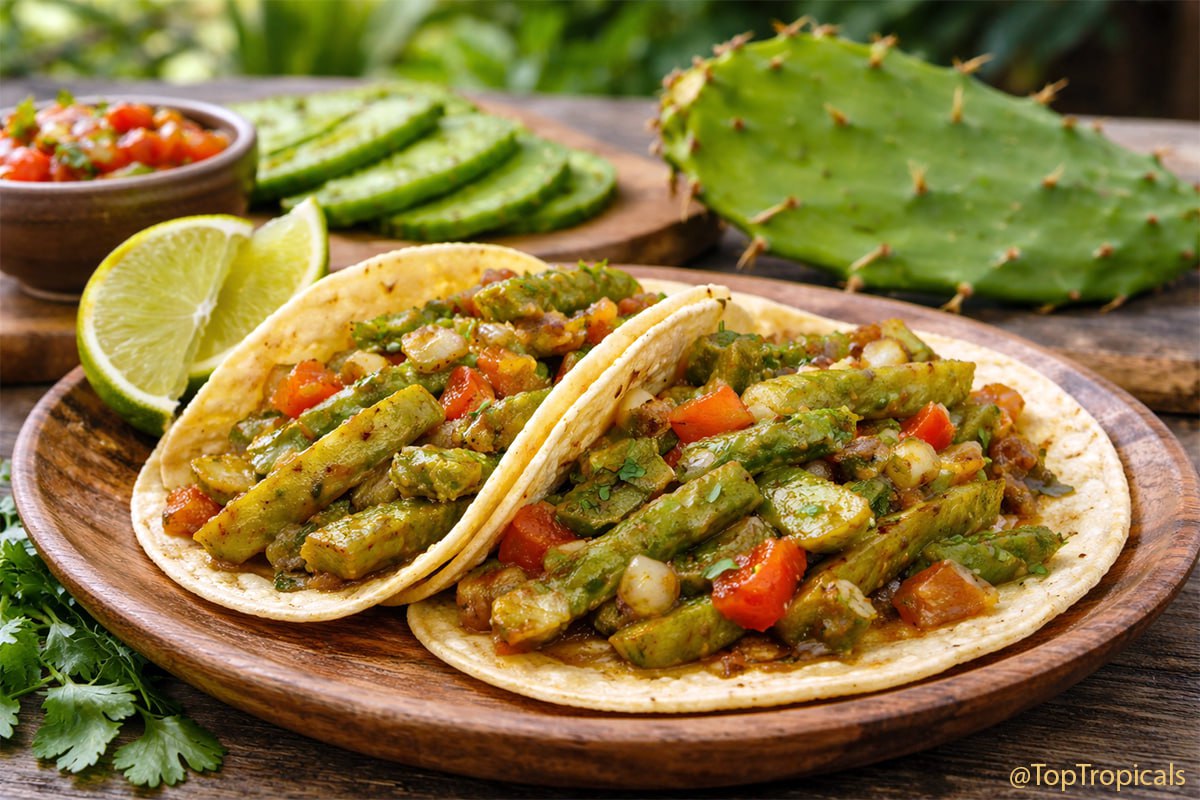
Remove spines from nopal pads and slice into strips.
Boil the sliced nopal for 5 minutes, then drain well.
Heat oil in a pan and saute onion until soft.
Add tomato and cooked nopal, season with salt, and saute until tender.
Serve warm in corn tortillas.
🌵 About the plant:
Nopal Opuntia (prickly pear cactus pads) is a cornerstone vegetable in Mexican cuisine and a long-standing staple across Central and South America. It is valued both as food and medicine. Traditionally eaten sauteed, grilled, or stewed, nopal is rich in fiber, minerals, and antioxidants. It is especially well known for its role in blood sugar management - many people who eat it regularly report significant improvement in diabetes control.
🌱 In the garden:
Prickly pear is a fast-growing, tough desert plant with showy red flowers. It thrives on neglect, tolerates drought, and also handles Florida rain surprisingly well. Easy to grow, productive, and edible, it is one of the most practical food plants you can add to your landscape.
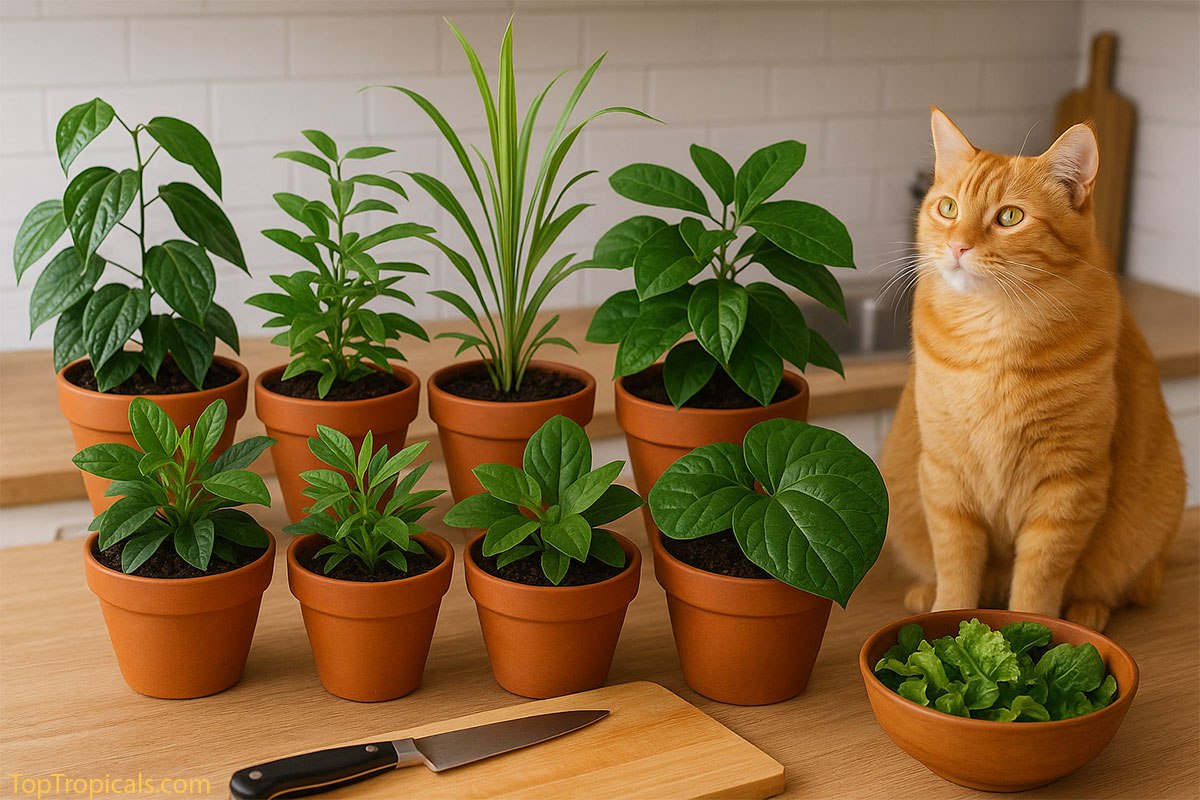
9 tropical vegetables to grow indoors, or how to have garden-fresh produce all year
9 tropical vegetables to grow indoors
🌱 9 tropical vegetables to grow indoors, or how to have garden-fresh produce all year
Cold weather does not have to mean the end of homegrown food. According to Southern Living, vegetables like lettuce, carrots, and radishes can be grown indoors during winter. The downside is that most of these are annuals - you harvest once, then start over.
Tropical vegetables work differently. Many are perennial, long-living plants that grow well in containers and keep producing for years. Grow them indoors year-round, move them outside in summer for extra sun and growth, then bring them back indoors before cold weather. With enough light and regular care, these plants can provide fresh harvests in every season.
✅ Tips for growing tropical vegetables indoors
📍Place plants near a bright window or supplement with grow lights for steady growth
📍Use containers with good drainage and quality potting mix
📍Keep plants away from cold drafts and heating vents
📍Rotate pots and prune regularly to encourage fresh, tender growth
📍Feed regularly with natural Sunshine Boosters - they are formulated for edibles
✅ Tropical vegetables to grow indoors
🌿 Gynura procubens - Longevity Spinach, Cholesterol spinach - a fast-growing leafy green often called a superfood. The tender leaves are used fresh or lightly cooked and can be harvested repeatedly. This plant stays compact, handles containers easily, and regrows quickly after cutting.
🌿 Sauropus androgynus - Katuk, Tropical Asparagus. One of Southeast Asia’s most popular leafy vegetables. Katuk produces edible shoots and leaves that are cooked in soups and stews. It grows well indoors and rewards regular harvesting with constant new growth.
🌿 Cymbopogon citratus - Lemon grass: a tough, productive plant that adapts well to container growing. The stalks and leaves are used for teas, soups, and flavoring. Indoors, it grows more slowly but stays productive, especially when moved outdoors in summer.
🌿 Lippia dulcis - Aztec Sweet Herb, Sweetleaf: a low-growing herb with naturally sweet leaves. The foliage can be eaten fresh or used as a sugar substitute in teas and desserts. It stays compact, tolerates pruning, and performs well in pots indoors.
🌿 Piper sarmentosum - Vietnamese Pepper, Lalot: grown for its aromatic, edible leaves rather than peppercorns. The leaves are eaten fresh, cooked, or used as food wraps. This plant stays manageable indoors with light pruning.
🌿Piper nigrum - Black Pepper: the true black pepper vine. Grows well indoors as a container vine with support. It prefers warm temperatures, steady moisture, and bright filtered light.
🌿 Piper auritum - Root Beer Plant, False Kava-Kava: close relative of Piper methysticum (Kava-Kava) known for its large, fragrant leaves with a spicy, root beer-like aroma. The leaves are used for wrapping foods and flavoring dishes. Best grown indoors with room for its bold foliage.
🌿 Piper betle - Betel leaf: a traditional edible and medicinal leaf used widely in Asia. The glossy leaves are harvested continuously and used fresh or as wraps. This vine grows well indoors with warmth, humidity, and a small trellis.
🌿Piper longum - Indian Long Pepper, Pippali, Bengal Pepper: A tropical pepper relative grown for its elongated spice fruits and edible leaves. Slower to fruit indoors but easy to maintain as a leafy spice plant in containers with bright light and regular feeding.
Tropical vegetables make indoor gardening more rewarding because they do not stop after one harvest. With containers, light, and basic care, these plants can become long-term food producers that move seamlessly between indoors and outdoors - keeping fresh flavors within reach all year.