Garden Blog - Top Tropicals

Date: 17 Jul 2024

Use your yard instead of being used by your yard!

Exotic tropical fruit and edibles - Food Forest

Exotic tropical fruit and edibles - Food Forest

🥭 Use your yard instead of being used by your yard!


Tired of mowing a boring lawn? Get some colors in your yard and grow edible landscape!

Select useful, functional plants:
🌺 Spectacular Eye Candies
🌳 Hedges with Benefits
Butterfly Attractors
🍒 Food Forest
👉#Food_Forest

Pick the right plants with TopTropicals free expert help.
At TopTropicals, we have 25 years experience growing rare tropical fruit trees and flowering plants.

Plants are the best therapists.
You can Grow Happiness - we can help.

💥 Still not a subscriber? Join TopTropicals community and you will know everything about tropical plants!

🏵 TopTropicals

Date: 31 Dec 2025

How to create privacy in your yard fast

Tropical Hydrangea - Dombeya x wallichii

🌸 How to create privacy in your yard fast

  • 🌸 Tropical Hydrangea - Dombeya x wallichii - really shines, if you need privacy in your garden fast!
  • 🌸 Dombeya is the fastest-growing flowering shrub you can plant. In just one season, it can turn an open space into a thick, leafy privacy screen. Large, heart-shaped tropical leaves fill in quickly, creating solid coverage long before slower hedges even get started.
  • 🌸 The bonus comes in winter, when the plant is covered in big, soft pink, hydrangea-like flower clusters that also attract bees and pollinators. It loves water and handles wet spots with ease, making it a great choice for Florida gardens and rainy summers.
  • 🌸 If you are looking for a fast, flowering solution for privacy in your garden, Dombeya is your hedge with benefits!


🛒 Plant Dombeya today and get pricacy right away

📚 Learn more:


#Hedges_with_benefits #Butterfly_Plants

🟢 Join 👉 TopTropicals

Date: 22 Feb 2023

Benefits of growing your own tropical fruit

"The fruit of the mango tree is no longer forbidden. Indeed, it has been recommended to me by the physicians as an antidote to the plague."
- Louis IX, King of France -

Fluffy  cat  with  a  tray  of  tropical  fruit

Q: Why do you want to grow your own tropical fruit tree?

A: Growing your own tropical fruit tree can have many benefits. Here are a few reasons why someone might choose to grow their own tropical fruit tree:

1. Fresh, flavorful fruit: When you grow your own tropical fruit tree, you have access to fresh, flavorful fruit that you may not be able to find at your local grocery store. Tropical fruit, like avocado, mangoes, papayas, and passionfruit, jackfruit, Dragon Fruit, Annona have a short shelf life, and the fruit you find at the store may have been harvested weeks ago. When you grow your own fruit tree, you can pick the fruit when it's fully ripe and enjoy it at its peak flavor. Besides, some rare fruit like Akee or Sapodilla simply never offered from the store.

2. Environmental benefits: Growing your own fruit trees can have environmental benefits. Trees absorb carbon dioxide from the air and release oxygen, which can help reduce your carbon footprint. Additionally, growing your own fruit trees reduces the need to transport fruit long distances, which can help reduce greenhouse gas emissions.

3. Cost savings: Depending on where you live and the availability of tropical fruit, growing your own fruit tree can be a cost-effective way to enjoy your favorite tropical fruits.

4. Gardening and outdoor hobby: Growing a fruit tree can be a fulfilling and rewarding outdoor hobby. It can also be a great way to teach children about where their food comes from and the importance of taking care of the environment.

Overall, growing your own tropical fruit tree can be a great way to enjoy fresh, flavorful fruit, reduce your carbon footprint, save money, and enjoy a fulfilling outdoor hobby.

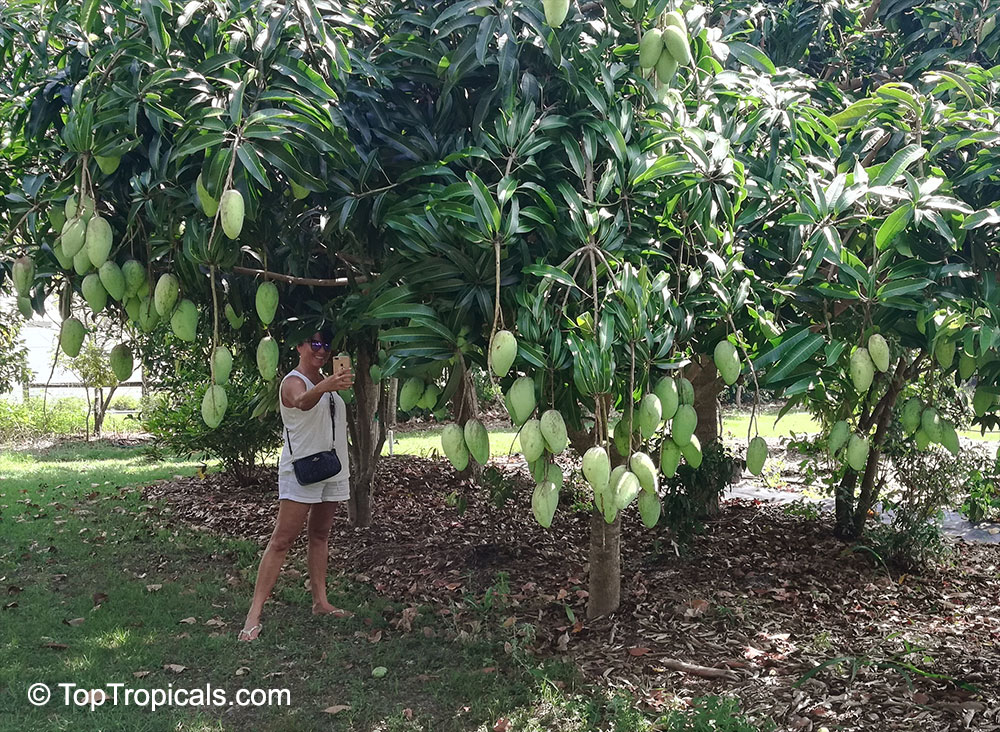
Taking  a  picture  of  a  mango  tree  loaded  with  fruit

In the photo: Mango tree in Top Tropicals garden.

Date: 23 Sep 2024

Ten top fruiting plants you'll ever need
for your health benefits

Top  Tropicals  Fruit

Q: I planted Mango and Avocado trees, and I still have room for more trees but want to use the space wisely. What other trees should I plant to get the most benefits out of the fruit?

A: Everyone loves planting Mango or Avocado trees for their well-known benefits. But did you know that adding a variety of other fruit trees to your garden can expand those benefits even more? If you plant just one of each of these 10 trees, you'll have a complete spectrum of nutrients and health-boosting ingredients you ever need. With a diverse range of healthy fruits, you'll boost your diet, improve your health, and elevate your lifestyle. Let's check out the TOP TEN most rewarding and useful fruit...

1. Guava
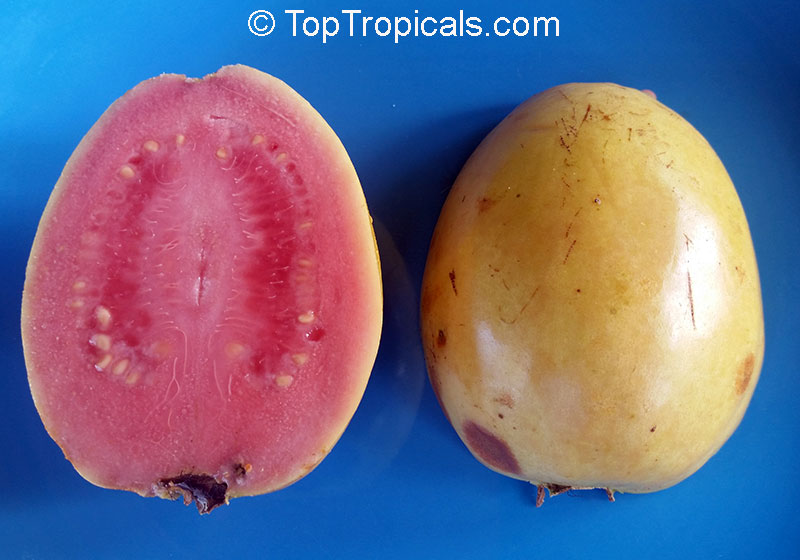
Guava  fruit

Guava is rich in vitamin C, which boosts the immune system and helps protect against colds and infections.
Guava helps regulate blood sugar levels, making it a good option for people with diabetes.
Its potassium content helps maintain healthy blood pressure.
Guava's antioxidants, like lycopene and vitamin C, contribute to glowing skin and may reduce the risk of cancer.
Guava is eaten fresh, made into juices, jams, and jellies, or added to desserts and smoothies.

2. Coffee
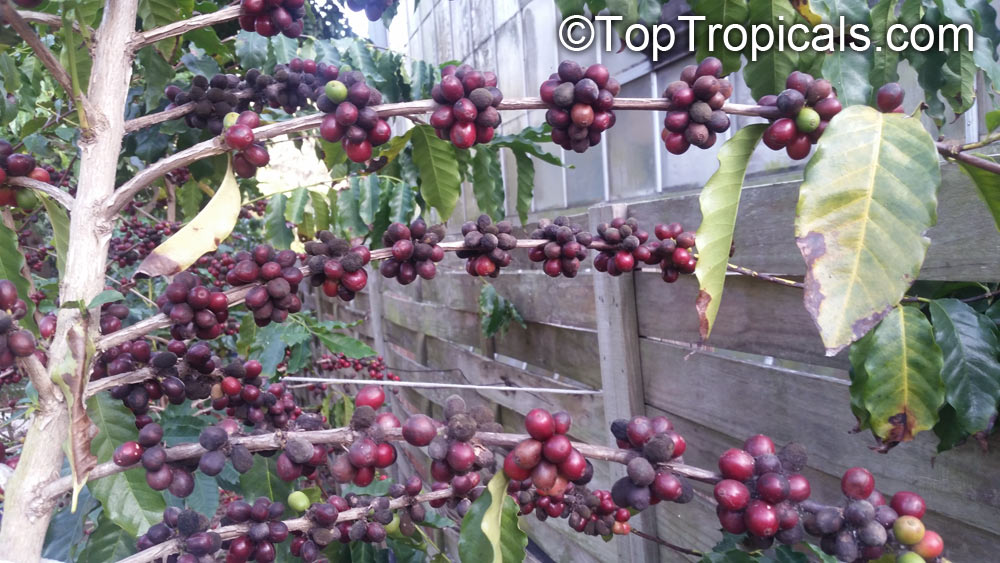
Coffee  fruit

Coffee is widely enjoyed as a beverage and is used in various desserts and drinks.
It is rich in antioxidants, which may reduce inflammation and lower the risk of chronic diseases.
It improves focus and mental alertness due to its caffeine content.
Coffee boosts metabolism and aid in fat burning, supporting weight management.

3. Noni
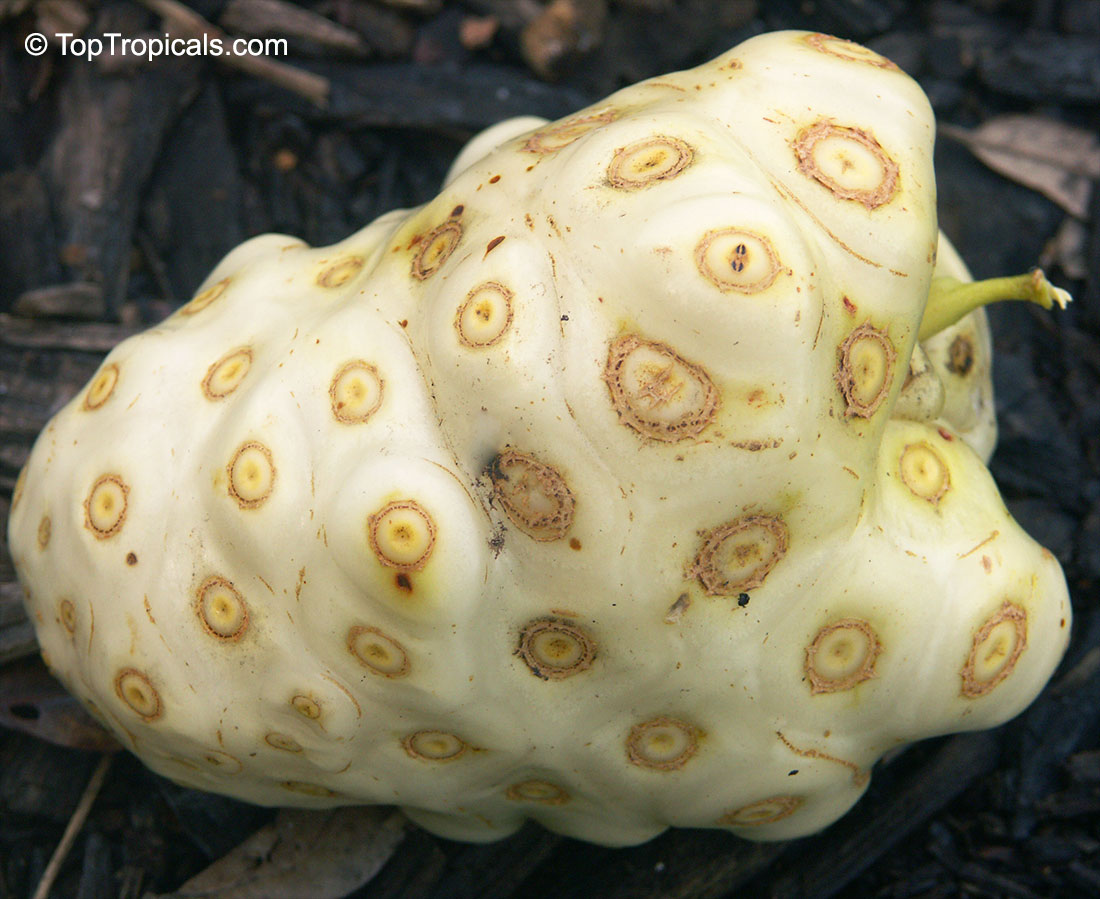
Noni  fruit

Noni is known for its anti-inflammatory properties and may help reduce joint pain and arthritis symptoms.
Fresh noni fruit and juice are popular in traditional herbal medicine and drinks.
It boosts the immune system due to its rich vitamin C content.
Noni juice is used traditionally to improve digestion and fight infections.

4. Papaya
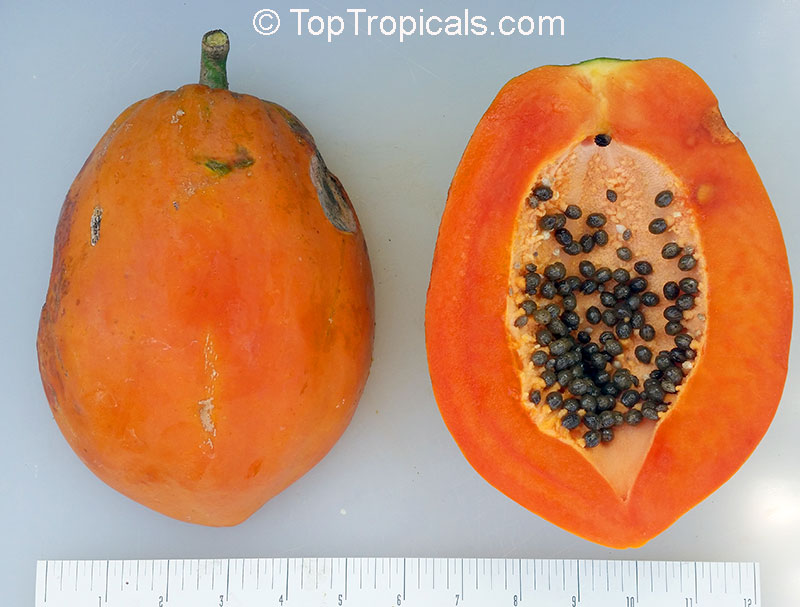
Papaya  fruit

Papaya is a popular ingredient in salads, smoothies, and tropical desserts.
It contains enzymes like papain that aid digestion and reduce bloating.
It is high in vitamin C and vitamin A, the antioxidants in papaya may protect against heart disease and reduce cancer risk.

5. Banana

Persimmon  fruit

Bananas are rich in potassium, which helps regulate blood pressure and supports heart health.
They provide a quick source of energy and are great for post-workout recovery.
The fiber in bananas aids digestion and promotes gut health.
East them fresh, add to smoothies, bake into breads and desserts, or use in various savory dishes.

6. Dragon fruit

Dragon  fruit

Dragon fruit is often used in smoothies, fruit salads, and refreshing drinks.
It is high in fiber, aiding digestion and promoting gut health. Low in calories and packed with nutrients, it's great for weight management.

7. Tamarind

Tamarind  fruit

Tamarind is a common ingredient in sauces, chutneys, and beverages.
Rich in antioxidants, it protects the liver and reduces inflammation.
It contains natural compounds that help lower cholesterol and improve heart health. Tamarind has a mild laxative effect, aiding digestion and relieving constipation.

8. Loilita (Surinam) Cherry
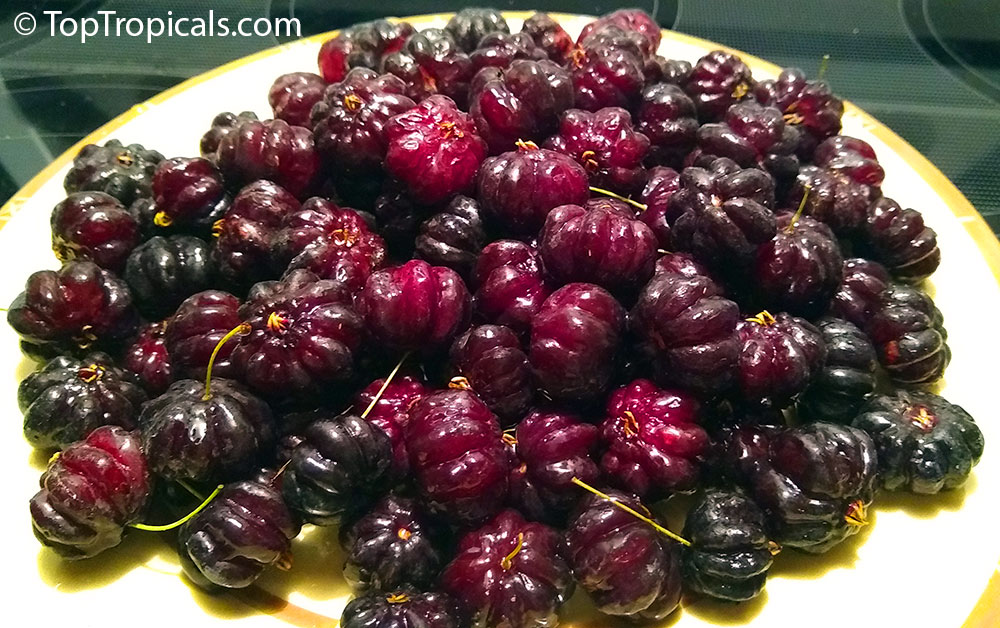
Surinam  cherry  fruit

Surinam cherry is rich in vitamin C, boosting the immune system and skin health.
Its antioxidants reduce inflammation and protect against free radical damage. It contains fiber, which supports healthy digestion.
Surinam cherries are used in jams, sauces, and desserts or eaten fresh.

9. Nescafe
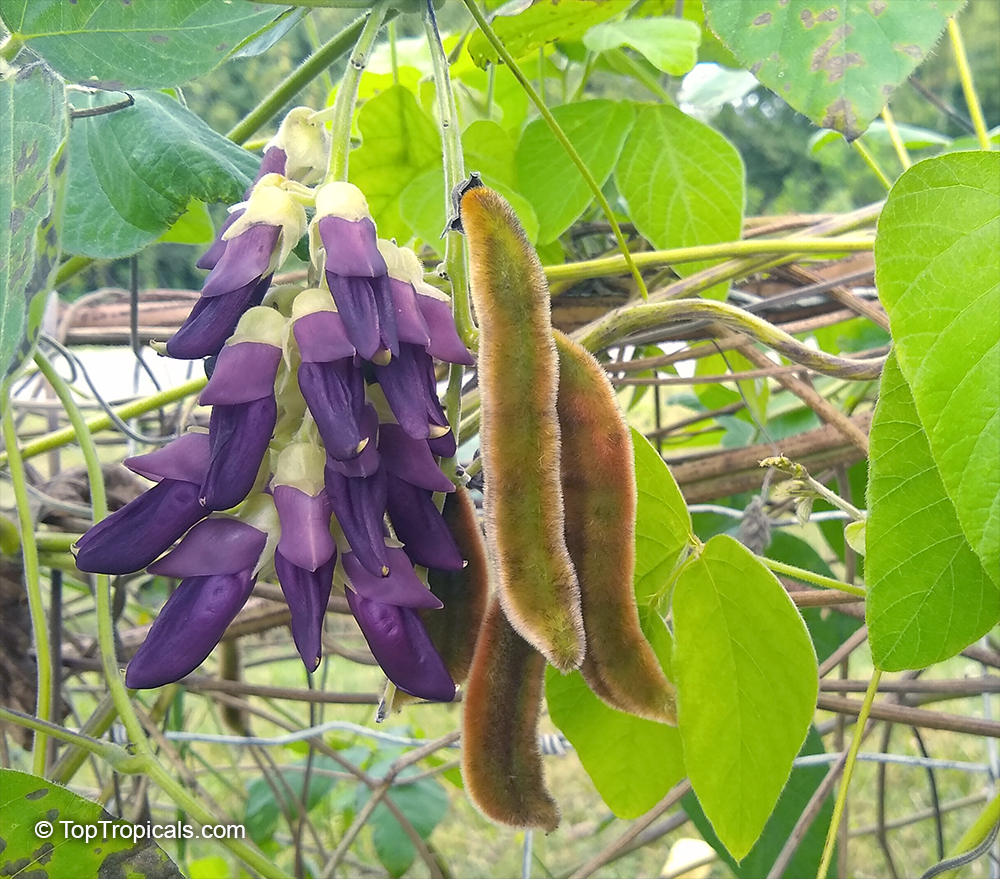
Nescafe

Nescafe - Mucuna pruriens - is used in herbal supplements or ground into powder for teas and health drinks.
It is known for its potential to boost dopamine levels, improving mood and reducing stress.
It supports cognitive function, muscle growth and increases energy levels.

10. Loquat
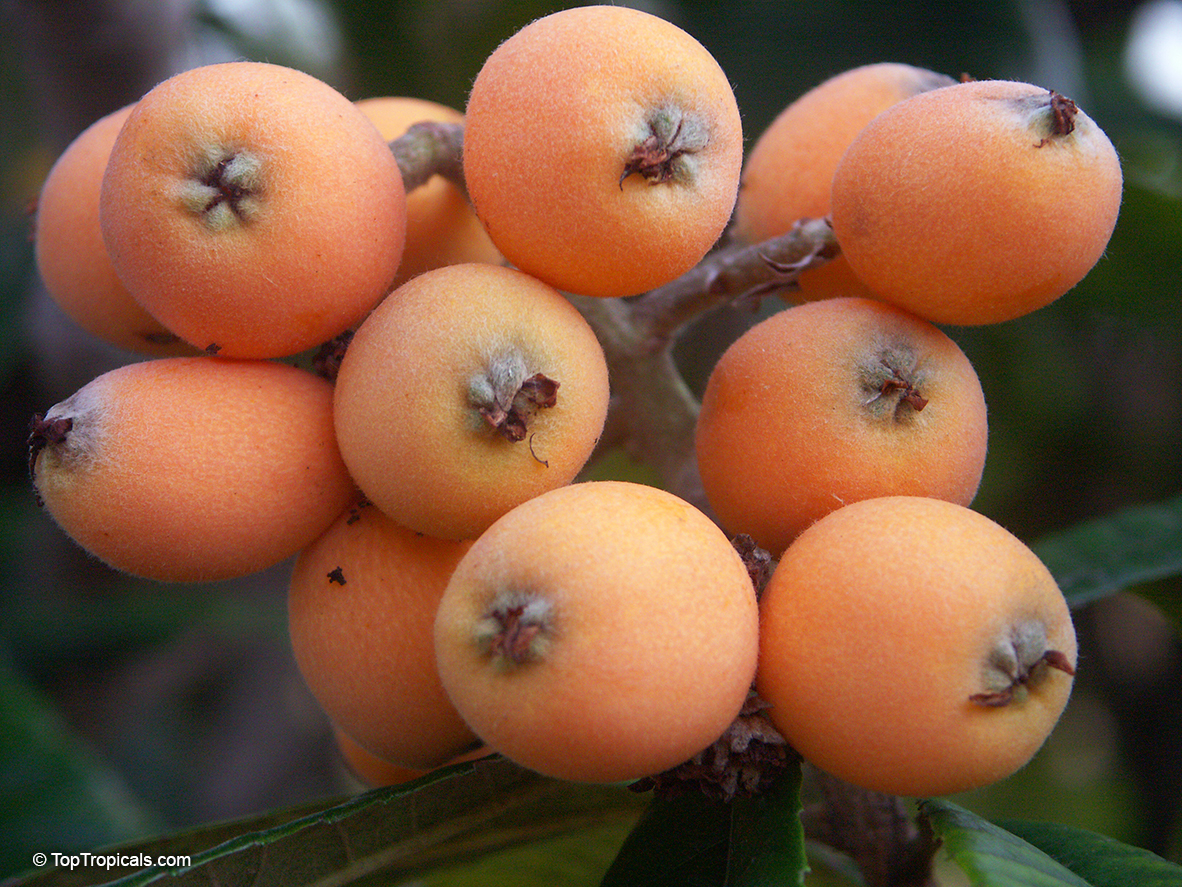
Loquat  fruit

Loquat are very popular and are eaten fresh or used in making jams, jellies, pies, and fruit salads.
Loquat is rich in vitamin A, supporting eye health. It contains antioxidants that help fight inflammation and reduce the risk of chronic diseases. The fiber in loquats aids digestion and helps maintain healthy blood sugar levels.

By planting these 10 diverse fruit trees, you'll not only enjoy a delicious and abundant harvest but also ensure your garden provides all the nutrients needed for a healthier, more vibrant life.


Date: 25 Jun 2019

True love of Night Blooming Jasmine

By Onika Amell, tropical plant specialist

Q: I live in New Cumberland, West Virginia. I love the smell of Night-Blooming jasmine. Is it possible to grow it in the northern panhandle of West Virginia? Do I have to plant it every year or do I keep it in a pot and take it inside during the winter months?

A: Technically, Night Blooming Jasmine is not a true jasmine (those plants belong to Oleaceae, or Olive family). Night Blooming Jasmine belongs to the Solanaceae family, also known as the Nightshade or "Potato" family of plants. Yes, this sweet fragrant flower called Jasmine for its perfume is related to potatoes and tomatoes!
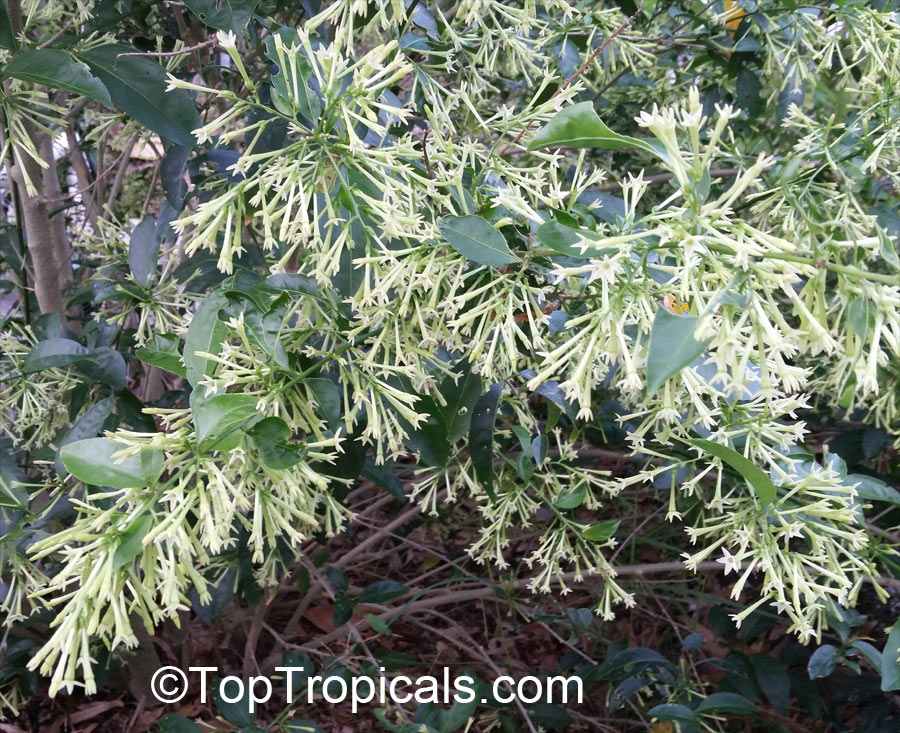
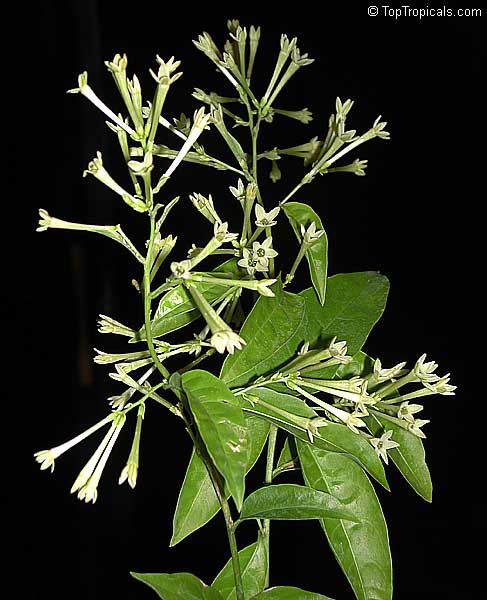
Night Blooming Jasmine - Cestrum nocturnum - is loved by many gardeners for its beautiful fragrance at night. It is one of the most fragrant tropical evergreen shrubs available. Cascading clusters of tiny, tubular pale yellow to white flowers open at night and release a heavenly fragrance throughout the garden, especially on warm summer evenings. The fragrance is much lighter during the day. Night Blooming Jasmine is grown year-round in zones 9-11. It is at its happiest in a sunny to a partially sunny spot in your garden in well-drained soil but can be grown in cooler climates as a container or greenhouse plant.
You would absolutely be able to enjoy this plant during the warm months in West Virginia, but it will most certainly not survive outside during the winter. You will have to bring it inside. Take it outside again only once you are confident there is no more possibility of frost. When grown indoors, be sure to give it the sunniest, South facing window in your home. When grown in a container, you will need to re-pot it every two to three years so it doesn't become root-bound.
For those who are lucky to live in frost-free areas, in ideal growing conditions outside, it can easily reach 8 feet with a spread of 5 feet. It has a lovely informal look that can soften a more manicured garden. Add organic matter to the planting hole when you plant to enrich the soil around the root ball. Water well in the summer, but allow them to dry out a bit between watering in the winter. Plant this Jasmine near pools, porches, doors, windows, and walkways where its lovely fragrance can be enjoyed. The shrub is also an excellent plant for privacy hedges and screens. When grown as a hedge, plant 3 feet apart.
Trim lightly after a bloom cycle to shape and then do a hard pruning in fall or spring to control the size of this plant. Fertilize 3 times a year - in spring, summer, and autumn - with a good quality granular fertilizer.

Recommended fertilizers:

Pink N Good Daily Plant Food - Flower Booster
Tropical Allure - Smart-Release Booster

Interesting facts:

Night-blooming jasmine is an excellent mosquito repellent. The powerful scent of the flowers attracts moths and bats that feed on mosquitoes and other small insects.
The flowers of the Night Blooming jasmine are widely used in India and other countries of South Asia for perfumery, medicinal applications and in religious ceremonies.

Limited time special offer:
Instant $5 off Night Blooming Jasmine