Garden Blog - Top Tropicals

Date: 23 Nov 2025

📅 Mark Your Calendar - Holiday Plant Market

Holiday  Plant  Market  flyer  for  December  13  2025  showing  two  PeopleCats 
 in  a  festive  garden,  one  black  cat  in  an  apron  next  to  a  mango  tree  and  one 
 orange  cat  holding  a  basket  of  tropical  fruit,  with  event  details, 
 discounts,  and  Top  Tropicals 
 locations.

Holiday season in Florida means sunshine, green leaves, and cats on patrol. On Saturday 12/13/25, our PeopleCats are hosting a special Holiday Plant Market at TopTropicals, 9 am to 4 pm. This is not a regular nursery day. This is the one where you grab a donut in one hand, a mango tree in the other, and try not to trip over a cat giving you a tour.

We are bringing out the best plants we grew all year: big fruit trees with real branches, flowering and fragrant beauties, rare collectors plants, and vines that are ready to take off as soon as you get them home. December is perfect planting weather in Florida, so while the rest of the country is scraping frost from windshields, you can be choosing which banana, mango, or jasmine will perfume your yard next summer.

Holiday extras: 30% OFF online prices, free plant with purchase, 5 to 10 dollar specials, mini donuts and holiday treats, iced tea and citrus water, tropical Christmas music, and raffle prizes. If there is enough ripe fruit in the morning, we will set up a tasting table too. Our PeopleCats will be on duty all day, rearranging plants, checking on visitors, and occasionally allowing themselves to be petted between tours.

Event discounts and specials are valid at both locations:

Save the date, tell a friend, and plan your plant hunting route now. Come celebrate the holidays the Florida way: sunshine, rare fruit trees, happy cats, and a car full of tropical plants going home with you.

Facebook event page - Download invitation

to confirm attendance
RSVP on Facebook!

Learn More About The Holiday Plant Market

Date: 5 Jan 2026

A  tuxedo  cat  planting  a  small  shrub  in  a  tropical  garden  while  a  ginger
    cat  relaxes  nearby  with  coffee  and  donuts,  illustrating  winter  planting  in 
 a  warm 
 climate.
Sunshine: January might feel warm, but its still winter. Wool socks, scarf, hot coffee.
Smokey: You get warm when you work. Plant now so roots are established before spring growth starts.
Sunshine: Alright. Lets see who stays warmer - you digging or me with coffee.

🌴 Why winter planting works in a warm climate

By our plant expert Tatiana Anderson

We are lucky to live in a warm climate. This is how I think about the seasons here. Winter is for roots. Spring is for growth. Summer is for managing heat and water.

So if we want plants that handle summer better, we plant them in the season that gives them the best start. Winter here is comfortable. The soil stays workable. The days are mild. And plants are not being stressed by heat. That is exactly why winter is the best time to plant in Florida and other warm areas.

If we use this season well, plants go into spring already settled instead of trying to catch up. This is what I like to plant now, and why.

🟢 Trees first. Anything that will be in the ground for years. Fruit trees, shade trees, flowering trees. When we plant them in winter, they can focus on roots before the spring growth surge starts. By the time spring arrives, the tree is anchored and ready to grow on top.
Examples: mango, avocado, Eugenia cherries, jackfruit, sapodilla, longan, lychee, canistel.

🟢 Shrubs next. Shrubs establish faster than trees, but winter still gives them an advantage. They settle in quietly before the spring flush and bloom cycles begin. That usually means steadier growth and fewer problems once heat returns.
Examples: gardenia, jasmine, brunfelsia, hibiscus, clerodendrums.

🟢 Vines are often overlooked. Vines want to grow fast when spring starts. If the root system is not ready, you get weak growth and frustration. Planting vines in winter gives them time to build a foundation first, so spring growth has support.
Examples: Rangoon creeper, stephanotis, Petrea, Mexican Flame Vine.

🛒 Explore cold tolerant plants

Date: 22 Oct 2016

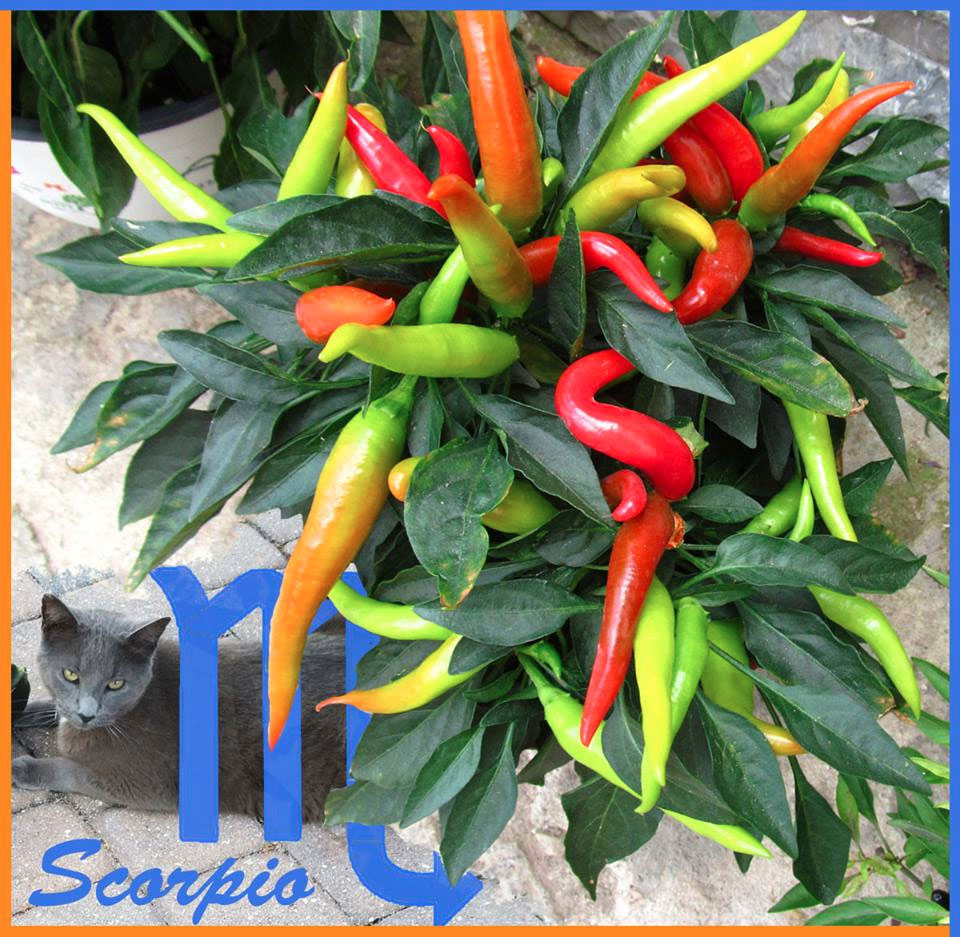
Plant Horoscope. Scorpio Zodiac lucky plants: Nearly indestructible plants

Scorpio - 10/23-11/21. A WATER sign ruled by both Mars and Pluto.
Scorpio's plants are often found in remote places or on poor ground. They will likely have thorns, can be red in color, and grow under adversity. The good news is, most of these plants are nearly indestructible! This makes them desirable for every gardener.
The reproductive organs are ruled by Scorpio, so these are plants that balance the hormones, regulate the menstrual cycle, help with childbirth and pregnancy. Until this century, Scorpio was ruled by Mars, and the herbs associated with it had to do with the urogenital system and the colon. Many of the herbs related to Scorpio are cleansing and revitalizing. Now, astrologers assign Scorpio to Pluto, discovered in 1930 (Pluto is said by astrologers to be a higher octave of Mars). Physiologically, Scorpio involves the processes of catabolism and anabolism, the death and regeneration of body cells. Diseases of Scorpio are often involved with the slow buildup of toxic substances in the body (carcinogens, etc) or in the mind (anger, jealousy). Scorpio loves a spice with depth and complexity. Camphor Basil adds rich flavor to every dish it seasons, and its own aphrodisiac tendencies appeal to Scorpio's lusty nature.

Scorpio Zodiac lucky plants: Ceiba,  Baobab,  Pistachio,  Nutmeg, Black-eyed Susan Thunbergia, Combretums,  Dragon fruit,  Medinilla,  Camphor Basil,  Cuban Oregano, Vanilla orchid,  Hibiscus, Various  cacti and succulents,  Adenium, Honeysuckle,  Peppers,  Cordyline,  Spider plant,  Jasmine,  Gooseberries, Wild indigo,  Bougainvillea,  Aloe vera,  Raspberry,  Palmetto,  Horseradish tree,  Camphor,  Allspice and Bay Rum, Jujube,  Sweet Mimosa,  Agave, Milkweed,  Hong Kong Orchid Tree,  Pony Tail,  Dwarf Poinciana, Bottlebrushes,  Clusias,  Crocosmia,  Zig-Zag Cactus,  Dracaena,  Fire Bush,  Hoyas,  Jatropha,  Kalanchoe,  Sausage tree,  Devils Backbone, Pereskia, Red Plumeria,  Firecracker,  Rattlebox,  Rhoeo, Calendula, Geranium, Thistles, Mint, Sage, Catnip, Coriander, Sandalwood, Ginseng, Euphorbias, Acacias.

For other signs information, see full Plant Horoscope.
Date: 10 Sep 2016

Organic remedy for indoor plants insect protection

Q: Winter is coming and I moved my collection of fragrant plants inside the house about a week ago. Today I noticed some aphids on my jasmine. I guess they sneaked in with the plant from the garden where it was a week ago. I don't want them to spread around and get to the nearby gardenia. What should I do to protect my plants from insects indoors?

A: Sometimes bugs attack indoor plants more than those outside in the garden. The main reason is lack of air circulation, lack of sunlight, lack of bug natural predators, and lack of plant's immune resistance due to winter dormancy. So, you need to pay extra attention at your plants health during colder months they spend indoors. Inspect leaves, especially underneath, at least on weekly basis.

If noticed first signs of insect attacks (insects and/or leaf damage such as holes, chewed edges, discoloration, dark or sticky coating), use a simple organic remedy that is handy in every house. Mix in a cup of hot water two tablespoons of any cooking oil: Canola, Vegetable, Sunflower, Olive; Neem oil is the best for this purpose, but it does have a pungent odor (bugs don't like it as well as some people). Add a few drops of dish-soap for better mixing oil in the water. You may add a clove of pressed fresh garlic - bugs hate it! Clean leaves with this solution using cloth, paper towel, and/or spray bottle.

If insects are persistent or your treatment arrived too late when a plant is excessively infested, after cleaning with the oil solution, you may use additionally systemic insecticide sprays sold in garden centers, with active ingredients of pyrethrin, imidacloprid or similar. Make sure to read product label and follow instructions.

However try the organic recipe first, it really works! You may repeat it as needed, as often as you want! See target=_blank>TopTropicals Video on Safe and Easy Pest Control.

Date: 19 May 2016

Care of mail-order plants during hot summer

Q: I live in California and about a month ago ordered several plants from you, including fruit trees (Carambola, Mango, Avocado) and flowering trees (Xanthostemon, Adeniums, Champaca, Ylang Ylang). They were all doing well until I tried to move them into full sun, when they got leaf burn immediately. Ylang Ylang was doing great in a shade, but I repotted it from 1 gal into 3 gal and it is drooping leaves now. It has been very hot (over 100F) and dry (humidity is less than 25%). Any suggestions?

A: Hot summer can be pretty challenging time for establishing new plants. These are some guidelines to make your summer gardening more successful and rewarding.

1. You can order plants at any time, but keep your eye on your local weather forecast and try to chose cooler periods to schedule your plant shipments. Here at TopTropcals we monitor weather at destinations, and we can also delay shipment per your request until more favorable conditions.

2. During hot Summer months, many plants are still OK to ship, and to be planted, many species are heat tolerant. It's usually safe to ship most succulents, including Desert roses and Euphorbias. Some fruit trees are pretty easy too, like Loquats, Mango, Eugenias. Many flowering trees can take heat: Acacias, Clusias, Jatropha, Sausage Tree, Plumerias and many others. Check our full list of plants suitable for hot and dry conditions. Most jasmines, including Jasmine Sambac and Trachelospermum make also a safe choice for hot weather planting.

3. Use shade cloth or simply white sheets to protect young plants and new plantings from hot sun.

4. When establishing mail ordered plants during hot weather, keep them in shade for longer period of time than average recommended 1-2 weeks. Give them a chance to establish really well. In areas with low air humidity, try to create a simple mist system. It can be purchased in your local Home Depot for only $20 and set up takes only 10 minutes! It makes a big difference and can help you save many plants from hot weather stress.

5. Although it may seem that during hot weather plants need more water due to high evaporation, be careful with watering, and check soil with your finger before watering - don't water if it is still wet. Combination of "hot and wet" can be as harmful for the root system as "cold and wet" during winter. Protect root systems from overheating: covering black pots with white cloth will work. Remember when temperature is above 90F, most of plants slow down their metabolism, which means roots slow down or even stop pumping water and become more vulnerable to overwatering. For the same reason, do not hurry to step up into bigger container if roots haven't filled yet the existing pot.