🎶 Q:I've read your post about growing tropicals indoors and you got me inspired! Can you recommend something unusual, colorful and bright, preferably with flowers, that I can grow as house plants?
🌸 A: House plants don't have to be boring and just green! Below are a few excellent choices for your indoor garden that will brighten your sunroom. Just make sure to follow the 10 key tips for growing tropical plants indoors.
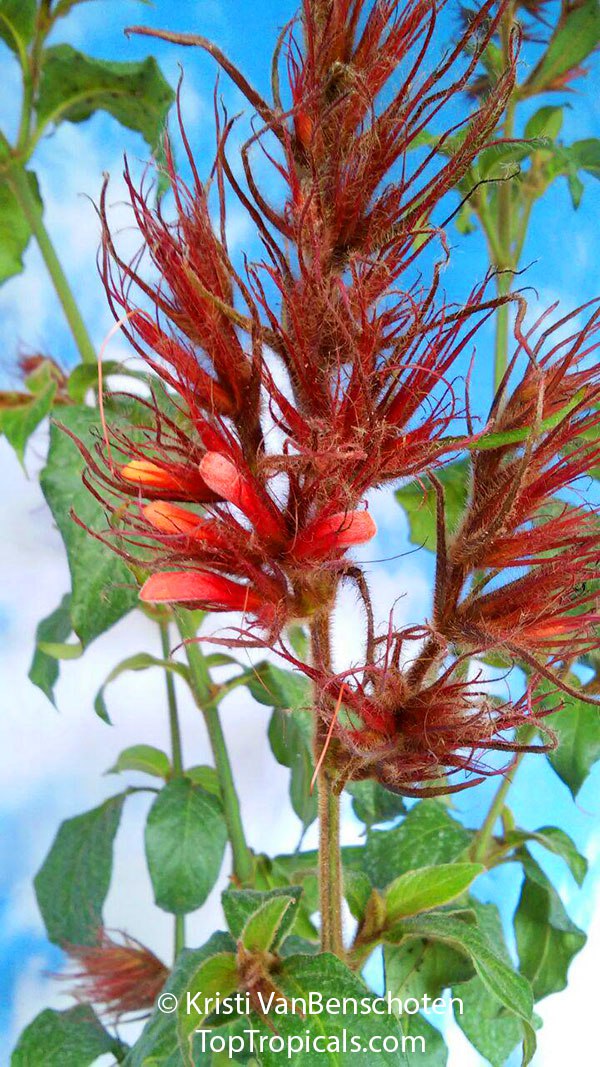
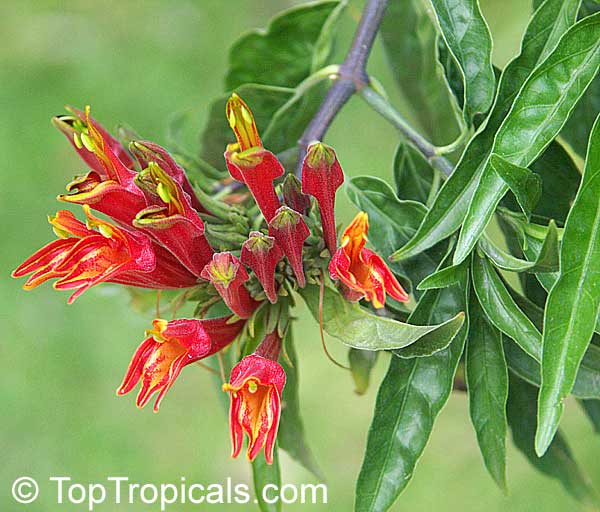
Sanchezia stenomacra - Blood Red Feather - spectacular red feathery blooms and and soft, fussy leaves.
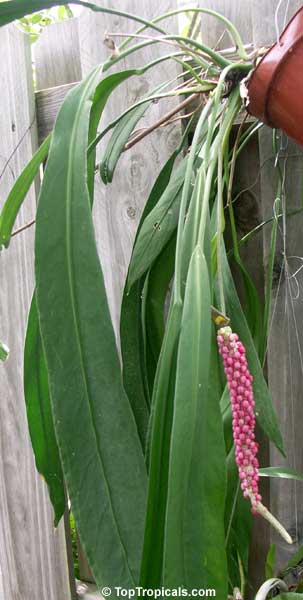
Anthurium vittariifolium - Long Leaf Anthurium - super rare, an eye stopper, with long leaves up to 2 ft long, and bright pink fruit.
Clinacanthus nutans - Snake plant, Phaya-Yor - exotic flower from Thailand resembling snake's open mouth.
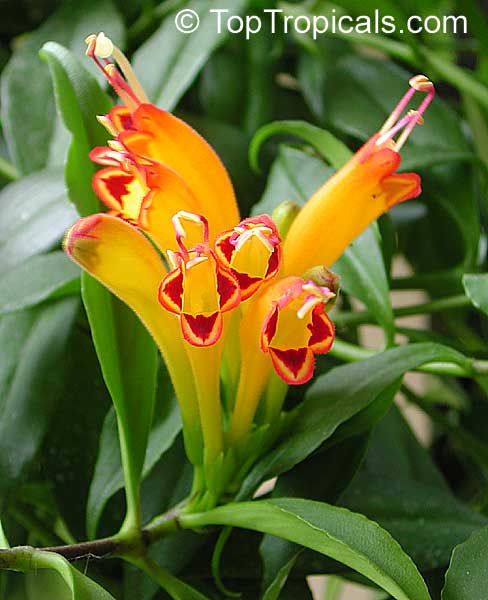
Aeschynanthus speciosus - Lipstick Plant - popular house plant with bright showy orange blooms.
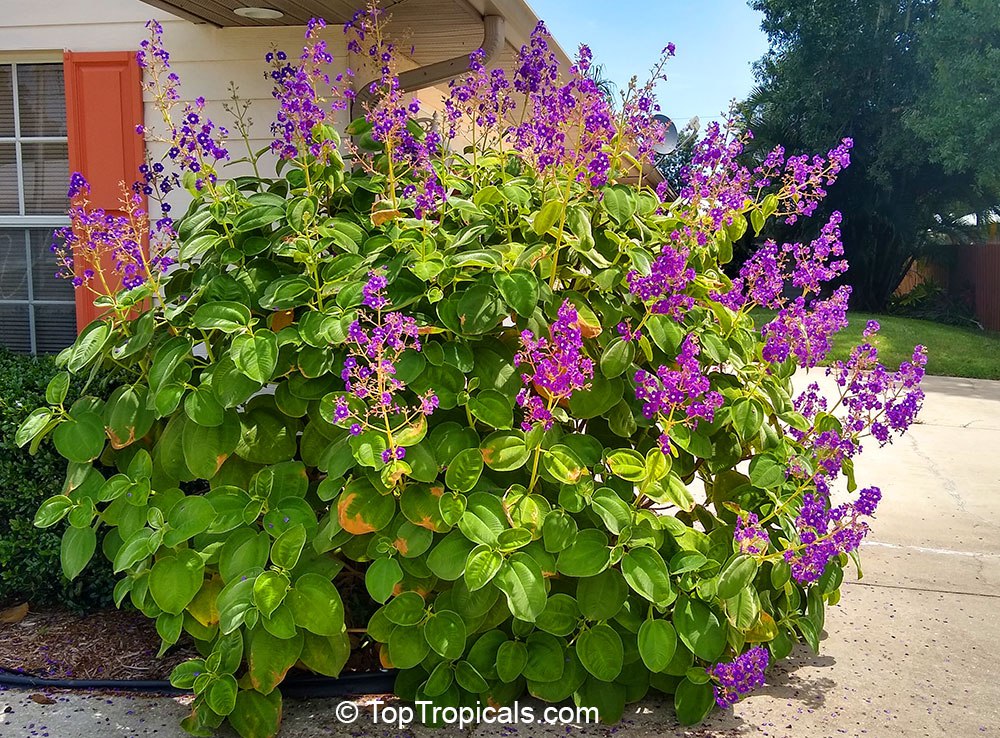
Tibouchina multiflora (grandifolia) - Glory bush, Quaresmeira - can be grown outside in Southern gardens, as well as in a pot indoors. Showy purple flowers, velvet leaves are wonderfully soft 6-8"in diameter!
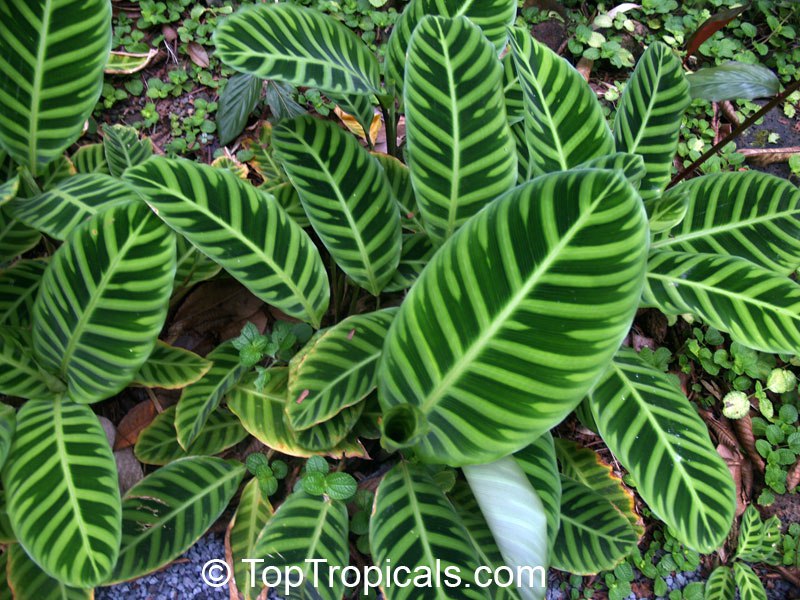
Calathea zebrina - Zebra Plant - the brightest zebra-striped large leaves up to 1 ft long.
👍What flowering plants do you grow in shade? Share in comments⬇️
These aren't your typical tropicals - they're collector-grade Anthuriums grown for foliage and texture. Each one brings something
different, but they all thrive in the same kind of setting: shade or filtered
light, warmth, and humidity. Perfect for growing in containers indoors or
out.
Anthurium Black Dragon
This is the most dramatic of the trio. Upright, leathery leaves shift
from dark green to nearly black depending on light. Instead of bright flowers,
it produces a dark brown spadix and glowing red berries. A hybrid not found
in the wild, it's grown from seed - no two are exactly alike.
Best for: Indoor focal plant, shaded patio, black ceramic pot
This one's about scale. Broad, crinkled leaves with a cardboard-like
texture form a bold rosette. It can get huge with time - up to 6 feet across.
Perfect for gardeners who want the "instant jungle" look.
Graceful and rare, this species sends out narrow strap-like leaves that can
reach 5–6 ft long. Ideal for hanging baskets or mounting. Bonus: it
produces small pink fruit against deep green foliage.
Best for: Hanging displays, vertical planters, bright bathrooms
Height: Leaf length, not upright height - up to 6 ft
Light:
Bright, indirect light is best. Avoid direct sun, especially mid-day. These
plants evolved in rainforest understory - think "dappled light under
trees."
Water:
Keep the soil lightly moist but not soggy. Let the top inch dry before
watering. They hate wet feet.
Humidity:
These are tropicals - they'll do fine in 50-60% humidity, but thrive at
70%+. Use pebble trays or place near other plants. Bathrooms with windows work
great.
Soil:
Use an airy mix: orchid bark + perlite + peat or coco coir. Drainage is
key. Never use plain potting soil.
Fertilizer:
Feed with SUNSHINE Robusta every 2–4 weeks during warm seasons. It's
formulated for aroids and won't burn roots.
Potting:
Use shallow, wide containers. Repot only every 2–3 years, or when
roots crowd the pot. They don't like frequent disruption.
Temperature:
Ideal: 65–85 F. Short dips to the 30s F are tolerated by mature
plants, but avoid cold drafts.
9 tropical vegetables to grow indoors, or how to have garden-fresh produce all year
9 tropical vegetables to grow indoors
🌱 9 tropical vegetables to grow indoors, or how to have garden-fresh produce all year
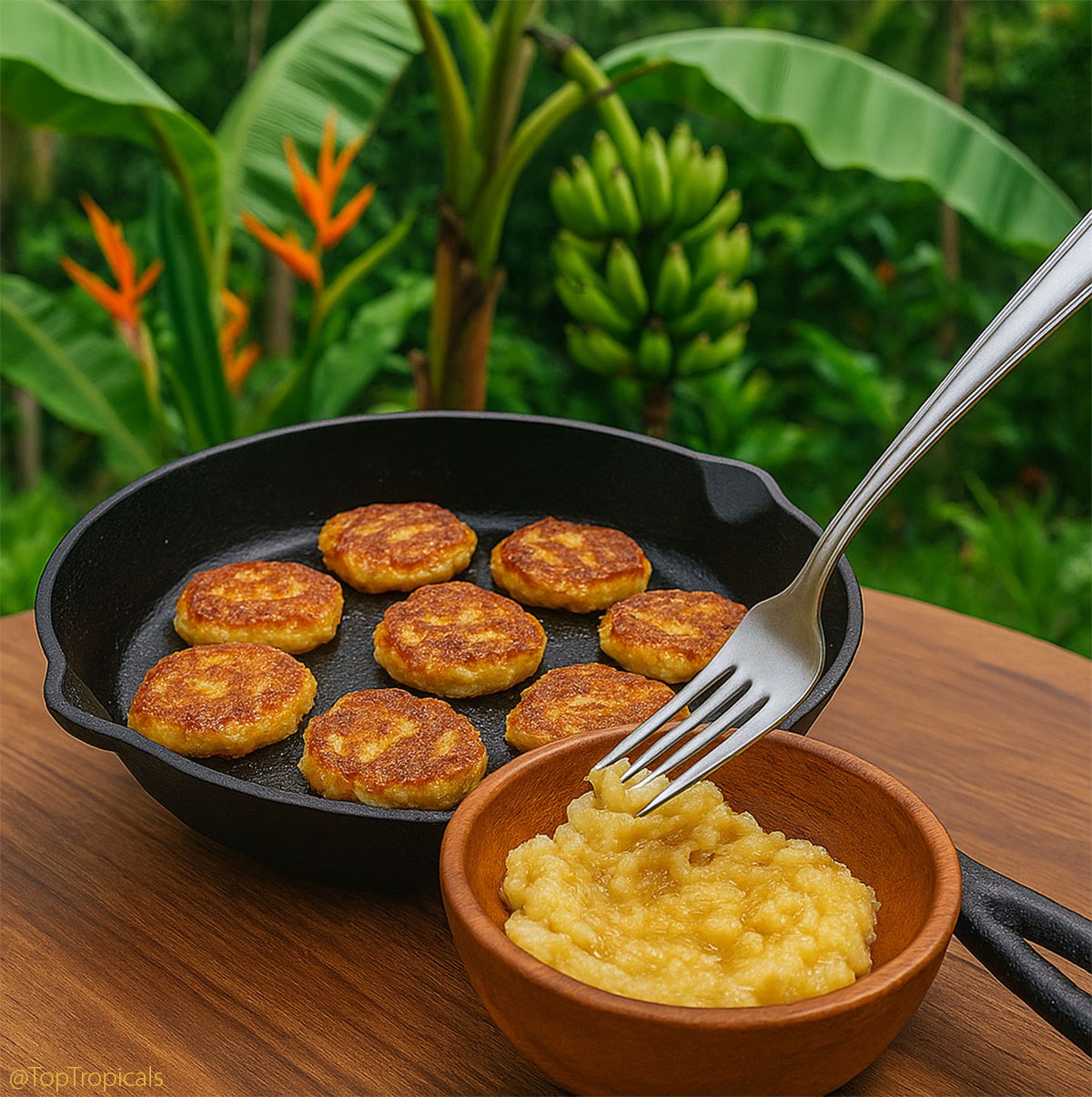
Cold weather does not have to mean the end of homegrown food. According to Southern Living, vegetables like lettuce, carrots, and radishes can be grown indoors during winter. The downside is that most of these are annuals - you harvest once, then start over.
Tropical vegetables work differently. Many are perennial, long-living plants that grow well in containers and keep producing for years. Grow them indoors year-round, move them outside in summer for extra sun and growth, then bring them back indoors before cold weather. With enough light and regular care, these plants can provide fresh harvests in every season.
✅ Tips for growing tropical vegetables indoors
📍Place plants near a bright window or supplement with grow lights for steady growth
📍Use containers with good drainage and quality potting mix
📍Keep plants away from cold drafts and heating vents
📍Rotate pots and prune regularly to encourage fresh, tender growth
📍Feed regularly with natural Sunshine Boosters - they are formulated for edibles
✅ Tropical vegetables to grow indoors
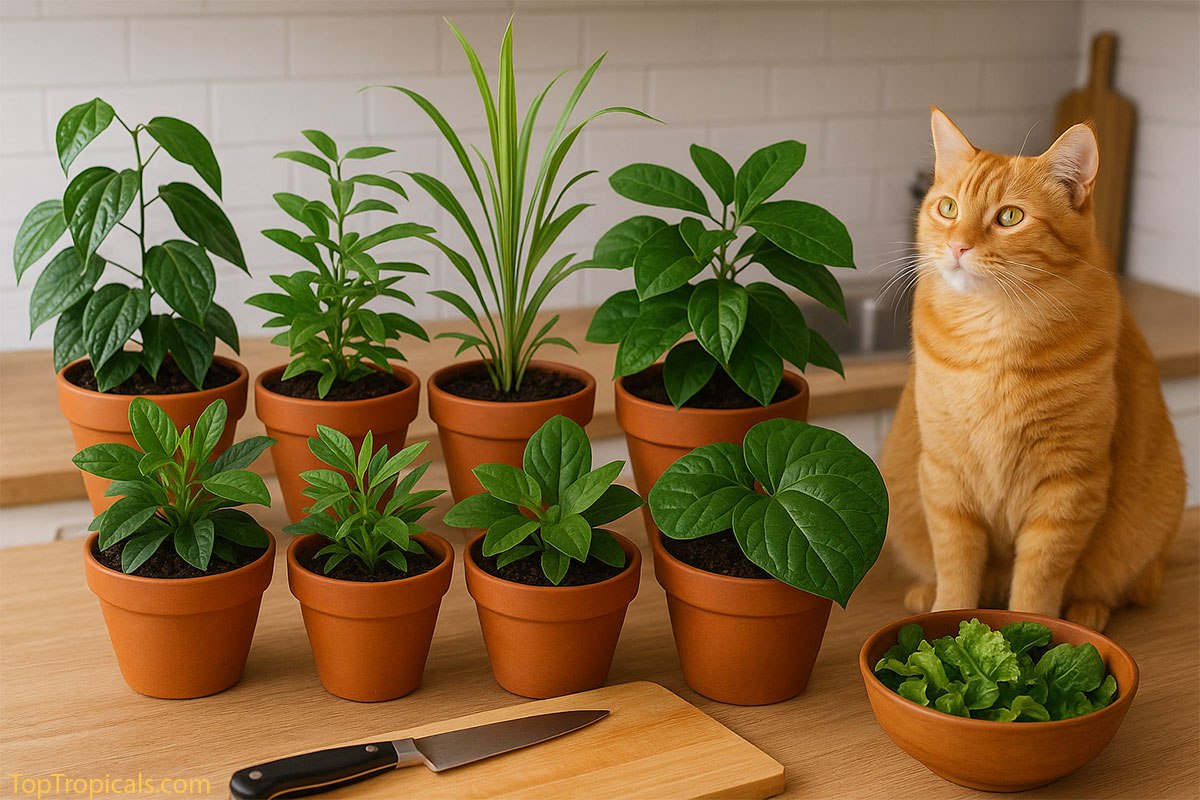
🌿 Gynura procubens - Longevity Spinach, Cholesterol spinach - a fast-growing leafy green often called a superfood. The tender leaves are used fresh or lightly cooked and can be harvested repeatedly. This plant stays compact, handles containers easily, and regrows quickly after cutting.
🌿 Sauropus androgynus - Katuk, Tropical Asparagus. One of Southeast Asia’s most popular leafy vegetables. Katuk produces edible shoots and leaves that are cooked in soups and stews. It grows well indoors and rewards regular harvesting with constant new growth.
🌿 Cymbopogon citratus - Lemon grass: a tough, productive plant that adapts well to container growing. The stalks and leaves are used for teas, soups, and flavoring. Indoors, it grows more slowly but stays productive, especially when moved outdoors in summer.
🌿 Lippia dulcis - Aztec Sweet Herb, Sweetleaf: a low-growing herb with naturally sweet leaves. The foliage can be eaten fresh or used as a sugar substitute in teas and desserts. It stays compact, tolerates pruning, and performs well in pots indoors.
🌿 Piper sarmentosum - Vietnamese Pepper, Lalot: grown for its aromatic, edible leaves rather than peppercorns. The leaves are eaten fresh, cooked, or used as food wraps. This plant stays manageable indoors with light pruning.
🌿Piper nigrum - Black Pepper: the true black pepper vine. Grows well indoors as a container vine with support. It prefers warm temperatures, steady moisture, and bright filtered light.
🌿 Piper auritum - Root Beer Plant, False Kava-Kava: close relative of Piper methysticum (Kava-Kava) known for its large, fragrant leaves with a spicy, root beer-like aroma. The leaves are used for wrapping foods and flavoring dishes. Best grown indoors with room for its bold foliage.
🌿 Piper betle - Betel leaf: a traditional edible and medicinal leaf used widely in Asia. The glossy leaves are harvested continuously and used fresh or as wraps. This vine grows well indoors with warmth, humidity, and a small trellis.
🌿Piper longum - Indian Long Pepper, Pippali, Bengal Pepper: A tropical pepper relative grown for its elongated spice fruits and edible leaves. Slower to fruit indoors but easy to maintain as a leafy spice plant in containers with bright light and regular feeding.
Tropical vegetables make indoor gardening more rewarding because they do not stop after one harvest. With containers, light, and basic care, these plants can become long-term food producers that move seamlessly between indoors and outdoors - keeping fresh flavors within reach all year.
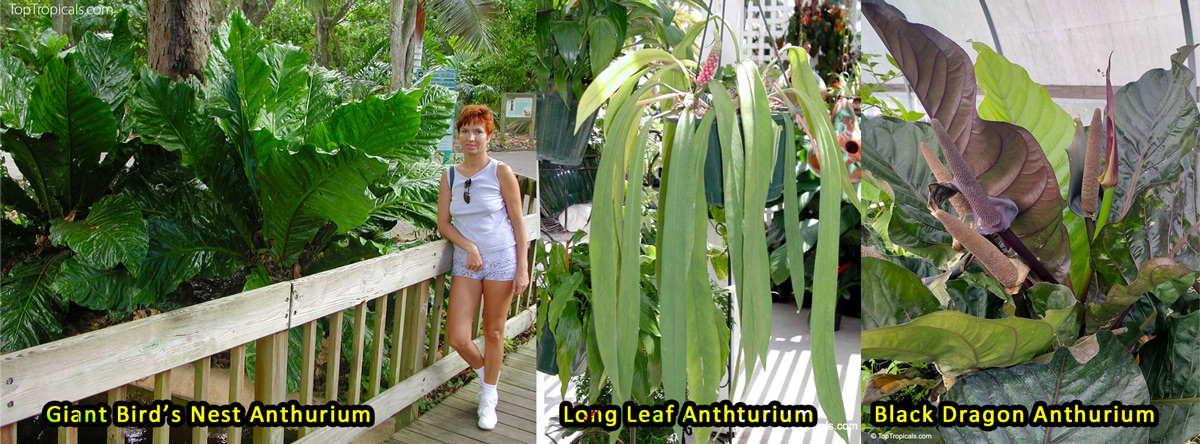
 Anthurium Black Dragon
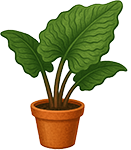 Anthurium hookeri – Giant Bird's
Nest
Anthurium hookeri – Giant Bird's
Nest Anthurium vittariifolium – Long
Leaf Anthurium
Anthurium vittariifolium – Long
Leaf Anthurium