Garden Blog - Top Tropicals

Date: 9 Apr 2026

*️⃣ Stop Babysitting Your Trees - Grow Cold Hardy Avocados Instead

Smokey  the  black-and-white  cat  with  glasses  sits  on  a  patio  taking 
 notes  while  Sunshine,  a  fluffy  orange  cat  wearing  bunny  ears,  holds  a  small 
 potted  mango  tree  with  light  yellow  flowers.
Sunshine: I love these crazy guacamole donuts… but I’m tired babysitting trees during cold.

Smokey: Then stop planting trees that need babysitting. Plant cold hardy avocado.

Read more about Smokey & Sunshine

You always wanted an avocado tree. Not in Miami - right there in Central Florida, in your own yard. You planted one, it grew well for a few years, and it felt like you finally figured it out. Then 2026 hit. A few cold nights, temperatures dropped below what your area usually sees, and the tree was gone.

Here is the part most people miss: USDA zones are based on average minimums, not the worst freezes. One bad night can erase years of growth.

That does not mean avocado will not work. It means you planted the wrong variety. Cold hardy avocados are built for exactly this kind of surprise.
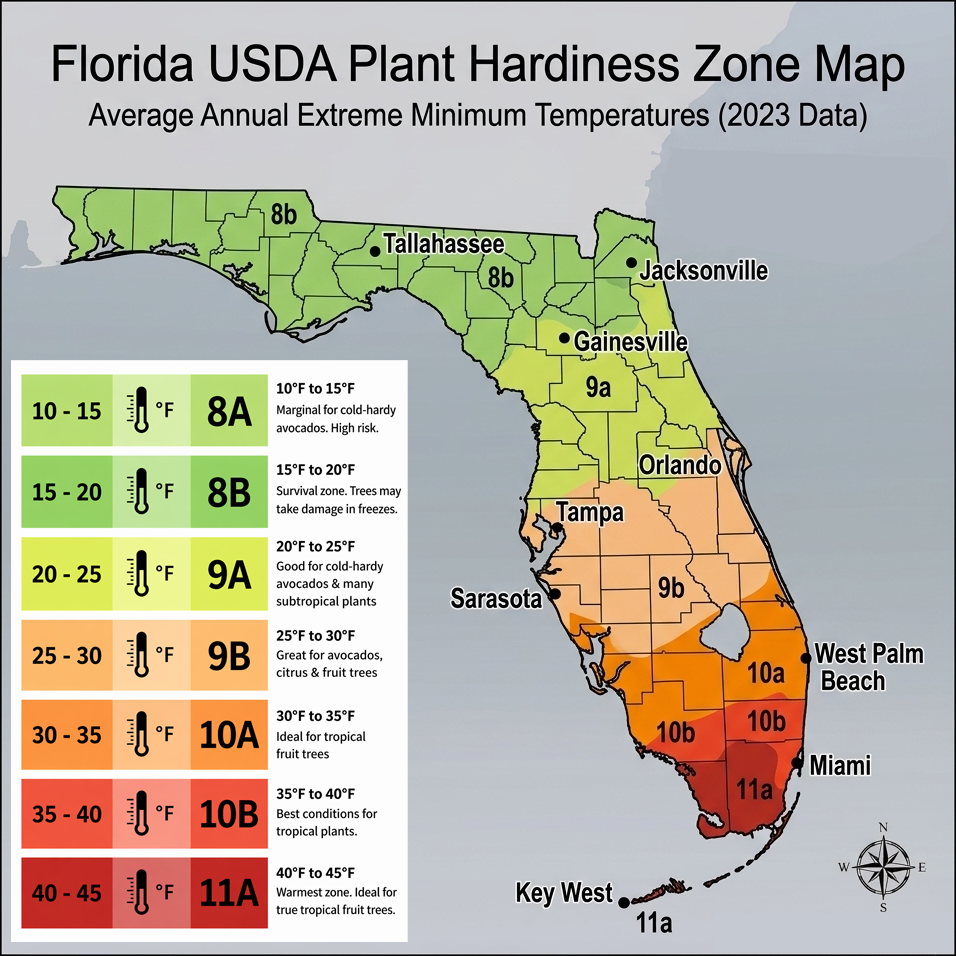
Florida  USDA  plant  hardiness  zone  map  showing  zones  8a  through  11a  with
    temperature  ranges

USDA zone map

This USDA Zone map makes one thing clear: all of Florida can grow avocado. The question is not if - it is which variety. From North Florida (8b) to South Florida (11a), there is always an option that fits your conditions.

If you are outside Florida - in Texas, Louisiana, California, or anywhere else - the same rule applies. Start with your USDA zone, then choose the right type of avocado for it. You can check your local zone here

So what does this mean for your yard? It is not about trying again and hoping for a warmer winter. It is about choosing a tree that actually matches your zone.

Cold Hardy Avocado Varieties for Reliable Harvests

Swipe left/right to see all data <->
🌡️ Threshold 🛡️ Resistance Profile Primary Varieties & Type Culinary Profile 📍 Geographic Best Fit
15°F+ High Resistance: Mexican-type selections. Short freezes near 15°F are survivable with minor leaf burn. Fantastic (A), Joey (B), Lila (A), Poncho (B) High Oil / Nutty USDA Zone 8b / 9a transition regions. Central/North Florida, Texas, Arizona
20°F+ Moderate: Brief freezes usually survivable. Full recovery may take an entire growing season. Bacon (B), Brogdon (B), Day (A), Fuerte (B), Mexicola Grande (A), Ulala "Super Hass" (A), Winter Mexican (B) Medium Oil / Creamy Coastal 9a. Inland Florida and colder microclimates.
25°F+ Light: Visible canopy damage and branch dieback are common. Survival depends on wind protection. Choquette (A), Oro Negro (B), Lula (A) Rich / "Black Gold" Zone 9b/10a. Coastal Central Florida and protected microclimates.
30°F+ Frost Tolerant Only: Even brief freezes cause rapid damage. Best for South Florida. Simmonds (A), Black Prince (A) Mild / Large Slicing USDA Zone 10a / 10b. S. Florida, Miami, Keys, Coast.
  Compact: Move inside during cold Dwarf Wurtz (A&B) and Fuerte (B) Rich / High Oil Patio Growers & Containers

See more varieties in our Master Avocado Varieties table

Microclimate matters more than your zone. The same yard can have warm and cold pockets. Plant near a south-facing wall, under light canopy, or in a spot protected from wind, and you gain a few critical degrees on cold nights.

Young avocado trees need protection during their first winters. They have not built enough wood or root strength yet, so even a short cold snap can damage them. Simple steps like frost cloth, wind protection, or temporary covers can make the difference between a setback and a loss.

You may see avocados labeled as Type A or Type B. This refers to how the flowers open, not cold hardiness. Some people mix both types to improve pollination, and while a single tree can still produce fruit, having two different types is beneficial and can increase your harvest.

Practical Planting Advice

  • Plant on a mound
    Raise the root zone 4-8 inches for fast drainage.
  • Avoid low spots
    Standing water is worse than drought for avocados.
  • Full sun
    Maximum light = stronger growth and better recovery.
  • Use microclimate
    South-facing wall, light canopy, or wind protection adds critical warmth.
  • Do not overwater
    Let the top layer dry slightly between watering.
  • Protect first winter
    Cover young trees during cold nights.

✅ Stop Guessing. Plant What Works.

Cold hardy avocados are not theory - they are proven to handle real conditions. Choose the right variety for your zone, plant it correctly, and you stop replacing trees after every cold snap.

🎥 Watch cold hardy avocado videos

✨ Grow More. Save More.

Get 10% off when you buy 2 or more 3 gal avocado trees. Mix varieties, combine Type A and Type B, and set yourself up for better pollination and bigger harvests.
Offer valid through 04/15/2026. No code needed - discount applied automatically at checkout.
Discount applies to 3 gal avocado plants only. Not valid on previous purchases and cannot be combined with other promotions or discounts. Offer subject to change without notice.
🛒 Shop cold hardy avocado

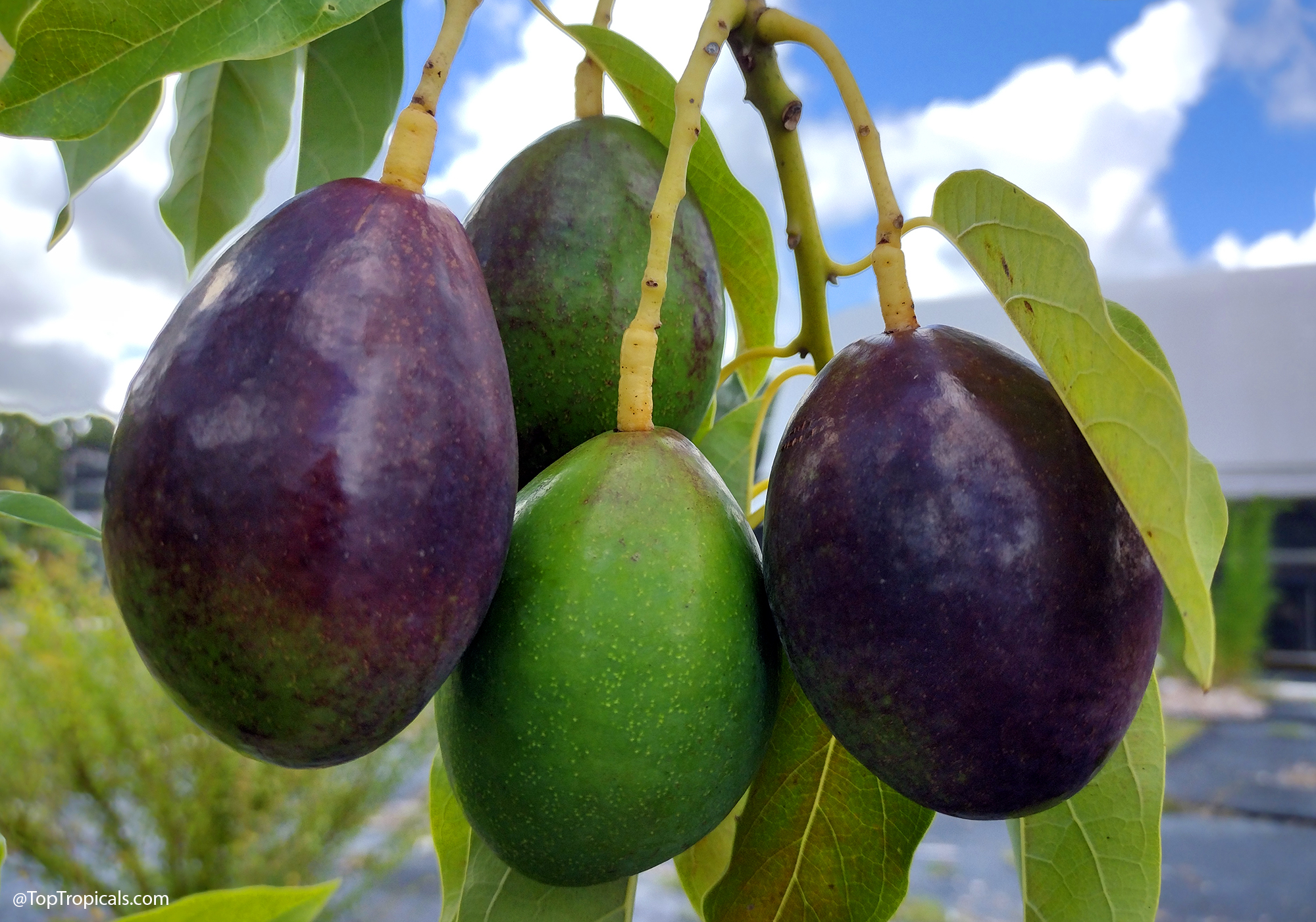
Avocado  tree  Joey,  Semi-Dwarf,  Cold  Hardy  (Persea  americana)  -  purple 
 and  green  fruit  on  a  branch

Joey is one of the most cold hardy Avocado trees with a compact habit and very pretty fruit. The flesh is nutty, smooth, and mildly sweet.

📚 Learn from our Blog:
Avocado for cold areas
Fuerte  avocado  tree  compact  dwarf  growth  with  green  fruit  in  garden 
 setting

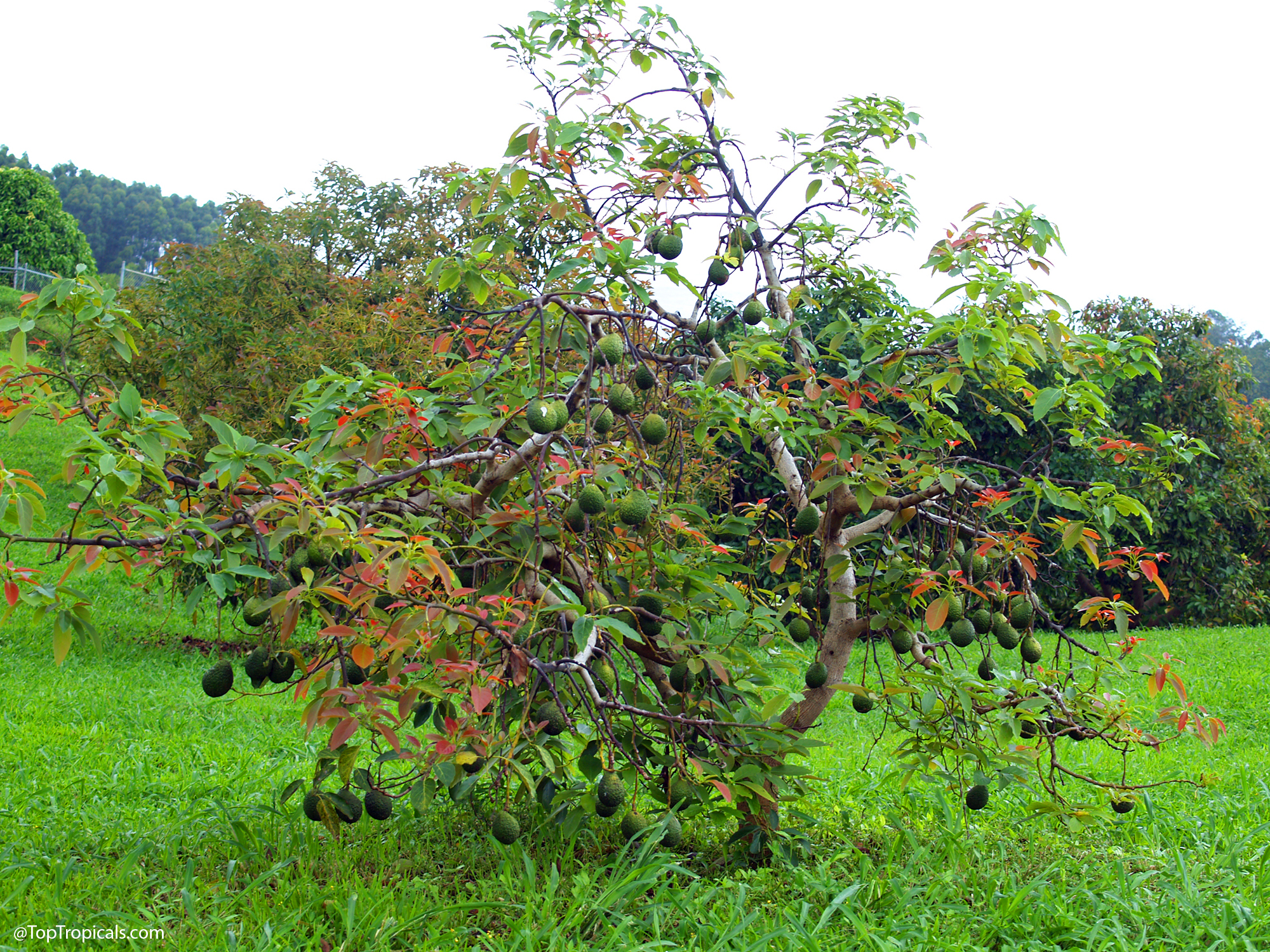
Fuerte is very productive, cold hardy, and is one of very few dwarf avocado varieties that stay compact in the garden and easy to grow in container.

Date: 2 Apr 2026

Skip the Egg Hunt - Start a Plant Hunt 🐰

Smokey  the  black-and-white  cat  with  glasses  sits  on  a  patio  taking 
 notes  while  Sunshine,  a  fluffy  orange  cat  wearing  bunny  ears,  holds  a  small 
 potted  mango  tree  with  light  yellow 
 flowers.
Sunshine: I went egg hunting. Found something better. Let’s grow it on the balcony. Mango-filled donuts, here I come.

Smokey: Finally. You’re thinking.

Read more about Smokey & Sunshine

Groundhog said long winter… and it sure felt like it. But now it is finally over, and balconies and patios are waking up again.

Easter is here, and with it comes that fresh start feeling - time to open the doors, bring plants back out, and start growing.

We made it through the cold. For northern gardeners, that is every year; for borderline zones, it is a reminder that freezes happen. That is exactly why growing in pots makes sense - you stay flexible.

Container growing is not just about pots - it is about choosing the right plants. The best options stay manageable, produce well, and handle being moved.

Let's look at what works. Start with plants that naturally stay compact and adapt well to containers. These are the ones that won’t outgrow your space and will reward you quickly. These are proven performers in containers - compact, productive, and easy to manage:

Simple rule: if it stays compact and handles pruning, it works in a container.

Skip the egg hunt this year - go on a plant hunt instead. Start with one or two plants this Easter - not ten. Get them established, learn how they grow, and then expand.

Container basics (keep it simple):

  • Pot size: start with 3–7 gallon, upgrade as plant grows
  • Soil: fast-draining mix (never heavy garden soil)
  • Water: soak well, then let top inch dry
  • Feeding: consistent light feeding works better than heavy doses
  • Sun: most tropicals want full sun (6+ hours)

🐣 Browse our Easter Container Collection

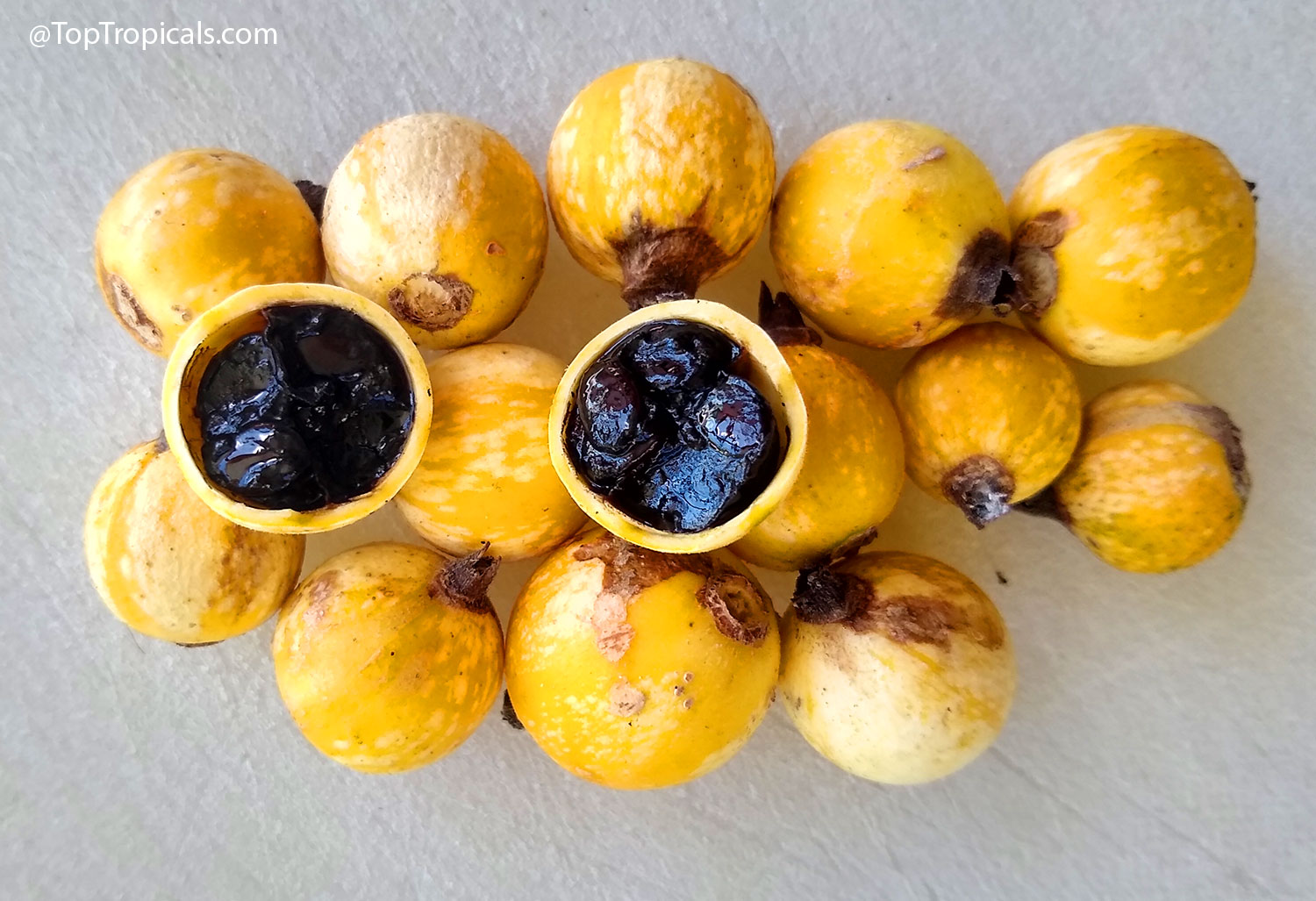
Randia  formosa  (Blackberry  Jam  Fruit)  showing  yellow  ripe  fruits,  some 
 cut  open  to  reveal  glossy  dark  pulp 
 inside.

Randia formosa - Blackberry Jam Fruit

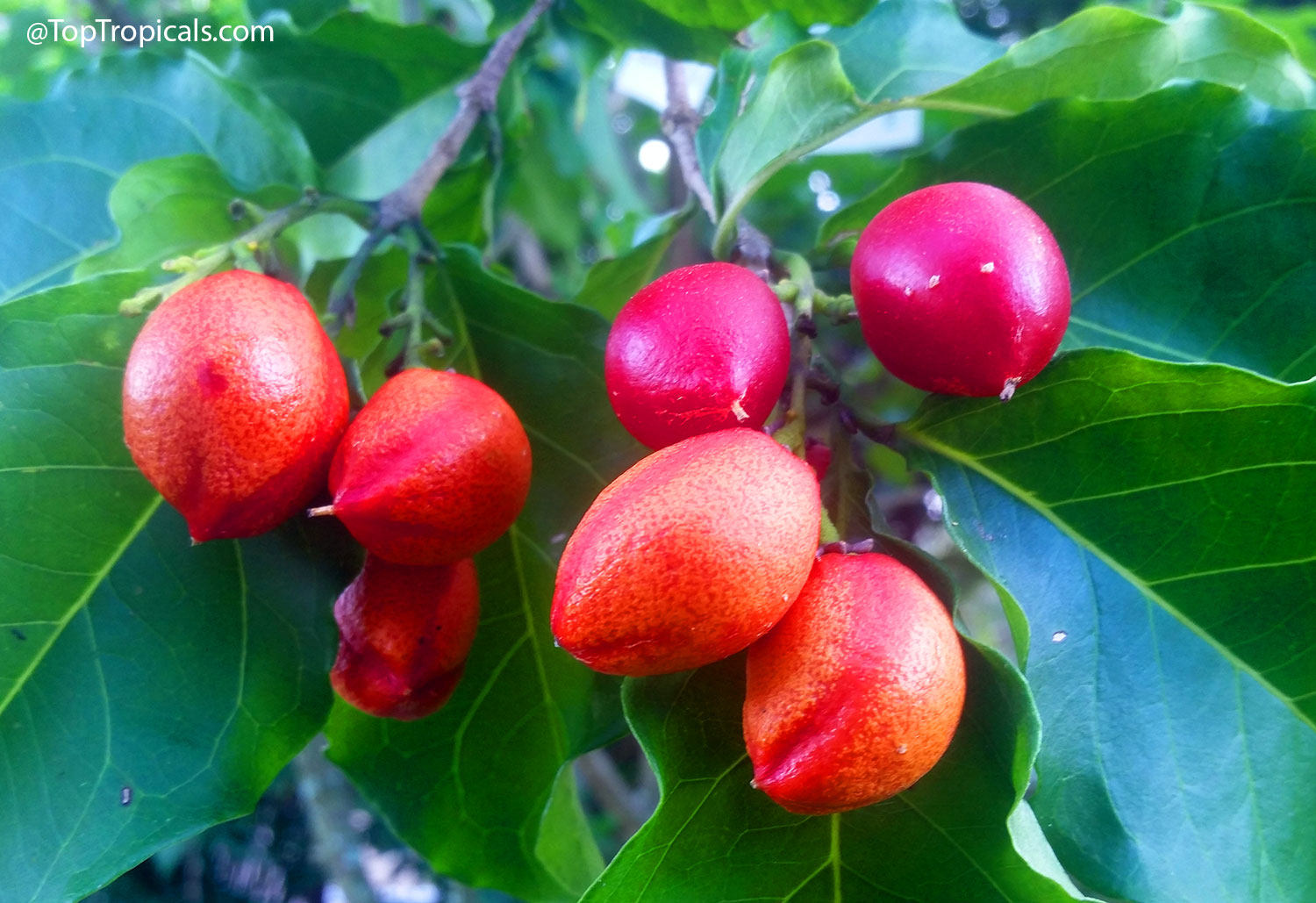
Bunchosia  argentea  (Peanut  Butter  Fruit)  showing  clusters  of  red  ripe 
 fruits  on  a  leafy 
 branch.

Bunchosia argentea - Peanut Butter Fruit

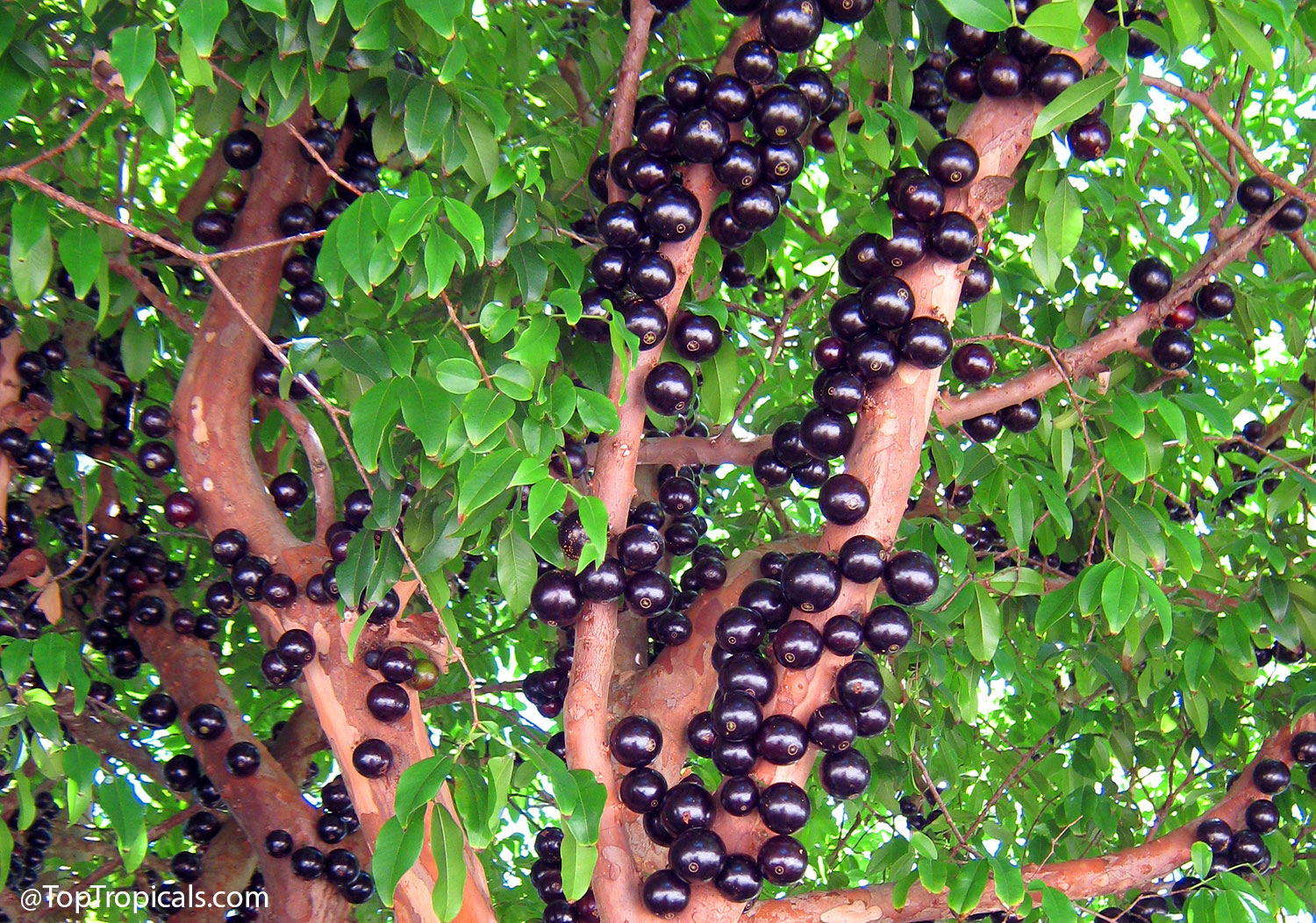
Myrciaria  cauliflora  (Jaboticaba)  tree  with  clusters  of  dark 
 purple-black  fruits  growing  directly  on  the 
 trunk.

Myrciaria cauliflora - Jaboticaba

Eugenia  brasiliensis  (Grumichama)  with  red  ripe  cherries  hanging  from  a
   branch  against  blue 
 sky.

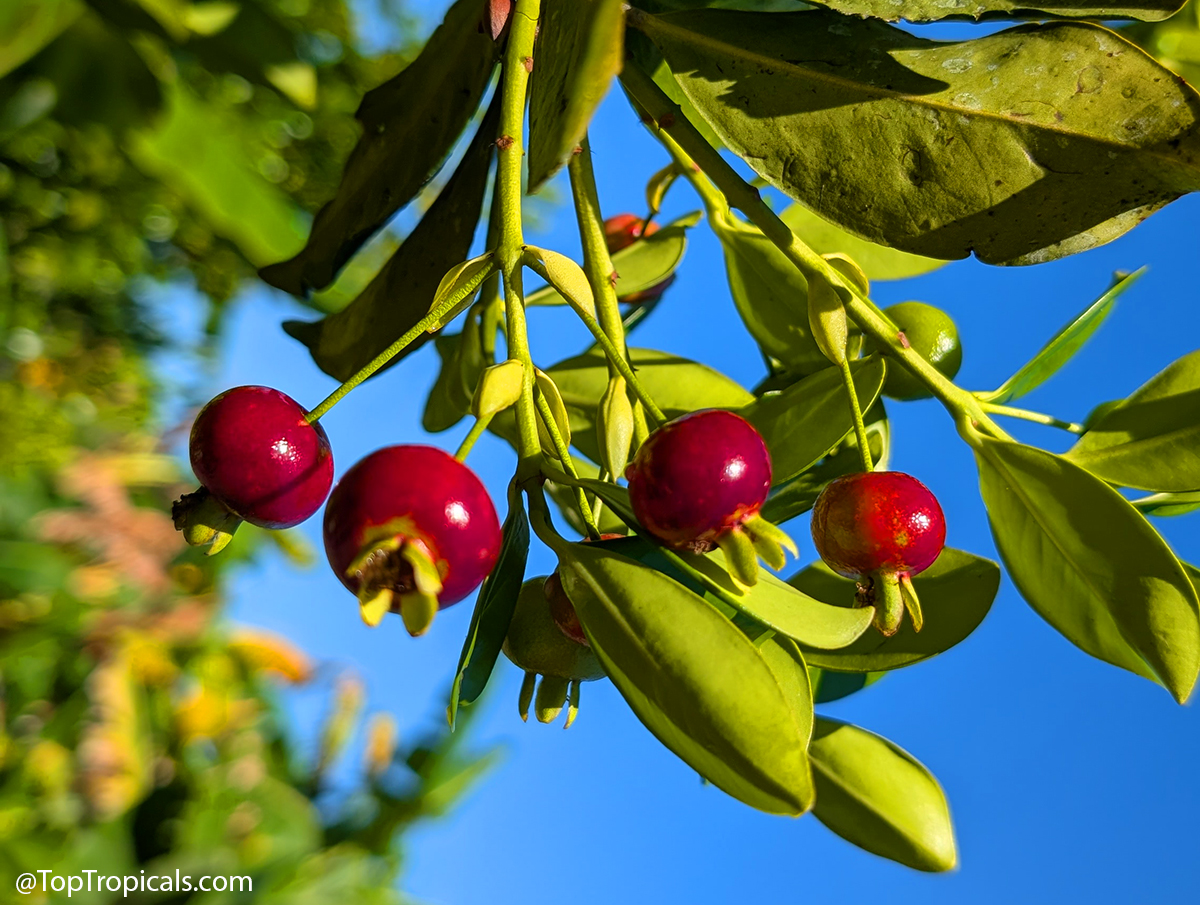
Eugenia brazilensis - Grumichama and more Eugenia Cherries

Date: 10 Sep 2024

We remember 9/11, and we always will

Two  kittens,  black  and  white,  with  American  Flag

"Darkness cannot drive out darkness; only light can do that. Hate cannot drive out hate; only love can do that." - Martin Luther King Jr.

As this day approaches, the weight of its memories fills our hearts - honoring the lives lost, the bravery of the heroes, and the resilience that carried us through such a difficult time.

In our journey of healing, let us stand united, supporting one another with love, kindness, and understanding. In times like these, tolerance and mutual respect, regardless of our differences, become gifts we share with the world.

Take a moment to appreciate what we have today, the people who surround us, and the ones who love us. Cherish them while they are here - today. Give a hug to those you love while you have the chance.

Nature offers us healing power in its quiet way. Fragrant flowers calm the mind, young fruiting trees represent renewal, every plant reminds us of life's resilience. As we reflect, may the beauty and growth around us help us find peace, and remind us of the strength that comes from standing together.

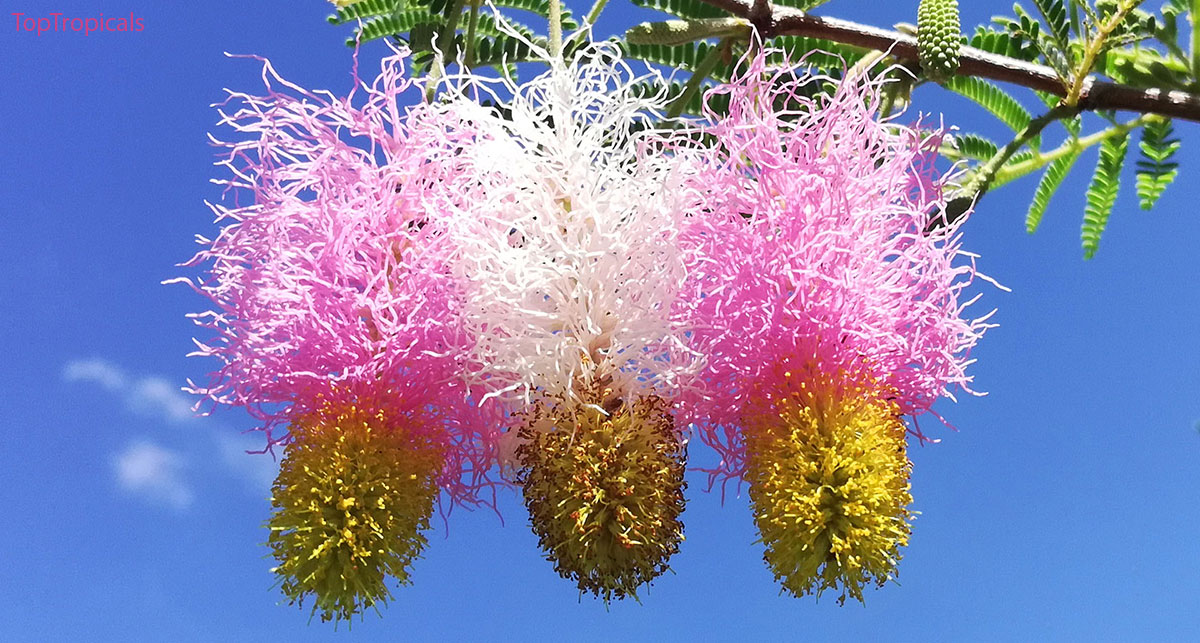
Dichrostachys  cinerea  -  Princess  Earrings,  Sickle  bush

In the photo above: Dichrostachys cinerea - Princess Earrings, Sickle bush from West Africa is one of the most unusual and unforgettable flowers of cheerful color combination... Let them bring hope, joy and sunshine into your day.

Date: 20 Oct 2025

11 tropical fruits to eat instead of taking a fiber supplement

Tropical fruits to eat instead of taking a fiber supplement

Tropical fruits to eat instead of taking a fiber supplement

🍑 11 tropical fruits to eat instead of taking a fiber supplement

  • When we think of tropical fruit, we picture sweetness, sunshine, and exotic flavors packed with vitamin C. But beneath all that juicy goodness lies another gift: dietary fiber - quietly working to support digestion, feed the gut microbiome, and help keep blood sugar steady.
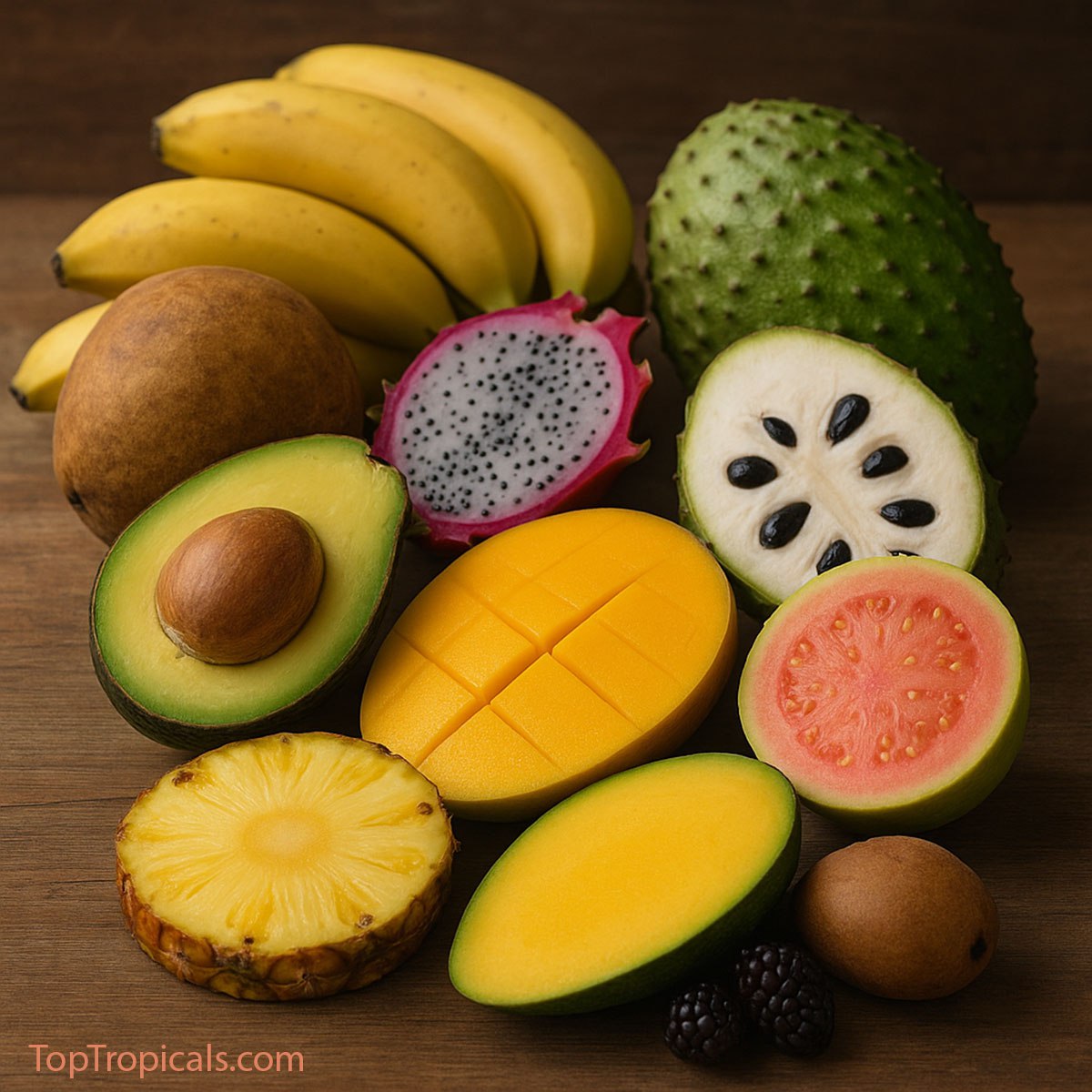
  • Avocado leads the pack among tropical fruits for fiber content. One creamy, ripe fruit can provide around 10 grams of fiber, roughly a third of an adult’s daily need. And there’s more to avocado than fiber - it’s also rich in healthy fats, micronutrients, and that silky texture everyone loves.
  • Other tropical fruits bring their own kind of fiber strength. Guava delivers up to 9 grams per cup, plus a burst of vitamin C.
  • Mango offers about 3 grams in half a fruit, especially when eaten with some of the skin.
  • Pineapple, though not always seen as a fiber powerhouse, still contributes around 2 grams per cup, along with bromelain, the enzyme that helps digestion.
  • Jackfruit’s fibrous pulp makes it another standout - it’s so meaty, it’s even used as a plant-based substitute in savory dishes.
  • Sapote fruit (Mamey, Canistel) and Sapodilla add fiber with a smooth, custard-like texture.
  • Adventurous tropical varieties like Annona (custard apple, soursop) may not top the charts in fiber numbers, but their soft, fibrous flesh still adds value: about 1.3 grams of fiber per 100 grams of fruit.
  • Bananas contain both soluble and insoluble fiber; the soluble part (mainly pectin) helps control blood sugar and appetite, while the insoluble fiber aids regularity.
  • Mulberries are rich in insoluble fiber, especially in their skin, supporting digestion and promoting healthy bowel movements.
  • Dragon fruit offers a mix of soluble fiber in its juicy flesh and insoluble fiber from its tiny edible seeds, which help support gut health and feed good bacteria.

These fruits aren’t just delicious - they help you meet your daily fiber needs in ways that are far more enjoyable (and sustainable) than taking supplements. And when home gardeners, farmers, or tropical communities grow and share them, it’s a double win: nutrition and tradition hand in hand.

✔️ Tropical fiber power: tips for getting more fiber from tropical fruits

  • ⏺Eat whole, not juiced. Most of the fiber is in the pulp, skin, and seeds. Juicing removes much of that goodness.
  • ⏺Mix it up. Tropical fruits are great, but balance them with legumes, whole grains, nuts, and veggies for a full fiber range.
  • ⏺Take it slow. If your diet is low in fiber, increase gradually to avoid bloating or discomfort.
  • ⏺Drink plenty of water. Fiber works best when paired with hydration.
  • ⏺Mind the ripeness. Unripe fruits can have more resistant starch, another form of fiber.
  • ⏺Get creative. Toss tropical fruits into smoothies, salsas, breakfast bowls, or even desserts - a tasty stealth-fiber strategy.


🛒 Plant a fruit tree to harvest your fruit tomorrow

📚 Learn more:


Tropical fruit health benefits guide - what fruit and edibles can help with health issues and vitamin deficiencies, Part 1 and Part 2.

#Food_Forest #Remedies #Discover #How_to

🟢 Join 👉 TopTropicals

Date: 7 Dec 2025

Whats for breakfast? Guava versus Banana

Smokey: Guava for fiber, banana for power. Pick wisely.
Sunshine: I pick whatever requires zero effort.
Smokey: So... guava in a hammock. Perfect.

Smokey: Guava for fiber, banana for power. Pick wisely. Sunshine: I pick whatever requires zero effort. Smokey: So... guava in a hammock. Perfect.

🍉🍌 What's for breakfast? Guava versus Banana


Some mornings you want something light. Some mornings you want something that hits like a tiny energy bomb. That’s why people always compare guava and banana. Both are everywhere, easy to eat, and trusted since forever - from Ayurveda scrolls to modern nutrition charts.

But they’re not the same kind of morning fruit. Let’s walk through them like we’re in the kitchen deciding what to slice first.
  • 🍉 Guava - the fiber champion


    Guava looks innocent, but it’s one of the most nutrient-dense fruits.
    Per 100 g: 68 calories, 5.4 g fiber, over 200 mg vitamin C, a little protein, and solid potassium.

    Fiber does most of the work. It smooths digestion, keeps you full, and steadies blood sugar. Vitamin C boosts immunity, and antioxidants reduce inflammation. Studies suggest guava lowers LDL and triglycerides. Not bad for a tennis-ball-size fruit.


🍌 Banana - the quick energy classic


Bananas are the opposite personality: soft, sweet, ready in seconds.
Per 100 g: 89 calories, 22 g carbs, good potassium, and a little vitamin B6.

Bananas give fast energy without upsetting the stomach. Athletes eat them before workouts because carbs, sugars, and potassium wake up your muscles. Vitamin B6 helps mood and brain function, which is why a banana on a groggy morning works wonders.

They also pack antioxidants, polyphenols, and heart-protective compounds. Even the peel has nutrients (though not exactly breakfast-friendly).

📊 What studies say - quick notes

  • · Guava: anti-inflammatory, anti-hypertensive, anti-obesity, antioxidant, antidiabetic, antidiarrheal, boosts hemoglobin, supports dental health.
  • · Banana: antioxidants, fiber, vitamins C and E, carotenoids, flavonoids, and heart-protective compounds.


🔮 What Ayurveda says

  • · Guava calms Pitta and Kapha - great for acidity or sluggish digestion.
  • · Bananas balance Vata - grounding and nourishing - but can raise Kapha at night. Morning banana = good. Night banana = maybe skip.


🏆 Guava or banana - which one wins?


Both win, just in different ways:
  • 🍉 Pick guava for:


· light, high-fiber start
  • · better digestion
  • · steady energy
  • · low calories
  • · weight control


🍌 Pick banana for:

  • · instant energy
  • · easy digestion
  • · pre-workout boost
  • · quick carbs
  • · soft, comforting fruit

  • 🍉 Slow mornings love guava.

🍌 Busy mornings belong to banana.

For home growers


If you live in a warm climate, both fruits are incredibly rewarding to grow.

🍉 Why grow guava?

  • · Fruits in 1-2 years.
  • · Compact for small yards or containers.
  • · Super productive when mature.
  • · Needs only sun, warmth, and pruning.
  • · Homegrown flavor is sweeter and more aromatic.


🍌 Why grow banana?

  • · Grows fast and looks lush.
  • · One mat can feed a whole household.
  • · Dwarf varieties fit small gardens.
  • · Homegrown bananas taste richer and creamier.
  • · When a bunch ripens, breakfast is handled for a week.

Growing your own fruit means you’re never out of a healthy breakfast. Something is always ripening, always ready to pick, and always sweeter than anything you buy.

✍️ Scientific reference


🛒 Grow your perfect breakfast for any day - Guava and Banana

📚 Learn more:


📱 Watch YouTube short videos:


#Food_Forest #Bananas #Guava #Remedies #Discover

🟢 Join 👉 TopTropicals