Garden Blog - Top Tropicals

Date: 15 Jun 2026

Beautiful masterpiece

Beautiful masterpiece

🔤 Beautiful masterpiece


"My garden is my most beautiful masterpiece." - Claude Monet

🐈📸 Cat Mittens at TopTropicals PeopleCats.Garden.

#PeopleCats #Quotes

🟢 Join 👉 TopTropicals

Date: 15 Jun 2026

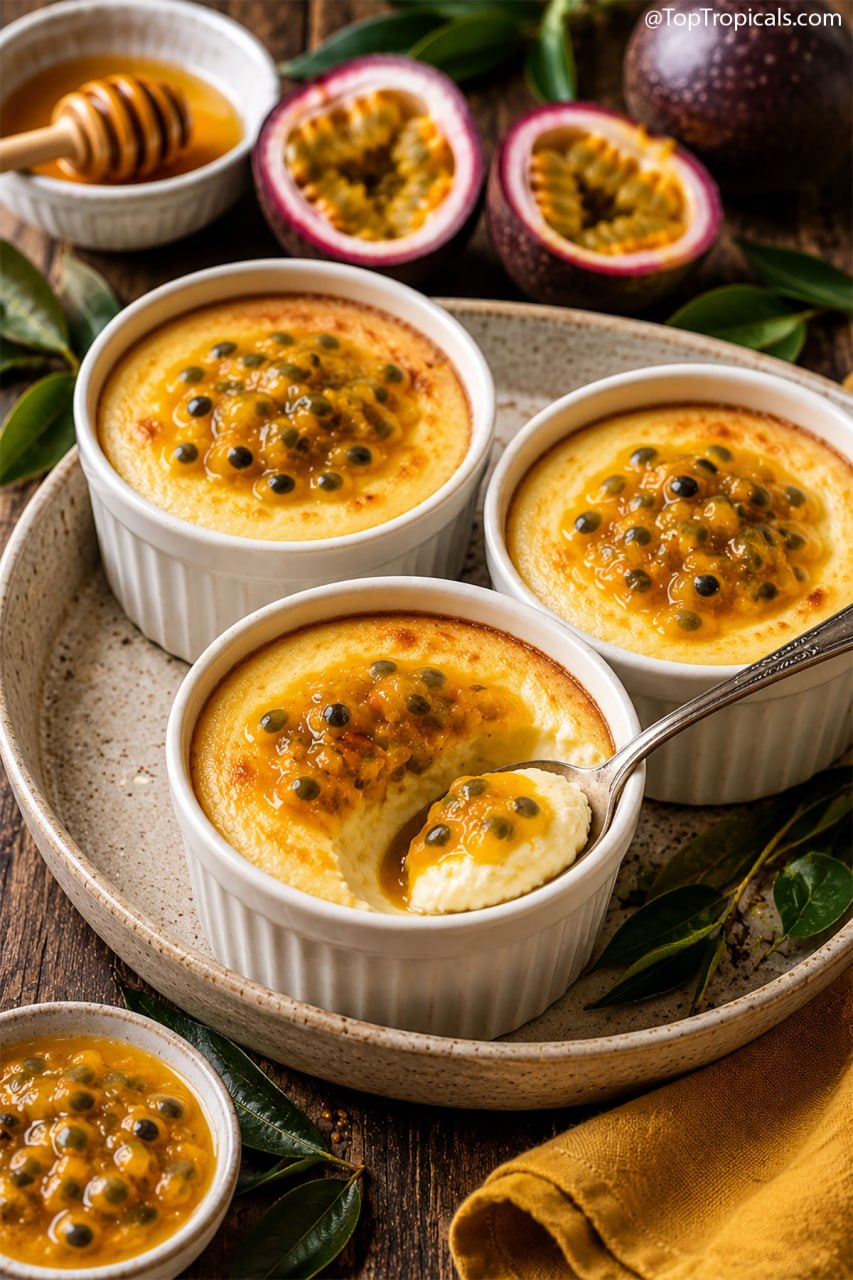
Passion fruit baked yogurt

Passion fruit baked yogurt Passion fruit baked yogurt
🍴 Passion fruit baked yogurt: quick-n-fun exotic recipes

🟡Stir fresh passion fruit pulp and a drizzle of honey into plain yogurt until evenly combined.
🟡Spoon the mixture into small ramekins and place them in a baking dish.
🟡Bake gently until the yogurt is just set but still slightly creamy in the center.
🟡Allow to cool, then chill for at least an hour to develop a smooth, custard-like texture.
🟡Top with a spoonful of fresh passion fruit pulp before serving for an extra burst of tropical flavor.

🌿 About the plant:


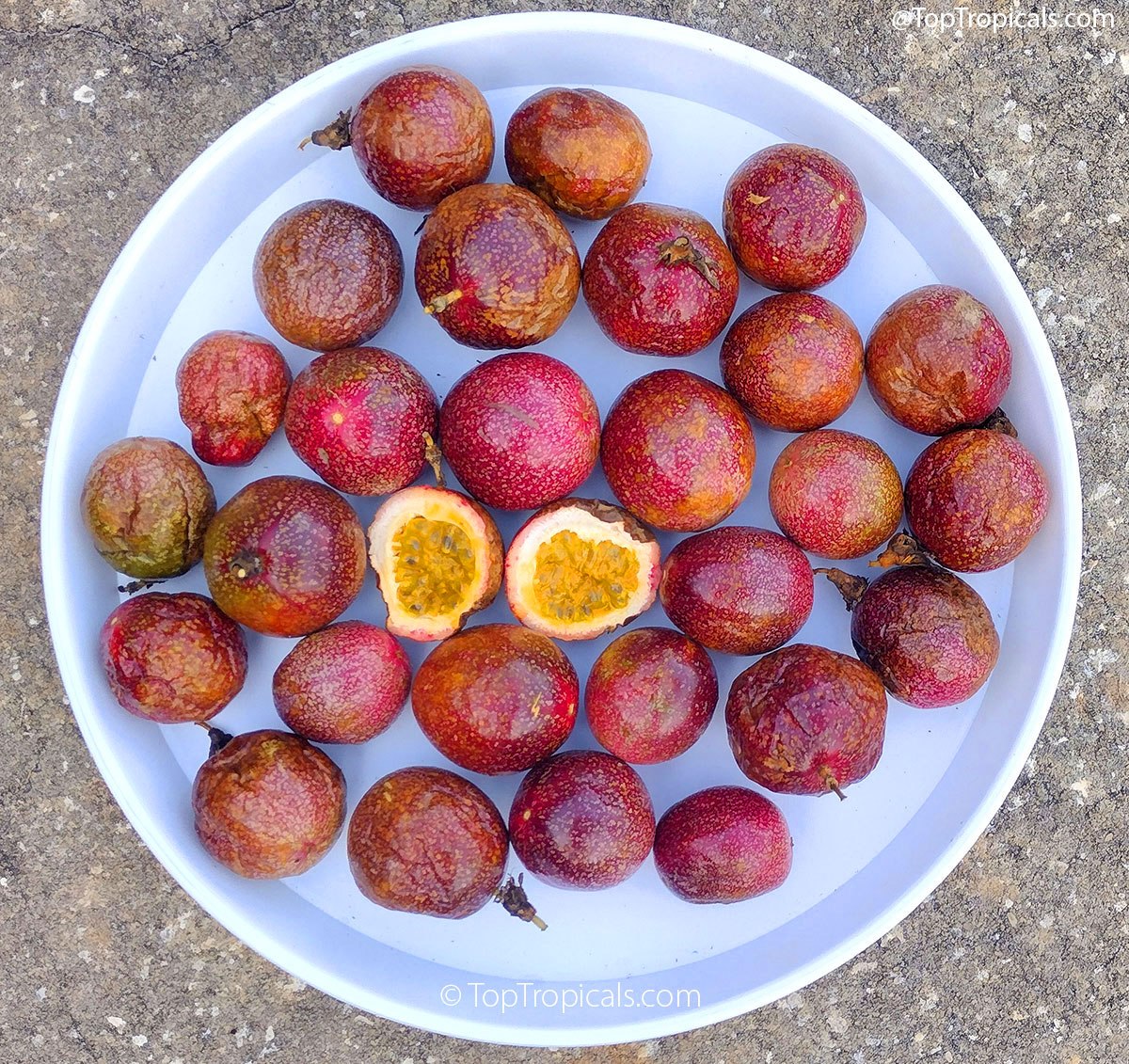
Passion fruit belongs to the genus Passiflora, known for its intricate, almost architectural flowers with layered filaments and bold central structures. The fruit develops after pollination, forming a tough rind around fragrant pulp.

🏡 In the garden:


Vines can grow aggressively in warm climates and quickly cover trellises or fences. Regular pruning after fruiting keeps the plant manageable and encourages new flowering growth.

🛒 Plant Passionfruit Vine - fast growing and rewarding

📚 Learn more:

Passion Fruit Plant Facts

Botanical name: Passiflora edulis
Also known as: Passion Fruit, Parcha, Maracuya, Granadilla
USDA Zone: 8 - 11
Highligths Vine or creeper plantFull sunWatering: Moderate. Water when top soil feels dryBlue, lavender, purple flowersWhite, off-white flowersEdible plantSubtropical plant. Mature plant cold hardy at least to 30s F for a short time
Get personalized tips for your region

Passiflora edulis in Plant Encyclopedia
Passion fruit butter glaze: quick-n-fun exotic recipes
The truth about Passion flower and Passion fruit.

#Food_Forest #Recipes

🟢 Join 👉 TopTropicals

Date: 15 Jun 2026

Pitaya Tricia: dragon fruit beyond pink and white - A Collectors Guide

Pitaya Tricia: dragon fruit beyond pink and white - A Collectors Guide

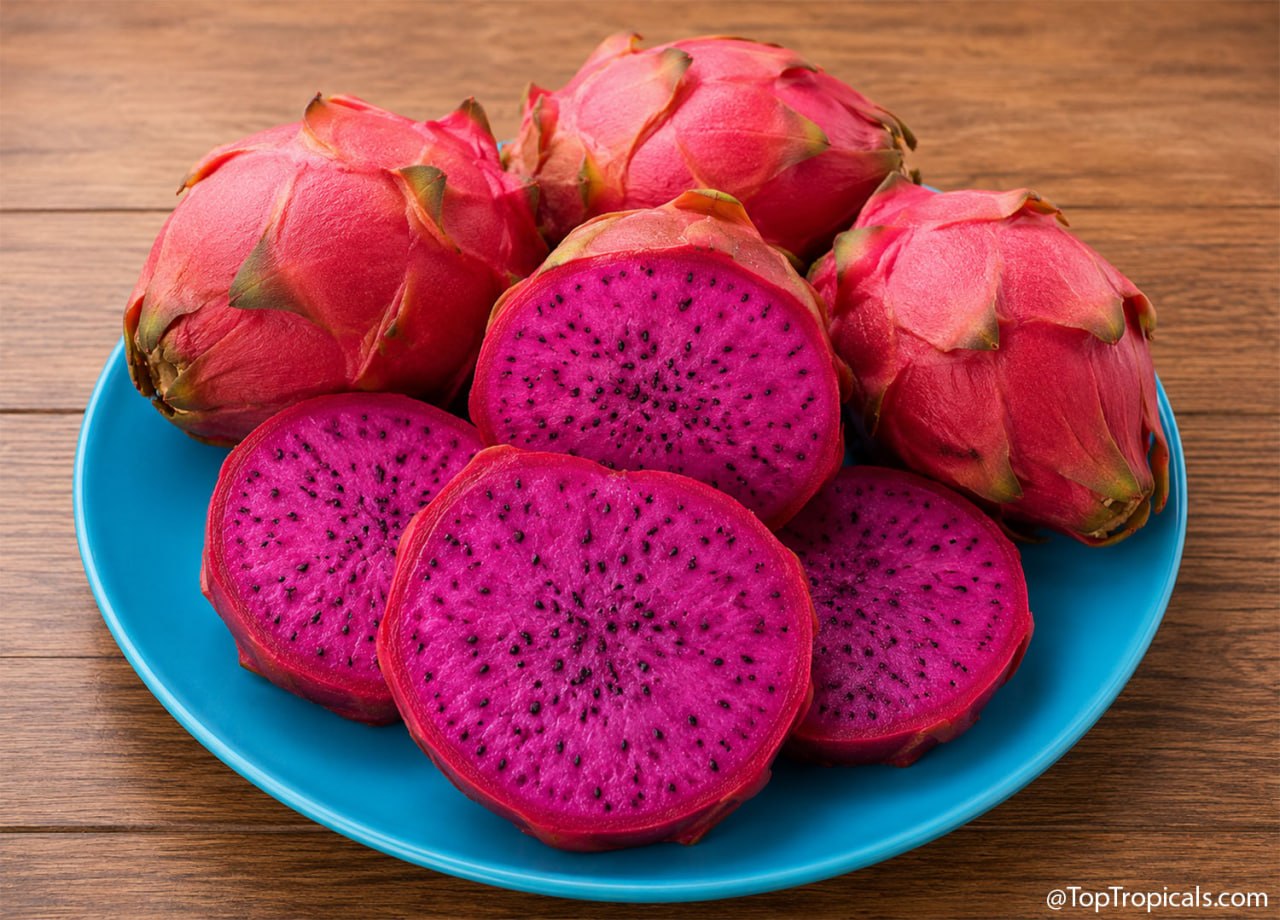
🍉 Pitaya Tricia: dragon fruit beyond pink and white - A Collector's Guide


Some dragon fruit varieties are known for their flavor. Others are prized for their appearance. Tricia manages to stand out for both.
Developed by California dragon fruit breeder Edgar Valdivia and named after one of his daughters, Tricia is a unique hybrid between Hylocereus polyrhizus and Hylocereus ocamponis. It combines striking ornamental qualities with excellent fruit and has become a favorite among serious dragon fruit collectors.


🔸 A plant that looks different from the start


Even before it flowers or fruits, Tricia catches attention.

The vigorous plant produces long, thick, three-sided stems with a distinctive grayish-green color. This natural gray coating helps protect the stems from intense summer sun and winter cold, giving the plant a rugged appearance unlike most dragon fruits.

The stems are heavily armed with large spines, a reminder of its wild ancestry.

🔸 Some of the most impressive flowers in the dragon fruit world


When Tricia reaches maturity, it produces spectacular summer blooms that can reach an astonishing 15 inches across.

The flowers are not only huge but also brightly colored and highly ornamental. From flower bud to bloom takes about 30 days, followed by another 30 days from flower to ripe fruit.

For many growers, the flowers alone make Tricia worth growing.

🔸 Large fruit with sweet magenta flesh

Once pollinated, Tricia produces attractive egg-shaped fruit averaging about one pound each. The fruit have numerous small fins that give them a distinctive appearance.

Inside is rich red flesh with a flavor that sets it apart from many dragon fruits. The fruit is sweet and flavorful, with little to no acidic aftertaste. The result is a smooth, pleasant flavor that many growers find easy to enjoy fresh out of hand.

🔸 A variety for collectors


Unlike self-fertile varieties, Tricia requires pollen from another dragon fruit variety and usually benefits from hand pollination. While this adds an extra step for growers, the reward is a unique plant with extraordinary flowers, unusual stems, and delicious fruit.

For collectors looking beyond ordinary dragon fruit varieties, Tricia offers something special at every stage of growth - from its distinctive gray stems to its giant blooms and sweet magenta-fleshed fruit. 👉 More...

🛒 Explore and collect Dragon Fruit varieties

📚 Learn more:

Pitaya Plant Facts

Botanical name: Hylocereus sp.
Also known as: Pitaya, Pitahaya, Dragon Fruit, Strawberry Pear
USDA Zone: 9 - 11
Highligths Large shrub 5-10 ft tallVine or creeper plantSemi-shadeFull sunWatering: Moderate. Water when top soil feels dryWhite, off-white flowersThorny or spinyEdible plantSubtropical plant. Mature plant cold hardy at least to 30s F for a short timeSeaside, salt tolerant plant
Get personalized tips for your region

· Dragon fruit Hylocereus in Plant Encyclopedia
· Pitaya "Sweet Red": dragon fruit beyond pink and white
· Pitaya Purple Haze: dragon fruit beyond pink and white
· Pitaya Hana: dragon fruit beyond pink and white
· Pitaya Eureka Red: dragon fruit beyond pink and white
· Pitaya David Bowie: Dragon Fruit Beyond Pink and White
· A Quick Guide to Dragon fruit varieties: Red, White, Yellow, Purple and more...
· What is the best Dragon fruit with red flesh?
· Planting your own Dragon Fruit plantation
· Do-It-Yourself Support Structure for Dragon Fruit
· Why you need to grow your own dragon fruit
· Do red, white and yellow Dragon fruit taste differently?

#Food_Forest #Dragon_Fruit #Discover

🟢 Join 👉 TopTropicals

Date: 14 Jun 2026

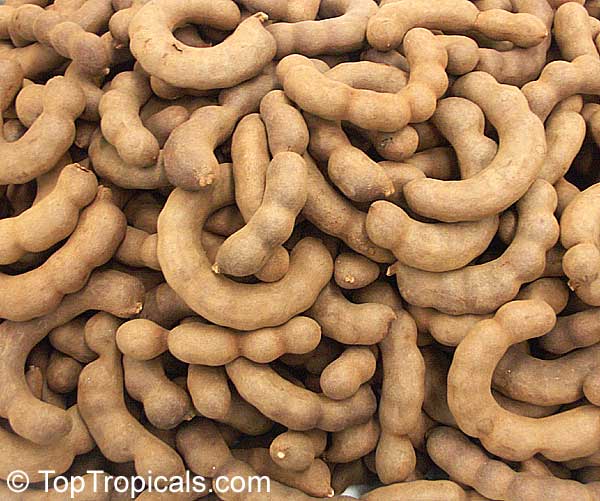
Thats my Tamarind!

🍴 That's my Tamarind!

🐈 Bob is thinking of a Tamarind recipe after harvesting at Top Tropicals PeopleCats.Garden 

🛒 Plant a Tamarind tree for summers drinks

📚 Learn more:

Tamarind Plant Facts

Botanical name: Tamarindus indica
Also known as: Tamarind, Sampalok
USDA Zone: 9 - 11
Highligths Large tree taller than 20 ftFull sunWatering: Moderate. Water when top soil feels dryEdible plantSubtropical plant. Mature plant cold hardy at least to 30s F for a short timeFlood tolerant plantSeaside, salt tolerant plant
Get personalized tips for your region

Tamarindus indica in Plant Encyclopedia
Tamarind Agua Fresca: quick-n-fun exotic recipes
Tamarind mango chutney: quick-n-fun exotic recipes
Tamarind shrimp stir-fry: quick-n-fun exotic recipes
Tamarind date dipping sauce: quick-n-fun exotic recipes
Top 10 fruit you'll ever need for your health benefits: #7 Tamarind
How to use Tamarind in cooking

#Food_Forest #Recipes #PeopleCats

🟢 Join 👉 TopTropicals
Date: 14 Jun 2026

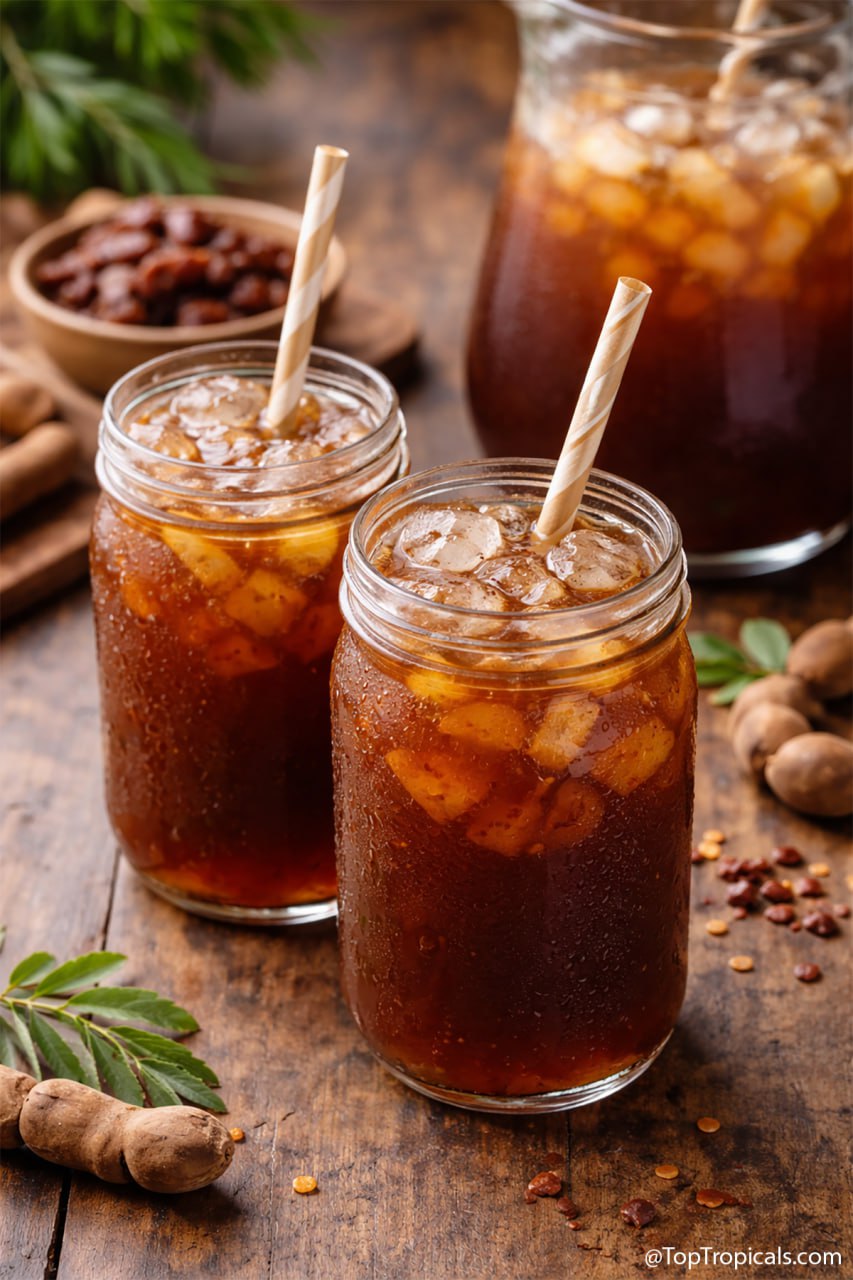
Tamarind Agua Fresca:

Tamarind Agua Fresca: Tamarind Agua Fresca:

🍴 Tamarind Agua Fresca: quick-n-fun exotic recipes


🟡Soak tamarind pulp in warm water, mash and strain.
🟡Add sugar to taste and serve over ice.
🟡Refreshing and bold.

🌿 About the plant:


In Mexico, tamarind drinks are incredibly popular. The pulp dissolves easily in water, creating a naturally tangy beverage without needing citrus.

🏡 In the garden:


Tamarind (Tamarindus indica) prefers full sun and good drainage. It is relatively low maintenance once established and rarely troubled by pests.

🛒 Plant a Tamarind tree for summers drinks

📚 Learn more:

Tamarind Plant Facts

Botanical name: Tamarindus indica
Also known as: Tamarind, Sampalok
USDA Zone: 9 - 11
Highligths Large tree taller than 20 ftFull sunWatering: Moderate. Water when top soil feels dryEdible plantSubtropical plant. Mature plant cold hardy at least to 30s F for a short timeFlood tolerant plantSeaside, salt tolerant plant
Get personalized tips for your region

Tamarindus indica in Plant Encyclopedia

#Food_Forest #Recipes

🟢 Join 👉 TopTropicals