Garden Blog - Top Tropicals

Date: 5 Jun 2026

Pitaya Eureka Red: dragon fruit beyond pink and white - A Collectors Guide
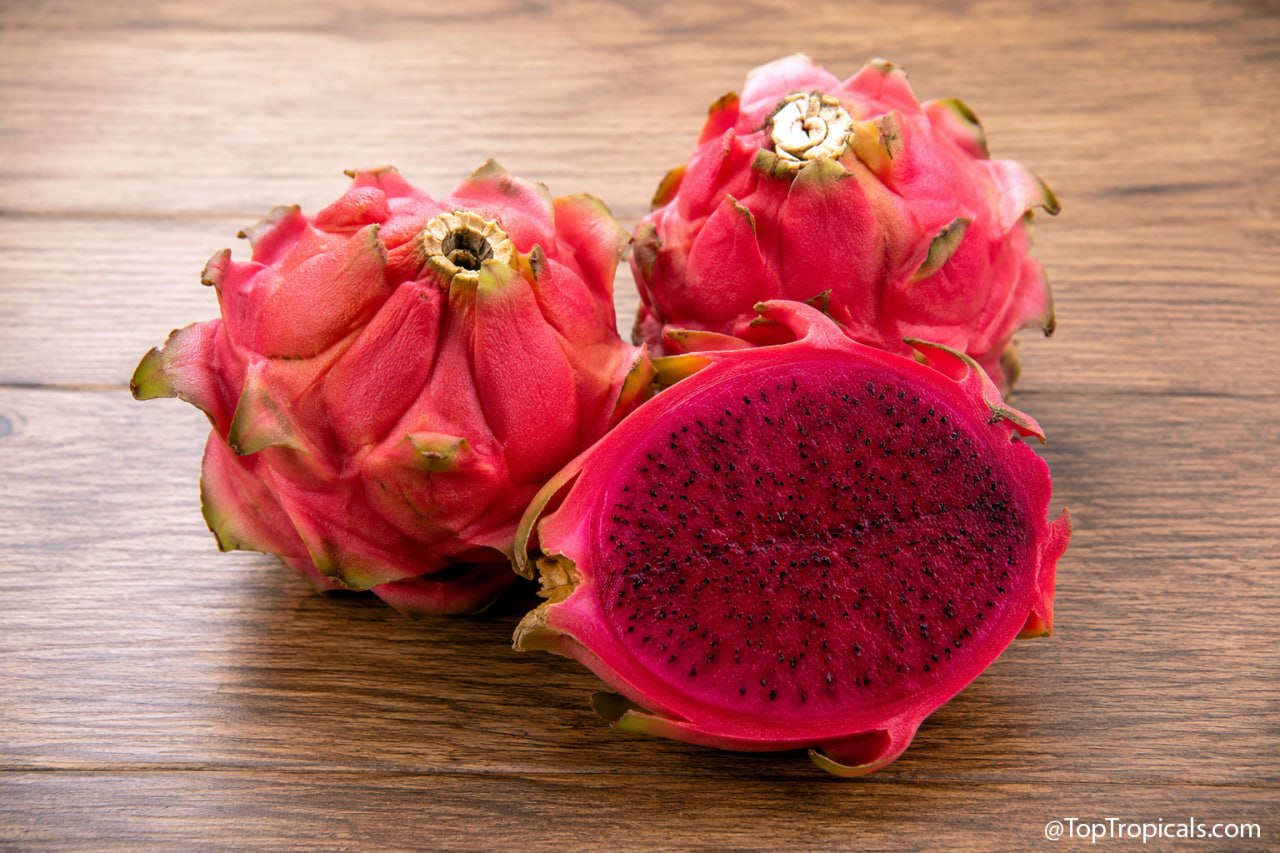
Pitaya Eureka Red: dragon fruit, Hylocereus

Pitaya Eureka Red: dragon fruit, Hylocereus

🍉 Pitaya Eureka Red: dragon fruit beyond pink and white - A Collector's Guide


Most people think dragon fruit is a mild, white-fleshed fruit with bright pink skin; then they discover Eureka Red - the highly sought-after, red-fleshed dragon fruit variet, a hybrid of Hylocereus polyrhizus and Hylocereus costaricensis. It is prized for its bold tropical flavor, intense sweetness, and vibrant, antioxidant-rich dark red juice. Originally selected in Nicaragua, Eureka Red is a self-pollinating variety that produces large fruit with deep red flesh and a flavor that is noticeably richer than many common white-fleshed dragon fruits. It belongs to a group of dragon fruits prized not only for their beauty but also for their intense color and higher antioxidant content.

🔸 A fruit that stands out


The first thing you'll notice is the flesh. Slice open a ripe Eureka Red and you'll find a vivid ruby-red interior packed with tiny black seeds. The contrast between the bright pink skin and dark red flesh makes it one of the most striking dragon fruits you can grow.

The fruit are typically large, often larger than many standard white-fleshed varieties, making them especially rewarding for home gardeners.

🔸More flavor than you might expect


Many people describe white-fleshed dragon fruits as refreshing and mildly sweet. Eureka Red takes things a step further.

The flavor is richer and more complex, with berry-like notes and a deeper sweetness balanced by a pleasant tang. The texture remains smooth and juicy, making it excellent for eating fresh, blending into smoothies, or adding dramatic color to fruit salads and desserts.

🔸 Easy to grow and productive


One reason Eureka Red has become popular among collectors is that it is self-pollinating. A single plant can produce fruit without requiring a second variety for cross-pollination.

Like other dragon fruits, it is a climbing cactus that thrives in warm climates, appreciates good drainage, and rewards growers with enormous fragrant white flowers that open after sunset. Once established, the plants can be remarkably productive.

🔸 Why collectors love it


Dragon fruit enthusiasts are always searching for varieties that combine beauty, flavor, and reliability. Eureka Red checks all three boxes. Its large fruit, deep red flesh, self-pollinating nature, and excellent flavor have earned it a place among the most desirable dragon fruit varieties for home gardens.

If you've only tasted the typical supermarket dragon fruit, Eureka Red is a reminder that the world of dragon fruits is far more colorful - and flavorful - than most people realize. 👉 More...

🛒 Explore and collect Dragon Fruit varieties

📚 Learn more:

Pitaya Plant Facts

Botanical name: Hylocereus sp.
Also known as: Pitaya, Pitahaya, Dragon Fruit, Strawberry Pear
USDA Zone: 9 - 11
Highligths Large shrub 5-10 ft tallVine or creeper plantSemi-shadeFull sunWatering: Moderate. Water when top soil feels dryWhite, off-white flowersThorny or spinyEdible plantSubtropical plant. Mature plant cold hardy at least to 30s F for a short timeSeaside, salt tolerant plant
Get personalized tips for your region

· Dragon fruit Hylocereus in Plant Encyclopedia
· Pitaya David Bowie: Dragon Fruit Beyond Pink and White
· A Quick Guide to Dragon fruit varieties: Red, White, Yellow, Purple and more...
· What is the best Dragon fruit with red flesh?
· Planting your own Dragon Fruit plantation
· Do-It-Yourself Support Structure for Dragon Fruit
· Why you need to grow your own dragon fruit
· Do red, white and yellow Dragon fruit taste differently?

#Food_Forest #Dragon_Fruit #Discover

🟢 Join 👉 TopTropicals

Date: 23 May 2024

Index of TopTropicals Telegram Channel

Index of TopTropicals Telegram Channel

🗂 Index of TopTropicals Telegram Channel


Follow these tags to find your interests:

#Butterfly_Plants - Butterfly attracting plants.

#Container_Garden - Plants suitable for container garden and indoor culture; 🌸 #Adenium an #PlumeriaRainbow

#Fertilizers - All the truth about fertilizers, plant food supplements, and our recommendations for different types of plants.

🥭 #Food_Forest - Fruit trees, Spice plants, and Edibles.
Including: #Avocado, #Mango, #Mango_Rainbow, #Papaya, #Guava, #Jackfruit, #Loquat, #Bananas, #Dragon_Fruit

📖 #Fun_Facts - interesting plant facts and legends, and #Discover articles

🌳 #Hedges_with_benefits - Practical approach to your landscape and how to properly select showy and useful plants for your yard.

♍️ #Horoscope - Plant Horoscopes and Cat Horoscopes. Did you know that cats also have their Zodiac signs?

🛠 #How_to - Q&A about growing plants, tropical garden lifehacks.

👀 #Nature_Wonders - Unusual, amusing, outrageous, bizarre plants...

🐈 #PeopleCats - our Favorite PeopleCats (and some PeopleDogs, too) and #Smokey_Sunshine series

🌸 #Perfume_Plants - Fragrant plants and perfume trees.

✍️ #Quotes - Interesting quotes.

#Recipes - Exotic recipes for tropical fruit and edibles.

💊 #Remedies - Medicinal plants, and #Discover - health benefits of plants and fruit

☁️ #Shade_Garden - Plants suitable for low light conditions.

🌼 #Trees - Spectacular flowering tropical trees.

🏆 #Win - Contests, Sweepstakes, and other #Fun specials.

🛍 #Discounts - hot sales and promotions for buying plants at TopTropicals.com

Join Our Chat room:
https://t.me/TopTropicalsChat

Subscribe and share with friends👇
T
opTropicals

Date: 9 Aug 2021

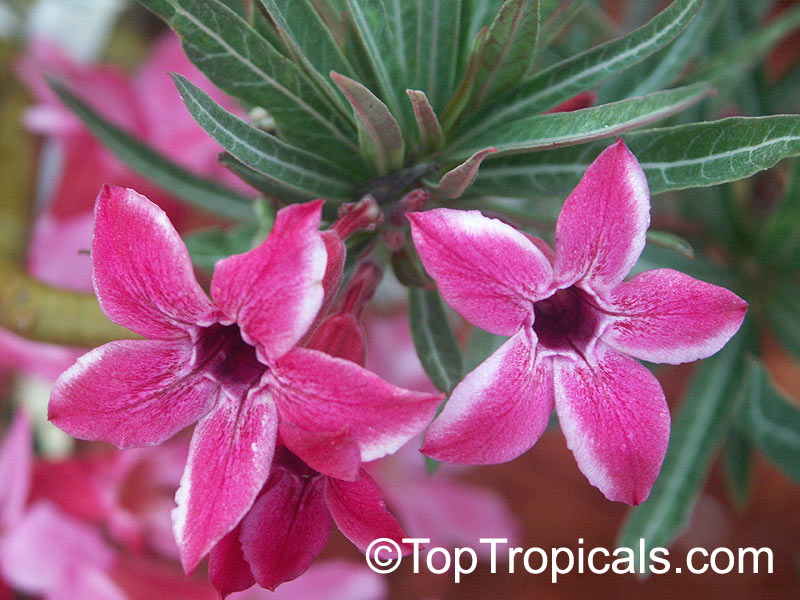
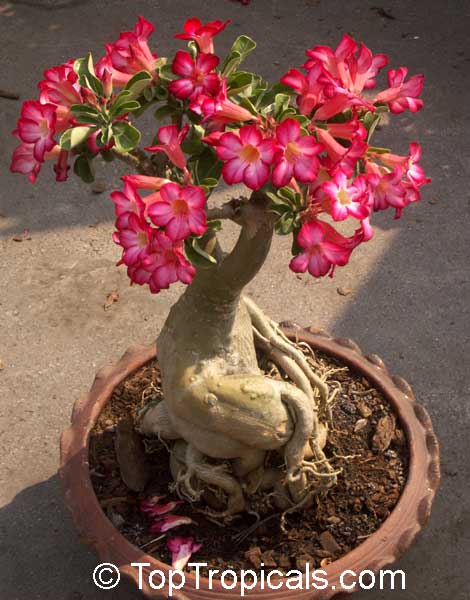
Care of Desert Roses

Q: I am looking forward to my three desert roses I just ordered from you and I am wondering how to take care of them, especially during winter time. Should I put the pots in full sun or shade? What kind of soil do they like? How often should I water them? When it gets cooler, should I bring them inside? We do have occasional frost here during winter.

A: Here are a few tips for your desert roses:

1. When received Adenium from mail-order, unpack carefully; branches are fragile. Plant in well-drained potting mix. Cactus mix will do, but we recommend special Adenium mix. If using regular acidic peat-based potting mix, you may add sea-shells on top of soil to neutralize acidity: adeniums prefer alkaline soils. Using clay pots is beneficial. Water once and do not water again until soil gets dry. Place in bright shade until new leaves sprout, then the plant can be moved to full sun.

2. Adenium is a succulent, but not a cactus. It needs watering, however let soil dry before waterings. Reduce watering during cool season and discontinue when plant gets dormant (drops all leaves in winter).

3. Bright light is the best for profuse flowering. However, adeniums look much healthier in slightly filtered light rather than in all-day full sun.

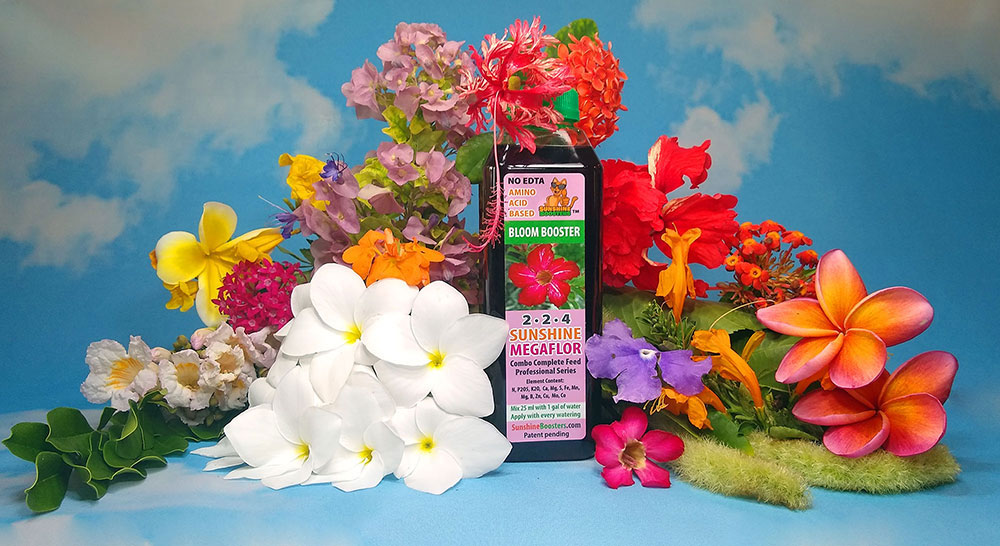
4. Fertilize and spray leaves with liquid fertilizer SUNSHINE Megaflor - Nutrition Bloom Booster. Phosphorous is responsible both for flowering and caudex development. Avoid caudex, spray over foliage only. Dry fertilizer can be used only during hot months.

5. Watch for spider mites during hot and dry season.

6. Give plants a break during winter dormant season. Keep in bright shade and reduce watering to 1-2 per month or stop watering if temperature is below 65F.

More info on growing Desert Roses:
What you need for successful growing Adeniums
Overwintering Adeniums outside of tropics
Growing Exotic Adeniums - Growing Exotic Adeniums

Date: 4 Jun 2021

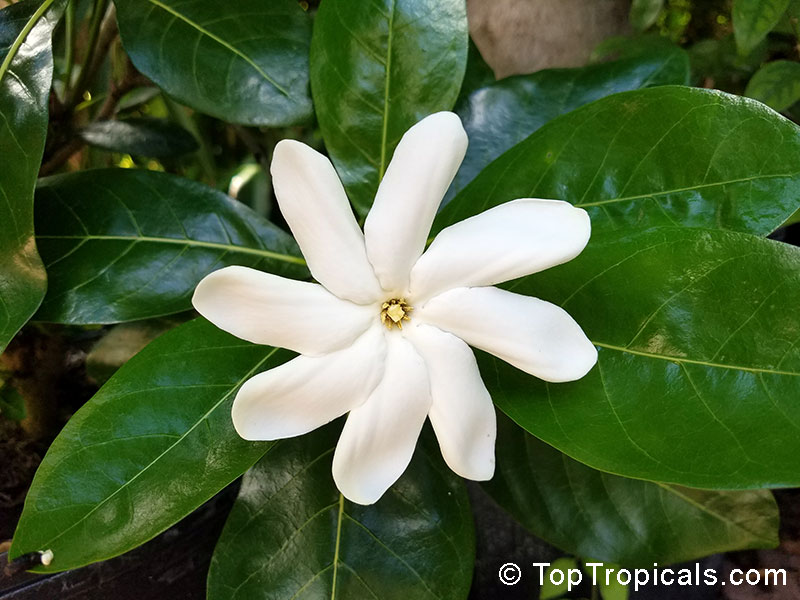
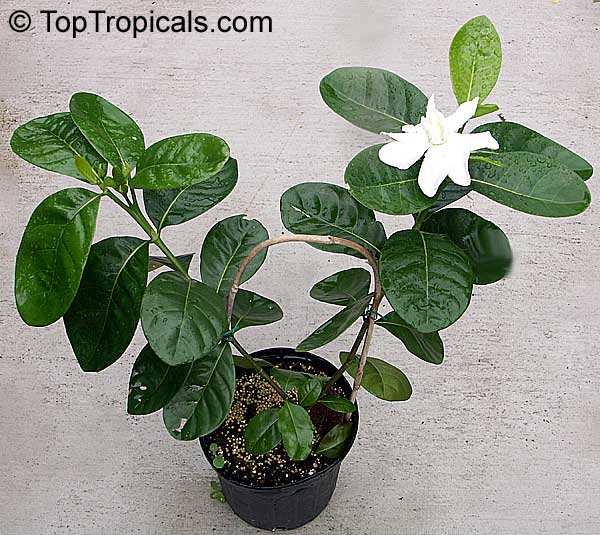
Tahitian Gardenia

Q: I am interested in your Tahitian Gardenia and I would love to try and grow this plant in a large container/fabric pot. The soil here where I live is terrible as it's hard rock, clay, and sand! So I'm not sure if amending the soil would help to plant in the ground? Can you tell me if this will do okay in a container or best in ground? I live here in Las Vegas, NV (zone 9a). Any information would be great to help me make a this decision, I love the selection of cool tropical plants you offer! Also my daughter does Tahitian/Polynesian dance and this would be a cool "topping on the cake" if she could have a live Tiare flower in her performances.

A: Tahitian Gardenia will be doing best if grown in container in your area. In its natural habitat, it grows full sun but also it enjoys mild weather conditions and high air humidity. All gardenias prefer acidic soils. In your area, if planted in the ground, it may be exposed to some harsh conditions: too high temperatures, too hot sun, dry air, and as you mentioned - heavy clay and sandy soil. You can enjoy this plant grown in container, which can be moved as needed away from too much sun during summer months. Use well-drained potting mix. Use plastic pot, do not use fabric or clay pots - soil will dry out too quickly.
Also remember to fertilize this plant on regular basis with a liquid fertilizer SUNSHINE Pikake - Fragrant Flower Booster.
Grow gardenia in full sun or semi-shade during the hottest months. You may spray it with pure water if the air too dry and hot. Enjoy your Tropical Beauty and good luck!

Date: 4 Sep 2020

Healthy Plant Food: Q&A from Mr Booster

Encouraging blooms on the Hawaiian Sunset Bell Vine

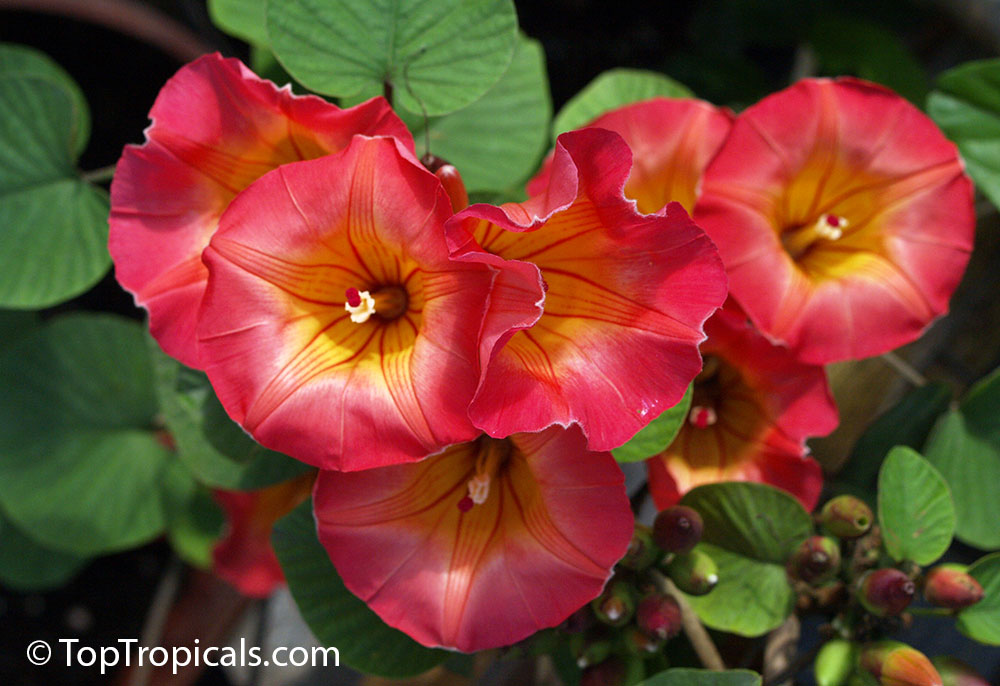
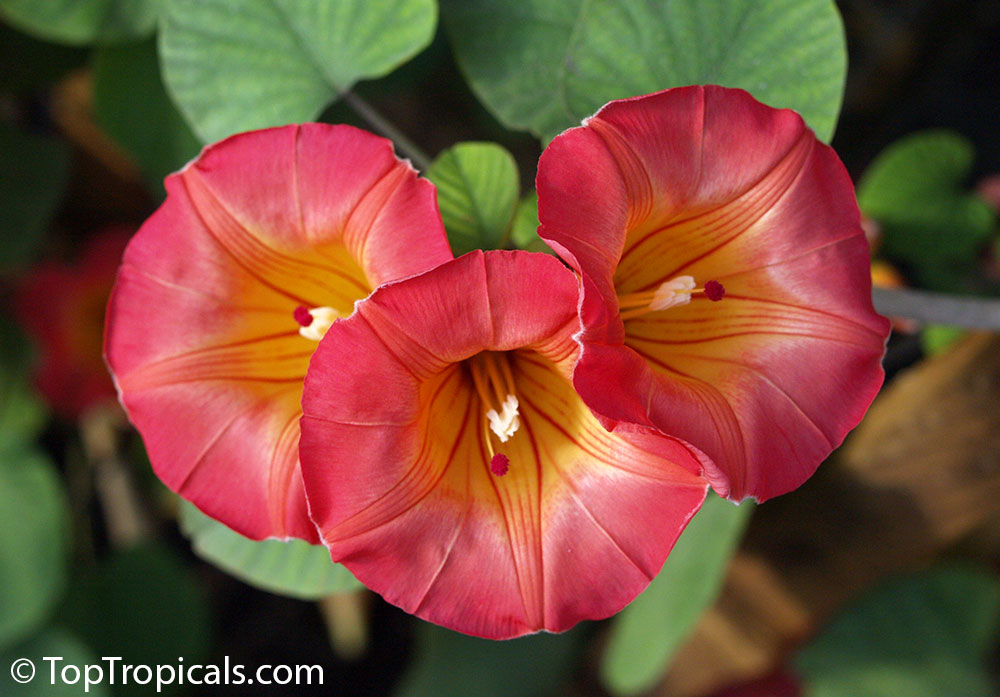
Q: Please can you advise how to encourage the Stictocardia beraviensis the Hawaiian Sunset Bell vine blooms? Mine is all beautiful leaves and full sun in Miami.

A: Providing full sun, Stictocardia blooms profusely. In your area, it should be happy and thriving. However, keep in mind that these flowers can be seasonal (meaning, not ever-blooming). The good news it, Hawaiian Sunset Bell usually blooms several times a year on and off. In our garden, we have a large plant growing in the ground and covering a whole fence; we see flowers 3 times a year:
- Early Spring
- Summer (sporadically)
- Late Fall to early Winter

Make sure to provide proper fertilizer to encourage blooms. It is especially important if you grow this plant in container (where nutrients are very limited). We suggest the following fertilizer for your Stictocardia:

SUNSHINE Megaflor - Bloom Nutrition Booster