Garden Blog - Top Tropicals

Date: 24 May 2019

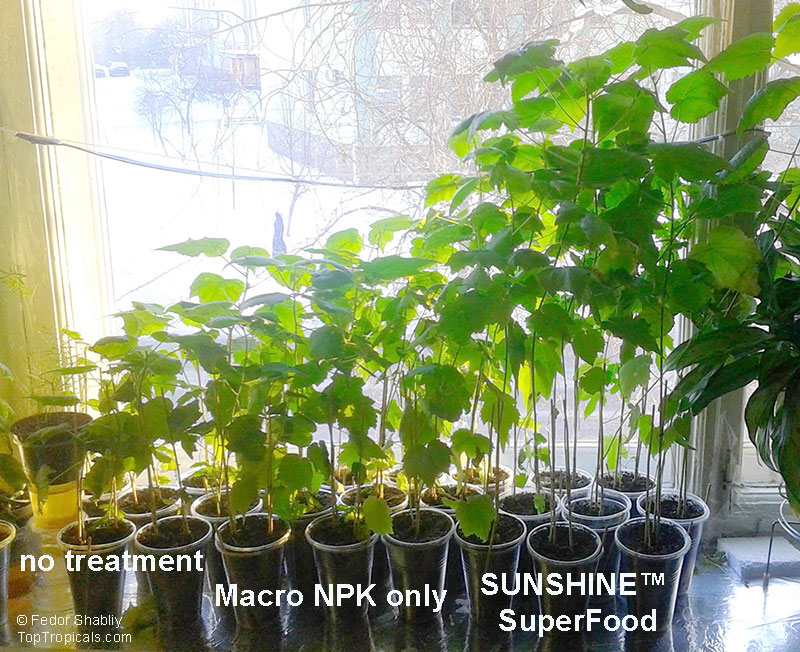
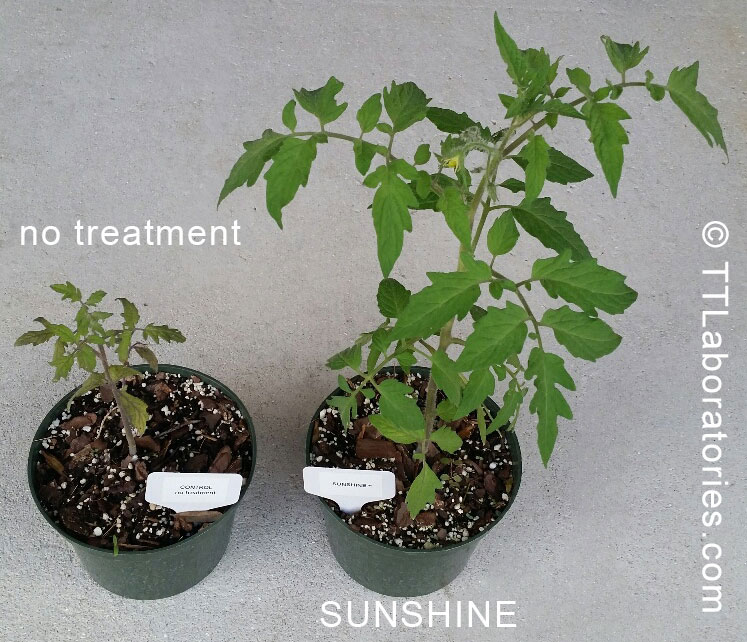
Synergy of SUNSHINE, biostimulants, and macro-micro

TopTropicals.com

Q: I've heard that plants grow better and bigger with SUNSHINE boosters and when using Myco-Mix instead of regular soil mix. Do they work like fertilizers? If I use a Myco-mix, do I still need a fertilizer?

A: SUNSHINE boosters are not fertilizers, they are natural plant hormones, or biostimulants, as well as Myco-Mix which is a naturally occurring compound or microbes. Biostimulants are becoming increasingly attractive to folks interested in sustainable agriculture, and very popular for plant growth or pest resistance. A plant biostimulant is not a fertilizer because it provides no nutritional value to the plants. But, it can promote greater nutrient and water use efficiency, increase resistance to pests and diseases, reduce abiotic stresses, and in turn, lead to plant growth and health.

To answer your question, you can not replace regular fertilizers (NPK) and micro-elements with plant boosters and stimulants. However, fertilizers and microelements will work more efficiently when used in combination with biostimulants. Together they create a synergy, so plants use the most of fertilizer's potential, and will grow a lot better, faster, and healthier.

4 components for the best growing results

1. SUNSHINE boosters. They are a must during the juvenile stage of plant development - seedlings and cuttings. They are especially important for recovery of weak or stressed plants (boosting their immune system).
2. SuperFood microelements
3. NPK fertilizers. Select from water-soluble and smart-release types and make sure do not exceed the recommended concentration. Lower dose and more frequent use is always better for a plant.
4. Specialized soilless mixes: Myco-Mix (with biostimulant Mycorrhiza) for exclusive growing projects and special/unique plants, Professional potting mix for potted plants, and Propagation mix for seeds and cuttings.

TopTropicals.com

Date: 14 Jul 2018

How to grow a Dragon Fruit

TopTropicals

Q: I want to grow a Dragon Fruit. Should I use cuttings or seed? What varieties do you recommend? How difficult it is to grow? How soon does it start flowering and fruiting?

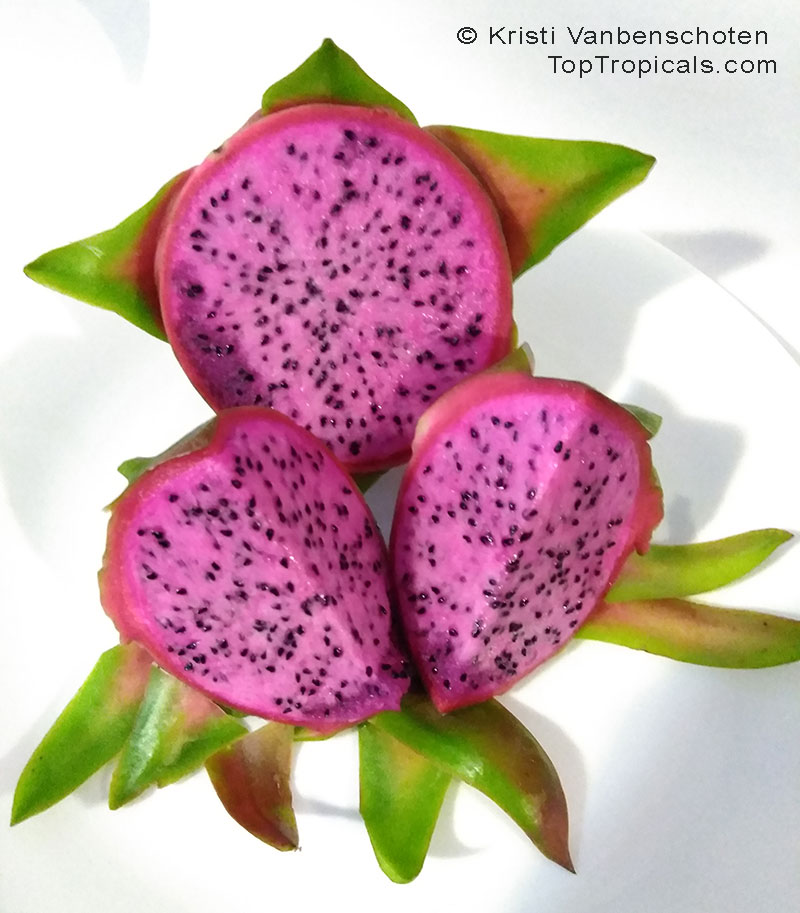
A: Dragon Fruit, or Pitaya is a highly prized, vining, fruit bearing cactus, extremely unusual terrestrial/epiphytic plant. It has magnificent flowers, stunningly beautiful fruit with an intense color, curious shape, and a delicious taste. The night blooming white flowers can be up to 14 inches in length. The fruit is most often eaten chilled and cut in half so the flesh may be spooned out. The juice is used in frozen drinks and it is in a new Tropicana Twister flavor. It is a must have for any collector or gardener with the flair for the unusual.
It takes 2-3 years for seedlings to fruit, besides the variety pay not come true to seed. We grow our plants from cuttings that are easy to root. We offer many selected varieties, most of them self-pollinating. The plants are ready to flower and fruit this year, or the next year.
Dragon Fruit Cactus is easy to grow, doesn't need much other than strong support, full sun, well-drained soil - adenium soil mix works great - and fertilizer during hot months, and SUNSHINE-Honey applications for growing sweeter fruit. For larger fruit bud thinning is recommended.

Check out Dragon Fruit varieties

Date: 23 Nov 2025

🏡 To Use Your Garden Or Be Used By It

Two  cats  in  a  garden  planting  a  young  tree.  Smokey,  a  black-and-white 


tuxedo  cat,  holds  a  small  shovel  and  works  the  soil,  while  Sunshine,  a 


fluffy  orange  tabby,  sits  smiling  beside  a  bag  of  garden 


soil.

Smokey and Sunshine November Planting.

Smokey: Winter roots make spring easy. Keep that plant straight.
Sunshine: I am keeping it straight by not touching it at all.
Smokey: That is exactly what I was afraid of.

November is the month when the garden finally stops yelling at you. The heat backs off, the bugs calm down, and the weeds take a breath. This is when we get to take control again. And as gardeners, we know the truth: Either you use your garden, or your garden will use you in spring. Let me walk you through this, gardener to gardener.

"November is when the garden finally listens. Give it a little direction now, shape it, guide it, and prepare it for spring. It will reward you all year." - Tatiana Anderson, Top Tropicals Plant Expert

🌴 When The Garden Uses You

We have all lived this scene:

  • March weeds appear, and two days later it looks like a jungle.
  • One missed watering turns into five wilted plants and a full week of recovery.
  • A skipped feeding shows up as yellow leaves and panic searching online.
  • Bugs return fast, and suddenly you are washing leaves every other day.
  • Random plant purchases fill your yard with chaos and mismatched care needs.
  • When the garden takes control, spring feels like hard work, not joy.
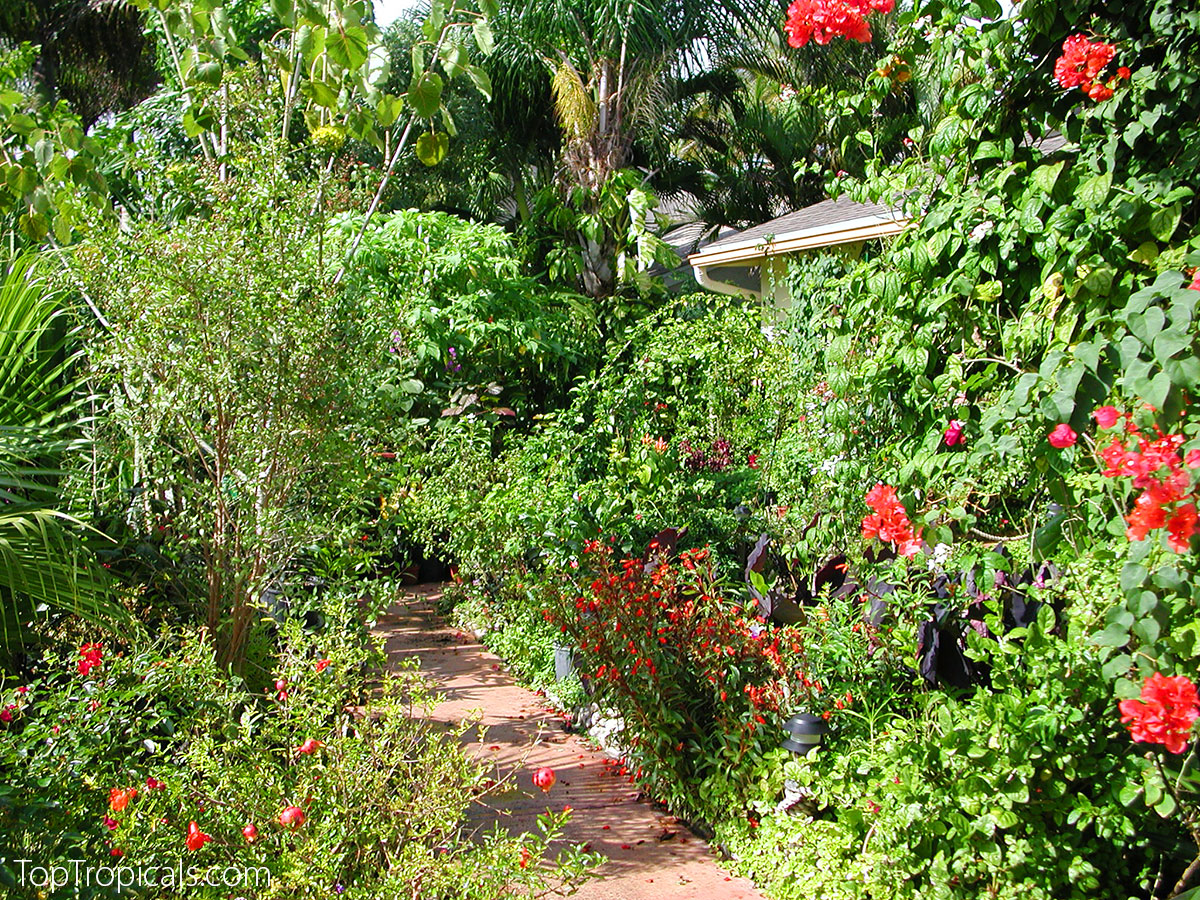
An  overgrown  tropical  garden  with  dense  foliage  and  vines  spilling  over
 
 
  a  walkway,  showing  how  a  garden  can  take  over  when  not  maintained.

Overgrown Tropical Garden Showing How a Garden Can Use You

📊 When You Use Your Garden

November flips the script. Plants slow down. Soil stays warm. This is the safest month to experiment, move plants, fix mistakes, and redesign.

What you do now pays off huge in March.

  • You map out sun zones and shade zones.
  • You mulch now so weeds do not explode later.
  • You move plants to better positions without heat stress.
  • You remove the high-drama plants before they start another season of complaints.
  • You pick what you want for next year instead of letting impulse buys rule you.

Spring becomes smooth instead of overwhelming. And honestly? It feels good to walk outside in March and see order instead of chaos.

A  neat,  organized  tropical  garden  with  trimmed  plants,  open  pathways, 


and  balanced  landscaping,  showing  how  a  gardener  can  use  and  direct  the 


garden.

In the photo: Every garden starts in small steps. Biquinho Pepper (front) in the garden.

What Benefit Do You Get Personally?

  • Less watering.
  • Fewer bugs.
  • Bigger fruit.
  • Better flowering.
  • Less money wasted.
  • Less time fixing problems you could have prevented now.

This is why experienced tropical gardeners adore November.

Garden

In the photo: Organized Tropical Garden. Firebush (lemon gold variety) and Cordylines (Ti Leaf) make colorful spots in the garden.

🐭 Start With Something Small Today (5 Minutes)

Pick one:

  • Add mulch to the driest spot in your yard.
  • Cut one dead branch from any tree.
  • Move one pot to a better sun angle.
  • Pull three weeds from the worst area.
  • Water deeply once this week.

Small steps now save hours later.

⭐ One Short Story

Last year we planted a Star Fruit in November. By March, it was already covered in flowers, and have been harvesting fruit non-stop since then! That is what winter planning does: it gives plants a head start you can actually see.

Young  Carambola  Star  Fruit  tree  fruiting

🐍 Plants That Will Use You If You Let Them

These are great plants, but only if you plan before planting them:

  • Banana (thirsty)
  • Hibiscus (hungry)
  • Brugmansia (sensitive)
  • Passion vine (takes over anything it touches)

Place them wrong, and they become full-time jobs.

An  overgrown  passion  vine  covering  a  garden  swing,  showing  how  a 


fast-growing  plant  can  take  over  when  not  maintained.

In the photo: Passion Vine taking over the swing.

🐰 Plants That Work For You

These feel like free upgrades to the yard:

Pick even one of these and your garden starts giving back.

A  landscaped  garden  path  with  a  Cattley  Guava  tree  featuring  a  twisted 


multicolor  trunk,  surrounded  by  trimmed  tropical  plants  and  decorative 


garden 


elements.

In the photo: Cattley Guava brings not only tasty fruit but also a wonderful character with its amazing multi-color twisted trunk.

🌡️ November Advantage

You cannot ruin anything in November. This is the safest, calmest month to shape your garden the way you want. If you act now, spring becomes a victory lap. If you wait, spring becomes a rescue mission.

A  landscaped  tropical  garden  with  a  potted  Adenium  in  full  bloom,  red 


Cordylines  behind  it,  and  neat  mulched  beds  with  decorative  garden 


elements.

In the photo: Adenium is a colorful accent in the garden.

💐 Thanksgiving Tie-In

This is the season to reset, breathe, and be thankful for your outdoor space. A garden that works for you is one of the best gifts you can give yourself going into the new year.

Start your November plan today. Use your garden. Do not let it use you.

A  neatly  designed  tropical  garden  bed  featuring  Megaskepasma,  iris, 


Colocasia,  colorful  Crotons,  Dracaena,  and  Ti  Leaf  plants  arranged  in 


mulched 


landscaping.

In the photo: Megaskepasma, Iris, Colocasia, Crotons, Dracaena and Ti Leaf bring instant tropical look to your garden.

Shop Fruit trees

Shop Flowering shrubs
Date: 26 Oct 2018

Improving cold hardiness before winter: fertilizer and micro-elements

TopTropicals.com

Q: I live in New Jersey and it is getting cool here, with temperatures in the upper 40s, but my tropical plant collection is in a heated sunroom (still around 70s). Should I continue fertilizing my plants? And if yes, my second question about deciduous Sugar Apple tree. Should I continue fertilizing it until it drops leaves?

A: First of all, even though you live outside tropical climate, your plants enjoy warm temperatures year round, and can be treated like if they were in a Southern garden.
Plant nutrients, both macro-elements (regular fertilizer) and micro-elements (such as iron, manganese, magnesium, copper, and other elements) play an important role not only in overall plant health but also in plant hardiness.
The rule of thumb is, even in warm climates we cut off any fertilizer by the end of October. You still have time for the last treatment this year (next will be in March, or when your plants start showing new growth). You may apply just a bit of slow-release granulated fertilizer, or water-soluble by foliar spray, diluted 1/2 of label strength, to all evergreen species in your collection.
The most important application before winter is micro-elements and other plant boosters that will help you plant collection survive winter months with a shorter daylight and cooler temperatures. Now it is a perfect time to make these simple steps:

1) Miscro-element applications, any one of: Superfood, Iron Supplement, Greenleaf.
2) Sunshine-T application: for improving cold hardiness, plus immune system resistance to insects and deceases.
3) Sunshine-Honey application for all fruit trees to encourage bigger and sweeter fruit next year.

Regarding your second question. Deciduous tropical plants like Annonas, Adeniums, Plumerias, etc - do not need regular fertilizer at this time, however, go ahead and apply microelements Superfood complex, as well as Sunshine-Honey, while leaves are still green. These two will give a kick-start to provide better flowering in spring, and production of sweeter fruit later.

Check out SUNSHINE boosters - all with free shipping!

Date: 4 Jun 2021

Tahitian Gardenia

Q: I am interested in your Tahitian Gardenia and I would love to try and grow this plant in a large container/fabric pot. The soil here where I live is terrible as it's hard rock, clay, and sand! So I'm not sure if amending the soil would help to plant in the ground? Can you tell me if this will do okay in a container or best in ground? I live here in Las Vegas, NV (zone 9a). Any information would be great to help me make a this decision, I love the selection of cool tropical plants you offer! Also my daughter does Tahitian/Polynesian dance and this would be a cool "topping on the cake" if she could have a live Tiare flower in her performances.

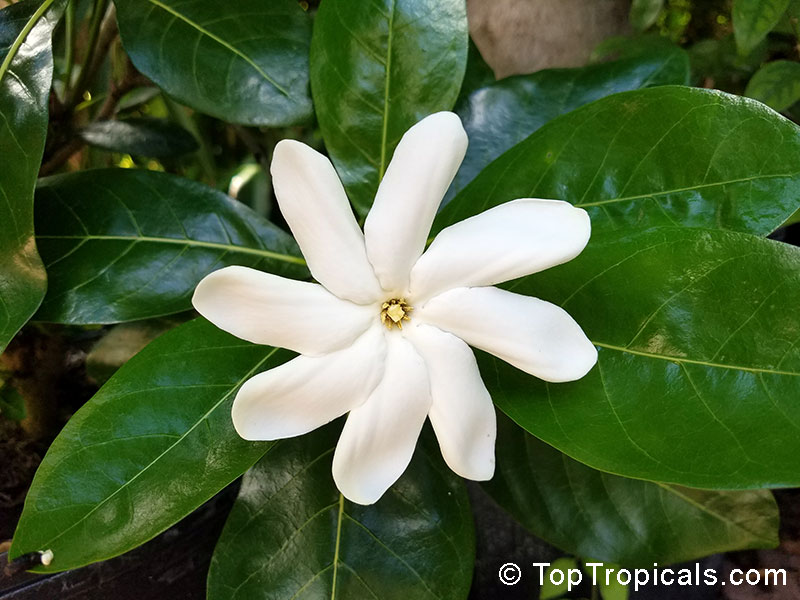
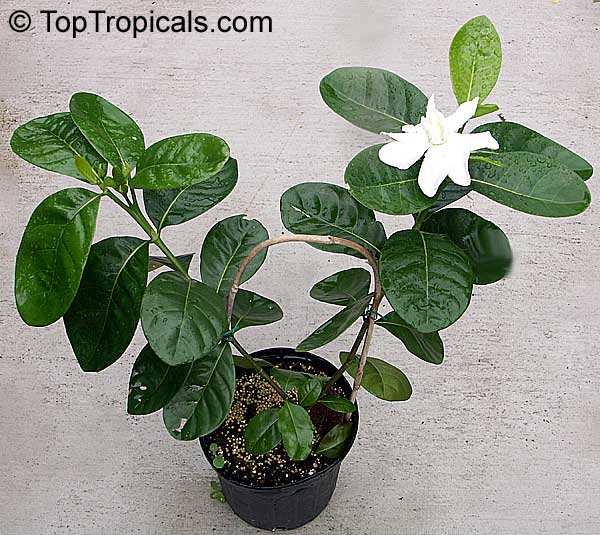
A: Tahitian Gardenia will be doing best if grown in container in your area. In its natural habitat, it grows full sun but also it enjoys mild weather conditions and high air humidity. All gardenias prefer acidic soils. In your area, if planted in the ground, it may be exposed to some harsh conditions: too high temperatures, too hot sun, dry air, and as you mentioned - heavy clay and sandy soil. You can enjoy this plant grown in container, which can be moved as needed away from too much sun during summer months. Use well-drained potting mix. Use plastic pot, do not use fabric or clay pots - soil will dry out too quickly.
Also remember to fertilize this plant on regular basis with a liquid fertilizer SUNSHINE Pikake - Fragrant Flower Booster.
Grow gardenia in full sun or semi-shade during the hottest months. You may spray it with pure water if the air too dry and hot. Enjoy your Tropical Beauty and good luck!