Garden Blog - Top Tropicals

Date: 24 Jul 2023

Easy, stress-free plants
for Summer planting
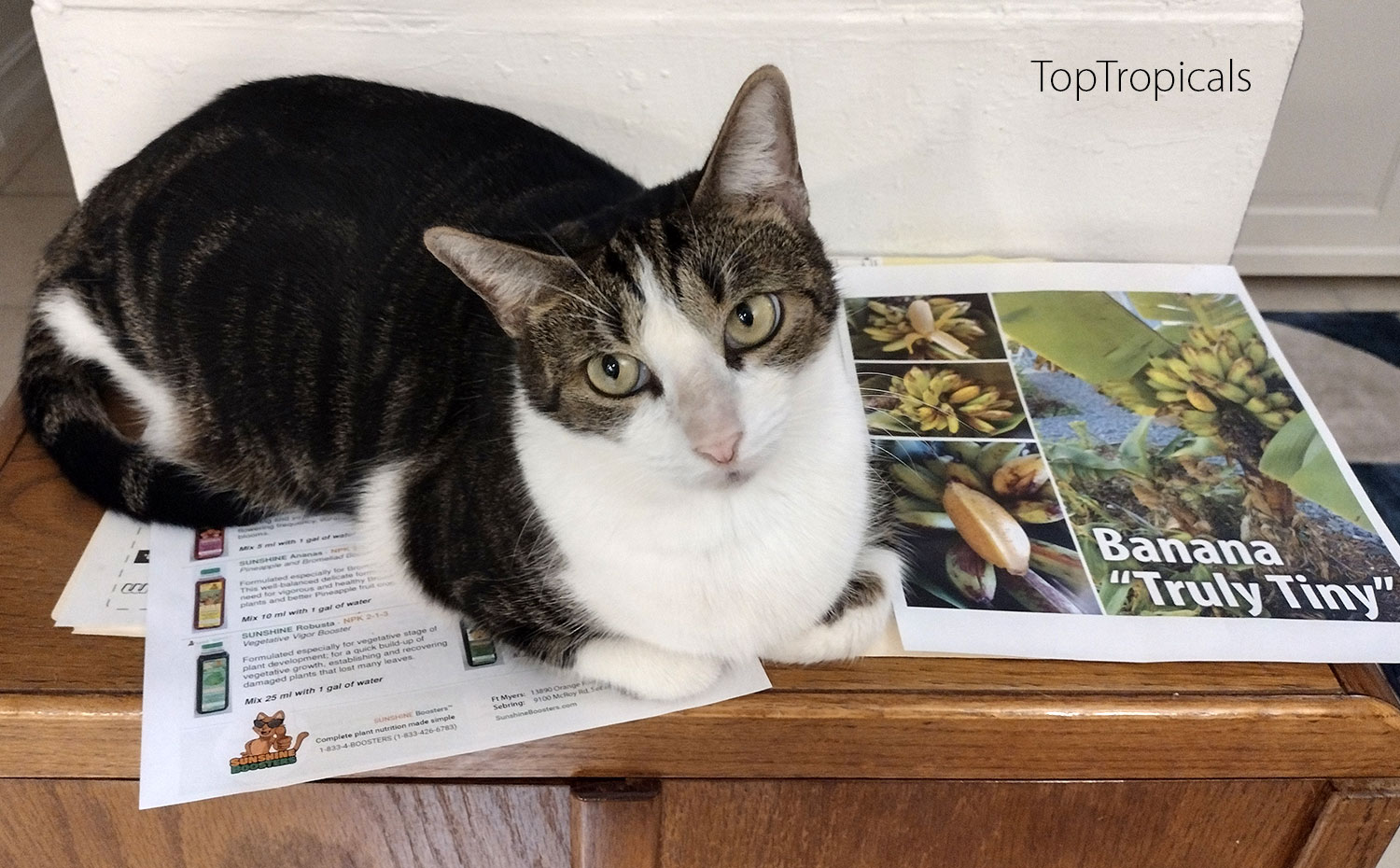
Cat  with  Bananas

Q: With the rising temperatures, I'm concerned about shipping my plants safely. Can they withstand the heat during transit? Also, is it okay to plant them in the ground now, or should I wait for cooler Fall weather?

A: Your concern about shipping plants in hot weather is valid. For sensitive plants, we'll delay shipping until conditions are more favorable in your area. However, there are plenty of heat-tolerant tropical plants that handle shipping well with minimal stress. These plants adapt easily when planted during the hot summer months. Simply follow the included planting instructions, gradually acclimate them to full sun, and they should thrive.

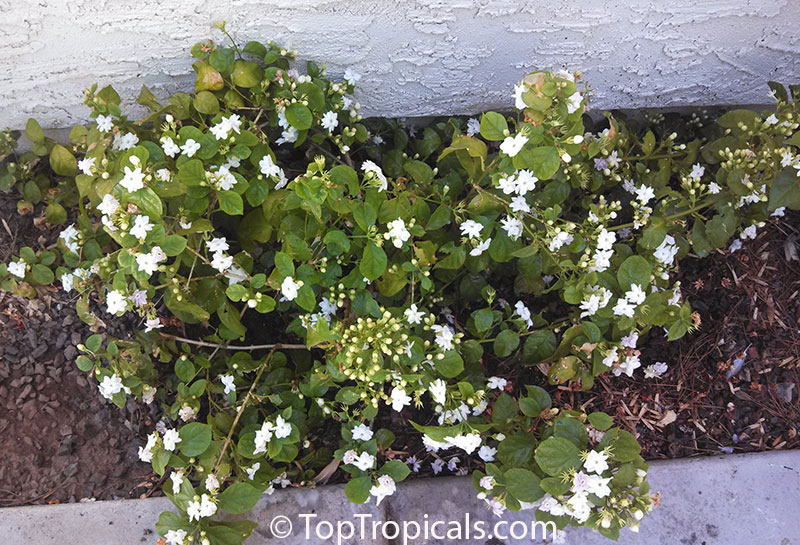
Certain flowering tropical plants, such as Allamandas, Calliandras, Caesalpinias, Adeniums, and Clerodendrums, are excellent options for shipping and establishing during the summer. Flowering vines like Jasmines also adapt well. Consider using Sunshine Booster fertilizers to promote robust growth, they are safe to use right after planting.

Additionally, many fruit trees flourish in heat. Mangoes, Avocados, Pomegranates, Pineapples, Loquats, Eugenias - Tropical cherries, Bananas, Jackfruits, Dragon Fruit, and Olive trees are great choices for summer planting. Noni trees are hardy survivors and usually ship and grow well during the summer, in spite of their lush tropical leaves.

Feel free to check with us about the specific plant you plan to order for its suitability in summer shipping. We're here to take care of your green babies and address your year-round planting needs!
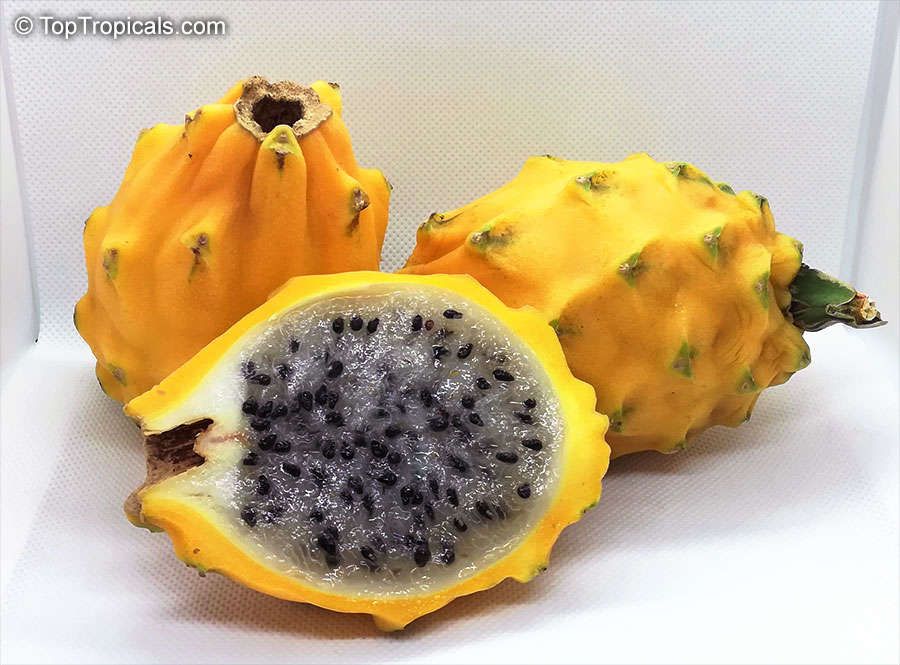
Pitaya  Yellow  Dragon  Fruit,  Selenicereus  megalanthus
Pitaya, Yellow Dragon Fruit, Selenicereus megalanthus

Cat  with  Bananas

Jasminum sambac Maid of Orleans thrives and blooms in hot sun
Cat  with  Bananas

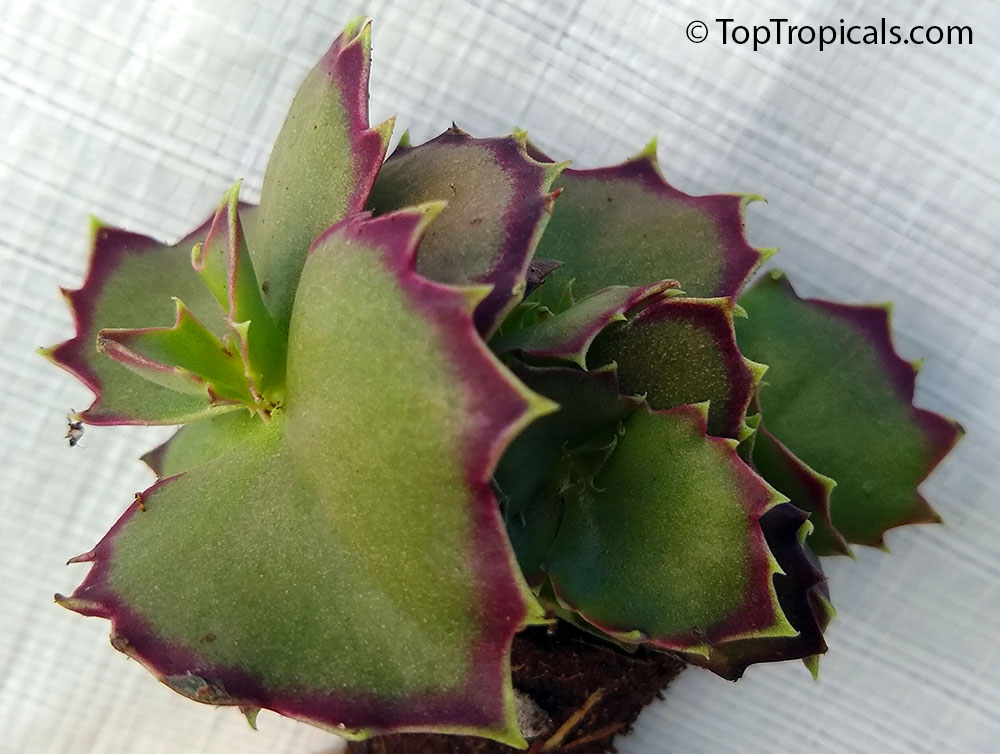
Kalanchoe synsepala Magnificent - Walking Cup Kalanchoe, spectacular plant, loves dry and hot conditions

Date: 8 Sep 2021

Fertilizer and the Fall Garden

by Ed Jones, the Booster Guy

...Well Labor Day has come and gone. Summer is winding down and depending on where you live, thoughts are now turning to pumpkin spice, witches, fall decor and gardening. Wait, did I just say gardening? Yes, if you live in the deep south, and I do, it is time to think about fall gardening and fertilizer. Even those of you in the north can put in a few quick crops now for fall. Think onions, radishes, lettuce and other greens and of course, garlic...

Next month, we can start putting out our plants that do better in cooler weather. We will put out some beans and of course cabbage. We may do some potatoes too. What do you like to grow?
But what about fertilizer? Glad you asked. Now, most of us have our favorite brand of fertilizer. Some of us had some secret fertilzers that we used in the past. For me it was composted alpaca manure. Yes, we raised alpacas in the north, but that is another story for another day....

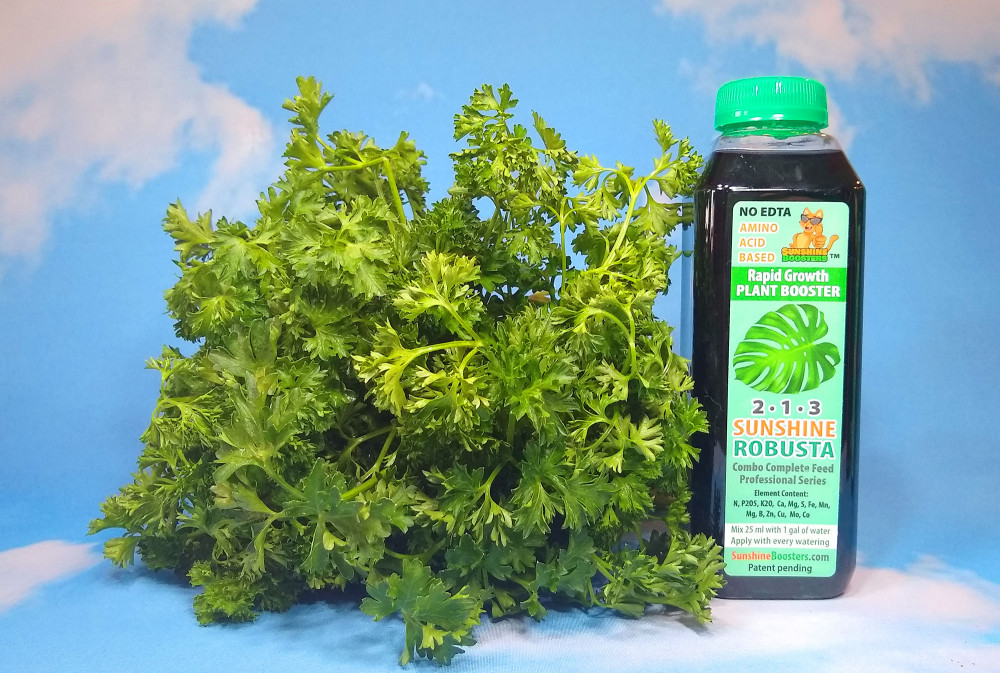
...Once the temperatures have begun to drop, it is better to use a good liquid fertilizer. The one I will be using this year is SUNSHINE Robusta. SUNSHINE Robusta is an organic amino acid based liquid fertilizer that is safe to use with every watering. It uses amino acids to chelate (bind) micro-nutrients and makes it easier for plants to take them up from the soil. Most fertilizers use EDTA to chelate their micro-nutrients and plants must use about 4 times more energy to break them down than they do with SUNSHINE Boosters. This means that your plants will have more energy to put into growth. And isn't that what we are after?
With Special Seasonal price for 16 oz bottle reduced to only $19 with FREE shipping, this is your best choice of organic, safe fertilizer for your vegetable garden!..

CONTINUE READING >>

Date: 28 Apr 2021

Cold hardy tropical fruit trees for Zone 9

Q: Can you suggest tropical fruit that can be grown (cold hardy) in Zone 9?

A: There are quite a few tropical/subtropical trees that will grow well in zone 9. Our favorites are: Figs - very cold hardy and drought tolerant.
Loquats - grafted trees that start fruiting right away, reliable producers.
Tropical Mulberry - very fast growing trees that can take freeze, heavy producers.
Macadamia - these trees are of a compact nature, very easy to grow and start producing nuts right away.
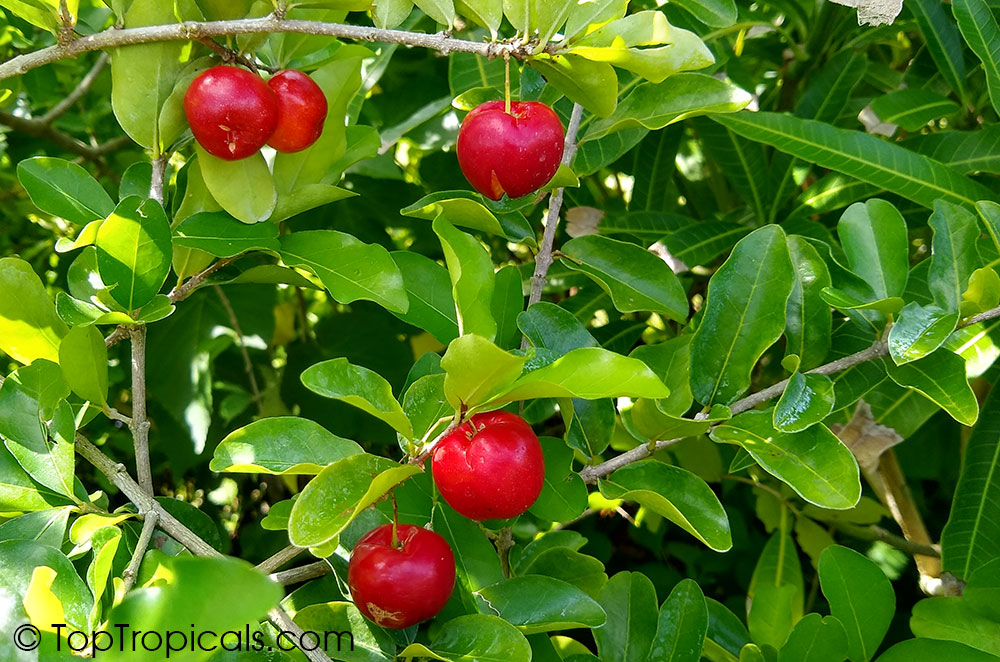
Many different varieties of Eugenias - tropical cherries - all-time favorites. Another tropical cherry - Malpighia, or Barbados cherry - starts fruiting in small size under one food tall! Great for containers.
Tropical (Low Chill) Peaches, Nectarines, and Plums. See full list of low-chill, relatively cold hardy fruit trees.
And of course - Bananas!

Don't forget to fertilize your fruit trees to improve their cold hardiness!

Date: 6 Nov 2020

The truth about Sensational Monstera Thai Constellation

"Nothing's making sense anymore. It's gotten out of control"

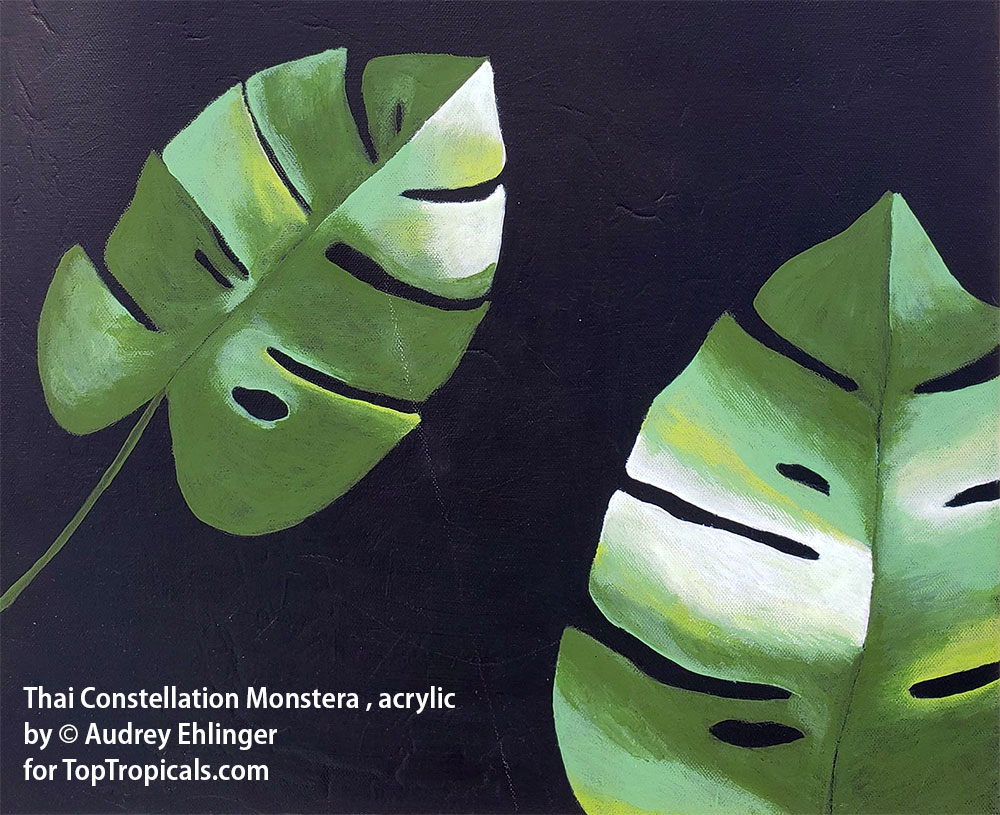
Painting above: "Thai Constellation Monstera deliciosa" with acrylic paint on textured background by Audrey Ehlinger - participant of the 2020 Tropical Plant Art Contest

Variegated Monstera... Now that this Sensational plant deserves even its own works of art, it is time to admit: this beauty is probably one of the most surprising phenomena in the history of rare plant industry.

Many plant collectors noticed the craziness around this unusual variegated cultivar of Monstera deliciosa - Thai Constellatio. Top Tropicals was the first plant nursery that originally introduced this variety into the US tropical plant market a few years ago. Since then, popularity of this plant went above and beyond any expectations. Everybody wants this plant! Yet it is nearly impossible to propagate, with the only somewhat successful method as Tissue Culture. Besides, in order to create a viable batch, one must use cells from the stem only. Considering this plant grows about 2 inches a year (in favorable conditions), this leaves us with very limited propagation material... Who can sacrifice their unique mature plant for a knife of a propagator? Let us know if you have any extra you can share ;)

No wonder very quickly Thai Constellation had become a commodity plant, or even better - an asset compared by some people to a real estate bubble... Some collectors sell cuttings for $2,000 each. People pay up to $250 per leaf of this plant... Crazy? Maybe. But being rare plant collectors, we all know the feeling! Check out this article:

It's Better Than The Stock Market: A Massive Bubble Is Forming In The Rare Plant Market...

Thai Constellation available for sale:

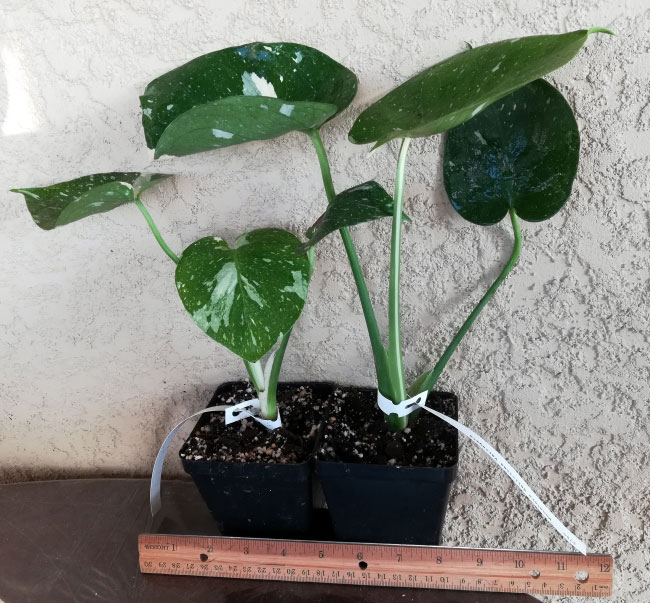
The good news is - we have a few plants. They are in 4"pots. Small, but well-established. The price is not cheap. It is what it is - this is what it costs us to obtain these plants from Thailand. This is the last batch for a long while, no more available even at this price, since the growers can't find enough propagation material to satisfy the market. Next batch expected from tissue culture is probably 2022. We have over 400 customers on wish list for this plant.If you really NEED IT, order right now!

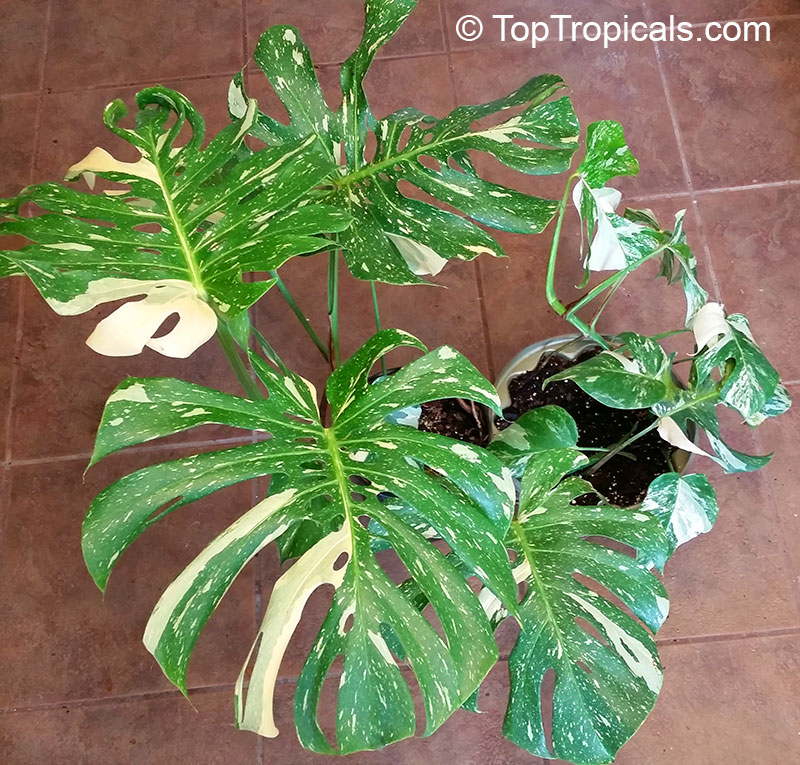
3-years old Monstera Thai Constelation from Top Tropicals personal collection

Date: 7 Aug 2020

Healthy Plant Food

Q&A from Mr Booster

Plant food for a Star Fruit

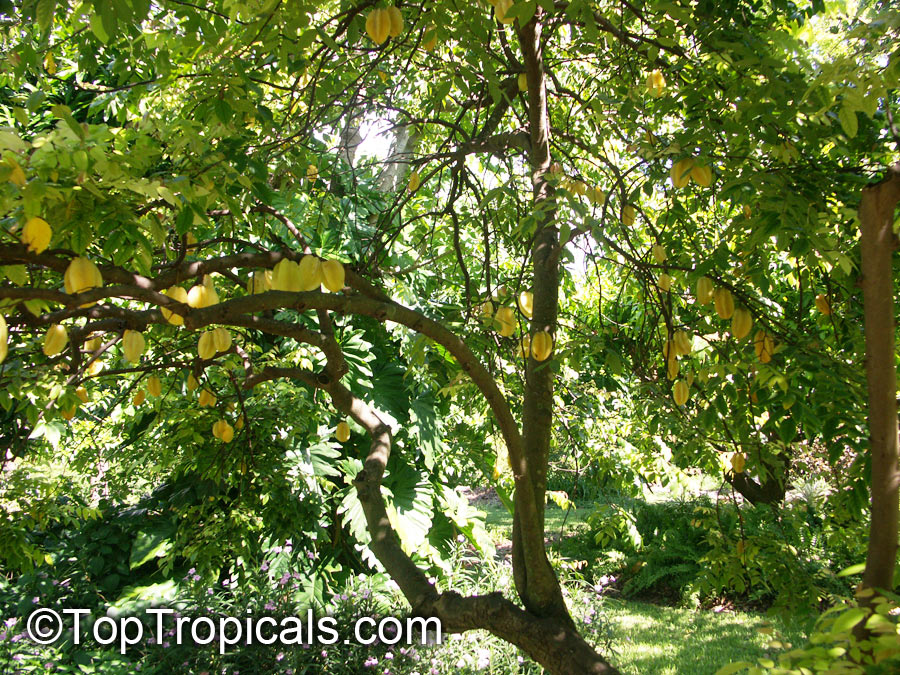
Q: I have 2 Starfruit plants from you. One on the left is B10 has a lot of flowers but no fruit is developing. On the rite is Kenjeng. This one has no flowers at all. Both plants are growing very well. Plenty of sun and water. I am located in Boynton Beach Florida. So what to do?

A: Your trees on the pictures look very healthy, congratulations with a great care!
Starfruit, as well as other grafted fruit trees (like mango, avocado, etc) usually flower/fruit easily and readily while in pots in the nursery. Sometimes, once planted in the ground, they may reduce flowering or even stop flowering. What happened?
The answer is simple. In pots, we fertilize them on regular basis. In our nursery, we have fertilizer injector inline with irrigation system that dozes plant food with EVERY watering. In other nurseries, they may also use slow-release fertilizers, but it is still a regular routine to provide plant food to potted plants.
In the ground, especially in Florida poor soils, fruit trees may stop flowering or delay fruiting due to lack of nutrients, or dis-balance of elements in the ground. Without fertilizer, a tree may take extra time to develop bigger root system to reach out for necessary elements, and eventually will start fruiting anyway.
But we want it to fruit soon! The only way to fix the problem is to provide fertilizer on regular basis for a young tree. It is especially important during hot summer months when plant metabolism is fast due to high temperatures, plus nutrients may get washed away with frequent summer rains (like we have in Florida) even if you've added some fertilizer at time of planting.

You can use smart release fertilizer once a month during hot season, this one or similar:
Mango-Food - Smart Release Fruit Tree Booster.

But the most effective way to get a tropical tree to flowering and fruiting, is frequent applications of liquid fertilizer. We use Sunshine Boosters with every watering on our plants. They work great even on hard cases and weak plants, and you see the difference in a matter of weeks, sometimes even days.
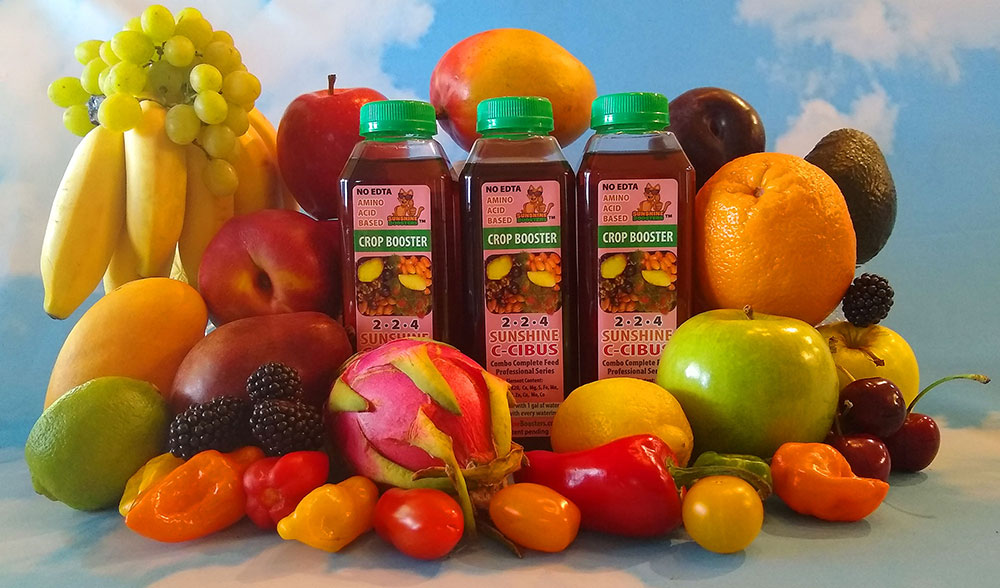
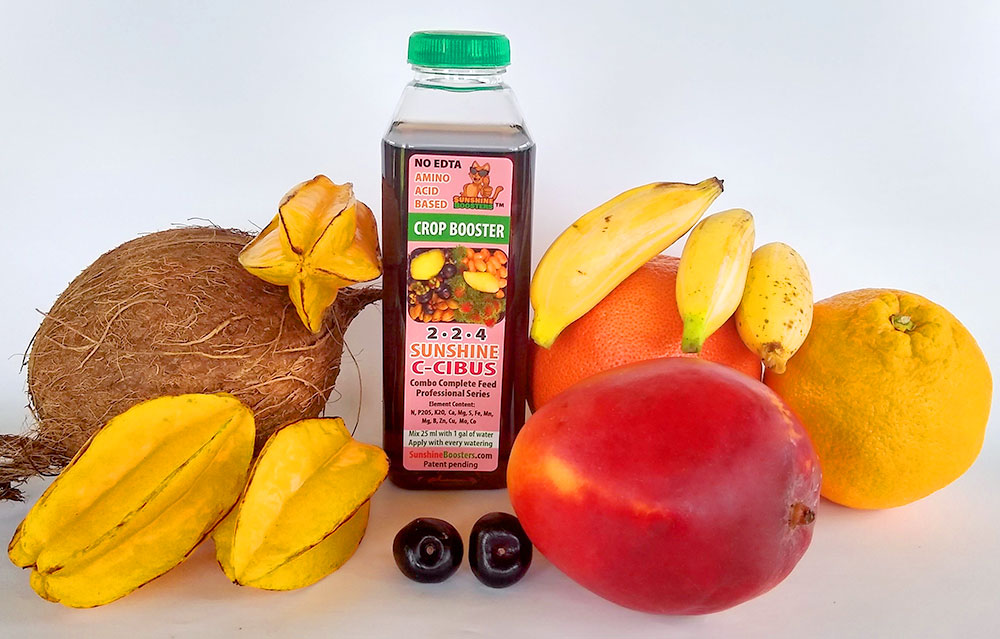
We recommend the following fertilizer that contains all necessary elements for young fruit trees: SUNSHINE C-Cibus - Crop Nutrition Booster

SUNSHINE C-Cibus - Crop Nutrition Booster from Garden Series, or Combo Total Feed Collection - all nutrients in just one bottle, for fruit trees and edibles.