Garden Blog - Top Tropicals

Date: 13 Feb 2025

Tropical Seeds You Should Start Now for Spring Planting
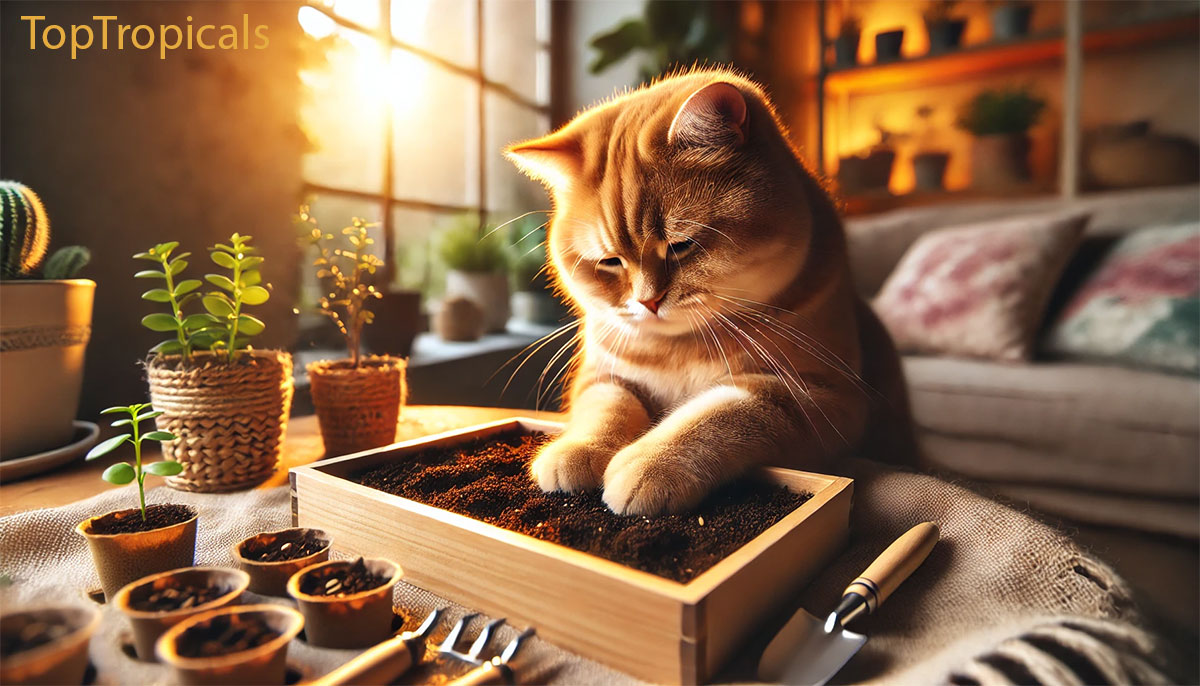
Cat  planting  seeds

Eight fast-growing, rewarding tropical perennials
to start from seed

Q: What tropical seeds can I start now so the seedlings will be ready for spring planting and produce flowers or fruit this year?

A: Many tropical plants grow quickly from seed and can mature within the same year, rewarding you with flowers or even fruit. Some of these tropical perennials can even be grown as annuals in cooler climates! The key is to start them early indoors, then transplant them outdoors as soon as warm weather arrives. With just a little planning, you can enjoy vibrant blooms and a harvest in just weeks or a few months. Below are some of the fastest-growing tropicals to try for a lush, same-year garden.

1. Pigeon Pea
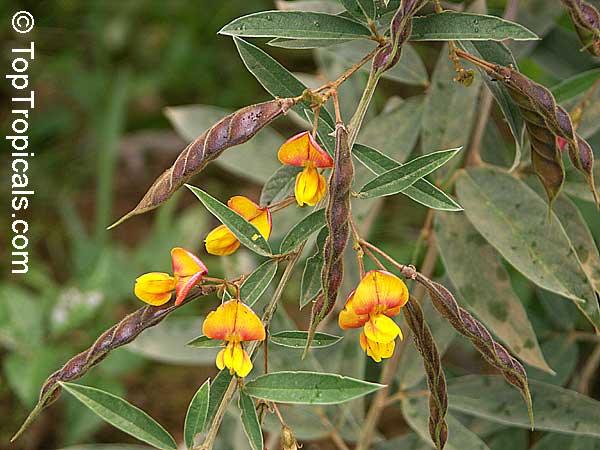
Cajanus  cajan  Bicolor  Fuerte  -  Pigeon  Pea

Cajanus cajan Bicolor Fuerte - Pigeon Pea - is an ancient superfood cultivated for over 4,800 years, with roots in India and Ancient Egypt. This hardy, drought-tolerant perennial shrub produces nutritious, protein-rich beans used in rice dishes, soups, and even tofu. Easy to grow, it thrives in poor soils, improves soil quality, and offers medicinal benefits, making it a valuable plant for both gardens and kitchens. Seed to crop in just one season!

2. Lipstick Tree - Annatto
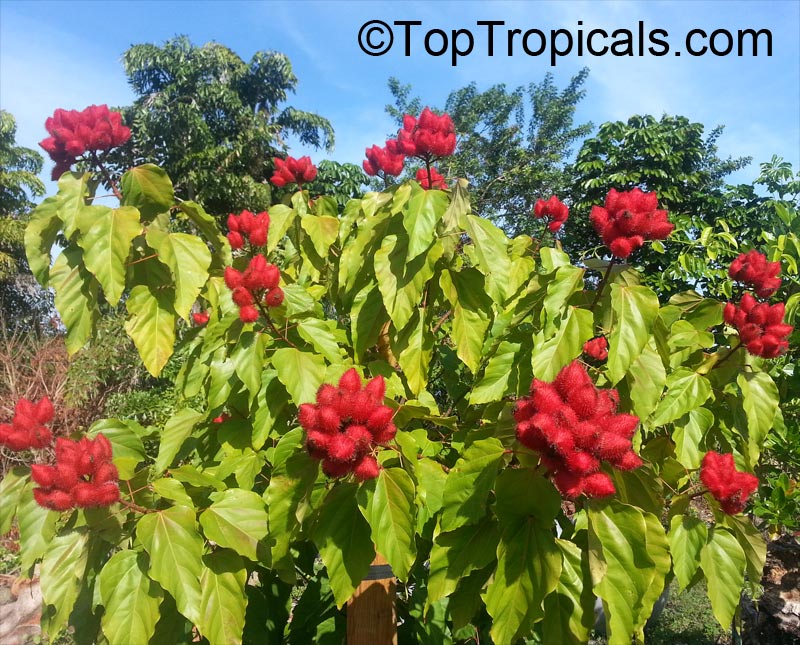
Bixa  orellana  -  The  Lipstick  Tree

Bixa orellana - The Lipstick Tree, native to South America, is a striking shrub with large leaves, pink flowers, and vibrant red seeds. Its seeds produce Annatto, a natural pigment used in cosmetics, especially lipstick, as well as in culinary applications for its color and mild, peppery flavor. Beyond its beauty and versatility, annatto offers antioxidant and anti-inflammatory benefits, while the plant itself makes an excellent hedge or ornamental feature.

3. Mexican Bird of Paradise
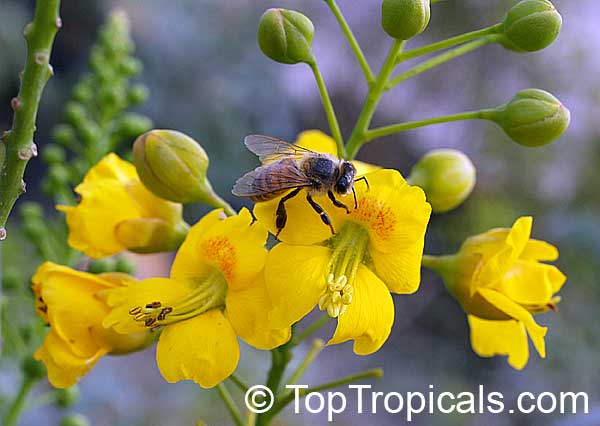
Caesalpinia  mexicana  -  Mexican  Bird  of  Paradise

Caesalpinia mexicana - Mexican Bird of Paradise - is a rare gem among tropical shrubs, offering fragrant butter-yellow blooms that stand out against its feathery green foliage. A heat-loving, drought-tolerant plant, it attracts hummingbirds and can be grown as a compact shrub or small tree. Native to northern Mexico, it thrives in full sun with minimal water, making it a low-maintenance yet striking addition to any garden or patio.

4. Tree Calliandra
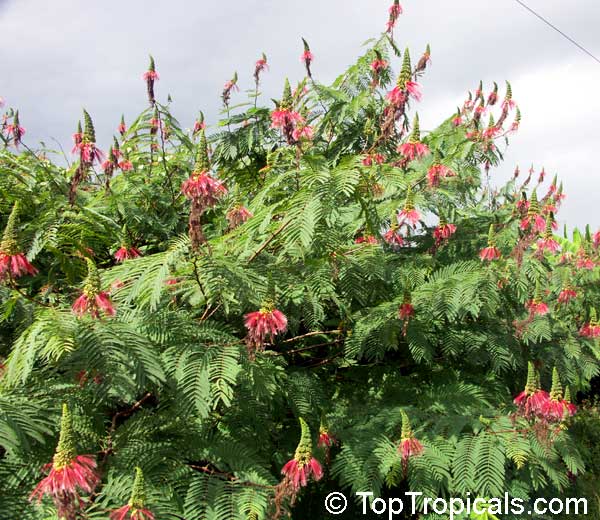
Calliandra  houstoniana  -  Tree  Calliandra

Calliandra houstoniana - Tree Calliandra is the only tree-form Powderpuff, growing into a lush, bushy tree in just one season. Its fluffy pink blooms appear year-round, drawing in hummingbirds and butterflies for a nonstop display of color and life. Super fast-growing and beautiful, it's a must-have for wildlife-friendly gardens!

5. Butterfly Pea - Clitoria

Clitoria  ternatea  -  Butterfly  Pea

Clitoria ternatea - Butterfly Pea - is a stunning vine with vibrant blue, white, or purple flowers that captivate both gardeners and pollinators. Beyond its beauty, it's prized for its herbal benefits, with its flowers used in teas for stress relief and cognitive support. The famous Blue Tea, a caffeine-free infusion, turns purple with a splash of lemon, making it both a visual delight and a health-boosting drink. Fast-growing and easy to manage, this delicate yet vigorous vine is perfect for fences, trellises, and containers. Seed to crop in just one season!

6. Cas Guava
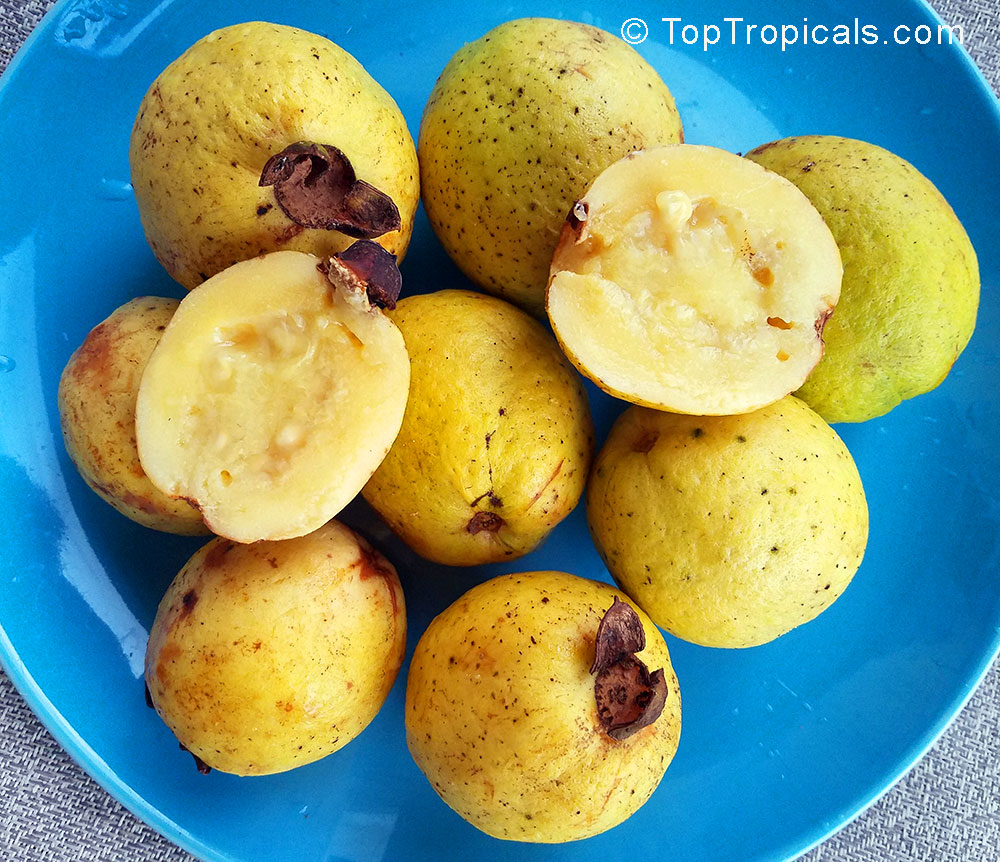
Guava  Cas,  Psidium  friedrichsthalianum

Psidium friedrichsthalianum - Costa Rican Guava, or Cas Guava, is a super sour fruit with four times more vitamin C than a lemon, making it a powerhouse for immune support. Popular in Costa Rica's "Agua de Cas", its tangy juice is perfect for refreshing drinks. Hardy and resilient, this low-maintenance tree thrives in poor soils while resisting pests and diseases. This is the fastest growing and the most productive guava tree with 2-3 crops per year! From seed to crop: 3 years.

7. Agua de Flor de Jamaica - Karkade Tea
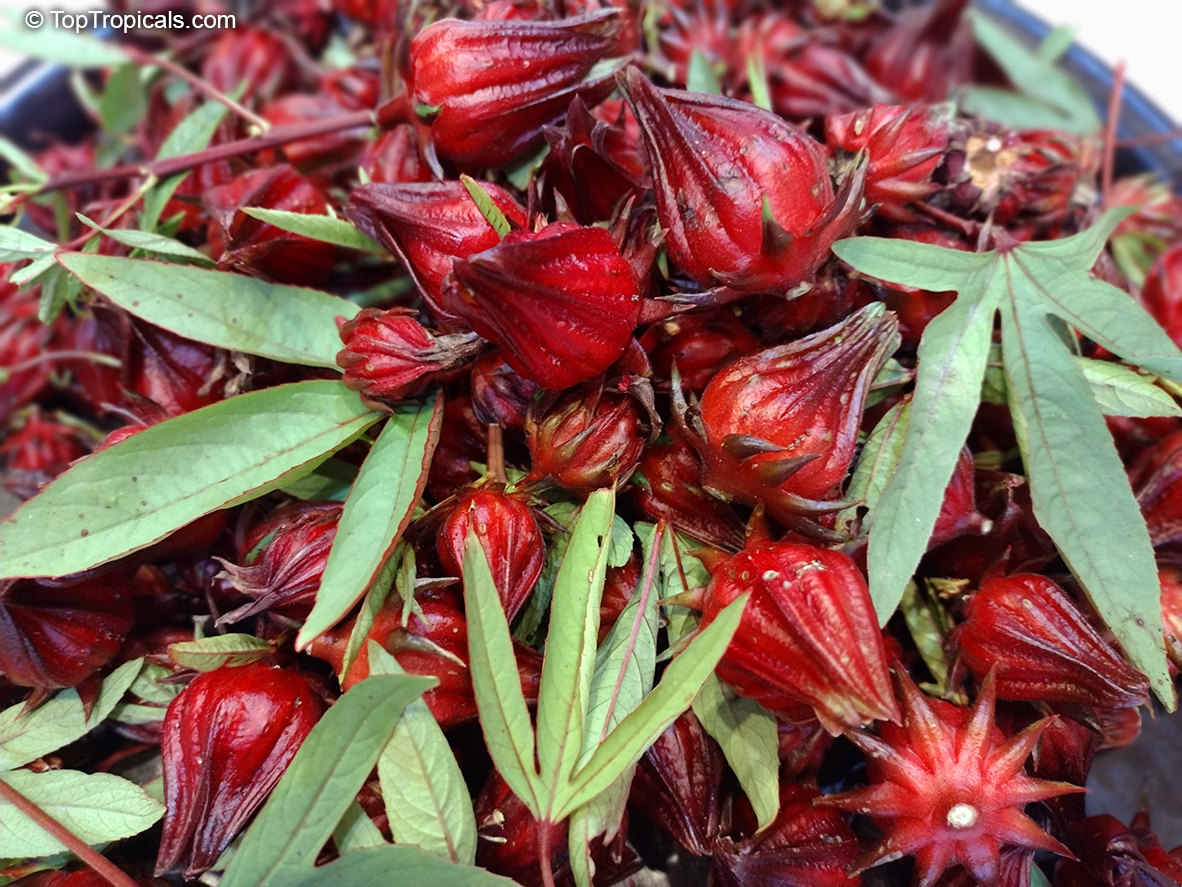
Hibiscus  sabdariffa,  Roselle),  Karkade  Tea

The most health-beneficial hibiscus is Hibiscus sabdariffa (Roselle), known for its deep red calyces used in Agua de Flor de Jamaica and Karkade Tea. This tart, refreshing tea is packed with antioxidants and supports heart health, digestion, and immune function. A fast-growing plant, it goes from seed to a lush, flower-filled bush in just one season! From seed to crop: in just 3 months!

8. Dwarf Papaya TR Hovey
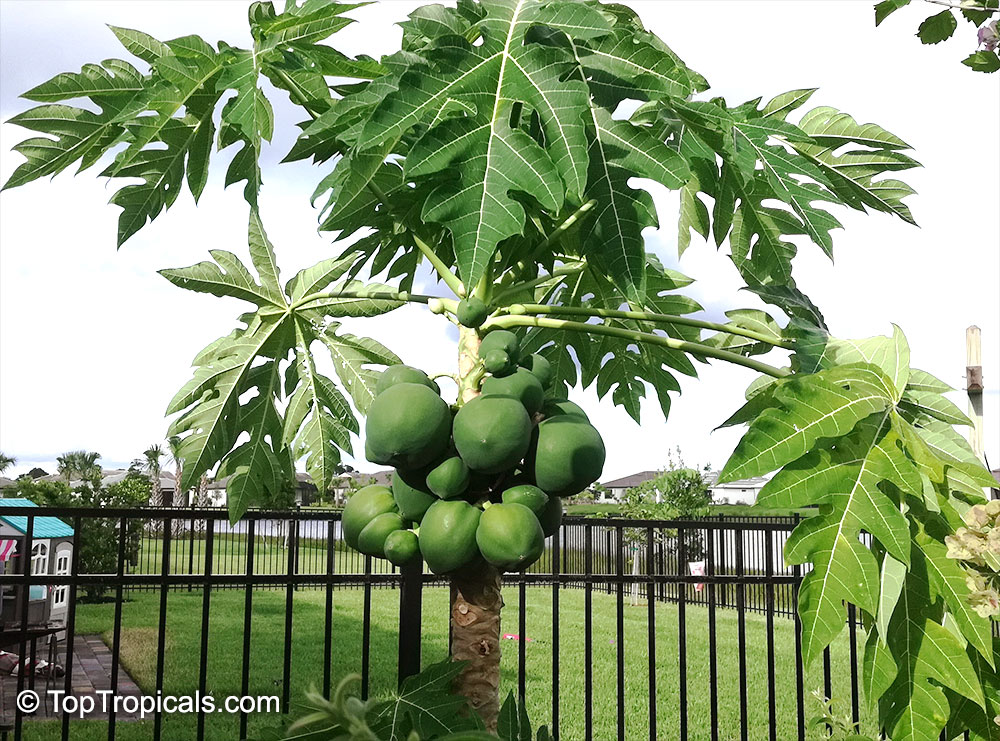
Guava  Cas,  Psidium  friedrichsthalianum

Papaya Dwarf TR Hovey, Carica papaya - is a dwarf marvel, reaching only 4-5 feet tall while producing giant, melon-sized sweet papayas! This compact variety is perfect for small gardens and container growing, offering big fruit on a tiny tree - a true space-saving tropical treasure! Only 2 years from seed to fruit.

Date: 23 Nov 2025

🏡 To Use Your Garden Or Be Used By It

Two  cats  in  a  garden  planting  a  young  tree.  Smokey,  a  black-and-white 


tuxedo  cat,  holds  a  small  shovel  and  works  the  soil,  while  Sunshine,  a 


fluffy  orange  tabby,  sits  smiling  beside  a  bag  of  garden 


soil.

Smokey and Sunshine November Planting.

Smokey: Winter roots make spring easy. Keep that plant straight.
Sunshine: I am keeping it straight by not touching it at all.
Smokey: That is exactly what I was afraid of.

November is the month when the garden finally stops yelling at you. The heat backs off, the bugs calm down, and the weeds take a breath. This is when we get to take control again. And as gardeners, we know the truth: Either you use your garden, or your garden will use you in spring. Let me walk you through this, gardener to gardener.

"November is when the garden finally listens. Give it a little direction now, shape it, guide it, and prepare it for spring. It will reward you all year." - Tatiana Anderson, Top Tropicals Plant Expert

🌴 When The Garden Uses You

We have all lived this scene:

  • March weeds appear, and two days later it looks like a jungle.
  • One missed watering turns into five wilted plants and a full week of recovery.
  • A skipped feeding shows up as yellow leaves and panic searching online.
  • Bugs return fast, and suddenly you are washing leaves every other day.
  • Random plant purchases fill your yard with chaos and mismatched care needs.
  • When the garden takes control, spring feels like hard work, not joy.

An  overgrown  tropical  garden  with  dense  foliage  and  vines  spilling  over
 
 
  a  walkway,  showing  how  a  garden  can  take  over  when  not  maintained.

Overgrown Tropical Garden Showing How a Garden Can Use You

📊 When You Use Your Garden

November flips the script. Plants slow down. Soil stays warm. This is the safest month to experiment, move plants, fix mistakes, and redesign.

What you do now pays off huge in March.

  • You map out sun zones and shade zones.
  • You mulch now so weeds do not explode later.
  • You move plants to better positions without heat stress.
  • You remove the high-drama plants before they start another season of complaints.
  • You pick what you want for next year instead of letting impulse buys rule you.

Spring becomes smooth instead of overwhelming. And honestly? It feels good to walk outside in March and see order instead of chaos.

A  neat,  organized  tropical  garden  with  trimmed  plants,  open  pathways, 


and  balanced  landscaping,  showing  how  a  gardener  can  use  and  direct  the 


garden.

In the photo: Every garden starts in small steps. Biquinho Pepper (front) in the garden.

What Benefit Do You Get Personally?

  • Less watering.
  • Fewer bugs.
  • Bigger fruit.
  • Better flowering.
  • Less money wasted.
  • Less time fixing problems you could have prevented now.

This is why experienced tropical gardeners adore November.

Garden

In the photo: Organized Tropical Garden. Firebush (lemon gold variety) and Cordylines (Ti Leaf) make colorful spots in the garden.

🐭 Start With Something Small Today (5 Minutes)

Pick one:

  • Add mulch to the driest spot in your yard.
  • Cut one dead branch from any tree.
  • Move one pot to a better sun angle.
  • Pull three weeds from the worst area.
  • Water deeply once this week.

Small steps now save hours later.

⭐ One Short Story

Last year we planted a Star Fruit in November. By March, it was already covered in flowers, and have been harvesting fruit non-stop since then! That is what winter planning does: it gives plants a head start you can actually see.

Young  Carambola  Star  Fruit  tree  fruiting

🐍 Plants That Will Use You If You Let Them

These are great plants, but only if you plan before planting them:

  • Banana (thirsty)
  • Hibiscus (hungry)
  • Brugmansia (sensitive)
  • Passion vine (takes over anything it touches)

Place them wrong, and they become full-time jobs.

An  overgrown  passion  vine  covering  a  garden  swing,  showing  how  a 


fast-growing  plant  can  take  over  when  not  maintained.

In the photo: Passion Vine taking over the swing.

🐰 Plants That Work For You

These feel like free upgrades to the yard:

Pick even one of these and your garden starts giving back.

A  landscaped  garden  path  with  a  Cattley  Guava  tree  featuring  a  twisted 


multicolor  trunk,  surrounded  by  trimmed  tropical  plants  and  decorative 


garden 


elements.

In the photo: Cattley Guava brings not only tasty fruit but also a wonderful character with its amazing multi-color twisted trunk.

🌡️ November Advantage

You cannot ruin anything in November. This is the safest, calmest month to shape your garden the way you want. If you act now, spring becomes a victory lap. If you wait, spring becomes a rescue mission.

A  landscaped  tropical  garden  with  a  potted  Adenium  in  full  bloom,  red 


Cordylines  behind  it,  and  neat  mulched  beds  with  decorative  garden 


elements.

In the photo: Adenium is a colorful accent in the garden.

💐 Thanksgiving Tie-In

This is the season to reset, breathe, and be thankful for your outdoor space. A garden that works for you is one of the best gifts you can give yourself going into the new year.

Start your November plan today. Use your garden. Do not let it use you.

A  neatly  designed  tropical  garden  bed  featuring  Megaskepasma,  iris, 


Colocasia,  colorful  Crotons,  Dracaena,  and  Ti  Leaf  plants  arranged  in 


mulched 


landscaping.

In the photo: Megaskepasma, Iris, Colocasia, Crotons, Dracaena and Ti Leaf bring instant tropical look to your garden.

Shop Fruit trees

Shop Flowering shrubs

Date: 3 Aug 2019

Grafted or seedling?

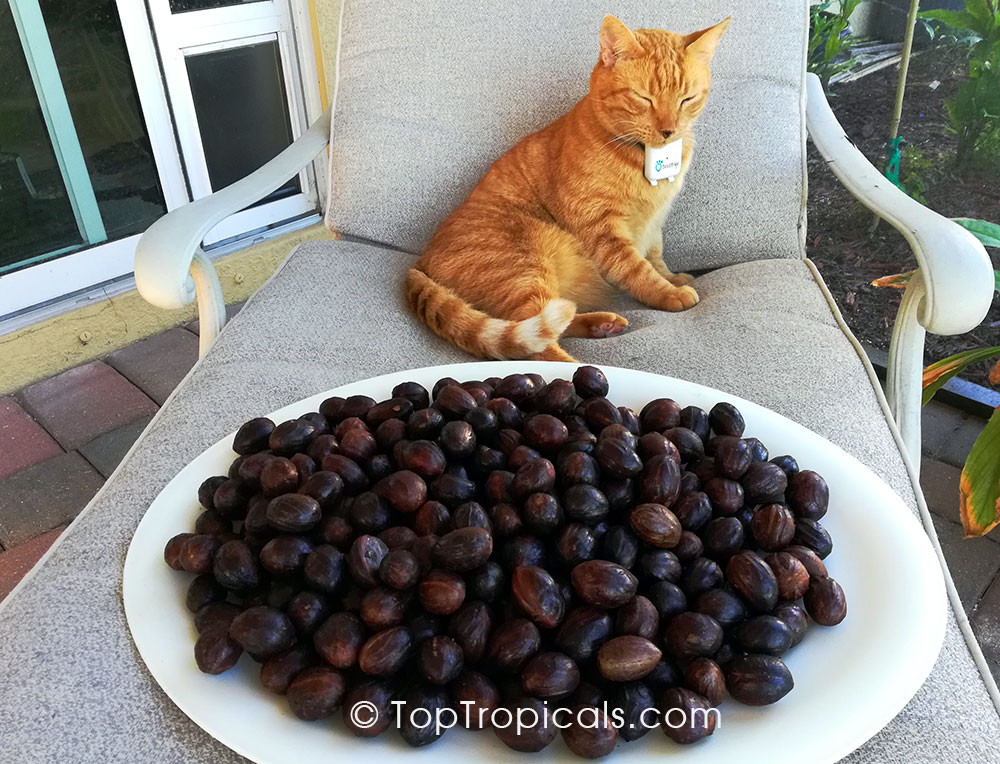
Photo: Mr Barcy meditating before planting Nutmeg seeds

Q: I planted an avocado seed and it sprouted quickly, it has been only a couple months and I already have a small plant. How soon will it produce fruit? Can I grow other tropical fruit from seed?

A: Unfortunately, some fruit trees, including varieties of avocado, mango, lychee, as well as apples and peaches - must be either grafted or air-layered in order to produce, for 2 main reasons:
- seedlings may take a very long time until fruiting, up to 10-15 years
- seedling gives no guarantee on the quality of the fruit or variety
These fruit trees should be propagated as "clones" - both grafted material or cuttings are actually copies of the mother plant and will keep the same fruit qualities. Grafted trees usually start producing immediately.
However there is a number of fruit trees that come true from seed, and take a very short time to start flowering. Jackfruit, Annonas (Sugar Apple, Guanabana, etc), Papaya, Icecream Bean, Eugenias start producing at a young age (3-4 years from seed).

Recommended fertilizers for fruit trees:

Fruit Festival Plant Food - Super Crop Booster
Mango-Food - Smart Release Fruit Tree Booster
SUNSHINE-Honey - for sweeter fruit
SUNSHINE SuperFood - microelement supplement

Date: 22 Mar 2017

Condo Mango

Q: I was curious about indoor fruiting mango trees. I live in upstate New York and was thinking about trying to grow an indoor tree for fruit. I have a small heated greenhouse. Is there a variety that can be grown from seed that would suit my purposes and if not what is the most economical way I could obtain a cutting or small grafted plant? I keep my greenhouse around 60F in the winter and have no supplemental lighting. Are there any varieties that may work in a sunroom or other well lit indoor location?

A: There are many dwarf varieties of mango suitable for container culture. They are called "condo mangoes".
The most popular condo varieties are: Carrie, Cogshall, Cushman, Fairchild, Graham, Ice Cream, Julie , Mallika, Nam Doc Mai, Pickering. You may read more about them in our online catalog. You may also look into variety Lancetilla which is also a compact tree, and produces one of the biggest size fruit, up to 5 pounds. If you want some rare variety that hardly anyone else has - try Baptiste, an exotic Haitian dessert mango.

Your greenhouse should work for the winter time. Mango trees can take as low as mid 40s during winter and even lower as long as that cold is occasional. If you keep the temperature around 60, this should work well for over wintering. Just make sure to reduce watering to a minimum, because cool temperatures, low light and wet soil - is a bad combination for tropical plants, especially for mango trees which prefer to be kept on a dry side.

Many indoor gardeners have fruiting mango trees in their collection. However, keep in mind that the most important requirement for a mango is full sun. While you may over winter the plant for a few months in a low light conditions, in order for it to flower and produce fruit it needs lots of light. If moving the tree into full sun your yard during the summer is possible, this would be the best solution.

We always recommend SUNSHINE boosters for both over wintering tropical plants in colder climates, and for indoor gardening. SUNSHINE applications will help your tree to cope with cool temperatures and low light conditions. This will also dramatically increase flowering and fruiting performance. Another important factor for keeping your container plant healthy is quality of your potting soil. We offer a special professional mix that contains lots of good stuff: coconut fiber, peat moss, pine bark, and perlite. Fertilizing potted plants is also very important during the warm season, because this is the only way for them to get nutrients (which in the ground can be reached by spreading root system).

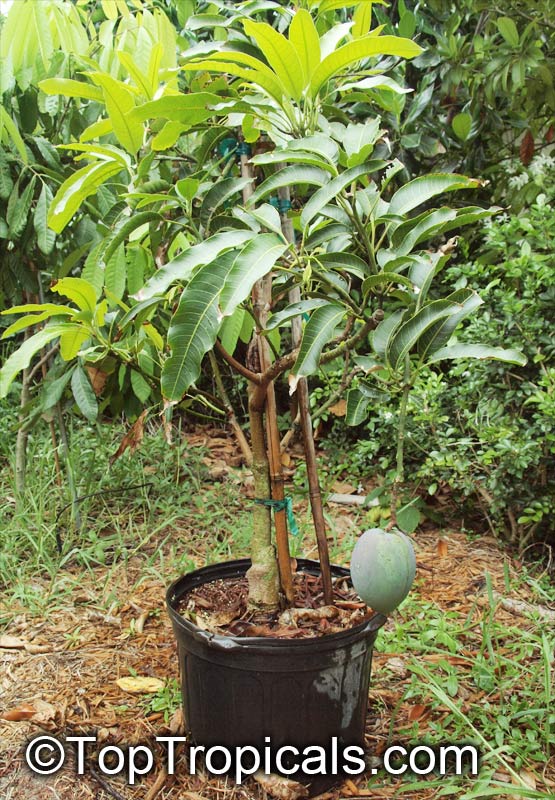
As far as seedlings vs. grafting - the only way to have a nicely fruiting mango tree is to plant a grafted variety. Seedlings start producing only after 8-15 years, and the quality of such fruit may be questionable. Only grafted plants can guarantee the desired taste of a variety. Besides, grafted mangoes start producing immediately - you may see fruit forming on plants as small as 3 ft, in 3 gal containers. However, during the first 1-2 years you will need to remove extra fruit and leave only 1-2 fruit so the plant doesn't get exhausted and has enough energy to establish strong root system.

For fun stories about growing mango, check out our Radio Show recording YO Tango Mango!

Date: 24 Jun 2018

TopTropicals

Cleanest fruit?

"Dirty" fruit: According to the Environmental Working Group research, Strawberries are top the list of the 12 "dirtiest" fruits and vegetables grown commercially. Spinach is the second, followed by (in order of contamination) nectarines, apples, grapes, peaches, cherries, pears, tomatoes, celery, potatoes and sweet bell peppers. Each of these foods tested positive for pesticide residues and contained higher concentrations of pesticides than other produce. This causes of course chronic health implications. Children are of special concern as younger bodies have greater susceptibility to pesticides than adult bodies, the report emphasizes. Pesticides may induce chronic health complications in children, including neuro- and behavioral problems, birth defects, allergies, asthma, and even cancer...

"Clean 15": Avocados lead 2018's clean fruits and veggies list, that also includes: mangoes, papayas, pineapples, kiwi, sweet corn, cabbage, onions, frozen sweet peas, asparagus, eggplant, honeydew melon, cantaloupe, cauliflower and broccoli.
Obviously, home grown fruit and vegetables are even better. Such fruit as Custard Apples, Sapodilla, Sapote, Jackfruit, Dragon Fruit, Passion Fruit and other rare varieties of tropical fruit, are even better for you because they are not grown commercially, and the choice from your own organic garden is the healthiest for yourself and your family!
Plant them today and get your cleanest fruit tomorrow!

Check out all tropical fruit trees and all tropical spice plants.