Garden Blog - Top Tropicals

Date: 15 Dec 2020

Healthy Plants: Q&A from Mr Booster

What is an ideal potting mix?
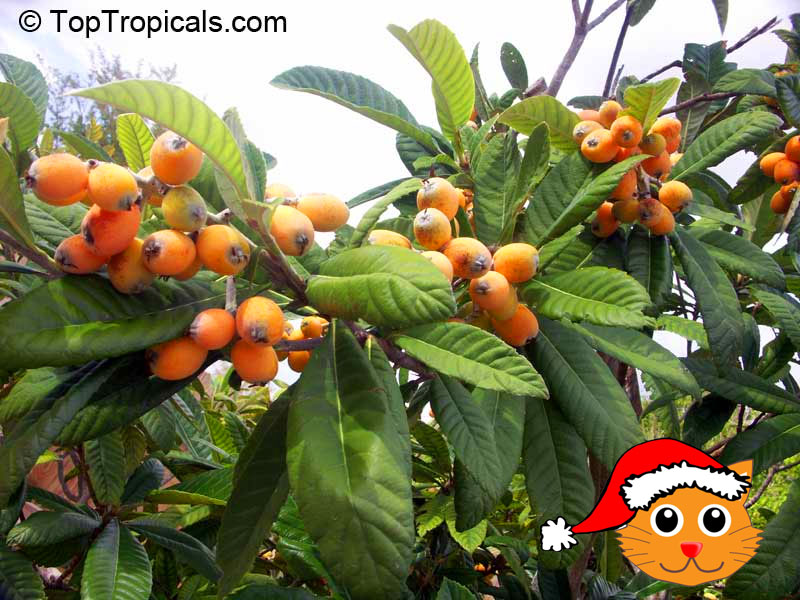
Q: A few years ago, I purchased a Barbie Loquat from you, and I'm pleased to say it's been growing very well. I now have several loquat seedlings. I have read that a well-draining medium should be used, and I have found that the various formulations provided on the web for such medium seem vaguely reminiscent of the recipe provided in your transplanting instructions. Therefore, I would like to retrieve your recipe, unless you could recommend an even better one?

A: The main requirements for a good potting mix are:
- perfect drainage, allowing air circulation that is so necessary for healthy roots; oxygen circulation helps to avoid root rot
- water retention: to keep nutrients in soil
- low pH (soil acidity) which is important for most tropical plants
- adequate amount of organic matter in the mix, in combination with proper fertilizer program

In our nursery we experimented with many different potting mixes for the past couple decades. We ended up with an ultimate mix for tropical container plants that we designed ourselves. This custom mix is called -

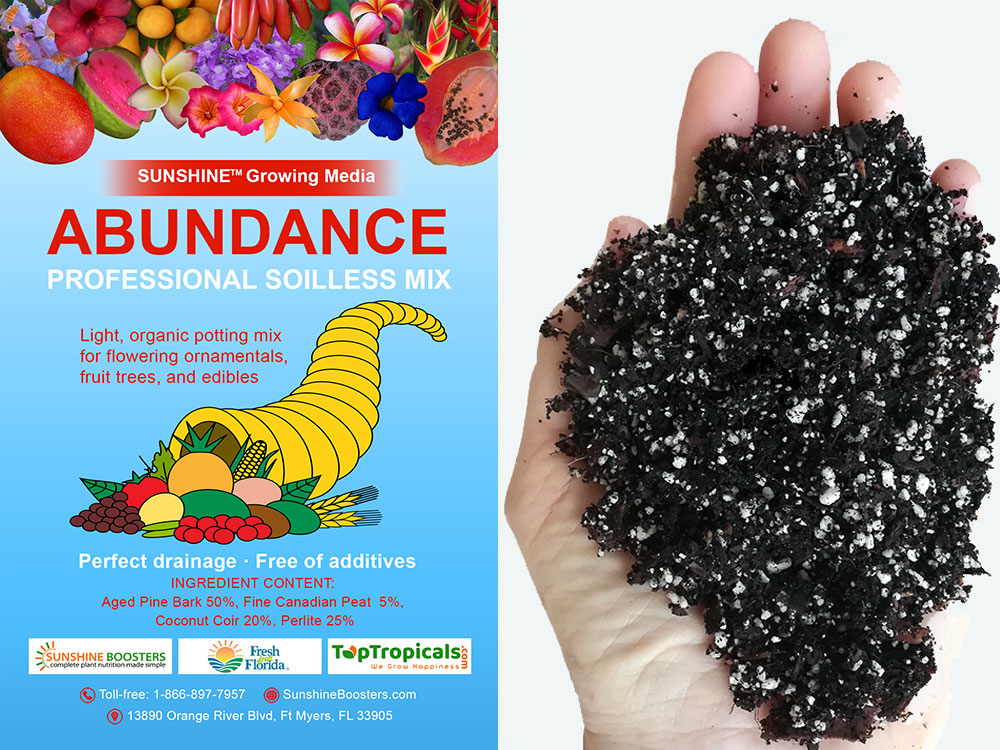
Abundance - TopTropicals professional soilless potting mix

It meets all the requirements above which makes it a perfect mix. All our plants are happy with it. Abundance is a professional quality (nursery-grade) potting mix with great drainage characteristics, ideal for any tropical plants. It is organically derived soil-less mix, free of any additives.
Ingredients are:
- fine Canadian peat moss
- coconut coir
- perlite
- aged pine bark (soil conditioner).
See more info on soil mixes.
We have this mix available for purchase in different packaging sizes - 2, 3, and 7 gal bags.

Besides proper potting mix, all container plants require regular fertilizing. We recommend the newest, scientifically balanced fertilizers Sunshine Boosters that are natural, eco-safe, great for all edibles and organic gardening. They are safe to use with every watering, provide all necessary elements for plant daily needs, and won't burn the roots.
For your loquat tree, consider Sunshine C-Cibus, it boosts both flowering and fruit production. Loquat is Winter-Spring bloomer, hopefully you will get some crop soon!

See more information about potting mix science

Date: 15 Dec 2020

Plant of the Month:

Fragrant Dombeya Tree

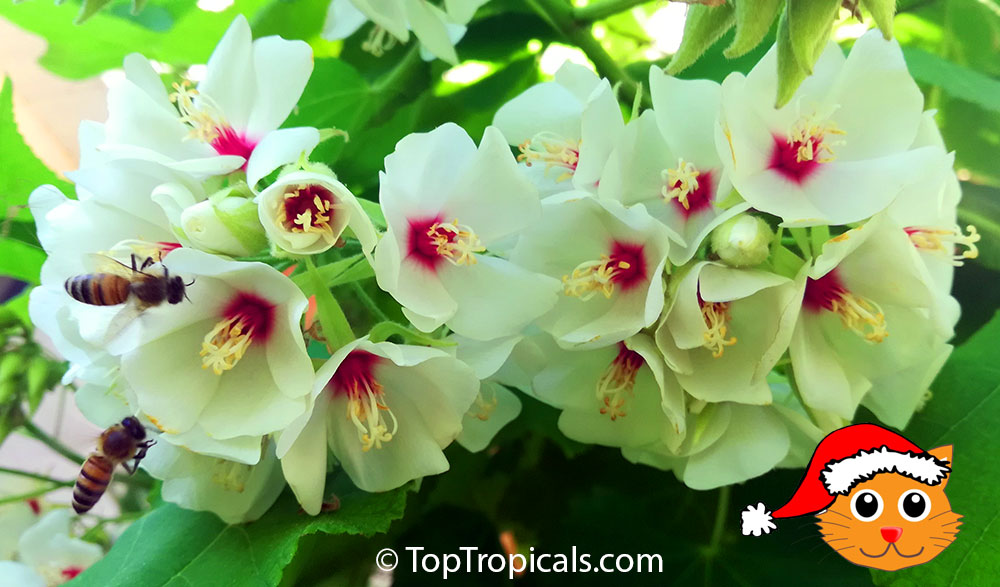
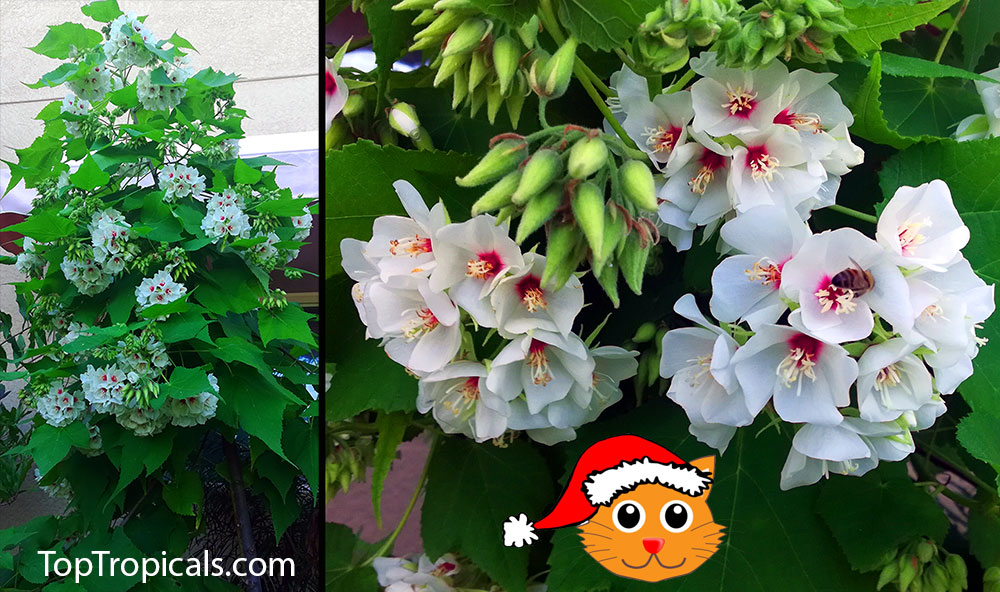
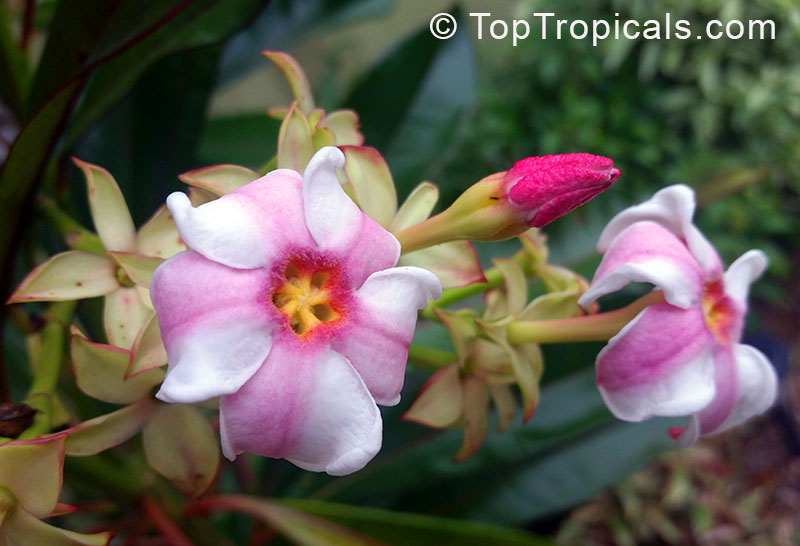
Every tropical gardener wants to have a Dombeya (a.k.a. Tropical Hydrangea) in their collection - an easy to grow, fast growing winter bloomer. These plants don't require any special care, thrive in neglect in both sun or shade, and flower profusely during Fall-Winter months - what an awesome treat! Dombeyas are also wanted for their vigorous growth habit - they can cover unwanted view in no time, fill and empty corner in your yard, create a colorful tropical display, and attract lots of butterflies and bees. They are not afraid of water logging, in fact the more you water them, the faster they grow. The large tropical leaves are beautiful - soft, fuzzy, with shallow, maple-like lobes. This plant is tolerant to both light frost and periods of drought.
Most Dombeyas grow into round, dense bushes, but this one variety of is very special. Dombeya burgessiae from South Africa actually grows into a small (10-15 ft), pretty, upright tree that is covered with beautiful blossoms during winter. The flowers are creme color with raspberry centers, attracting lots of pollinators, and what is the most special - they are sweetly fragrant! What a beauty!

Surround yourself with aromatic cloud of Dombeya winter blooms!

Date: 9 Dec 2020

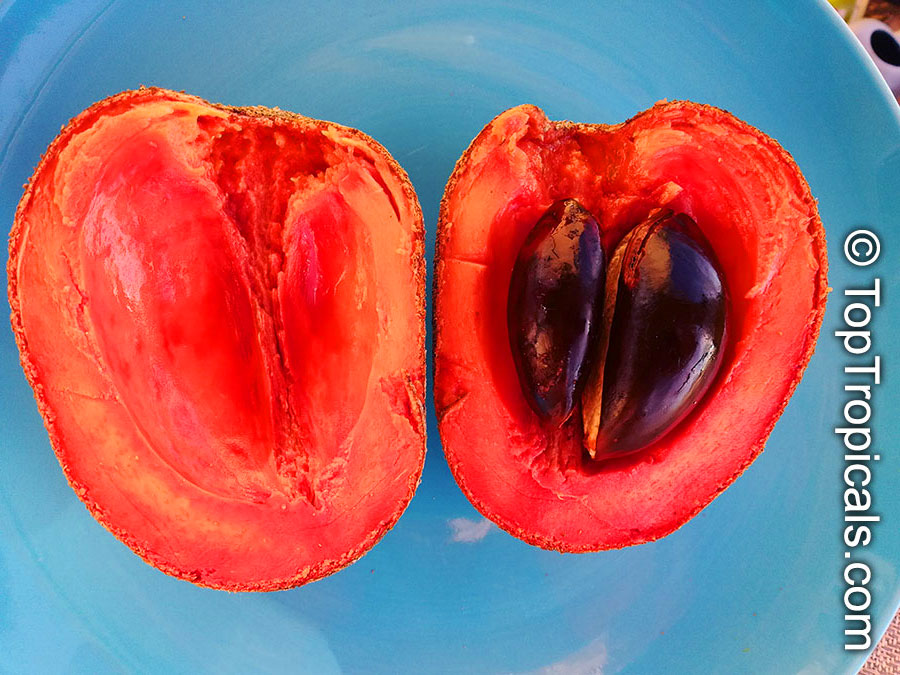
Establishing Mamey Sapote

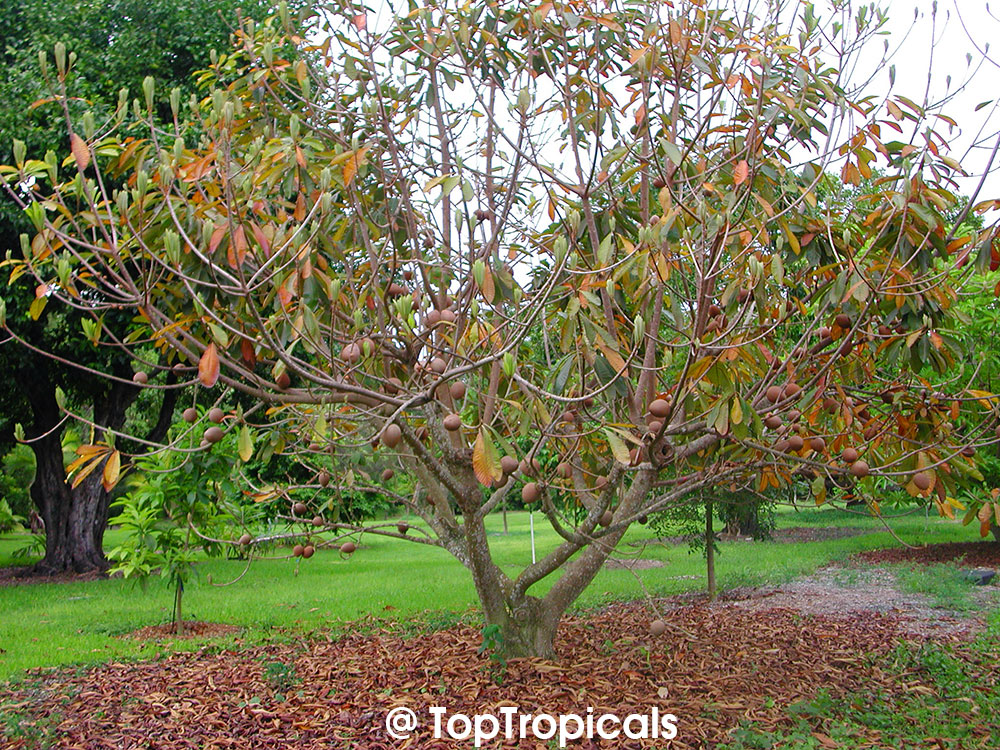
In the photo: Mamey Sapote lre-leafing.

Q: I purchased Mamey sapote last fall and am very excited about having it in my yard. It lost leaves during the winter, but then budded and put on a lot of beautiful leaves. I was hand watering since this covid stay at home event, and thought I'd put it in a larger container, 10 gallon. About 2 months after transplant and hand watering the leaves turned yellow. I cut back on watering, allowing some dryness between. Some leaves now have fallen off, but looks like new ones forming. What have I done and most importantly now, what do I need to do so she survives? I haven't yet decided exactly where to plant her... so hoping she can stay in container for a bit longer while recovering.

A: It is possibly a combination of over-watering and seasonal changes (re-leaf). During this time of the year, Pouteria sapote loses old leaves and grows new ones. This plant is semi-deciduous, which means, it drops leaves during unfavorable conditions (too dry, too wet, too cold, to hot, etc. = any stress). The new buds are healthy. Give it a couple of weeks. Reduce watering. Don't water again if the soil is still moist. If planted in the ground, it will be easier to control the moisture, as long as you plant it high enough (at least 3-4"above the surrounding area, like on a little hill, for a better drainage. See how to plant a tree.
Once you notice a new growth and healthy leaves, give the plant some food:
SUNSHINE C-Cibus - Crop Nutrition Booster
Mango-Food - Smart Release Fruit Tree Booster


Date: 9 Dec 2020

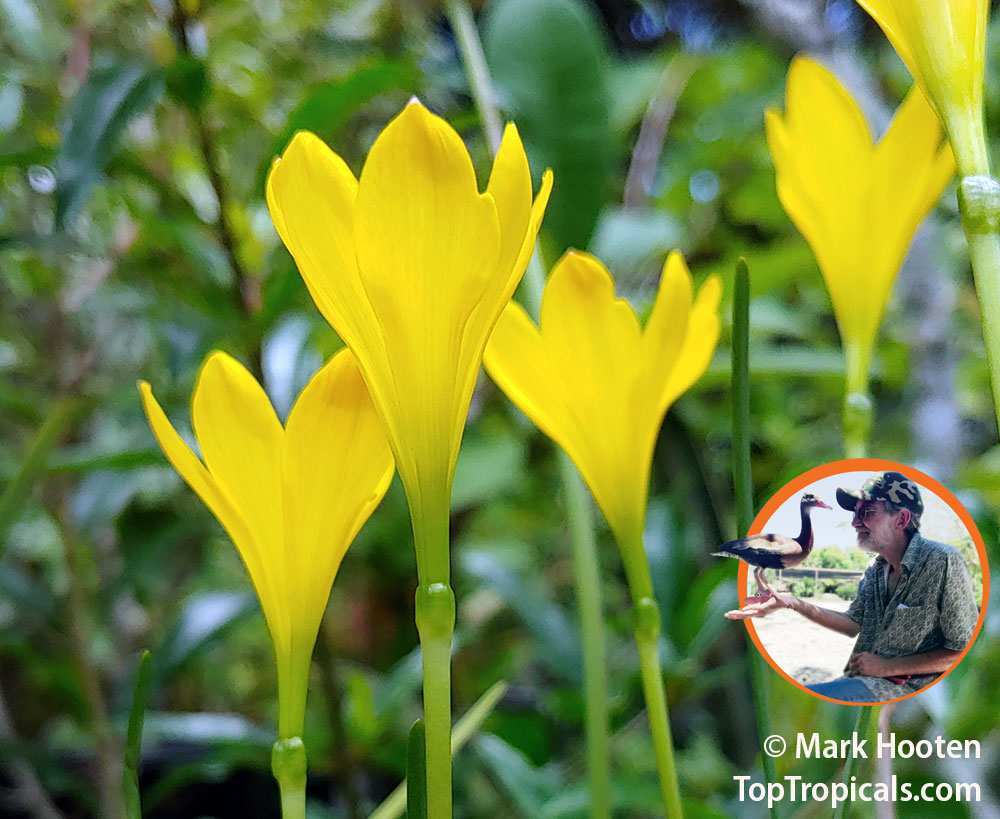
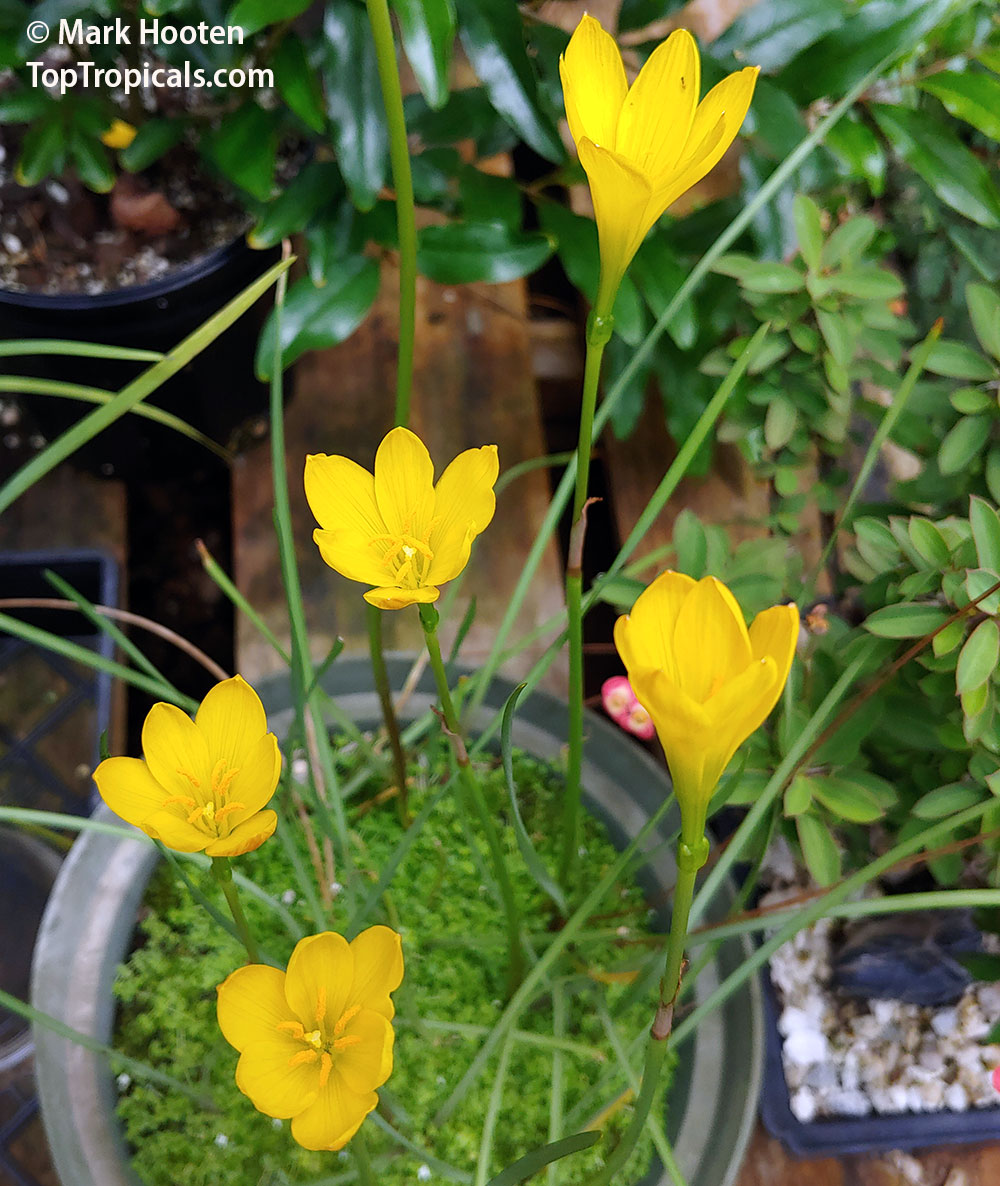
Zephyranthes pulchella - sunny face of incredible Magic Lily

by Mark Hooten, the Garden Doc

...These wonderful little lilies came as a gift from a botanist studying the native plant life of Southern Texas nearly 30 years ago. Originally grown from seeds collected for a doctoral thesis, near the town of Refugio (along the Southern Texas Gulf Coast, just north of Corpus Christi), this brilliant, fetching tiny lily really deserves to be more well known. The thin, grass-like leaves grow from small onion-like bulbs that produce an abundance of shockingly bright cadmium-yellow flowers which greatly resemble those of certain yellow Crocus, except on longer stems.
There is one caveat which goes along with this incredible species... it can be wonderful, depending upon a growers situation... which is that this species is "apomictic". This means that they produce seeds which do not require cross pollination, and technically are clones of each mother plant!..

CONTINUE READING >>

Date: 4 Dec 2020

Establishing Cerbera Manghas
after a long shipping trip

Q: I live in Hawaii. I purchased Cerbera x manghas - Enchanted Incense. I followed the repotting instructions but it looks like dying? Is the normal for all the leaves to fall off? I only use purified water to mist and water the plant. I let it dry between watering and still it looks sad. Please help!

A: Cerbera is very sensitive to shipping stress (in particular to darkness) and it often loses leaves in transit. Considering long trip to Hawaii, it had extra 1-2 days in transit, longer than to most of the states. Your plant looks very much alive, however we understand your concern about lost leaves.
You need to treat it like Plumera: keep on a dry side until it starts sprouting new leaf growth. Once it gets re-established, you may move it out into regular irrigation or rain.
We recommend to keep it under roof to control water input, but in very blight spot, preferably sunny.
Make sure the soil doesn't get soggy, too much water may kill the plant especially when it is leafless and hence doesn't consume/evaporate much water.
Water only when top of the soil gets slightly dry.
Do not put into bigger container until roots start growing. The plant should recover and start new growth under proper care. Keep us in loop how the plant is doing!

Date: 4 Dec 2020

Musa ensete Maurelli - Red Abyssinian Banana

by Onika Amell, tropical plant expert

Q: I am looking for a colorful, tropical plant with in particular, coarser texture, to add to planting beds next to my decks and around my swimming pool. Any suggestions? I am located in St. Petersburg, FL.

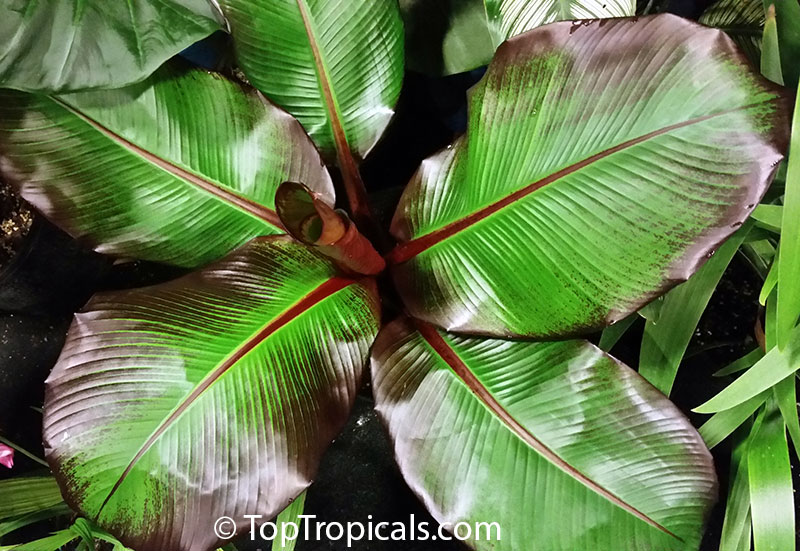
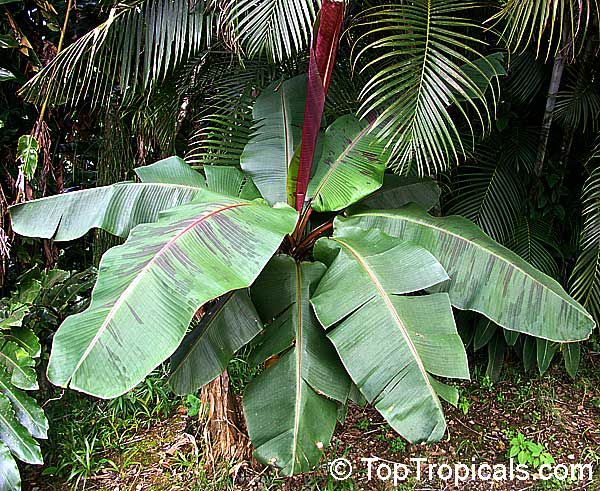
A: Consider incorporating some fast growing Red Abyssinian Banana, also known as wild banana or Ethiopian banana. This is a fantastic ornamental from East Africa and an excellent choice to create a tropical feel and to add coarse-textured foliage. This plant is not a true banana and therefore does not produce any edible fruit. American gardeners were rather slow to discover this enormous perennial, but finally woke up to them over the last decade to a point where they now are considered to be one the most beautiful ornamental banana plants for the landscape and for good reason...

CONTINUE READING >>

Date: 29 Nov 2020

PeopleCats of TopTropicals. Cat of the Day: Story of Raja, Part 2

Everybody was touched by the tragic story of Raja - the kitten Kristi rescued from the tough street challanges and gave her a chance for Life...
Today we continue this story. And although it is a sad one, there will be a happy ending, and there will be always lessons we learn from the experience of taking care of our loved once.
Raja taught us to never let our disabilities define what we can and can't do. She taught us that every live creature deserves to know what love, a warm home, and a family means. She taught us resilience, determination and perseverance. Sometimes goodbye is not always an end, but a possible new beginning with new lessons learned...

CONTINUE READING >>

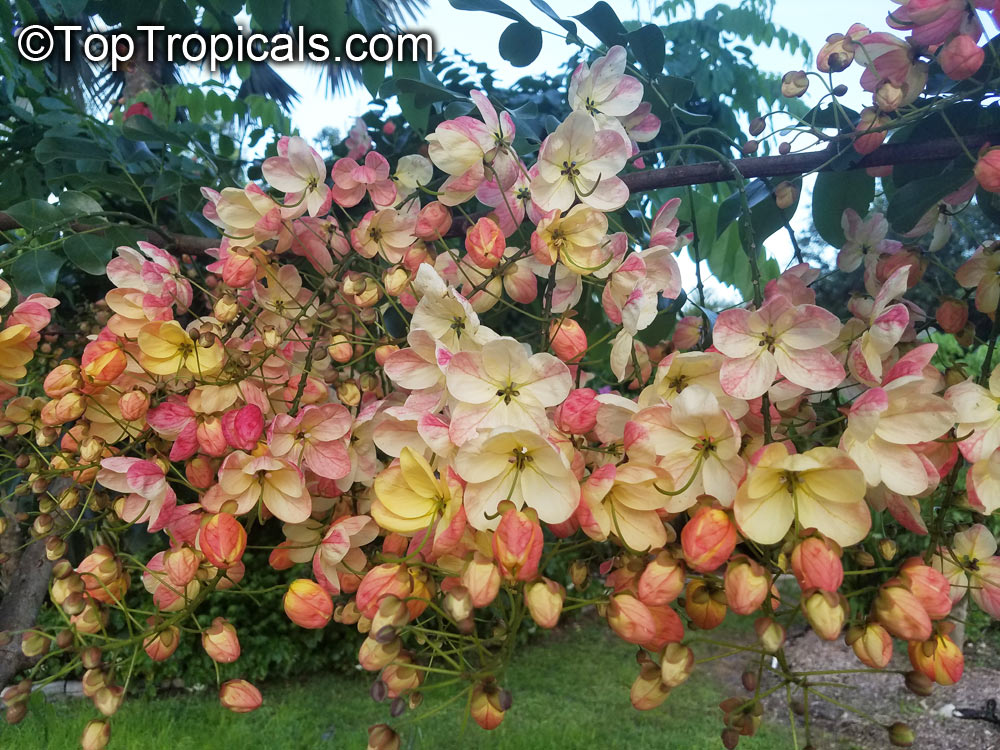
In the photo: Raja's Rainbow Cassia

TopTropicals PeopleCat Club and Zoo

Thank you for supporting us in helping PeopleCat Community!
Make your kind donation today and receive a surprise gift from us! Every little bit helps. Thank you and God bless you and your pets!

Date: 29 Nov 2020

Cold protection of tropical container plants

Q: I am long time customer of yours, I live in San Diego California and while the summer and Fall temperatures are warm to mild, the winter temperatures dip to a point where some tropicals die off. We are experimenting with different variations of way to heat and insulate the pots we have the tropicals planted in as a way to keep them alive during the colder winter months. I was wondering if you knew of the ideal soil temperature for these tropical in order to look their best year round. All of the heaters we have installed have thermostats and temperature adjustments so we can now keep the soil anywhere between a range of between 65-75 degrees. Any advise you can provide would be greatly appreciated.

A: This is a very interesting concept you are working with. Indeed, keeping pots/roots warm, may help a lot! We've been experimenting with cold protection for a long time - for the above-ground plant parts. For sure keeping roots protected (even with a thick layer of mulch) will benefit tropical plants during winter. In case with container plants, this may help dramatically.
The guideline is, tropical plants slow down or stop their metabolism at 65F. As long as you can keep soil above that temperature - this should work great. Of course, the higher the better.
Optimum temperature for growing tropical plants in general - 70-85F. Above 90F, metabolism stops too, unless it's a heat tolerant, desert plant.

More information on winter cold protection of tropical plants and zone pushing:

Greenhouse in Virginia
Plumeria cold protection
Ghost Cold Protection
Seven rules of cold protection for tropicals
About Cold Protection
Cold protection - winter action for your plant collection
Tropical Treasures articles on zone pushing.

Date: 24 Nov 2020

Healthy Plants: Q&A from Mr Booster

How not to kill gardenias?

Q: I have tried to grow gardenia in pots for years and never keep them alive. When i look on camellia websites they say fertilize potted plants twice a year. I'm confused as I tend to kill them with kindness haha. Also, if our tap water has high cal/mag and that stops the gardenia getting other nutrients why would I make up the feed with tap water? So confusing and online is mixed messages...

A: Gardenias are not the easiest plants to grow, however, they are easier in pots than in the ground: they prefer acidic soils, and in many areas soils are alkaline. The most important factor is balanced and sufficient nutrients. In the ground, plants have no limits to reach out to different elements by spreading their root system. In a pot, once all the good stuff is consumed, plants start suffering nutrient deficiency. This is why a balanced feeding program is important.

Generally speaking, Cal/Mag in tap water cannot be bad, because they are essential elements, good for plants (in proper amounts). However, just Cal/Mag is not enough. This is why you need a balanced liquid fertilizer for plants that prefer acidic soil. Excessive Cal/Mag alone can create nutrient lock up, especially if they are chelated with EDTA like in dry fertilizers, which are not fully accessible for plants.
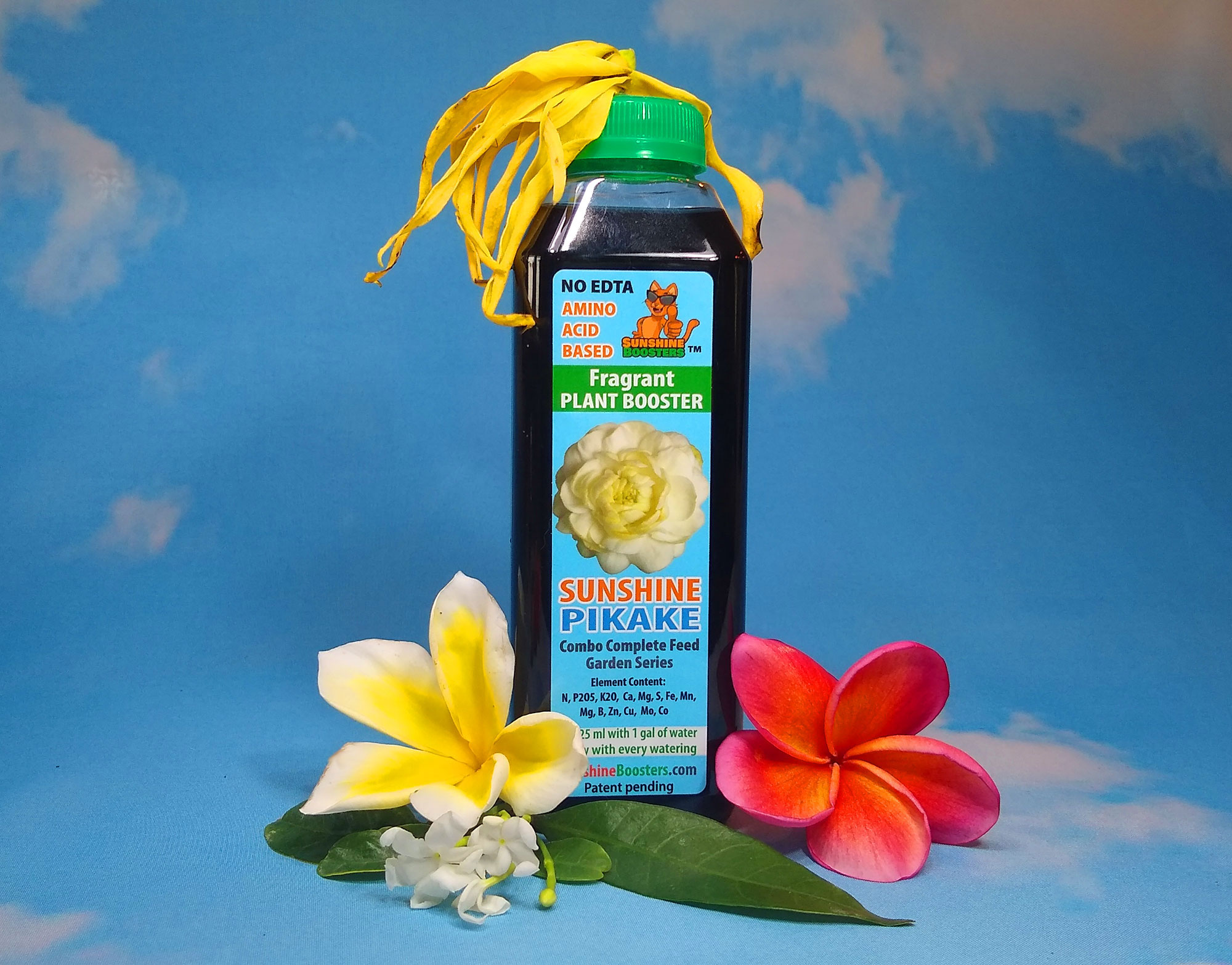
We recommend natural, Amino-Acid based fertilizers that are completely consumed by a plant and are safe to use with EVERY watering, even in Winter. They are scientifically formulated and cover all plant needs. For your gardenias, you should use SUNSHINE Pikake - Fragrant Flower Booster.
Another important factor is proper watering. Gardenias like regular water but don't like wet feet = well drained potting mix is a must, similar to Abundance professional growing mix.

Date: 24 Nov 2020

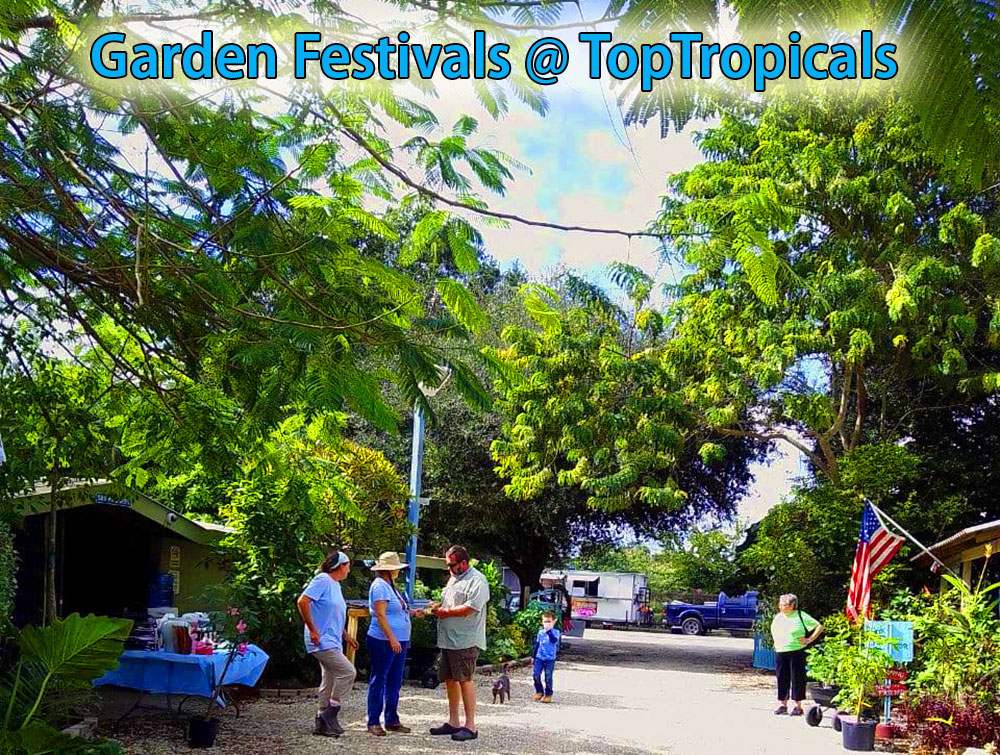
Fall Garden Festival @ TopTropicals

- Amazing Momentos -

The biggest Garden Event in TopTropicals history just happened! (and bigger event yet to come!)
Fall Garden Festival on Saturday 11/21/20 was a blast! We had so many amazing vendors with cool, sunny, happy products.
We would like to thank everyone who brought their arts, crafts, and their LOVE to our gardens, and to all the guests who really enjoyed the show! As always, Pros and Congas live jazz set a tropical tune to the day. Please come again to our future events and share your talents with the World!

Special thanks to our vendors:

Izzy Baquerizo - Graphic Artist (Fort Myers)
Tony Campo Gallery
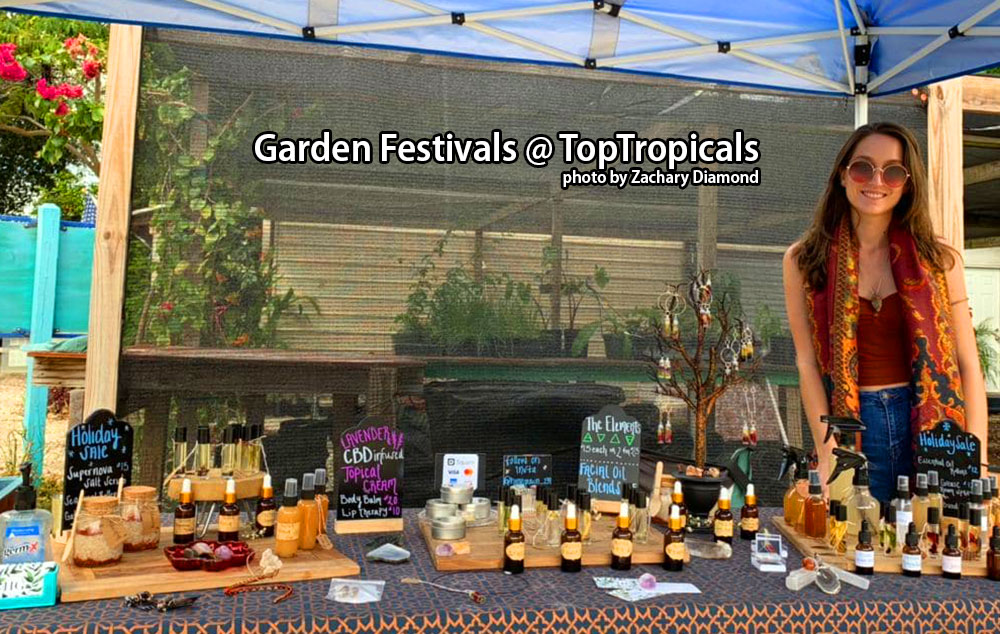
Homegrown - tropical oils, creams and blends by Rebekah Bunting
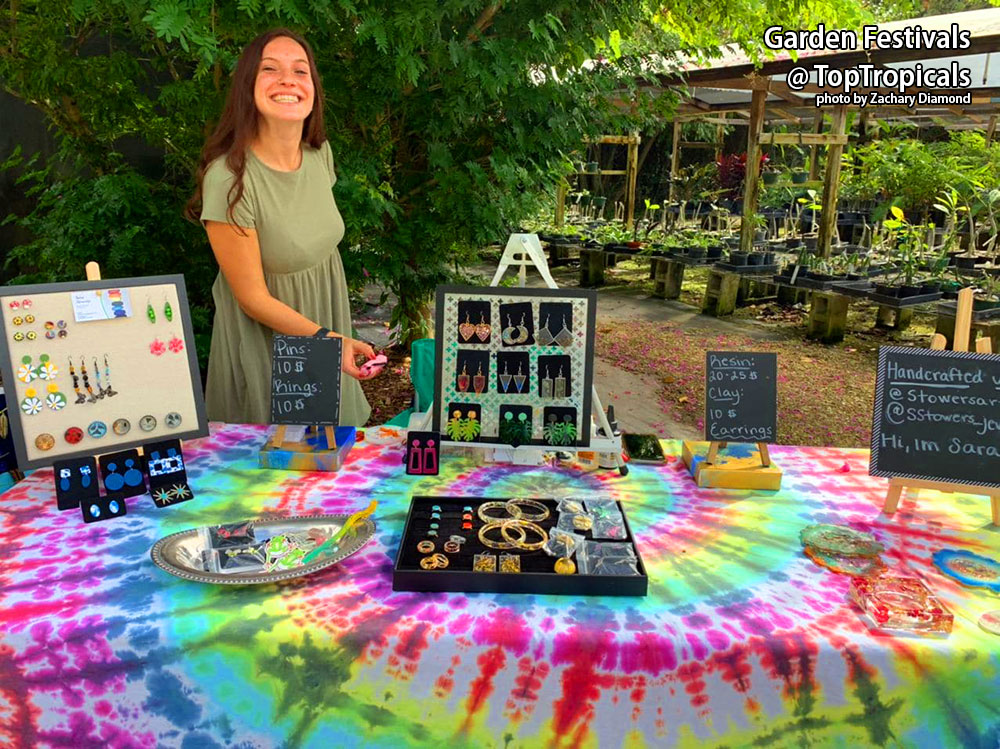
Sara's Stowers Jewelry - Resin and Clay Jewelry (Naples)
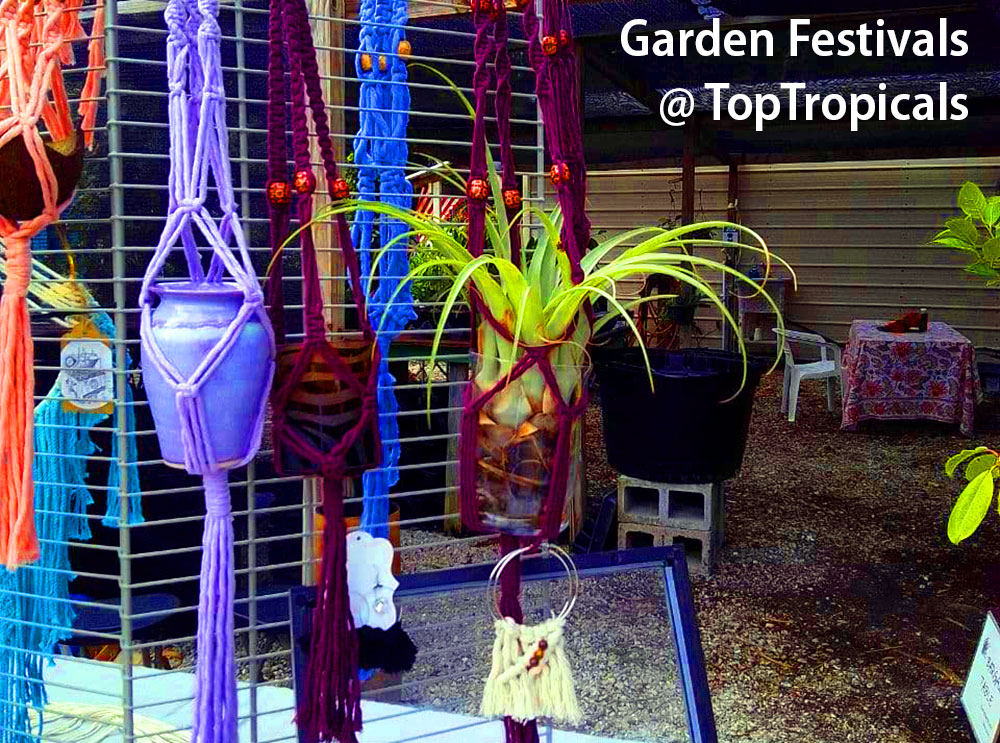
Kelsey's Treasure - Macrame & Wire Jewelry (Fort Myers)
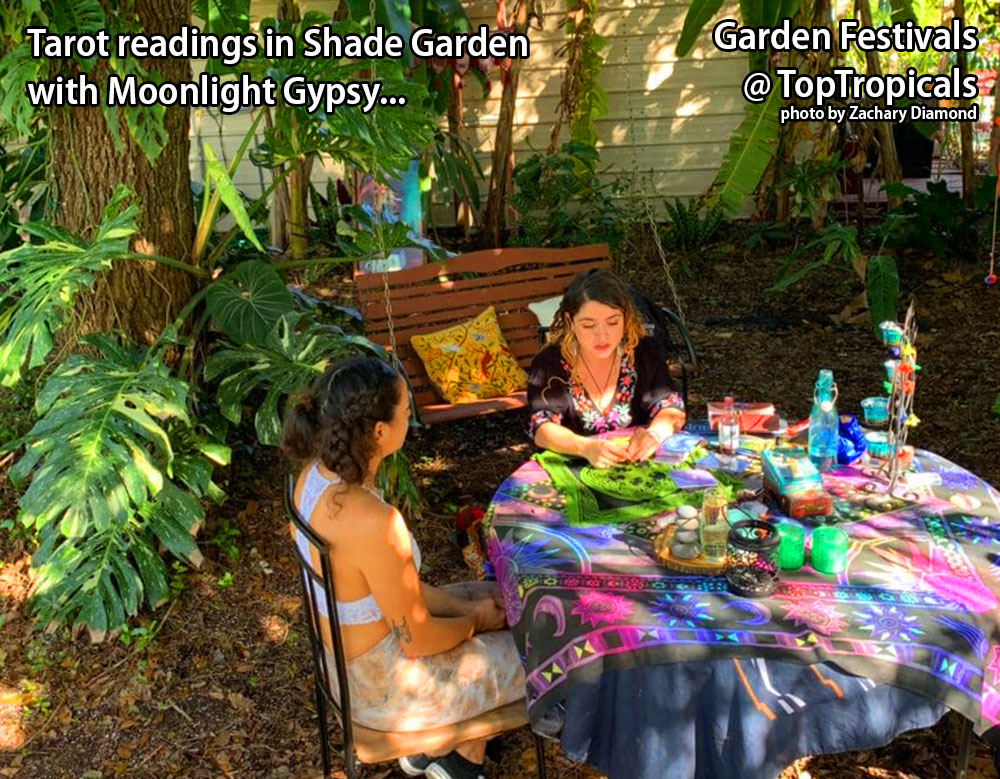
Cinthya Celeste - with her Moonlight Gypsy Tarot Card Readings
Twain's Tye Dye @asmrdotcommunity @twains.tyedye (Spark Twain)
Elijam Adams - Hoop Flow (St. Petersburg, FL)
Someuglyrugs
See all participants with links to their businesses

See more photos of the event >>

Moonlight Gypsy Tarot Card Readings

Sara's Stowers Jewelry - Resin and Clay Jewelry (Naples)

Rebekah Bunting with Homegrown - tropical oils, creams and blends

Kelsey's Treasure - Macrame & Wire Jewelry (Fort Myers)

King - the Star of the Show

Date: 19 Nov 2020

Healthy Plants: Q&A from Mr Booster

Feeding Indoor Plants

Q: I am moving all my potted plants indoors as weather is cooling down. I still have Sunshine Boosters that I got from you in Summer. Do I need to continue fertilizing and how often, or should I wait until Spring?

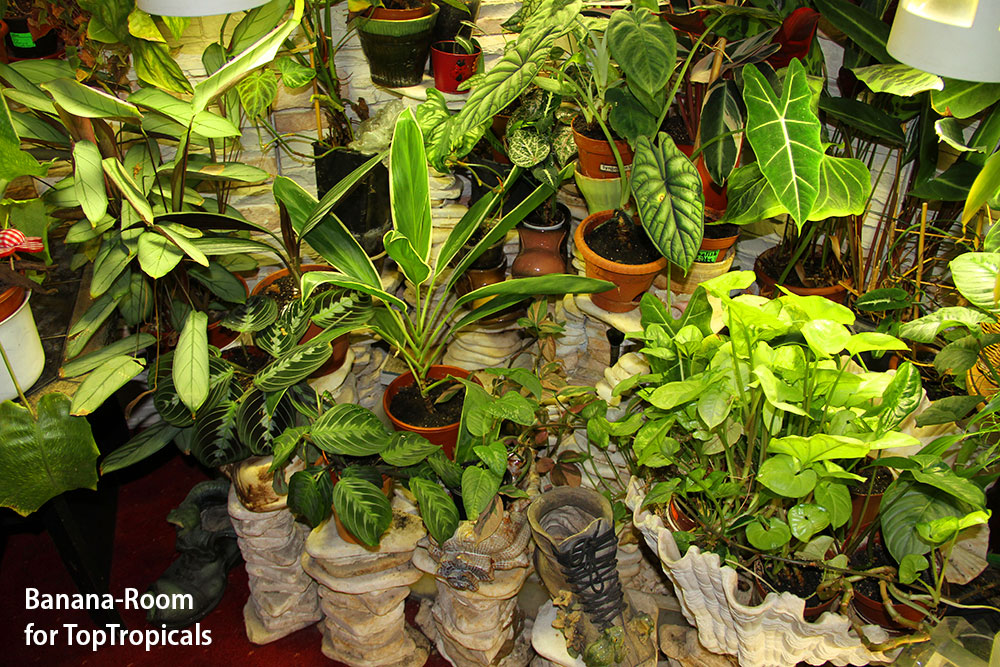
A: Indoor plants add a vibrant warmth to your home, and can even improve the air quality. But most importantly, indoor plants give you access to year-round gardening. While majority of house plants are easy to maintain, they still require proper care to thrive.
Too many gardeners overlook the importance of fertilizing plants indoors. However, proper feeding is essential to grow healthy, vibrant plants. With outdoor plants nature sends rain and a plant will send new roots to find food, an indoor plant is limited to only what you will give it. That is why it is essential to feed your plants a healthy nutritious meal even indoors.
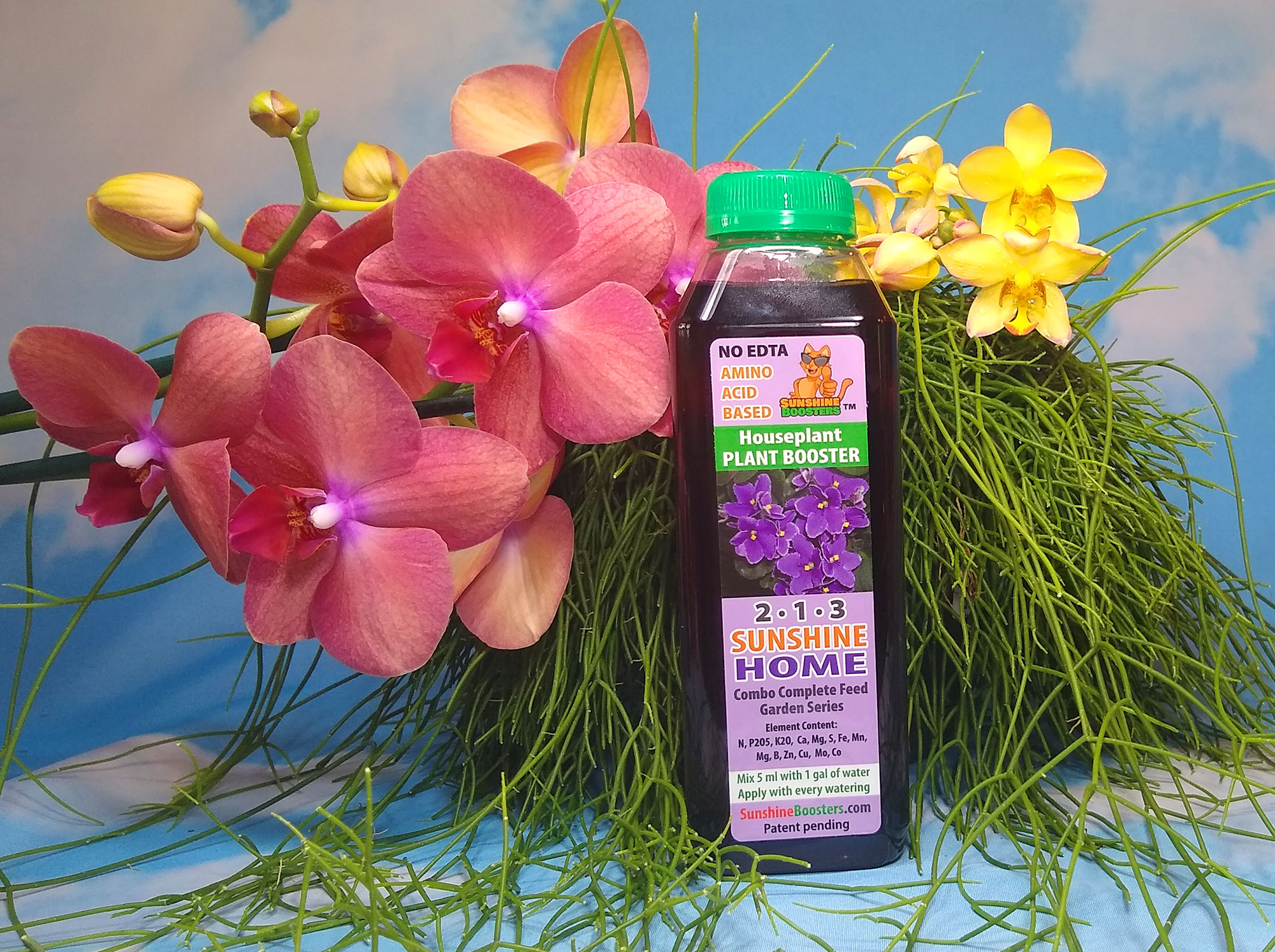
Many granular and slow-releasing fertilizers will recommend that you only feed your plants occasionally, but this is not the healthiest for plants, since they need to "snack" every day to satisfy their daily nutrient needs. When you feed a plant a large meal rarely, it cannot absorb the nutrients effectively, leftovers creating build up in soil (it's called "locked up nutrients") and that is why we specifically designed our fertilizers to be a light, daily nutritious meal for your plants - Sunshine Home for houseplants...

Date: 19 Nov 2020

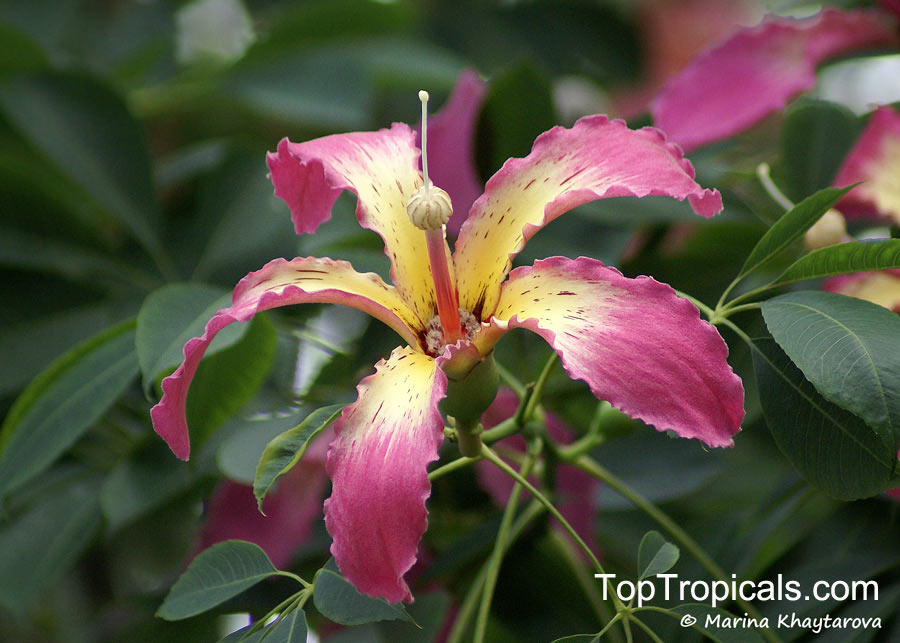
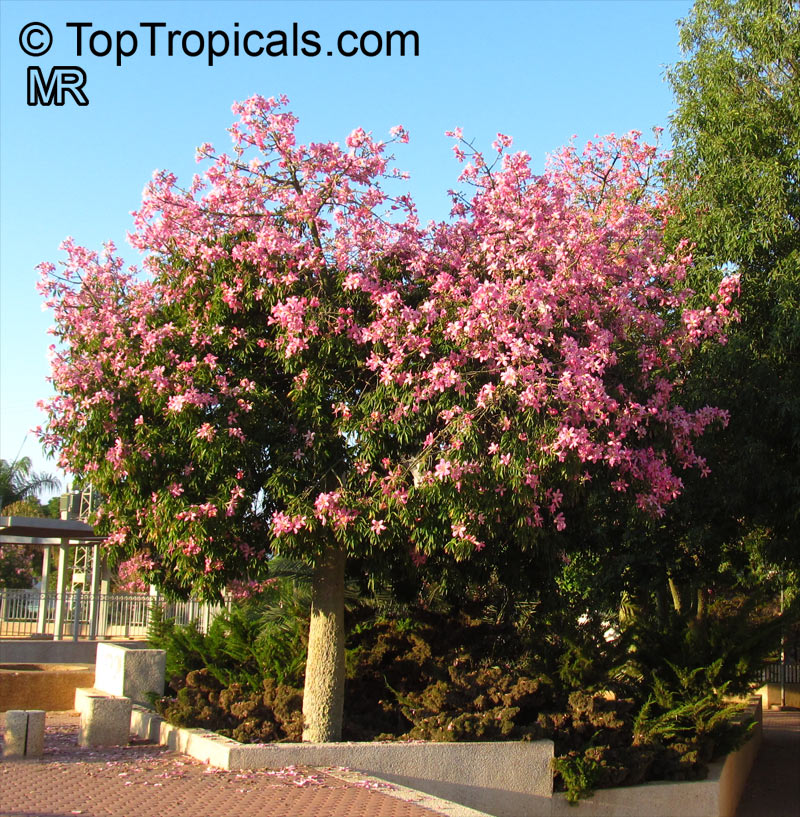
Chorisia speciosa - Exotic Pink Silk Floss Tree

by Onika Amell, tropical plant expert

When I stumbled upon my first Pink Silk Floss tree at the Naples Botanical Garden in Florida, it stopped me in my tracks. It was in full bloom and one of the most beautiful flowering trees I had ever laid my eyes upon. This tree has so much wow factor. Not only are the flowers of this native from the Amazon Rain Forest in South America spectacular, but the trunk, seeds and attractive, umbrella-like crown makes it exceptionally unique and interesting. This tree will stand out in any garden....

CONTINUE READING >>

Date: 6 Nov 2020

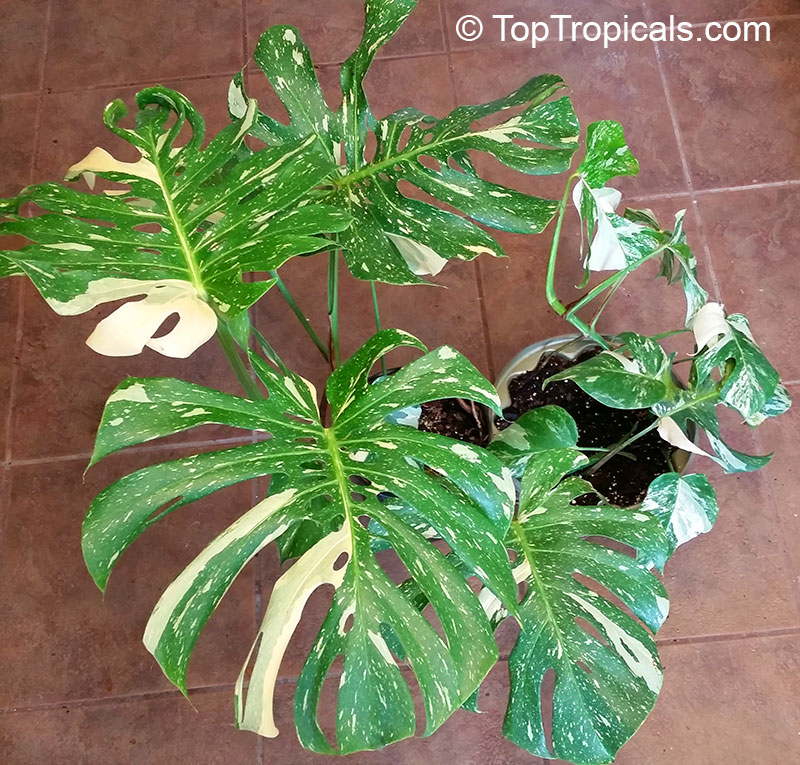
The truth about Sensational Monstera Thai Constellation

"Nothing's making sense anymore. It's gotten out of control"

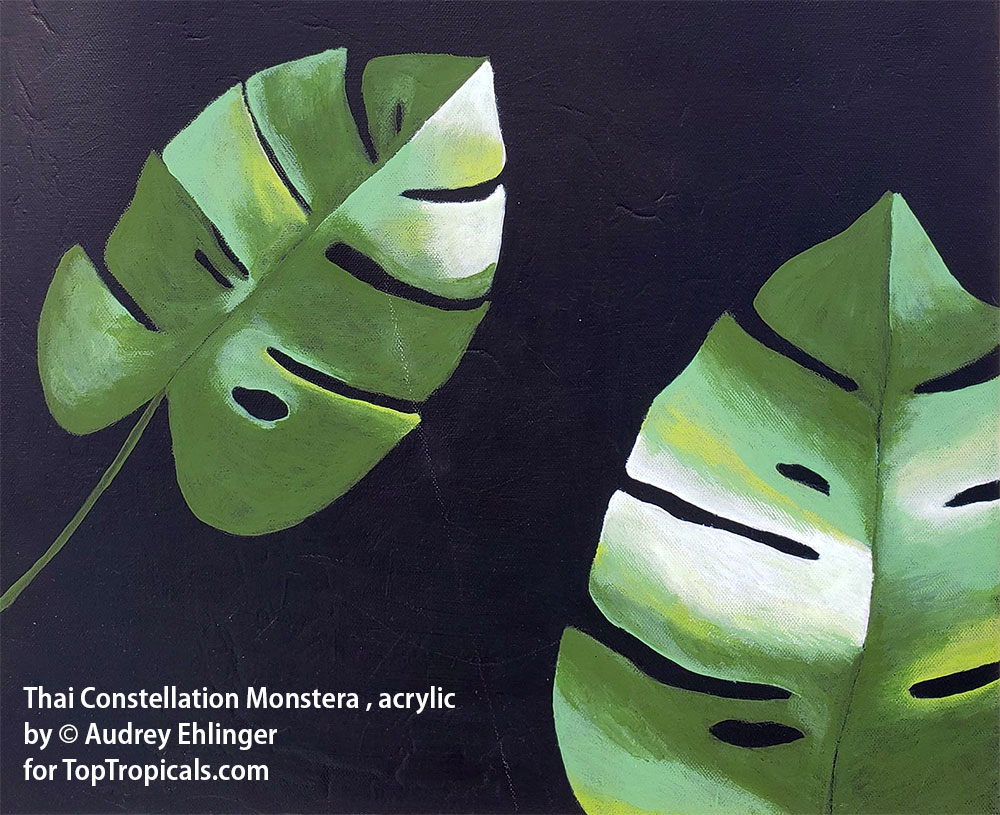
Painting above: "Thai Constellation Monstera deliciosa" with acrylic paint on textured background by Audrey Ehlinger - participant of the 2020 Tropical Plant Art Contest

Variegated Monstera... Now that this Sensational plant deserves even its own works of art, it is time to admit: this beauty is probably one of the most surprising phenomena in the history of rare plant industry.

Many plant collectors noticed the craziness around this unusual variegated cultivar of Monstera deliciosa - Thai Constellatio. Top Tropicals was the first plant nursery that originally introduced this variety into the US tropical plant market a few years ago. Since then, popularity of this plant went above and beyond any expectations. Everybody wants this plant! Yet it is nearly impossible to propagate, with the only somewhat successful method as Tissue Culture. Besides, in order to create a viable batch, one must use cells from the stem only. Considering this plant grows about 2 inches a year (in favorable conditions), this leaves us with very limited propagation material... Who can sacrifice their unique mature plant for a knife of a propagator? Let us know if you have any extra you can share ;)

No wonder very quickly Thai Constellation had become a commodity plant, or even better - an asset compared by some people to a real estate bubble... Some collectors sell cuttings for $2,000 each. People pay up to $250 per leaf of this plant... Crazy? Maybe. But being rare plant collectors, we all know the feeling! Check out this article:

It's Better Than The Stock Market: A Massive Bubble Is Forming In The Rare Plant Market...

Thai Constellation available for sale:

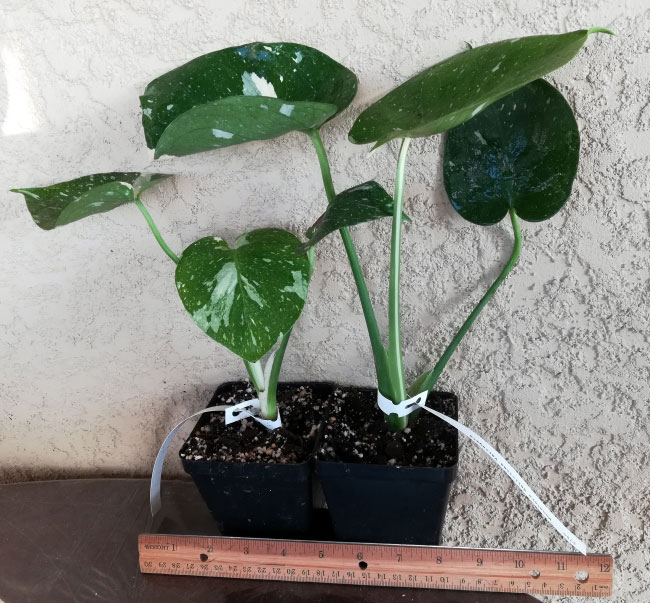
The good news is - we have a few plants. They are in 4"pots. Small, but well-established. The price is not cheap. It is what it is - this is what it costs us to obtain these plants from Thailand. This is the last batch for a long while, no more available even at this price, since the growers can't find enough propagation material to satisfy the market. Next batch expected from tissue culture is probably 2022. We have over 400 customers on wish list for this plant.If you really NEED IT, order right now!

3-years old Monstera Thai Constelation from Top Tropicals personal collection

Date: 6 Nov 2020

Tropical Plant Art Contest:
we counted all the votes!

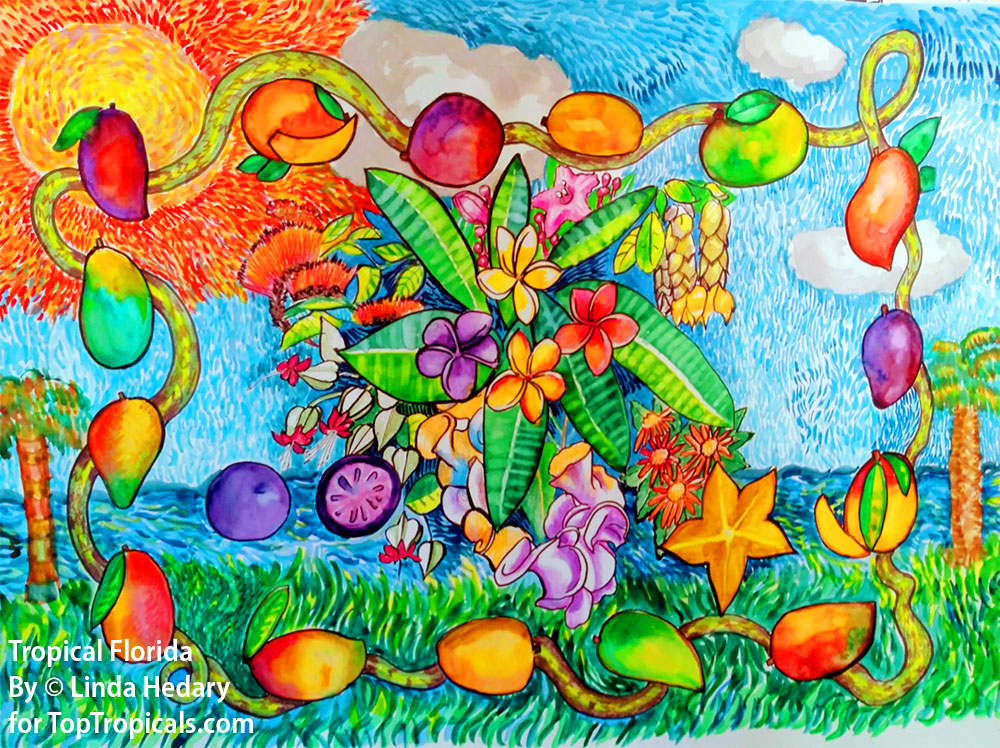
Painting above: 3rd place: "Tropical Florida" by Linda Hedary

"WOW! So many great works! Our followers certainly have a GREAT collective talent! Makes me so proud!" - a quote from TopTropicals Art Jury member, artist Mark Hooten.

Now that the whole country in in competition mode, gardeners are no exception! Every painting is a work of art and it was hard for the Jury to make the decision. We counted in all the votes that came in by the deadline ;)
Finally, we are happy to announce the winners of the Plant Art Contest!. Visit our 2020 Tropical Plant Art Contest Page on our website and see all participant entries, winners and their prizes!

See all Winners! >>

All winners will be contacted by us via email or Facebook within a few days for their prizes. If you haven't heard from us by 11/9/20, please contact us with the subject "Tropical Plant Art Contest" and your shipping information. You may also simply reply to this email, just make sure to set the proper subject.
A few entries came late, pass deadline/voting, keep up with the great artwork and don't miss the next contest submission!

Thank you to all the amazing plant lovers who shared your artwork and talents with us. So much creativity and beauty for everyone to enjoy! Happy painting, and stay updated - new contest will be coming soon!

Painting above: "Hibiscus Wish" by Santhoshi Kavali

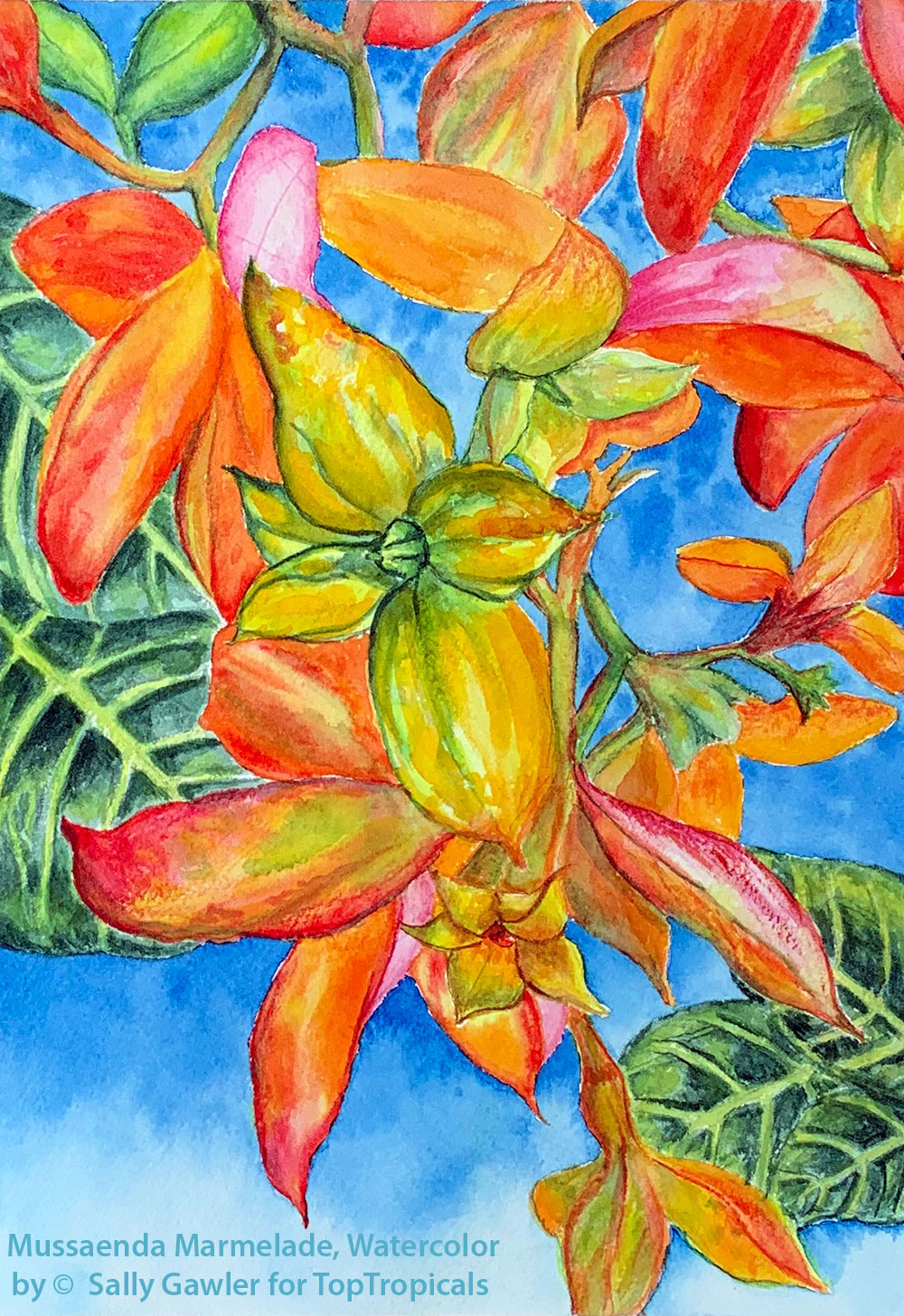
Painting above: "Mussaenda Marmelade" - Watercolor by Sally Gawler (Audience Appreciation Prize)

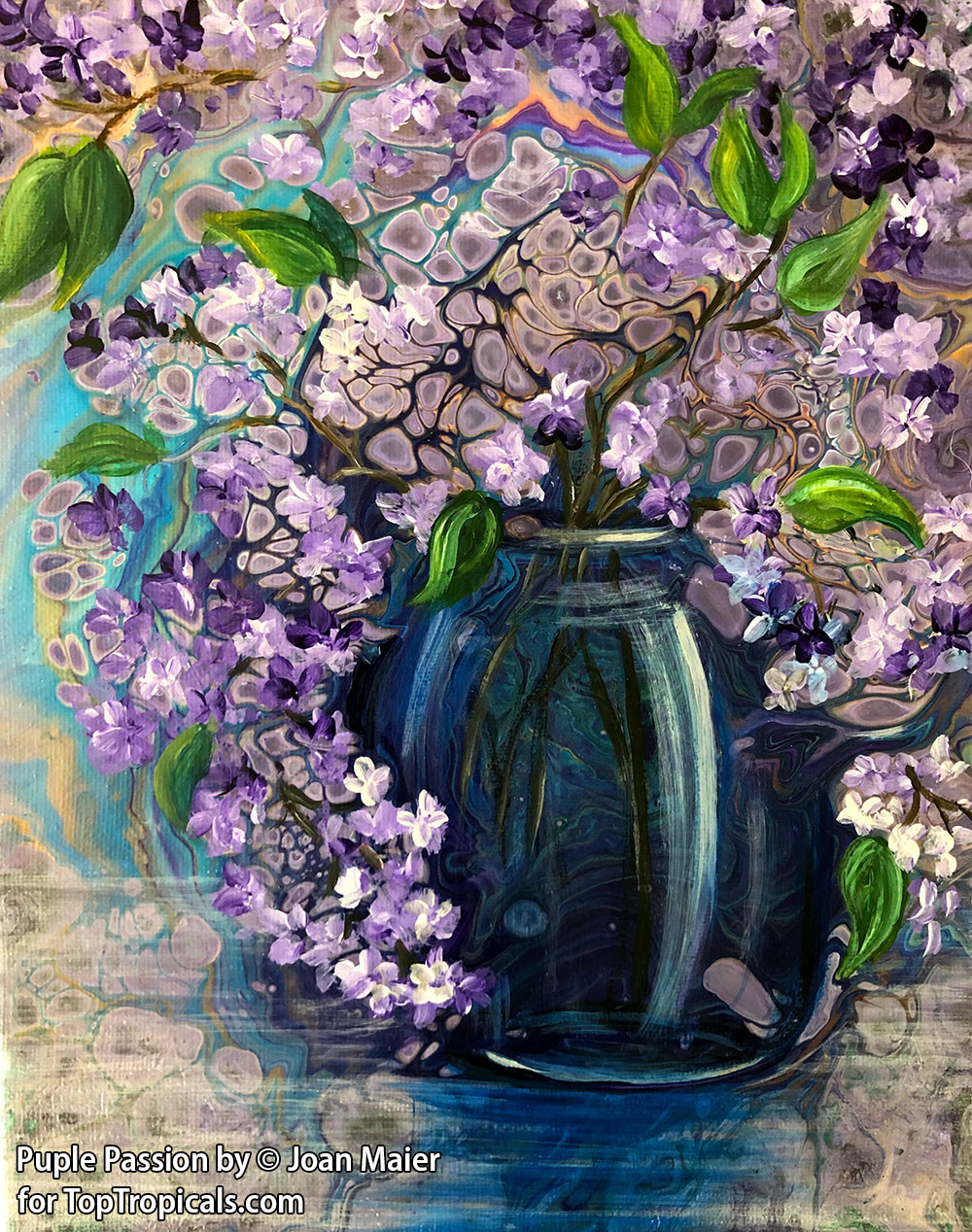
Painting above: "Purple Passion" by Joan Maier. Joan's painting "Butterfly" is the 1st place winner (see Contest page)

Date: 29 Oct 2020

Healthy Plants. Q&A from Mr Booster: How to get Ylang Ylang to flowering

Q: I am writing in reference to my Ylang ylang tree. I purchased this from top tropicals a few years ago and although the plant is doing well, I don't see any flowers yet. Can you tell me when it will flower? Do I need to do something special for it to flower?
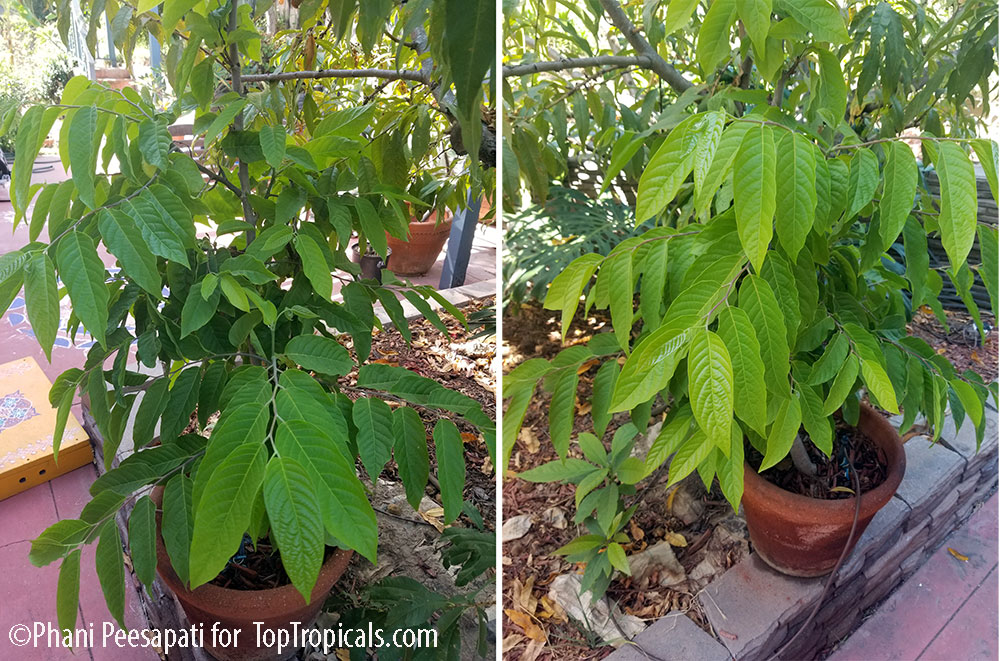
A: Cananga odorata, Ylany Ylang tree, takes a few years until it starts flowering, hopefully it will bloom for you any time soon.
However, keep in mind that it may be a bit challenging for a potted plant. In natural conditions, this is a large tree that requires lots of room not only for the tree itself, but also for the root system. It is still possible to get Cananga odorata to bloom in container, considering the plant has all necessary nutrients for flowering. Here is the trick.

When grown in the ground, root system can reach out to all necessary elements in surrounding soil (considering soils are not too poor on necessary elements). In a pot, a supply of nutrients can be exhausted very quickly, so a quality fertilizer program is very important. Fertilizer must include all necessary nutrients in easy accessible (soluble) form, and a plant must have their constant supply for proper development.

SOLUTION:
prescribe Ylang Ylang tree the following combination of plant food:

- SUNSHINE Pikake - Fragrant Flower Booster
It will provide well-balanced amounts of high absorption Phosphorus (P) and Nitrogen (N), as well as Potassium (K) - to provide enough flowering energy to the tree, plus a combination of all necessary micro-elements. It is safe to apply this fertilizer as frequent as with every watering, including winter time.

- SUNSHINE-Honey - sugar booster This supplement has a high content of elements Mo and B - once the tree starts getting them on regular basis (a few times a year, according to the label), it will trigger flower production.
You may also consider getting dwarf varieties of Ylang Ylang that starts flowering in container right away:
Cananga fruticosa - Dwarf Ylang-Ylang Currently these high demand plants are sold out, but new plants are establishing and will be ready for sale within couple months. You may add your email to wishlist ("Notify me when available") to get notification as soon as we have it back in stock.
Ylang Ylang vines also start flowering within a year.